
The Role of AI in IoT: Key Benefits, Real-World Use Cases, and Challenges
Scope of Work
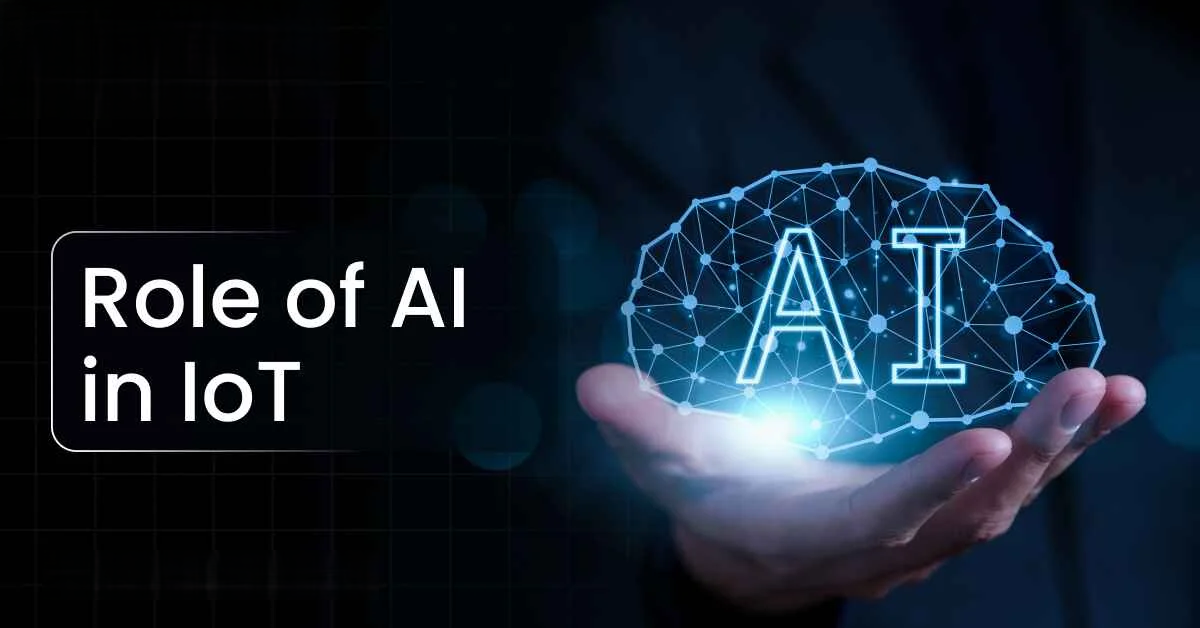
The Internet of Things (IoT) has already transformed the way devices connect, collect data, and automate everyday processes. When combined with Artificial Intelligence (AI), its potential expands dramatically. AI equips IoT ecosystems with the ability to analyze data, learn from patterns, and make intelligent decisions in real time—turning connected devices into truly smart systems.
From predicting equipment failures in manufacturing and enabling smarter, more responsive homes to transforming healthcare with proactive and personalized solutions, AI-powered IoT is reshaping industries across the board. Devices are no longer just interconnected; they are becoming intelligent, adaptive, and increasingly autonomous.
However, this rapid evolution also introduces significant challenges, including data security, privacy concerns, and system integration complexities. In this blog, we explore the key benefits, real-world use cases, and major challenges of AI in IoT helping businesses and technology leaders understand why this convergence is a critical driver of innovation and digital transformation.
Understanding the Role of AI in IoT
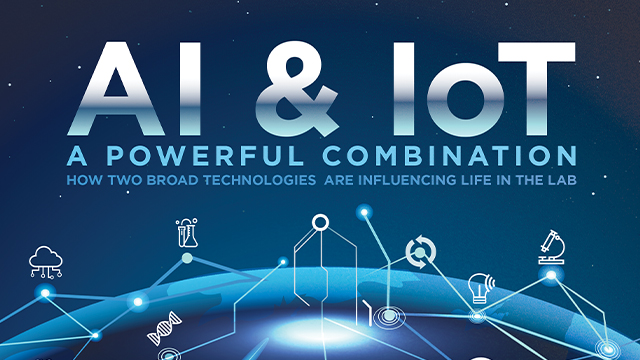
The convergence of Artificial Intelligence (AI) and the Internet of Things (IoT) marks a fundamental shift in how connected devices operate, interact, and deliver value. While IoT enables devices to collect and exchange data, AI enhances these systems with the ability to analyze information, recognize patterns, and generate insights that drive intelligent actions. Together, AI and IoT move beyond simple connectivity to create autonomous, data-driven experiences.
AI plays a critical role in transforming raw IoT data into actionable intelligence that supports informed decision-making, operational efficiency, and enhanced user experiences. In manufacturing, AI-powered IoT sensors analyze equipment performance to predict failures, reduce downtime, and optimize maintenance schedules. In healthcare, AI processes data from wearable devices in real time to detect anomalies, recommend interventions, and enable more proactive, personalized patient care.
Beyond automation, AIoT enables advanced personalization, intelligent resource allocation, energy optimization, and system-wide efficiency improvements. However, realizing the full potential of AI-driven IoT solutions requires addressing key challenges, including data security, system scalability, and seamless integration across complex digital ecosystems.
Ultimately, AI transforms IoT from a network of connected devices into an intelligent infrastructure capable of predictive, adaptive, and autonomous actions. This evolution is set to redefine industries worldwide, positioning AIoT as a cornerstone of future innovation and digital transformation.
Benefits of AI in IoT
The combination of Artificial Intelligence (AI) and the Internet of Things (IoT) is transforming industries by enabling intelligent automation, real-time insights, and data-driven decision-making. Together, AI and IoT often referred to as AIoT unlock new levels of efficiency, reliability, and user-centric experiences. Below are five key benefits of AI in IoT.
1. Smarter Decision-Making
AI enables IoT systems to process vast amounts of data in real time and convert it into meaningful insights. Beyond simple data collection, AI identifies patterns, detects anomalies, and recommends optimal actions allowing IoT systems to operate proactively rather than reactively.
2. Predictive Maintenance
Predictive maintenance is one of the most impactful applications of AI in IoT. By continuously analyzing sensor data, AI algorithms can anticipate equipment failures before they occur. This allows organizations to perform maintenance at the right time, reducing unexpected downtime, extending asset lifespan, and lowering operational costs.
3. Advanced Automation
AI-powered IoT ecosystems enable end-to-end automation with minimal human intervention. In smart homes, systems automatically adjust lighting, temperature, and energy usage based on user behavior. In industrial environments, AI dynamically optimizes production lines to improve efficiency and output.
4. Improved Efficiency and Resource Management
AI-driven IoT applications significantly enhance energy management, waste reduction, and resource utilization. For example, in agriculture, AI-enabled sensors monitor soil conditions and environmental factors to recommend optimal irrigation schedules leading to higher crop yields and reduced water consumption.
5. Enhanced User Experience
By learning from user behavior and preferences, AI in IoT delivers more personalized and seamless experiences. Smart assistants can suggest routines, while connected devices adapt automatically to lifestyle needs creating intuitive, responsive, and user-friendly environments.
Use Cases of AI in IoT
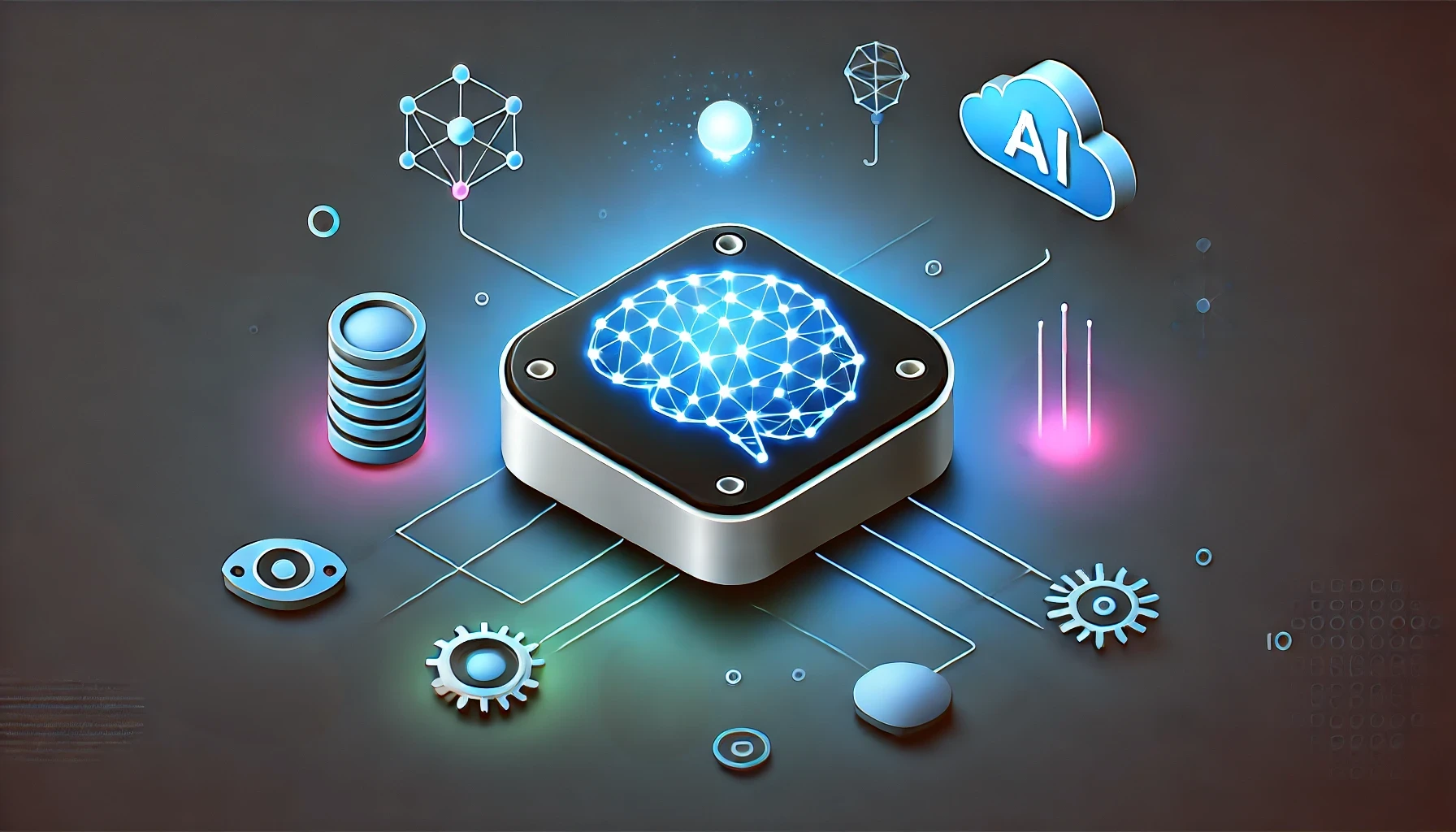
The convergence of Artificial Intelligence (AI) and the Internet of Things (IoT) is unlocking transformative opportunities across industries. By combining real-time data collection with intelligent analysis and automation, AI enhances IoT systems with predictive, adaptive, and decision-making capabilities. Below are some of the most impactful use cases of AI in IoT.
1. Predictive Maintenance
AI-powered IoT sensors continuously monitor equipment performance to detect anomalies and predict potential failures before they occur. This enables manufacturers to schedule maintenance proactively, significantly reducing unplanned downtime, extending asset lifespan, and lowering repair costs.
2. Smart Homes and Intelligent Buildings
AI-driven IoT systems learn user behavior and preferences to automatically manage lighting, HVAC systems, and security. These capabilities improve comfort, enhance energy efficiency, and create highly personalized living and working environments.
3. Healthcare and Remote Patient Monitoring
Wearable IoT devices collect real-time patient health data such as heart rate, activity levels, and vital signs. AI analyzes this data to detect abnormalities and predict potential health risks, enabling early intervention, faster response times, and improved patient outcomes.
4. Supply Chain Optimization
AI and IoT work together to track shipments, forecast demand, and optimize inventory management. This results in reduced delays, better resource allocation, and improved operational efficiency across the supply chain.
5. Smart Agriculture
IoT sensors collect data on soil moisture, weather conditions, and crop health. AI processes this information to recommend optimal irrigation, fertilization, and harvesting schedules—leading to higher crop yields, reduced waste, and more efficient use of resources.
6. Connected Vehicles and Fleet Management
AI-powered IoT solutions monitor vehicle performance, driver behavior, and route efficiency. These insights help reduce fuel consumption, enhance safety, predict maintenance needs, and streamline logistics operations.
7. Energy Management and Smart Grids
AI-enabled smart grids analyze consumption patterns, detect faults, and balance energy distribution in real time. They also support the integration of renewable energy sources, lowering costs while improving sustainability for both businesses and households.
8. Industrial Automation
In manufacturing environments, AI-driven IoT systems manage production lines, identify bottlenecks, and improve quality control. This leads to faster production cycles, fewer errors, and optimized resource utilization.
9. Retail Personalization
IoT devices track customer movement and behavior within retail spaces. AI analyzes this data to personalize product placement, optimize store layouts, and enhance customer service—driving higher engagement and conversion rates.
10. Environmental Monitoring
AI leverages data from IoT sensors to monitor pollution levels, track wildlife movements, and manage natural resources. These insights support governments and organizations in making timely, data-driven decisions to protect the environment.
Read more: How Much Does It Cost to Build an AI Chatbot?
Challenges of AI and IoT Integration
The convergence of Artificial Intelligence (AI) and the Internet of Things (IoT) offers enormous potential but it also introduces a set of complex technical and operational challenges. Organizations that can successfully address these obstacles while maintaining performance, security, and scalability will be best positioned to unlock the full value of AIoT solutions.
1. Data Security and Privacy
IoT devices generate massive volumes of sensitive, real-time data that are processed and analyzed by AI systems. This data is highly vulnerable to cyberattacks, unauthorized access, and misuse. To mitigate these risks, organizations must implement robust security frameworks, end-to-end encryption, secure data storage, and strict compliance with data protection regulations such as GDPR and other regional standards.
2. Scalability Constraints
As IoT ecosystems expand, managing and processing data at scale becomes increasingly challenging. AI-driven analytics often require high-performance computing resources and optimized data pipelines. Without the right infrastructure, organizations may face latency issues, delayed insights, and reduced system efficiency limiting the overall effectiveness of AIoT deployments.
3. High Implementation Costs
Deploying AIoT solutions typically involves significant upfront investment in hardware, software platforms, cloud infrastructure, and specialized talent. For many enterprises, especially small and mid-sized businesses, these initial costs can be a major barrier, delaying return on investment and slowing adoption.
4. Interoperability and System Integration
IoT environments often consist of devices from multiple vendors, each using different standards, protocols, and data formats. Integrating these heterogeneous systems with AI platforms in a seamless and reliable way is complex and often requires custom middleware or tailored integration solutions to ensure smooth communication and data flow.
5. Data Quality and Management
AI models rely on high-quality, accurate, and consistent data to deliver reliable predictions and insights. Poor data quality—caused by faulty sensors, inconsistent data streams, or missing information—can lead to inaccurate outputs and flawed decision-making, significantly reducing the value of AIoT systems.
Conclusion
At HomeNest Software, we believe that the integration of AI and IoT is not a passing trend but a foundational pillar of the next wave of digital transformation. By enabling intelligent decision-making, predictive analytics, and seamless automation, AI-driven IoT solutions are rapidly becoming essential across industries.
While the potential is immense, organizations must proactively address challenges related to data security, privacy, scalability, and interoperability to fully realize AIoT’s value. With the right technology partner, these challenges can be transformed into strategic advantages.
HomeNest Software specializes in delivering secure, scalable, and intelligent AI-powered IoT solutions tailored to your business needs helping you turn innovation into measurable efficiency, resilience, and sustainable growth in today’s competitive digital landscape.
HomeNest Software – Empowering Long-Term Growth for Modern Businesses.
Contact Information:
- Address: The Sun Avenue, 28 Mai Chi Tho Street, Binh Trung Ward, Ho Chi Minh City
- Hotline: +84 898 994 298 ( WhatsApp )
- Website: homenest.software
Frequently Asked Questions (FAQs)
1. What is AIoT (Artificial Intelligence of Things)?
AIoT refers to the integration of Artificial Intelligence with the Internet of Things, enabling connected devices to analyze data, learn from patterns, and make intelligent, autonomous decisions in real time.
2. What are the biggest challenges of AI and IoT integration?
The main challenges include data security and privacy risks, scalability limitations, high implementation costs, interoperability between devices, and maintaining high data quality for AI models.
3. Why is data security critical in AIoT systems?
AIoT systems process large volumes of sensitive real-time data. Without strong encryption, access control, and regulatory compliance, this data is vulnerable to cyberattacks, breaches, and misuse.
4. Is AIoT suitable for small and medium-sized businesses?
Yes, but cost and complexity must be carefully managed. Cloud-based AIoT platforms, phased implementation, and MVP-based development approaches can make AIoT adoption more accessible for SMBs.
5. How does poor data quality affect AIoT performance?
AI models rely on accurate and consistent data. Low-quality sensor data can lead to incorrect predictions, unreliable automation, and poor decision-making, reducing the overall value of AIoT solutions.
6. Can AIoT systems scale as device numbers grow?
Yes, but scalability requires the right cloud infrastructure, data pipelines, and AI architectures. Without proper planning, performance bottlenecks and latency issues may occur.
7. How long does it take to implement an AIoT solution?
Implementation timelines vary based on complexity. A basic AIoT MVP may take 8–12 weeks, while enterprise-scale systems can require several months with phased deployment.
8. How can businesses overcome AIoT integration challenges?
Partnering with an experienced technology provider like HomeNest Software helps businesses design secure, scalable, and interoperable AIoT solutions tailored to their industry and growth goals.
Latest Articles
View All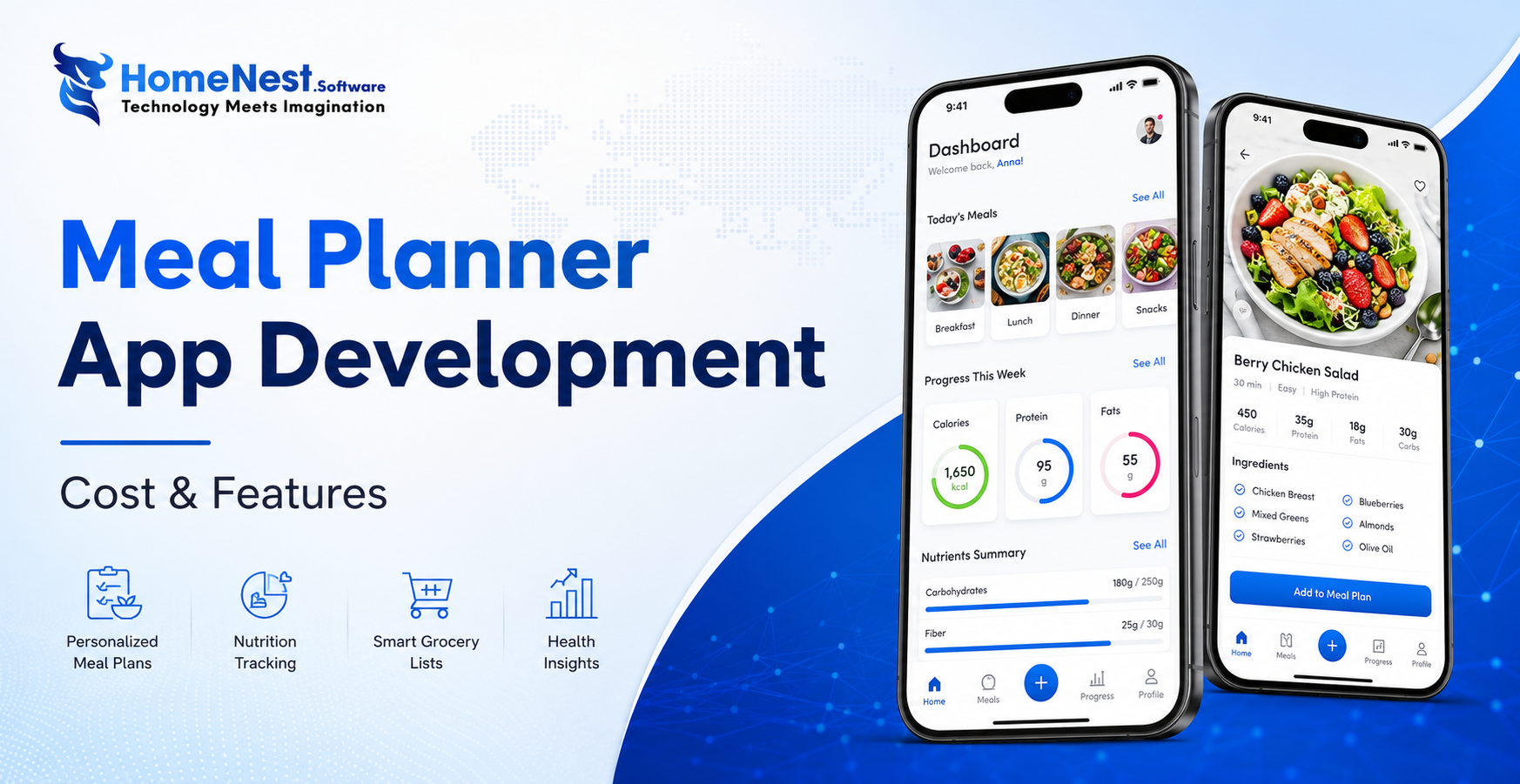
How to Build a Meal Planning App: A Complete Step-by-Step Guide
Building a successful meal planning app goes beyond creating an attractive interface it requires a clear business strategy, personalized user experiences, and scalable technology. By combining essential features like AI-powered meal recommendations, nutrition tracking, grocery list automation, and wearable integration, businesses can deliver lasting value to users while capitalizing on the growing digital health market. Partnering with an experienced mobile app development company ensures your solution is secure, future-ready, and designed to succeed in an increasingly competitive health-tech industry.
How Much Does It Cost to Build a Shopping App Like Temu?
Temu’s meteoric rise to over 900 million global downloads proves the power of combining AI, gamification, and social commerce, but building a similar viral shopping platform requires careful financial and technical planning. Developing an app like Temu typically costs anywhere from $40,000 for a basic Minimum Viable Product (MVP) to over $300,000 for a fully-featured platform. This guide breaks down every cost category, analyzes the core features driving Temu’s success, highlights the best technology stacks, and offers practical strategies to optimize your development budget without compromising on quality.

Criteria For Choosing The Right App Design Agency
UI/UX design is the logical foundation of a system, not merely a visual element. Choosing the wrong partner will directly lead to technical debt, budget overruns, and disruptions in the development process. This article provides a 6-step evaluation framework and a list of operational risks, helping businesses eliminate subjective design advice and accurately assess agency capabilities based on developer handoff standards and practical business performance.
How Does AI in Banking Industry Impact the Future?
Artificial intelligence (AI) has transitioned from a supplementary tool to a core infrastructure of financial data management, optimizing profitability through real-time fraud detection, natural language processing (NLP), and high-speed credit scoring models. “Deploying AI in the financial sector requires more than just algorithmic accuracy, it demands a highly secure cloud architecture and rigorous data governance,” commented Nguyen Tien, co-founder of HomeNest Software. Why read this guide? We skip the theoretical jargon to focus entirely on technical implementation. Whether you’re evaluating a vendor or planning a system overhaul, this article will detail: Operational Efficiency: Automating unstructured data workflows at scale. Risk Architecture: Implementing real-time threat detection and AML compliance. Data ownership: The essential need for 100% ownership of the source code to ensure full algorithm auditability.

How to Make a Banking App like Bank of America?
Developing a mobile banking application like Bank of America extends far beyond basic UI design; it requires engineering a fault-tolerant backend capable of real-time ledger synchronization, biometric authentication, and high-volume data processing under strict regulatory frameworks. Drawing from HomeNest Software’s deep experience in architecting enterprise-grade fintech solutions, this guide strips away theoretical jargon to focus entirely on operational and technical execution. What you will find in this guide: We break down the precise development roadmap, from mapping out microservices and ensuring PCI-DSS compliance to estimating MVP development costs and securing absolute data sovereignty through 100% source code ownership. If you are preparing to build, scale, or audit a financial platform, this blueprint provides the exact framework you need.
Banking App Development Cost
Building a banking application is rarely a simple process; it’s a complex technical challenge requiring a balance between complying with stringent financial regulations, handling large transaction volumes, and a scalable cloud architecture. Miscalculating these technical requirements from the outset often leads to significant technical debt and budget overruns. Based on HomeNest Software’s practical experience in designing enterprise-grade fintech solutions, this guide bypasses generic estimates to provide a realistic analysis of banking application development costs. What you’ll find in this guide: We analyze the true cost factors, from technology selection and API integration to the hidden costs of regulatory compliance and security infrastructure. Whether you’re launching a minimum viable product or expanding an existing financial platform, this analysis provides the precise operational data you need to plan your budget effectively.