
How to Build a Meal Planning App: A Complete Step-by-Step Guide
Building a successful meal planning app goes beyond creating an attractive interface it requires a clear business strategy, personalized user experiences, and scalable technology. By combining essential features like AI-powered meal recommendations, nutrition tracking, grocery list automation, and wearable integration, businesses can deliver lasting value to users while capitalizing on the growing digital health market. Partnering with an experienced mobile app development company ensures your solution is secure, future-ready, and designed to succeed in an increasingly competitive health-tech industry.
Scope of Work
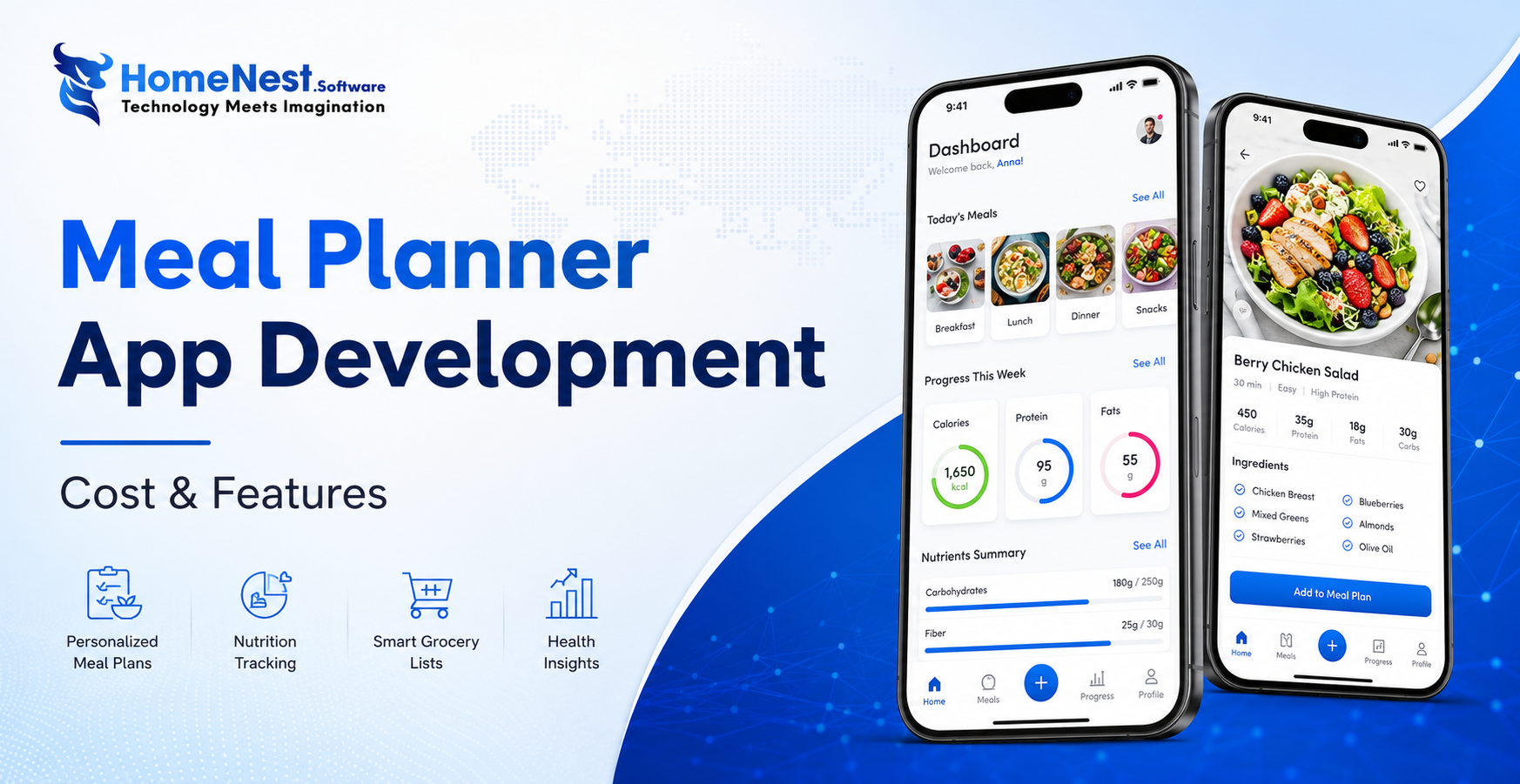
Maintaining a healthy diet has become increasingly challenging in today’s fast-paced world. As more people prioritize nutrition, fitness, and overall well-being, meal planning apps have emerged as essential digital tools that simplify healthy eating. These apps enable users to create personalized meal plans, monitor nutritional intake, generate smart grocery lists, and manage their dietary goals all from a single mobile device.
Driven by growing health awareness and the rising demand for convenient wellness solutions, investing in meal planning app development presents a significant business opportunity. Whether you’re building an app for weight management, specialized diets, sports nutrition, or everyday healthy living, understanding the development process is key to creating a successful product.
In this comprehensive guide, we’ll walk you through everything you need to know about building a meal planning app from must-have features and technology choices to development costs, monetization strategies, and best practices for launching a competitive health-tech solution.
What Is a Meal Planning App?
A meal planning app is a digital solution designed to help users organize their meals, improve nutrition, and simplify healthy eating. By combining personalized meal recommendations, nutrition tracking, recipe management, and grocery planning into a single platform, these apps make it easier to maintain a balanced diet and achieve long-term wellness goals.
Modern meal planning apps typically offer features such as customized meal plans, calorie and macronutrient tracking, recipe suggestions, automated shopping lists, and progress monitoring. Many also leverage AI to recommend meals based on users’ dietary preferences, allergies, fitness goals, and eating habits.
Whether someone wants to lose weight, build muscle, manage a medical condition, or simply eat healthier, a meal planning app provides a convenient and personalized experience. Many solutions also support specialized diets including keto, vegan, vegetarian, Mediterranean, gluten-free, and diabetic meal plans making them suitable for a wide range of users.
For businesses, meal planning app development presents an opportunity to deliver personalized health experiences while integrating with fitness trackers, wearable devices, telehealth platforms, and nutrition services.
Diet Planning App Market Statistics
The global demand for digital nutrition and wellness solutions continues to accelerate as consumers become more health-conscious and mobile-first. Several market indicators highlight the strong growth potential of meal planning and diet apps:
- The global diet and nutrition apps market was valued at approximately USD 2.38 billion in 2024 and is projected to reach USD 5.34 billion by 2030, expanding at a compound annual growth rate (CAGR) of 14.2%.
- The nutrition apps market is expected to generate USD 6.05 billion in revenue in 2026, with a projected CAGR of 10.89% through 2029, reaching an estimated USD 9.15 billion.
- User penetration is forecast to increase from 4.57% in 2026 to 5.36% by 2029, reflecting the growing adoption of digital nutrition and meal planning solutions worldwide.
- Average Revenue Per User (ARPU) is expected to reach approximately USD 43.18, highlighting the strong monetization opportunities through subscriptions, premium features, in-app purchases, and personalized nutrition services.
These figures demonstrate that meal planning apps are no longer niche wellness tools they have become a rapidly expanding segment of the digital health ecosystem. As AI-powered personalization, wearable integration, and preventive healthcare continue to gain momentum, businesses investing in meal planning app development are well positioned to capitalize on sustained market growth.
Why Invest in Meal Planning App Development?
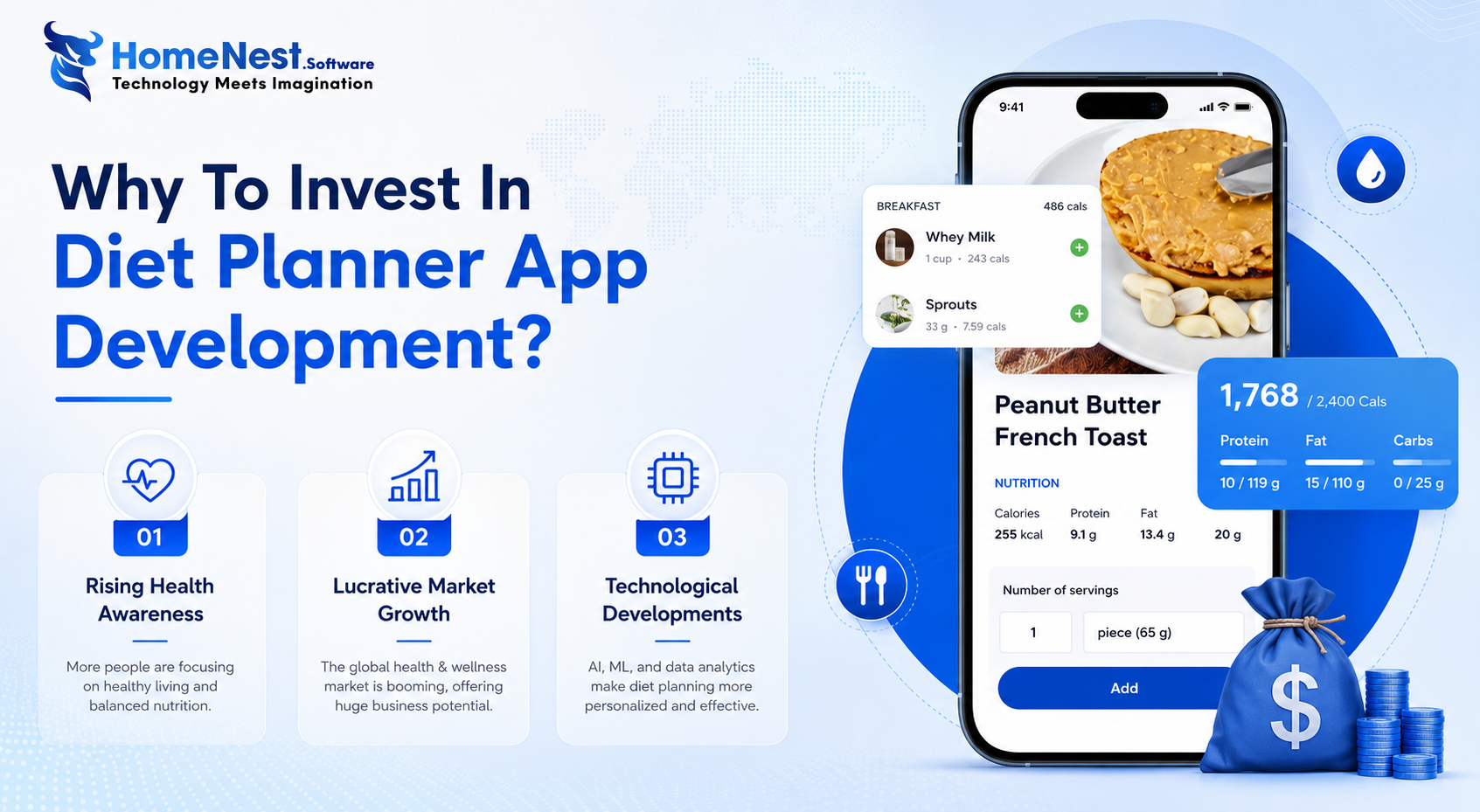
The demand for digital health solutions has grown rapidly over the past few years, making meal planning apps one of the most promising opportunities in the health-tech industry. As consumers increasingly prioritize healthier lifestyles and personalized nutrition, businesses have a unique opportunity to deliver solutions that improve user engagement while generating recurring revenue.
From rising health awareness to advancements in AI and wearable technology, several factors are driving the success of meal planning applications. Here are the key reasons why investing in meal planning app development is a smart business decision.
Rising Health Awareness
Consumers today are more health-conscious than ever before. Growing concerns about obesity, diabetes, heart disease, and other lifestyle-related conditions have encouraged people to pay closer attention to their eating habits and nutritional intake.
Meal planning apps help users build healthier routines by offering personalized meal recommendations, calorie tracking, nutrition analysis, and goal-based meal plans. Whether the objective is weight loss, muscle gain, disease prevention, or overall wellness, these applications provide practical guidance that supports long-term healthy habits.
As preventive healthcare continues to gain momentum worldwide, the demand for intelligent nutrition platforms is expected to increase significantly.
Rapidly Growing Market
The global market for diet and nutrition applications continues to expand, creating attractive opportunities for startups, healthcare organizations, fitness brands, and software companies. Industry forecasts estimate that the market will exceed USD 5 billion by 2030, supported by strong double-digit annual growth.
Beyond user growth, meal planning apps offer multiple monetization opportunities, including:
- Subscription-based premium plans
- Personalized nutrition coaching
- AI-powered meal recommendations
- In-app purchases
- Grocery and food delivery partnerships
- Advertising and affiliate marketing
These diverse revenue streams make meal planning apps a scalable and sustainable digital business model.
AI-Powered Personalization
Artificial intelligence is transforming how meal planning applications deliver personalized user experiences. By analyzing factors such as age, weight, dietary preferences, allergies, health conditions, activity levels, and fitness goals, AI can generate highly customized meal plans that adapt over time.
Machine learning algorithms continuously improve recommendations based on user behavior, while predictive analytics help increase engagement and long-term retention. AI-powered features such as smart recipe suggestions, automatic grocery list generation, and nutrition optimization have become major competitive advantages in today’s market.
Integration with Wearables and Digital Health Ecosystems
Modern consumers expect their health applications to work seamlessly with the devices and services they already use. Integrating with wearable devices such as Apple Watch, Fitbit, Garmin, Samsung Galaxy Watch, and Google Fit enables real-time synchronization of activity, calorie expenditure, heart rate, sleep quality, and fitness progress.
Combined with nutrition tracking, this creates a comprehensive wellness ecosystem that delivers more accurate recommendations and a better user experience. Integration with telemedicine platforms, electronic health records (EHRs), and fitness applications further increases the value of meal planning solutions for both consumers and healthcare providers.
High User Retention and Long-Term Engagement
Unlike many lifestyle apps that are used occasionally, meal planning applications naturally encourage daily interaction. Users return to the app to plan meals, track nutrition, monitor progress, update grocery lists, and receive personalized recommendations.
Features such as habit tracking, reminders, progress dashboards, AI coaching, gamification, and community support help increase user engagement and reduce churn. This high retention rate creates greater lifetime customer value (LTV), making meal planning apps an attractive investment for businesses seeking recurring revenue and sustainable growth.
Readmore: Top Healthcare App Ideas: AI, Telemedicine And Wellness
How to Build a Meal Planning App
Building a successful meal planning app requires much more than developing a beautiful interface. It involves understanding user needs, validating the business idea, selecting the right technology stack, and creating a scalable product that delivers personalized nutrition experiences.
Whether you’re developing an app for weight management, fitness enthusiasts, healthcare providers, or nutrition businesses, following a structured development process will help reduce risks, optimize costs, and accelerate your product’s time to market.
Step 1: Define Your Business Goals and Target Audience
Every successful app begins with a clear vision. Before writing a single line of code, determine the purpose of your application and the audience you want to serve.
Ask questions such as:
- Who are your target users?
- What problems will your app solve?
- Will the app focus on weight loss, muscle gain, healthy eating, or medical nutrition?
- Will it support specialized diets such as keto, vegan, Mediterranean, gluten-free, or intermittent fasting?
Clearly defining your business objectives allows you to prioritize features, choose the right monetization strategy, and build a product that delivers real value.
Step 2: Identify Core Features
Once you’ve validated your idea, define the core functionality for your Minimum Viable Product (MVP). Launching with essential features enables faster development while collecting valuable user feedback.
Common features include:
- User registration and profiles
- Personalized meal plans
- Recipe recommendations
- Nutrition and calorie tracking
- Smart grocery list generation
- Meal scheduling and reminders
- Progress dashboards
- Barcode food scanner
- AI-powered meal recommendations
- Wearable and fitness tracker integration
After launching the MVP, additional capabilities can be introduced based on user demand and business growth.
Step 3: Choose the Right Technology Partner
Selecting an experienced development partner is one of the most important decisions in the entire project.
Look for a software development company with proven expertise in healthcare, nutrition, AI, and mobile application development. An experienced partner can help with:
- Product discovery and business analysis
- UI/UX design
- Native or cross-platform development
- Backend architecture
- Cloud infrastructure
- API integrations
- AI implementation
- Quality assurance
- Post-launch maintenance
A reliable technology partner will also help you design a scalable architecture capable of supporting future growth without major redevelopment.
Step 4: Design an Intuitive User Experience
Meal planning apps are designed for daily use, making user experience a critical success factor.
Create a clean, intuitive interface that allows users to easily browse recipes, plan meals, monitor nutrition, and manage grocery lists with minimal effort. Personalized dashboards, attractive food imagery, simple navigation, and fast performance all contribute to higher engagement and user retention.
Accessibility, responsive design, and consistency across iOS, Android, tablets, and web platforms should also be considered during the design process.
Step 5: Develop the Application
With the design finalized, development begins by building both the frontend and backend components.
Depending on your product requirements, the development team will implement features such as:
- User authentication
- Meal planning engine
- Nutrition database integration
- AI recommendation algorithms
- Cloud synchronization
- Payment gateway integration
- Push notifications
- Analytics and reporting
- Admin management dashboard
Security, scalability, and performance should be built into the application from the beginning to ensure long-term reliability.
Step 6: Test Before Launch
Comprehensive quality assurance is essential before releasing the application to users.
Testing should cover:
- Functional testing
- UI and UX testing
- Performance testing
- Security testing
- Compatibility across devices
- API testing
- Load and stress testing
Eliminating bugs and optimizing performance before launch helps improve user satisfaction and reduces maintenance costs after release.
Step 7: Launch, Monitor, and Continuously Improve
Launching the app is only the beginning of the product lifecycle.
After release, monitor user behavior, analyze key performance metrics, collect customer feedback, and continuously improve the application through regular updates. New features, AI enhancements, performance optimization, and integrations with emerging health technologies will help your app remain competitive in the rapidly evolving digital health market.
A long-term product roadmap focused on continuous innovation is often the difference between an app that simply launches and one that becomes a successful, scalable business.
Xem thêm: How to Choose the Right Software Development Partner in Singapore
Essential Features of a Meal Planning App
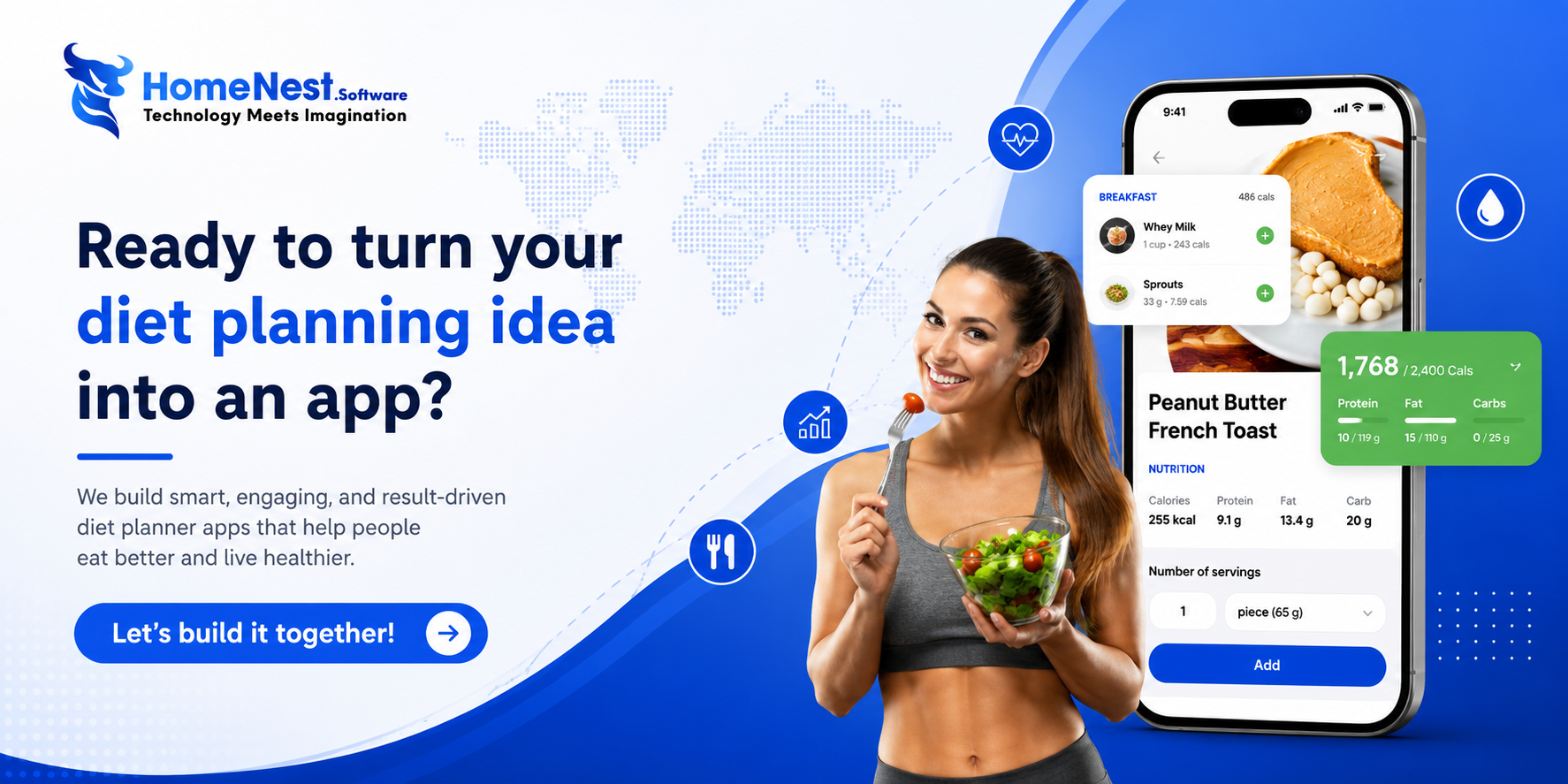
The success of a meal planning app depends largely on its ability to deliver a personalized, engaging, and convenient user experience. While the exact feature set will vary depending on your target audience and business goals, there are several core functionalities that users now expect from modern nutrition and wellness applications.
Below are the essential features to consider when building a competitive meal planning app.
Personalized Meal Plans
Personalization is the foundation of every successful meal planning application. The app should generate customized meal plans based on each user’s profile, including age, weight, gender, activity level, dietary preferences, allergies, medical conditions, and health objectives.
AI-powered recommendations can continuously adapt meal suggestions as users progress toward goals such as weight loss, muscle gain, improved nutrition, or disease management.
Nutrition and Calorie Tracking
Allow users to log meals and monitor their daily calorie intake with minimal effort. A comprehensive nutrition tracker should provide detailed information about calories, vitamins, minerals, and serving sizes while helping users stay within their recommended daily targets.
Real-time nutrition insights encourage healthier eating habits and improve long-term engagement.
Macronutrient Monitoring
Beyond calorie counting, users increasingly want to track their intake of proteins, carbohydrates, fats, fiber, and other essential nutrients.
Visual charts and daily summaries help users understand whether they are meeting nutritional goals while supporting specialized diets such as keto, high-protein, low-carb, or Mediterranean eating plans.
Smart Barcode Scanner
A barcode scanner simplifies food logging by allowing users to instantly retrieve nutritional information for packaged products.
Instead of manually entering ingredients, users can scan product barcodes to automatically import calories, macronutrients, serving sizes, and ingredient lists, significantly improving the overall user experience.
Progress Dashboard
An interactive dashboard enables users to monitor their health journey over time.
Common metrics include:
- Weight changes
- Body measurements
- Daily calorie intake
- Macronutrient distribution
- Water consumption
- Meal completion rate
- Goal achievement
- Weekly and monthly progress reports
Visual analytics help motivate users while encouraging consistent app usage.
Healthy Recipe Recommendations
Provide an extensive library of recipes tailored to each user’s dietary preferences and health goals.
Each recipe should include:
- Preparation instructions
- Cooking time
- Nutritional information
- Calories per serving
- Macronutrient breakdown
- Ingredient list
- Serving size
AI can further personalize recommendations based on user behavior, seasonal ingredients, and previous meal selections.
Automated Grocery List
One of the most valuable productivity features is an intelligent grocery list generator.
Based on selected meal plans, the app automatically compiles shopping lists and categorizes ingredients by food type. This saves time, reduces food waste, and helps users make healthier purchasing decisions.
Advanced applications can even integrate with online grocery delivery services for one-click ordering.
Water Intake Tracker
Hydration plays an essential role in overall health and weight management.
A built-in water tracker allows users to set daily hydration goals, record water consumption, receive reminders, and visualize progress throughout the day.
Combined with nutrition tracking, this feature contributes to a more comprehensive wellness experience.
Smart Meal Reminders
Push notifications help users maintain healthy eating habits by reminding them when it’s time to prepare meals, drink water, or log nutritional information.
Context-aware reminders based on user schedules and time zones can significantly improve consistency and long-term engagement.
Fitness and Wearable Integration
Seamless integration with fitness platforms and wearable devices enhances personalization by incorporating real-time health data.
Popular integrations include:
- Apple Health
- Google Fit
- Fitbit
- Garmin
- Samsung Health
- Apple Watch
- Wear OS devices
By synchronizing activity levels, calories burned, heart rate, sleep quality, and workout data, the app can dynamically adjust meal recommendations and nutritional goals.
AI-Powered Food Recommendations
Artificial intelligence has become a key differentiator for modern meal planning apps.
AI can analyze user behavior, dietary history, nutritional deficiencies, and health objectives to recommend meals, suggest healthier ingredient substitutions, optimize grocery planning, and continuously improve personalized nutrition plans.
As machine learning models become more sophisticated, AI-powered meal planning delivers increasingly accurate and engaging user experiences.
Social and Community Features
Community engagement helps improve user retention and motivation.
Adding social capabilities such as recipe sharing, cooking challenges, progress sharing, leaderboards, and support groups encourages users to remain active while building long-term loyalty.
These features are particularly valuable for fitness communities, wellness brands, and healthcare organizations seeking to foster ongoing user engagement.
How Much Does It Cost to Build a Meal Planning App?
The cost of developing a meal planning app depends on several factors, including the app’s complexity, feature set, supported platforms, design requirements, technology stack, and the experience of your development partner.
A basic Minimum Viable Product (MVP) with essential features such as user registration, personalized meal plans, nutrition tracking, and grocery list generation typically costs less than a full-featured solution that incorporates AI recommendations, wearable integrations, cloud infrastructure, and advanced analytics.
While every project is unique, understanding the major cost drivers can help you estimate your budget and make informed development decisions.
App Complexity
The overall scope of your application has the greatest impact on development costs.
A simple MVP may include only the essential features needed to validate your business idea, while a more advanced application could support AI-powered meal recommendations, subscription management, telehealth integration, social communities, wearable connectivity, multilingual support, and enterprise-level administration.
As the number of features, user roles, and third-party integrations increases, so do development time and overall investment.
Platform Selection
Your choice of development platform significantly influences both cost and time to market.
Businesses generally have three options:
- Native iOS development for maximum performance and Apple ecosystem optimization.
- Native Android development for full access to Android-specific capabilities.
- Cross-platform development using frameworks such as Flutter or React Native to build both iOS and Android applications from a single codebase.
For startups and MVPs, cross-platform development is often the most cost-effective approach because it reduces development effort while maintaining a consistent user experience across multiple devices.
UI/UX Design Requirements
A visually appealing and intuitive interface is essential for user engagement, especially for applications that users interact with every day.
Development costs will increase if the project includes:
- Custom branding
- Advanced animations
- Interactive dashboards
- Personalized user journeys
- Premium illustrations
- High-fidelity prototypes
- Accessibility optimization
Investing in high-quality UI/UX design often improves user retention, customer satisfaction, and long-term business success.
Technology Stack and Integrations
The technologies you choose also affect your overall budget.
Features such as AI-powered recommendations, cloud infrastructure, nutrition databases, payment gateways, barcode scanning, wearable device integration, GPS services, and third-party APIs require additional development effort and specialized expertise.
Choosing a scalable architecture from the beginning helps reduce future redevelopment costs as your application grows.
Development Team Location
The cost to hire mobile app developers varies significantly depending on the team’s location, expertise, and development model. Development agencies in North America and Western Europe typically charge higher hourly rates, while experienced software development companies in Asia and Eastern Europe often provide comparable technical expertise at a more competitive cost. Choosing the right development partner allows businesses to optimize their budget without compromising on quality, scalability, or delivery speed.
Maintenance and Ongoing Improvements
Launching the application is only the beginning of its lifecycle.
To remain competitive, your app will require continuous maintenance, including:
- Bug fixes
- Security updates
- Performance optimization
- Operating system compatibility updates
- Feature enhancements
- AI model improvements
- Infrastructure monitoring
Most software companies recommend allocating 15–20% of the initial development cost per year for maintenance and ongoing product improvements. Regular updates not only ensure application stability but also improve user retention and keep your product competitive in the rapidly evolving digital health market.
Estimated Development Cost
The table below provides a general cost estimate based on project complexity:
| Project Type | Estimated Cost | Typical Timeline |
|---|---|---|
| MVP Meal Planning App | USD 10,000 – 30,000 | 2–4 months |
| Standard Meal Planning App | USD 30,000 – 70,000 | 4–7 months |
| AI-Powered Meal Planning App | USD 70,000 – 150,000+ | 7–12 months |
| Enterprise Healthcare Nutrition Platform | USD 150,000+ | 12+ months |
Note: These estimates vary depending on project scope, feature requirements, technology stack, integrations, and the location of your development team. A detailed discovery phase is the best way to determine an accurate budget and development roadmap.
Top 9 Meal Planning Apps in the USA
The U.S. is one of the largest markets for digital nutrition and wellness solutions. Millions of Americans rely on meal planning apps to manage their diets, lose weight, track nutrition, and simplify grocery shopping. According to recent market reports, the adoption of nutrition and diet apps continues to grow as consumers prioritize healthier lifestyles and personalized wellness experiences.
Below are nine of the most popular meal planning apps used in the United States in 2026.
1. MyFitnessPal
MyFitnessPal remains one of the most widely used nutrition and calorie-tracking apps in the U.S., with over 270 million registered users worldwide. It features one of the industry’s largest food databases, making it easy to log meals, scan barcodes, monitor calories, and track macronutrients.
Key features:
- Extensive food database
- Barcode scanner
- Calorie and macro tracking
- Personalized nutrition goals
- Integration with Apple Health, Fitbit, Garmin, and Google Fit
2. Noom
Noom combines nutrition tracking with behavioral psychology to help users develop healthier eating habits. Instead of focusing solely on calorie counting, it encourages long-term lifestyle changes through coaching, educational content, and personalized weight-loss programs.
Key features:
- Psychology-based coaching
- Personalized weight-loss plans
- Daily educational lessons
- Habit tracking
- One-on-one coaching
3. Mealime
Mealime has become one of the fastest-growing meal planning apps in North America, particularly among busy professionals and families.
The app creates personalized meal plans, generates grocery lists automatically, and provides quick recipes that typically take less than 30 minutes to prepare.
Key features:
- Personalized meal planning
- Smart grocery lists
- Family meal plans
- Dietary preference support
- Fast, healthy recipes
4. PlateJoy
PlateJoy focuses on highly personalized nutrition by generating meal plans based on users’ dietary preferences, allergies, health goals, and household size.
Its seamless integration with grocery delivery services makes weekly meal preparation significantly more convenient.
Key features:
- AI-powered meal recommendations
- Grocery delivery integration
- Allergy-friendly planning
- Weight-loss meal plans
- Family nutrition support
5. YAZIO
YAZIO is a comprehensive nutrition and fasting app that helps users lose weight, build muscle, or maintain a healthy lifestyle.
The platform combines calorie tracking, intermittent fasting, meal planning, and detailed nutrition analytics within a clean and intuitive interface.
Key features:
- Calorie counter
- Fasting tracker
- Nutrition analysis
- Personalized meal plans
- Progress tracking
6. Cronometer
Cronometer is designed for users who want highly accurate nutritional insights. Unlike many calorie counters, it tracks over 80 nutrients, including vitamins, minerals, amino acids, and micronutrients.
It is especially popular among athletes, healthcare professionals, and users following medically supervised diets.
Key features:
- Detailed micronutrient tracking
- Medical-grade nutrition reports
- Wearable integrations
- Custom health targets
- Advanced analytics
7. MyNetDiary
MyNetDiary offers an excellent balance between ease of use and advanced nutrition tracking. It supports calorie counting, diabetes management, ketogenic diets, and personalized weight-loss plans.
The app also includes barcode scanning, exercise logging, and detailed nutrition reports.
Key features:
- Food diary
- Diabetes management
- Barcode scanner
- Nutrition reports
- Fitness tracking
8. Eat This Much
Eat This Much automates the entire meal planning process by generating daily or weekly meal plans based on calorie targets, macronutrient goals, dietary restrictions, and food preferences.
It is particularly popular among fitness enthusiasts and people who prefer structured nutrition plans.
Key features:
- Automatic meal generation
- Macro-based planning
- Grocery list automation
- Budget-friendly meal planning
- Batch cooking support
9. Lifesum
Lifesum combines personalized nutrition guidance with healthy habit coaching. The app supports a variety of popular diets including keto, Mediterranean, high-protein, and intermittent fasting while helping users develop sustainable eating habits.
Its visually appealing interface and health scoring system make it one of the most user-friendly meal planning apps available.
Key features:
- Personalized nutrition plans
- Healthy recipe recommendations
- Calorie and water tracking
- Diet-specific meal plans
- Apple Health and Google Fit integration
Why These Apps Stand Out
Although each application targets a different audience, the most successful meal planning apps in the U.S. share several common characteristics:
- AI-powered meal recommendations
- Personalized nutrition planning
- Smart grocery list generation
- Barcode food scanning
- Calorie and nutrient tracking
- Wearable device integration
- Subscription-based premium services
- Intuitive user experience
These features have become the industry standard and provide valuable benchmarks for businesses planning to develop a competitive meal planning app in today’s rapidly growing digital health market.
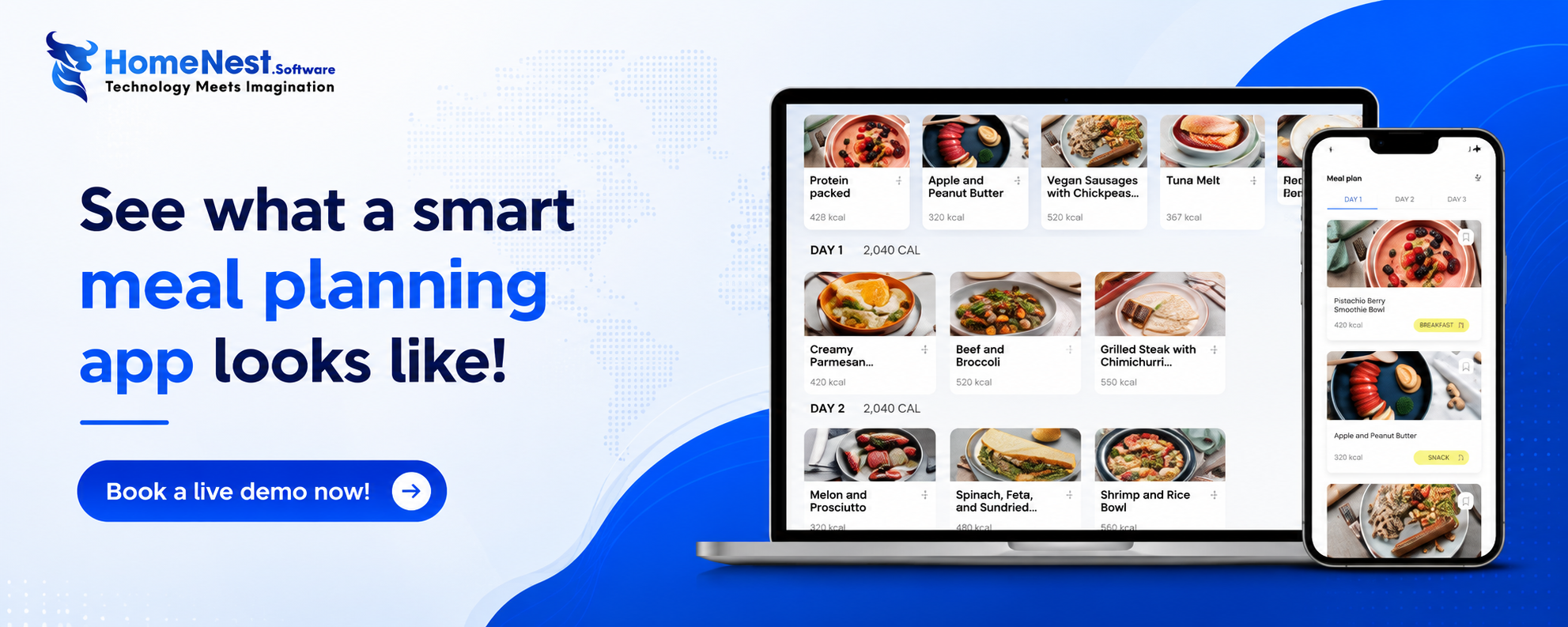
Why Choose HomeNest Software for Meal Planning App Development?
Choosing the right technology partner is one of the most important decisions when building a successful meal planning app. At HomeNest Software, we combine deep expertise in healthcare software development, AI technologies, cloud solutions, and mobile application engineering to deliver scalable, secure, and user-centric digital products.
From product discovery and UI/UX design to full-cycle development, testing, deployment, and long-term maintenance, our team works closely with clients throughout every stage of the development process. We build custom meal planning applications that align with your business goals while delivering exceptional user experiences.
Our meal planning app development services include:
- End-to-end product strategy and consulting
- Custom iOS, Android, and cross-platform development
- AI-powered meal recommendations and nutrition insights
- Integration with wearable devices and health platforms
- Cloud-native, scalable application architecture
- Enterprise-grade security and compliance
- Ongoing maintenance, feature enhancements, and technical support
Whether you’re a startup validating a new health-tech idea or an established healthcare organization expanding your digital ecosystem, HomeNest Software helps transform your vision into a high-performance application that stands out in today’s competitive wellness market.
Conclusion
Meal planning apps have become an essential part of today’s digital health ecosystem, helping users adopt healthier lifestyles through personalized nutrition, intelligent meal recommendations, calorie tracking, and automated grocery planning. As demand for preventive healthcare and wellness technologies continues to grow, investing in a feature-rich meal planning app presents a significant opportunity for businesses entering the health-tech market.
Building a successful application requires more than great design it demands a clear product strategy, scalable architecture, AI-driven personalization, and seamless user experiences. Partnering with an experienced mobile app development partner ensures your product is built with the right technologies, optimized for long-term growth, and capable of adapting to evolving market demands.
At HomeNest Software, we specialize in developing custom healthcare and wellness applications that combine innovation, performance, and scalability. Whether you’re launching an MVP or building an enterprise-grade nutrition platform, our team is ready to help you create a secure, intelligent, and future-ready solution that delivers lasting value for both your business and your users.
Frequently Asked Questions (FAQs)
1. How much does it cost to build a meal planning app?
The cost of developing a meal planning app depends on its complexity, features, supported platforms, and development team’s location. A basic MVP typically starts from USD 10,000–30,000, while a feature-rich application with AI-powered recommendations, wearable integration, and advanced analytics can range from USD 70,000 to USD 150,000+.
2. How long does it take to develop a meal planning app?
Development timelines vary depending on project scope. A basic MVP usually takes 2–4 months, a standard application requires 4–7 months, while a large-scale AI-powered or enterprise solution may take 8–12 months or longer.
3. What features should a meal planning app include?
A modern meal planning app should include:
- Personalized meal plans
- Nutrition and calorie tracking
- Macronutrient analysis
- Healthy recipe recommendations
- Grocery list generation
- Barcode food scanner
- Water intake tracking
- Meal reminders
- Fitness tracker integration
- AI-powered food recommendations
- Progress dashboard
- Subscription and payment support
The final feature set should align with your target audience and business objectives.
4. Which technologies are best for meal planning app development?
The ideal technology stack depends on your project requirements. Many businesses choose Flutter or React Native for cross-platform mobile development, while Node.js, .NET, or Java Spring Boot are popular backend frameworks. Cloud platforms such as AWS, Microsoft Azure, and Google Cloud provide scalable infrastructure, while AI capabilities can be implemented using services like OpenAI, Google Vertex AI, or Azure AI.
5. Can AI improve a meal planning app?
Yes. Artificial intelligence significantly enhances personalization by analyzing user preferences, dietary restrictions, health goals, activity levels, and nutrition history. AI can recommend meals, optimize grocery lists, suggest healthier alternatives, and continuously adapt meal plans based on user behavior, resulting in higher engagement and better long-term retention.
6. Can a meal planning app integrate with wearable devices?
Absolutely. Most modern meal planning apps integrate with wearable devices and health platforms such as Apple Health, Google Fit, Fitbit, Garmin, Samsung Health, and Apple Watch. These integrations allow the app to synchronize activity, calories burned, heart rate, sleep data, and other health metrics to deliver more personalized nutrition recommendations.
7. How do meal planning apps make money?
Meal planning apps typically use multiple monetization strategies, including:
- Monthly or annual subscriptions
- Freemium plans with premium upgrades
- In-app purchases
- Personalized nutrition coaching
- Grocery delivery partnerships
- Affiliate marketing
- Advertising
- Corporate wellness programs
Subscription-based pricing remains the most common and sustainable business model.
8. Is a meal planning app suitable for healthcare businesses?
Yes. Healthcare providers, nutrition clinics, fitness companies, wellness brands, and digital health startups increasingly use meal planning apps to improve patient engagement and support preventive healthcare. Advanced solutions can integrate with telehealth platforms, electronic health records (EHRs), and remote patient monitoring systems to deliver more comprehensive care.
9. Why should I choose custom meal planning app development instead of using a template?
Custom development provides complete control over branding, user experience, scalability, integrations, and security. Unlike template-based solutions, a custom application can be tailored to your unique business model, incorporate AI-powered personalization, support future feature expansion, and differentiate your product in a competitive market.
10. Why choose HomeNest Software for meal planning app development?
HomeNest Software delivers end-to-end meal planning app development services, from product strategy and UI/UX design to AI integration, cloud architecture, testing, deployment, and long-term maintenance. Our team builds scalable, secure, and high-performance healthcare applications tailored to your business goals, helping you launch innovative digital health solutions that are ready for future growth.
Latest Articles
View All
How Much Does It Cost to Build a Shopping App Like Temu?
Temu’s meteoric rise to over 900 million global downloads proves the power of combining AI, gamification, and social commerce, but building a similar viral shopping platform requires careful financial and technical planning. Developing an app like Temu typically costs anywhere from $40,000 for a basic Minimum Viable Product (MVP) to over $300,000 for a fully-featured platform. This guide breaks down every cost category, analyzes the core features driving Temu’s success, highlights the best technology stacks, and offers practical strategies to optimize your development budget without compromising on quality.

Criteria For Choosing The Right App Design Agency
UI/UX design is the logical foundation of a system, not merely a visual element. Choosing the wrong partner will directly lead to technical debt, budget overruns, and disruptions in the development process. This article provides a 6-step evaluation framework and a list of operational risks, helping businesses eliminate subjective design advice and accurately assess agency capabilities based on developer handoff standards and practical business performance.

How Does AI in Banking Industry Impact the Future?
Artificial intelligence (AI) has transitioned from a supplementary tool to a core infrastructure of financial data management, optimizing profitability through real-time fraud detection, natural language processing (NLP), and high-speed credit scoring models. “Deploying AI in the financial sector requires more than just algorithmic accuracy, it demands a highly secure cloud architecture and rigorous data governance,” commented Nguyen Tien, co-founder of HomeNest Software. Why read this guide? We skip the theoretical jargon to focus entirely on technical implementation. Whether you’re evaluating a vendor or planning a system overhaul, this article will detail: Operational Efficiency: Automating unstructured data workflows at scale. Risk Architecture: Implementing real-time threat detection and AML compliance. Data ownership: The essential need for 100% ownership of the source code to ensure full algorithm auditability.
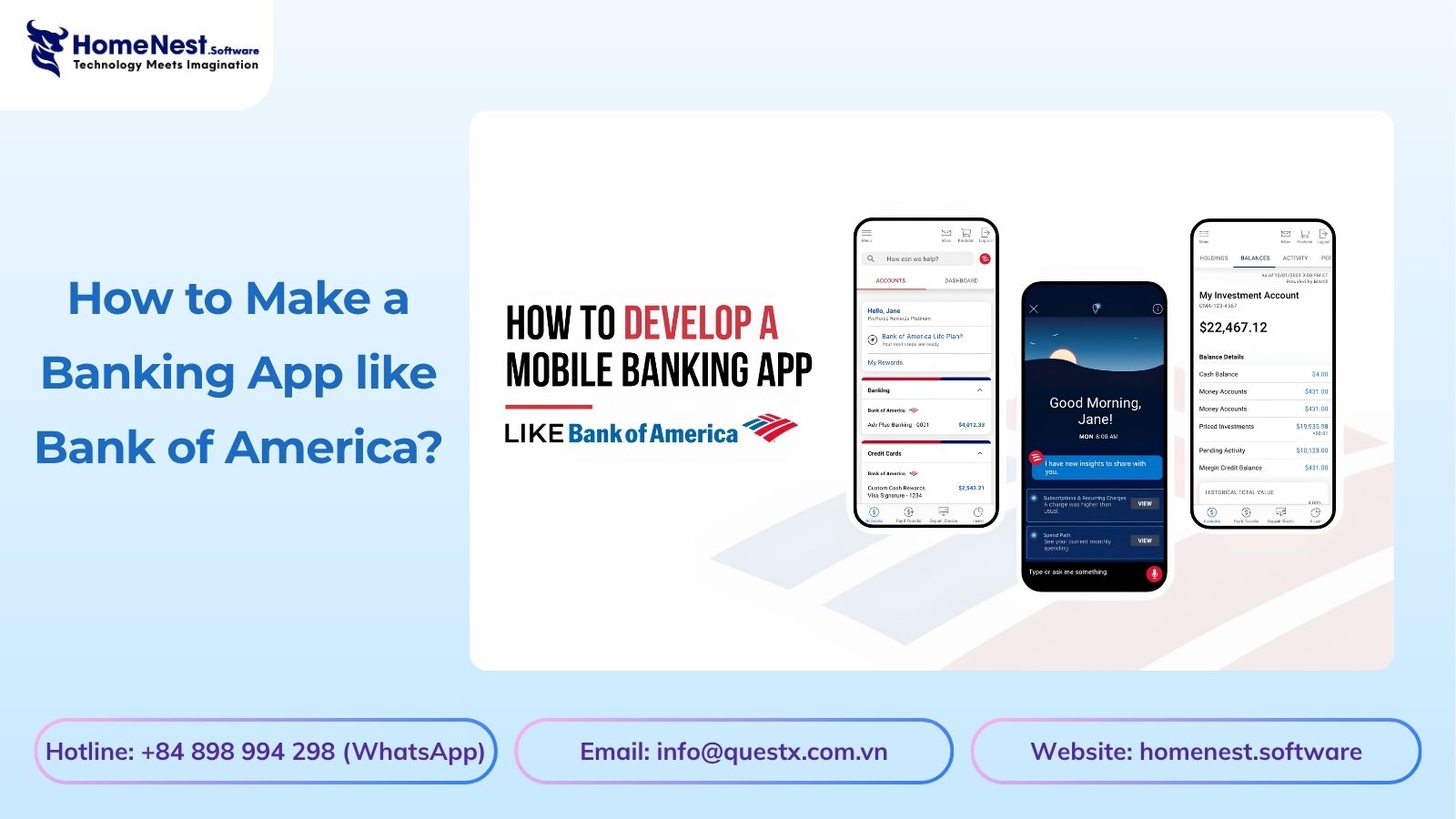
How to Make a Banking App like Bank of America?
Developing a mobile banking application like Bank of America extends far beyond basic UI design; it requires engineering a fault-tolerant backend capable of real-time ledger synchronization, biometric authentication, and high-volume data processing under strict regulatory frameworks. Drawing from HomeNest Software’s deep experience in architecting enterprise-grade fintech solutions, this guide strips away theoretical jargon to focus entirely on operational and technical execution. What you will find in this guide: We break down the precise development roadmap, from mapping out microservices and ensuring PCI-DSS compliance to estimating MVP development costs and securing absolute data sovereignty through 100% source code ownership. If you are preparing to build, scale, or audit a financial platform, this blueprint provides the exact framework you need.
Banking App Development Cost
Building a banking application is rarely a simple process; it’s a complex technical challenge requiring a balance between complying with stringent financial regulations, handling large transaction volumes, and a scalable cloud architecture. Miscalculating these technical requirements from the outset often leads to significant technical debt and budget overruns. Based on HomeNest Software’s practical experience in designing enterprise-grade fintech solutions, this guide bypasses generic estimates to provide a realistic analysis of banking application development costs. What you’ll find in this guide: We analyze the true cost factors, from technology selection and API integration to the hidden costs of regulatory compliance and security infrastructure. Whether you’re launching a minimum viable product or expanding an existing financial platform, this analysis provides the precise operational data you need to plan your budget effectively.
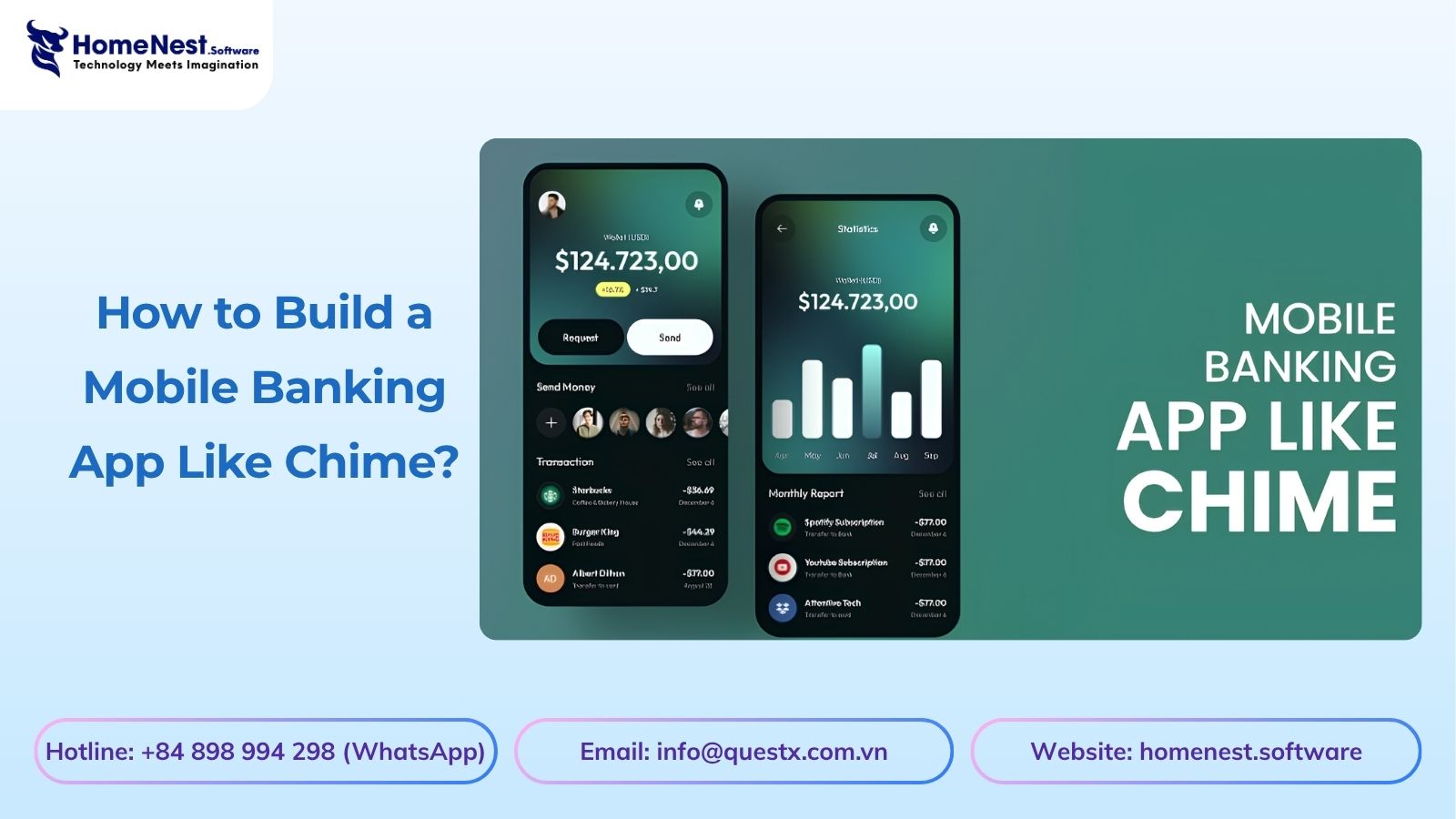
How to Build a Mobile Banking App Like Chime?
Building a mobile banking app like Chime is not just about features, it is about delivering a secure, scalable, and user-centric financial experience. From planning the right architecture to optimizing mobile banking app development cost, every decision directly impacts your product’s success. Leveraging Fintech app development services, starting with MVP app development, and scaling through on-demand app development solutions allows businesses to reduce risk and accelerate time to market. To stay competitive, combining Android app development services and iOS app development solutions ensures wider reach, while continuous updates through maintenance software development services keep your app secure and future-ready.