As companies deal with increasing operational costs and the pressure to accelerate digital transformation, outsourcing continues to be an effective strategy for scaling operations. However, one important decision often comes up: Should your business choose onshore or offshore outsourcing?
Onshore outsourcing offers advantages such as geographical proximity, cultural alignment, and smoother communication. Offshore outsourcing, on the other hand, is well known for its cost efficiency and access to a broader global talent pool. In 2026, selecting the right outsourcing model has become more critical than ever for businesses aiming to stay competitive.
In this blog, we explore the key differences between onshore and offshore outsourcing, including their advantages, limitations, and the factors you should consider before making a decision. Keep reading to gain valuable insights that will help you choose the outsourcing model that best supports your business goals.
What Is Onshoring?

Onshoring, often referred to as domestic outsourcing, is the practice of delegating services to a third party provider located within the same country as your business. Unlike offshoring, which involves partnering with vendors in other countries, onshoring enables companies to work with local teams while staying aligned with national regulations and maintaining smoother communication.
Onshoring simply means outsourcing to partners within your own country, allowing businesses to maintain greater control, ensure regulatory compliance, and collaborate more effectively.
This approach is commonly chosen by organizations that value real time communication, strong data protection standards, and cultural alignment, even if it may come with higher costs compared to offshore alternatives.
For instance, a fintech company based in Singapore might partner with a local software development firm to build a custom mobile banking application. Since both teams operate within the same time zone and legal framework, collaboration becomes more efficient while ensuring full compliance with regulations such as Singapore’s Personal Data Protection Act (PDPA).
What Is Offshoring?
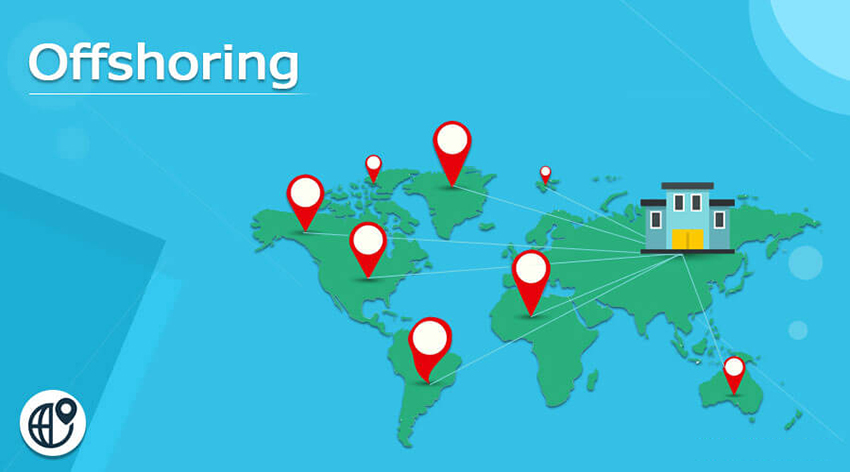
Offshoring is the practice of outsourcing business functions such as software development, customer support, or IT operations to a third party provider located in another country. Companies typically adopt offshoring to reduce operational costs while gaining access to a wider pool of global talent and specialized expertise that may be limited or more expensive in their home market.
Offshoring essentially means partnering with overseas teams to optimize costs and leverage international technical skills.
The offshore outsourcing market continues to grow rapidly. According to Market.us, the global market is expected to increase from $315.2 billion in 2023 to around $739.4 billion by 2033, representing a CAGR of 8.9% between 2024 and 2033. Popular offshore destinations include countries such as India, China, the Philippines, Mexico, Poland, Brazil, and Vietnam, as reported by Statista.
For example, a retail startup in Singapore might collaborate with a Vietnam based IT outsourcing company to develop its e commerce platform. By doing so, the startup can access skilled developers, accelerate development timelines, and scale its technology capabilities more efficiently.
After understanding both models, the key difference can be summarized as follows:
| Model |
Definition |
| Onshore |
Outsourcing to a service provider located in the same country as your business. |
| Offshore |
Outsourcing to a service provider located in a different country, typically overseas. |
Advantages and Disadvantages of Onshore and Offshore Services
When deciding between onshore and offshore outsourcing, it’s important to understand what each model brings to the table. Both approaches offer unique benefits and challenges, and the right choice depends on your business priorities, budget, and long term strategy.
Below is a breakdown of the key advantages and disadvantages of each model to help you evaluate which option best aligns with your goals.
Onshore Services: Pros & Cons
Onshore outsourcing involves partnering with service providers within the same country. This model is often preferred by companies that value real time communication, regulatory alignment, and cultural familiarity. However, these advantages often come with higher costs and limited scalability.
Here are the main advantages and disadvantages of onshore services:
| Pros |
Cons |
| Same time zone enables smoother real time collaboration |
Higher labor and operational costs |
| No language or cultural barriers |
Smaller domestic talent pool |
| Easier compliance with local regulations |
Limited scalability for rapidly growing teams |
| Shared business culture and expectations |
Less flexibility when quickly scaling team size |
Offshore Services: Pros & Cons
Offshore outsourcing allows companies to collaborate with teams located in other countries. One of the biggest advantages of offshore development is the ability to reduce costs while accessing a larger pool of specialized global talent. However, it can also introduce communication and coordination challenges that need to be managed effectively.
Below are the pros and cons of offshore services:
| Pros |
Cons |
| Lower labor costs and significant cost savings |
Time zone differences may impact communication |
| Access to a broad global talent pool and specialized expertise |
Possible language and cultural barriers |
| Greater flexibility in scaling teams quickly |
Legal or regulatory complexities in some regions |
| Ability to operate across diverse markets |
Longer onboarding and coordination processes |
Onshore vs Offshore: Key Differences to Consider
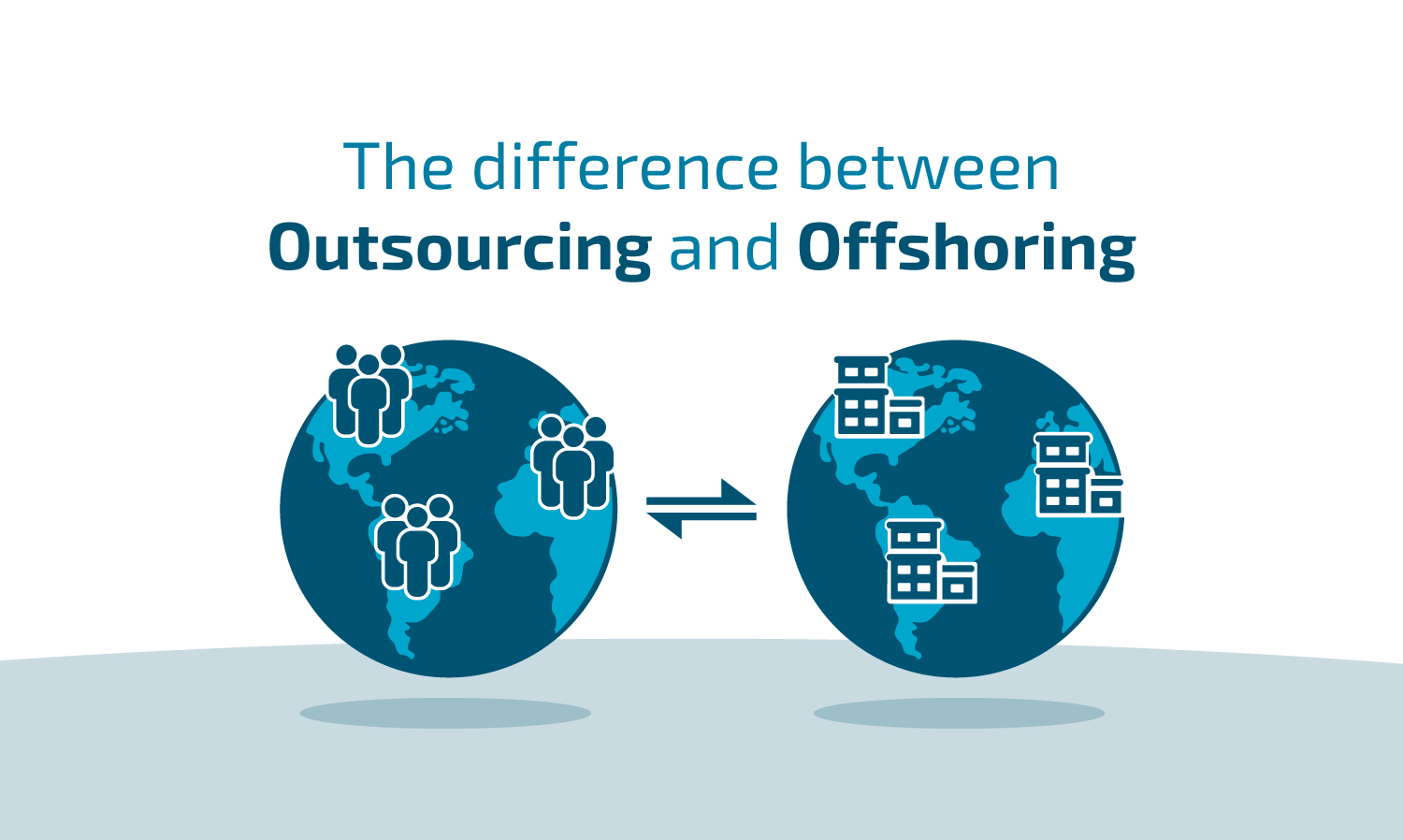
After understanding the definitions of onshore and offshore outsourcing, the next step is to examine the key differences between these two models. Each approach offers distinct advantages depending on your business priorities, budget, and operational requirements.
Below is a comparison that highlights the main differences between onshore and offshore services across several important factors:
| Aspect |
Onshore |
Offshore |
| Location |
Service provider operates in the same country as your business |
Service provider is located in a different country, typically overseas |
| Cost |
Generally higher due to local wages, taxes, and infrastructure costs |
Typically lower thanks to more affordable labor and reduced overhead |
| Market Reach |
Mostly focused on the domestic market |
Provides opportunities to expand into global markets |
| Communication |
Easier communication with shared language, culture, and time zone |
May involve time zone differences or cultural and language barriers |
| Business Continuity |
Faster response times and a more stable local environment |
Depends on the partner’s remote collaboration capabilities and risk management |
| Tax & Compliance |
Simpler, as it follows local regulations and tax systems |
More complex, involving cross border legal and reporting requirements |
| Data Privacy |
Clear compliance with national data protection regulations |
Requires strong contracts and safeguards for cross border data protection |
| Talent Access |
Limited local talent pool with slower hiring cycles |
Access to a large global talent pool and faster hiring |
| Customer Support |
Easier to align with local language, culture, and expectations |
More cost efficient and scalable but may require additional training and coordination |
| Payroll Management |
Straightforward due to familiarity with local labor laws |
Lower costs but more complex legal management across countries |
| Scalability |
Growth can be slower due to limited local resources |
Teams can scale quickly with global talent availability |
Understanding these differences helps businesses determine which outsourcing model best aligns with their budget, growth plans, and operational needs.
Cost Comparison: Onshore vs Offshore Software Development in 2026
When comparing onshore and offshore software development, cost is often the most influential factor in the decision making process. Onshore services typically come with higher expenses, largely due to elevated labor rates, infrastructure costs, and limited tax advantages. Even when partnering with providers located in more affordable regions within the same country, the potential cost savings are usually modest.
In contrast, offshore outsourcing can deliver significant financial benefits. By collaborating with development teams in countries such as Vietnam, India, or the Philippines, businesses can often reduce development costs by as much as 60–70%. Lower labor costs, favorable exchange rates, and reduced operational overhead all contribute to these savings.
For instance, the average hourly rate for offshore software development in Vietnam generally ranges from $20 to $40 per hour, whereas rates in countries like the United States or Singapore can exceed $100 per hour. This cost difference allows companies to allocate more resources toward innovation, scale their products more rapidly, or improve overall profit margins.
Although cost should not be the only factor when choosing an outsourcing model, offshore development clearly offers a strong advantage for organizations focused on maximizing budget efficiency.
Read more: Top IT Outsourcing Companies in Vietnam
Globalization and Market Reach
Offshore outsourcing provides a powerful advantage for companies looking to expand internationally. By collaborating with partners in other countries, businesses can enter new markets, reach international customers, and strengthen their global presence.
Working with offshore teams can also bring valuable local insights, including knowledge of regional consumer behavior, talent markets, and business culture. For instance, a U.S. company outsourcing software development to Vietnam may gain a deeper understanding of the Southeast Asian market, helping position the business for regional expansion.
In contrast, onshore outsourcing keeps operations within national borders. While this can simplify management, it also limits exposure to international opportunities. For companies with global growth ambitions, offshore outsourcing often provides a more scalable path to market expansion.
Communication and Collaboration
When comparing communication and collaboration, onshore outsourcing generally offers smoother coordination. Teams operating within the same time zone and cultural environment can communicate more easily and respond quickly to project updates.
Offshore outsourcing can introduce challenges such as time zone differences, language nuances, or cultural variations, which may occasionally affect project communication.
However, these challenges can be effectively managed when working with an experienced offshore partner. Many professional offshore teams implement structured project management, overlapping work hours, and clear communication processes to ensure efficient collaboration across borders.
Business Continuity
Business continuity maintaining stable operations during disruptions is another important factor when choosing between onshore and offshore outsourcing.
Onshore outsourcing often provides advantages such as closer access to infrastructure, faster local response times, and easier regulatory coordination during unexpected events.
Offshore outsourcing may face risks related to geographic distance, infrastructure differences, or regional instability. However, many modern offshore providers have strengthened their operations through robust risk management frameworks, cloud based systems, and remote work capabilities.
Global events such as the COVID 19 pandemic have accelerated investment in remote infrastructure, cybersecurity, and disaster recovery planning, making many offshore teams just as resilient as their onshore counterparts.
Tax and Compliance
Tax and regulatory compliance play a critical role in outsourcing decisions.
With onshore outsourcing, companies benefit from familiar legal frameworks and tax systems. Operating within the same jurisdiction simplifies contracts, reporting, and compliance processes, reducing legal complexity.
Offshore outsourcing involves navigating international regulations, cross border contracts, and foreign tax requirements. This can add complexity, but experienced offshore providers typically have legal expertise and compliance systems in place to manage these challenges.
To minimize risk, businesses should establish clear contractual agreements and ensure compliance with both domestic and international regulations before entering an offshore partnership.
Data Privacy
Data privacy is another key distinction between onshore and offshore outsourcing.
Onshore outsourcing keeps data within the same legal jurisdiction, making it easier to comply with national regulations such as PDPA (Singapore), HIPAA (United States), or APPI (Japan).
Offshore outsourcing often involves cross border data transfers, which may raise concerns regarding data protection and regulatory compliance, particularly with international standards like GDPR.
To address these concerns, reputable offshore providers implement strong security measures, data encryption, and strict contractual safeguards. Selecting a partner with proven expertise in data protection and global compliance standards is essential for secure offshore operations.
Talent and Resource Availability
Access to skilled talent is a major factor when comparing outsourcing models, and offshore outsourcing typically provides broader access to global expertise.
Many offshore destinations have rapidly growing technology sectors and strong educational systems that produce large numbers of qualified professionals each year. For example, Vietnam has developed a strong reputation for its expanding pool of software engineers and technology specialists.
In addition to human resources, many offshore regions offer business friendly policies, government support, and modern infrastructure, creating favorable environments for technology partnerships.
Onshore outsourcing, while convenient, can sometimes face talent shortages or higher competition for skilled workers, particularly in mature technology markets.
Customer Support
Customer support capabilities can differ significantly between onshore and offshore models.
Onshore outsourcing typically offers advantages in language fluency, cultural familiarity, and real time communication. Local teams are often better aligned with customer expectations, which can improve overall service quality and satisfaction.
Offshore support services, while generally more cost efficient, may face challenges such as time zone differences or variations in communication styles. However, many offshore providers have significantly improved service quality through multilingual support teams, cultural training programs, and 24/7 service operations.
In fact, countries such as the Philippines and India have become global leaders in offshore customer support due to their strong English proficiency and service oriented workforce.
Payroll Management
Payroll management is another area where onshore outsourcing can offer advantages. Local providers are familiar with domestic labor regulations, including minimum wage policies, social insurance requirements, employee benefits, and tax obligations.
Their proximity allows them to respond quickly to regulatory changes and ensure payroll processes remain compliant.
Offshore payroll services may offer lower operational costs, but managing foreign labor laws and tax systems can add complexity. Businesses must ensure that payroll processes comply with both local and international employment regulations when working with offshore partners.
Scalability
For companies that need to grow rapidly or adjust team sizes quickly, scalability is a critical factor.
Offshore outsourcing often provides greater flexibility because many offshore destinations have large, skilled workforces capable of supporting rapid team expansion.
For example, outsourcing firms in countries like Vietnam or India can assemble dedicated development teams including engineers, testers, project managers, and DevOps specialists within a relatively short time frame.
While onshore outsourcing provides closer operational control, scaling locally may be slower due to limited talent availability, higher hiring costs, or longer recruitment cycles.
How to Choose Between Onshore and Offshore Services
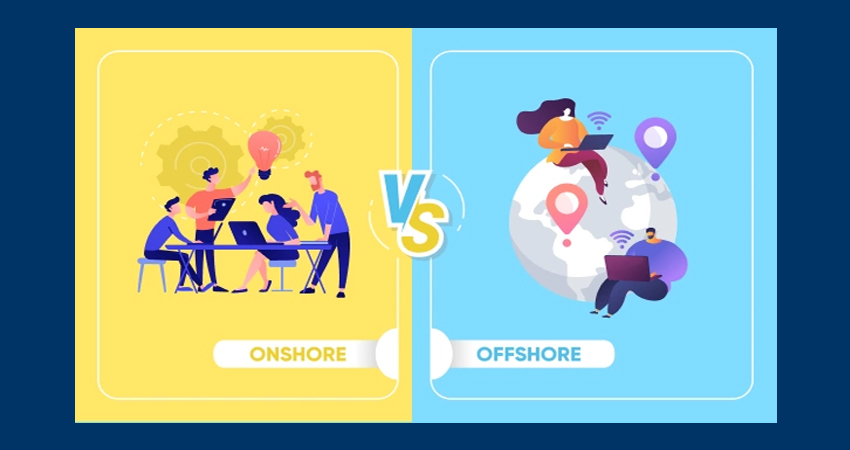
Still unsure which outsourcing model is the best fit for your business? Understanding the differences between onshore and offshore outsourcing is only the first step. The right choice ultimately depends on your budget, project requirements, and long term business strategy.
Here’s a practical guide to help you determine which model works best for your needs:
Budget
If your budget is limited and cost efficiency is a priority, offshore outsourcing may be the better option. However, if you are willing to invest more in exchange for closer collaboration and easier coordination, onshore services may be more suitable.
Project Complexity
Projects that require intensive collaboration, frequent feedback, or complex decision making often benefit from onshore teams. In contrast, clearly defined and well structured tasks can be effectively handled by offshore teams.
Quality Control
If your project requires constant monitoring, frequent testing, and close supervision, onshore outsourcing may offer better control. Offshore teams can also deliver strong results, especially when supported by well defined workflows and clear processes.
Compliance and Regulations
For industries with strict regulatory or data protection requirements, onshore outsourcing can simplify compliance. Offshore outsourcing may still be viable but often requires additional safeguards and contractual agreements.
Time Zone Considerations
Onshore teams typically allow for real time communication and faster response times. Offshore teams, however, can support round the clock development by leveraging different time zones.
Communication and Cultural Alignment
Onshore outsourcing often provides smoother communication, particularly for projects that involve creative collaboration or nuanced discussions. Offshore outsourcing tends to work best when tasks are clearly scoped and well documented.
Long Term Business Strategy
If your goal is to build a stable local team with consistent collaboration, onshore outsourcing may be the right choice. If your focus is flexibility, rapid team expansion, and global talent access, offshore outsourcing offers a strong advantage.
Read more: Best Countries to Outsource Software Development
Onshoring vs Offshoring: Which Is Right for Your Business?
Both onshore and offshore software development offer distinct advantages. The best option depends on your organization’s goals, the nature of your project, and the resources available. Understanding when to use each model can help you choose the approach that delivers the most value.
When to Choose Onshore
Onshore outsourcing may be the better option when:
-
Your project requires real time collaboration and frequent communication
-
You must comply with strict local regulations or manage highly sensitive data
-
Cultural alignment and local market understanding are essential
-
Your project demands close supervision, quality control, and fast feedback loops
-
You want to build a long term partnership with a nearby team
When to Choose Offshore
Offshore outsourcing can be the ideal solution when:
-
Cost efficiency is a major priority without sacrificing technical expertise
-
You want to scale quickly by accessing a larger global talent pool
-
Time zone differences can support round the clock development
-
Your project has clear requirements and well defined processes
-
You need greater flexibility and global reach to support business growth
Ultimately, the right outsourcing model should align with your business strategy, project complexity, and long term growth plans.
Why HomeNest Software Is a Trusted Offshore Development Partner
Selecting the right offshore partner is just as critical as choosing the right outsourcing strategy. At HomeNest Software, we combine technical expertise, transparent communication, and extensive industry experience to help global businesses scale efficiently and deliver high quality digital solutions.
Global companies rely on HomeNest Software for reliable, secure, and scalable offshore development services.
Here are some of the key reasons why businesses choose HomeNest Software as their offshore development partner:
Proven Track Record
HomeNest Software has successfully delivered 100+ projects for clients across. Japan, Singapore, Australia, United State, Europe, and other international markets. With 100+ global clients and a 98% satisfaction rate, we have built long term partnerships based on trust and consistent delivery.
Skilled and Scalable Talent
Our team includes 100+ experienced engineers specializing in web development, mobile apps, cloud solutions, artificial intelligence, and quality assurance. We help clients rapidly scale development teams while maintaining high standards of quality and performance.
Seamless Communication
Clear and proactive communication is at the core of our collaboration approach. Our bilingual project managers (English and Japanese) and well structured workflows help bridge time zone and cultural differences, ensuring smooth and efficient offshore collaboration.
Strong Data Security and Compliance
HomeNest Software follows industry best practices for data security, intellectual property protection, and secure software development. We also tailor our contracts and processes to meet international compliance standards such as PDPA, GDPR, and APPI.
Flexible Engagement Models
We offer a variety of engagement options, including dedicated development teams, fixed price projects, and hybrid collaboration models. This flexibility allows us to adapt to your project scope, timeline, and budget.
Trusted Across Multiple Industries
Our team has delivered successful solutions for startups, enterprises, and public sector organizations in industries such as e commerce, fintech, healthcare, education, energy, and retail.
Partnering with HomeNest Software means gaining a reliable offshore extension of your team one that supports your journey from concept and development to deployment and long term growth.
Conclusion
Both onshore and offshore outsourcing offer valuable advantages. Onshore outsourcing provides closer communication and stronger operational control, while offshore outsourcing offers significant cost efficiency and greater scalability.
The best choice ultimately depends on your budget, project complexity, and long term business strategy.
If you are looking for a reliable offshore development partner that can help you scale efficiently without compromising quality, HomeNest Software is ready to support your next project.
HomeNest Software – Empowering Long Term Growth for Modern Businesses.

Contact Information:
- Address: The Sun Avenue, 28 Mai Chi Tho Street, Binh Trung Ward, Ho Chi Minh City
- Hotline: +84 898 994 298 ( WhatsApp )
- Website: homenest.software
Frequently Asked Questions (FAQs)
1. What is the main difference between onshore and offshore outsourcing?
The main difference lies in location. Onshore outsourcing involves working with a service provider in the same country, while offshore outsourcing means partnering with a provider in another country, often to reduce costs and access global talent.
2. Is offshore outsourcing cheaper than onshore outsourcing?
Yes, offshore outsourcing is typically significantly more cost effective. Businesses can often reduce development costs by 40–70% by partnering with teams in countries with lower labor costs, such as Vietnam, India, or the Philippines.
3. What are the risks of offshore outsourcing?
Common challenges include time zone differences, communication barriers, cultural differences, and data security concerns. However, these risks can be minimized by choosing an experienced outsourcing partner and establishing clear communication processes.
4. When should a company choose onshore outsourcing?
Onshore outsourcing is ideal when projects require real time collaboration, strict regulatory compliance, strong data protection, or close project supervision.
5. When is offshore outsourcing the better option?
Offshore outsourcing works best when businesses need to reduce development costs, scale teams quickly, or access specialized global talent.
6. How can businesses ensure successful offshore collaboration?
Successful offshore partnerships usually rely on:
-
Clear project requirements and documentation
-
Strong communication channels
-
Agile project management practices
-
Regular progress updates and reviews
-
A trusted and experienced development partner
7. Why do companies choose Vietnam for offshore software development?
Vietnam has become a leading offshore destination due to its large pool of skilled engineers, competitive development costs, strong STEM education system, and stable business environment.