
10 Innovative Healthcare Business Ideas for Startups and Entrepreneurs
The healthcare industry offers a powerful opportunity for entrepreneurs who are ready to combine innovation with real-world impact. The most successful healthcare businesses are those that solve genuine problems, leverage technology for scalability, and prioritize user experience and compliance from day one. By choosing the right idea, validating market demand, and executing with a clear strategy, you can build a sustainable and competitive venture in one of the fastest-growing industries globally.
Scope of Work

The COVID 19 pandemic placed unprecedented pressure on global healthcare systems, exposing critical gaps and creating new challenges that demand innovative solutions. By rethinking what services are delivered, where care is provided, and how healthcare is managed, the industry can significantly enhance efficiency and patient experience.
One of the most effective ways to drive this transformation is through Healthcare App Development Services in the USA, enabling organizations to deliver virtual care, streamline operations, and improve access to essential services such as vaccinations and medical supplies.
At the same time, the healthcare sector continues to expand rapidly and is projected to reach multi billion dollar growth in the coming years. For aspiring entrepreneurs, this presents a highly lucrative opportunity to enter a dynamic, high impact industry with strong long term potential.
Why Are Healthcare Businesses Worth Exploring?
The healthcare industry presents a compelling opportunity for entrepreneurs, driven by rapid growth and long term demand. Now is an ideal time to explore medical business opportunities, as the sector continues to expand and evolve with technology and innovation.
According to industry projections, the healthcare market is expected to grow at a CAGR of 13.3% between 2022 and 2030, with total national health spending reaching approximately $6.8 trillion by 2030.
These figures highlight a thriving and resilient market, offering strong potential for new ventures. For aspiring entrepreneurs, leveraging innovative healthcare business ideas can serve as a sustainable and profitable path forward.
Let’s explore some of the most promising healthcare business ideas that you shouldn’t miss.
10 Innovative Healthcare Business Ideas for Entrepreneurs
In today’s digital first world, healthcare is no longer just about hospitals and clinics it’s about accessibility, personalization, and smart technology.
For entrepreneurs, this shift opens up a powerful opportunity: building businesses that not only generate revenue but also create real impact on people’s lives.
As global demand for healthcare services continues to rise driven by aging populations, chronic diseases, and digital adoption the question is no longer “Should you enter healthcare?” but rather:
“Which healthcare business idea will give you a competitive edge?”
Below are 10 high potential healthcare business ideas that combine innovation, scalability, and long term growth potential.
1. Build a Healthcare Mobile Application
Healthcare is going mobile and fast.
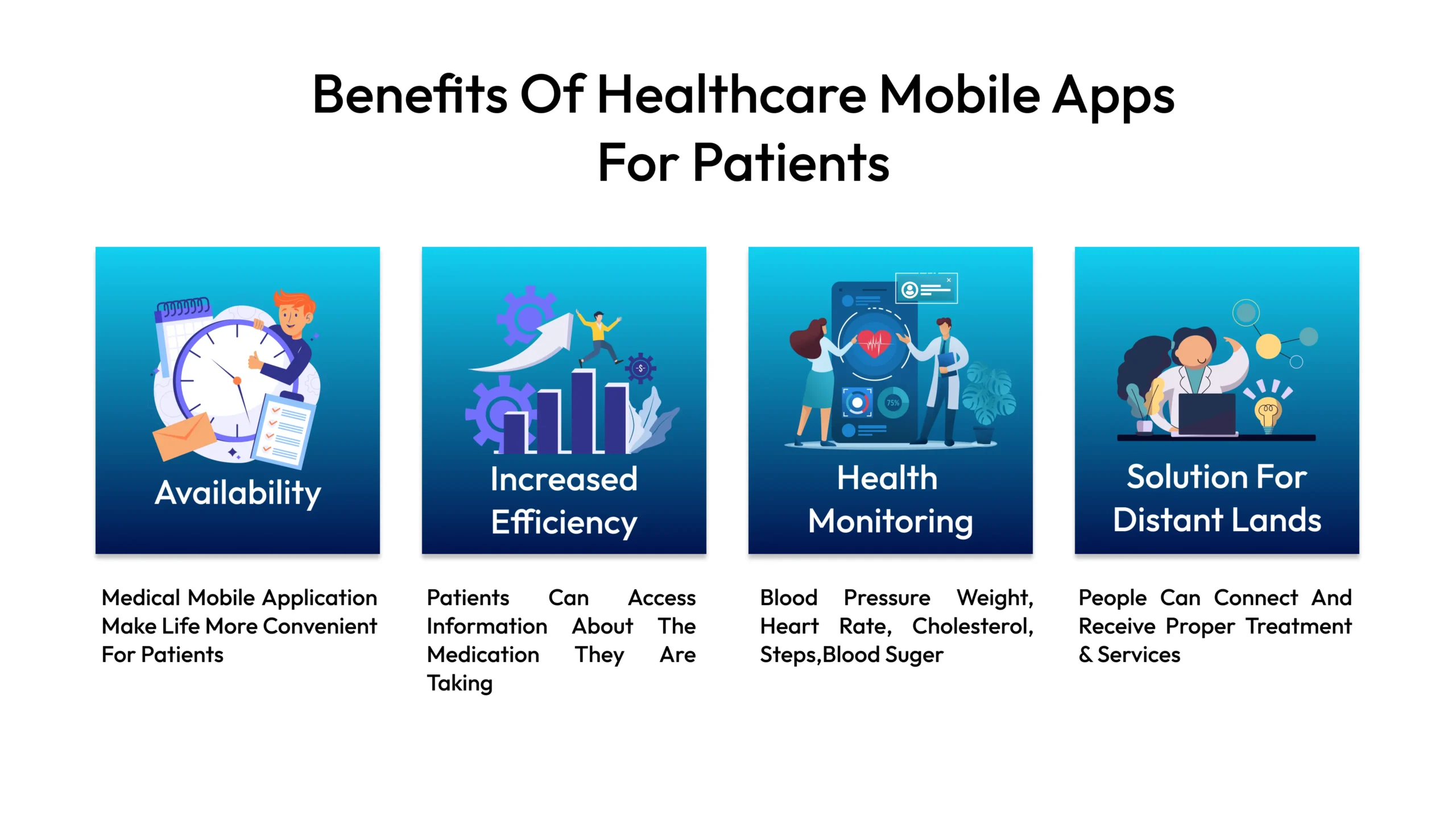
Today’s users expect to book appointments, track health metrics, consult doctors, and even order medicines all from their smartphones. A well designed healthcare app can become a central hub for patient engagement.
The real opportunity lies in personalization:
- AI driven health insights
- Medication reminders
- Remote consultations
- Integration with wearables
For startups, this is not just an app it’s a digital healthcare ecosystem.
2. Medical Transcription Services
Despite advances in AI, healthcare still relies heavily on accurate medical documentation.
Doctors generate vast amounts of voice data daily, and converting that into structured records is critical for patient care.
Here’s where the opportunity lies:
- Combine AI transcription with human validation
- Offer cloud based collaboration tools
- Enable secure file sharing across providers
This hybrid model delivers speed + accuracy, giving your startup a strong competitive advantage.
3. Healthcare Records Management Solutions
Hospitals are drowning in data but struggling to use it effectively.
A smart records management system can:
- Centralize patient data
- Improve search and retrieval
- Reduce administrative workload
- Enhance clinical decision making
Startups that focus on data organization + interoperability will become essential partners for healthcare providers.
4. Medical Billing & Revenue Cycle Services
Behind every healthcare service is a complex billing system.
While large hospitals manage this internally, smaller clinics often struggle with:
- Insurance claims
- Coding errors
- Payment delays
By offering outsourced billing solutions, you help providers focus on care while you handle revenue optimization creating a recurring, scalable business model.
5. Home Healthcare Services
Healthcare is moving beyond hospital walls.
Patients especially the elderly prefer receiving care at home. This includes:
- Post surgery care
- Chronic disease management
- Elderly support services
By combining on demand services + mobile apps, you can build a business that is both high impact and highly scalable.
6. Drug Rehabilitation Centers
Substance abuse is a growing global challenge and so is the demand for recovery solutions.
Launching a rehab center allows you to:
- Provide structured treatment programs
- Focus on niche segments (youth, elderly, etc.)
- Combine offline care with digital tracking tools
This is one of the few business ideas where social impact and profitability strongly align.
7. Medical Blogging & Health Content Platforms
People don’t just want treatment they want understanding.
Healthcare content platforms can bridge the gap between complex medical knowledge and everyday users.
Monetization opportunities include:
- Ads & sponsorships
- Affiliate healthcare products
- Premium content subscriptions
With the right SEO strategy, this can evolve into a high traffic, authority driven business.
8. Dietician & Nutrition Services
Health conscious consumers are actively seeking personalized nutrition plans.
This opens doors for:
- Online diet consultations
- Subscription based meal plans
- AI powered nutrition tracking apps
With the rise of fitness culture, this space is becoming one of the fastest growing micro markets in healthcare.
9. Alternative & Holistic Healthcare Services
Modern consumers are increasingly exploring alternatives to traditional medicine.
Services like:
- Acupuncture
- Homeopathy
- Massage therapy
are gaining popularity not as replacements, but as complements to mainstream healthcare.
Startups that package these services professionally (with digital booking systems) can capture a growing niche market.
10. Medical Apparel & Scrub Business
Sometimes, the most overlooked opportunities are the most stable.
Medical professionals require high quality scrubs that are:
- Durable
- Comfortable
- Frequently replaced
This creates a consistent, repeat demand business model.
By adding branding, customization, or eco friendly materials, you can differentiate in a surprisingly profitable niche.
The healthcare industry is no longer just evolving it’s being redefined by technology, user expectations, and global demand.
For entrepreneurs, the winning strategy is clear:
👉 Don’t just enter healthcare solve a real problem at scale
Whether it’s through apps, services, or infrastructure, the businesses that succeed will be those that combine:
- User centric thinking
- Scalable technology
- Regulatory awareness
That’s where true competitive advantage lies.
Conclusion
As the healthcare industry continues to expand and evolve, now is an ideal time for aspiring entrepreneurs to explore high potential healthcare business ideas. With strong market growth and increasing demand for innovative solutions, many of these concepts have the potential to become scalable, profitable, and competitive ventures.
However, success in this space requires more than just a great idea. Before launching, it’s essential to thoroughly understand regulatory requirements, licensing obligations, and any necessary certifications or specialized training. In addition, conducting in depth market research will help validate your concept and identify the right target audience.
By combining innovation with careful planning and compliance, entrepreneurs can confidently build sustainable businesses that not only generate revenue but also contribute meaningfully to the future of healthcare.
FAQs
What are the most profitable healthcare business ideas in 2026?
Some of the most profitable ideas include healthcare mobile apps, telemedicine platforms, home healthcare services, medical billing solutions, and nutrition consulting. These models offer scalability and recurring revenue opportunities.
Why is healthcare a good industry for startups?
Healthcare is a high growth, recession resilient industry with increasing demand driven by aging populations, chronic diseases, and digital transformation making it ideal for long term business opportunities.
Do I need a medical background to start a healthcare business?
Not necessarily. While clinical knowledge is helpful, many healthcare businesses such as apps, billing services, or content platforms can be built by partnering with medical professionals and technical experts.
How much does it cost to start a healthcare business?
Costs vary depending on the model. Digital healthcare startups (like apps) can start from a few thousand dollars, while physical facilities (e.g., clinics or rehab centers) require significantly higher investment.
What regulations should I consider before starting?
You must comply with healthcare regulations such as HIPAA (US), GDPR (EU), and local laws. Licensing, certifications, and data privacy standards are critical depending on your business type.
Which healthcare business ideas are best for beginners?
Beginner friendly options include medical blogging, nutrition consulting, medical transcription, and digital health apps, as they require lower upfront investment and can scale gradually.
How can technology improve healthcare businesses?
Technology enables automation, remote care, data analytics, and personalized services helping businesses improve efficiency, reduce costs, and enhance patient outcomes.
Is telemedicine still a growing market?
Yes. Telemedicine continues to grow rapidly as patients prefer convenient, remote healthcare access. It remains one of the most promising digital healthcare segments.
What are the risks of starting a healthcare business?
Key risks include regulatory compliance challenges, data security concerns, high initial investment (for physical services), and competition. Proper planning and partnerships can mitigate these risks.
How do I choose the right healthcare business idea?
Focus on solving a real problem, evaluate market demand, assess your resources, and choose a model that aligns with your expertise and long term goals.
Latest Articles
View All
Criteria For Choosing The Right App Design Agency
UI/UX design is the logical foundation of a system, not merely a visual element. Choosing the wrong partner will directly lead to technical debt, budget overruns, and disruptions in the development process. This article provides a 6-step evaluation framework and a list of operational risks, helping businesses eliminate subjective design advice and accurately assess agency capabilities based on developer handoff standards and practical business performance.
How Does AI in Banking Industry Impact the Future?
Artificial intelligence (AI) has transitioned from a supplementary tool to a core infrastructure of financial data management, optimizing profitability through real-time fraud detection, natural language processing (NLP), and high-speed credit scoring models. “Deploying AI in the financial sector requires more than just algorithmic accuracy, it demands a highly secure cloud architecture and rigorous data governance,” commented Nguyen Tien, co-founder of HomeNest Software. Why read this guide? We skip the theoretical jargon to focus entirely on technical implementation. Whether you’re evaluating a vendor or planning a system overhaul, this article will detail: Operational Efficiency: Automating unstructured data workflows at scale. Risk Architecture: Implementing real-time threat detection and AML compliance. Data ownership: The essential need for 100% ownership of the source code to ensure full algorithm auditability.
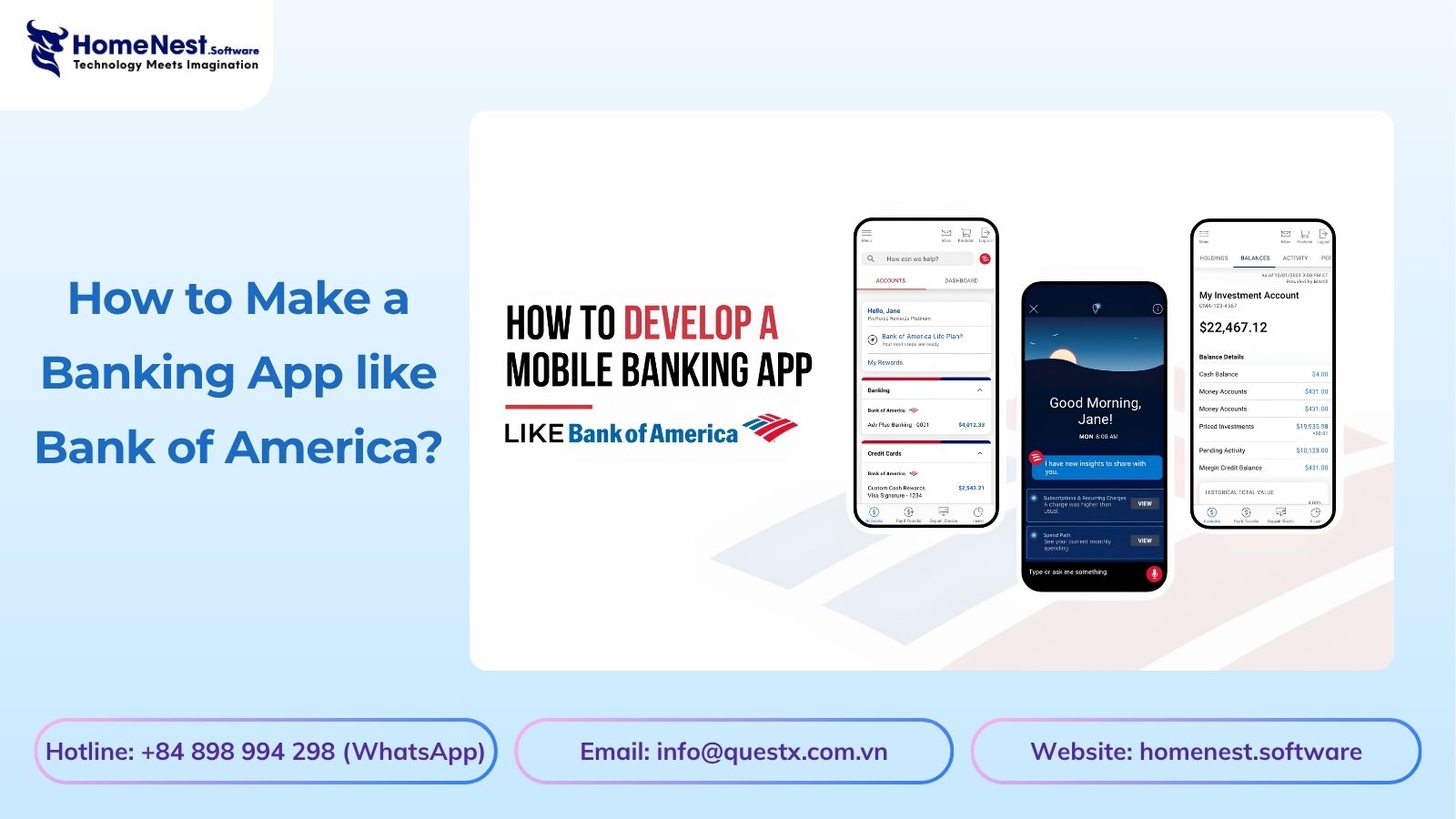
How to Make a Banking App like Bank of America?
Developing a mobile banking application like Bank of America extends far beyond basic UI design; it requires engineering a fault-tolerant backend capable of real-time ledger synchronization, biometric authentication, and high-volume data processing under strict regulatory frameworks. Drawing from HomeNest Software’s deep experience in architecting enterprise-grade fintech solutions, this guide strips away theoretical jargon to focus entirely on operational and technical execution. What you will find in this guide: We break down the precise development roadmap, from mapping out microservices and ensuring PCI-DSS compliance to estimating MVP development costs and securing absolute data sovereignty through 100% source code ownership. If you are preparing to build, scale, or audit a financial platform, this blueprint provides the exact framework you need.
Banking App Development Cost
Building a banking application is rarely a simple process; it’s a complex technical challenge requiring a balance between complying with stringent financial regulations, handling large transaction volumes, and a scalable cloud architecture. Miscalculating these technical requirements from the outset often leads to significant technical debt and budget overruns. Based on HomeNest Software’s practical experience in designing enterprise-grade fintech solutions, this guide bypasses generic estimates to provide a realistic analysis of banking application development costs. What you’ll find in this guide: We analyze the true cost factors, from technology selection and API integration to the hidden costs of regulatory compliance and security infrastructure. Whether you’re launching a minimum viable product or expanding an existing financial platform, this analysis provides the precise operational data you need to plan your budget effectively.
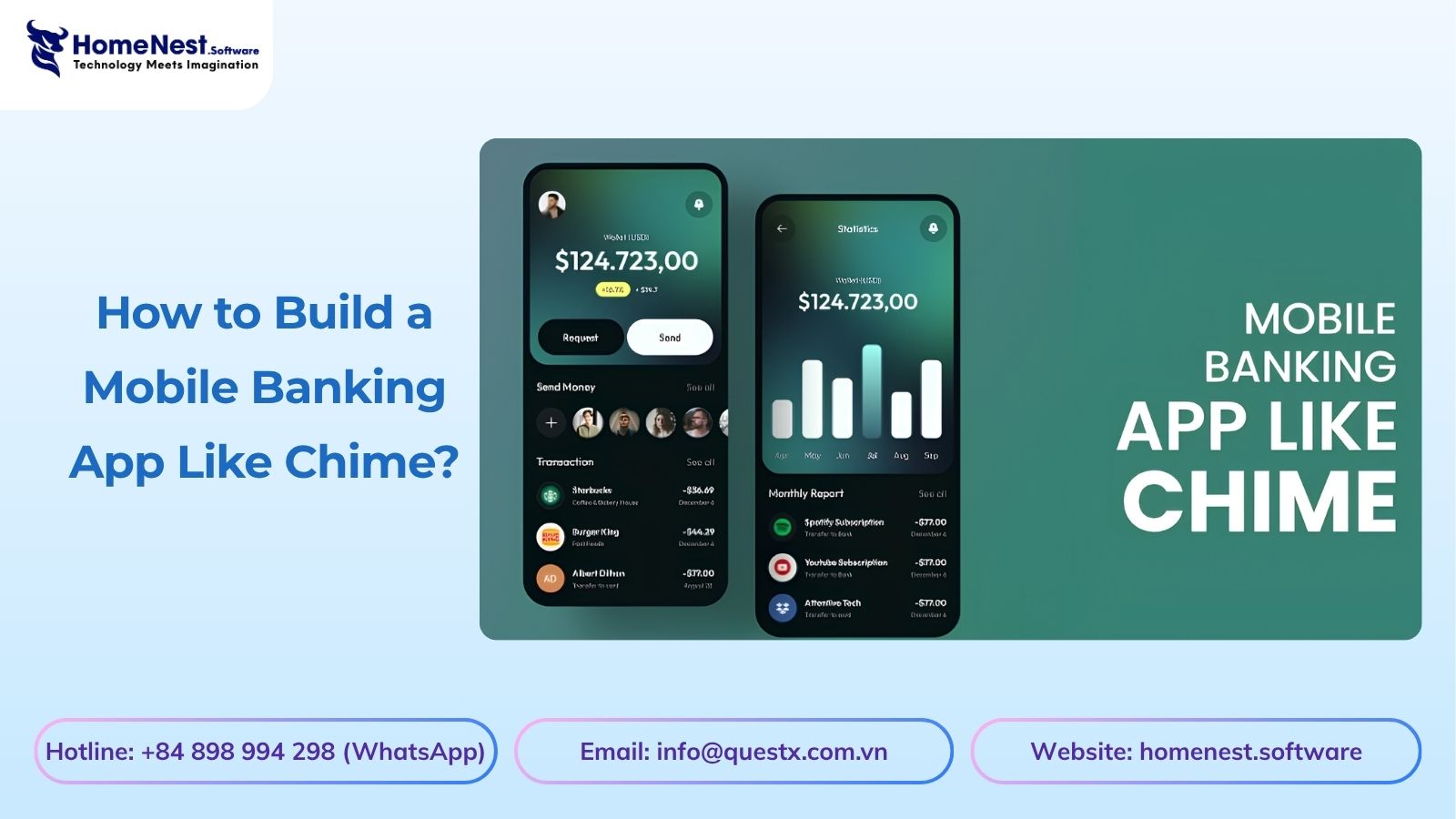
How to Build a Mobile Banking App Like Chime?
Building a mobile banking app like Chime is not just about features, it is about delivering a secure, scalable, and user-centric financial experience. From planning the right architecture to optimizing mobile banking app development cost, every decision directly impacts your product’s success. Leveraging Fintech app development services, starting with MVP app development, and scaling through on-demand app development solutions allows businesses to reduce risk and accelerate time to market. To stay competitive, combining Android app development services and iOS app development solutions ensures wider reach, while continuous updates through maintenance software development services keep your app secure and future-ready.
How to Build a Banking App Like Barclays: A Complete Entrepreneur’s Guide
Building a banking app like Barclays requires more than just development. It demands a strong product vision, secure architecture, and a clear monetization strategy. From optimizing cost and selecting the right tech stack to ensuring compliance and scalability, every decision impacts long-term success. Partnering with an experienced team like HomeNest Software helps accelerate development, reduce risks, and deliver a high-quality fintech product that can compete in today’s fast-evolving digital banking landscape.