
Telemedicine App Development Cost: Features And Benefits
Telemedicine app development offers a powerful opportunity to modernize healthcare delivery by combining accessibility, efficiency, and advanced technology. Success depends on choosing the right feature set, ensuring compliance with healthcare regulations, and building a scalable, secure architecture. By starting with a focused MVP and leveraging the right Mobile App Development strategy, businesses can optimize costs, accelerate time-to-market, and create a future-ready telemedicine platform that meets growing patient and provider demands.
Scope of Work
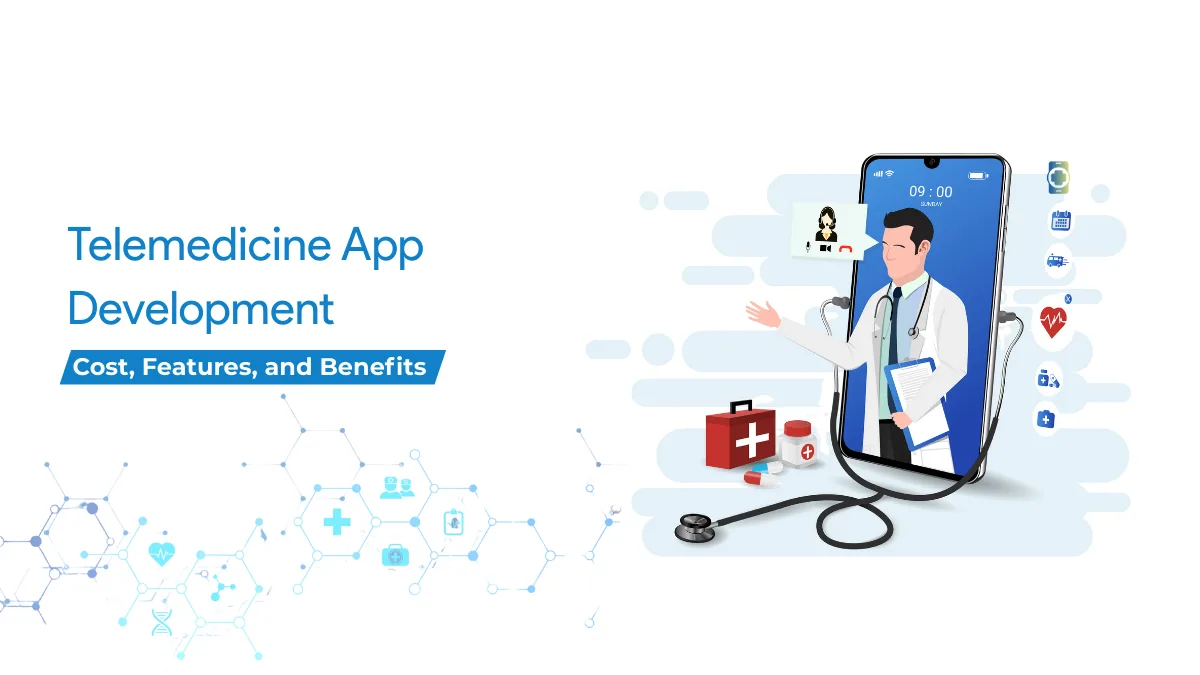
In the post pandemic era, telemedicine has become a transformative force in the healthcare industry. As demand for remote consultations continues to grow, businesses are increasingly investing in telemedicine apps to deliver accessible, efficient, and cost effective healthcare services. One of the most common questions for decision makers is: “How much does it cost to develop a telemedicine app?”
In general, telemedicine app development costs range from $5,000 to $15,000+, depending on several factors such as app complexity, feature set, regulatory compliance, technology stack, and the expertise of the development team. A basic solution with limited functionality will cost significantly less than an advanced platform that includes AI integration, video consultations, and electronic health record (EHR) systems.
In this guide, we’ll break down everything you need to know before investing in telemedicine app development including cost drivers, essential features, compliance requirements, and hiring options. Whether you’re a startup building an MVP or an established organization planning a scalable healthcare platform, this article will help you make informed decisions and optimize your investment.
Before diving deeper into cost factors, let’s first explore key market statistics to understand why telemedicine is a high potential investment for the future.
Market Statistics & Growth of Telemedicine Apps
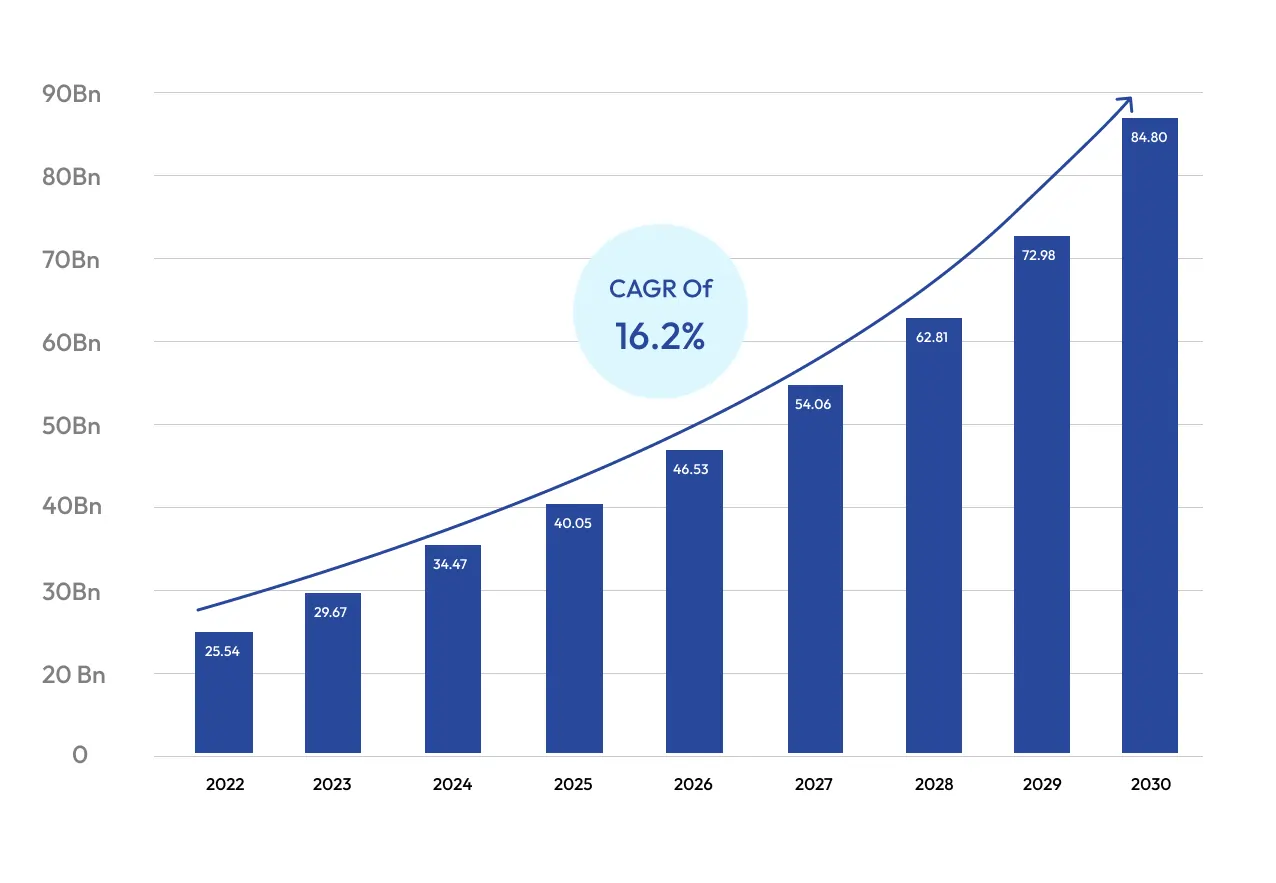
According to Statista, the telemedicine and digital health sectors are experiencing rapid and sustained growth, driven by increasing demand for remote healthcare services and technological advancements.
- The global telehealth market was valued at $161.64 billion in 2024 and is expected to reach $186.41 billion by 2026, growing at a CAGR of approximately 22.9% from 2026 to 2032.
- The broader digital health market is projected to hit $427.24 billion in 2026 and surge to around $1.5 trillion by 2032, reflecting a strong CAGR of ~19.7%.
- The online doctor consultation segment, a key subset of telehealth, was valued at $8.72 billion in 2024 and is forecast to reach $12.56 billion by 2026, with a CAGR of ~26.1% through 2033.
- In the United States, telemedicine is most commonly used for minor health issues and prescription refills, highlighting its growing role in everyday healthcare delivery.
These figures clearly demonstrate the massive growth potential of telemedicine, making it a highly attractive investment area for businesses looking to build scalable and future ready healthcare solutions.
Types of Telemedicine Apps
The telehealth ecosystem includes several specialized categories, but most modern telemedicine solutions fall into four primary types. Each serves a unique purpose and can be leveraged based on specific healthcare needs and patient requirements.
Live Video Conferencing
This is the most common form of telemedicine, enabling real time video consultations between doctors and patients. It allows for immediate interaction, diagnosis, and guidance, making it widely used by healthcare providers for routine checkups and virtual visits.
Store and Forward (Asynchronous Care)
In this model, patient data such as medical records, images, or recorded videos is collected and sent to healthcare providers for later review. Since it doesn’t require real time interaction, it is especially useful in remote or underserved areas where access to specialists may be limited.
Remote Patient Monitoring (RPM)
RPM allows healthcare providers to track patient health data remotely using connected devices. Vital signs such as heart rate, blood pressure, or glucose levels are transmitted to doctors for continuous monitoring. This approach is particularly beneficial for elderly patients and those with chronic conditions.
Mobile Health (mHealth)
Mobile health refers to the use of smartphones and wearable devices to support ongoing healthcare management. These apps help users track daily health metrics such as physical activity, diet, hydration, and chronic conditions empowering patients to take a more active role in their health.
By understanding these types, businesses can choose the most suitable telemedicine model and build solutions that effectively address patient needs while improving healthcare accessibility.
How Much Does It Cost to Develop a Telemedicine App?
The cost of developing a telemedicine app varies based on several factors, including app complexity, feature set, technology stack, regulatory compliance, and the location and expertise of the development team. On average, telemedicine app development costs range from $5,000 to $15,000+.
A basic telemedicine app with core features such as user registration, video consultations, and appointment scheduling typically falls within the $5,000–$15,000 range. In contrast, a more advanced solution that includes AI integration, remote patient monitoring, and electronic health records (EHR) can push the cost beyond $15,000+.
Estimated Cost Breakdown
| App Complexity | Estimated Cost | Development Timeline |
|---|---|---|
| Basic Telemedicine App | $5,000 – $8,000 | 4 – 5 weeks |
| Mid Level App | $10,000 – $15,000 | 5 – 8 weeks |
| Advanced App | $15,000+ | 8 – 12 weeks |
The final cost depends heavily on your specific business requirements, scalability needs, and chosen technology stack. To optimize development costs and maintain flexibility, many businesses leverage IT staff augmentation services, enabling them to hire skilled developers on demand without the overhead of building a full in house team. This approach ensures efficient resource allocation while accelerating time to market.
Factors Affecting Telemedicine App Development Cost
The cost of building a telemedicine app can vary widely depending on multiple technical and business factors. From feature complexity to compliance requirements, each element plays a critical role in determining the overall investment. Below are the key cost drivers to consider:
Feature Set and Functionality
The scope of features significantly impacts development cost. A basic app with video consultations and appointment scheduling is relatively affordable, while advanced platforms with AI integration, remote patient monitoring, and EHR systems require higher investment due to increased complexity.
UI/UX Design
User experience is a major success factor for telemedicine apps. A simple interface with standard layouts will cost less, whereas a fully customized design with advanced animations, intuitive navigation, and multi device responsiveness will increase design and development costs.
Development Platform
Building for a single platform (iOS or Android) is more cost effective than developing for both. Cross platform solutions (e.g., Flutter, React Native) can reduce costs, while web based platforms require responsive design and additional functionalities, adding to the overall budget.
Technology Stack
The choice of programming languages, frameworks, and third party integrations directly affects cost, scalability, and performance.
Common Technology Stack:
- Frontend: React Native, Flutter, Swift (iOS), Kotlin (Android)
- Backend: Node.js, Django, Ruby on Rails
- Database: PostgreSQL, MongoDB, Firebase
- Video APIs: WebRTC, Twilio, Agora
- Cloud & Hosting: AWS, Google Cloud, Microsoft Azure
Compliance and Security Requirements
Telemedicine apps handle sensitive health data, making compliance mandatory. Regulations such as HIPAA (USA), GDPR (Europe), and PIPEDA (Canada) require strict implementation of data encryption, secure authentication, and access control adding to development costs but ensuring legal and operational safety.
Development Team Location
The cost of hiring developers varies by region. Teams in North America and Western Europe typically charge higher rates, while developers in Asia or Southeast Asia offer more cost effective solutions with competitive quality.
| Region | Estimated Hourly Rate |
|---|---|
| USA/Canada | $15 – $25/hour |
| Vietnam/Southeast Asia | $12 – $25/hour |
| Western Europe | $15 – $25/hour |
| Eastern Europe | $15 – $25/hour |
Hiring Model
Choosing the right hiring approach affects both cost and flexibility.
| Hiring Model | Estimated Cost |
|---|---|
| In House Team | $80,000 – $200,000+ per year |
| Freelancers | $15 – $25/hour |
| Outsourcing | $15 – $25/hour (project based) |
For cost efficiency and scalability, many businesses leverage IT staff augmentation services to hire skilled developers on demand without long term commitments.
Testing and Maintenance
Quality assurance is essential to ensure performance, security, and reliability. Testing typically accounts for 10–15% of total development cost. Post launch maintenance including updates, bug fixes, and performance optimization is also necessary and should be factored into the long term budget.
By understanding these factors, businesses can better estimate costs, optimize budgets, and build a secure, scalable telemedicine solution tailored to their needs.
Key Features of Telemedicine App Development
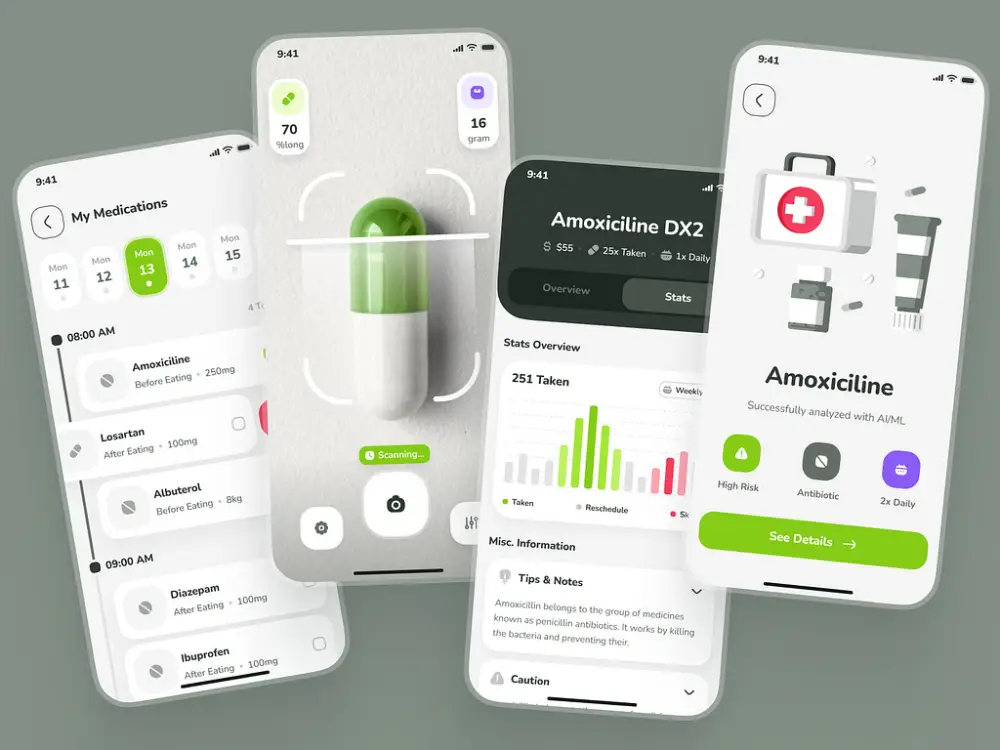
Before choosing the right technology stack for your telemedicine solution, it’s essential to define the core features your app will include. A well structured feature set ensures better performance, user satisfaction, and scalability in Mobile App Development for healthcare.
Patient Panel Features
User Registration & Authentication
Secure onboarding is the foundation of any telemedicine app. Patients should be able to sign up via email, phone number, or third party logins like Google and Facebook. Implementing two factor authentication (via email or SMS) enhances security and protects sensitive health data.
Video Consultation
Real time video conferencing enables doctors to consult patients remotely, reducing the need for in person visits. This feature is critical for improving accessibility and minimizing the risk of disease transmission.
In App Messaging
Text based communication allows patients to connect with doctors quickly and cost effectively. It is ideal for follow ups, quick consultations, and sharing medical updates without scheduling a full video session.
Appointment Scheduling (Calendar Integration)
An integrated calendar helps patients book, manage, and reschedule appointments بسهولة. Notifications and reminders (via Google Calendar or in app alerts) ensure better attendance and time management.
Payment Gateway Integration
Secure and flexible payment options are essential in Mobile App Development. Users should be able to pay via credit/debit cards, digital wallets, or local payment methods, ensuring a smooth and hassle free transaction experience.
Ratings & Reviews
A feedback system allows patients to rate doctors and share their experiences. This builds trust, improves service quality, and helps users choose the right healthcare provider.
Doctor Panel Features
Doctor Profile Management
Doctors can create and manage their profiles, including qualifications, specialties, experience, and availability. This helps patients make informed decisions.
Schedule & Calendar Management
Doctors can manage their availability, schedule appointments, and handle rescheduling requests efficiently, ensuring better time utilization.
Access to Electronic Health Records (EHR)
Doctors and healthcare staff should be able to view and update patient medical records in real time. This ensures accurate diagnosis and continuity of care.
Communication Tools
Seamless communication between doctors and patients is essential. Telemedicine platforms should support both video and messaging features, enabling continuous interaction for consultations, follow ups, and treatment guidance.
By integrating these features into your Mobile App Development strategy, you can build a robust telemedicine platform that enhances patient care, improves operational efficiency, and supports long term scalability.
Emerging Technologies Transforming Telemedicine App Development
Telemedicine is rapidly evolving, driven by the adoption of advanced technologies that enhance patient care, improve diagnostics, and optimize healthcare delivery. Below are some of the key innovations shaping the future of telemedicine app development.
VR, AR, and MR Integration
Virtual Reality (VR), Augmented Reality (AR), and Mixed Reality (MR) are redefining how healthcare services are delivered. These technologies enable immersive, real time simulations that support remote diagnosis, medical training, and even virtual consultations creating more interactive and effective treatment experiences for both patients and doctors.
Machine Learning (ML)
Machine learning plays a crucial role in modern telemedicine platforms. By analyzing large datasets, ML algorithms can identify patterns, support clinical decision making, and improve the accuracy of diagnoses. It also enhances personalization by adapting recommendations based on patient behavior and history.
Artificial Intelligence (AI)
AI powered features are transforming telemedicine apps with capabilities such as image recognition, predictive analytics, voice assistants, and chatbots. These tools assist in early diagnosis, automate routine tasks, and help create personalized treatment plans tailored to individual patients.
Internet of Things (IoT)
IoT devices, such as wearables and remote monitoring tools, enable real time tracking of patient health data. Metrics like heart rate, activity levels, medication adherence, and other vital signs can be continuously monitored, allowing healthcare providers to deliver proactive and remote care.
Big Data Analytics
Big data analytics empowers healthcare providers to process and analyze vast amounts of medical data. By identifying trends, patterns, and correlations, doctors can make more informed decisions, improve treatment outcomes, and uncover insights that were previously difficult to detect.
These emerging technologies are not only enhancing the capabilities of telemedicine apps but also redefining the future of digital healthcare by making it more intelligent, accessible, and patient centric.
How to Build a Telemedicine App – Key Steps
Developing a telemedicine app requires a structured approach that combines business strategy, technical planning, and continuous improvement. Below are the essential steps to guide you through the process.
1. Define Requirements
Start by conducting market research and analyzing competitors. Clearly identify your target audience, business goals, and core features. Creating a detailed scope document helps align your vision with development requirements and ensures a smooth execution process.
2. Estimate Project Cost and Scope
Before engaging a development team, outline the key features your app must include. If you’re unsure about feature prioritization or cost implications, consult with experts to refine your idea. Key questions to consider:
- What problem does your telemedicine app solve?
- Who are your target users?
- Which features will differentiate your app in a competitive market?
A clear understanding of these factors will help generate an accurate development estimate.
3. Begin Development
Once requirements and estimates are finalized, the development phase begins. This typically includes:
- Creating wireframes and UI/UX designs
- Developing frontend and backend systems
- Integrating APIs and third party services
An experienced development team will guide you through each stage, ensuring your concept is translated into a functional product.
4. Testing and Quality Assurance
Thorough testing is essential to ensure performance, security, and usability. Your app should be tested across multiple devices and platforms to identify and fix bugs, optimize performance, and deliver a seamless user experience.
5. Launch and Continuous Improvement
After successful testing, launch your app on relevant platforms. Post launch, gather user feedback and continuously improve the app by adding new features, enhancing performance, and fixing issues. Regular updates are key to maintaining user engagement and staying competitive.
By following these steps, you can build a reliable, scalable telemedicine app that meets user needs and adapts to the evolving healthcare landscape.
Benefits of Telemedicine App Development
Before investing in telemedicine app development, it’s important to understand the tangible benefits it brings to both healthcare providers and patients. These apps not only improve accessibility but also enhance operational efficiency and overall care delivery.
Improved Time Management for Doctors
Telemedicine apps help streamline scheduling and reduce administrative workload. With integrated calendars, automated reminders, and appointment management, doctors can optimize their time and avoid missed consultations allowing them to serve more patients efficiently.
Cost Reduction
One of the biggest advantages of telemedicine is cost savings. Patients can consult doctors remotely without traveling to hospitals or clinics, reducing expenses such as transportation and facility costs. For healthcare providers, it also lowers overhead costs related to physical infrastructure.
More Efficient Healthcare Delivery
Traditional healthcare often involves long waiting times and crowded clinics. Telemedicine eliminates these barriers by enabling patients to consult doctors via video or messaging from anywhere. This improves accessibility, especially for busy individuals or those in remote areas.
Digital Health Records (EHR) Management
Telemedicine apps support electronic health records (EHR), allowing medical professionals to access patient data instantly. This eliminates the need for paper records, improves accuracy, and ensures better continuity of care.
By adopting telemedicine solutions, healthcare providers can deliver faster, more efficient, and more accessible care while patients benefit from convenience, affordability, and improved health outcomes.
Conclusion
Telemedicine app development is a strategic investment that can transform healthcare delivery by improving accessibility, efficiency, and patient outcomes. However, the overall cost depends on multiple factors, including app complexity, feature set, compliance requirements, technology stack, and the chosen hiring model.
Whether you’re building a basic telemedicine solution or an advanced platform with AI driven capabilities, careful planning and budget alignment are critical. By understanding the key cost drivers and mapping them to your business objectives, you can develop a scalable, secure, and user friendly application that meets the evolving demands of modern healthcare.
If you’re ready to turn your idea into a high performance telemedicine solution, HomeNest Software is here to help you design, develop, and scale your product with confidence.
FAQs
1. What is a telemedicine app?
A telemedicine app enables patients to consult with doctors remotely through video calls, messaging, or voice, eliminating the need for in person visits.
2. How long does it take to develop a telemedicine app?
The development timeline typically ranges from 4 to 12 weeks, depending on the app’s complexity, features, and level of customization.
3. How much does it cost to build a telemedicine app?
The cost generally starts from $5,000 – $8,000 for basic apps and can exceed $15,000+ for advanced solutions with AI, EHR integration, and remote monitoring features.
4. What are the essential features of a telemedicine app?
Key features include user registration, video consultation, appointment scheduling, in app messaging, payment integration, and electronic health records (EHR).
5. Is telemedicine app development legally compliant?
Yes, but it must comply with regulations such as HIPAA, GDPR, and other local healthcare laws to ensure data privacy and security.
6. Which technology stack is best for telemedicine apps?
Popular choices include React Native or Flutter for frontend, Node.js or Django for backend, and cloud platforms like AWS, Google Cloud, or Azure, along with APIs like WebRTC or Twilio for video conferencing.
7. Can telemedicine apps integrate with wearable devices?
Yes, telemedicine apps can integrate with IoT devices and wearables to track real time health data such as heart rate, activity levels, and vital signs.
8. How do telemedicine apps make money?
They generate revenue through consultation fees, subscription plans, commissions, in app purchases, and partnerships with healthcare providers.
9. Can startups build a telemedicine app?
Yes, startups can begin with an MVP (Minimum Viable Product) focusing on core features and scale gradually based on user feedback and market demand.
10. Why should I hire a professional development company?
A professional Mobile App Development partner ensures scalability, compliance, security, and faster time to market, helping you build a reliable healthcare solution.
Latest Articles
View All
How to Build an App Like TaskRabbit: Features, Cost, Tech Stack – Business Model
Building an app like TaskRabbit is more than replicating existing features—it’s about creating a trusted marketplace that seamlessly connects customers with skilled service providers. By combining an intuitive user experience, secure payment systems, scalable architecture, and the right business model, you can launch a competitive on-demand platform. Partnering with an experienced app development company like HomeNest Software ensures your product is built with the technology, flexibility, and long-term scalability needed to succeed in the rapidly growing gig economy.
How to Build a Meal Planning App: A Complete Step-by-Step Guide
Building a successful meal planning app goes beyond creating an attractive interface it requires a clear business strategy, personalized user experiences, and scalable technology. By combining essential features like AI-powered meal recommendations, nutrition tracking, grocery list automation, and wearable integration, businesses can deliver lasting value to users while capitalizing on the growing digital health market. Partnering with an experienced mobile app development company ensures your solution is secure, future-ready, and designed to succeed in an increasingly competitive health-tech industry.
How Much Does It Cost to Build a Shopping App Like Temu?
Temu’s meteoric rise to over 900 million global downloads proves the power of combining AI, gamification, and social commerce, but building a similar viral shopping platform requires careful financial and technical planning. Developing an app like Temu typically costs anywhere from $40,000 for a basic Minimum Viable Product (MVP) to over $300,000 for a fully-featured platform. This guide breaks down every cost category, analyzes the core features driving Temu’s success, highlights the best technology stacks, and offers practical strategies to optimize your development budget without compromising on quality.

Criteria For Choosing The Right App Design Agency
UI/UX design is the logical foundation of a system, not merely a visual element. Choosing the wrong partner will directly lead to technical debt, budget overruns, and disruptions in the development process. This article provides a 6-step evaluation framework and a list of operational risks, helping businesses eliminate subjective design advice and accurately assess agency capabilities based on developer handoff standards and practical business performance.

How Does AI in Banking Industry Impact the Future?
Artificial intelligence (AI) has transitioned from a supplementary tool to a core infrastructure of financial data management, optimizing profitability through real-time fraud detection, natural language processing (NLP), and high-speed credit scoring models. “Deploying AI in the financial sector requires more than just algorithmic accuracy, it demands a highly secure cloud architecture and rigorous data governance,” commented Nguyen Tien, co-founder of HomeNest Software. Why read this guide? We skip the theoretical jargon to focus entirely on technical implementation. Whether you’re evaluating a vendor or planning a system overhaul, this article will detail: Operational Efficiency: Automating unstructured data workflows at scale. Risk Architecture: Implementing real-time threat detection and AML compliance. Data ownership: The essential need for 100% ownership of the source code to ensure full algorithm auditability.
How to Make a Banking App like Bank of America?
Developing a mobile banking application like Bank of America extends far beyond basic UI design; it requires engineering a fault-tolerant backend capable of real-time ledger synchronization, biometric authentication, and high-volume data processing under strict regulatory frameworks. Drawing from HomeNest Software’s deep experience in architecting enterprise-grade fintech solutions, this guide strips away theoretical jargon to focus entirely on operational and technical execution. What you will find in this guide: We break down the precise development roadmap, from mapping out microservices and ensuring PCI-DSS compliance to estimating MVP development costs and securing absolute data sovereignty through 100% source code ownership. If you are preparing to build, scale, or audit a financial platform, this blueprint provides the exact framework you need.