
Blockchain in Fintech: Use Cases, Benefits, Challenges, Potentials
Blockchain is rapidly transforming fintech by enabling more secure, transparent, and efficient financial systems. From cross-border payments to DeFi and digital identity, businesses can leverage fintech development solutions powered by blockchain to reduce costs, automate operations, and unlock new revenue models. However, success depends on choosing the right technology approach, ensuring regulatory compliance, and partnering with an experienced provider who can turn innovation into real business value.
Scope of Work

The future of finance is being reshaped by blockchain ushering in an era of real time settlements, automated smart contracts, and self sovereign digital identity. As blockchain converges with fintech, outdated systems are being replaced by more transparent, efficient, and secure infrastructures. For forward thinking leaders, understanding this transformation is essential. This guide distills the complexity into clear, strategic insights to help you leverage blockchain in fintech and turn its disruptive potential into a sustainable competitive advantage.
Architectural Model: Shifting from Centralized Ledger to Decentralized Trust
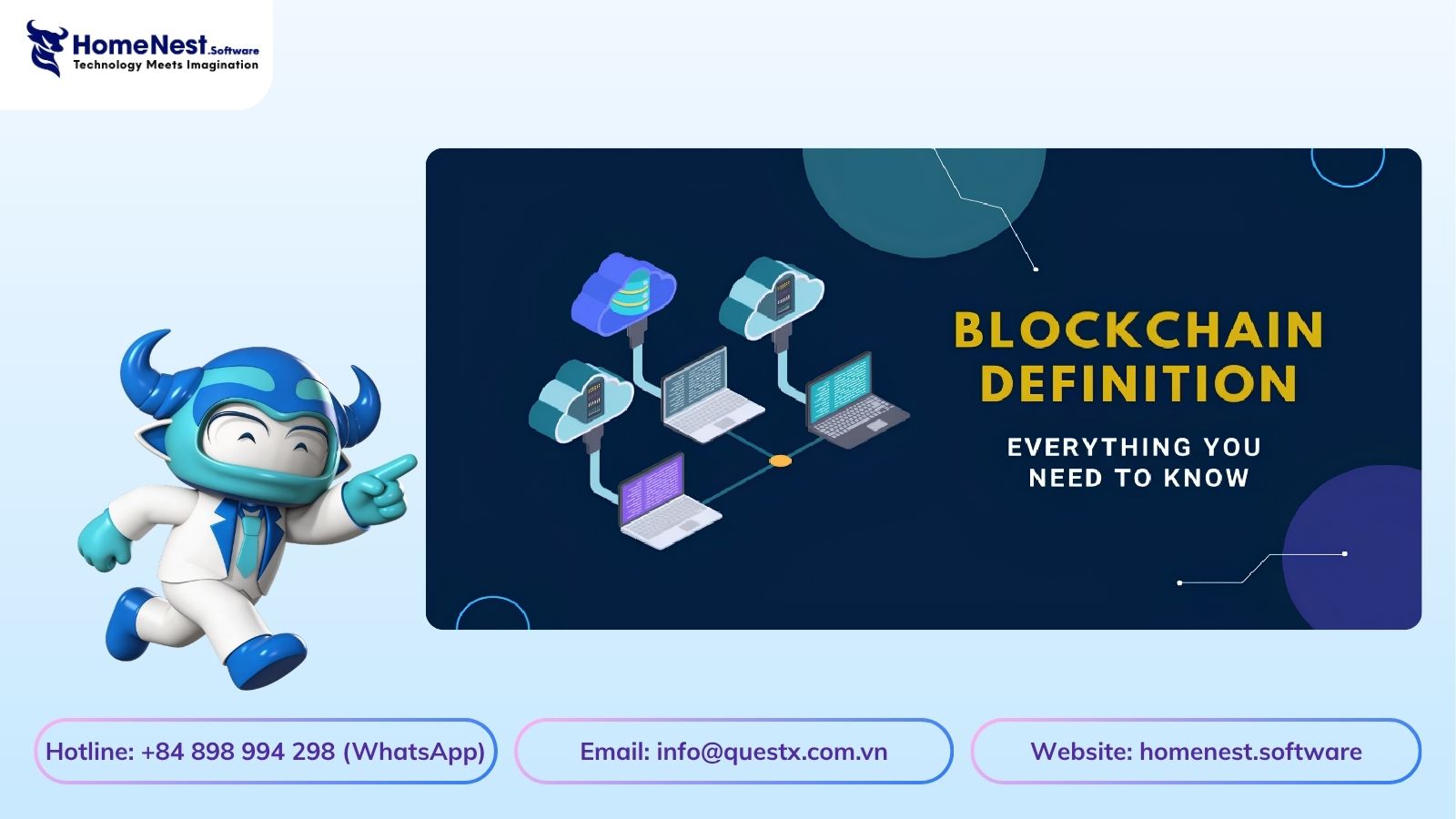
In the modern fintech environment, blockchain is no longer just seen as the foundational technology for digital currencies. It serves as the underlying cryptographic payment layer, restructuring data reconciliation and transaction execution across distributed networks.
Core Technical Components
- Distributed Ledger Infrastructure: Unlike traditional financial systems based on centralized databases, blockchain distributes immutable, synchronized copies of the ledger across multiple network nodes. This architectural shift eliminates single points of failure and significantly reduces the attack surface for data theft.
- Cryptographic Consensus Mechanism: Trust is enforced algorithmically. Transactions are validated through consensus protocols, such as Proof of Stake or Practical Byzantine Fault Tolerance in confederate networks, ensuring consistency of state across the network without the need for a centralized clearinghouse.
- Programmable financial principles (Smart Contracts): Beyond passive data storage, blockchain introduces executable code embedded at the database level. These smart contracts automate complex business processes, from disbursing escrow accounts requiring multiple signatures to real-time compliance checks, ensuring consistent and dispute-free execution.
What Types of Blockchain Are Commonly Used in Fintech?
Not all blockchain networks are designed the same. In fintech, the choice of blockchain depends on the specific use case and the required balance between control, privacy, performance, and decentralization.
- Permissioned (Private) Blockchains: Widely used in enterprise fintech environments, permissioned blockchains restrict access to approved participants. They are typically governed by a single organization or a consortium, offering greater control, faster transaction speeds, and enhanced privacy. These characteristics make them well suited for use cases such as trade finance, identity verification (KYC), and internal banking systems. Hyperledger Fabric is a leading example in this category.
- Permissionless (Public) Blockchains: Public blockchains are open networks where anyone can participate, validate transactions, and access data. They are fully decentralized and highly secure, but often come with trade offs in terms of scalability and transparency. These networks form the backbone of decentralized finance (DeFi) ecosystems. Notable examples include Bitcoin and Ethereum.
- Consortium Blockchains: This hybrid model is governed by a group of organizations rather than a single entity. Consortium blockchains strike a balance between decentralization and control, making them ideal for industries like banking and finance where multiple stakeholders need to collaborate on a shared infrastructure. RippleNet is a well known example, particularly in cross border payment systems.
Each type of blockchain serves a distinct purpose, and selecting the right one is essential to building efficient, secure, and scalable fintech solutions.
How Blockchain Is Used in Fintech
Blockchain in fintech is not just an incremental upgrade to traditional databases; it represents a fundamental shift in how financial systems establish trust and execute transactions. Instead of relying on centralized authorities, blockchain introduces a decentralized, cryptographic framework where trust is built through algorithms and consensus mechanisms. This transformation enables a new generation of financial applications that are more efficient, secure, and transparent.
1. Decentralization and Disintermediation
One of blockchain’s most significant contributions is its ability to remove intermediaries. Traditional financial systems depend on banks, clearinghouses, and other third parties to validate transactions. Blockchain replaces these entities with a distributed network where each participant maintains a synchronized ledger.
Through consensus mechanisms, the network collectively verifies transactions, eliminating the need for central control. This not only reduces transaction costs but also removes single points of failure, improves system resilience, and enables faster, censorship resistant value exchange.
2. Immutable and Transparent Ledger
Blockchain creates a permanent and tamper resistant record of all transactions. Once data is validated and added to the chain, it is cryptographically linked to previous records, making it nearly impossible to alter.
This immutability ensures data integrity and builds a transparent audit trail that can be verified by all authorized participants. As a result, financial institutions can significantly reduce fraud, enhance trust, and simplify compliance processes.
3. Smart Contract Automation
Smart contracts transform blockchain from a passive ledger into an active execution layer. These are self executing programs where business logic is embedded directly into code.
When predefined conditions are met such as the confirmation of a transaction or delivery smart contracts automatically trigger the agreed actions, like releasing payments. This reduces manual intervention, eliminates delays, and enables complex multi party agreements to operate efficiently without intermediaries.
4. Enhanced Security and Identity Management
Blockchain’s decentralized architecture enhances security by removing centralized points of attack. Combined with advanced cryptographic techniques, it ensures that sensitive financial data is protected across the network.
A key application is Self Sovereign Identity (SSI), which allows individuals to control their digital identities. Users can securely store and share verified credentials such as identification documents without exposing unnecessary data. This approach streamlines KYC/AML processes, reduces onboarding friction, and improves both privacy and security in financial services.
By integrating these capabilities, blockchain is redefining how fintech systems are designed and operated, enabling more secure, efficient, and user centric financial ecosystems.
Common Use Cases of Blockchain in Fintech

Blockchain is transforming fintech by addressing long standing challenges such as inefficiency, lack of transparency, and limited access to financial services. Below are the most impactful use cases where blockchain is already delivering measurable value across the financial ecosystem.
1. Cross Border Payments and Remittances
Traditional international payments rely on multiple intermediaries, leading to high costs, delays, and operational complexity. Blockchain streamlines this process by enabling direct, peer to peer transactions between financial institutions on a shared ledger.
This allows payments to settle within minutes rather than days, often using stable digital assets to reduce volatility. The result is a faster, more efficient global payment infrastructure.
Key Benefits:
- Significant cost reduction by eliminating intermediaries
- Near instant settlement with 24/7 availability
- Full transparency with real time tracking and auditability
A notable example is RippleNet, which enables real time international transfers for financial institutions.
2. Decentralized Finance (DeFi)
Decentralized Finance (DeFi) represents a new financial paradigm where services such as lending, borrowing, and trading are executed through smart contracts instead of centralized institutions.
Users interact directly with these protocols, maintaining full control of their assets while accessing financial services globally without intermediaries.
Key Benefits:
- Open access to financial services for anyone with internet connectivity
- Transparent and interoperable financial protocols
- Full asset ownership through self custody
Platforms like Aave demonstrate how lending and borrowing can operate without traditional banks.
3. Trade Finance
Trade finance has traditionally relied on paper based processes that are slow, error prone, and vulnerable to fraud. Blockchain introduces a shared, immutable ledger that all parties can access in real time.
Smart contracts automate workflows, ensuring that payments and ownership transfers occur automatically when predefined conditions are met.
Key Benefits:
- Reduced fraud through tamper proof records
- Faster processing times, improving cash flow
- Increased transparency across all stakeholders
The we.trade platform is a strong example of blockchain adoption in European trade finance.
4. Tokenization of Real World Assets (RWA)
Tokenization enables physical and financial assets such as real estate, art, or equities to be represented as digital tokens on a blockchain.
This allows assets to be divided into smaller units, making them more accessible and liquid for a broader range of investors.
Key Benefits:
- Improved liquidity for traditionally illiquid assets
- Lower investment barriers through fractional ownership
- Automated compliance via programmable tokens
Major institutions like BlackRock and UBS are actively exploring tokenized financial products.
5. KYC and AML (Identity Verification)
Traditional KYC processes are repetitive, time consuming, and increase the risk of data exposure. Blockchain enables a more efficient model through Self Sovereign Identity (SSI).
Users verify their identity once and then share secure, cryptographic proof with financial institutions without exposing sensitive data.
Key Benefits:
- Enhanced privacy and data security
- Reduced compliance costs for institutions
- Faster customer onboarding experience
Banks such as PKO Bank Polski are implementing blockchain based identity solutions.
6. Smart Contracts for Financial Automation
Smart contracts automate complex financial processes by executing predefined logic without manual intervention. This capability extends beyond DeFi into insurance, capital markets, and enterprise finance.
For example, insurance claims can be triggered automatically based on verified external data, while financial instruments can self execute payments.
Key Benefits:
- Increased operational efficiency
- Guaranteed execution without disputes
- Reduced administrative costs
Projects like Etherisc showcase automated insurance use cases.
7. Central Bank Digital Currencies (CBDCs)
CBDCs are digital versions of national currencies issued and regulated by central banks. They combine the convenience of digital payments with the stability of government backed money.
CBDCs have the potential to modernize financial systems, improve financial inclusion, and enable more efficient monetary policy.
Key Benefits:
- More effective implementation of monetary policy
- Greater financial inclusion for unbanked populations
- A foundation for future financial innovation
The Digital Yuan (e CNY) is one of the most advanced CBDC initiatives globally.
These use cases highlight how blockchain is not just an emerging technology but a foundational layer for the next generation of financial systems, enabling faster, more transparent, and inclusive financial services.
Benefits and Challenges of Blockchain in Fintech
Adopting blockchain in fintech is a strategic move that can fundamentally reshape how financial services operate and deliver value. However, it is not a simple technology upgrade; it represents a paradigm shift that requires a clear understanding of both its advantages and the challenges involved in implementation.
Benefits

Blockchain and fintech technologies unlock far more than incremental improvements; they enable a new operating model built on transparency, automation, and trust.
- Greater Transparency: All transactions are recorded on a shared ledger accessible to authorized participants. This creates a single source of truth, making audits faster, more accurate, and more reliable.
- Enhanced Security and Trust: Blockchain’s decentralized architecture and cryptographic design make it highly resistant to fraud, hacking, and data manipulation. Trust is embedded within the system itself rather than relying solely on centralized institutions.
- Improved Efficiency and Cost Reduction: By eliminating intermediaries and automating workflows through smart contracts, blockchain significantly reduces administrative overhead, speeds up processes, and lowers operational costs.
- Expanded Accessibility and Financial Inclusion: Blockchain enables decentralized financial services that are accessible to anyone with an internet connection. This opens up opportunities for underserved and unbanked populations to participate in the global financial system.
Challenges
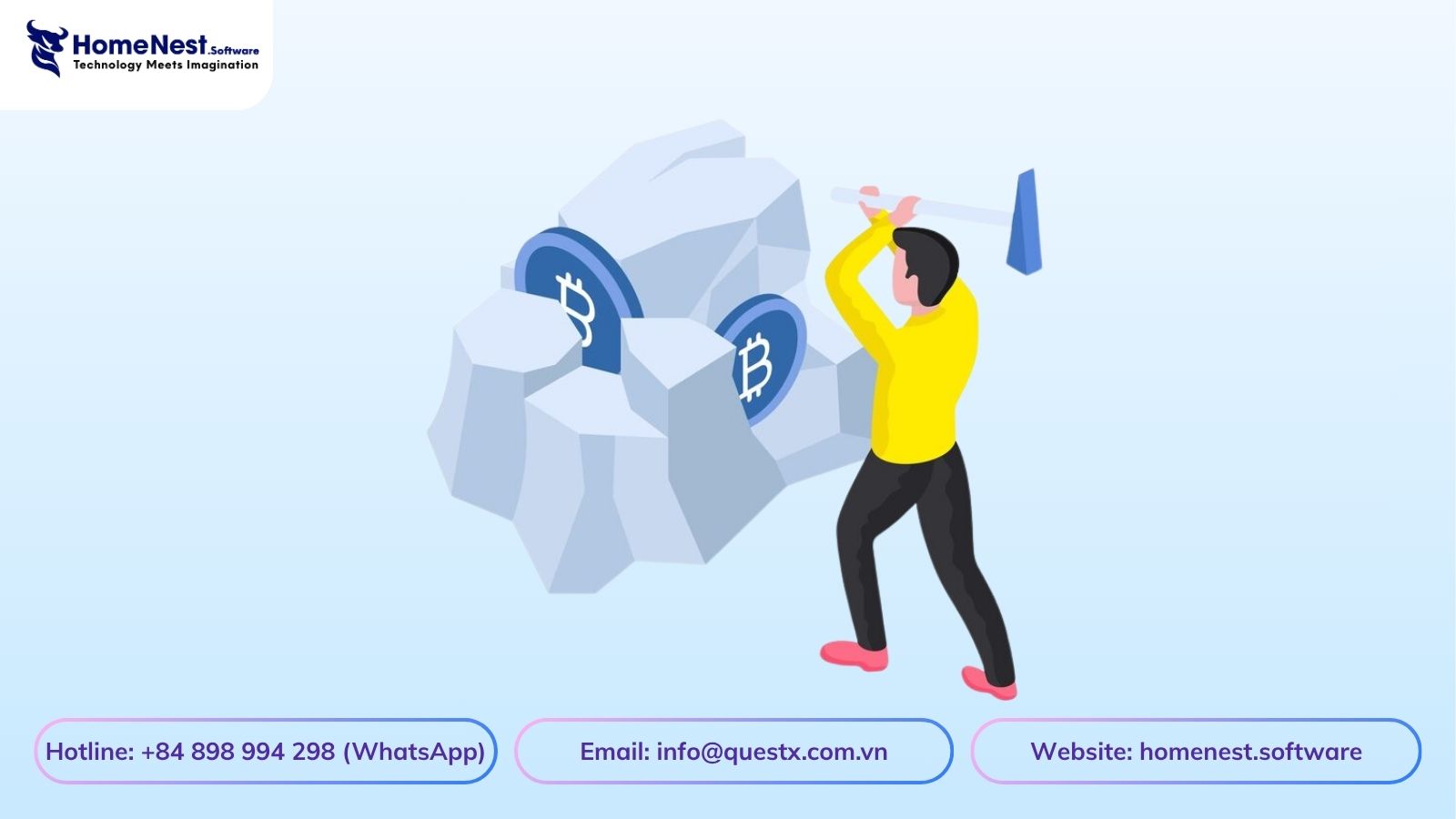
Despite its transformative potential, implementing blockchain in fintech comes with several complexities that must be carefully managed.
- Regulatory Uncertainty: The legal framework surrounding blockchain, digital assets, and smart contracts is still evolving. This creates uncertainty for businesses operating across different jurisdictions.
- Scalability Limitations: Some blockchain networks face challenges in handling high transaction volumes efficiently, though ongoing innovations are addressing these constraints.
- Integration with Legacy Systems: Integrating blockchain solutions with existing financial infrastructure can be technically complex and costly, especially for institutions relying on outdated systems.
- Talent Shortage and Knowledge Gap: There is a limited pool of professionals with deep expertise in blockchain and fintech, making it challenging for organizations to recruit and build capable teams.
Understanding both the opportunities and challenges of blockchain is essential for businesses aiming to successfully leverage its potential and stay competitive in the evolving fintech landscape.
Fintech Blockchain Trends and Beyond
The evolution of blockchain in fintech is accelerating rapidly, shifting from experimental use cases to real world, scalable fintech development solutions. Over the next few years, the focus will move toward practical integration, regulatory alignment, and enterprise adoption.
One of the most significant trends is the rise of Institutional DeFi (DeFi 2.0). Unlike early decentralized finance models, this new phase emphasizes compliance, security, and interoperability with traditional financial systems. As a result, major banks and investment firms are beginning to participate, bringing credibility and large scale capital into the ecosystem.
Another critical development is the role of blockchain in Green Finance. Blockchain provides transparent and immutable tracking systems for carbon credits, ESG metrics, and sustainable investments. This ensures data authenticity and helps prevent “greenwashing,” making sustainability initiatives more trustworthy and measurable.
At the same time, the industry is moving toward Embedded Finance Infrastructure. In this model, blockchain operates as an invisible backbone, seamlessly integrated into everyday digital experiences. Users may interact with features such as in app crypto wallets, tokenized rewards, or instant cross border payments without even realizing blockchain is powering them behind the scenes.
As these trends continue to evolve, businesses must go beyond experimentation and adopt well structured fintech development solutions that align with their long term strategy. Successfully navigating this landscape requires not only technical expertise but also a deep understanding of market dynamics. A clear technology consulting approach will be essential to turn these innovations into sustainable competitive advantages.
Why Choose HomeNest Software for Your Blockchain Fintech Project?
Implementing blockchain in a tightly regulated financial environment requires a partner capable of providing enterprise-grade engineering, strict adherence to security regulations, and a strong commitment to data sovereignty. HomeNest Software provides robust architecture tailored to the organization’s requirements.

Our Core Engineering Commitments
- 100% Source Code Ownership & Algorithm Auditability: We understand that financial institutions cannot operate on black-box systems or face the risk of vendor dependence. Upon project deployment, we deliver 100% of the source code. This ensures your absolute ownership, allowing internal teams or external regulators to fully audit the smart contracts, consensus logic, and data infrastructure.
- Enterprise-Grade Security & Trustless Architecture: The financial ecosystem demands no room for error. We integrate security at the architectural level, implementing end-to-end encryption, multi-signature protocols, and proactive vulnerability scanning to ensure resilience against advanced cyber threats.
- Compliance-Oriented Engineering: We design our blockchain solutions to comply with stringent global financial regulations. From secure identity verification protocols, utilizing zero-knowledge proofs, to secure data structures, regulatory compliance is directly integrated into the core code.
- High-Performance Distributed Systems: Beyond the proof-of-concept phase, our engineering team possesses the deep expertise needed to build blockchain networks capable of high concurrency, low latency, and efficient scalability to accommodate your growing transaction volume.
Partner with HomeNest Software to transform your financial infrastructure from legacy systems to a secure, decentralized, and fully autonomous digital ecosystem.
FAQs About Blockchain in Fintech
What is blockchain in fintech?
Blockchain in fintech refers to the use of decentralized ledger technology to build secure, transparent, and efficient financial systems. It enables peer to peer transactions, smart contract automation, and improved data integrity without relying on central intermediaries.
How is blockchain used in fintech development solutions?
Blockchain is applied in fintech development solutions for use cases such as cross border payments, decentralized finance (DeFi), digital identity (KYC/AML), asset tokenization, and smart contract automation, helping businesses improve efficiency and reduce operational risks.
What are the main benefits of blockchain in fintech?
Key benefits include enhanced security, real time transparency, reduced costs through automation, faster transaction processing, and improved financial inclusion by enabling access to decentralized services.
What are the biggest challenges of blockchain adoption in fintech?
The main challenges include regulatory uncertainty, scalability limitations, integration with legacy systems, and a shortage of skilled blockchain professionals.
What types of blockchain are used in fintech?
Fintech typically uses three types of blockchain:
- Permissioned (private) blockchains for enterprise use
- Permissionless (public) blockchains for decentralized applications
- Consortium blockchains for collaborative financial networks
Is blockchain secure for financial applications?
Yes, blockchain is highly secure due to its decentralized structure and cryptographic mechanisms. However, security also depends on proper implementation, smart contract auditing, and compliance with industry standards.
How much does it cost to build a blockchain fintech solution?
The cost varies depending on complexity, features, and development team location. Projects can range from tens of thousands to several hundred thousand dollars, especially for enterprise grade platforms. See also the article on valuing blockchain-based fintech solutions.
Why should businesses invest in blockchain fintech now?
Blockchain adoption is accelerating, with increasing institutional involvement and real world use cases. Investing now allows businesses to gain a competitive advantage, improve operational efficiency, and prepare for the future of digital finance.
How do I choose the right blockchain fintech development partner?
Look for a partner with:
- Proven experience in fintech and blockchain
- Strong understanding of security and compliance
- Ability to deliver scalable fintech development solutions
- Positive client reviews and case studies
Why choose HomeNest Software?
HomeNest Software offers end to end fintech development solutions with strong expertise in blockchain, AI, and system integration. The company focuses on delivering secure, scalable, and business oriented solutions while providing long term support and flexible engagement models.
Latest Articles
View All
Criteria For Choosing The Right App Design Agency
UI/UX design is the logical foundation of a system, not merely a visual element. Choosing the wrong partner will directly lead to technical debt, budget overruns, and disruptions in the development process. This article provides a 6-step evaluation framework and a list of operational risks, helping businesses eliminate subjective design advice and accurately assess agency capabilities based on developer handoff standards and practical business performance.
How Does AI in Banking Industry Impact the Future?
Artificial intelligence (AI) has transitioned from a supplementary tool to a core infrastructure of financial data management, optimizing profitability through real-time fraud detection, natural language processing (NLP), and high-speed credit scoring models. “Deploying AI in the financial sector requires more than just algorithmic accuracy, it demands a highly secure cloud architecture and rigorous data governance,” commented Nguyen Tien, co-founder of HomeNest Software. Why read this guide? We skip the theoretical jargon to focus entirely on technical implementation. Whether you’re evaluating a vendor or planning a system overhaul, this article will detail: Operational Efficiency: Automating unstructured data workflows at scale. Risk Architecture: Implementing real-time threat detection and AML compliance. Data ownership: The essential need for 100% ownership of the source code to ensure full algorithm auditability.
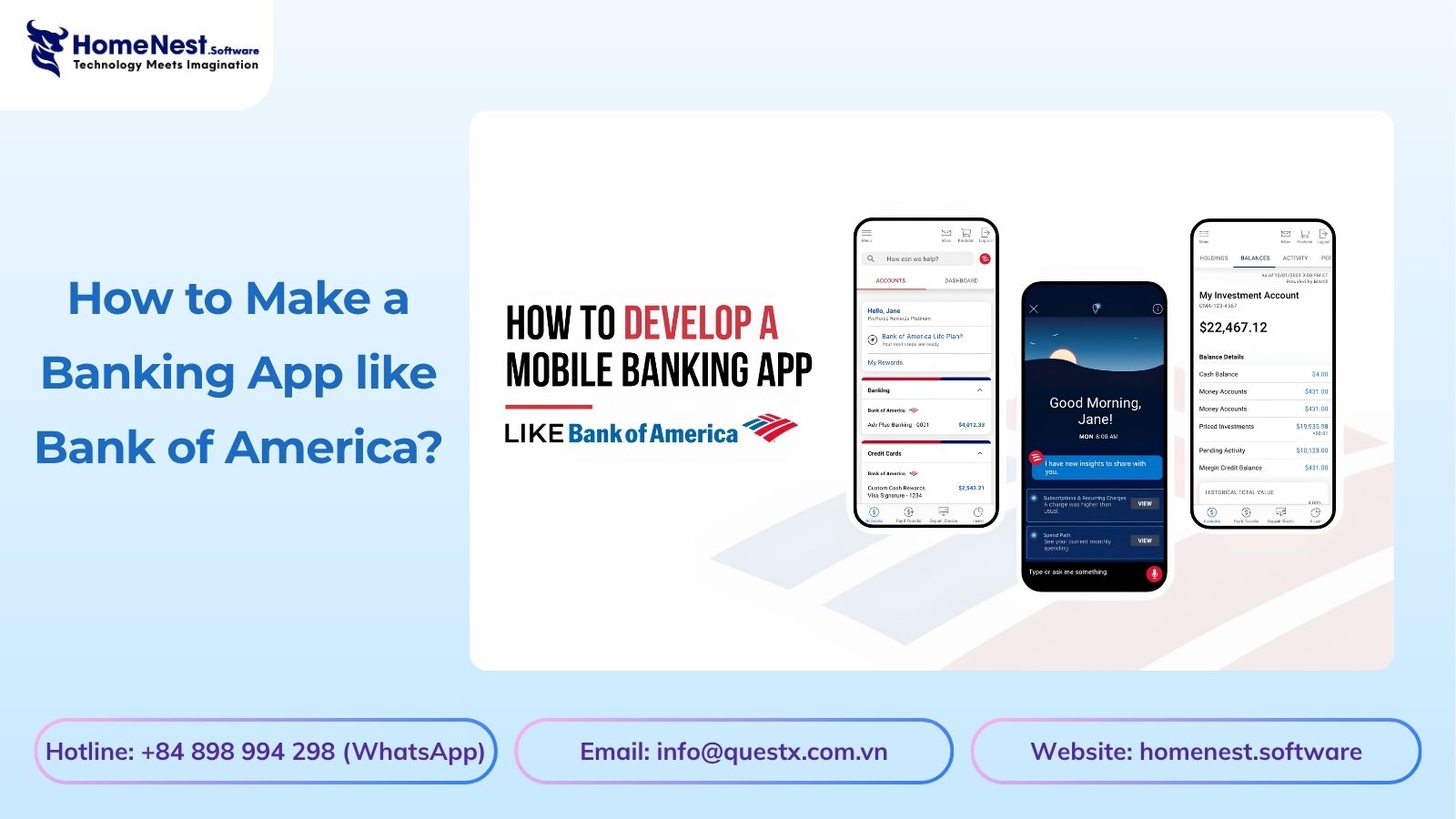
How to Make a Banking App like Bank of America?
Developing a mobile banking application like Bank of America extends far beyond basic UI design; it requires engineering a fault-tolerant backend capable of real-time ledger synchronization, biometric authentication, and high-volume data processing under strict regulatory frameworks. Drawing from HomeNest Software’s deep experience in architecting enterprise-grade fintech solutions, this guide strips away theoretical jargon to focus entirely on operational and technical execution. What you will find in this guide: We break down the precise development roadmap, from mapping out microservices and ensuring PCI-DSS compliance to estimating MVP development costs and securing absolute data sovereignty through 100% source code ownership. If you are preparing to build, scale, or audit a financial platform, this blueprint provides the exact framework you need.
Banking App Development Cost
Building a banking application is rarely a simple process; it’s a complex technical challenge requiring a balance between complying with stringent financial regulations, handling large transaction volumes, and a scalable cloud architecture. Miscalculating these technical requirements from the outset often leads to significant technical debt and budget overruns. Based on HomeNest Software’s practical experience in designing enterprise-grade fintech solutions, this guide bypasses generic estimates to provide a realistic analysis of banking application development costs. What you’ll find in this guide: We analyze the true cost factors, from technology selection and API integration to the hidden costs of regulatory compliance and security infrastructure. Whether you’re launching a minimum viable product or expanding an existing financial platform, this analysis provides the precise operational data you need to plan your budget effectively.
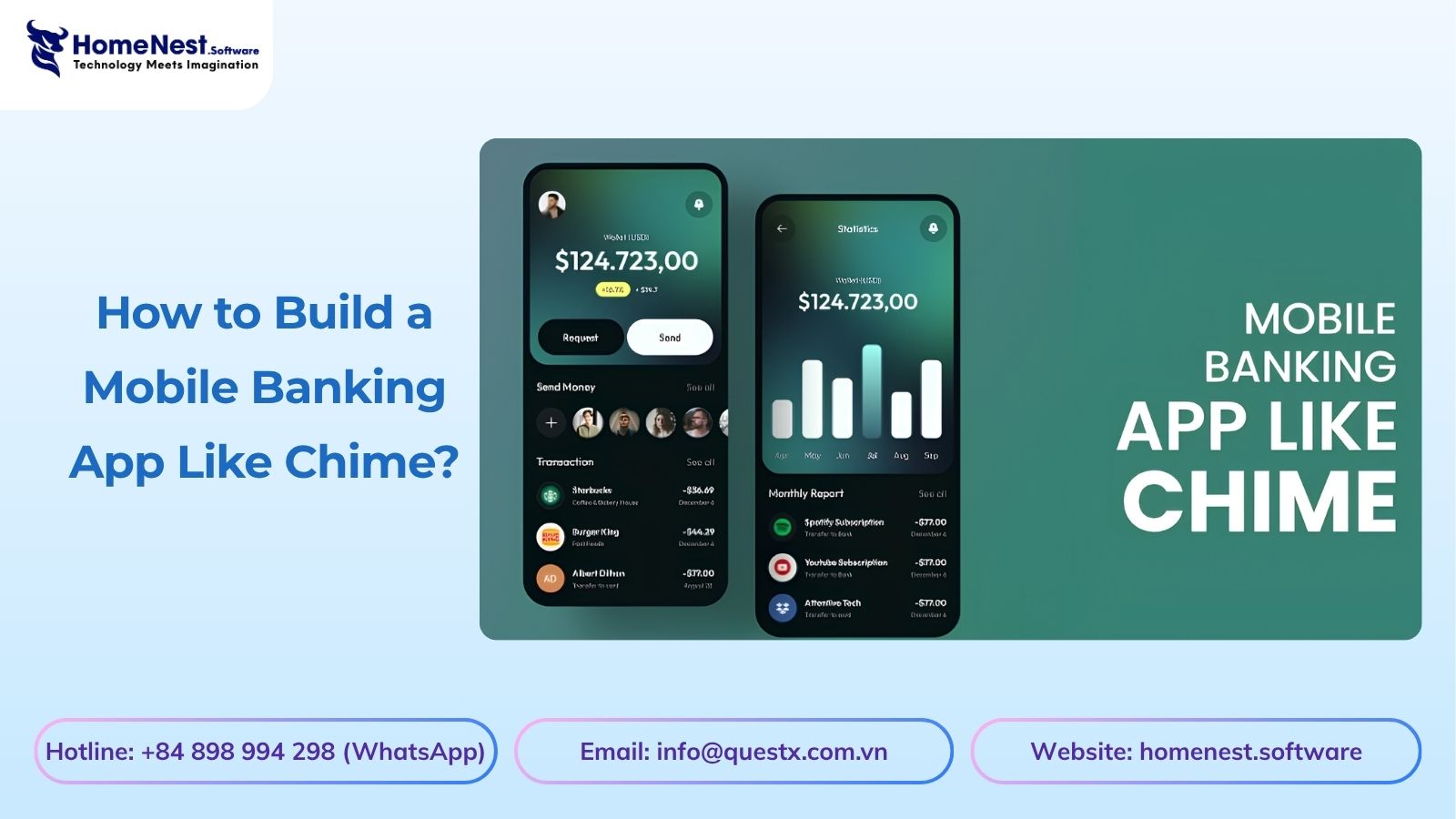
How to Build a Mobile Banking App Like Chime?
Building a mobile banking app like Chime is not just about features, it is about delivering a secure, scalable, and user-centric financial experience. From planning the right architecture to optimizing mobile banking app development cost, every decision directly impacts your product’s success. Leveraging Fintech app development services, starting with MVP app development, and scaling through on-demand app development solutions allows businesses to reduce risk and accelerate time to market. To stay competitive, combining Android app development services and iOS app development solutions ensures wider reach, while continuous updates through maintenance software development services keep your app secure and future-ready.

How to Build a Banking App Like Barclays: A Complete Entrepreneur’s Guide
Building a banking app like Barclays requires more than just development. It demands a strong product vision, secure architecture, and a clear monetization strategy. From optimizing cost and selecting the right tech stack to ensuring compliance and scalability, every decision impacts long-term success. Partnering with an experienced team like HomeNest Software helps accelerate development, reduce risks, and deliver a high-quality fintech product that can compete in today’s fast-evolving digital banking landscape.