
Many teams look for software product engineering companies that can help them build reliable products and scale efficiently. However, selecting the right partner is not always straightforward especially when businesses also seek support from emerging engineering productivity software companies to enhance development efficiency. In this guide, HomeNest Software highlights the top options and outlines key criteria to consider when choosing a trusted partner.
What Is Software Product Engineering?
Software product engineering refers to a structured lifecycle that includes designing, developing, testing, deploying, and maintaining software solutions. This approach ensures that digital products remain scalable, secure, and capable of delivering consistent performance as they grow. The importance of this discipline is clear, especially when unplanned downtime is estimated to cost large global enterprises around $400 billion annually.
A software product engineering company leverages modern technologies such as AI, cloud computing, blockchain, and DevOps to build robust, high performing products. This aligns with today’s digital landscape, where approximately 88% of organizations have already adopted AI in at least one part of their operations.
These engineering teams play a critical role in shaping how modern applications are built, optimized, and sustained ensuring products not only launch successfully but also evolve to meet changing market demands.
Top 10+ Software Product Engineering Companies in 2026
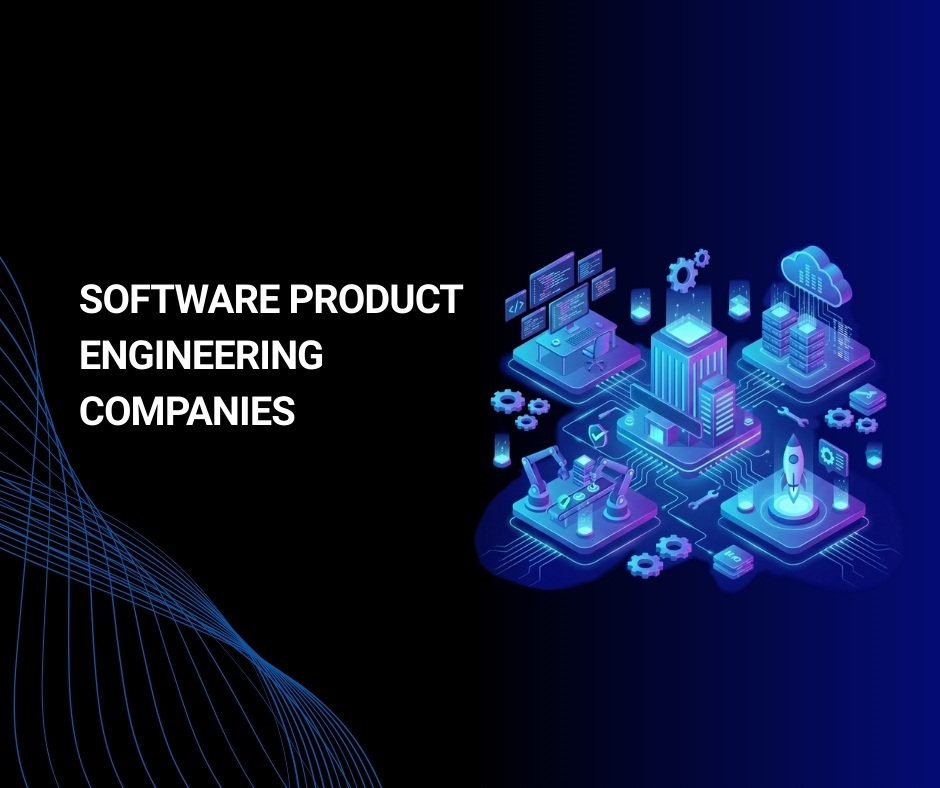
Below is an updated list of leading top software product engineering companies, including emerging players and established global providers. Each company is presented with clear details to help businesses evaluate the right partner for their product development needs.
1. HomeNest Software
HomeNest Software is a Vietnam based product engineering services company with delivery teams across Vietnam. The company specializes in custom software development, SaaS platforms, AI driven solutions, Salesforce development, and long term offshore teams supporting global clients.
HomeNest Software has grown into a team of several hundred engineers, serving clients across the US, Japan, Korea, Singapore, Australia. Canada, Europe, and other international markets. The company combines strong product thinking with Agile methodologies, enabling businesses to move from concept to launch and scale efficiently.
With expertise across mobile, web, backend, and cloud, HomeNest Software has delivered solutions such as coworking platforms, digital news applications, healthcare systems, eCommerce platforms, and logistics tools supporting large user bases.
Its strong presence in Japan and growing footprint in the US and Korea have helped establish a reputation for reliable delivery, clear communication, and high quality output at competitive Vietnam based pricing.
Key Highlights
- Proven full cycle product delivery across multiple industries
- Strong offshore teams tailored for Japan, US, and Korea markets
- Deep expertise in FinTech and healthcare systems
- Advanced capabilities in AI, cloud, and Salesforce ecosystems
- Focus on quality assurance, security, and scalable architecture
- Flexible engagement models for startups and enterprises
2. Agicent Technologies
Agicent Technologies is a well established provider of mobile and web application development services with over 15 years of experience. The company delivers end to end product engineering, including MVP development, full scale application builds, cloud consulting, and AI integration.
Known for building scalable and user friendly products, Agicent has supported millions of users globally through applications such as HASfit. The company emphasizes rapid prototyping, transparent communication, and flexible engagement models, making it a strong choice for startups, SMEs, and enterprises.
3. Persistent Systems
Persistent Systems is a global technology company specializing in end to end product engineering and digital transformation. With deep expertise in cloud computing, AI, and enterprise modernization, the company supports large organizations in building scalable, future ready platforms.
Persistent is particularly strong in legacy system modernization, cloud migration strategies, and AI driven analytics. It serves major clients across BFSI, healthcare, and enterprise sectors, helping them improve operational efficiency and expand digital capabilities.
4. EPAM Systems, Inc.
EPAM Systems is a globally recognized digital transformation and software engineering company with over 30 years of experience. It is known for its expertise in AI, DevOps, and cloud native development.
The company provides full cycle services, including custom software development, machine learning integration, and platform engineering. With clients such as Google, SAP, and Microsoft, EPAM continues to rank among the top software product engineering companies worldwide.
5. Damco Solutions
Damco Solutions delivers comprehensive product engineering services, including software development, modernization, and cloud migration. The company focuses on helping startups and enterprises build scalable, high performance applications.
Its strengths include UI/UX enhancement, DevOps automation, and enterprise consulting. Damco supports industries such as FinTech and healthcare, offering cost effective solutions that improve user experience and accelerate product delivery.
6. Intellectsoft LLC
Intellectsoft is a digital transformation and product engineering company with strong expertise in enterprise software, blockchain, and mobile applications.
With over 15 years of experience, the company delivers AI powered solutions, cloud engineering, and IoT systems. It has worked with Fortune 500 companies across finance, healthcare, and technology sectors, making it a reliable partner for complex product development.
7. Aegis Softtech
Aegis Softtech is a growing name in product engineering and custom software development, with over 20 years of experience. The company provides end to end services, including consulting, system integration, development, and long term support.
Its expertise spans AI, big data, cloud computing, and microservices architecture. Aegis serves industries such as fintech, healthcare, logistics, and manufacturing, and is increasingly recognized among emerging engineering productivity software companies.
8. Uptech
Uptech is a product development company focused on building custom software, mobile applications, and user centric digital experiences.
The company specializes in MVP development, AI driven applications, and scalable architectures. With a strong emphasis on user experience and Agile delivery, Uptech supports startups and enterprises in launching competitive products across industries such as eCommerce, finance, and healthcare.
9. Cigniti Technologies Inc.
Cigniti Technologies is a leading provider of software quality engineering and digital assurance services. The company focuses on AI driven testing, automation, and DevOps practices to ensure product reliability and security.
Its expertise includes test automation, cloud testing, and cybersecurity validation. Cigniti supports Fortune 500 and Global 2000 companies, helping them maintain high performance and reduce development risks.
10. Itransition
Itransition is a full cycle software development and IT consulting company with over 20 years of experience. The company specializes in enterprise applications, cloud platforms, and AI powered solutions.
Its services include legacy system modernization, DevOps implementation, and SaaS development. With clients such as Adidas, PayPal, and Xerox, Itransition is known for delivering scalable and cost efficient solutions.
11. CISIN (Cyber Infrastructure Inc.)
CISIN is a global IT services provider offering AI driven development, blockchain solutions, and enterprise applications. The company serves over 5,000 clients worldwide, ranging from startups to Fortune 500 organizations.
Its expertise includes SaaS platforms, mobile and web applications, and cloud based systems. CISIN is recognized for delivering scalable and cost effective solutions across diverse industries.
12. Taazaa Inc.
Taazaa is a custom software development company specializing in SaaS platforms, AI applications, and cloud based systems. Its Agile approach enables businesses to build scalable and high performance digital products.
The company provides full cycle services, including UX/UI design, DevOps consulting, and AI driven development. Taazaa works with startups and enterprises across retail, logistics, and SaaS sectors, focusing on delivering flexible and future ready solutions.
Choosing the right software product engineering company is a strategic decision that directly impacts product quality, scalability, and long term success. Whether working with global enterprises or emerging providers, businesses should prioritize partners that combine technical expertise, product thinking, and reliable delivery models to support sustainable growth.
Benefits of Partnering with a Product Engineering Company

Collaborating with a product engineering company goes beyond technical execution it is a strategic decision that enables businesses to accelerate growth, improve product quality, and remain competitive in a fast changing market. These partners bring structured processes, specialized expertise, and reliable delivery that many teams need when building modern digital products.
Access to Specialized Expertise
Product engineering companies offer multidisciplinary teams with deep technical knowledge across software, hardware, and emerging technologies such as AI and IoT. Their engineers are experienced in solving complex challenges and ensuring projects stay on track.
Why it matters:
Instead of investing time and resources in training an internal team, businesses gain immediate access to skilled professionals who already understand advanced tools, frameworks, and best practices.
Faster Time to Market
Speed is a critical factor in gaining a competitive edge. A software product engineering partner leverages proven workflows, reusable frameworks, and optimized development processes to accelerate delivery.
What this means for your business:
- Shorter development cycles
- Faster feature releases and updates
- Early market entry compared to competitors
Greater Focus on Core Business Functions
By outsourcing product engineering tasks, internal teams can concentrate on strategic priorities such as business development, marketing, and operations.
Why it matters:
Delegating complex technical work reduces internal workload and allows your team to focus on activities that directly drive growth and revenue.
Lower Long Term Costs
While outsourcing requires initial investment, it often reduces overall costs over time. Businesses avoid expenses related to hiring, training, and maintaining a full in house engineering team.
Additional cost advantages:
- Access to modern tools and infrastructure without capital investment
- Reduced risk of costly errors through experienced project management
Scalability and Flexibility
Product engineering companies provide the flexibility to scale resources based on project needs. Whether starting with a small MVP or expanding rapidly, teams can adjust efficiently.
How this helps:
- Seamless handling of changing workloads
- Access to specialized talent without long term commitments
Increased Innovation
With broad industry experience, engineering partners bring fresh ideas and innovative approaches that enhance product value.
Examples include:
- Integrating AI to create smarter features
- Leveraging data to improve user experience
- Applying sustainable and efficient design practices
Higher Product Quality
Experienced engineering teams ensure that products meet high standards through rigorous testing, quality assurance, and compliance checks.
Key benefits:
- Stable and user friendly applications
- Improved long term performance
- Reduced maintenance issues
Reduced Project Risks
Product engineering firms are skilled at identifying and mitigating risks throughout the development lifecycle. They proactively address potential issues before they escalate.
Why it matters:
Early risk management saves time, reduces costs, and prevents disruptions during development and launch.
Global Market Readiness
Many product engineering companies have experience working across international markets. They help businesses build solutions that comply with regional regulations and meet diverse user expectations.
How this adds value:
- Easier expansion into new markets
- Better alignment with global standards and requirements
Long Term Partnership Potential
A strong collaboration can evolve into a long term partnership, where the engineering company becomes an extension of your team.
Why it matters:
A reliable partner supports continuous improvement, innovation, and future product development, helping your business adapt to new challenges and technologies over time.
Partnering with a product engineering company is not just about outsourcing development it is about building a strategic relationship that enhances efficiency, reduces risk, and supports sustainable growth in an increasingly competitive digital landscape.
Choosing the Best Software Product Engineering Companies
Selecting the right software product engineering companies is a critical decision that directly impacts your product’s success, scalability, and long term stability. The right partner not only builds a strong solution but also supports you in adapting to market changes and accelerating growth. Many businesses also look for expertise in product engineering consulting to establish a clearer path from concept to launch.
Below are the key factors to consider when evaluating potential partners:
1. Define Your Goals Clearly
Before engaging with any provider, you need a well defined roadmap of your product vision. Without clear objectives, even the most capable teams may struggle to align with your expectations.
Key questions to consider:
- What stage is your product in (ideation, MVP, scaling, or modernization)?
- Do you require expertise in software, hardware, or both?
- What are your budget and timeline constraints?
- Will you need ongoing support, DevOps, or long term maintenance?
Why it matters:
A clearly defined scope enables partners to deliver tailored solutions instead of generic approaches.
2. Evaluate Industry Experience
A strong engineering partner offers more than technical skills they bring domain expertise. Understanding industry specific challenges, compliance requirements, and user expectations is essential for building effective products.
What to look for:
- Proven experience in your industry (e.g., FinTech, healthcare, SaaS, IoT, AI)
- Relevant case studies demonstrating problem solving capabilities
- Familiarity with compliance standards such as ISO, HIPAA, or GDPR
- Ability to adopt and apply emerging technologies
Pro tip:
Ask about their most complex project and how they handled it to assess real world problem solving ability.
3. Assess Technical Capabilities
Technical strength should align with both your current requirements and future scalability plans. This includes not only development skills but also architecture, security, and system reliability.
Key areas to evaluate:
- Expertise in AI, cloud computing, microservices, DevOps, and cybersecurity
- Certifications or partnerships with AWS, Microsoft, or Google Cloud
- Ability to deliver prototypes or proof of concept (PoC)
- Use of Agile methodologies and DevOps automation
Why it matters:
A technically strong partner ensures your product remains scalable, secure, and cost efficient over time.
4. Review Communication Practices
Even highly skilled teams can fail without clear communication. Poor coordination can lead to delays, increased costs, and misaligned expectations.
Important factors:
- Transparency in processes and regular progress updates
- Use of Agile frameworks such as Scrum
- Proactive risk identification and solution recommendations
- Availability of a dedicated project manager
Practical tip:
Start with a discovery call or small pilot project to evaluate responsiveness and communication clarity.
5. Check Scalability and Flexibility
Your product will evolve, and your partner must be able to scale alongside it. Flexibility in team size, resources, and technology adoption is essential.
Consider the following:
- Ability to scale resources quickly
- Access to a strong talent pool
- Flexibility in adopting new tools and technologies
Why it matters:
A scalable partner allows you to grow without disruption or the need to switch vendors.
6. Analyze Client Reviews and Testimonials
Client feedback provides valuable insight into a company’s reliability and performance in real world scenarios.
Where to look:
- Platforms such as Clutch, GoodFirms, and Google Reviews
- Detailed case studies on the company’s website
- Direct references from past clients
What to evaluate:
- Timely and budget aligned project delivery
- Post launch support quality
- Ability to provide proactive recommendations
Pro tip:
Whenever possible, speak directly with previous clients for honest feedback.
7. Ensure Cultural Alignment
Cultural fit plays a significant role in long term collaboration. A partner who aligns with your vision and working style will contribute more effectively to your success.
Key considerations:
- Understanding of your business goals and challenges
- Openness to feedback and new ideas
- Compatibility with your team’s working culture
How to assess:
Observe how they communicate, respond to challenges, and propose solutions during initial interactions.
8. Compare Cost vs. Value
While cost is an important factor, choosing the lowest priced option often leads to quality issues, security risks, and higher long term expenses.
How to evaluate value:
- Compare pricing with similar providers
- Assess long term benefits such as scalability and maintenance savings
- Request detailed cost breakdowns to avoid hidden fees
Questions to ask:
- Are there additional costs beyond the initial estimate?
- How is performance measured (KPIs, SLAs)?
- Will the solution reduce long term operational costs?
Final Selection Checklist
To simplify your decision making process, ensure your chosen partner meets the following criteria:
- Clear understanding of your goals, budget, and expectations
- Strong industry experience and proven portfolio
- Solid technical expertise across modern technologies
- Transparent communication and structured project management
- Scalability and flexibility for future growth
- Positive client reviews and credible case studies
- Cultural alignment for long term collaboration
- Strong value proposition beyond just pricing
Choosing the right partner among today’s software product engineering companies requires careful evaluation across technical, strategic, and operational factors. A well selected partner not only delivers your product but also becomes a long term contributor to innovation, scalability, and sustained business growth.
Conclusion
Selecting the right partner among today’s leading software product engineering companies can significantly influence your product’s success and long term growth. A capable team not only ensures reliable delivery but also supports seamless scalability and better overall outcomes.
If you’re looking for expert guidance or a dependable partner for your next project, HomeNest Software is ready to support you. Contact our team today and start planning your product journey with confidence.
Frequently Asked Questions (FAQs)
What is a software product engineering company?
A software product engineering company provides end to end services for building digital products, including design, development, testing, deployment, and long term maintenance. These companies help businesses create scalable, secure, and high performance solutions.
How is product engineering different from software development?
Software development focuses mainly on coding and building features, while product engineering covers the entire lifecycle from idea validation and design to scaling, optimization, and continuous improvement.
Why should businesses partner with a product engineering company?
Partnering with a product engineering company helps businesses:
- Access specialized expertise
- Accelerate time to market
- Reduce development risks
- Scale products more efficiently
How much do software product engineering services cost?
Costs vary based on complexity, team size, and location. Rates typically range from $30 to $200 per hour, depending on the region and expertise level.
What industries benefit most from product engineering services?
Product engineering is widely used across industries such as:
- FinTech and digital banking
- Healthcare and MedTech
- SaaS and enterprise software
- eCommerce and retail
- Logistics and manufacturing
How do I choose the right product engineering partner?
Key factors include:
- Industry experience and portfolio
- Technical expertise in modern technologies
- Client reviews and case studies
- Communication and project management approach
- Scalability and long term support
What technologies do product engineering companies use?
Most companies leverage modern technologies such as:
- Cloud platforms (AWS, Azure, Google Cloud)
- AI and machine learning
- DevOps and automation tools
- Microservices and API driven architectures
Can startups work with product engineering companies?
Yes. Many product engineering companies offer flexible engagement models tailored for startups, including MVP development, offshore teams, and scalable solutions.
What is the typical process in product engineering?
The process usually includes:
- Product discovery and validation
- Design (UI/UX)
- Development and testing
- Deployment and scaling
- Ongoing maintenance and optimization
Do product engineering companies provide long term support?
Yes. Most providers offer continuous support, including maintenance, updates, performance optimization, and feature enhancements to ensure long term product success.
Latest Articles
View All
Criteria For Choosing The Right App Design Agency
UI/UX design is the logical foundation of a system, not merely a visual element. Choosing the wrong partner will directly lead to technical debt, budget overruns, and disruptions in the development process. This article provides a 6-step evaluation framework and a list of operational risks, helping businesses eliminate subjective design advice and accurately assess agency capabilities based on developer handoff standards and practical business performance.
How Does AI in Banking Industry Impact the Future?
Artificial intelligence (AI) has transitioned from a supplementary tool to a core infrastructure of financial data management, optimizing profitability through real-time fraud detection, natural language processing (NLP), and high-speed credit scoring models. “Deploying AI in the financial sector requires more than just algorithmic accuracy, it demands a highly secure cloud architecture and rigorous data governance,” commented Nguyen Tien, co-founder of HomeNest Software. Why read this guide? We skip the theoretical jargon to focus entirely on technical implementation. Whether you’re evaluating a vendor or planning a system overhaul, this article will detail: Operational Efficiency: Automating unstructured data workflows at scale. Risk Architecture: Implementing real-time threat detection and AML compliance. Data ownership: The essential need for 100% ownership of the source code to ensure full algorithm auditability.

How to Make a Banking App like Bank of America?
Developing a mobile banking application like Bank of America extends far beyond basic UI design; it requires engineering a fault-tolerant backend capable of real-time ledger synchronization, biometric authentication, and high-volume data processing under strict regulatory frameworks. Drawing from HomeNest Software’s deep experience in architecting enterprise-grade fintech solutions, this guide strips away theoretical jargon to focus entirely on operational and technical execution. What you will find in this guide: We break down the precise development roadmap, from mapping out microservices and ensuring PCI-DSS compliance to estimating MVP development costs and securing absolute data sovereignty through 100% source code ownership. If you are preparing to build, scale, or audit a financial platform, this blueprint provides the exact framework you need.
Banking App Development Cost
Building a banking application is rarely a simple process; it’s a complex technical challenge requiring a balance between complying with stringent financial regulations, handling large transaction volumes, and a scalable cloud architecture. Miscalculating these technical requirements from the outset often leads to significant technical debt and budget overruns. Based on HomeNest Software’s practical experience in designing enterprise-grade fintech solutions, this guide bypasses generic estimates to provide a realistic analysis of banking application development costs. What you’ll find in this guide: We analyze the true cost factors, from technology selection and API integration to the hidden costs of regulatory compliance and security infrastructure. Whether you’re launching a minimum viable product or expanding an existing financial platform, this analysis provides the precise operational data you need to plan your budget effectively.
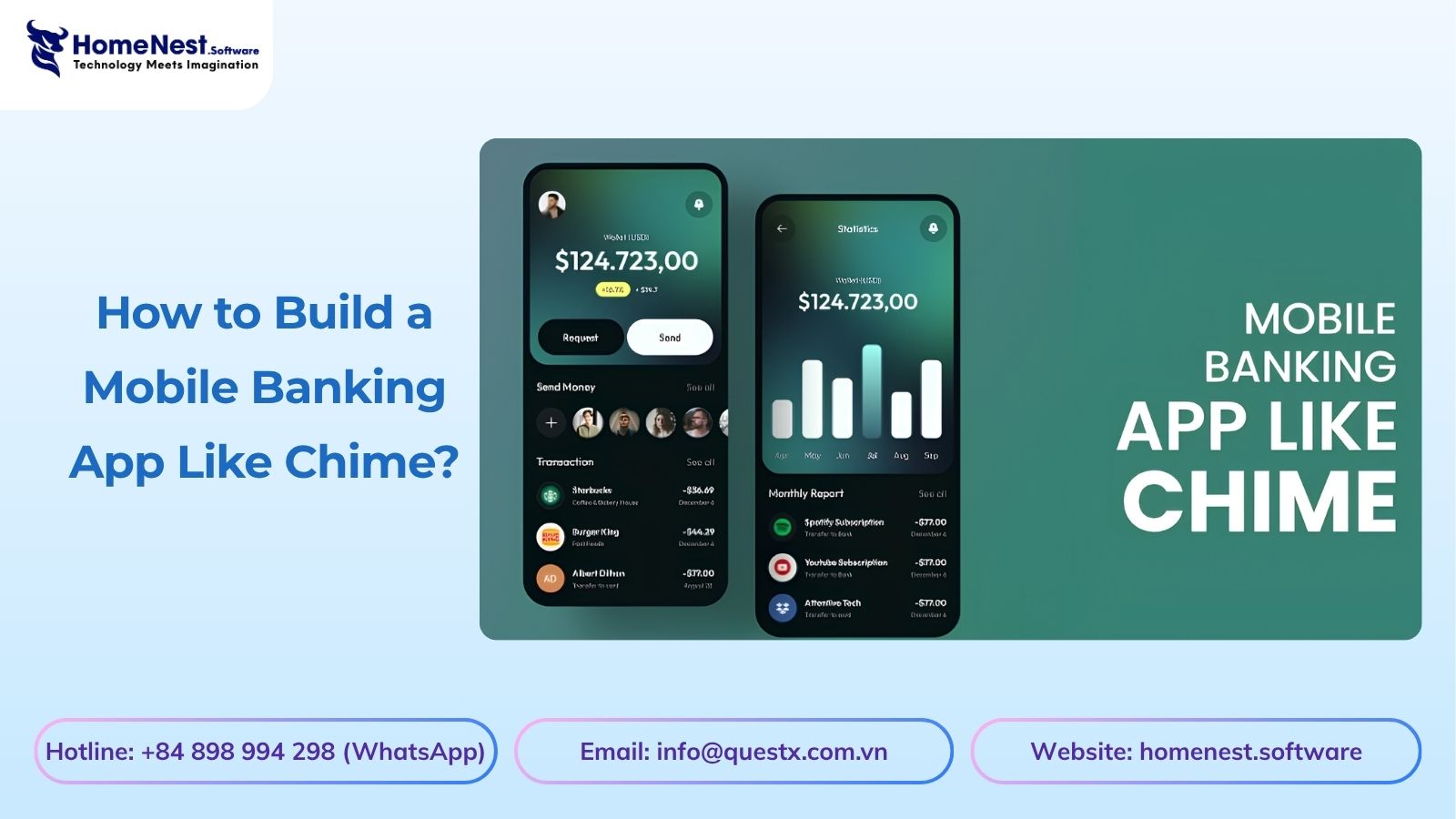
How to Build a Mobile Banking App Like Chime?
Building a mobile banking app like Chime is not just about features, it is about delivering a secure, scalable, and user-centric financial experience. From planning the right architecture to optimizing mobile banking app development cost, every decision directly impacts your product’s success. Leveraging Fintech app development services, starting with MVP app development, and scaling through on-demand app development solutions allows businesses to reduce risk and accelerate time to market. To stay competitive, combining Android app development services and iOS app development solutions ensures wider reach, while continuous updates through maintenance software development services keep your app secure and future-ready.

How to Build a Banking App Like Barclays: A Complete Entrepreneur’s Guide
Building a banking app like Barclays requires more than just development. It demands a strong product vision, secure architecture, and a clear monetization strategy. From optimizing cost and selecting the right tech stack to ensuring compliance and scalability, every decision impacts long-term success. Partnering with an experienced team like HomeNest Software helps accelerate development, reduce risks, and deliver a high-quality fintech product that can compete in today’s fast-evolving digital banking landscape.