As more Singapore businesses adopt offshore software development to reduce costs and scale efficiently, establishing a well structured software outsourcing contract has become essential. A clearly defined agreement not only safeguards your company from legal and operational risks but also sets the foundation for effective collaboration, aligned expectations, and consistent delivery quality.
In this 2026 guide, we’ll explain what a software outsourcing contract is, explore the main contract types, outline the typical contracting process for Singapore companies, and highlight common mistakes to avoid. Whether you’re entering your first outsourcing partnership or reviewing an existing agreement, this guide will help you approach the process with clarity and confidence.
What Is a Software Outsourcing Contract?

A software outsourcing contract is a legally enforceable agreement between a business (the client) and an external service provider typically offshore or nearshore to design, develop, maintain, or support software systems. This contract defines the framework of the partnership, including the scope of work, deliverables, timelines, pricing structure, intellectual property ownership, confidentiality clauses, and other key legal and operational terms.
In essence, the contract establishes clear responsibilities and expectations for both parties, reducing ambiguity and minimizing potential disputes throughout the project lifecycle.
As global demand for digital transformation continues to grow, IT outsourcing has become a strategic priority for organizations seeking faster scalability and operational efficiency. Industry projections estimate that the global IT outsourcing market will reach $588.38 billion by 2026. In Singapore, the sector is expected to generate approximately $5.19 billion in revenue in 2026, underscoring the increasing dependence on outsourced software development across industries.
Key Offshore Development Contract Types
Before selecting a contract structure, it’s important to determine how you want to collaborate with your offshore development partner. The engagement model defines the working relationship, while the contract type determines how payment, scope, and responsibilities are managed.
Below are the three most common engagement models used by businesses in Singapore and globally:
| Engagement Model |
Description |
| Project Based Outsourcing |
The vendor handles the entire project lifecycle from planning to delivery based on a clearly defined scope. |
| Dedicated Team Model |
A full time offshore team works exclusively on your project as an extension of your internal staff. You manage priorities; the vendor manages HR and infrastructure. |
| Staff Augmentation |
Offshore developers join your in house team to fill skill or capacity gaps. You manage their daily tasks. |
Once you determine the engagement model, the next step is selecting the appropriate contract type. The contract governs pricing structure, scope flexibility, and intellectual property ownership. The three most widely used contract types are Fixed Price, Time & Materials (T&M), and Dedicated Team (Labo Model).
Contract Type Comparison
| Contract Type |
Best For |
Advantages |
Limitations |
Best Matched Engagement Model |
| Fixed Price |
Well defined, short term projects (e.g., MVP, website) |
Predictable budget, low management effort |
Limited flexibility, change requests may increase cost |
Project Based Outsourcing |
| Time & Materials |
Agile or evolving projects |
High flexibility, transparent billing |
Less predictable budget, requires monitoring |
Staff Augmentation |
| Dedicated Team |
Long term development initiatives |
Full control, scalable, long term continuity |
Requires active management, fixed monthly cost |
Dedicated Team Model |
Each contract structure serves different business needs depending on complexity, duration, and required flexibility. Below is a deeper look at how each model works.
Fixed Price Contracts
A Fixed Price contract defines scope, timeline, and total cost upfront. It is best suited for projects with stable and clearly documented requirements.
Under this structure, the vendor commits to delivering agreed features within the specified budget and deadline. It is ideal for companies seeking cost predictability and minimal day to day oversight.
Best suited for:
-
MVP development
-
Corporate websites or landing pages
-
Applications with clearly defined specifications
-
Pilot projects or Proof of Concept (PoC) initiatives
Advantages:
-
Clear, predictable budget
-
Defined delivery schedule
-
Lower management involvement
Limitations:
Time & Materials (T&M) Contracts
A Time & Materials (T&M) contract allows clients to pay based on the actual time and resources utilized. This model supports projects where requirements evolve during development.
It aligns well with Agile methodologies, enabling continuous feedback, iterative improvements, and dynamic scope adjustments.
Best suited for:
-
Projects with changing or unclear requirements
-
Ongoing product enhancements
-
Startups building and refining new digital products
-
Agile or Scrum driven initiatives
Advantages:
Limitations:
Dedicated Team (Labo Model) Contracts
A Dedicated Team contract, often referred to as the Labo model, is a long term arrangement where a full time offshore team works exclusively on your project. The team functions as an extension of your internal department, while the vendor manages HR, infrastructure, and administrative operations.
This structure provides greater operational control and long term continuity.
Best suited for:
-
Long term product development
-
Enterprise system modernization
-
Multi phase digital transformation projects
-
Rapid scaling without local hiring
Advantages:
Limitations:
Selecting the right contract type is a strategic decision that directly impacts cost management, flexibility, and project outcomes. Carefully aligning your engagement model with your business goals will help ensure a successful offshore development partnership.
Read more: Best Countries to Outsource Software Development
Essential Clauses in Software Outsourcing Contracts
To safeguard both parties and ensure a smooth working relationship, every software outsourcing agreement should contain clearly defined legal and operational provisions. Below are the most critical clauses to include particularly when engaging offshore development partners.
Scope of Work (SOW)

The Scope of Work defines what the vendor is responsible for delivering. It outlines objectives, features, technical requirements, timelines, and responsibilities. This clause forms the foundation of the entire partnership and helps prevent misunderstandings.
A well drafted SOW should specify:
-
Project goals and success metrics
-
Detailed functional requirements or feature lists
-
Technologies and platforms to be used
-
Project phases and milestones
-
Roles and responsibilities of both client and vendor
In offshore engagements, clarity in scope is essential to avoid misalignment caused by time zone or cultural differences. Even in Agile projects, the product vision and roadmap should be clearly defined.
Intellectual Property (IP) Rights
The Intellectual Property clause determines ownership of source code, documentation, designs, and other deliverables created during the project.
In most outsourcing agreements, the client should retain full ownership of all intellectual property upon completion and payment. This ensures legal rights to use, modify, distribute, or commercialize the software.
Key considerations include:
-
Clear statement that all project IP belongs to the client
-
Guaranteed access and transfer of source code
-
Disclosure of third party or open source components
-
Definition of vendor owned reusable frameworks
Ambiguity in IP ownership can lead to disputes or usage restrictions, especially in cross border arrangements.
Confidentiality and Non Disclosure Agreements (NDAs)
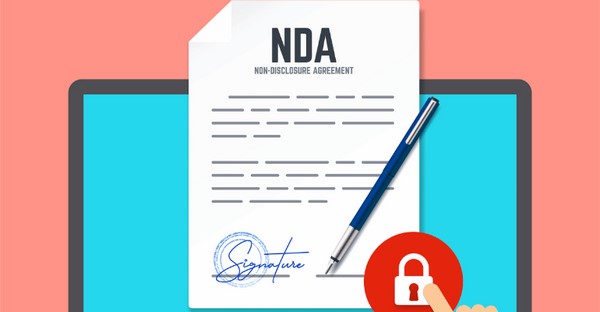
When outsourcing development, protecting sensitive business information is critical. Confidentiality clauses and NDAs define how proprietary data must be handled during and after the engagement.
This section should clarify:
-
What constitutes confidential information
-
Permitted uses of such information
-
Duration of confidentiality obligations
-
Exceptions (e.g., publicly available data)
For offshore projects, ensure the NDA is legally enforceable in the vendor’s jurisdiction.
Payment Terms
The Payment Terms clause establishes how and when the vendor will be compensated. The structure typically depends on the contract model (Fixed Price, Time & Materials, or Dedicated Team).
This section should clearly define:
-
Total cost or hourly/monthly rates
-
Payment schedule and milestones
-
Accepted payment methods and currency
-
Late payment penalties
-
Tax responsibilities in cross border contracts
Transparent financial terms reduce the risk of disputes and project delays.
Timelines and Milestones
This clause sets expectations regarding project duration, delivery phases, and deadlines. It ensures accountability and measurable progress.
It should include:
-
Project start and end dates
-
Milestone breakdowns
-
Approval timelines and client responsibilities
-
Buffer periods for revisions
Milestones are often linked to payment triggers and demo reviews, especially in Agile development environments.
Change Request and Scope Management
Software projects often evolve over time. A structured Change Request clause defines how new requirements or modifications are handled.
It should specify:
-
What qualifies as a change request
-
Approval and documentation procedures
-
Impact on cost, timeline, and resources
-
Dispute resolution mechanisms
Without a formal process, scope creep can lead to budget overruns and delivery delays.
Warranty and Maintenance Terms
This clause outlines the vendor’s responsibilities after project delivery. A standard warranty period (typically 30–90 days) covers bug fixes and performance issues related to the agreed scope.
Key elements include:
-
Warranty duration and coverage
-
Support hours and response times
-
Maintenance fees and SLAs
-
Exclusions (e.g., third party modifications)
Clear post launch support terms ensure long term software reliability.
Termination Clause
A Termination clause defines how either party can end the agreement. This protects both sides and ensures a structured exit process.
There are generally two types:
-
Termination for Convenience: Either party may terminate with prior notice.
-
Termination for Cause: Immediate termination due to contract breach (e.g., non payment, missed deadlines).
The clause should address:
-
Required notice period
-
Final payment for completed work
-
Handover of IP and deliverables
-
Ongoing confidentiality obligations
A well drafted termination clause ensures continuity and protects business interests if the partnership ends.
Including these essential clauses creates a clear legal framework, minimizes risk, and establishes a strong foundation for successful software outsourcing partnerships.
Read more: Top IT Outsourcing Companies in Vietnam
The Offshore Development Contract Process for Singapore Businesses
Outsourcing software development to an offshore partner whether in Vietnam or other Southeast Asian markets requires a structured and strategic approach. Beyond selecting a capable vendor, Singapore businesses must implement a clear offshore development contract process to reduce risks, strengthen collaboration, and ensure alignment from the outset.
This process spans the full lifecycle of the partnership from initial planning and contract negotiations to onboarding, performance management, and eventual renewal or termination.
Below is a step by step overview of the key phases:
1. Pre Contract Planning
Before formal negotiations begin, clearly define your project objectives, scope, technical requirements, and success criteria. During vendor discussions, sign a Non Disclosure Agreement (NDA) to safeguard confidential information while evaluating potential partners.
2. Contract Negotiation
Once a suitable partner is identified, negotiate the contract structure and core terms. This typically includes:
-
Selecting the appropriate contract model (Fixed Price, Time & Materials, or Dedicated Team)
-
Defining scope, deliverables, and timelines
-
Agreeing on payment terms and milestones
-
Clarifying intellectual property ownership
-
Determining governing law and jurisdiction
Careful negotiation at this stage prevents misunderstandings later in the project.
3. Contract Signing and Onboarding
After both parties finalize and sign the agreement, the onboarding phase begins. This involves:
-
Introducing project stakeholders and development team members
-
Setting up communication and collaboration tools
-
Aligning on workflows, methodologies (e.g., Agile), and reporting structures
-
Providing access to documentation and technical environments
A structured onboarding process accelerates productivity and reduces ramp up delays.
4. Ongoing Communication and Governance
Successful offshore partnerships depend on continuous alignment and oversight. Establish:
-
Regular meetings (weekly syncs, sprint reviews)
-
Clear escalation paths
-
Transparent reporting mechanisms
-
Real time project tracking tools
Strong governance ensures accountability, risk management, and consistent performance throughout the engagement.
5. Performance Evaluation and Renewal or Exit
At key milestones or contract completion, conduct performance reviews to assess quality, timeliness, and collaboration effectiveness. Based on the evaluation, businesses may choose to:
-
Renew or extend the contract
-
Scale the team or adjust scope
-
Transition to a new vendor with a structured handover
A well defined renewal or exit strategy ensures business continuity and protects intellectual assets.
By following a structured offshore development contract process, Singapore companies can build sustainable outsourcing partnerships that deliver measurable results while minimizing operational and legal risks.
Read more: Software Outsourcing Costs: Key Factors and Strategic Insights
Common Challenges and How to Mitigate Them
While offshore software development provides clear advantages in cost efficiency and scalability, Singapore businesses must proactively manage potential risks. Addressing these challenges early through structured contracts and governance helps ensure smoother collaboration and stronger outcomes.
Below are common offshore outsourcing challenges and practical mitigation strategies:
| Challenge |
Description |
Mitigation Strategy |
| Time Zone & Cultural Differences |
Differences in working hours, communication styles, or decision making approaches may lead to delays or misunderstandings. |
Select geographically close partners (e.g., Vietnam), establish overlapping working hours, define response time expectations, and implement structured communication protocols. |
| Scope Misalignment |
Unclear or evolving requirements can result in scope creep, budget overruns, or delivery delays. |
Prepare detailed documentation, wireframes, and acceptance criteria. Implement formal approval checkpoints before and during development. |
| Intellectual Property (IP) Protection |
Risk of unauthorized code reuse or insufficient legal safeguards in offshore jurisdictions. |
Include explicit IP ownership clauses, enforce NDAs, ensure source code access, and verify compliance with Singapore and local IP regulations. |
| Quality Assurance & Testing Gaps |
Deliverables may not meet performance, usability, or security standards if QA processes are weak. |
Define measurable quality benchmarks, require structured QA/testing cycles, and include warranty and post launch support clauses in the contract. |
| Cross Border Legal Enforcement |
Resolving disputes may be more complex when vendors operate under different legal systems. |
Specify Singapore law and jurisdiction in the contract where appropriate, and partner with vendors that demonstrate strong legal compliance and documented governance practices. |
By anticipating these challenges and incorporating preventive measures into your outsourcing agreement, Singapore businesses can reduce operational risks and build more resilient offshore partnerships.
How to Choose the Right Offshore Development Partner in Singapore
Selecting the right offshore development partner is a strategic decision that impacts project success, risk management, and long term scalability. Beyond technical skills, businesses should prioritize legal reliability, communication standards, and cultural alignment with their operational goals.
Below are the key criteria Singapore companies should evaluate when assessing outsourcing partners and contract arrangements:
1. Legal Track Record and Contract Transparency
Choose a vendor with a solid legal reputation and prior experience working with Singapore based clients. The partner should provide clear, well structured contracts that explicitly define intellectual property ownership, payment terms, dispute resolution mechanisms, confidentiality obligations, and termination conditions.
Avoid agreements that contain vague clauses or unclear financial terms. Transparency at the contract stage significantly reduces future disputes.
2. Technical and Domain Expertise
Ensure the vendor demonstrates proven proficiency in the required technology stack (such as Java, React, AWS, or cloud native architectures) as well as experience within your industry whether fintech, retail, healthcare, logistics, or SaaS.
Industry familiarity accelerates onboarding, reduces miscommunication, and improves solution relevance.
3. References and Proven Case Studies
A reputable offshore partner should be able to provide client references and detailed case studies. Review examples of completed projects, measurable results, and the technologies implemented.
Look for evidence of repeat clients or long term collaborations, as this often signals reliability and consistent delivery performance.
4. Clear SLAs and Communication Framework
Effective collaboration depends on structured communication and defined accountability. Confirm that the vendor offers clear Service Level Agreements (SLAs) covering response times, bug resolution, reporting cadence, and escalation procedures.
Also verify the collaboration tools used (e.g., Slack, Jira, Zoom, Microsoft Teams) and ensure communication channels align with your internal workflows and time zone expectations.
By carefully evaluating these criteria, Singapore businesses can select offshore development partners that provide not only technical capability but also strategic alignment and long term partnership stability.
Why HomeNest Software Is the Right Offshore Development Partner for Singapore Businesses
With more than a decade of experience delivering high quality software solutions to international clients, HomeNest Software has become a trusted IT outsourcing partner for Singapore companies seeking scalability, innovation, and operational efficiency.
Proven Cross Industry Experience
HomeNest Software has delivered over 100 successful projects across industries including fintech, retail, education, healthcare, logistics, and manufacturing. With a 98% client satisfaction rate, the team understands both complex technical requirements and industry specific compliance needs.
Scalable Dedicated Teams
We offer flexible engagement models tailored to your business goals from small agile teams for MVP development to fully established offshore development centers. Our dedicated team model allows you to expand quickly with full time engineers, project managers, and QA specialists operating as a seamless extension of your internal workforce.
Bilingual Communication and Cultural Alignment
Clear communication is critical in offshore collaboration. Our bilingual Bridge System Engineers (BrSEs) and project managers ensure transparent coordination and alignment with your business objectives. We have established long term partnerships with clients across Singapore, Japan, the United States, and Europe.
Strong Legal Compliance and IP Protection
We prioritize contract clarity, intellectual property protection, and secure development practices. Every engagement ensures full IP transfer and transparent legal terms, safeguarding your proprietary assets throughout the partnership lifecycle.
End to End Technical Capabilities
From web and mobile application development to cloud migration, AI driven solutions, and enterprise system modernization, HomeNest Software delivers comprehensive software services tailored to your technology stack and long term strategy.
Whether you are building a new digital product or scaling your engineering capacity, HomeNest Software combines technical excellence, structured governance, and long term partnership commitment making us a reliable offshore development partner for sustainable growth.
Request a free consultation to explore how we can support your next project.
Conclusion
Selecting the right software outsourcing contract and the right offshore development partner is fundamental to achieving cost efficiency, risk reduction, and long term project success. By understanding contract structures, essential clauses, and the offshore engagement process, Singapore businesses can make informed decisions and build resilient outsourcing partnerships that deliver measurable results.
HomeNest Software – Empowering Long Term Growth for Modern Businesses.
Contact Information:
- Address: The Sun Avenue, 28 Mai Chi Tho Street, Binh Trung Ward, Ho Chi Minh City
- Hotline: +84 898 994 298 ( WhatsApp )
- Website: homenest.software
Frequently Asked Questions (FAQs)
1. Why should Singapore businesses consider offshore development?
Offshore development allows Singapore companies to reduce operational costs, access a broader global talent pool, and scale teams faster without the challenges of local recruitment. When managed properly, it delivers both efficiency and innovation advantages.
2. What makes HomeNest Software a reliable offshore partner?
HomeNest Software combines cross industry experience, scalable team models, bilingual project management, and strong legal transparency. The company emphasizes structured communication, quality assurance, and full intellectual property protection in every engagement.
3. How do offshore development contracts protect intellectual property?
A well drafted contract clearly defines IP ownership, source code access, confidentiality obligations, and jurisdiction clauses. This ensures that all deliverables legally belong to the client upon project completion and payment.
4. Which contract model is best for long term development?
The Dedicated Team model is typically best suited for long term product development or enterprise modernization projects, as it offers scalability, continuity, and stronger integration with internal teams.
5. How can businesses reduce risks in offshore outsourcing?
Risks can be minimized by selecting experienced vendors, defining detailed scopes of work, implementing structured communication processes, establishing clear SLAs, and including strong legal and IP protection clauses in the contract.
6. How quickly can an offshore development team be onboarded?
Onboarding timelines vary based on project scope and required expertise. However, offshore partners can typically assemble and deploy teams significantly faster than building an in house team from scratch.
If you are planning to engage in offshore software development, choosing the right contract structure and a trusted partner will be essential to achieving long term success and operational stability.