
Build Your Own Homemade Food Delivery App Like Cookr
Scope of Work
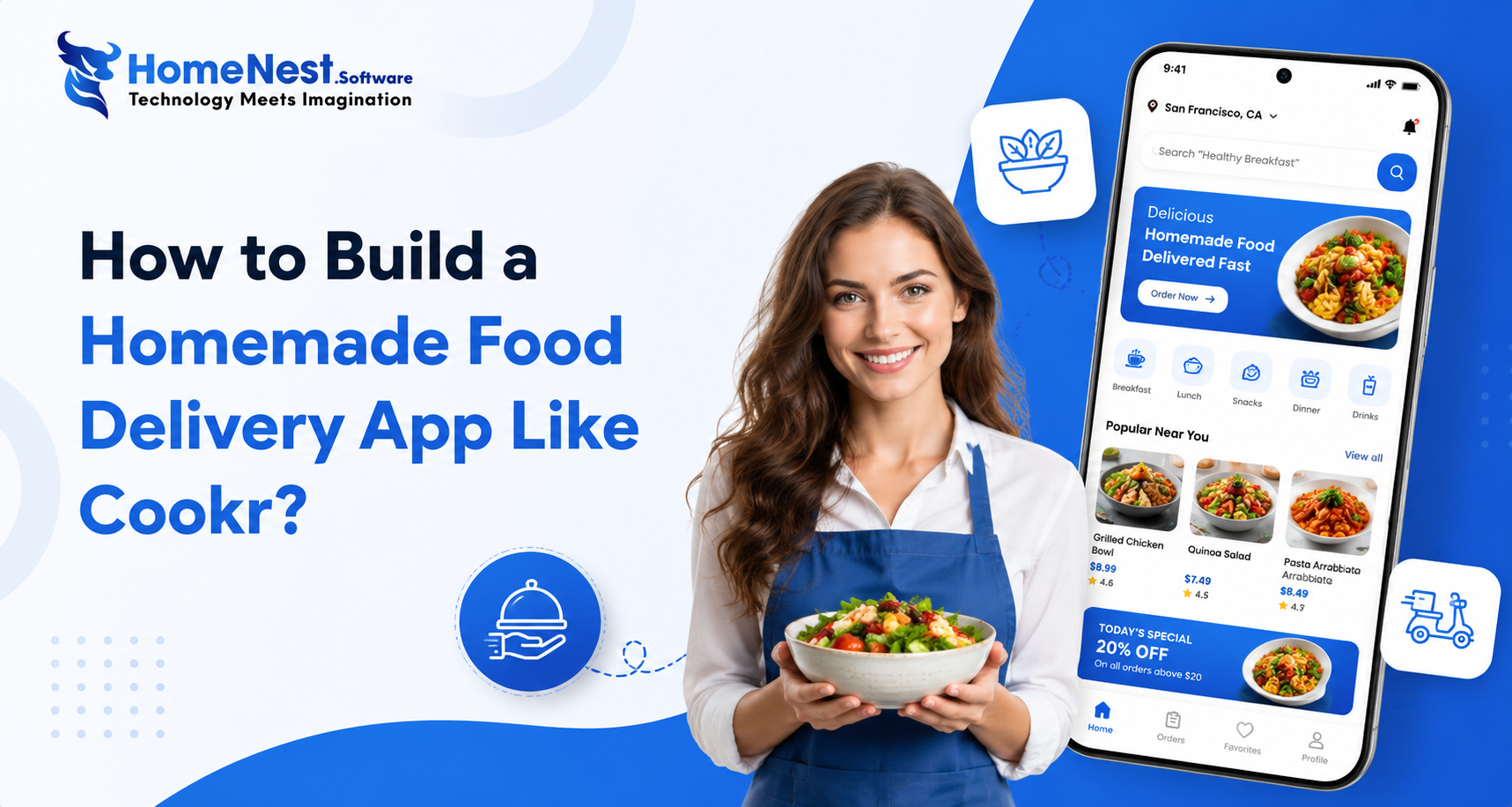
Technology has transformed almost every industry and the food delivery sector is no exception. Traditionally, consumers had only two choices: dining out or ordering packaged food. Over time, technology reshaped this behavior, giving rise to powerful food delivery platforms such as Swiggy, Zomato, Uber Eats, Eatsure, and Cookr.
While most people are already familiar with on-demand food delivery, there’s an important shift worth highlighting. What if a food delivery app could offer fresh, hygienically prepared homemade meals, cooked by home chefs and delivered straight to your doorstep? This concept is exactly what makes Cookr stand out in the competitive food delivery market.
Homemade food delivery apps like Cookr unlock a strong business opportunity by combining convenience, trust, and health-conscious eating. If you’re considering building a similar platform, there is significant potential to tap into this growing demand.
In this blog, we’ll explore how to build a homemade food delivery app like Cookr, covering the development process, key features, and essential insights to help you turn this idea into a successful business.
Let’s dive in
What Is Cookr and Why Is It So Popular?
Cookr is a homemade food delivery platform that connects home chefs with consumers who are looking for authentic, regional, and freshly prepared meals delivered to their doorstep. The app focuses on building a trusted community by showcasing real chefs and their culinary expertise, offering users access to meals that align with their dietary preferences and lifestyle choices.
What sets Cookr apart is its emphasis on transparency and personalization. From discovering recipes to placing an order, users can explore each chef’s background, cooking style, and specialties through engaging Chef Stories, creating a more personal and trustworthy food ordering experience.
Additionally, Cookr leverages AI and machine learning to provide nutritional insights based on users’ meal choices, helping them make more informed and healthier decisions. Combined with an intuitive interface and seamless navigation, these features enhance the overall user experience making Cookr a preferred choice for those seeking healthy, homemade food delivered with convenience and care.
Why You Should Build a Homemade Food Delivery App in 07/2026
As urban lifestyles continue to evolve, consumers are becoming increasingly health-conscious and selective about what they eat. There is a growing demand for homemade, artisanal, and culturally authentic meals options that are often difficult to find in traditional restaurants. Homemade food delivery platforms like Cookr are perfectly positioned to capitalize on this shift.
By building a homemade food delivery app in 07/2026, you can:
-
Empower local home chefs and small food businesses by connecting them directly with customers seeking authentic, home-cooked meals.
-
Offer niche diets and regional cuisines, allowing users to discover specialized, non-mainstream food options tailored to their dietary needs and preferences.
-
Leverage advanced technologies such as AI to deliver personalized meal recommendations, optimize delivery logistics, and ensure faster, fresher deliveries.
With rising awareness around health, sustainability, and personalization, launching a homemade food delivery app in 2026 presents a timely opportunity to build a scalable platform that aligns with modern consumer expectations and long-term food-tech trends.
Essential Features of a Homemade Food Delivery App Like Cookr
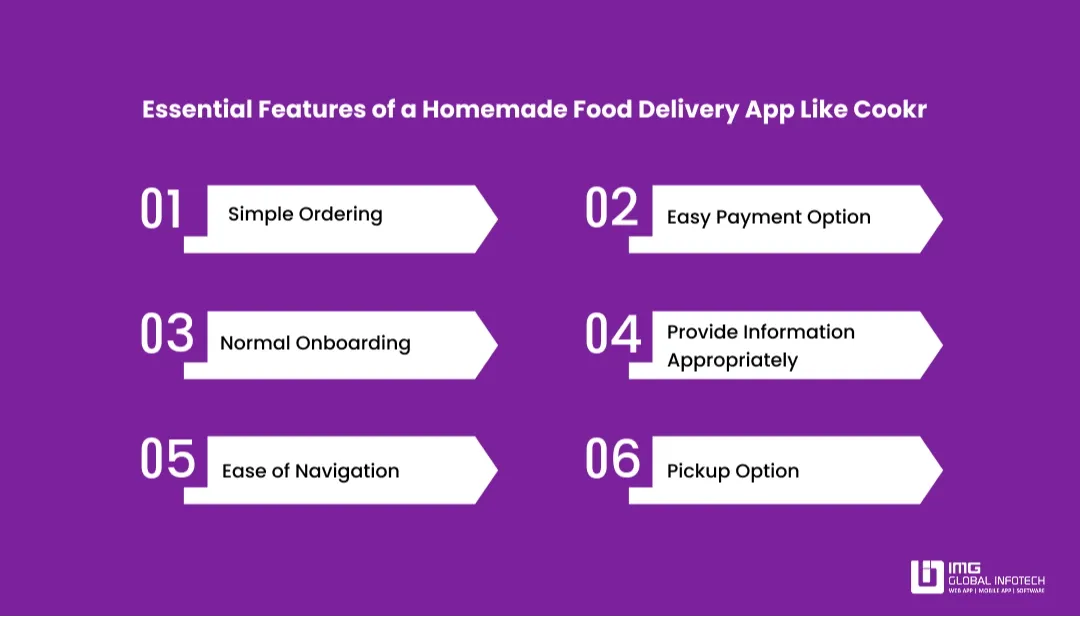
Building a successful homemade food delivery app requires a well-balanced feature set that ensures convenience, transparency, and trust for users while supporting smooth operations for home chefs and delivery partners. Below are the essential features you should include when developing a Cookr-like homemade food delivery platform.
Simple and Intuitive Ordering
A smooth and hassle-free ordering process is critical. Users should be able to browse meals, select portions, customize orders, and check out with minimal steps. A complicated ordering flow can frustrate users and push them toward competing platforms.
Multiple and Easy Payment Options
To ensure a seamless checkout experience, your app should support multiple payment methods such as cash on delivery, UPI, credit/debit cards, digital wallets, vouchers, and coupons. Flexible payment options increase trust and improve conversion rates.
Quick and Simple Onboarding
A homemade food delivery app should offer fast and minimal onboarding. Allow users to sign up easily using email, phone number, or social login, and request additional details only when necessary such as during order placement.
Transparent Order and Delivery Information
Since users cannot see the food preparation process, transparency is essential. Provide complete information about:
-
Meal preparation details
-
Estimated delivery time
-
Real-time delivery partner location
-
Easy contact options for delivery support
This builds confidence and reduces uncertainty throughout the delivery process.
Easy Navigation and Smart Categorization
The app should be easy to navigate for all users. Meals and home chefs should be categorized by cuisine type, price range, dietary preference, location, and ratings. A powerful search feature helps users quickly find what they’re looking for.
Pickup Option
In addition to home delivery, offering a pickup option gives users added flexibility. Customers can place orders in advance and collect meals directly from home chefs or kitchens without waiting providing a competitive advantage.
A well-designed homemade food delivery app like Cookr combines simplicity, transparency, and flexibility to deliver a superior user experience. Including these core features will help you build a scalable and user-friendly platform that meets modern food delivery expectations.
How to Create a Home-Cooked Food Delivery App Like Cookr
Building a homemade food delivery app like Cookr requires careful planning, the right technology, and a clear understanding of user needs. Every stage of development should align with your business goals to ensure a smooth, scalable, and user-friendly platform. Below is a step-by-step process to help you create a successful home-cooked food delivery app.
1. Define the App Purpose and Business Goals
Start by identifying your target users and clarifying your business model. Determine the core features your app needs such as chef discovery, meal listings, order tracking, and secure payments. This stage helps define technical requirements and creates a structured development roadmap.
2. Design User Flow and Wireframes
Wireframes act as visual blueprints that map out user journeys and screen transitions. They help plan navigation, interactions, and overall app structure before development begins, ensuring a seamless and intuitive user experience.
3. Choose the Right Technology Stack
Select frontend, backend, and database technologies that support scalability and performance. Popular choices include Flutter or React Native for mobile development and Node.js or similar frameworks for backend services. This stage also includes planning third-party integrations such as payment gateways, maps, and notifications.
4. Create an Intuitive UI/UX Design
Designers transform wireframes into visually engaging interfaces by selecting colors, typography, icons, and animations that reflect your brand. A well-designed UI/UX ensures users can browse meals, place orders, and complete payments quickly and comfortably.
5. Develop Frontend and Backend Systems
Developers build the app’s core functionality by coding both frontend and backend components. The frontend handles user interactions, while the backend manages orders, user data, payments, and real-time delivery tracking. APIs connect all components into a unified system.
6. Test the App Thoroughly
Before launch, conduct extensive testing to ensure reliability and performance. This includes functional testing, usability testing, performance testing, and device compatibility checks for both Android and iOS. Early feedback from test users helps identify areas for improvement.
7. Launch, Monitor, and Optimize
After successful testing, deploy the app to the Google Play Store and Apple App Store. Use analytics tools to monitor user behavior, track performance, and identify issues. A soft launch allows you to gather real-world feedback before scaling. Ongoing updates and maintenance ensure long-term stability and growth.
Creating a home-cooked food delivery app like Cookr is not just about development it’s about delivering trust, convenience, and quality. With the right planning and execution, your platform can connect home chefs with health-conscious users and build a sustainable food-tech business.
Cost of Developing a Homemade Food Delivery App Like Cookr
The cost to develop a homemade food delivery app like Cookr depends on multiple factors, including feature set, app complexity, third-party integrations, cloud infrastructure, UI/UX design, technology stack, and the development team’s expertise and location. Custom animations, personalization, and scalability requirements can also impact the overall budget.
Below is an estimated cost breakdown to help you plan your investment for a Cookr-like food delivery app:
| App Complexity | Average Cost | Estimated Timeline |
|---|---|---|
| Basic App | $10,000 – $25,000 | 2 – 3 months |
| Moderate App | $30,000 – $45,000 | 3 – 6 months |
| Advanced App | $50,000+ | 6 – 10 months |
A basic version typically includes essential features such as user registration, menu browsing, order placement, and simple payment integration ideal for launching an MVP.
A moderate version adds features like real-time order tracking, chef profiles, reviews, and enhanced UI/UX.
An advanced version incorporates AI-based recommendations, analytics dashboards, advanced logistics, and high scalability to support rapid growth.
How to Make Your Homemade Food Delivery App Stand Out
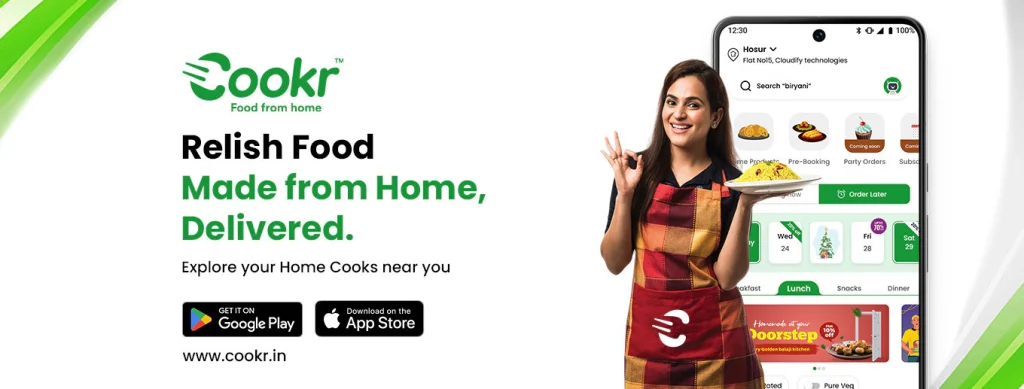
To truly differentiate your platform, position it as a curated marketplace for safe, authentic, and hyperlocal home-cooked meals not just another food delivery app. By combining storytelling, data-driven personalization, and trust-building features, you can turn occasional users into a loyal, engaged community.
Below are proven strategies to help your homemade food delivery app stand out in a competitive market.
Curated Niche Categories
Create dedicated sections for diet-specific and regional cuisines to simplify discovery and serve targeted user needs. Examples include:
-
Diet-friendly options: diabetic-friendly, keto, high-protein, vegan, kids’ tiffin
-
Hyper-regional cuisines: Tamil Brahmin, Bohri, Awadhi, Syrian Christian, and more
Enhance listings with verified nutrition facts, portion sizes, and allergen tags. Promote special campaigns such as Regional Food Weeks or Festival Menus to attract culturally driven and diaspora audiences.
Loyalty Programs That Go Beyond Discounts
Introduce a transparent loyalty system where users earn points for orders, reviews, referrals, and trying new chefs or cuisines. Instead of basic discounts, allow points to be redeemed for:
-
Free or priority delivery
-
Add-ons and chef specials
-
Early access to limited-edition or festival menus
Add tier-based memberships (Silver, Gold, Platinum) to unlock exclusive benefits like priority delivery, early access to drops, or even virtual chef interactions deepening emotional engagement.
Chef Storytelling and Trust Building
Treat each chef profile as a micro-brand. Highlight their background, region, cooking style, hygiene practices, signature dishes, and customer favorites.
Use short videos, behind-the-scenes kitchen clips, and dish-origin stories to humanize the experience so customers feel like they’re ordering from a trusted neighbor, not an anonymous kitchen.
Feature initiatives such as Chef of the Month, themed collections (e.g., Moms Turned Entrepreneurs), and authentic user testimonials to build trust and connection.
AI-Driven Personalized Recommendations
Leverage AI to analyze order history, cuisine preferences, dietary tags, time of day, budget sensitivity, and location. Deliver contextual recommendations such as:
-
“Light dinners picked for you”
-
“Repeat your weekday lunch”
-
“New home chefs near you”
Enhance accuracy by factoring in contextual signals like weather, festivals, and work schedules, ensuring recommendations feel relevant and intuitive not random.
Hyperlocal Delivery Experience
Design logistics around micro-clusters, connecting users with nearby chefs for fresher food, faster delivery, and lower costs. Promote a strong brand promise like “From your neighborhood to your plate.”
Clearly display distance, preparation time, and ETA on each listing. Enable smart batching for apartments, offices, and gated communities, and offer pickup options or community drop points to improve efficiency and reliability.
Final Thoughts
The demand for food ordering and homemade food delivery apps continues to grow rapidly as consumers seek convenience, authenticity, and healthier meal options. Platforms like Cookr are gaining traction because they align perfectly with these evolving preferences.
To compete with established players such as Uber Eats, Swiggy, and Zomato, your app must deliver secure payments, real-time tracking, seamless ordering, and a differentiated value proposition. By focusing on community, personalization, and hyperlocal experiences, you can build a dependable, user-friendly platform that secures a strong foothold in the food delivery market.
Contact HomeNest Software today for a free consultation and inquire about our all-inclusive App Design package offers!
HomeNest Software – Empowering Long-Term Growth for Modern Businesses.

Contact Information:
- Address: The Sun Avenue, 28 Mai Chi Tho Street, Binh Trung Ward, Ho Chi Minh City
- Hotline: +84 898 994 298 ( WhatsApp )
- Website: homenest.software
HomeNest Services: Website Design – App Design – Software Development – Digital Marketing.
Frequently Asked Questions (FAQs)
1. What makes a homemade food delivery app different from regular food delivery apps?
Homemade food delivery apps focus on authentic, home-cooked meals, transparency, and community. They highlight real home chefs, dietary preferences, and hyperlocal delivery unlike restaurant-only platforms.
2. How can a homemade food delivery app build user trust?
Trust is built through chef verification, hygiene standards, transparent meal details, real reviews, chef storytelling, and secure payments. Showing preparation info and delivery tracking further increases confidence.
3. Are niche diets important for differentiation?
Yes. Offering diet-specific options (keto, diabetic-friendly, high-protein, kids’ meals) and regional cuisines helps target specific audiences and improves discovery and conversion.
4. How do loyalty programs help retention?
Loyalty programs reward users for orders, reviews, referrals, and trying new chefs. Tier-based benefits (priority delivery, early access) increase repeat usage and long-term engagement.
5. How does AI improve the user experience?
AI enables personalized meal recommendations based on preferences, order history, time, location, and context (weather, festivals), making suggestions more relevant and timely.
6. Why is hyperlocal delivery important for homemade food apps?
Hyperlocal delivery ensures fresher meals, faster ETAs, lower costs, and better reliability. Matching users with nearby chefs improves satisfaction and operational efficiency.
7. Can pickup or community drop points reduce delivery costs?
Yes. Pickup options and community drop points lower logistics costs, reduce delivery time, and increase reliability especially in apartments, offices, and gated communities.
8. What features are essential to compete with big players?
Core essentials include simple ordering, secure payments, real-time tracking, smart search, ratings & reviews, and reliable support paired with differentiation through community and personalization.
Latest Articles
View All
How Much Does It Cost To Develop A Food Delivery App Like Zomato?
Discover the complete cost breakdown and technical roadmap to build a Zomato-like food delivery app with HomeNest Software. This guide explores budget tiers, the essential 4-panel architecture (Customer, Merchant, Driver, Admin), modern tech stack recommendations, and proven monetization strategies. Learn how HomeNest Software transforms your digital platform vision into a scalable, high-yielding business asset!
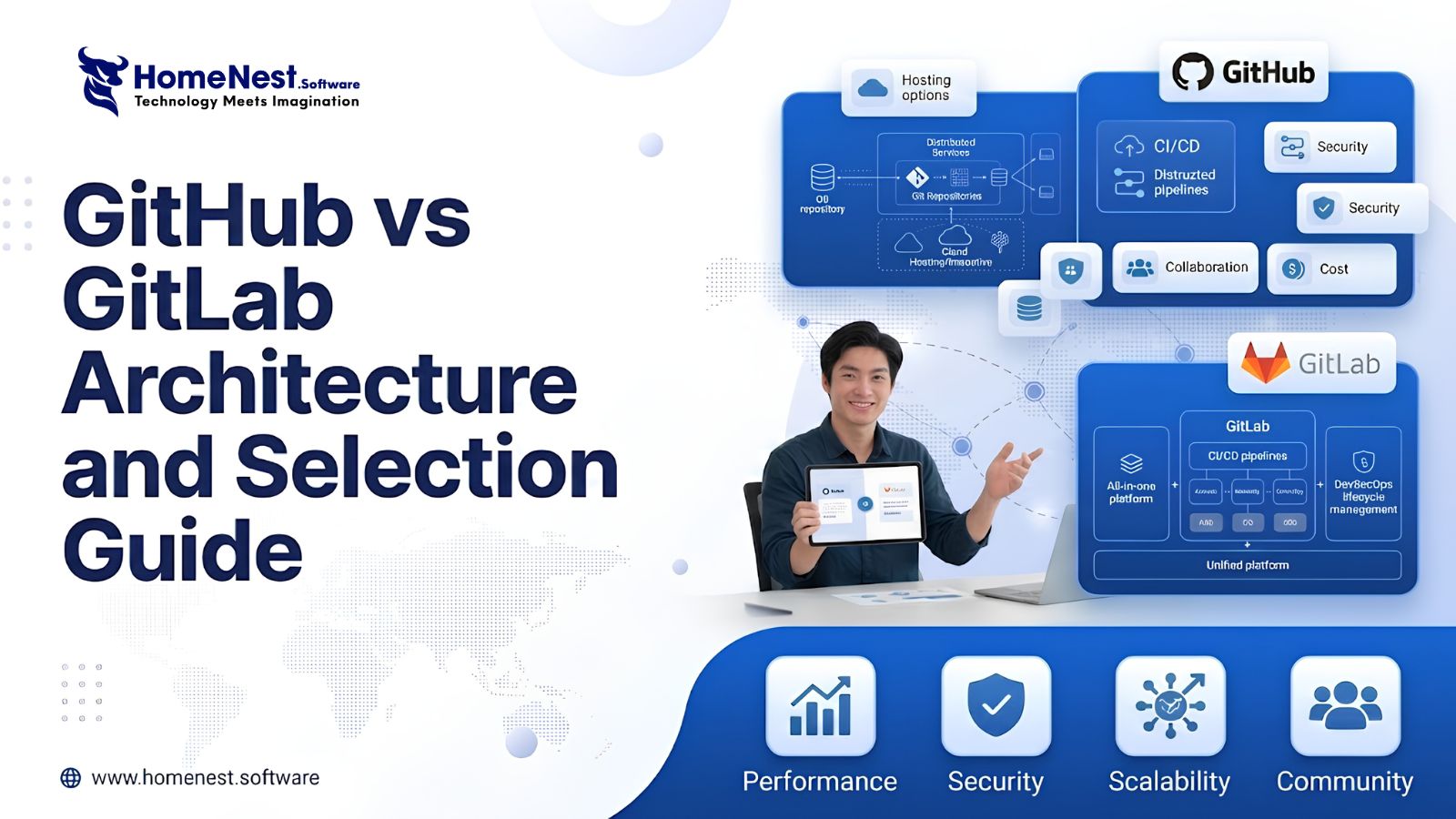
GitHub vs GitLab – Architecture and Selection Guide
Managing source code requires stable infrastructure. Automating software releases requires reliable pipelines. Tool sprawl creates operational complexity. Engineering teams face friction when using fragmented DevOps tools. Selecting between GitHub and GitLab shapes long term development efficiency.
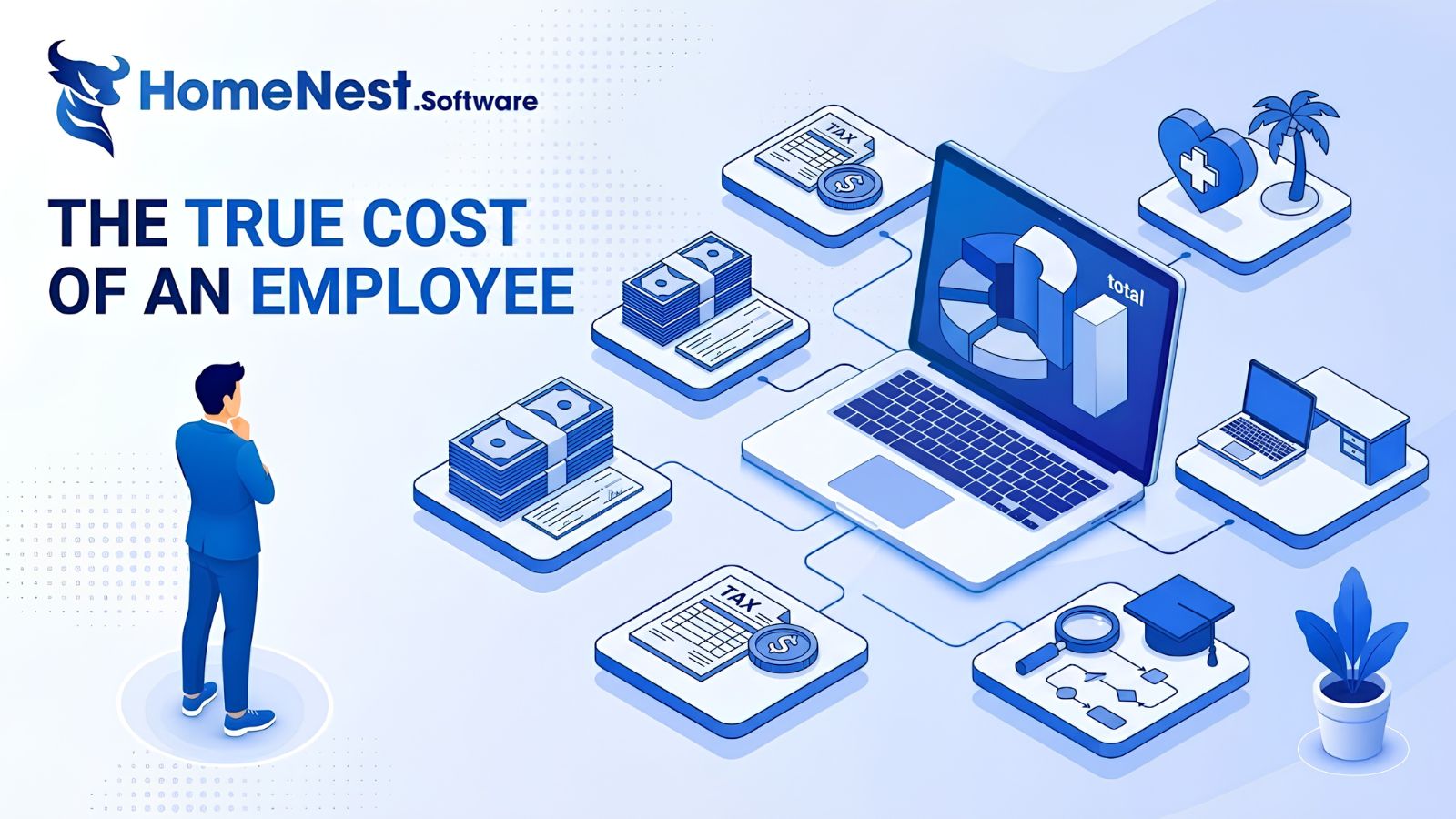
The True Cost of an Employee: A Complete Breakdown for Employers
This article reveals that the true cost of an employee is typically 25% to 40% higher than their base salary due to hidden expenses like taxes, benefits, workspace, and recruiting. To address this, the guide provides a detailed 7-step framework to accurately calculate total employer costs, alongside actionable strategies to optimize budgets and improve retention without reducing pay.
Essential Tips To Develop A Music Streaming App
Discover expert tips to develop a successful music streaming app with HomeNest Software. This guide covers essential features, legal licensing, and scalable technology stacks. Learn how to build a robust, cross-platform application with AI personalization to stand out in the 2026 competitive audio market.
How to Build a Language Learning App Like Cake
Discover how to build a successful language learning app like Cake with this comprehensive guide from HomeNest Software. We explore market research, essential MVP features, advanced AI integrations, tech stack selection, and estimated development costs. Partner with HomeNest Software to create a scalable, gamified, and highly engaging educational platform tailored to your business goals. Start your app development journey with us today.
How to Build an App Like TaskRabbit: Features, Cost, Tech Stack – Business Model
Building an app like TaskRabbit is more than replicating existing features—it’s about creating a trusted marketplace that seamlessly connects customers with skilled service providers. By combining an intuitive user experience, secure payment systems, scalable architecture, and the right business model, you can launch a competitive on-demand platform. Partnering with an experienced app development company like HomeNest Software ensures your product is built with the technology, flexibility, and long-term scalability needed to succeed in the rapidly growing gig economy.