
How Much Does It Cost To Develop A Food Delivery App Like Zomato?
Discover the complete cost breakdown and technical roadmap to build a Zomato-like food delivery app with HomeNest Software. This guide explores budget tiers, the essential 4-panel architecture (Customer, Merchant, Driver, Admin), modern tech stack recommendations, and proven monetization strategies. Learn how HomeNest Software transforms your digital platform vision into a scalable, high-yielding business asset!
Scope of Work
At HomeNest Software, we help startups and growing businesses turn digital platform ideas into scalable, high-yielding mobile applications. In this guide, we break down the exact costs, essential features, technology choices, and revenue strategies required to launch a successful food delivery platform.
The Growing On-Demand Food Delivery Market
The global online food delivery market has established a powerful growth trajectory driven by expanding digital infrastructure and shifting consumer expectations.
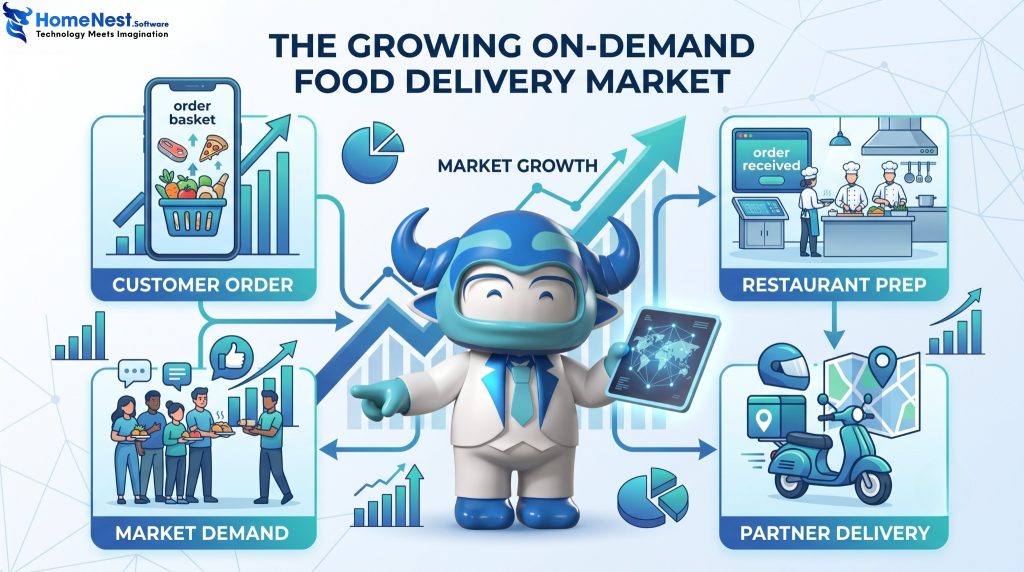
The Growing on-demand food delivery market
- 2024 Market Baseline: The global market reached $380.4 billion in revenue.
- 2030 Growth Projection: Total industry valuation is projected to exceed $618.4 billion.
- Compound Annual Growth Rate (CAGR): The sector is expanding at a steady ~9.0% CAGR through 2030.
Explore more: “Top Food Delivery App Development Companies in the USA”
Why Invest Now?
- Smartphone Penetration: Over 3 billion users expect instant, tap-to-order convenience.
- Urban Demand: Busy schedules drive steady demand for on-demand meal delivery.
- Merchant Expansion: Restaurants rely on digital channels to boost order volume beyond physical seating limits.
What Does It Cost for a Food Delivery App?
Development budget depends directly on app scale and technical complexity:
- Basic MVP: $5,000 – $8,000
- Standard App: $10,000 – $15,000
- Enterprise Platform: $15,000 – $30,000+
What is a Zomato-Like Ecosystem?
A common misconception when building a platform like Zomato is assuming it is just one app. In reality, a complete food delivery platform is an ecosystem of four synchronized software modules running off a unified backend.
The 4 Essential Platform Modules
| Module | Primary User | Core Responsibilities & Essential Features |
| Customer App | End-Consumers | Profile management, searchable menus, persistent cart, secure checkout, live GPS order tracking, and reviews. |
| Restaurant Portal | Kitchens & Merchants | Live order acceptance/rejection, real-time menu & price toggles, kitchen prep status, and payout analytics. |
| Delivery Partner App | Couriers & Drivers | Order dispatch notifications, GPS route optimization, status toggles (pickup/delivered), and earnings logs. |
| Admin Control Panel | Business Owners | Central dashboard, merchant verification, commission rate management, automated driver assignment, and financial reporting. |
How the Data Ecosystem Flows
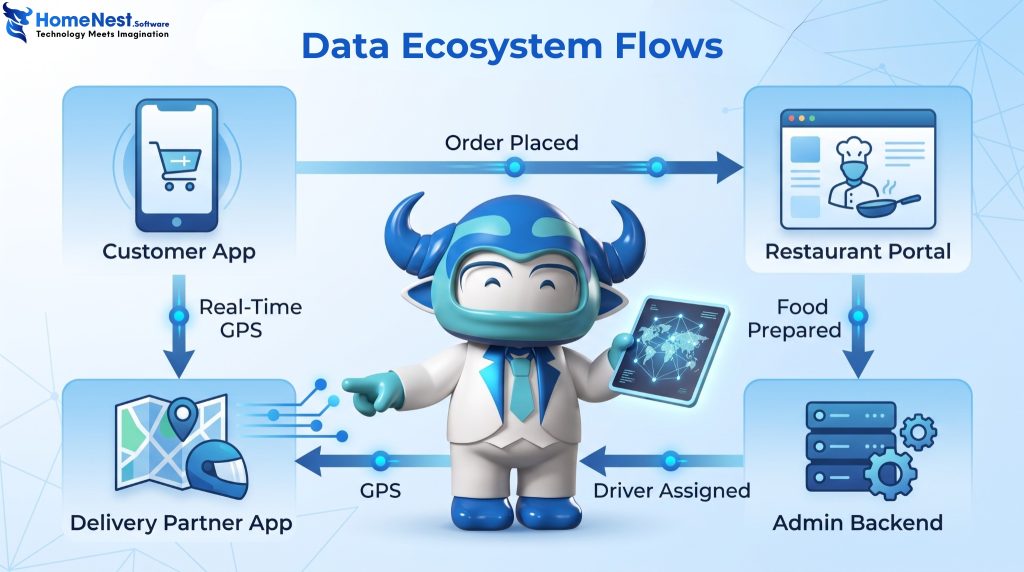
Why Low-Latency Synchronization Is Critical:
A failure or delay in one panel cascades through the entire delivery cycle. At HomeNest Software, we build this architecture using WebSockets and optimized event-driven APIs to ensure that location tracking, menu stock updates, and order confirmations sync seamlessly without lag.
Detailed Cost Breakdown by App Scale & Complexity
The investment required to build a food delivery platform like Zomato depends on feature depth, UI/UX requirements, and target market scale. At HomeNest Software, we categorize projects into three core budget tiers to align with your business goals:
Overview of Investment Tiers
| Tier | Cost Range | Timeline | Primary Focus |
| Basic MVP | $5,000 – $8,000 | 2 – 3 Months | Market validation & core ordering |
| Standard Platform | $10,000 – $15,000 | 3 – 5 Months | Multi-branch scale & live tracking |
| Enterprise Platform | $15,000 – $30,000+ | 5 – 8+ Months | AI automation & multi-region expansion |
Tier Breakdown
Basic MVP (Minimum Viable Product): $5,000 – $8,000
Ideal For: Early-stage startups validating local market demand with minimal financial risk.
Included Features:
- Social login and phone authentication.
- Searchable restaurant catalog with basic menu categories.
- Standard checkout with single payment gateway integration.
- Manual order dispatching and a baseline admin control panel.
Standard Scalable Platform: $10,000 – $15,000
Ideal For: Growing regional food aggregators and multi-location business operations.
Included Features:
- Real-time GPS order tracking for customers and drivers.
- Multiple payment options (Credit cards, digital wallets, cash on delivery).
- Personalized dish recommendations based on ordering history.
- Driver route optimization and dynamic discount/promo engines.
Enterprise-Grade Platform: $15,000 – $30,000+
Ideal For: Established marketplace operators competing with top industry players.
Included Features:
- AI-powered recommendation algorithms and automated driver dispatch.
- Dynamic surge pricing based on weather, demand, or traffic.
- Multi-city, multi-currency, and multi-language capabilities.
- Custom subscription/loyalty programs (Zomato Gold model) and automated 24/7 support.
Explore more: “Food Delivery App Development Cost: Full Breakdown & Expert Insights”
Key Factors Influencing Development Costs
Four core factors determine the final budget required to develop a food delivery platform like Zomato.
Food Delivery App like Zomato
Platform Choice: Native vs. Cross-Platform
- Native (Swift / Kotlin): Separate codebases for iOS and Android. High performance, but increases budget by 30%–40%.
- Cross-Platform (Flutter / React Native): Single codebase targeting both platforms. Reduces costs by 30%–40% with fast time-to-market.
Developer Location & Hourly Rates
Developer rates vary significantly by geographical region:
| Region | Average Rate | Cost Impact |
| North America & W. Europe | $80 – $150+/hr | High overhead |
| Eastern Europe | $40 – $70/hr | Moderate cost |
| Southeast Asia / India (HomeNest Software) | $15 – $30/hr | Maximum cost efficiency with top quality |
Essential Third-Party Integrations
Integrating specialized services impacts development time and API usage fees:
- Payment Processing: Stripe, PayPal, or local payment gateways.
- GPS & Navigation: Google Maps SDK or Mapbox for real-time order tracking.
- Communication: Firebase and Twilio for push notifications and SMS OTP verification.
Post-Launch Maintenance & Scaling
- Annual Cost: 15% to 20% of initial development costs per year.
- Covers: Server hosting (AWS/Google Cloud), OS updates, security patches, and continuous bug fixes.
Recommended Technology Stack
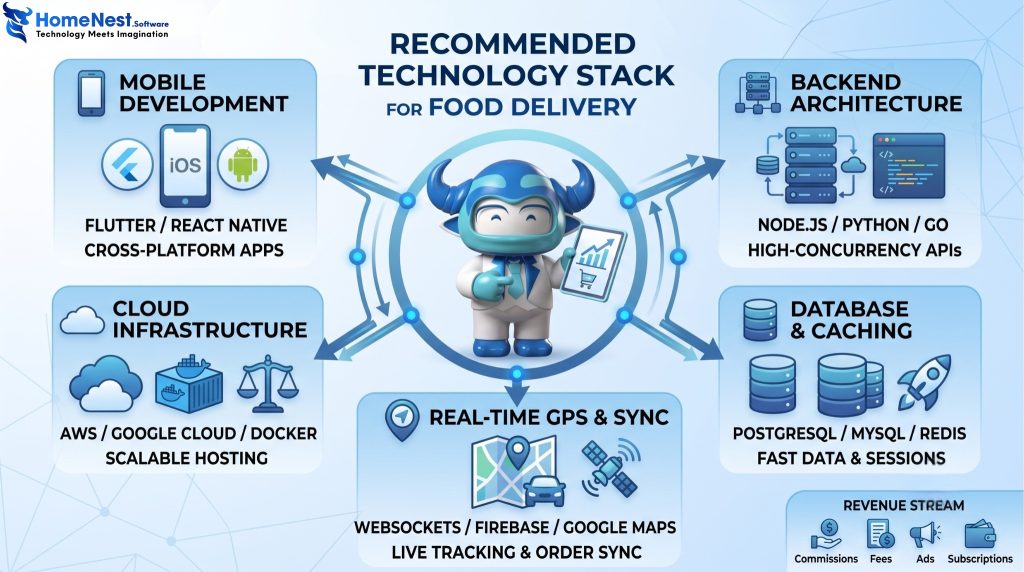
Recommended technology stack for food delivery
Selecting the right tech stack ensures high platform performance, low latency during peak ordering hours, and seamless long-term scalability. At HomeNest Software, we recommend a proven, modern stack tailored for high-volume food delivery platforms:
Modern Tech Stack Overview
| Category | Recommended Technologies | Primary Use Case |
| Mobile Development | Flutter / React Native | Cross-platform apps (iOS & Android) with a single codebase |
| Backend Architecture | Node.js / Python (Django) / Go | High-concurrency event handling and API endpoints |
| Database & Caching | PostgreSQL / MySQL / Redis | Structured data storage and lightning-fast session caching |
| Real-time GPS & Sync | WebSockets / Firebase / Google Maps SDK | Live driver tracking and instant order status synchronization |
| Cloud Infrastructure | AWS / Google Cloud / Docker | Scalable cloud hosting, containerization, and auto-balancing |
Building your backend using event-driven architectures (like Node.js with WebSockets) guarantees that thousands of live map updates and order alerts stream in real time without crashing your servers during lunch or dinner rushes.
Monetization Strategy – How Your App Generates Revenue
A well-architected food delivery platform provides multiple high-margin revenue streams to ensure rapid profitability.
Core Revenue Streams:
- Restaurant Commissions (10%–25%): Charge partner merchants a percentage fee on every processed order.
- Delivery & Service Fees: Collect distance-based fees and peak-hour surge charges directly from customers.
- Sponsored Listings & Ads: Sell premium placement at the top of search results and banner slots to restaurants seeking extra visibility.
- Subscription Memberships: Drive recurring revenue with paid tiers (Zomato Gold model) offering free delivery and exclusive perks.
Important Compliance & Operational Factors
Building a food delivery app involves more than app code—it requires strict security compliance and operational readiness to protect customer trust and handle peak demand.
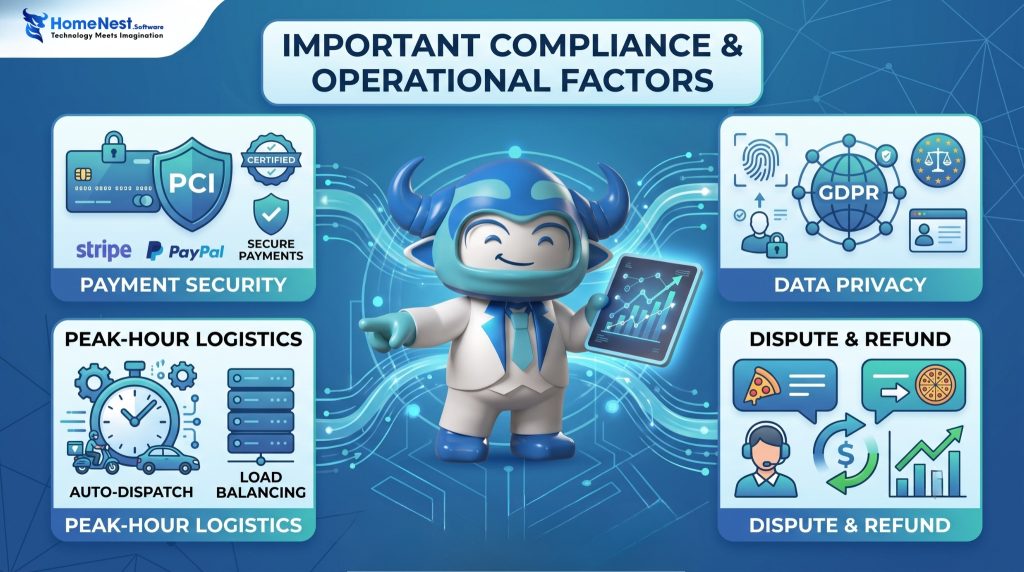
Important Compliance & Operational Factors
Key Operational & Legal Pillars
- Payment Security (PCI-DSS): Integrating certified payment processors (e.g., Stripe, PayPal) ensures cardholder data is encrypted and compliant with global standards.
- Data Privacy Regulations: Platforms must comply with regional data laws (such as GDPR or local consumer protection acts) to handle user location, profiles, and order histories securely.
- Peak-Hour Logistics Management: Auto-dispatch algorithms and server load balancing prevent system crashes during high-volume periods like lunch and dinner rushes.
- Dispute & Refund Workflows: Automated customer support channels resolve issues—such as missing items, late drivers, or order cancellations—quickly and efficiently.
HomeNest Software’s Step-by-Step Development Approach
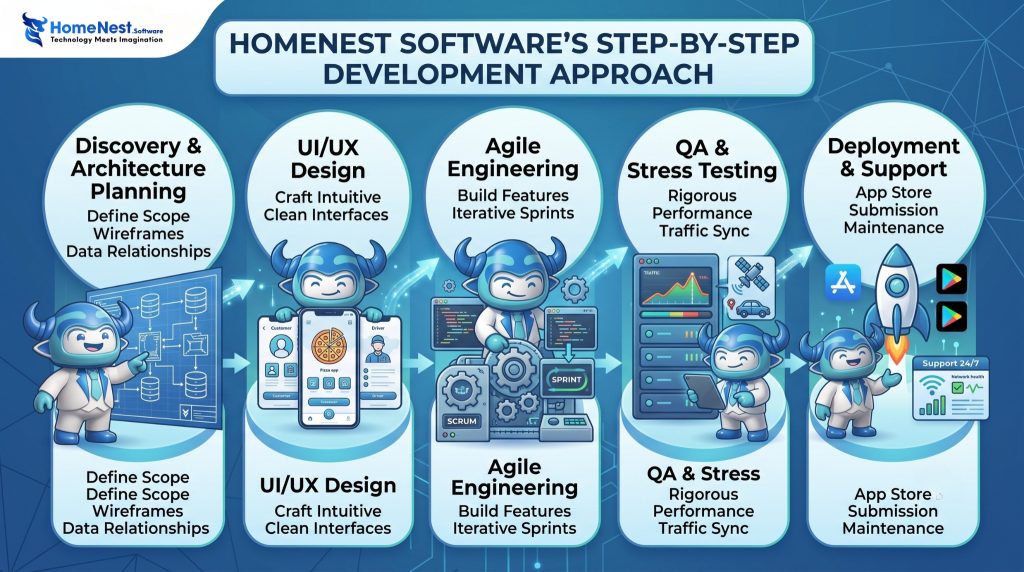
HomeNest Software’s Step-by-Step
At HomeNest Software, we follow an agile, structured engineering process to take your food delivery platform from initial concept to launch:
- Discovery & Architecture Planning: We define project scope, system wireframes, and database relationships to align with your business goals.
- UI/UX Design: We craft intuitive, clean interfaces optimized for consumers, restaurant managers, and delivery drivers.
- Agile Engineering: Our team builds features in iterative sprints, providing regular updates and live demos throughout development.
- QA & Stress Testing: We conduct rigorous performance, security, and GPS synchronization testing to handle peak real-time traffic.
- Deployment & Post-Launch Support: We manage app store submissions and provide continuous technical maintenance and server monitoring.
Explore more: “Food Delivery App Development: Step-by-Step Guide for Businesses”
Partner with HomeNest Software
Developing a food delivery app like Zomato is a strategic business decision that opens up significant revenue opportunities in the expanding on-demand market. Success depends on selecting the right platform scale, prioritizing core user features, and choosing a cost-effective development partner.
Explore more:
- Build Your Own Homemade Food Delivery App Like Cookr
- How to Build a Food Delivery App Like Menulog in Australia
- How To Develop A Food Delivery App Like Uber Eats
Ready to turn your food delivery platform vision into a scalable reality? At HomeNest Software, we engineer custom, high-performance mobile and web platforms tailored to your business goals and budget. Contact HomeNest Software today for a free technical consultation and a personalized cost estimate!
Frequently Asked Questions About Food Delivery Market
How long does it take to develop a food delivery app like Zomato?
Timeline depends on project complexity:
- Basic MVP: 2 to 3 months
- Standard Platform: 3 to 5 months
- Enterprise Platform: 5 to 8+ months
What is the most cost-effective framework to target both Android and iOS?
Cross-platform frameworks like Flutter or React Native allow you to build for both iOS and Android simultaneously using a single codebase. This approach saves up to 30% to 40% in development costs and significantly accelerates time-to-market compared to native development.
Can HomeNest Software customize advanced features like AI recommendations or loyalty rewards?
Yes. At HomeNest Software, we specialize in custom software engineering. We can build tailor-made features including AI-driven dish recommendations, dynamic surge pricing algorithms, automated driver dispatching, and custom subscription models (like Zomato Gold) designed specifically around your brand requirements.
How do automated driver dispatch algorithms work during peak hours?
The backend uses real-time GPS geolocation and distance matrix APIs to evaluate available drivers. When a restaurant confirms order preparation, the system automatically assigns the nearest active driver based on proximity, traffic conditions, and current delivery loads to minimize wait times.
How long does it take to get app store approval for all panels?
Apple App Store and Google Play Store reviews typically take 3 to 7 business days. At HomeNest Software, we handle the entire submission lifecycle, ensuring your apps comply with store guidelines regarding privacy policies, location tracking permissions, and payment processing standards to avoid rejections.
What cloud hosting setup is required to prevent server crashes during lunch/dinner rushes?
We recommend containerized cloud hosting on AWS or Google Cloud Platform using auto-scaling groups and Docker containers. Combined with Redis caching and WebSocket connections, your servers automatically scale resources during high-traffic meal hours to maintain fast loading times and uninterrupted order processing.
Latest Articles
View All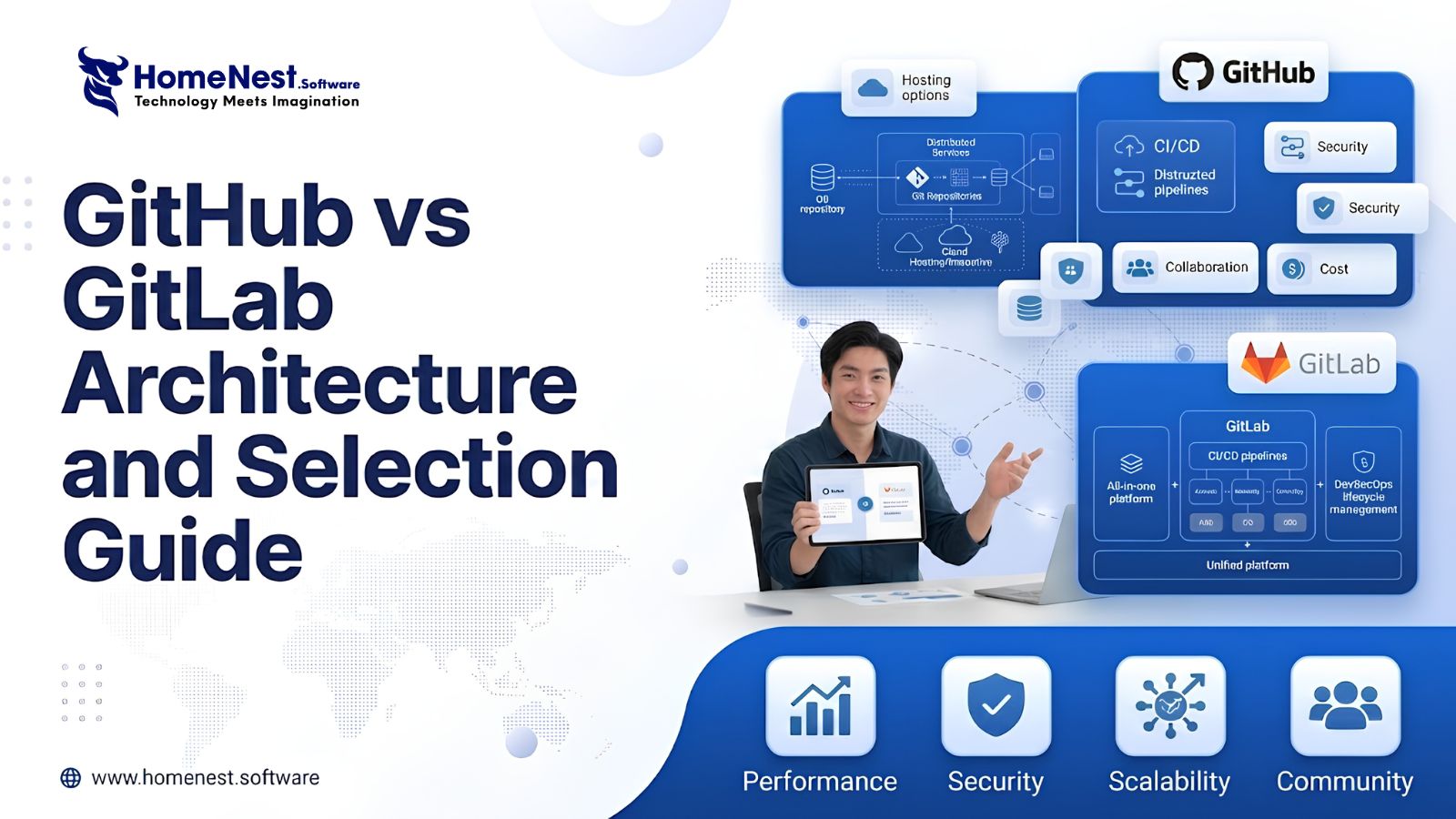
GitHub vs GitLab – Architecture and Selection Guide
Managing source code requires stable infrastructure. Automating software releases requires reliable pipelines. Tool sprawl creates operational complexity. Engineering teams face friction when using fragmented DevOps tools. Selecting between GitHub and GitLab shapes long term development efficiency.
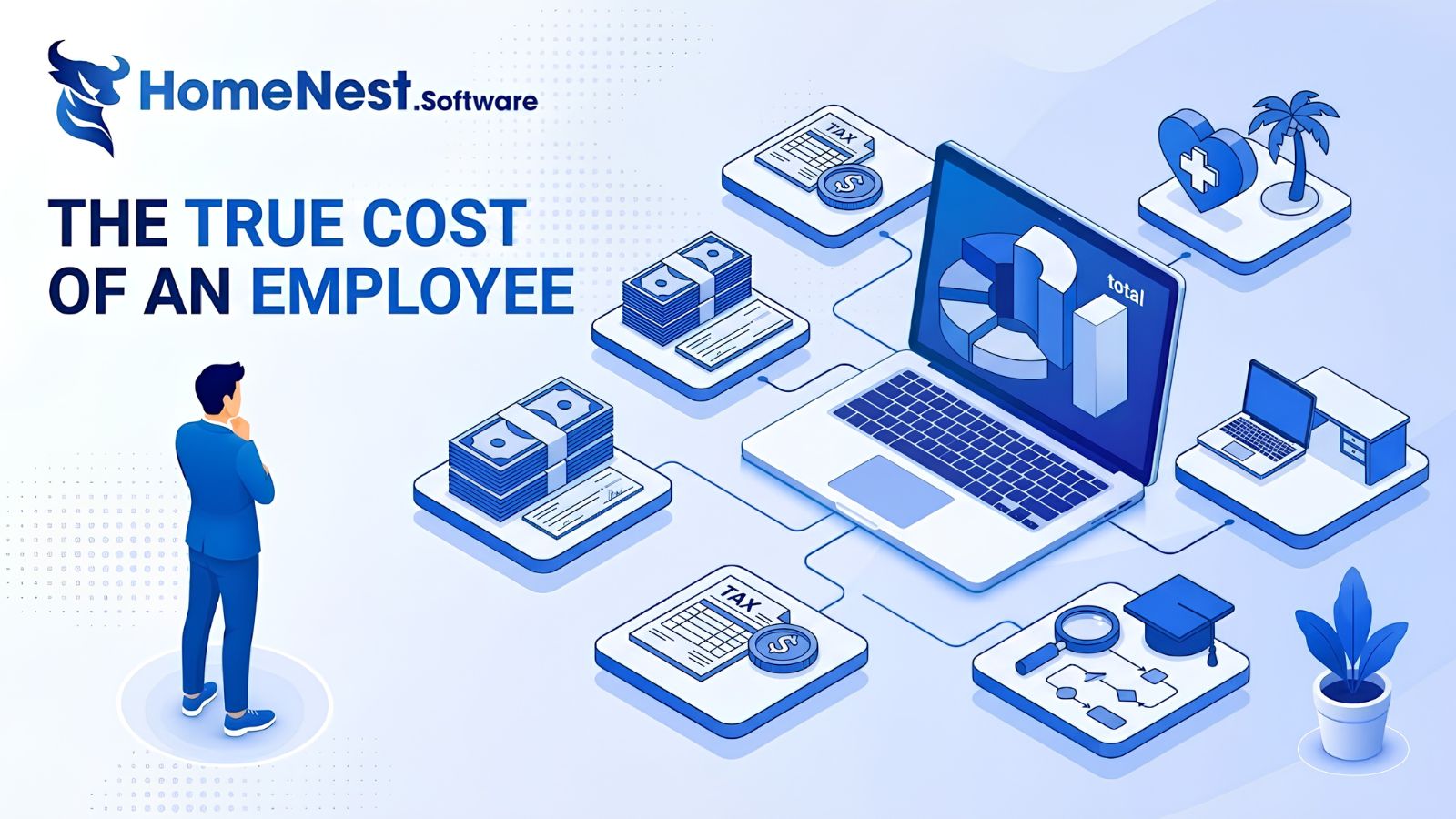
The True Cost of an Employee: A Complete Breakdown for Employers
This article reveals that the true cost of an employee is typically 25% to 40% higher than their base salary due to hidden expenses like taxes, benefits, workspace, and recruiting. To address this, the guide provides a detailed 7-step framework to accurately calculate total employer costs, alongside actionable strategies to optimize budgets and improve retention without reducing pay.
Essential Tips To Develop A Music Streaming App
Discover expert tips to develop a successful music streaming app with HomeNest Software. This guide covers essential features, legal licensing, and scalable technology stacks. Learn how to build a robust, cross-platform application with AI personalization to stand out in the 2026 competitive audio market.
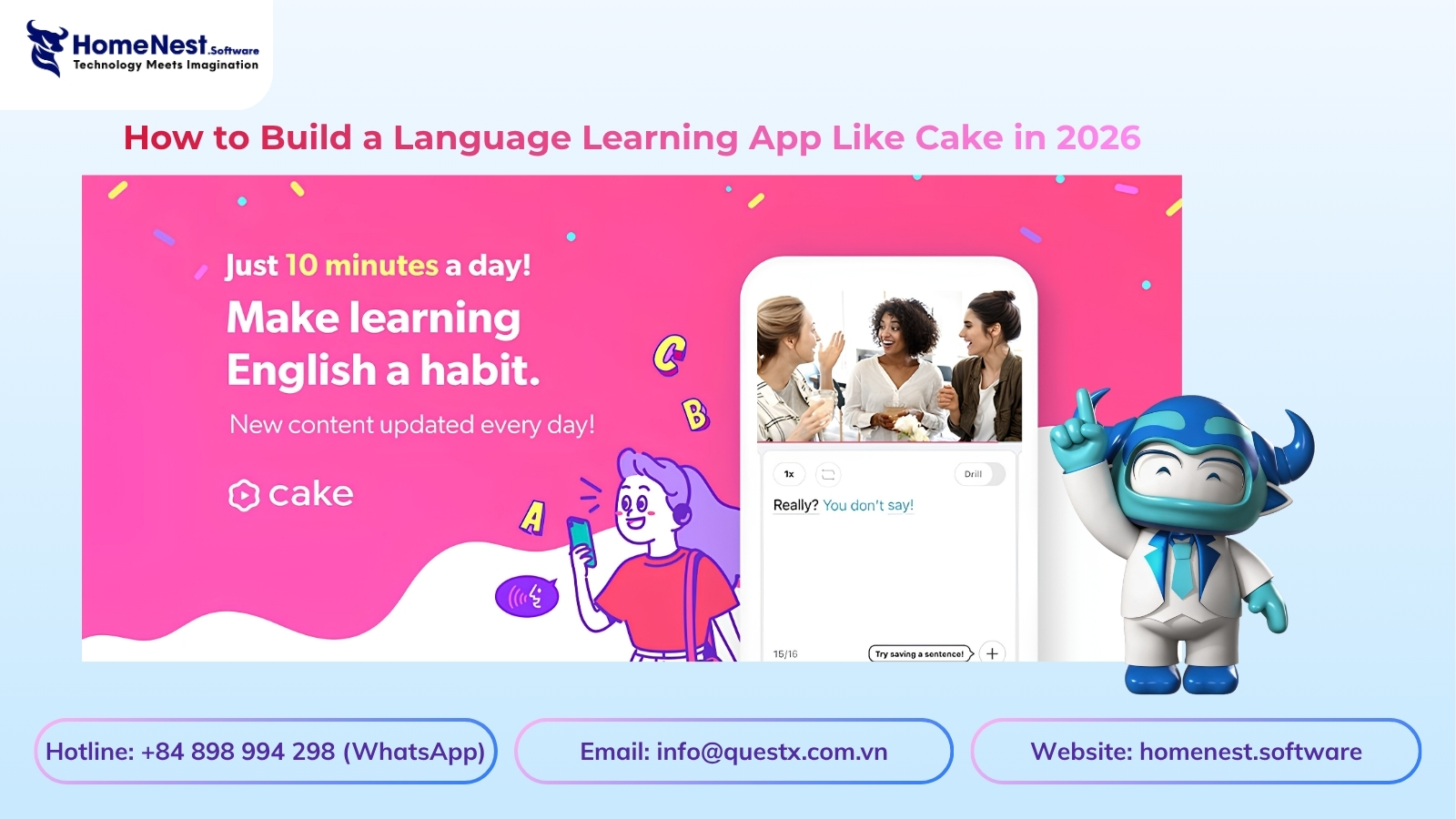
How to Build a Language Learning App Like Cake
Discover how to build a successful language learning app like Cake with this comprehensive guide from HomeNest Software. We explore market research, essential MVP features, advanced AI integrations, tech stack selection, and estimated development costs. Partner with HomeNest Software to create a scalable, gamified, and highly engaging educational platform tailored to your business goals. Start your app development journey with us today.
How to Build an App Like TaskRabbit: Features, Cost, Tech Stack – Business Model
Building an app like TaskRabbit is more than replicating existing features—it’s about creating a trusted marketplace that seamlessly connects customers with skilled service providers. By combining an intuitive user experience, secure payment systems, scalable architecture, and the right business model, you can launch a competitive on-demand platform. Partnering with an experienced app development company like HomeNest Software ensures your product is built with the technology, flexibility, and long-term scalability needed to succeed in the rapidly growing gig economy.
How to Build a Meal Planning App: A Complete Step-by-Step Guide
Building a successful meal planning app goes beyond creating an attractive interface it requires a clear business strategy, personalized user experiences, and scalable technology. By combining essential features like AI-powered meal recommendations, nutrition tracking, grocery list automation, and wearable integration, businesses can deliver lasting value to users while capitalizing on the growing digital health market. Partnering with an experienced mobile app development company ensures your solution is secure, future-ready, and designed to succeed in an increasingly competitive health-tech industry.