
Best 10+ Healthcare CRM Softwares for Medical Practices
A well-chosen healthcare CRM is more than a management tool, it is a strategic foundation for delivering connected, patient-centric care. By combining centralized data, seamless integrations, and strong compliance, healthcare organizations can reduce operational friction, improve engagement, and scale efficiently. The real advantage comes from selecting a solution that aligns with your workflows and long-term growth, turning patient experience into a measurable competitive edge.
Scope of Work
The demand for intelligent healthcare solutions is accelerating, and AI tools in healthcare are emerging as a critical enabler of this transformation. From enhancing early diagnosis to delivering highly personalized treatment plans, these technologies are redefining the way clinicians and patients engage.
In this comprehensive guide, HomeNest Software explores the most impactful AI applications that every healthcare professional should understand in 2026 equipping you with the insights needed to stay ahead in an increasingly data driven medical landscape.
Statistics on AI Tools in Healthcare Investment in 2025
Global healthcare systems continue to face structural pressure. An estimated 4.5 billion people still lack access to essential services, while the World Health Organization projects a shortfall of 11 million healthcare workers by 2030. In this context, AI tools in healthcare are increasingly positioned as a scalable solution to bridge access gaps and accelerate progress toward universal health coverage, a core objective of the United Nations for 2030.
Momentum is already visible in clinical settings. AI powered systems are supporting physicians in fracture detection, rapid triage in emergency departments, and early identification of chronic conditions. These capabilities are not theoretical they are actively improving diagnostic speed and decision accuracy. However, adoption remains uneven. According to the World Economic Forum, healthcare still ranks below average compared to other industries in AI adoption, despite strong evidence of its impact on outcomes.
Investment patterns further reflect this disparity. While private funding in healthcare AI continues to grow, allocation varies significantly across regions, specialties, and maturity levels of digital infrastructure. The World Economic Forum emphasizes that digital health and AI applications have the potential to increase operational efficiency, reduce costs, and enhance patient outcomes at scale.
In practical terms, this signals a clear transition: AI in healthcare is moving beyond experimentation into real world deployment. From diagnostics to workflow automation, these technologies are steadily reshaping how care is delivered though at different speeds depending on geography and specialization.
As illustrated in the chart below, private investment in healthcare AI shows substantial variation by region and medical domain, highlighting both opportunity and fragmentation in the global market.
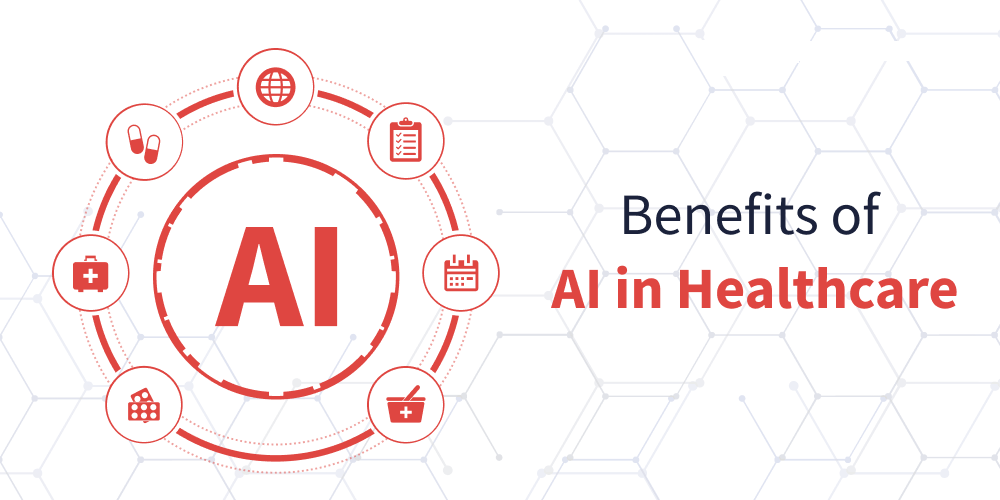
Key Benefits of Using AI Tools in Healthcare
Enhancing Diagnosis and Clinical Decision Making
Unlocking the full value of AI tools in healthcare starts with measurable clinical impact. Advanced algorithms trained on large scale medical datasets can detect tumors, fractures, and subtle abnormalities with a level of precision that complements even experienced clinicians.
Real world evidence reinforces this value. A nationwide screening study in Germany showed that AI supported double reading increased breast cancer detection by 17.6% without raising recall rates. With data driven insights at hand, clinicians can make faster, more accurate decisions leading to improved patient outcomes and greater confidence in critical cases.
Optimizing Workflow and Reducing Burnout
Administrative overload remains one of the biggest pain points in healthcare. AI powered assistants such as automated scribes and speech recognition systems are now handling routine documentation tasks, significantly reducing manual workload.
For example, implementation of ambient AI documentation at University of Iowa Health Care resulted in a 30% reduction in clinician burnout and saved an average of 2.6 hours per week in after hours documentation. By minimizing repetitive work, healthcare teams can focus more on patient care, improving both staff well being and service quality.
Lowering Costs and Increasing Operational Efficiency
Rising healthcare costs continue to challenge providers globally. AI powered diagnostic tools in healthcare enable earlier detection of diseases, reducing the need for expensive late stage treatments. At the same time, predictive analytics optimize resource allocation, while machine learning accelerates drug discovery and testing cycles.
Independent analyses suggest that large scale AI adoption could generate 5–10% savings in total healthcare spending. By increasing speed, accuracy, and resource efficiency, AI helps organizations maintain high quality care while improving financial sustainability.
Advancing Personalized and Preventive Care
One of the most transformative aspects of medical AI tools is their ability to process complex, multi source data including genetics, lifestyle, and medical history. This enables highly personalized treatment plans tailored to individual patient profiles rather than generalized protocols.
The result is a shift toward preventive care, where risks are identified early and interventions are applied proactively. Patients benefit from more targeted therapies, better long term outcomes, and reduced likelihood of disease progression.
Expanding Access and Strengthening Patient Engagement
Access to healthcare remains uneven across regions, but AI tools used in healthcare are helping bridge this gap. AI driven chatbots and virtual assistants provide 24/7 support, deliver multilingual communication, and guide patients through follow up care and treatment adherence.
These tools are especially valuable in underserved areas, where they extend access to basic consultations and even mental health support. By empowering patients to take a more active role in their care, AI improves engagement, trust, and overall health equity.
Improving Monitoring and Enabling Early Intervention
The rise of wearable devices and connected health systems has made continuous monitoring more accessible than ever. AI models analyze real time data streams such as heart rate, glucose levels, and activity patterns to detect early warning signs of potential health issues.
A 2024 systematic review found that alert based remote monitoring led to a 9.6% reduction in hospitalizations and a 3% decrease in overall mortality rates. These results highlight the power of early intervention, allowing healthcare providers to act before conditions escalate.
With each advancement, AI tools in healthcare are adding a new layer of predictive intelligence enhancing safety, enabling proactive care, and improving outcomes for both patients and providers.
Top 10 AI Tools in Healthcare to Watch in 2026
Artificial intelligence is no longer a future concept in medicine it is actively transforming clinical practice and healthcare operations. Today, AI tools in healthcare are delivering measurable improvements in efficiency, accuracy, and patient outcomes. Below are ten standout solutions that are shaping the industry in 2026.
1. Keragon
Keragon is a HIPAA compliant automation platform designed to help healthcare organizations integrate AI without compromising data security. Acting as a centralized integration layer, it connects EHRs, lab systems, scheduling tools, and communication platforms through secure, no code workflows.
By automating processes such as patient intake, follow ups, and insurance verification, Keragon reduces administrative burden while embedding AI driven insights into everyday operations. This enables providers to improve efficiency and patient engagement while maintaining strict compliance standards.
2. IBM Watson Health
A long standing leader in healthcare AI, IBM Watson Health leverages natural language processing and machine learning to analyze vast volumes of unstructured medical data.
In fields like oncology, it evaluates genetic data alongside clinical research to recommend personalized treatment options. By functioning as a digital clinical assistant, it enhances diagnostic accuracy and supports more confident, data driven decisions.
3. Aidoc
Aidoc specializes in AI powered radiology, continuously analyzing imaging scans to detect critical conditions such as strokes, hemorrhages, and pulmonary embolisms.
Its real time prioritization of urgent cases helps radiologists focus on the most critical patients first, significantly improving workflow efficiency and enabling faster clinical intervention.
4. PathAI
PathAI applies deep learning to pathology, enhancing the accuracy of disease detection through advanced image analysis.
By reducing the risk of human error and fatigue, it provides clinicians with consistent, reliable insights particularly valuable in complex cancer diagnoses where precision is essential.
5. Tempus
Tempus combines AI with genomic sequencing and clinical data to enable precision medicine. It helps physicians predict patient responses to specific therapies, ensuring treatment plans are tailored to individual profiles.
This approach is especially impactful in oncology and rare diseases, where personalized care significantly improves outcomes.
6. Butterfly iQ
Butterfly iQ is a portable, AI powered ultrasound device that connects to smartphones, making medical imaging more accessible and affordable.
Its intuitive interface guides users through scan acquisition and interpretation, enabling bedside diagnostics even in resource limited environments.
7. Caption Health
Caption Health enhances ultrasound accessibility by providing real time guidance during scans.
Through step by step AI feedback, clinicians with limited imaging experience can capture high quality cardiac images, expanding access to diagnostic capabilities in primary care and emergency settings.
8. DeepMind Health
Developed by Google, DeepMind Health focuses on early disease detection using advanced AI models.
Its systems have demonstrated accuracy comparable to specialists in identifying conditions such as diabetic retinopathy and macular degeneration, supporting earlier intervention and better long term outcomes.
9. IQ3 probe
The IQ3 probe integrates AI, mobile technology, and cloud based analytics to deliver portable ultrasound capabilities.
Using algorithms trained on large datasets, it can automatically detect abnormalities such as lung related artifacts within seconds, improving speed and diagnostic reliability in critical care environments.
10. Microsoft Fabric
Part of Microsoft ecosystem, Microsoft Fabric unifies diverse healthcare data sources into a single analytics environment.
With built in AI capabilities, it enables advanced insights from unstructured data, supports virtual health assistants, and delivers personalized clinical recommendations. Its scalable, compliant architecture makes it a strong foundation for enterprise grade AI adoption in healthcare.
These platforms illustrate a clear trend: AI tools in healthcare are rapidly transitioning from isolated innovations to integrated, mission critical systems. As adoption accelerates, organizations that leverage these technologies effectively will gain a decisive advantage in delivering faster, smarter, and more patient centric care.
Main Uses of AI Tools in Healthcare (2026)
Artificial intelligence is fundamentally reshaping healthcare delivery in 2026, with five core applications driving measurable improvements in diagnostic accuracy, operational efficiency, and patient outcomes.
Smarter Medical Diagnosis
Healthcare institutions are rapidly adopting AI tools in healthcare to enhance diagnostic precision. At Massachusetts General Hospital in collaboration with MIT, AI algorithms have demonstrated the ability to detect lung nodules with 94% accuracy, compared to 65% for radiologists.
Similarly, in breast cancer screening, AI systems achieved 90% sensitivity, outperforming the 78% accuracy of human experts. These results underscore the growing importance of AI diagnostic tools in healthcare in enabling earlier, more reliable disease detection and supporting clinical decision making.
Personalized Treatment Design
Treatment planning is becoming increasingly data driven as AI analyzes genetic, clinical, and lifestyle data to tailor therapies. A notable case in Japan involved IBM Watson identifying a rare leukemia subtype through genomic analysis, with recommendations aligning with expert conclusions 99% of the time.
By integrating multiple data sources, AI services in healthcare allow physicians to design treatments that are more precise, adaptive, and patient specific.
Key Data Inputs and Their Impact
| Data Type | Purpose | Impact |
|---|---|---|
| Genetic Data | Identify inherited risks | Improves precision therapies |
| Past Treatments | Evaluate prior responses | Reduces adverse reactions |
| Real Time Data | Monitor ongoing conditions | Enables adaptive care plans |
Always On Digital Health Support
AI powered virtual assistants are enabling continuous, real time patient support. In Mumbai, a hospital integrated its systems with over 200 laboratory instruments, reducing workflow errors by 40% while providing patients with instant access to test results.
This illustrates how AI tools for doctors and patients can streamline communication, reduce delays, and maintain a consistent level of care beyond traditional clinical hours.
Predictive Disease Prevention
Predictive analytics is transforming healthcare from reactive to proactive. Siemens Healthineers developed the Atellica® COVID 19 Severity Algorithm using data from over 14,500 patients to forecast disease progression and potential complications.
As highlighted by researcher Slavé Petrovski, many diseases are already advanced before symptoms appear. AI makes it possible to detect early biological signals linked to conditions such as Alzheimer’s, COPD, and kidney disease demonstrating the critical role of medical AI tools in preventive care and long term health management.
Automating Administrative and Operational Tasks
Administrative inefficiencies remain a major burden in healthcare, but AI is rapidly addressing this challenge. At Johns Hopkins Hospital, integration with Microsoft Azure AI has enabled automation of documentation, lab workflows, and operational processes.
These improvements have contributed to estimated savings of $200–$360 billion across the healthcare sector. Additionally, 89% of lab professionals report that automation is essential for managing increased workloads amid staffing shortages.
Together, these use cases demonstrate how AI tools in healthcare are modernizing both clinical practice and back office operations creating a more efficient, scalable, and patient centered healthcare ecosystem.
Results of AI Tools in Healthcare So Far
Assessing the real world performance of AI tools in healthcare reveals a clear pattern: strong, measurable gains across multiple use cases balanced by practical limitations that still require human oversight and system maturity.
Performance Overview by Use Case
| Use Case | Success Metrics | Key Limitations | ROI Impact |
|---|---|---|---|
| Medical Diagnosis | 94% accuracy in lung nodule detection; 90% sensitivity in breast cancer screening | Requires physician oversight in complex cases | Reduces diagnostic errors from a 5% baseline |
| Personalized Treatment | Matches expert recommendations in 99% of cases | Integration and data security challenges | Cuts operational costs by up to 30% |
| Digital Health Support | Enables real time, 24/7 patient assistance | Limited in handling nuanced clinical scenarios | Expands continuous access to care |
| Predictive Analytics | Identifies risks across multiple chronic conditions | Highly dependent on data quality and availability | Reduces costs through early intervention |
| Administrative Automation | Reduces documentation time by 35% | Requires workflow changes and staff adaptation | Saves ~66 minutes/day per provider; $200–360B potential |
Measurable Impact Across Healthcare Systems
These results explain why AI tools used in healthcare continue to gain traction globally. Leading institutions such as Massachusetts General Hospital and diagnostic networks in Mumbai report faster workflows, improved accuracy, and better patient outcomes.
In one implementation, documentation time dropped by 41%, while ambient voice technology reduced record keeping tasks from two hours to just 15 minutes a significant shift in clinician productivity.
Expert Perspectives on AI in Healthcare
According to Stephen Sherry:
“Integration of AI into healthcare holds great promise as a tool to help medical professionals diagnose patients faster, allowing them to start treatment sooner. However, AI is not advanced enough yet to replace human experience, which is crucial for accurate diagnosis.”
Similarly, Mike Thorpe emphasizes the importance of orchestration:
“Orchestration is the invisible conductor of healthcare AI, harmonizing complex workflows, integrating disparate systems, and ensuring that generative AI technologies work in concert to deliver seamless, intelligent patient care.”
The Strategic Takeaway
The evidence is consistent: AI delivers the highest value when combined with human expertise. While algorithms may outperform clinicians in controlled diagnostic scenarios, human judgment remains essential for complex, context driven decisions.
Successful adoption depends on high quality data, seamless system integration, and balanced human AI collaboration. A strong example is the Mumbai diagnostic network leveraging Scispot to streamline operations while maintaining clinical oversight.
This hybrid model automation augmented by expert decision making defines how AI driven healthcare continues to evolve in 2026.
Next Steps for AI in Healthcare
The future of AI tools in healthcare will be defined by how effectively organizations scale current successes while addressing gaps in sustainability, workforce readiness, and system integration. The next phase centers on advancing patient care, building critical skills, and embracing emerging innovations.
Advancing Patient Care Outcomes
Healthcare providers are already seeing tangible improvements from AI deployment. At Mount Sinai, an AI powered ICU monitoring system has enhanced patient safety by delivering real time alerts for risks such as malnutrition, sudden deterioration, and falls while reducing false alarms.
Supporting evidence continues to emerge. A 2023 study published in European Radiology reported that AI assisted screening systems in Norway detected 93% of screen identified cancers and 40% of interval cancers.
However, scaling these outcomes comes at a cost. In one case, performance monitoring required over 108,000 person hours and nearly $5.6 million in combined staffing and vendor resources highlighting the need for more efficient, sustainable implementation models.
Building AI Ready Healthcare Teams
As adoption accelerates, healthcare professionals must develop new competencies aligned with AI services in healthcare. Research highlights five critical skill areas:
| Competency Area | Importance | Key Focus Points |
|---|---|---|
| AI Fundamentals | 86% of studies | Core concepts and clinical applications |
| Ethics and Legal | 71% of studies | Responsible use and regulatory compliance |
| Data Management | 43% of studies | Data analysis and interpretation |
| Communication | 43% of studies | Patient engagement and team collaboration |
| AI Tool Evaluation | 43% of studies | Assessing accuracy and reliability |
As noted by Mobeen Lalani:
“Future proofing your career means embracing the transformative power of AI… continuous learning and practical integration are essential to staying competitive.”
To stay relevant, professionals are increasingly pursuing certifications such as CPHIMS®, engaging in healthcare AI training programs, participating in pilot projects, and following industry resources like HIMSS and Health IT Analytics.
As AI software for healthcare becomes standard across hospitals, these skills are no longer optional they are foundational.
Emerging AI Innovations Shaping the Future
The next wave of innovation will push AI beyond support tools into more autonomous and integrated systems. According to Dennis Chornenky, the rise of autonomous AI agents marks a significant shift:
These systems leverage large language models to process multimodal inputs such as medical imaging, lab results, and audio and generate outputs ranging from patient summaries to predictive insights for specialists.
At the same time, University of Kentucky College of Medicine expert Danielle Walsh highlights a parallel transformation:
AI is reducing administrative burden, allowing physicians to focus more on complex decision making and meaningful patient interactions.
Key innovation trends include:
- Autonomous AI agents supporting end to end patient care
- Multimodal systems integrating imaging, lab, and voice data
- Continuous monitoring platforms with real time insights
- Advanced automation reducing administrative workload
- Intelligent decision support systems for complex diagnoses
As emphasized by Thomas Fuchs:
“AI should help physicians become faster, more effective, and capable of doing what was previously impossible while reducing burnout.”
Strategic Outlook
The trajectory is clear: AI driven healthcare will not replace clinicians but will significantly augment their capabilities. The organizations that succeed will be those that combine advanced technology, skilled teams, and sustainable deployment models unlocking a new standard of efficient, patient centered care.
Which AI Tools in Healthcare Will Enterprises Adopt in 2026?
Healthcare organizations are increasingly selective in adopting AI tools in healthcare, prioritizing solutions that deliver clear, measurable outcomes whether through improved clinician productivity, cost reduction, operational efficiency, or enhanced patient care. Several technologies are emerging as front runners for enterprise adoption in 2026.
Ambient Listening for Clinical Documentation
One of the fastest growing categories is ambient listening, an AI driven approach that captures and processes patient–provider conversations in real time.
Initially adopted by physicians and now expanding to nursing staff, these systems automatically generate clinical notes, billing entries, and coding data eliminating the need for manual documentation. This allows healthcare professionals to focus more on patient interaction rather than administrative tasks.
For many organizations, ambient listening represents a low risk, high ROI entry point into AI adoption. Hospitals report improved workflow efficiency and reduced burnout, making it a practical starting point alongside other accessible use cases such as automated chart summarization.
Improving Accuracy and Transparency in Generative AI
As generative AI gains traction, healthcare providers are focusing on accuracy, traceability, and compliance. One key approach is retrieval augmented generation (RAG), which combines large language models with internal data sources to produce responses grounded in verified, up to date information.
This significantly reduces the risk of hallucinations and improves reliability in clinical Q&A systems and decision support tools.
At the same time, organizations are adopting synthetic data to train and validate AI models in a controlled, privacy safe environment. With increasing scrutiny around performance claims, industry groups such as Coalition for Health AI are establishing evaluation frameworks to ensure transparency and accountability.
These developments signal a shift toward enterprise grade generative AI tools with built in compliance and governance, tailored for healthcare environments.
Machine Vision for Patient Monitoring and Safety
Another area gaining strong adoption is machine vision, where cameras, sensors, and audio systems are deployed in patient environments to capture real time data.
These systems can detect subtle changes such as patient movement in bed or attempts to stand triggering alerts that help prevent falls or unnecessary interventions. By automating routine monitoring, they reduce risk while allowing clinical staff to focus on more complex care tasks.
As the Internet of Medical Things (IoMT) expands, machine vision is increasingly integrated with ambient listening and other AI capabilities to create a more comprehensive, real time care environment.
Together, these technologies provide healthcare teams with deeper visibility into patient conditions, enabling proactive care, improved safety, and more efficient operations.
Strategic Direction for 2026
The adoption pattern is clear: enterprises are moving toward practical, scalable AI solutions that integrate seamlessly into existing workflows. Rather than experimental tools, the focus is on systems that deliver immediate value, maintain compliance, and support long term digital transformation.
In 2026, the most successful healthcare organizations will be those that adopt AI not as a standalone innovation, but as a core operational capability embedded across clinical and administrative processes.
Discover the Potential of AI Tools in Healthcare with HomeNest Software
AI tools in healthcare have moved far beyond experimental pilots. Today, hospitals, clinics, and research institutions are actively leveraging these technologies for diagnostic support, predictive analytics, and patient management. The impact is tangible improved clinical outcomes, higher operational efficiency, and reduced costs.
The real challenge now lies in integrating AI into existing healthcare systems without disrupting workflows, compromising data security, or affecting care delivery.
HomeNest Software enables healthcare organizations to adopt AI with clarity and confidence. With a strong presence across Vietnam, Japan, Korea, The US, Canada, Australia, and Singapore, we deliver AI powered healthcare solutions designed to align with global compliance standards such as HIPAA and GDPR, ensuring both innovation and regulatory integrity.
What We Deliver
Our teams work closely with healthcare providers to design and implement solutions that create immediate and long term value:
- Intelligent patient management systems that automate intake, scheduling, and follow up processes
- AI driven medical imaging solutions using machine learning and computer vision to enhance diagnostic accuracy
- Predictive analytics platforms that identify disease risks early and support data driven treatment planning
- Seamless system integration services connecting AI modules with EHRs, lab systems, and hospital management platforms
Built for Scale, Designed for Clinical Reality
Operating with dedicated development teams and agile delivery models, we ensure full transparency, rapid iteration, and scalable deployment. Every solution is tailored to real clinical workflows balancing innovation with reliability and compliance.
Move from Experimentation to Enterprise Adoption
AI adoption in healthcare is accelerating. The opportunity is no longer about testing ideas it is about deploying production ready, enterprise grade solutions that deliver measurable impact.
With deep expertise in software outsourcing and healthcare technology, HomeNest Software enables organizations to transform AI potential into secure, scalable systems that work in real world environments.
Ready to unlock the value of AI in your healthcare operations?
Contact HomeNest Software today to start building your next generation solution.
Conclusion
AI tools in healthcare are delivering real, measurable value across diagnostics, treatment planning, patient monitoring, and administrative operations. They enable faster clinical decisions, improve patient safety, and help reduce overall costs.
The priority for healthcare providers now is not adoption but scaling AI responsibly, ensuring seamless integration while meeting strict regulatory and compliance requirements.
With ISO certified processes and global delivery experience, HomeNest Software provides secure, tailored AI healthcare solutions built for real world deployment. Contact HomeNest Software today to move beyond pilot initiatives and bring fully scalable, production ready AI systems into your organization.
FAQs: AI Tools in Healthcare
What are AI tools in healthcare?
AI tools in healthcare are software systems that use machine learning, natural language processing, and data analytics to support clinical decisions, automate workflows, and improve patient outcomes.
How are AI tools used in healthcare today?
They are used for medical diagnosis, personalized treatment planning, predictive analytics, remote patient monitoring, and administrative automation such as documentation and scheduling.
Are AI tools in healthcare accurate?
Many AI systems achieve high accuracy in specific tasks like imaging analysis. However, they are designed to support not replace clinicians, especially in complex or nuanced cases.
What are the main benefits of AI in healthcare?
Key benefits include faster diagnosis, improved treatment precision, reduced operational costs, enhanced patient engagement, and lower clinician burnout.
What challenges do healthcare providers face when adopting AI?
Common challenges include data privacy and security, system integration with existing infrastructure, regulatory compliance (e.g., HIPAA, GDPR), and the need for staff training.
Is AI in healthcare compliant with regulations?
Yes, but only when implemented correctly. Enterprise grade solutions must follow strict standards such as HIPAA, GDPR, and other regional healthcare regulations to ensure data protection and patient safety.
How much does it cost to implement AI in healthcare?
Costs vary depending on the scope, complexity, and level of integration. While initial investment can be significant, AI often delivers long term ROI through efficiency gains and cost reduction.
Can small clinics use AI tools in healthcare?
Yes. Many AI solutions are now scalable and cloud based, making them accessible to smaller clinics and healthcare providers without large infrastructure investments.
What skills do healthcare professionals need to work with AI?
Professionals should understand basic AI concepts, data interpretation, ethical considerations, and how to evaluate AI system outputs in clinical practice.
How can HomeNest Software help with AI in healthcare?
HomeNest Software provides end to end AI healthcare solutions from strategy and development to integration and deployment ensuring compliance, scalability, and alignment with real clinical workflows.
Selecting a healthcare CRM is rarely about finding the software with the most features. For medical practices and hospital networks, the core challenge is architectural compatibility. Deploying a new CRM that cannot seamlessly exchange data with your existing Electronic Health Records creates dangerous data silos and disrupts clinical workflows.
In this technical assessment, HomeNest Software evaluates the leading enterprise healthcare CRM platforms. Rather than generic feature lists, we analyze these systems based on their API extensibility, strict HIPAA compliance frameworks, and readiness for custom middleware integration.
What Is a Healthcare CRM?
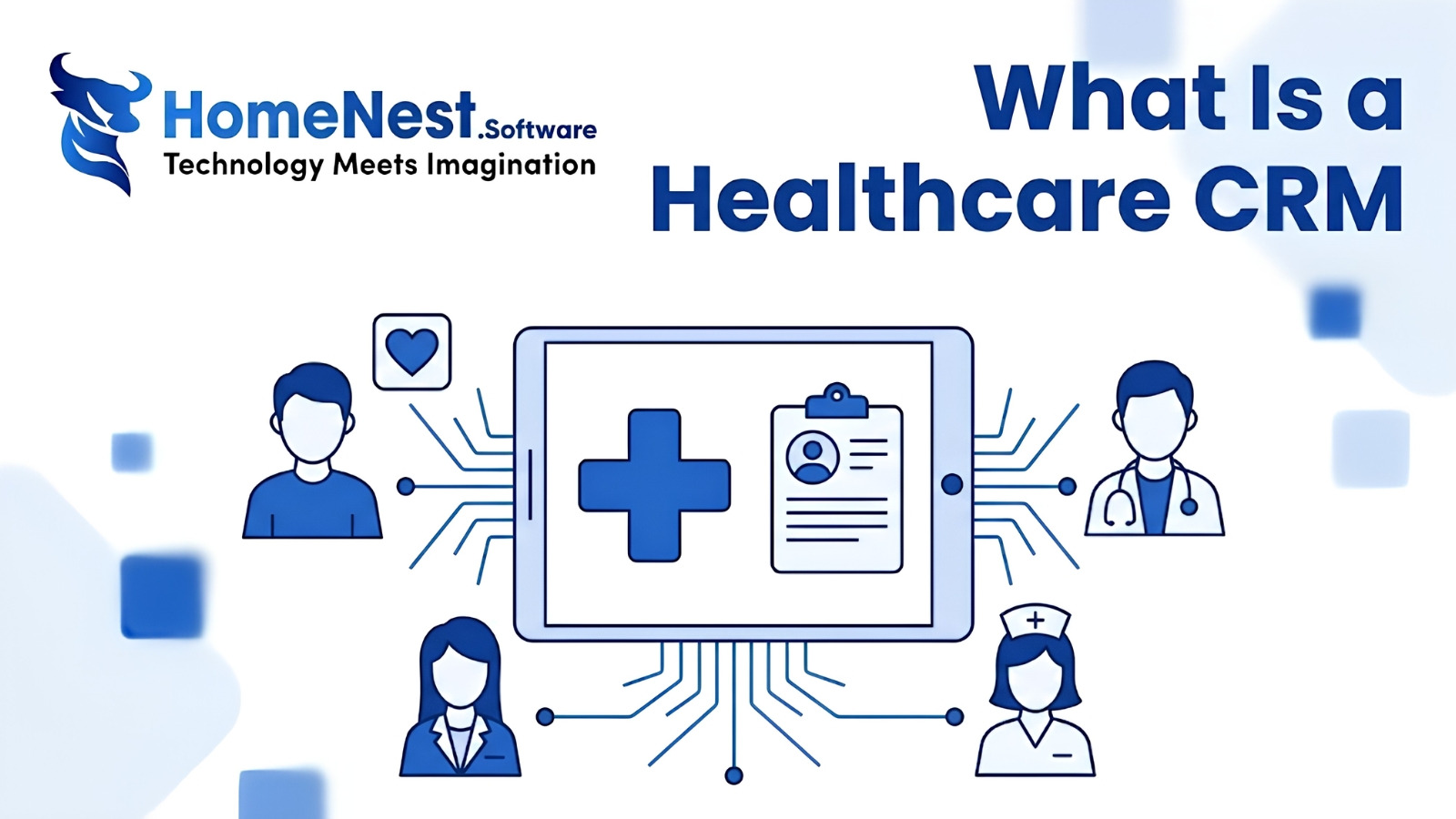
A healthcare CRM is a purpose built platform that helps clinics, hospitals, and medical organizations manage relationships with patients, insurers, and care partners. It centralizes patient data, automates communication workflows, and supports regulatory compliance such as HIPAA ultimately improving both operational efficiency and patient experience.
The growing demand for connected care highlights its importance. In 2024, U.S. health authorities reported that 69% of individuals managing chronic conditions accessed their health information online at least once, underscoring the need for systems that can seamlessly organize and coordinate these interactions.
More than just a data repository, healthcare CRM software is designed to strengthen patient engagement and loyalty. By tracking interactions, sending timely reminders, and personalizing communication, it helps patients stay on track with treatment plans, maintain continuity of care, and build long term relationships with trusted providers factors that directly contribute to better clinical outcomes.
Key Benefits of Healthcare CRM
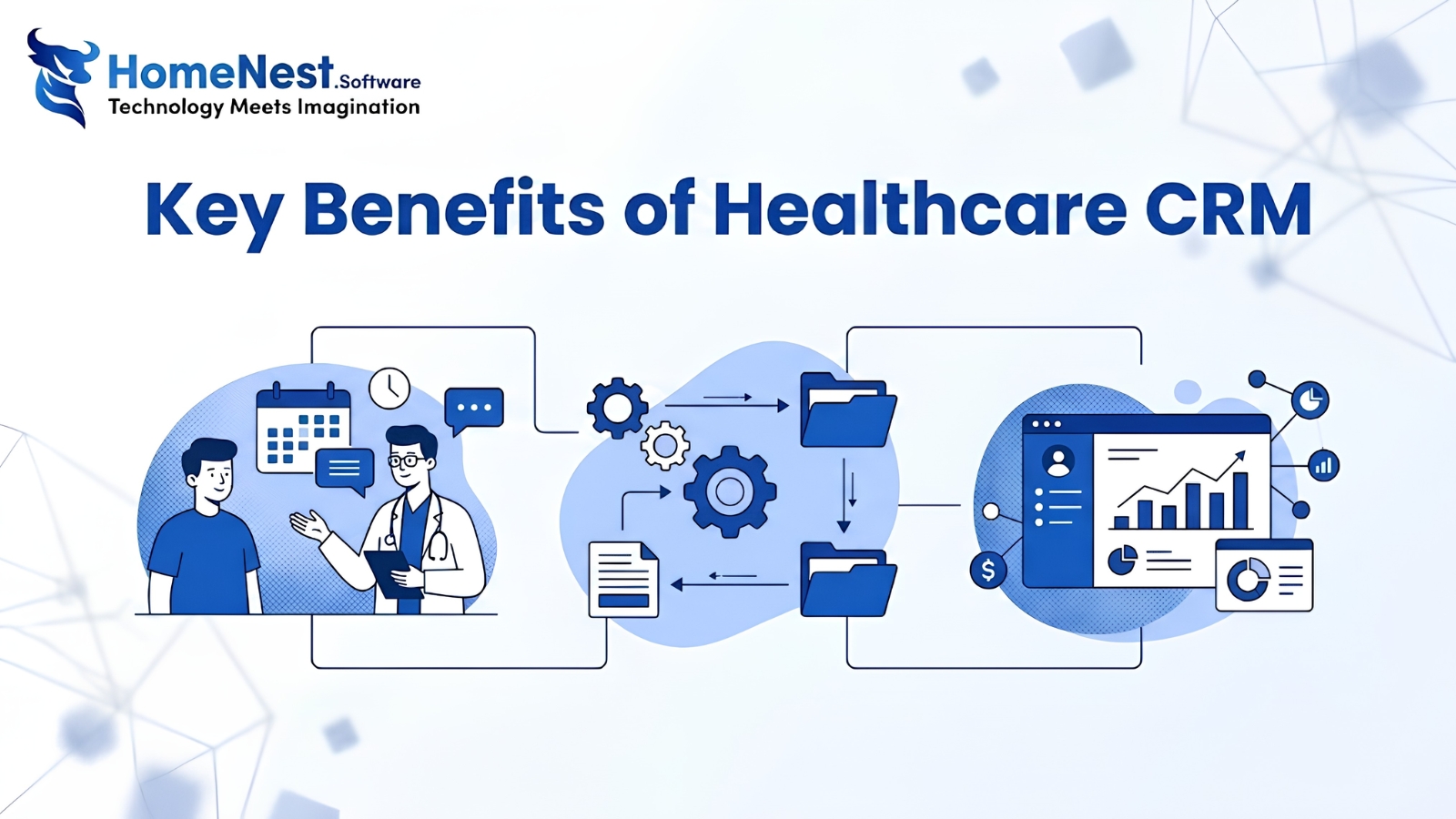
Implementing a healthcare CRM delivers tangible value for both providers and patients. Beyond improving internal operations, these systems enhance patient trust, streamline communication, and enable more personalized care experiences.
Centralized Patient Data Management
A modern healthcare CRM software platform consolidates medical records, appointment scheduling, and patient communications into a single, unified system.
This centralized view allows clinicians and staff to quickly access a patient’s history, preferences, and interactions supporting faster, more informed decision making. With a complete and accurate data foundation, providers can deliver more tailored treatment plans while maintaining compliance and consistency across the organization.
Stronger Patient Relationships and Retention
Leveraging CRM in the healthcare industry enables more consistent and personalized engagement. Automated reminders for appointments, follow ups, and test results help patients stay on track and feel supported throughout their care journey.
Evidence shows the impact: in a large scale study covering over 150,000 visits, sending just one additional text reminder reduced missed appointments by 7% in primary care and 11% in behavioral health.
Over time, these touchpoints build trust, improve satisfaction, and increase patient retention without adding extra workload for healthcare staff.
Enhanced Security, Privacy, and Compliance
A healthcare CRM must adhere to strict security standards and regulatory frameworks such as HIPAA. These systems are designed to protect sensitive patient data, reduce the risk of breaches, and ensure full compliance.
The importance of this is clear: the Change Healthcare cyber incident reported by U.S. HHS affected nearly 100 million individuals in 2024. By adopting secure CRM healthcare platforms, organizations can safeguard data while maintaining reliable, high quality service delivery.
Data Driven Insights into Patient Experience
Advanced healthcare CRM software development often includes analytics capabilities that track patient behavior, engagement, and care patterns.
These insights enable healthcare teams to better understand patient needs, optimize service delivery, and allocate resources more effectively. The result is improved care quality, higher satisfaction levels, and stronger clinical outcomes.
Reduced Bottlenecks and Improved Workflow Efficiency
A healthcare CRM significantly reduces operational friction by automating routine administrative tasks and streamlining workflows. From handling pre authorizations to managing payer coordination and patient pre registration, these systems eliminate many manual processes.
For providers, this means fewer scheduling conflicts, faster communication, and smoother coordination across departments. For patients, it translates into shorter wait times and more seamless experiences.
The impact is substantial prior authorization alone averages 39 requests per physician per week, consuming around 13 hours and often delaying care. With workflow automation, healthcare organizations can reclaim valuable time and focus more on delivering quality patient care.
Core Healthcare CRM Solutions for Hospital Networks
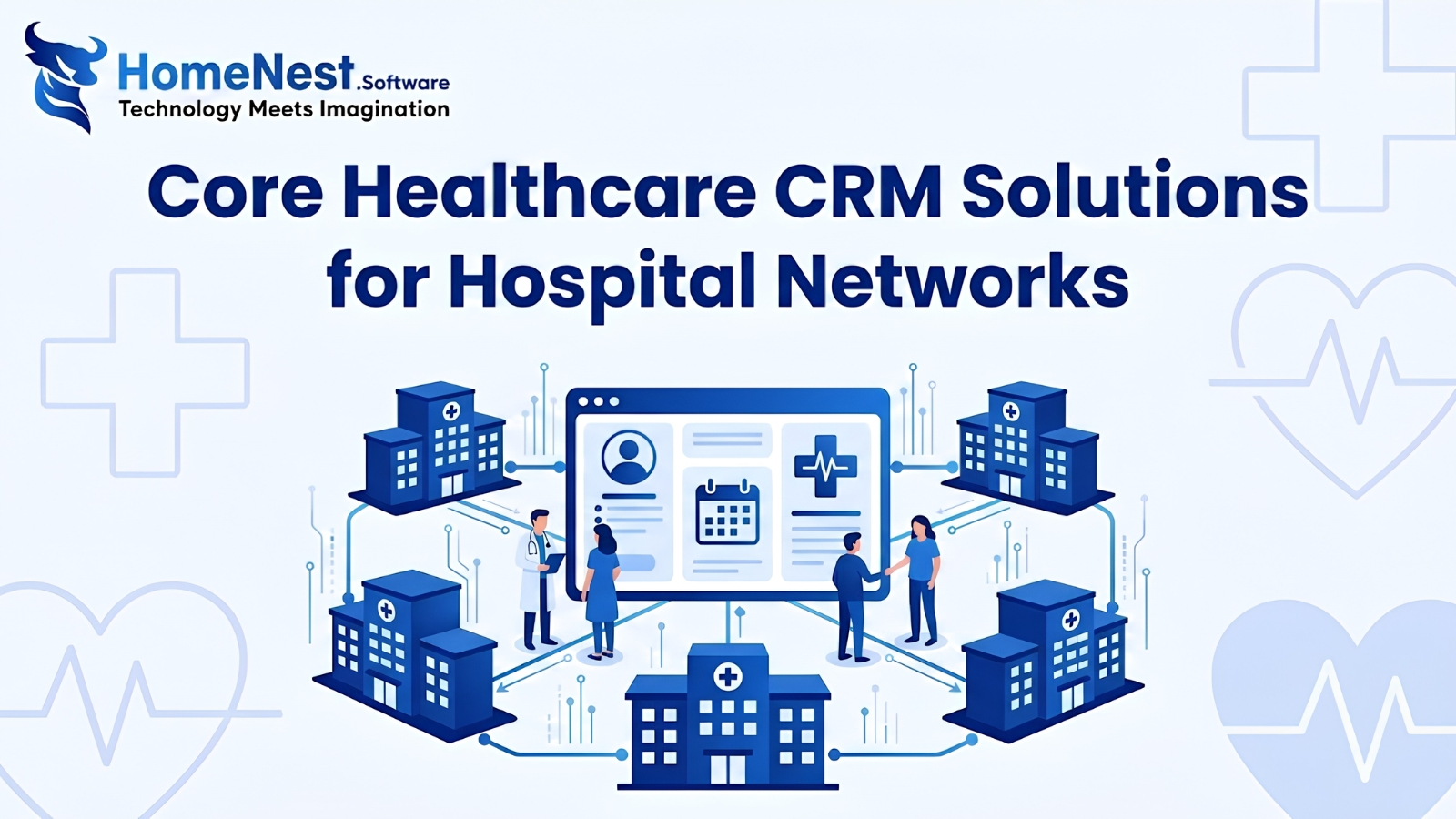
Choosing the right healthcare CRM system is a critical architectural decision. Instead of listing generic applications, we’ve curated a selection of top enterprise platforms equipped to handle complex clinical data workflows, comply with stringent regulations, and integrate custom middleware. Below is a technical overview of these leading systems.
Enterprise Grade Platforms for Large Health Systems
Large hospitals and multi site providers often require robust, scalable systems with deep integrations and advanced analytics.
- Epic Systems Corporation
A highly established platform trusted across hospitals and care networks. It offers centralized data management, patient portals, and real time collaboration across the Epic ecosystem. Ideal for organizations seeking a fully integrated, enterprise level solution.
- Salesforce Health Cloud
A cloud based CRM that delivers a unified patient view, advanced workflow automation, and AI powered insights (Einstein AI). Strong in care coordination and patient engagement but may require complex integrations and higher investment.
- Microsoft Cloud for Healthcare
Built within the Microsoft ecosystem, this platform enables data driven decision making, hybrid care delivery, and secure integration with tools like Azure and Microsoft Fabric. Best suited for organizations already using Microsoft infrastructure.
Flexible and Mid Market CRM Solutions
These platforms offer a balance between functionality and cost, making them suitable for growing healthcare organizations.
- Zoho for Healthcare
A versatile system supporting patient communication, scheduling, billing, and referrals. It’s flexible but may require additional setup for full compliance and integration. - Creatio
A no code platform that allows healthcare teams to customize workflows and manage patient journeys without heavy development effort. Ideal for organizations seeking flexibility and rapid deployment. - Bitrix24
A feature rich CRM with telehealth capabilities, communication tools, and workflow automation. Suitable for organizations looking for an all in one operational platform. - FreeAgent CRM
Designed for healthcare and life sciences, offering strong compliance, automation, and patient tracking features. A solid option for clinics needing structured workflows with secure data handling.
Specialized Healthcare CRM Solutions
These platforms focus on specific segments or use cases within the healthcare ecosystem.
- Healthgrades
Focuses on patient acquisition, engagement, and quality tracking. Particularly valuable for organizations aiming to improve visibility and measure clinical performance. - Optum
Provides CRM capabilities alongside analytics and care management tools. Strong in population health and managing high risk patient groups. - Trella Health
Tailored for post acute care providers, leveraging referral data and market insights to optimize operations in home health, hospice, and nursing care. - Actium Health
Uses AI (CENTARI platform) to uncover patient engagement opportunities and support targeted outreach strategies, especially for at risk populations. - LeadSquared
Combines CRM with marketing automation and patient acquisition tools. Suitable for clinics and hospitals focused on intake, engagement, and conversion optimization. - FreeCRM.com
A budget friendly, web based solution offering core CRM features with HIPAA compliance. Ideal for smaller practices looking for cost effective entry level tools.
Quick Comparison of Healthcare CRM Options
| Platform | Starting Price | Free Trial | Best For |
|---|---|---|---|
| Epic Systems | Contact vendor | No | Large hospitals, enterprise use |
| Salesforce Health Cloud | $325/user/month | Yes | Advanced CRM + AI |
| Zoho for Healthcare | Contact vendor | No | Flexible mid size organizations |
| Microsoft Cloud for Healthcare | From $95/user/month | No | Microsoft based ecosystems |
| Healthgrades | Contact vendor | No | Patient engagement & growth |
| Optum | Contact vendor | No | Population health management |
| Trella Health | Contact vendor | No | Post acute care providers |
| FreeCRM.com | Free plan available | No | Small practices |
| Bitrix24 | From $49/org/month | Yes | All in one operations |
| Creatio | From $25/user/month | Yes | No code customization |
| FreeAgent CRM | From $28/user/month | Yes | Compliance focused clinics |
| Actium Health | Contact vendor | No | AI driven engagement |
| LeadSquared | Contact vendor | No | Patient acquisition & automation |
What This Means for Healthcare Providers
The healthcare CRM landscape in 2026 is highly diverse, ranging from enterprise grade ecosystems to niche, AI driven platforms. The right choice depends on your organization’s size, technical capacity, compliance requirements, and long term digital strategy.
Providers that invest in the right CRM solution gain a significant advantage streamlined operations, stronger patient relationships, and data driven decision making that directly improves care delivery.
Top 13 Leading Healthcare CRM Software in 2026
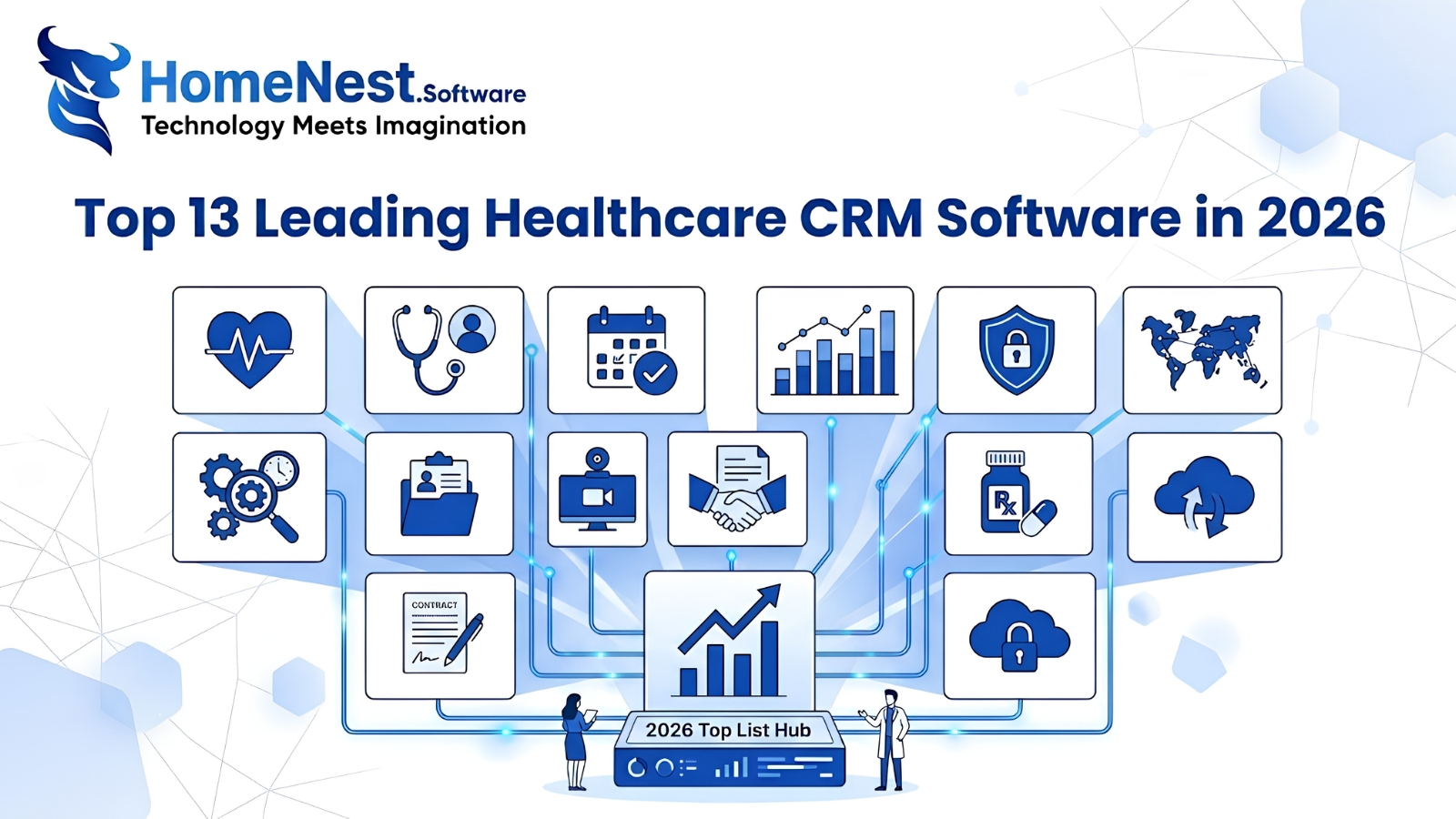
Selecting the right healthcare CRM software is a strategic decision that directly impacts patient engagement, operational efficiency, and regulatory compliance. In 2026, leading platforms go beyond basic contact management they integrate clinical data, automate workflows, and support secure, patient centric care delivery. Below is a detailed breakdown of the most prominent solutions, including their capabilities, strengths, and limitations.
Epic Systems Corporation
Epic Systems Corporation is one of the most established and widely adopted platforms in the healthcare industry. It is trusted by hospitals, rehabilitation centers, hospices, and urgent care facilities to manage patient data and communication at scale.
Epic enables patients to search for services, schedule appointments, and access treatment plans through its portal, while providers collaborate across the Epic Health System Community a global network that ensures seamless data sharing.
Its CRM capabilities allow care teams to align treatment strategies, manage billing, and optimize resource allocation.
Key Features:
- Unified data storage across departments
- Patient profiles and engagement tools
- Advanced reporting and analytics
- Configurable workflows
- System integrations and voice enabled tools
- Patient portals with self service capabilities
Pros:
- Centralized and digitized records
- Real time provider patient communication
- Meets HITRUST security standards
Cons:
- Requires technical expertise to manage
- Limited third party integrations
Salesforce Health Cloud
Salesforce Health Cloud provides a cloud based CRM designed to deliver a 360 degree view of patients. It enables providers to identify care gaps, manage referrals, and offer self service tools.
The platform supports complex scheduling scenarios, including multi participant bookings and automated workflows. It also integrates with EHR systems and includes AI capabilities through Einstein AI.
Key Features:
- Unified patient data and profiles
- Advanced analytics and reporting
- Workflow automation
- Extensive integration ecosystem
- Care management and interoperability tools
Pros:
- Highly extensible API ecosystem allowing custom middleware development for legacy system integration.
- Advanced predictive modeling capabilities powered by Einstein AI logic.
- Inherently robust Role Based Access Control suitable for complex hospital hierarchies.
Cons:
- Standard deployment often requires heavy custom apex coding to match specific clinical workflows.
- High volume data synchronization with legacy local servers can cause severe API rate limit bottlenecks without proper caching middleware.
Zoho for Healthcare
Zoho for Healthcare offers a flexible solution that supports patient communication, scheduling, billing, and referral management.
It enables healthcare providers to manage telecalling, home care coordination, and follow ups while centralizing patient data across departments.
Key Features:
- Patient profiles and communication tools
- Workflow automation
- Scheduling and queue management
- Electronic medical record support
- Integration capabilities
Pros:
- Strong collaboration across teams
- Built in intake and consent forms
Cons:
- Requires additional setup for integrations
- HIPAA compliance not included by default
Microsoft Cloud for Healthcare
Microsoft Cloud for Healthcare extends CRM capabilities within the Microsoft ecosystem. It enables providers to analyze clinical and operational data, improving decision making and care coordination.
It supports hybrid care models and omnichannel communication, allowing providers to engage patients across multiple platforms.
Key Features:
- Centralized data management
- AI powered analytics
- Workflow automation
- Integration with Azure and Microsoft tools
- Security and threat protection
Pros:
- Strong integration with Microsoft ecosystem
- Suitable for large organizations and insurers
Cons:
- Requires Microsoft infrastructure
- Full compliance depends on additional services
Healthgrades
Healthgrades focuses on patient acquisition, engagement, and quality tracking. It helps providers connect with patients actively searching for care while monitoring performance metrics.
Key Features:
- Patient communication workflows
- Scheduling and data capture tools
- Provider profiles and search visibility
- Quality tracking and reporting
Pros:
- Strong focus on care quality and outcomes
- HIPAA compliant AI tools (Medchat.ai)
Cons:
- Limited integrations
- Less detailed patient profiles
Optum
Optum delivers CRM capabilities combined with analytics and care management tools. It supports population health management and resource allocation for high risk groups.
Key Features:
- Centralized clinical and claims data
- Workflow automation
- Care planning tools
- Partner integrations
Pros:
- Strong analytics and population health tools
- Pre built assessment programs
Cons:
- Requires technical expertise
- Some features depend on external systems
Trella Health
Trella Health is tailored for post acute care providers such as home health and hospice organizations.
It uses referral data and market insights to optimize operations and improve patient acquisition strategies.
Key Features:
- Referral tracking and analytics
- Mobile reporting tools
- GPS mapping
- Integration with EHR systems
Pros:
- Specialized for post acute care
- Strong mobile capabilities
Cons:
- Limited to specific use cases
- Workflow navigation can be complex
FreeCRM.com
FreeCRM.com offers a web based, cost effective CRM solution with HIPAA compliance.
It supports patient data management, billing, and workflow tracking through a centralized dashboard.
Key Features:
- Contact and patient data tracking
- Workflow automation
- Lead management
- Web form creation
Pros:
- Free plan available
- Flexible customization
Cons:
- Limited features in base version
- Requires third party tools for integrations
Bitrix24
Bitrix24 is an all in one CRM that includes telehealth, communication tools, and workflow automation.
It allows providers to manage patient interactions across multiple channels and automate scheduling and notifications.
Key Features:
- Contact Center for communication
- Workflow automation
- Telehealth and video calls
- Document management
Pros:
- Flexible deployment (cloud or self hosted)
- Wide feature set
Cons:
- Limited functionality in free plan
- HIPAA compliance requires additional setup
Creatio
Creatio is a no code CRM that allows healthcare organizations to customize workflows without heavy development.
Key Features:
- Unified data management
- Workflow automation
- No code customization
- CRM modules for flexibility
Pros:
- Easy to customize
- Includes business process management tools
Cons:
- Limited native integrations
- Costs increase with additional modules
FreeAgent CRM
FreeAgent CRM is designed for healthcare, biotech, and life sciences organizations handling sensitive data.
Key Features:
- Patient data tracking
- Workflow automation
- Task prioritization
- Document management
Pros:
- Strong compliance features
- No need for third party vendors
Cons:
- Limited free plan
- AI features require premium tiers
Actium Health
Actium Health uses AI to identify patient engagement opportunities and improve outreach strategies.
Key Features:
- AI powered analytics (CENTARI)
- Patient segmentation
- Workflow automation
- Integration tools
Pros:
- Combines clinical and behavioral data
- Strong for population health strategies
Cons:
- Limited integrations
- Focused on specific patient groups
LeadSquared
LeadSquared combines CRM with marketing automation and patient acquisition tools.
Key Features:
- Patient intake and scheduling
- Lead tracking and segmentation
- Communication tools
- Analytics and reporting
Pros:
- Strong automation capabilities
- Mobile friendly
Cons:
- Advanced features require higher tier plans
- Some integrations need add ons
The healthcare CRM landscape in 2026 is diverse, ranging from enterprise ecosystems like Epic and Salesforce to specialized AI driven platforms like Actium Health. Each solution serves different needs from large hospital networks to niche care providers.
The key is not choosing the most powerful tool, but selecting the one that aligns with your clinical workflows, compliance requirements, and long term digital strategy.
Organizations that make the right choice will gain a significant advantage in patient engagement, operational efficiency, and data driven care delivery.
Key Features of Healthcare CRM Software
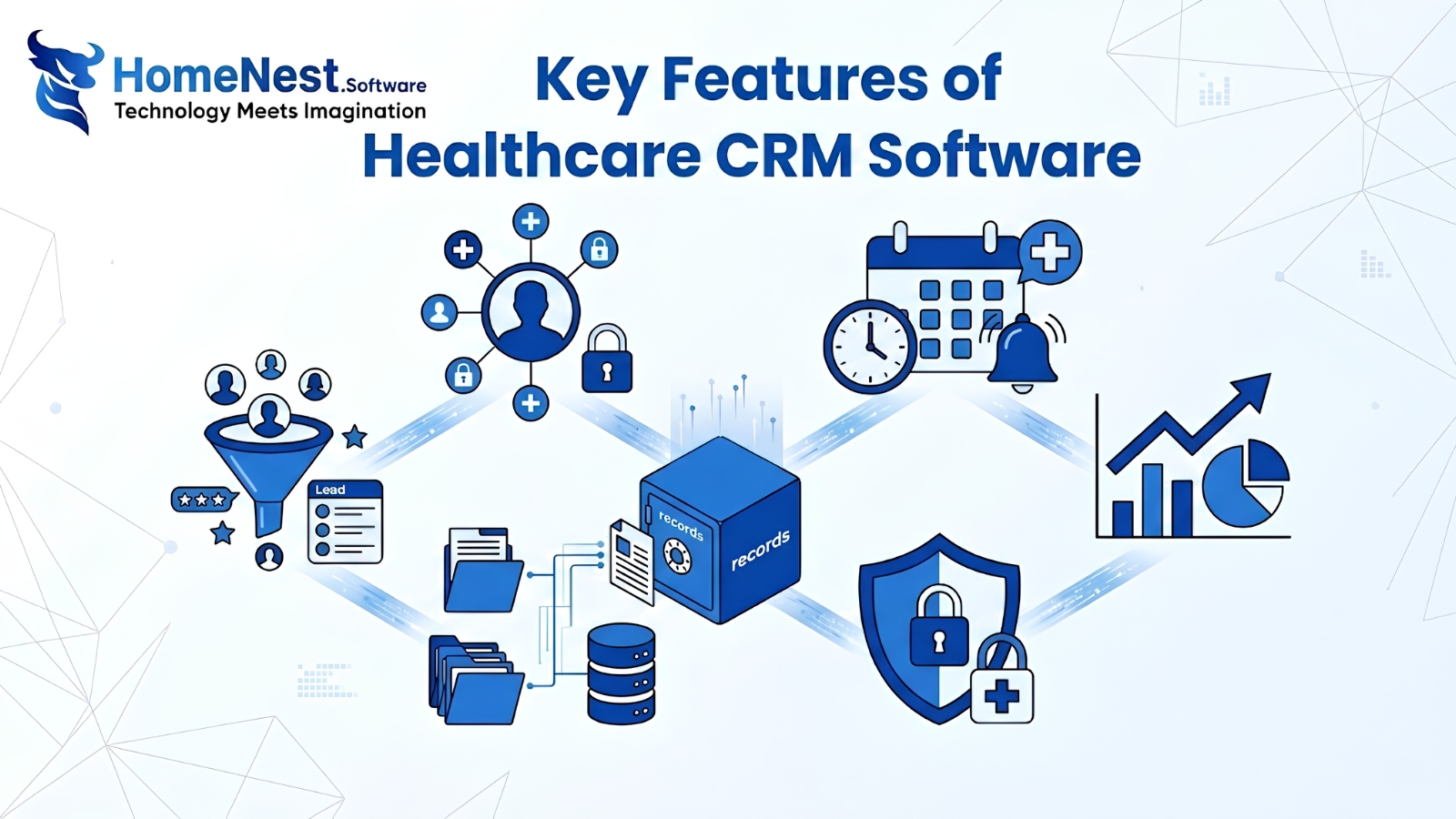
Choosing the right healthcare CRM software whether off the shelf or custom built requires a clear understanding of the core features that directly impact patient care, operational efficiency, and compliance. The following capabilities are essential for modern healthcare organizations.
Managing Patient Information
A robust healthcare CRM enables providers to manage critical patient data, including appointments, prescriptions, billing records, and sensitive medical documents, within a single system.
By centralizing this information, care teams can collaborate more effectively, ensuring that every stakeholder from clinicians to administrative staff has access to accurate, up to date data.
An effective platform should also integrate fragmented data from multiple sources, eliminating silos and enabling a complete view of each patient. This unified approach supports better decision making and more personalized care delivery.
Reporting and Data Analytics
Advanced reporting and analytics are key components of healthcare CRM software, providing visibility into essential performance metrics such as patient satisfaction, appointment adherence, and treatment outcomes.
With these insights, healthcare leaders can identify trends, optimize workflows, and continuously improve service quality.
Customizable dashboards further enhance usability, allowing teams to monitor real time data, generate reports, and share insights across departments supporting both clinical excellence and operational efficiency.
CRM Integrations for Healthcare Providers
Seamless integration is critical for any healthcare CRM. The system should connect easily with core technologies such as electronic health records (EHRs), billing systems, and telehealth platforms.
These integrations ensure consistent data flow across departments and enable different systems to work together in real time.
For organizations, this reduces manual data entry, minimizes errors, and improves coordination between clinical, financial, and administrative functions resulting in smoother, more efficient operations.
Protecting Data Security and Privacy
Data security is a non negotiable requirement for any CRM for healthcare providers. Platforms must comply with strict regulations such as HIPAA and similar global standards to protect sensitive patient information.
This includes implementing strong encryption, role based access controls, and regular security audits.
By prioritizing privacy and compliance, healthcare organizations can reduce the risk of data breaches while building trust with patients ensuring that every interaction is secure and confidential.
How to Choose the Right Healthcare CRM
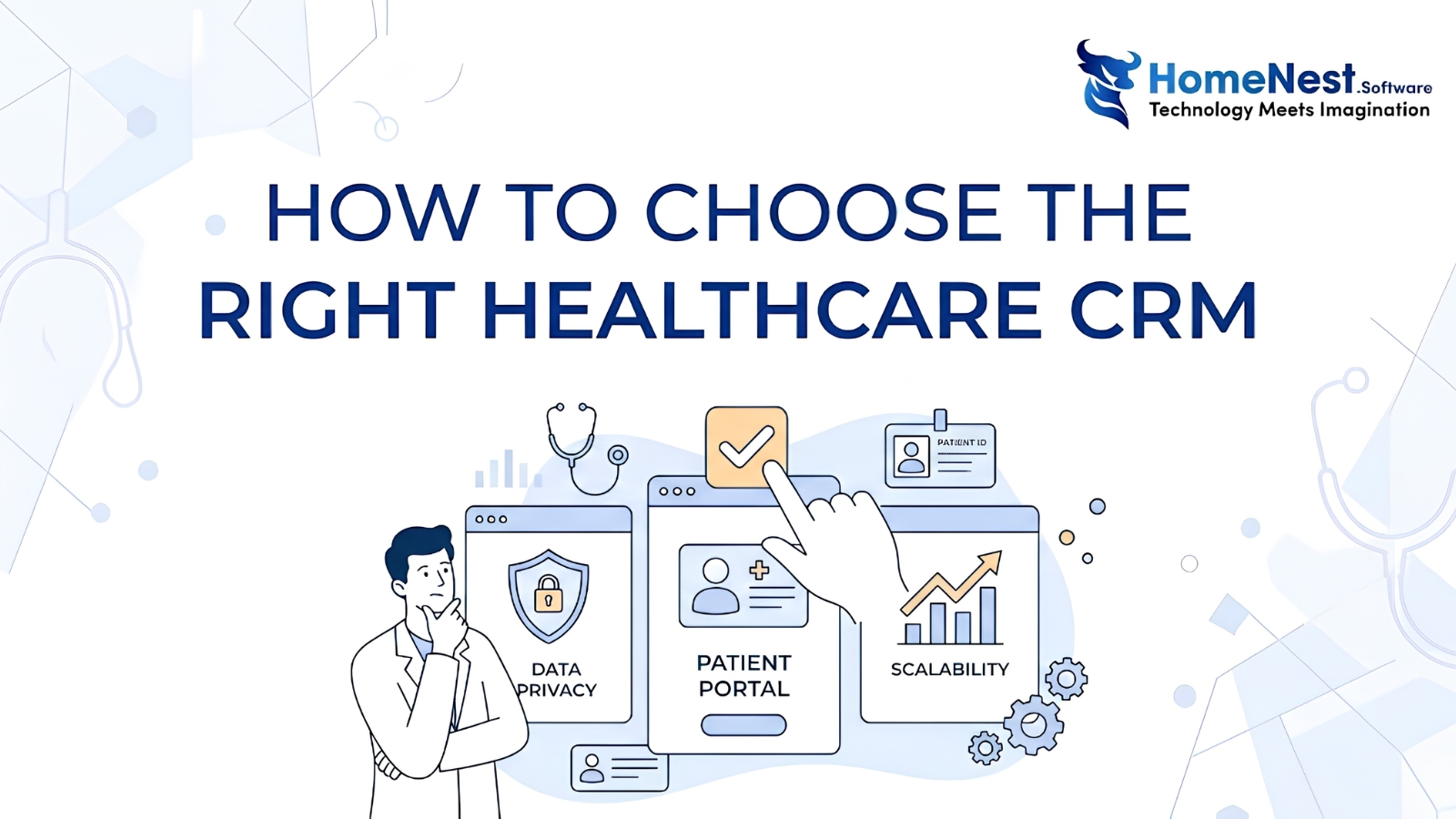
Selecting the right healthcare CRM software requires a structured evaluation of factors that directly influence patient care, operational performance, and long term scalability.
Evaluate AI Capabilities
A modern healthcare CRM should go beyond basic data management by incorporating AI driven features such as predictive analytics, workflow automation, and intelligent patient engagement tools. These capabilities help reduce manual workloads, improve decision making, and enhance the overall patient experience.
Ensure HIPAA Compliance and Security
Security is a critical requirement. The platform must comply with HIPAA and similar regulations, offering features such as data encryption, secure storage, and role based access controls. This ensures that sensitive patient information remains protected at all times.
Prioritize Usability and User Experience
Ease of use is essential, especially in fast paced clinical environments. A well designed interface allows healthcare staff to navigate the system efficiently, reducing training time and minimizing the risk of errors during daily operations.
Assess Total Cost of Ownership
When evaluating a healthcare CRM, it is important to look beyond initial subscription fees. Consider the full cost structure, including implementation, customization, upgrades, maintenance, and ongoing support. This helps ensure the solution aligns with both current needs and long term budget planning.
Make a Strategic, Long Term Choice
By carefully assessing these factors, organizations can select a CRM in the healthcare industry that not only meets compliance requirements but also improves efficiency, supports scalable growth, and delivers better patient outcomes.
Upgrade Your Patient Experience with HomeNest Software
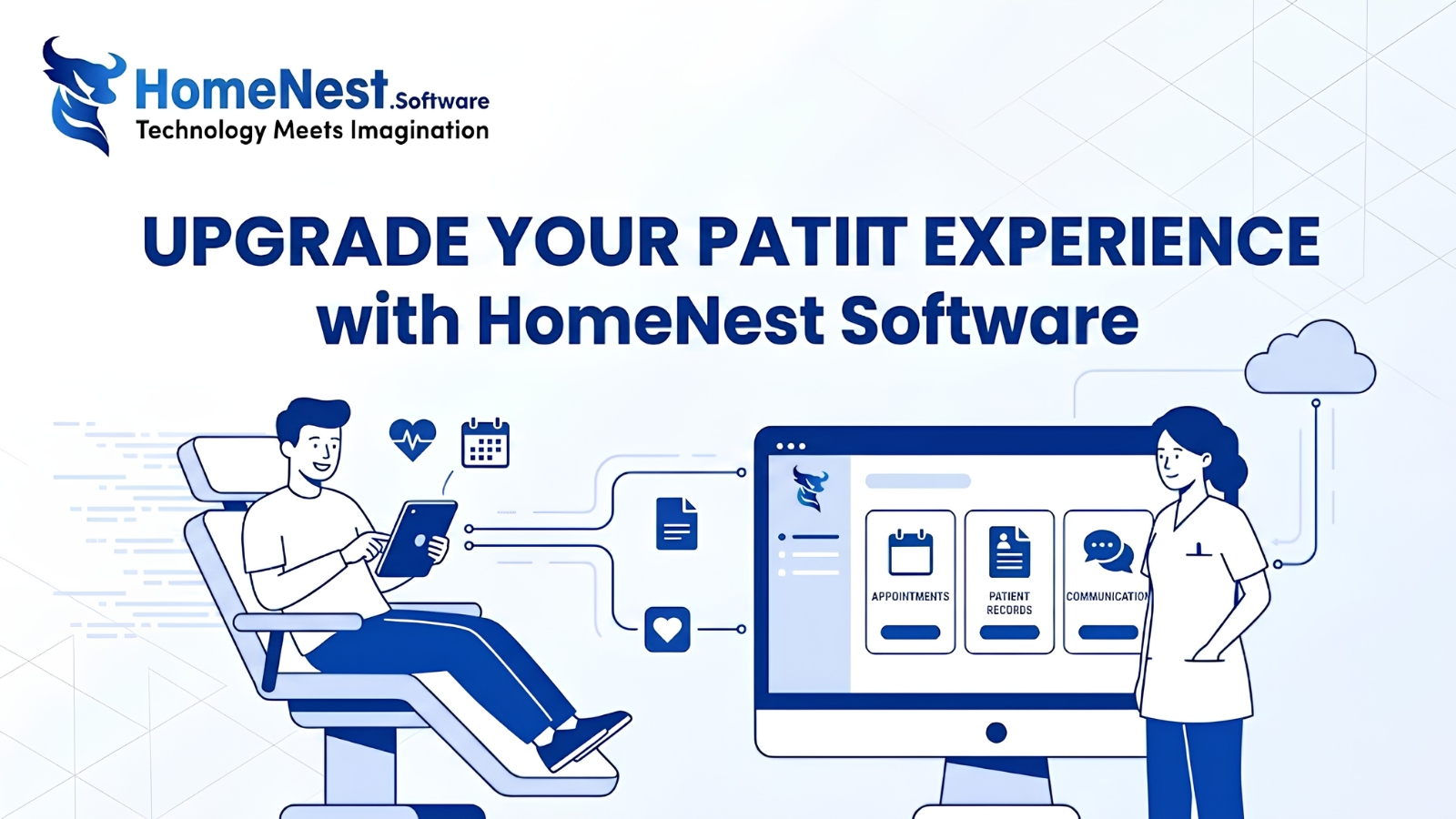
Enterprise platforms like Salesforce or Epic provide powerful foundations, but they are rarely plug and play solutions. Forcing your clinical workflows to fit out of the box software always leads to operational friction.
HomeNest Software acts as your specialized engineering partner. We do not sell generic CRM licenses. We architect custom FHIR compliant middleware, secure patient portals, and automated data pipelines that connect these massive CRM platforms directly to your fragmented legacy systems. Our engineering teams transform isolated software into a unified, secure digital health ecosystem.
End to End Healthcare Solutions Built for Impact
We develop comprehensive platforms that go beyond standard CRM capabilities, including:
- Hospital visitor management systems integrated with medical devices and billing workflows
- Role based dashboards that give clinicians real time access to relevant patient data
- Telehealth and video consultation platforms enabling patients to book appointments, consult doctors, and receive prescriptions remotely
These solutions help reduce overcrowding, streamline operations, and expand access to care.
Unified Data, Stronger Compliance, Better Outcomes
With deep expertise in CRM, cloud infrastructure, and data security, HomeNest Software ensures:
- A unified patient view across systems
- HIPAA compliant data management
- Actionable insights that improve communication and reduce no shows
The result is faster access to care, more efficient workflows, and a consistently better patient experience.
Built for Scale and the Future
Our capabilities across mobile, web, and Salesforce development enable healthcare organizations to adopt technology that is secure, scalable, and future ready.
Partnering with HomeNest Software means more than implementing a system it means building a foundation for modernized operations, stronger compliance, and long term patient trust.
Conclusion
Choosing the right healthcare CRM enables providers to streamline operations, ensure HIPAA compliance, and deliver a seamless, connected patient experience at every touchpoint. With centralized data and intelligent integrations, organizations can enhance patient satisfaction while reducing administrative burden.
At HomeNest Software, we build secure, scalable solutions that unify patient records, enable real time communication, and drive long term value for healthcare teams. Ready to elevate your patient experience? Contact us today to get started.
FAQs for Healthcare CRM Software
What is a healthcare CRM?
A healthcare CRM is a system designed to manage patient relationships, communication, and data across healthcare organizations. It centralizes information, automates workflows, and supports compliance with regulations like HIPAA.
Why do healthcare providers need a CRM?
Healthcare providers use CRM systems to improve patient engagement, streamline administrative tasks, and ensure consistent communication. This leads to better care coordination, fewer missed appointments, and improved patient satisfaction.
What features should a healthcare CRM include?
Key features include patient data management, appointment scheduling, workflow automation, analytics, system integrations (EHR, billing, telehealth), and strong security measures for compliance.
Is healthcare CRM software HIPAA compliant?
Not all CRM platforms are HIPAA compliant by default. Providers must choose systems that include encryption, secure data storage, access controls, and compliance certifications to protect patient information.
How does a healthcare CRM improve patient experience?
A healthcare CRM enables personalized communication, timely reminders, and seamless interactions across channels. This helps patients stay engaged, follow treatment plans, and receive care more efficiently.
Can small clinics use healthcare CRM systems?
Yes. Many healthcare CRM solutions are scalable and cloud based, making them suitable for small clinics as well as large hospital systems.
How much does a healthcare CRM cost?
Costs vary depending on the platform, features, and level of customization. Pricing can range from affordable subscription plans to enterprise level investments with additional integration and support costs.
What is the difference between CRM and EHR in healthcare?
An EHR (Electronic Health Record) focuses on clinical data and patient medical history, while a CRM focuses on patient engagement, communication, and relationship management. Many modern systems integrate both.
How long does it take to implement a healthcare CRM?
Implementation timelines vary based on complexity, integrations, and customization needs. It can range from a few weeks for simple setups to several months for enterprise deployments.
How can HomeNest Software support healthcare CRM development?
HomeNest Software provides end to end services, from consulting and design to development and integration, delivering secure, scalable, and compliant healthcare CRM solutions tailored to your organization’s needs.
Latest Articles
View All
Criteria For Choosing The Right App Design Agency
UI/UX design is the logical foundation of a system, not merely a visual element. Choosing the wrong partner will directly lead to technical debt, budget overruns, and disruptions in the development process. This article provides a 6-step evaluation framework and a list of operational risks, helping businesses eliminate subjective design advice and accurately assess agency capabilities based on developer handoff standards and practical business performance.
How Does AI in Banking Industry Impact the Future?
Artificial intelligence (AI) has transitioned from a supplementary tool to a core infrastructure of financial data management, optimizing profitability through real-time fraud detection, natural language processing (NLP), and high-speed credit scoring models. “Deploying AI in the financial sector requires more than just algorithmic accuracy, it demands a highly secure cloud architecture and rigorous data governance,” commented Nguyen Tien, co-founder of HomeNest Software. Why read this guide? We skip the theoretical jargon to focus entirely on technical implementation. Whether you’re evaluating a vendor or planning a system overhaul, this article will detail: Operational Efficiency: Automating unstructured data workflows at scale. Risk Architecture: Implementing real-time threat detection and AML compliance. Data ownership: The essential need for 100% ownership of the source code to ensure full algorithm auditability.
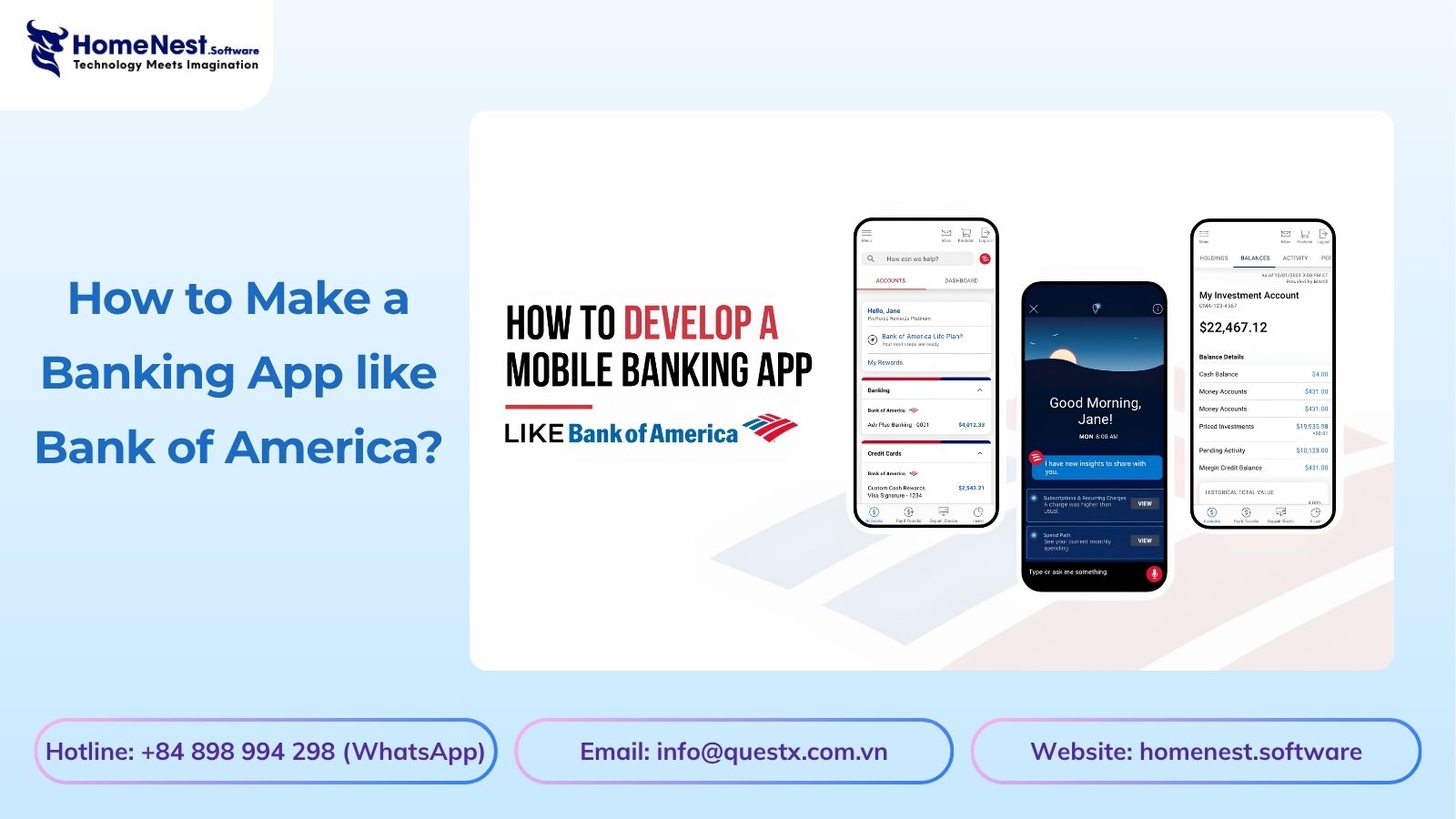
How to Make a Banking App like Bank of America?
Developing a mobile banking application like Bank of America extends far beyond basic UI design; it requires engineering a fault-tolerant backend capable of real-time ledger synchronization, biometric authentication, and high-volume data processing under strict regulatory frameworks. Drawing from HomeNest Software’s deep experience in architecting enterprise-grade fintech solutions, this guide strips away theoretical jargon to focus entirely on operational and technical execution. What you will find in this guide: We break down the precise development roadmap, from mapping out microservices and ensuring PCI-DSS compliance to estimating MVP development costs and securing absolute data sovereignty through 100% source code ownership. If you are preparing to build, scale, or audit a financial platform, this blueprint provides the exact framework you need.
Banking App Development Cost
Building a banking application is rarely a simple process; it’s a complex technical challenge requiring a balance between complying with stringent financial regulations, handling large transaction volumes, and a scalable cloud architecture. Miscalculating these technical requirements from the outset often leads to significant technical debt and budget overruns. Based on HomeNest Software’s practical experience in designing enterprise-grade fintech solutions, this guide bypasses generic estimates to provide a realistic analysis of banking application development costs. What you’ll find in this guide: We analyze the true cost factors, from technology selection and API integration to the hidden costs of regulatory compliance and security infrastructure. Whether you’re launching a minimum viable product or expanding an existing financial platform, this analysis provides the precise operational data you need to plan your budget effectively.
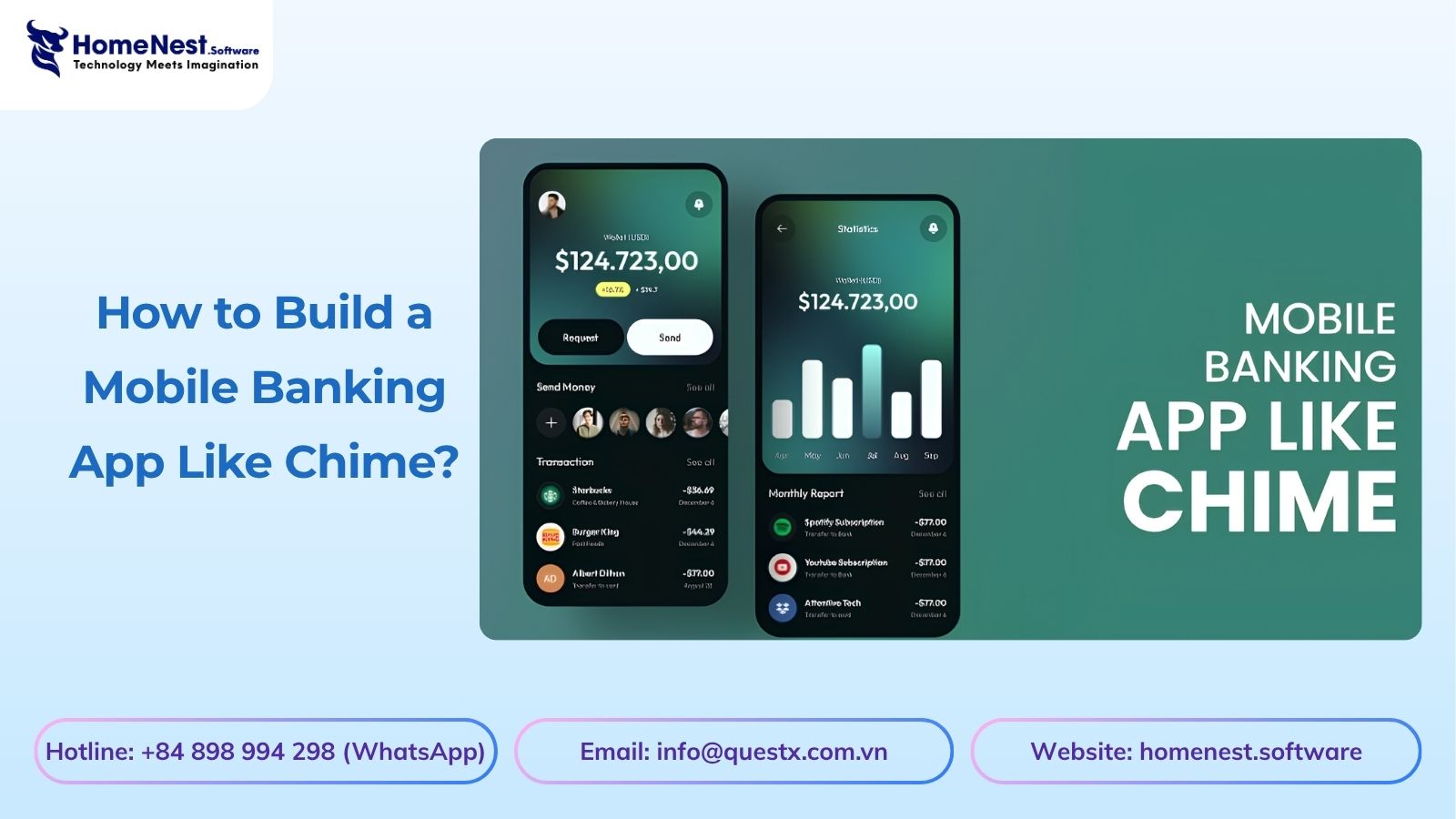
How to Build a Mobile Banking App Like Chime?
Building a mobile banking app like Chime is not just about features, it is about delivering a secure, scalable, and user-centric financial experience. From planning the right architecture to optimizing mobile banking app development cost, every decision directly impacts your product’s success. Leveraging Fintech app development services, starting with MVP app development, and scaling through on-demand app development solutions allows businesses to reduce risk and accelerate time to market. To stay competitive, combining Android app development services and iOS app development solutions ensures wider reach, while continuous updates through maintenance software development services keep your app secure and future-ready.
How to Build a Banking App Like Barclays: A Complete Entrepreneur’s Guide
Building a banking app like Barclays requires more than just development. It demands a strong product vision, secure architecture, and a clear monetization strategy. From optimizing cost and selecting the right tech stack to ensuring compliance and scalability, every decision impacts long-term success. Partnering with an experienced team like HomeNest Software helps accelerate development, reduce risks, and deliver a high-quality fintech product that can compete in today’s fast-evolving digital banking landscape.