
SaaS Software Development: Complete Guide for Businesses
SaaS software development is not just about building a cloud-based product—it is about creating a scalable, secure, and continuously evolving solution that aligns with real user needs. By starting with a clear strategy, choosing the right tech stack, and focusing on long-term performance and flexibility, businesses can reduce risks and unlock sustainable growth. The key to success lies in building fast, learning from users, and scaling intelligently as demand increases.
Scope of Work
SaaS software development enables businesses to reduce setup time, optimize costs, and scale efficiently. However, many teams still struggle to choose the right approach or build a product that truly evolves with user needs. In this guide, HomeNest Software walks you through the complete journey helping you plan more effectively, avoid common pitfalls, and develop a solution that aligns with your long term goals.
What Is SaaS Software Development?
SaaS software development refers to the process of designing, building, deploying, and maintaining applications that are delivered over the internet as hosted services. Instead of installing software on individual devices, SaaS applications run in the cloud and are accessed through web browsers or mobile interfaces, making them easy to use and maintain. This delivery model has become a cornerstone of modern SaaS development, redefining how software is distributed and consumed.
The scale of this market highlights its importance. Recent research estimates that the global Software as a Service market reached $266.23 billion in 2024 and is projected to grow to $1,131.52 billion by 2032, reflecting strong long term demand for cloud based solutions.
Developing SaaS products requires more than just coding. It demands solid engineering capabilities, deep expertise in cloud infrastructure, and a clear understanding of user needs and market trends. When these elements are aligned, businesses can create solutions that are reliable, scalable, and well positioned for sustained growth.
How SaaS Works and Why It Matters Today
SaaS has become a fundamental part of modern business operations. Industry research suggests that by 2025, nearly 85% of business applications will be delivered through SaaS platforms, making it the default model for software adoption. This shift reflects the growing demand for solutions that are flexible, cost efficient, and easy to scale as business needs evolve.
At its core, SaaS works by hosting applications in the cloud and delivering them to users over the internet. This eliminates the need for complex installations and allows teams to access software anytime, from any device. As a result, businesses can adapt quickly to changing market conditions while maintaining operational continuity.
SaaS platforms offer several key advantages:
- Simple access through browsers or mobile apps
- Fast deployment with minimal setup requirements
- Automatic updates without disrupting users
- Strong security and centralized data management
- Seamless integrations with other tools and systems
The impact of SaaS is evident in everyday operations. A recent SaaS management report found that the average company used 106 SaaS applications in 2024, highlighting how deeply these tools are embedded in modern workflows. This widespread adoption enables organizations to innovate faster, reduce infrastructure costs, and focus more on core business activities.
The rise of SaaS has significantly transformed how companies use and manage software. It has driven a shift away from traditional systems toward more agile, service based solutions that support continuous improvement and scalability.
Understanding how SaaS works provides the foundation for exploring its broader impact and sets the stage for comparing SaaS applications with traditional web based solutions in the next section.
SaaS Apps Compared to Web Apps
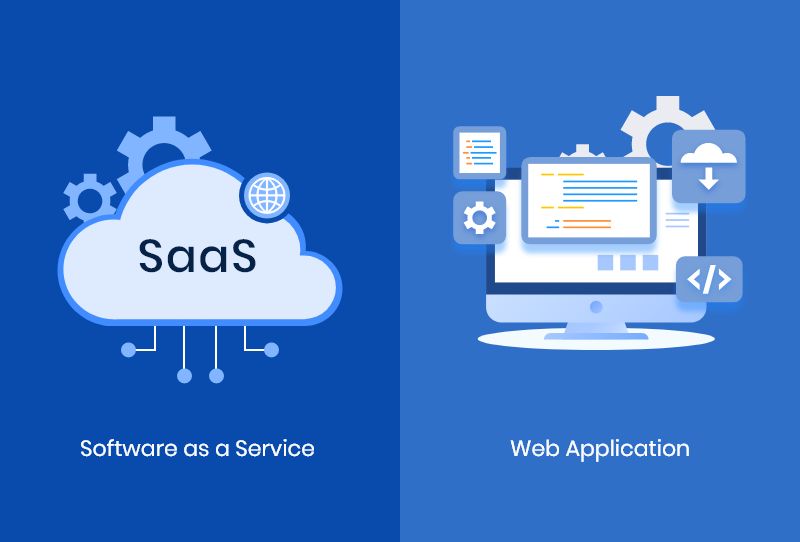
In the software landscape, SaaS applications and web applications are often confused, but they differ significantly in structure, scalability, and business model.
SaaS applications are designed to deliver complete software solutions through the cloud, typically using a subscription based model. Users can access these platforms without managing infrastructure, making them highly scalable and cost efficient.
Web applications, on the other hand, are generally simpler. They run in a browser and often focus on a specific function, without the advanced architecture and scalability that SaaS platforms provide.
Key Differences
| SaaS Apps | Web Apps |
|---|---|
| Operate on cloud based infrastructure | Run on a hosted server and are accessed via a browser |
| Accessible through browsers or dedicated interfaces | Typically accessed only through a browser |
| Use a multi tenant architecture for efficient resource sharing | Usually built on a single tenant backend |
| Designed for scalability and continuous updates | Limited scalability and fewer upgrade capabilities |
Understanding these differences helps businesses choose the right approach when building new products or selecting technologies that align with their operational needs and long term growth strategy.
SaaS Software Development Process: 8 Essential Steps
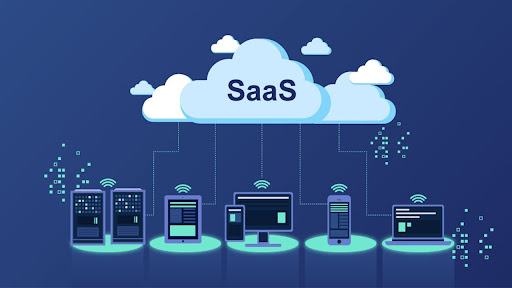
A successful product built through SaaS software development requires structured planning and disciplined execution. Startup teams must carefully follow each stage of the SaaS software development lifecycle, as it guides the journey from initial concept to a fully functional, scalable solution.
Below is a practical 8 step process that ensures a smooth and effective SaaS product launch.
Step 1: Market Research and Concept Validation
The process begins with a deep understanding of the target audience and competitive landscape. This stage focuses on identifying user needs, defining customer segments, and validating whether the core idea addresses a real problem.
The goal is to gather meaningful market signals that confirm demand before committing significant resources.
Expert tip:
Create a simple landing page to test your MVP concept. Drive traffic to it and track conversion metrics to validate interest early.
Step 2: Defining the Scope
At this stage, the team defines the core features that will shape the MVP. This involves prioritizing functionalities based on user needs and business objectives, then translating them into clear user stories with defined acceptance criteria.
A well defined scope ensures alignment between stakeholders and provides developers with a clear execution roadmap.
Expert tip:
Use low fidelity wireframes to support user stories. This helps visualize workflows and maintain a focused, manageable product backlog.
Step 3: UI and UX Design
Design plays a critical role in SaaS products, where usability directly impacts adoption. The focus should be on creating intuitive, streamlined user experiences that guide users through key actions effortlessly.
This stage includes building high fidelity prototypes, establishing a design system, and conducting usability testing to refine user flows.
Expert tip:
Adopt a mobile first approach, as more users access SaaS platforms via mobile devices. Ensure your tech stack supports responsive design.
Step 4: Choosing a Monetization Strategy
A clear monetization model is essential for long term sustainability. Common approaches include subscription plans, freemium models, usage based pricing, or hybrid strategies.
Selecting the right model early helps align product development with revenue goals and market expectations.
Expert tip:
Use A/B testing to evaluate pricing strategies and analyze competitor models to identify opportunities for differentiation.
Step 5: Building the Tech Stack
Choosing the right technology stack is a foundational decision that affects performance, scalability, and maintainability.
This includes selecting:
- Frontend and backend frameworks
- Cloud infrastructure
- CI/CD pipelines for continuous delivery
A well integrated stack ensures smooth development and efficient deployment.
Expert tip:
Leverage proven technologies such as Node.js for backend, React for frontend, and cloud platforms like AWS or Azure to ensure stability and scalability.
Step 6: MVP Development
The goal of MVP development is to deliver a functional product quickly and validate core features in real world conditions.
Instead of building a fully featured solution, teams focus on essential functionalities that solve the primary user problem. Early feedback then guides future improvements.
Expert tip:
Avoid feature overload at this stage. Keep the product focused and aligned with your core value proposition.
Step 7: Testing and Gathering Insights
SaaS products must perform reliably across multiple environments, including different browsers, devices, and operating systems.
This stage includes:
- Functional testing
- Load and stress testing
- API integration testing
- Security validation
Collecting user feedback is equally important to refine the product.
Expert tip:
Establish continuous feedback loops through surveys, interviews, and direct user interaction to drive meaningful improvements.
Step 8: Scaling the SaaS Product
Once the MVP is validated, the focus shifts to scaling. This involves expanding features, optimizing performance, and enhancing user experience to support a growing user base.
The objective is to evolve from a basic product into a robust, market ready solution.
Expert tip:
Ensure your infrastructure can handle increased traffic and data loads. Continuously monitor performance and address bottlenecks as the system grows.
Following a structured SaaS software development process helps reduce uncertainty, improve product quality, and accelerate time to market. With the right strategy and technical foundation, startups can confidently launch, iterate, and scale their SaaS solutions in a competitive landscape.
SaaS Software Development at HomeNest Software
HomeNest Software supports businesses in transforming SaaS concepts into stable, scalable, and production ready products. Our teams work with modern cloud platforms, advanced technology stacks, and complex system integrations to deliver solutions built for long term growth. From initial discovery to design, development, testing, and continuous optimization, we ensure every SaaS product is reliable and ready for real world usage.
What HomeNest Software Delivers for Your SaaS Project
- Experienced SaaS engineering teams with strong expertise in cloud infrastructure, multi tenant architecture, and high availability systems
- End to end delivery capabilities, covering business analysis, UI/UX design, backend and mobile development, quality assurance, DevOps, and ongoing maintenance
- Advanced integration expertise, including CRM systems, ERP platforms, third party APIs, and legacy system modernization
- Security first approach, ensuring data protection, privacy compliance, and adherence to industry standards
- Proven cross industry experience, with successful implementations in healthcare, workforce management, eCommerce, and enterprise automation
HomeNest Software partners with both startups and enterprises to build SaaS products that scale efficiently, maintain consistent performance, and remain easy to manage as user demand grows.
Contact us today to start your SaaS journey with a trusted technology partner.
Benefits of SaaS Software Development
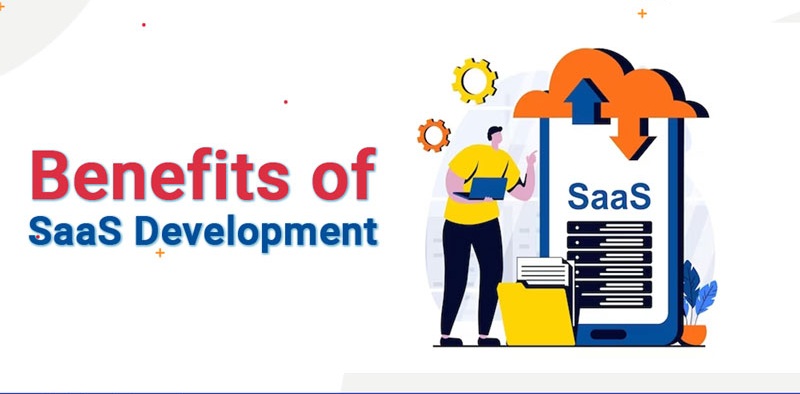
The growing adoption of SaaS reflects the tangible value it delivers to both businesses and end users. Before diving deeper into SaaS software development, it is important to understand the core advantages that make this model so effective.
Easy Access
Unlike traditional software that requires installation on individual devices, SaaS applications are accessible through a browser and an internet connection. This eliminates compatibility issues and allows users to access the system anytime, from anywhere, without additional setup. Such convenience is a key reason why many businesses rely on SaaS solutions in daily operations.
Minimal Hardware Requirements
SaaS solutions are hosted in the cloud, removing the need for complex on premise infrastructure. Businesses no longer need to invest in or maintain expensive hardware systems, which significantly reduces the burden on internal IT teams and simplifies overall system management.
Lower Operating Costs
While all software involves some level of cost, SaaS helps reduce overall expenses by eliminating the need for heavy infrastructure, ongoing maintenance, and manual updates. Subscription based pricing models also allow businesses to manage budgets more effectively.
Scalable Growth
As businesses grow, their software needs evolve. SaaS platforms are designed to scale seamlessly, allowing companies to expand usage, add features, or support more users without disrupting daily operations. This flexibility ensures that the system continues to support business growth over time.
These benefits make SaaS software development a practical and future ready approach, enabling organizations to operate more efficiently, reduce costs, and adapt quickly in a competitive digital environment.
Tools & Tech Stack Used in SaaS Software Development
Building a high quality product through SaaS software development requires selecting the right combination of modern frameworks, programming languages, and cloud infrastructure. A well designed tech stack ensures strong performance, robust security, and a seamless user experience.
Below are the core tools and technologies commonly used in SaaS development:
Frontend Technologies
Frameworks such as React, Angular, and Vue.js are widely used to create responsive and user friendly interfaces. These tools enable faster development while maintaining consistent performance across devices and platforms.
Backend Technologies
Languages like Node.js, Python, and Java form the backbone of many SaaS applications. They are well suited for handling large scale workloads, managing APIs, and supporting cloud native architectures.
Database Systems
SaaS platforms rely on databases such as PostgreSQL, MongoDB, and MySQL to manage both structured and unstructured data. For more complex systems, combining SQL and NoSQL databases allows greater flexibility and scalability.
Cloud Platforms
Leading providers like AWS, Google Cloud, and Microsoft Azure offer infrastructure for hosting, storage, and global scalability. These platforms also include built in security features to protect sensitive data and ensure compliance.
CI/CD Tools
Automation tools such as Jenkins and GitHub Actions streamline development workflows by automating builds, testing, and deployment. This reduces manual errors and accelerates release cycles.
Monitoring and Performance Tools
Solutions like Datadog and New Relic help track system performance, uptime, and real time issues. Continuous monitoring ensures the platform remains stable and responsive under varying loads.
Testing Tools
Tools such as Selenium and JMeter support automated testing, including performance and load testing. These ensure the application can handle high traffic and maintain reliability.
Choosing the right tech stack is a critical factor in successful SaaS software development. With the appropriate tools in place, development teams can build scalable, secure, and high performing products that evolve alongside user demands and stand out in competitive markets.
Cost Breakdown for SaaS Software Development
Planning a SaaS software development project requires a clear understanding of both initial build costs and long term operational expenses. From MVP development to full scale deployment, budgeting plays a critical role in ensuring sustainability and growth.
In general, building a basic SaaS product can cost anywhere between $25,000 and $250,000+, depending on system complexity. Ongoing hosting and maintenance typically account for 15–30% of the initial development cost per year. These figures vary based on product requirements, scale, and infrastructure needs.
To better understand cost allocation, it is useful to break down expenses into two main stages: MVP development and full product development.
Key Factors Influencing SaaS MVP Costs
The MVP phase focuses on validating the idea quickly with minimal investment. Development is centered on essential features, enabling faster delivery and better cost control.
Platform Complexity
MVPs include only core features, basic integrations, and standard security measures. This limited scope reduces development effort and overall cost.
Development Approach
Building from scratch can be cost effective, while using SaaS frameworks may accelerate development but introduce licensing costs.
Development Team
Outsourcing to regions with competitive rates can significantly reduce expenses compared to maintaining an in house team.
Hosting and Infrastructure
MVPs typically run on lightweight cloud environments, keeping infrastructure costs low.
Typical cost range:
$25,000 – $100,000
Key Drivers of Full SaaS Product Costs
Once the MVP is validated, scaling to a full product requires more advanced capabilities, larger teams, and stronger infrastructure.
Platform Complexity
A full SaaS product includes advanced features, multiple integrations, role based access, complex data processing, and enhanced security leading to higher development costs.
Development Approach
Custom built solutions offer maximum flexibility but require higher upfront investment. Pre built SaaS frameworks can reduce development time but often come with licensing fees.
Development Team
Experienced teams with expertise in large scale SaaS systems are essential for building stable and scalable platforms, which increases overall cost.
Hosting and Infrastructure
Full scale products require robust cloud environments, scalable databases, and global content delivery systems to support high user volumes and performance demands.
Ongoing Maintenance
Continuous updates, feature enhancements, bug fixes, and system optimizations contribute to recurring costs throughout the product lifecycle.
Typical cost range:
$100,000 – $250,000+
Understanding the cost structure of SaaS software development allows businesses to allocate resources effectively and plan for long term growth. Starting with a lean MVP and scaling strategically helps optimize investment while building a product that can evolve with market demand.
Real World Example: Netflix’s Use of SaaS for Global Operations
Netflix, one of the world’s leading entertainment platforms, is a strong example of how cloud based solutions can transform large scale operations.
Instead of managing its own physical infrastructure, Netflix relies on Amazon Web Services (AWS) a comprehensive cloud platform to power its global services. This approach allows the company to focus on its core mission: delivering high quality content to millions of users worldwide.
How Netflix Leverages SaaS and Cloud Services
Netflix uses AWS across multiple critical areas:
Streaming and Content Delivery
AWS supports Netflix’s global content delivery network, ensuring smooth playback and high availability. It enables the platform to handle massive traffic spikes during peak hours or major content releases without performance issues.
Data Management and Analytics
With AWS, Netflix can store and process vast amounts of data efficiently. This capability allows the company to analyze viewing behavior, personalize recommendations, and continuously improve its content strategy.
Encoding and Transcoding
AWS helps convert video content into multiple formats, ensuring compatibility across different devices and varying internet speeds. This ensures a consistent viewing experience for users worldwide.
Email Marketing and Notifications
Netflix uses Amazon Simple Email Service (SES) to manage large scale email communication. This ensures high deliverability rates and strong sender reputation. When combined with Amazon SNS, the system provides real time performance insights for ongoing optimization.
Security and Reliability
AWS provides robust security measures, backup systems, and high availability architecture. This helps Netflix protect user data and maintain uninterrupted service.
Final Insight
By adopting a cloud first strategy, Netflix avoids the high costs and operational complexity of managing its own global infrastructure. This example highlights how SaaS software development and cloud technologies enable companies to scale rapidly, optimize operations, and stay focused on delivering value to users.
The same approach can benefit businesses of all sizes, demonstrating the broad impact and practicality of SaaS in today’s digital landscape.
Challenges in SaaS Software Development
Like any modern digital product, solutions built through SaaS software development come with their own set of challenges. While earlier stages such as testing highlight the importance of quality assurance, the following core challenges further explain why strong technical foundations and experienced teams are essential.
Challenge 1: Protecting User Data
Security is a top priority in any cloud based system. SaaS platforms must implement robust measures to safeguard sensitive user information.
This typically includes:
- Data encryption (both in transit and at rest)
- Role based access control
- Regular security audits and compliance checks
- Use of Software Bill of Materials (SBOM) for transparency in dependencies
For startups, choosing partners with strong security expertise is critical. A well secured system not only protects user data but also builds trust and ensures compliance from the beginning.
Challenge 2: Ensuring Scalability and System Stability
SaaS platforms must be designed to handle rapid growth in users and data without compromising performance. At the same time, they need to maintain high availability and minimal downtime.
This requires:
- Scalable system architecture (e.g., microservices, cloud native design)
- Load balancing and performance optimization
- Continuous monitoring and infrastructure scaling
Whether working with in house teams or external developers, it is essential to ensure they have experience building systems that remain stable under heavy workloads. Scalability is a key factor in long term success.
Challenge 3: Integrating with External Systems
Modern SaaS products rarely operate in isolation. They often rely on integrations with third party services such as payment gateways, CRM systems, or analytics tools.
Key considerations include:
- Designing reliable and secure APIs
- Ensuring compatibility with external platforms
- Maintaining flexibility as integrations evolve over time
Without proper expertise, complex integrations can lead to system instability and technical debt. Working with experienced teams helps ensure smooth connectivity and long term maintainability.
These challenges highlight the complexity of SaaS software development. Addressing security, scalability, and integration early in the process allows businesses to build resilient platforms that can grow confidently and deliver consistent value to users.
The Future of SaaS Software Development
The SaaS landscape continues to evolve as new technologies emerge and user expectations grow. Modern businesses demand faster innovation cycles, intelligent features, and flexible deployment models. As the ecosystem matures, several key trends are shaping the future of SaaS software development and how global product teams build and scale digital solutions.
Key Trends Defining the Future of SaaS
AI Powered SaaS
Artificial Intelligence is becoming a core component of SaaS platforms. It enables automation, predictive analytics, and personalized user experiences, allowing businesses to deliver smarter and more efficient solutions.
Progressive Web Applications (PWAs)
PWAs are bridging the gap between web and mobile experiences. They allow SaaS applications to run smoothly on mobile devices while offering performance and usability close to native apps without requiring installation.
Low Code and No Code Platforms
These platforms are transforming how software is built by reducing the need for manual coding. Startups and enterprises alike can accelerate development, prototype faster, and bring products to market with fewer technical barriers.
Multi Cloud Deployment
Organizations are increasingly adopting multi cloud strategies to enhance reliability, optimize costs, and avoid dependency on a single provider. This approach improves system resilience and flexibility.
Embedded Analytics
Modern SaaS applications are integrating advanced analytics directly into their platforms. This allows users to access real time insights, make data driven decisions, and extract greater value from their data.
These trends are redefining how SaaS products are designed, developed, and delivered. The future of SaaS software development will be driven by intelligent automation, faster deployment, and more accessible user experiences enabling businesses worldwide to innovate, scale, and compete more effectively.
Conclusion
Building a successful SaaS product requires more than just development it demands clear strategy, the right technology stack, and continuous improvement as user needs evolve. With the right approach, SaaS software development becomes a powerful path to scalable growth and long term customer value.
At HomeNest Software, we support businesses at every stage from initial concept to ongoing expansion. Our team focuses on delivering systems that are stable, secure, and built to scale. Contact HomeNest Software today to start your SaaS journey with a trusted and experienced partner.
Frequently Asked Questions (FAQs)
What is SaaS software development?
SaaS software development is the process of building cloud based applications that users access عبر the internet instead of installing them locally. These applications are typically delivered through a subscription model and are maintained centrally.
How long does it take to build a SaaS product?
The timeline depends on complexity:
- MVP: 2–4 months
- Mid level product: 4–8 months
- Advanced SaaS platform: 8–12+ months
How much does SaaS software development cost?
Costs vary based on features and scale:
- MVP: $25,000 – $100,000
- Full product: $100,000 – $250,000+
Ongoing maintenance usually costs 15–30% per year of the initial build.
What are the key features of a SaaS application?
Common features include:
- User authentication and role management
- Subscription and billing systems
- Multi tenant architecture
- API integrations
- Analytics and reporting
What tech stack is used in SaaS development?
Typical technologies include:
- Frontend: React, Angular, Vue
- Backend: Node.js, Python, Java
- Database: PostgreSQL, MongoDB
- Cloud: AWS, Azure, Google Cloud
Why should businesses choose SaaS over traditional software?
SaaS offers:
- Lower upfront costs
- Easy access from any device
- Automatic updates
- Scalability as the business grows
What are the biggest challenges in SaaS development?
Key challenges include:
- Data security and compliance
- Scalability and system performance
- Integration with third party systems
Can SaaS products scale easily?
Yes. SaaS platforms are designed to scale using cloud infrastructure, allowing businesses to handle increased users and data without major system changes.
What is the difference between SaaS and web applications?
SaaS applications are subscription based, scalable, and multi tenant, while web apps are often simpler, single purpose applications with limited scalability.
Do SaaS products require ongoing maintenance?
Yes. SaaS products require continuous updates, security patches, performance monitoring, and feature improvements to remain competitive and reliable.
Latest Articles
View All
Criteria For Choosing The Right App Design Agency
UI/UX design is the logical foundation of a system, not merely a visual element. Choosing the wrong partner will directly lead to technical debt, budget overruns, and disruptions in the development process. This article provides a 6-step evaluation framework and a list of operational risks, helping businesses eliminate subjective design advice and accurately assess agency capabilities based on developer handoff standards and practical business performance.

How Does AI in Banking Industry Impact the Future?
Artificial intelligence (AI) has transitioned from a supplementary tool to a core infrastructure of financial data management, optimizing profitability through real-time fraud detection, natural language processing (NLP), and high-speed credit scoring models. “Deploying AI in the financial sector requires more than just algorithmic accuracy, it demands a highly secure cloud architecture and rigorous data governance,” commented Nguyen Tien, co-founder of HomeNest Software. Why read this guide? We skip the theoretical jargon to focus entirely on technical implementation. Whether you’re evaluating a vendor or planning a system overhaul, this article will detail: Operational Efficiency: Automating unstructured data workflows at scale. Risk Architecture: Implementing real-time threat detection and AML compliance. Data ownership: The essential need for 100% ownership of the source code to ensure full algorithm auditability.
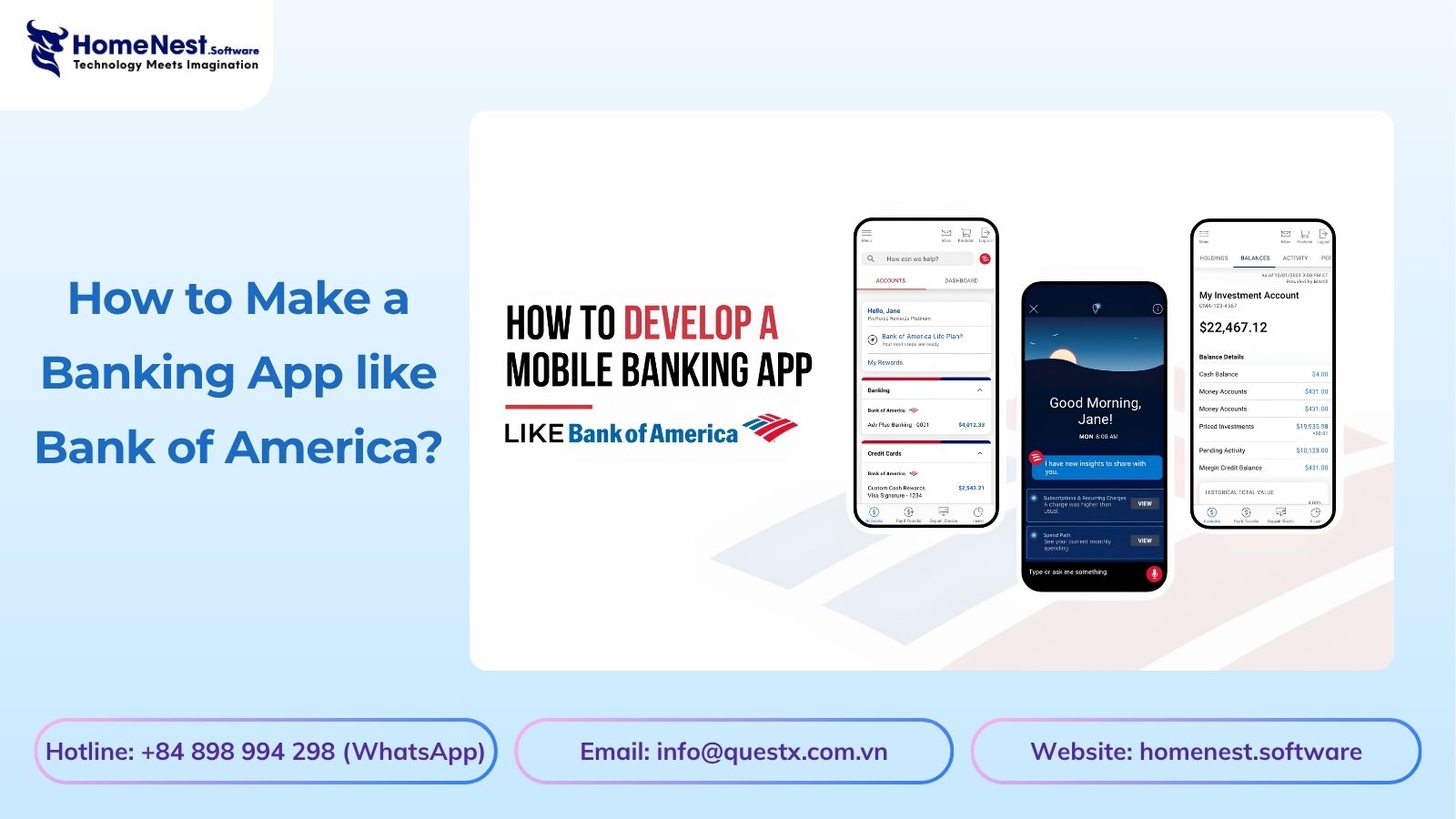
How to Make a Banking App like Bank of America?
Developing a mobile banking application like Bank of America extends far beyond basic UI design; it requires engineering a fault-tolerant backend capable of real-time ledger synchronization, biometric authentication, and high-volume data processing under strict regulatory frameworks. Drawing from HomeNest Software’s deep experience in architecting enterprise-grade fintech solutions, this guide strips away theoretical jargon to focus entirely on operational and technical execution. What you will find in this guide: We break down the precise development roadmap, from mapping out microservices and ensuring PCI-DSS compliance to estimating MVP development costs and securing absolute data sovereignty through 100% source code ownership. If you are preparing to build, scale, or audit a financial platform, this blueprint provides the exact framework you need.
Banking App Development Cost
Building a banking application is rarely a simple process; it’s a complex technical challenge requiring a balance between complying with stringent financial regulations, handling large transaction volumes, and a scalable cloud architecture. Miscalculating these technical requirements from the outset often leads to significant technical debt and budget overruns. Based on HomeNest Software’s practical experience in designing enterprise-grade fintech solutions, this guide bypasses generic estimates to provide a realistic analysis of banking application development costs. What you’ll find in this guide: We analyze the true cost factors, from technology selection and API integration to the hidden costs of regulatory compliance and security infrastructure. Whether you’re launching a minimum viable product or expanding an existing financial platform, this analysis provides the precise operational data you need to plan your budget effectively.
How to Build a Mobile Banking App Like Chime?
Building a mobile banking app like Chime is not just about features, it is about delivering a secure, scalable, and user-centric financial experience. From planning the right architecture to optimizing mobile banking app development cost, every decision directly impacts your product’s success. Leveraging Fintech app development services, starting with MVP app development, and scaling through on-demand app development solutions allows businesses to reduce risk and accelerate time to market. To stay competitive, combining Android app development services and iOS app development solutions ensures wider reach, while continuous updates through maintenance software development services keep your app secure and future-ready.

How to Build a Banking App Like Barclays: A Complete Entrepreneur’s Guide
Building a banking app like Barclays requires more than just development. It demands a strong product vision, secure architecture, and a clear monetization strategy. From optimizing cost and selecting the right tech stack to ensuring compliance and scalability, every decision impacts long-term success. Partnering with an experienced team like HomeNest Software helps accelerate development, reduce risks, and deliver a high-quality fintech product that can compete in today’s fast-evolving digital banking landscape.