
How Much Does It Cost to Build an Android App?
Scope of Work

As the world continues to move toward a mobile-first economy, a well-built Android app can significantly expand your business reach and customer engagement. However, one critical question often arises: how much does it cost to develop an Android app?
There’s no single answer, as Android app development costs vary based on multiple factors such as app complexity, feature set, UI/UX design requirements, development timeline, and the geographical location of your development team. Whether you’re a startup preparing to launch your first mobile product or an enterprise building a new digital asset, understanding this cost structure is essential.
In this article, we break down the key elements that influence Android app development costs, helping you plan your budget effectively and make informed decisions to build a successful, scalable mobile application.
Android App Market Overview
The Android app market continues to experience rapid growth, reinforcing Android’s position as the world’s leading mobile platform. Below are key insights that highlight the scale, revenue potential, and evolving trends of the global Android app ecosystem:
-
The global Android app market is projected to reach $614.40 billion by 2027, reflecting strong long-term growth.
-
As of 2026, there are more than 3.5 million Android apps available on the Google Play Store.
-
Android holds over 70% of the global mobile operating system market share, making it the most dominant mobile platform worldwide.
-
Gaming apps lead the market, accounting for nearly 50% of total revenue generated on Google Play.
-
On average, an Android user has 30 or more apps installed on their device.
-
India, Brazil, and Indonesia rank among the top countries in terms of Android app downloads.
-
The two most common revenue models for Android apps are in-app purchases and advertising.
-
In 2024, Android app revenue via Google Play exceeded $50 billion, highlighting the platform’s strong monetization potential.
-
User engagement continues to rise, with time spent on Android apps increasing by over 30% in the past three years.
-
High-growth categories such as healthcare, education, fintech, and e-commerce are seeing significantly faster download growth compared to traditional app categories.
These market insights demonstrate why Android remains a highly attractive platform for startups, enterprises, and investors looking to build scalable and revenue-generating mobile applications.
Factors Affecting the Cost of Android App Development

The cost of Android app development can vary significantly depending on multiple technical and business factors. Understanding these variables will help you plan your budget realistically, prioritize features, and avoid unexpected expenses during development. Below are the key factors that directly influence Android app development costs:
App Complexity
App complexity is one of the most decisive cost drivers. A simple application with basic features—such as user authentication and profiles—requires less development effort and budget. In contrast, complex apps with real-time chat, payment gateways, GPS tracking, AI features, or third-party API integrations demand more development time, testing, and resources, resulting in higher costs.
UI/UX Design
A well-crafted UI/UX design plays a critical role in user engagement and retention. Custom layouts, animations, interactive elements, and responsive designs across multiple screen sizes increase design and development effort. The more refined and customized the user experience, the higher the overall investment.
Development Team Location
The geographical location of your Android app development team significantly affects pricing. Developers in North America and Western Europe typically charge higher hourly rates compared to teams in Asia or Eastern Europe. Choosing the right location can help balance cost efficiency and quality.
Number of Features and Integrations
Each additional feature—such as social login, in-app purchases, push notifications, or analytics—adds to development, testing, and maintenance time. More features mean higher complexity, which directly increases development costs.
Backend Infrastructure and Database
Apps that require a backend for user management, data storage, real-time synchronization, or API communication involve additional development work. Building a secure, scalable backend infrastructure along with databases and admin panels can substantially increase the total cost.
Platform Compatibility
Android runs on thousands of devices with varying screen sizes, hardware configurations, and OS versions. Ensuring compatibility across this diverse ecosystem requires extensive testing and optimization, which adds to development time and cost.
Security Requirements
Apps that handle sensitive data—such as payment details, personal information, or health records—must implement advanced security measures. Data encryption, secure authentication, and compliance with privacy regulations significantly increase development complexity and cost.
Post-Launch Support and Maintenance
Development doesn’t end at launch. Ongoing maintenance including bug fixes, performance monitoring, OS updates, and feature enhancements is essential for long-term success. These recurring efforts should be factored into the total cost of Android app development.
In summary, Android app development costs depend on technical complexity, design expectations, infrastructure needs, and long-term maintenance plans. A clear understanding of these factors enables better budgeting and ensures a smoother path to building a scalable, high-quality Android application.
Android App Development Cost Breakdown
Below is a clear and practical breakdown of Android app development costs, with each component explained to help you understand where your budget goes and how to plan more effectively.
App Complexity
App complexity is the largest cost driver in Android app development.
-
A basic app with simple features such as user login, profiles, and static content typically costs around $5,000–$8,000.
-
A mid-level to complex app that includes real-time tracking, third-party integrations, video streaming, or eCommerce functionality usually exceeds $10,000.
-
Enterprise-grade applications with advanced workflows, scalability requirements, and high security standards can easily go beyond $15,000+.
The more advanced the functionality, the more development time, testing, and resources are required.
UI/UX Design
UI/UX design plays a significant role in determining the final development cost.
-
Apps using standard layouts and default UI components are more cost-effective.
-
Custom UI/UX elements such as animations, micro-interactions, and strict adherence to Android Material Design guidelines require additional design effort and development time, increasing overall costs.
A more refined user experience often leads to better engagement but it also requires a higher investment.
Development Team Location
Developer rates vary considerably depending on geographic location:
-
U.S. & Western Europe: approximately $15–$25 per hour
-
India & Eastern Europe: approximately $12–$25 per hour
Choosing a development team in cost-efficient regions can significantly reduce your total Android app development cost while maintaining quality if managed correctly.
Backend Infrastructure
Apps that rely on cloud services, APIs, databases, real-time synchronization, or admin dashboards require a robust backend infrastructure. Whether using Backend-as-a-Service (BaaS) or a custom-built backend, infrastructure setup, scalability, and ongoing maintenance all add to the total cost.
A well-architected backend is essential for performance, security, and long-term growth but it comes with higher development expenses.
Testing and Quality Assurance
Thorough testing ensures your app works smoothly across multiple Android devices and OS versions. This phase includes functional testing, usability testing, performance testing, and security testing.
On average, testing and QA account for 10–15% of the total Android app development cost, but they are crucial for delivering a stable, bug-free product.
Maintenance and Ongoing Support
Costs don’t stop after launch. Post-deployment expenses include regular updates, bug fixes, performance optimization, and new feature development.
Annual maintenance typically ranges between 15–20% of the initial Android app development cost.
Planning for these recurring costs ensures your app remains secure, compatible with new OS versions, and competitive over time.
In summary, Android app development costs are shaped by complexity, design expectations, team location, infrastructure needs, and long-term maintenance. Understanding this breakdown allows you to allocate budget wisely and build a scalable, high-quality Android application with confidence.
How Do You Reduce Android App Development Costs?
The cost to create an Android app can rise quickly if it isn’t managed strategically. The good news is that there are practical, proven ways to control development expenses without compromising quality. Below are five effective strategies to help you optimize your Android app development budget.
1. Start with an MVP (Minimum Viable Product)
One of the most effective ways to reduce Android app development costs is to begin with a Minimum Viable Product (MVP). Instead of building a feature-heavy app from day one, focus only on the core features that solve your users’ primary problems.
An MVP allows you to:
-
Validate your idea in the market
-
Gather real user feedback early
-
Avoid investing in unnecessary features
By building only what users truly need, you significantly cut initial costs and make smarter decisions about future enhancements.
2. Choose the Right Development Partner
Selecting the right Android app development partner can have the largest impact on overall cost efficiency. Evaluate potential partners based on:
-
Proven experience and portfolio
-
Client reviews and testimonials
-
Transparency in pricing and communication
Offshore development teams in regions such as Vietnam or Eastern Europe often offer cost-effective rates with high-quality output, comparable to teams in North America or Western Europe. Clear communication and well-defined processes are essential to ensure cost control and project success.
3. Reuse Existing Components and Open-Source Tools
Avoid building everything from scratch. Many common app features such as authentication, payments, analytics, and chat are already available through reliable open-source libraries, SDKs, and APIs.
Reusing existing components:
-
Saves development time
-
Reduces engineering effort
-
Lowers overall project cost
Just ensure that the tools you choose are secure, well-maintained, and suitable for your app’s long-term needs.
4. Simplify the UI/UX Design Process
Highly customized UI designs across every screen and device can be one of the most expensive parts of app development. To reduce costs:
-
Use standard Android UI components
-
Reuse design patterns and layouts
-
Focus on consistency rather than excessive customization
This approach maintains a good user experience while significantly reducing design and development time.
5. Build for Long-Term Sustainability
Cost optimization doesn’t stop at launch. Ongoing updates, bug fixes, and scalability all affect total ownership cost. Writing clean, modular, and well-documented code early helps prevent expensive technical debt later.
Additionally, leveraging cloud-based services with pay-as-you-go pricing allows you to scale infrastructure only when needed avoiding unnecessary hosting and maintenance expenses.
Conclusion
Android app development costs vary depending on factors such as app complexity, design requirements, feature scope, team location, and ongoing maintenance. Whether you’re building a simple app or a feature-rich platform, understanding these cost drivers helps you allocate your budget more effectively.
Investing in quality development is essential for long-term performance, user satisfaction, and scalability. Partnering with an experienced Android app development company ensures you receive secure, scalable, and cost-conscious solutions that align with both your current needs and future business goals.
HomeNest Software – Empowering Long-Term Growth for Modern Businesses.

Contact Information:
- Address: The Sun Avenue, 28 Mai Chi Tho Street, Binh Trung Ward, Ho Chi Minh City
- Hotline: +84 898 994 298 ( WhatsApp )
- Website: homenest.software
HomeNest Services: Website Design – App Design – Software Development.
Frequently Asked Questions (FAQ)
How much can I reduce Android app development costs with an MVP?
Starting with an MVP can reduce initial development costs by 30–50% by focusing only on essential features. This approach avoids unnecessary development and allows you to invest further only after validating real user demand.
Is it cheaper to hire an offshore Android app development team?
Yes. Hiring offshore teams in regions such as Asia or Eastern Europe can significantly lower costs while maintaining quality—provided the team has proven experience, clear communication processes, and transparent project management.
Can using open-source tools really reduce Android app development costs?
Absolutely. Leveraging open-source libraries, SDKs, and APIs for features like authentication, payments, analytics, or chat can save both time and money. This reduces custom development effort without sacrificing reliability when trusted tools are used.
Does simplifying UI/UX design affect user experience?
Not necessarily. Using standard Android UI components and consistent design patterns can still deliver an excellent user experience while cutting design and development costs. Over-customization is often unnecessary for early-stage apps.
What hidden costs should I consider after launching an Android app?
Post-launch costs typically include maintenance, bug fixes, performance optimization, OS updates, and feature enhancements. These recurring expenses usually account for 15–20% of the initial development cost per year.
How can I avoid high maintenance costs in the long term?
Building clean, modular code from the start and using scalable cloud-based infrastructure helps minimize technical debt. This approach reduces future refactoring costs and allows your app to scale efficiently as usage grows.
Latest Articles
View All
The True Cost of an Employee: A Complete Breakdown for Employers
This article reveals that the true cost of an employee is typically 25% to 40% higher than their base salary due to hidden expenses like taxes, benefits, workspace, and recruiting. To address this, the guide provides a detailed 7-step framework to accurately calculate total employer costs, alongside actionable strategies to optimize budgets and improve retention without reducing pay.
Essential Tips To Develop A Music Streaming App
Discover expert tips to develop a successful music streaming app with HomeNest Software. This guide covers essential features, legal licensing, and scalable technology stacks. Learn how to build a robust, cross-platform application with AI personalization to stand out in the 2026 competitive audio market.
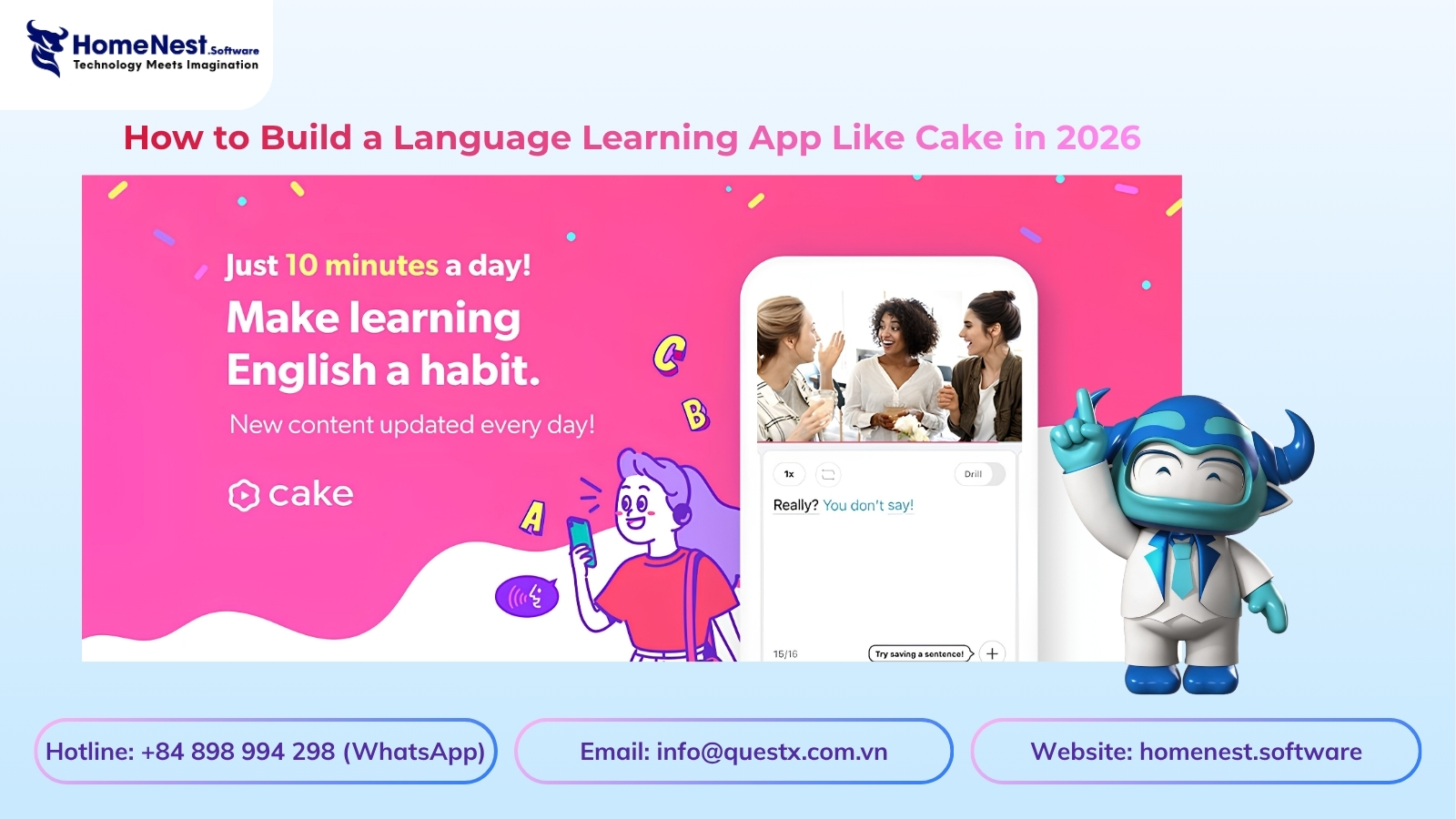
How to Build a Language Learning App Like Cake
Discover how to build a successful language learning app like Cake with this comprehensive guide from HomeNest Software. We explore market research, essential MVP features, advanced AI integrations, tech stack selection, and estimated development costs. Partner with HomeNest Software to create a scalable, gamified, and highly engaging educational platform tailored to your business goals. Start your app development journey with us today.
How to Build an App Like TaskRabbit: Features, Cost, Tech Stack – Business Model
Building an app like TaskRabbit is more than replicating existing features—it’s about creating a trusted marketplace that seamlessly connects customers with skilled service providers. By combining an intuitive user experience, secure payment systems, scalable architecture, and the right business model, you can launch a competitive on-demand platform. Partnering with an experienced app development company like HomeNest Software ensures your product is built with the technology, flexibility, and long-term scalability needed to succeed in the rapidly growing gig economy.
How to Build a Meal Planning App: A Complete Step-by-Step Guide
Building a successful meal planning app goes beyond creating an attractive interface it requires a clear business strategy, personalized user experiences, and scalable technology. By combining essential features like AI-powered meal recommendations, nutrition tracking, grocery list automation, and wearable integration, businesses can deliver lasting value to users while capitalizing on the growing digital health market. Partnering with an experienced mobile app development company ensures your solution is secure, future-ready, and designed to succeed in an increasingly competitive health-tech industry.
How Much Does It Cost to Build a Shopping App Like Temu?
Temu’s meteoric rise to over 900 million global downloads proves the power of combining AI, gamification, and social commerce, but building a similar viral shopping platform requires careful financial and technical planning. Developing an app like Temu typically costs anywhere from $40,000 for a basic Minimum Viable Product (MVP) to over $300,000 for a fully-featured platform. This guide breaks down every cost category, analyzes the core features driving Temu’s success, highlights the best technology stacks, and offers practical strategies to optimize your development budget without compromising on quality.