
Web Application Development Cost
Optimizing web application development cost is not about minimizing spending, but about making strategic decisions across scope, technology, and partnerships. By starting with an MVP, prioritizing essential features, adopting Agile practices, and leveraging cost-effective outsourcing, businesses can significantly reduce upfront investment while maintaining scalability and performance. The key is to align technical execution with long-term business goals—ensuring every dollar spent contributes to sustainable growth and competitive advantage.
Scope of Work
![Web Application Development Cost [Budget Estimate]](https://image.homenest.software/wp-content/uploads/2026/04/web-app-development-cost-1.jpg "Web Application Development Cost [Budget Estimate]")
How can your business precisely estimate web application development costs while still driving innovation and ensuring long term scalability? In today’s rapidly evolving digital landscape, striking the right balance between cost efficiency and product quality is increasingly complex. In this article, HomeNest Software breaks down the critical cost drivers and provides a structured approach to managing development expenses without compromising performance, flexibility, or future growth.
How to Accurately Estimate Web Application Development Cost
In today’s fast evolving digital landscape, accurately estimating web application development cost while maintaining innovation and scalability is a complex challenge. Businesses must go beyond surface level budgeting and adopt a structured, strategic approach to balance cost efficiency with long term performance. Below are the key factors that directly influence development cost and how to manage them effectively.
Business Vision and Strategic Direction
A clearly defined business vision is the foundation of accurate cost estimation. It determines the type of application, target users, and feature priorities.
- Internal applications typically require simpler functionality and lower investment
- Customer facing platforms demand advanced UI/UX, integrations, and security
- Startups often prioritize MVPs to reduce upfront costs, while enterprises focus on scalability and stability
A strong vision enables better planning, resource allocation, and long term cost optimization.
Project Scope and Technical Complexity
The broader and more complex the project, the higher the development cost.
- Basic apps (login, dashboard, reporting) → lower cost
- Advanced systems (real time features, payment gateways, big data) → significantly higher cost
- Complex integrations (CRM, ERP, third party APIs) increase both development and testing efforts
Carefully defining scope early prevents scope creep and budget overruns.
Type of Web Application
Different application types come with varying cost structures:
- Static websites → low cost, minimal functionality
- Dynamic web apps → moderate cost with database integration
- Single Page Applications (SPA) → higher frontend complexity
- Progressive Web Apps (PWA) → cost effective alternative to mobile apps
- eCommerce platforms → highest cost due to security and transaction features
Choosing the right architecture aligned with business goals is critical for cost control.
Functional Requirements and Features
Features are one of the most decisive cost drivers.
- Basic features (authentication, forms) → low cost
- Advanced features (payments, real time chat, APIs) → medium to high cost
- Emerging technologies (AI, blockchain, AR/VR) → significantly increase development time and budget
Clear feature prioritization helps maintain cost efficiency without sacrificing product value.
UI/UX Design Investment
UI/UX design directly impacts both initial cost and long term success.
- Template based design → faster and more affordable
- Custom UI/UX → higher cost but better user engagement
- UX research and prototyping → reduces costly rework later
Investing in design early improves conversion rates and minimizes future optimization costs.
Development Approach
The chosen development methodology shapes both cost and scalability:
- Custom development → flexible and scalable but higher cost
- Template based solutions → faster and cheaper but limited
- No code/low code → ideal for MVPs but not for complex systems
A hybrid approach is often the most practical for balancing speed and flexibility.
Partnership Model
Who builds your application significantly affects cost and outcomes:
- In house teams → high fixed cost but full control
- Freelancers → cost effective but less reliable for large projects
- Outsourcing → optimal balance of cost, quality, and scalability
Many businesses reduce costs by up to 60–70% by partnering with offshore teams while maintaining quality.
Pricing Model
Selecting the right pricing structure helps control budget risks:
- Fixed price → ideal for clearly defined projects
- Hourly rate → flexible but requires strong management
- Hybrid model → combines stability and adaptability
Align pricing strategy with project complexity and expected changes.
Geographic Location of Development Team
Development rates vary significantly by region:
- US/UK: $100–200/hour
- Eastern Europe: $40–60/hour
- Vietnam/India: $20–40/hour
Choosing the right location can reduce costs by up to 70% while maintaining high quality delivery.
Accurate cost estimation is not about minimizing expenses it’s about making informed trade offs between cost, quality, and scalability. By aligning business goals with technical decisions, companies can build web applications that are not only cost efficient but also future ready and competitive in a rapidly evolving market.
Additional Expenses in Web Application Development Cost You Should Plan For
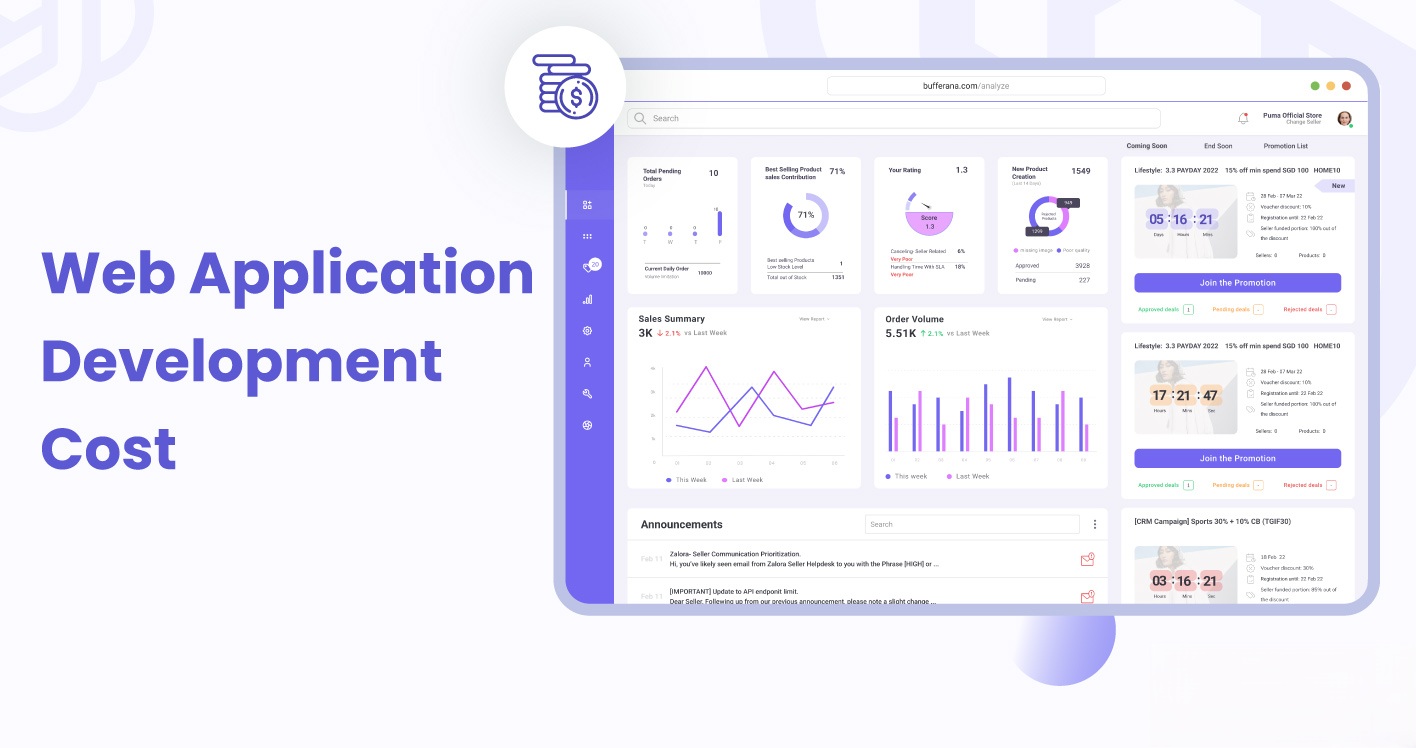
Beyond core development, several hidden or secondary costs can significantly impact the total web application development cost. A comprehensive estimation requires accounting for these variables early to avoid budget overruns and ensure long term sustainability.
Change Requests and Scope Adjustments
Change requests refer to any modifications or additions outside the original project scope. If not properly controlled, they can quickly inflate the budget.
- New feature additions: Introducing functionalities such as real time chat, advanced analytics, or payment systems can increase total costs by 10–20%
- Multiple UI/UX revisions: Frequent design changes extend timelines and may raise costs by 5–10%
- Reworking implemented features: Adjusting existing logic requires redevelopment and retesting, adding 5–15% to costs
- Performance and security enhancements: Optimization efforts can further increase expenses by 5–10%
Establishing a clear scope and change management process is essential to maintain budget control.
Business Development and Operational Costs
Often underestimated, business related expenses play a critical role in ensuring the application succeeds post launch.
- Marketing and advertising: Campaigns such as Google Ads, social media ads, and SEO directly impact overall investment
- CRM and system integrations: Connecting with ERP or sales platforms requires additional development, APIs, and security layers
- Employee training: Teams need onboarding and training to effectively use the system
These costs typically add 5–15% to the total project budget but are essential for achieving ROI.
Software Licenses and Development Tools
Modern web application development relies on a wide ecosystem of paid tools and platforms.
- Licensed frameworks, CMS, and plugins: Some technologies require ongoing subscription or licensing fees
- Project management tools: Platforms like Jira or premium collaboration tools improve efficiency but add operational cost
- Design and testing tools: UI/UX software (e.g., Figma, Adobe XD) and automated testing solutions contribute to overall expenses
Proper planning for tools and licenses ensures accurate budgeting and smoother execution.
Infrastructure and Hosting Costs
Infrastructure is a foundational cost component, especially for scalable and high performance applications.
- Hosting and servers: Required for uptime, performance, and handling concurrent users
- Cloud services: Platforms such as AWS, Azure, or Google Cloud introduce costs based on usage, storage, and scaling needs
- Scalability and security investments: Ensuring system reliability and data protection often requires upfront spending
Infrastructure and hosting can account for 10–20% of total development costs, making early planning critical for financial control.
Accurately estimating web application development cost requires looking beyond coding and design. By proactively accounting for change requests, operational needs, tools, and infrastructure, businesses can build a realistic budget one that supports not just development, but long term growth and scalability.
How to Reduce Web Application Development Cost Effectively

Optimizing web application development cost is not just about cutting expenses it’s about making smarter technical and strategic decisions that improve efficiency without compromising scalability or product quality. Below are proven approaches businesses can apply to control costs while maintaining long term value.
Start with a Minimum Viable Product (MVP)
Building an MVP is one of the most effective ways to control initial investment. Instead of developing a fully featured product, focus only on core functionalities that address the primary user problem.
For example, an eCommerce startup may begin with:
- User registration and login
- Basic product catalog
- Simple shopping cart
- Payment integration
Once traction and revenue are established, advanced features like AI recommendations or loyalty programs can be added incrementally. This phased approach can reduce early stage costs by over 40% while minimizing risk.
Leverage Low Code/No Code Platforms
Low code and no code tools enable faster development using pre built components, significantly reducing both time and cost.
For instance, a logistics company can build an internal tracking system within weeks instead of months using platforms like Bubble. This approach may cut development costs to a fraction of traditional methods.
However, as the product scales, performance and customization limitations may require transitioning to custom web application development.
Adopt Agile Development Methodology
Agile development helps control costs through iterative delivery and continuous feedback.
By breaking development into smaller sprints, teams can:
- Prioritize high impact features
- Avoid unnecessary development
- Quickly adapt to changing requirements
For example, a fintech application can be developed in stages from basic expense tracking to advanced AI driven insights ensuring resources are allocated efficiently at each phase.
Outsource to Cost Effective Regions
Outsourcing remains one of the most practical ways to reduce development costs while maintaining quality.
- Developers in the US: $80,000–$120,000/year
- Offshore teams (e.g., Vietnam, India): $20–$50/hour
This cost difference can result in 50–80% savings. By partnering with experienced outsourcing providers like HomeNest Software, businesses can access skilled talent, structured processes, and scalable delivery models without the overhead of in house teams.
Reducing web application development cost is not about minimizing investment it’s about optimizing it. By combining MVP strategy, modern development tools, Agile practices, and strategic outsourcing, businesses can build high quality applications that are both cost efficient and ready to scale.
Key Considerations When Hiring a Web App Development Company
Selecting the right web app development company is a strategic decision that directly impacts cost efficiency, product quality, and long term scalability. Businesses should evaluate partners based on the following critical factors to ensure every dollar invested delivers measurable value.
Proven Experience and Portfolio
A company’s track record is one of the most reliable indicators of its capability. Reviewing past projects especially those similar in scope or industry helps assess whether the team can deliver within budget and timeline.
- Strong portfolios indicate technical depth and execution capability
- Case studies and client testimonials reveal how the team handles challenges, deadlines, and quality assurance
- Experienced vendors can provide more accurate cost estimations and reduce development risks
This level of validation helps businesses better anticipate the actual cost of developing a web application.
Industry Specific Expertise
Technical skills alone are not enough. A competent partner must also understand your industry’s operational and regulatory landscape.
- Sectors like Healthcare, Fintech, and SaaS require compliance (e.g., HIPAA, GDPR), robust security, and scalable architecture
- Domain expertise enables teams to propose optimal solutions early, reducing rework and unnecessary costs
- Familiarity with modern technologies (AI, cloud, blockchain) ensures your application remains future ready
This expertise directly contributes to optimizing custom web application development cost.
Long Term Support and Maintenance
Web application costs extend far beyond the initial launch. Ongoing support is essential for maintaining performance, security, and scalability.
- Continuous updates, bug fixes, and security patches are unavoidable
- Scaling infrastructure and adding new features require long term technical alignment
- Without a dedicated partner, businesses may incur higher costs by hiring external teams later
Planning for post launch support from the beginning helps control total app development expenses over time.
Transparent Pricing and Clear Contracts
Cost transparency is critical for effective budget management. A professional development partner should provide clear, structured pricing and well defined contractual terms.
Key elements to look for:
- Detailed cost breakdown: Covering UI/UX design, development, testing, deployment, and maintenance
- No hidden fees: Pricing should accurately reflect workload and scope
- Clear contract terms: Including intellectual property ownership, data security, payment schedules, and delivery timelines
Transparent agreements not only prevent disputes but also provide a predictable and reliable estimate of the overall web application development cost.
Choosing a web app development company is not just about finding the lowest price it’s about selecting a partner who can deliver consistent quality, strategic insight, and long term value. A well evaluated partner helps you reduce risks, optimize costs, and build scalable digital products with confidence.
Why Choose HomeNest Software for Your Web Application Development Needs
HomeNest Software stands out as a trusted web app development company in Vietnam, consistently recognized among leading IT outsourcing providers. By combining global delivery standards with cost efficient execution, we help businesses optimize web application development cost without sacrificing quality, scalability, or innovation.
Proven Expertise Across Industries
Our engineering teams bring hands on experience delivering complex, large scale solutions across industries such as eCommerce, Fintech, and SaaS.
- Strong portfolio of successful international projects
- Deep understanding of scalable architectures and product thinking
- Commitment to quality and security, aligned with global standards such as ISO 9001 and ISO 27001
This track record ensures reliable delivery and reduces execution risks.
Cost Efficient Development Without Compromise
Leveraging Vietnam’s highly skilled and competitive talent pool, HomeNest Software enables significant cost optimization.
- Reduce app development expenses by 50–70% compared to US/UK markets
- Maintain high engineering standards and delivery consistency
- Flexible engagement models tailored to your budget and goals
This allows businesses to maximize ROI while maintaining product excellence.
Advanced Technical Capabilities
We go beyond conventional development by integrating modern technologies that future proof your application.
- Expertise in AI development services, cloud computing, and blockchain
- Experience with low code/no code platforms for rapid MVP delivery
- Ability to architect scalable, high performance systems for complex use cases
Our technical depth ensures your product remains competitive in a rapidly evolving digital landscape.
Transparent Process and Long Term Partnership
We prioritize clarity, accountability, and long term collaboration.
- Transparent pricing with detailed cost breakdowns and no hidden fees
- Clear contracts covering scope, timelines, and IP ownership
- Ongoing maintenance, upgrades, and optimization support
This structured approach ensures predictable custom web application development costs and sustainable product growth over time.
Choosing HomeNest Software means partnering with a team that aligns technology with business outcomes. We focus not only on building applications, but on delivering scalable, cost efficient solutions that support your long term digital strategy.
Conclusion
Effectively managing and optimizing web application development cost is essential for businesses aiming to stay competitive in an increasingly digital market. With proven expertise and a results driven approach, HomeNest Software is committed to helping you design, build, and scale high quality web applications with cost efficiency in mind.
Get in touch with HomeNest Software today for a tailored consultation and discover how we can help you control costs, maximize ROI, and deliver successful digital products in every project.
Frequently Asked Questions (FAQs)
What is the average web application development cost?
The cost typically ranges from $5,000 to $15,000+ depending on complexity, features, and team location. Basic applications cost less, while scalable, feature rich systems require higher investment.
What factors most affect web application development cost?
Key factors include project scope, feature complexity, UI/UX design, development approach, integrations, and team location. Each element directly impacts time, resources, and overall budget.
How can I reduce web application development cost effectively?
You can reduce costs by starting with an MVP, using low code/no code tools, adopting Agile development, and outsourcing to cost effective regions like Vietnam.
How long does it take to develop a web application?
Development time varies from 4–12 weeks for simple apps to 3–6 months or more for complex platforms, depending on features, integrations, and scalability requirements.
Is outsourcing web development a good option?
Yes. Outsourcing can reduce costs by 50–70% while maintaining quality if you partner with an experienced vendor. It also provides access to global talent and faster delivery.
What is the difference between custom and template based development?
- Custom development: Fully tailored, scalable, higher cost
- Template based: Faster, lower cost, but limited flexibility
Choosing depends on your long term business goals.
Do web applications require ongoing maintenance costs?
Yes. Maintenance, updates, security patches, and scaling typically account for 15–25% of the initial development cost annually.
Why should I choose HomeNest Software?
HomeNest Software offers cost effective, high quality development, experienced engineers, transparent pricing, and long term support helping businesses build scalable applications while optimizing costs.
Latest Articles
View All
Criteria For Choosing The Right App Design Agency
UI/UX design is the logical foundation of a system, not merely a visual element. Choosing the wrong partner will directly lead to technical debt, budget overruns, and disruptions in the development process. This article provides a 6-step evaluation framework and a list of operational risks, helping businesses eliminate subjective design advice and accurately assess agency capabilities based on developer handoff standards and practical business performance.

How Does AI in Banking Industry Impact the Future?
Artificial intelligence (AI) has transitioned from a supplementary tool to a core infrastructure of financial data management, optimizing profitability through real-time fraud detection, natural language processing (NLP), and high-speed credit scoring models. “Deploying AI in the financial sector requires more than just algorithmic accuracy, it demands a highly secure cloud architecture and rigorous data governance,” commented Nguyen Tien, co-founder of HomeNest Software. Why read this guide? We skip the theoretical jargon to focus entirely on technical implementation. Whether you’re evaluating a vendor or planning a system overhaul, this article will detail: Operational Efficiency: Automating unstructured data workflows at scale. Risk Architecture: Implementing real-time threat detection and AML compliance. Data ownership: The essential need for 100% ownership of the source code to ensure full algorithm auditability.

How to Make a Banking App like Bank of America?
Developing a mobile banking application like Bank of America extends far beyond basic UI design; it requires engineering a fault-tolerant backend capable of real-time ledger synchronization, biometric authentication, and high-volume data processing under strict regulatory frameworks. Drawing from HomeNest Software’s deep experience in architecting enterprise-grade fintech solutions, this guide strips away theoretical jargon to focus entirely on operational and technical execution. What you will find in this guide: We break down the precise development roadmap, from mapping out microservices and ensuring PCI-DSS compliance to estimating MVP development costs and securing absolute data sovereignty through 100% source code ownership. If you are preparing to build, scale, or audit a financial platform, this blueprint provides the exact framework you need.

Banking App Development Cost
Building a banking application is rarely a simple process; it’s a complex technical challenge requiring a balance between complying with stringent financial regulations, handling large transaction volumes, and a scalable cloud architecture. Miscalculating these technical requirements from the outset often leads to significant technical debt and budget overruns. Based on HomeNest Software’s practical experience in designing enterprise-grade fintech solutions, this guide bypasses generic estimates to provide a realistic analysis of banking application development costs. What you’ll find in this guide: We analyze the true cost factors, from technology selection and API integration to the hidden costs of regulatory compliance and security infrastructure. Whether you’re launching a minimum viable product or expanding an existing financial platform, this analysis provides the precise operational data you need to plan your budget effectively.
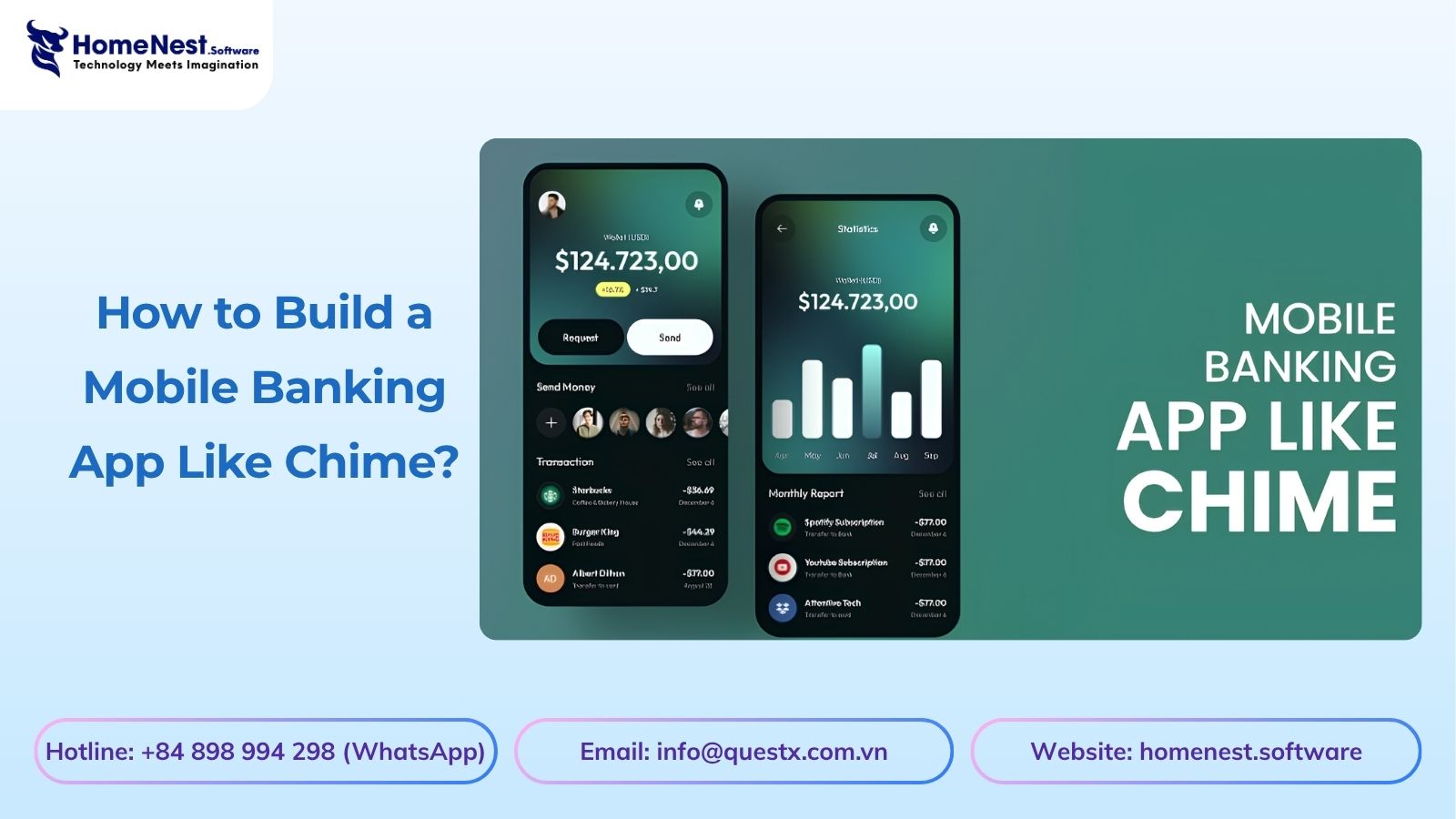
How to Build a Mobile Banking App Like Chime?
Building a mobile banking app like Chime is not just about features, it is about delivering a secure, scalable, and user-centric financial experience. From planning the right architecture to optimizing mobile banking app development cost, every decision directly impacts your product’s success. Leveraging Fintech app development services, starting with MVP app development, and scaling through on-demand app development solutions allows businesses to reduce risk and accelerate time to market. To stay competitive, combining Android app development services and iOS app development solutions ensures wider reach, while continuous updates through maintenance software development services keep your app secure and future-ready.

How to Build a Banking App Like Barclays: A Complete Entrepreneur’s Guide
Building a banking app like Barclays requires more than just development. It demands a strong product vision, secure architecture, and a clear monetization strategy. From optimizing cost and selecting the right tech stack to ensuring compliance and scalability, every decision impacts long-term success. Partnering with an experienced team like HomeNest Software helps accelerate development, reduce risks, and deliver a high-quality fintech product that can compete in today’s fast-evolving digital banking landscape.