
How to Build a Lyft Clone App: A Complete Development Guide
Scope of Work
The on-demand ride-hailing industry has experienced remarkable growth in recent years, driven by platforms such as Lyft and Uber. These services have not only transformed the way people commute but have also unlocked significant revenue opportunities for startups and established businesses alike.
If you’re planning to build a taxi-booking solution similar to Uber, developing a Lyft clone app is a strategic and cost-effective starting point. In this comprehensive guide, we’ll cover everything you need to know about Lyft clone app development—from essential features and development costs to the key steps involved in launching a scalable, competitive ride-hailing platform.
What Is a Lyft Clone App?
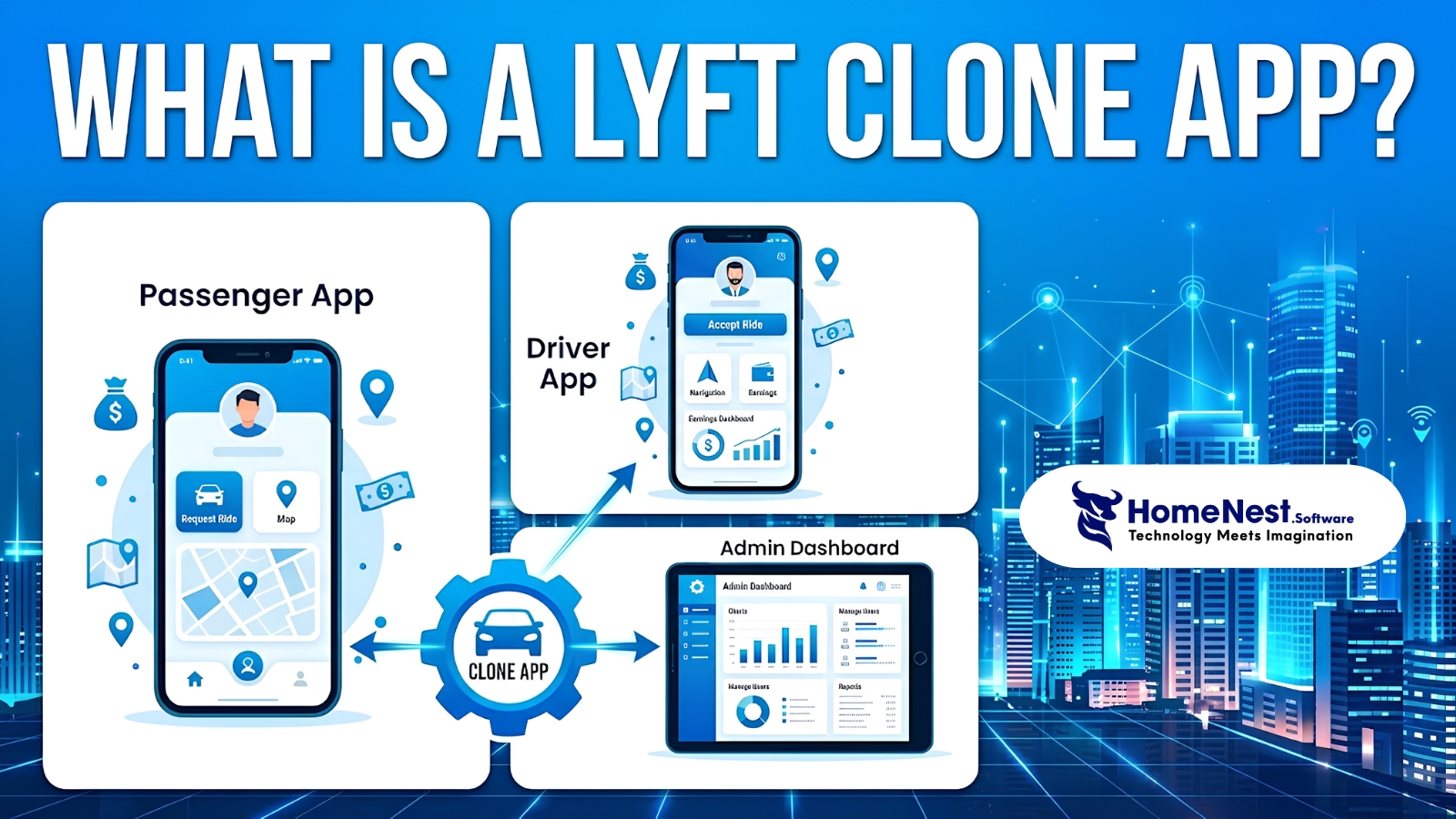
A Lyft clone app is a pre-built or custom-developed ride-hailing solution designed to replicate the core functionality of Lyft. It typically includes separate applications for passengers and drivers, along with a centralized admin dashboard to manage rides, users, payments, and overall platform operations. These taxi-booking apps similar to Lyft enable businesses to launch their own branded ride-hailing service efficiently without building everything from the ground up.
Rather than being a direct copy of Lyft, a clone app serves as a flexible foundation. It allows you to customize features, scale the platform, and integrate new functionalities based on your target market, business model, and regional requirements making it a practical and future-ready solution for entering the ride-hailing industry.
Features of a Ride-Hailing App Like Lyft
A Lyft-style ride-hailing app is built to deliver a smooth, reliable, and efficient experience for passengers, drivers, and administrators. Below is a structured breakdown of essential and advanced features required to build a competitive platform similar to Lyft.
Passenger App Features
User Registration & Login
Passengers can sign up and log in securely using email, phone numbers, or social accounts such as Google and Facebook, ensuring quick onboarding and account safety.
Ride Booking Interface
Users can instantly request a ride by entering pickup and drop-off locations, selecting vehicle types, and confirming the booking with a few simple taps.
Real-Time Ride Tracking
Live GPS tracking allows passengers to monitor driver location, route progress, and estimated time of arrival (ETA) in real time.
Multiple Payment Options
The app supports multiple payment methods, including credit/debit cards, digital wallets, UPI, and cash, providing flexibility and convenience.
Trip History & Receipts
Passengers can access past ride details, view fare breakdowns, and download receipts or invoices directly from the app.
Ratings & Reviews
After each trip, passengers can rate drivers and leave feedback, helping maintain service quality and platform trust.
Driver App Features
Driver Profile & Verification
Drivers register by submitting required documents, which are verified through the admin panel before activation.
Trip Requests & Smart Navigation
Drivers receive ride requests in real time and are guided through optimized routes using built-in GPS and map integration.
Earnings Dashboard
A real-time earnings dashboard displays completed trips, daily or weekly income, and commission details.
Availability Toggle
Drivers can switch between online and offline modes to control when they are available to accept ride requests.
Ratings & Feedback
Drivers can view ratings and feedback from passengers, encouraging better service and accountability.
Admin Panel Features
Centralized Dashboard
Admins get a real-time overview of platform activity, including active rides, user statistics, and driver performance metrics.
User & Driver Management
Admins can approve, block, or remove users and drivers, as well as manage driver document verification.
Trip & Pricing Management
The system allows admins to track completed trips, manage cancellations, define fare structures, and apply surge pricing dynamically.
Earnings & Commission Control
Admins can monitor total revenue, platform commissions, driver payouts, and overall financial performance.
Promo Codes & Offers
The admin panel supports promotional campaigns, referral programs, and discount codes to drive user acquisition and retention.
Advanced Features to Enhance User Experience
In-App Chat & Support
Secure in-app messaging enables seamless communication between passengers and drivers, as well as support assistance when needed.
Ride Scheduling
Passengers can schedule rides in advance, making the app more suitable for planned travel and business use cases.
Live Location Sharing
Real-time location sharing improves passenger safety by allowing ride details to be shared with trusted contacts.
Wallet Integration & Promotions
An integrated wallet system simplifies payments and enhances user retention through cashback, credits, and promo offers.
SOS & Emergency Assistance
An SOS button provides instant emergency support, increasing safety for both passengers and drivers.
AI-Based Fare Prediction
AI-powered pricing models suggest accurate fares based on distance, traffic conditions, demand, and time ensuring transparency and fairness.
Step-by-Step Lyft Clone App Development Process
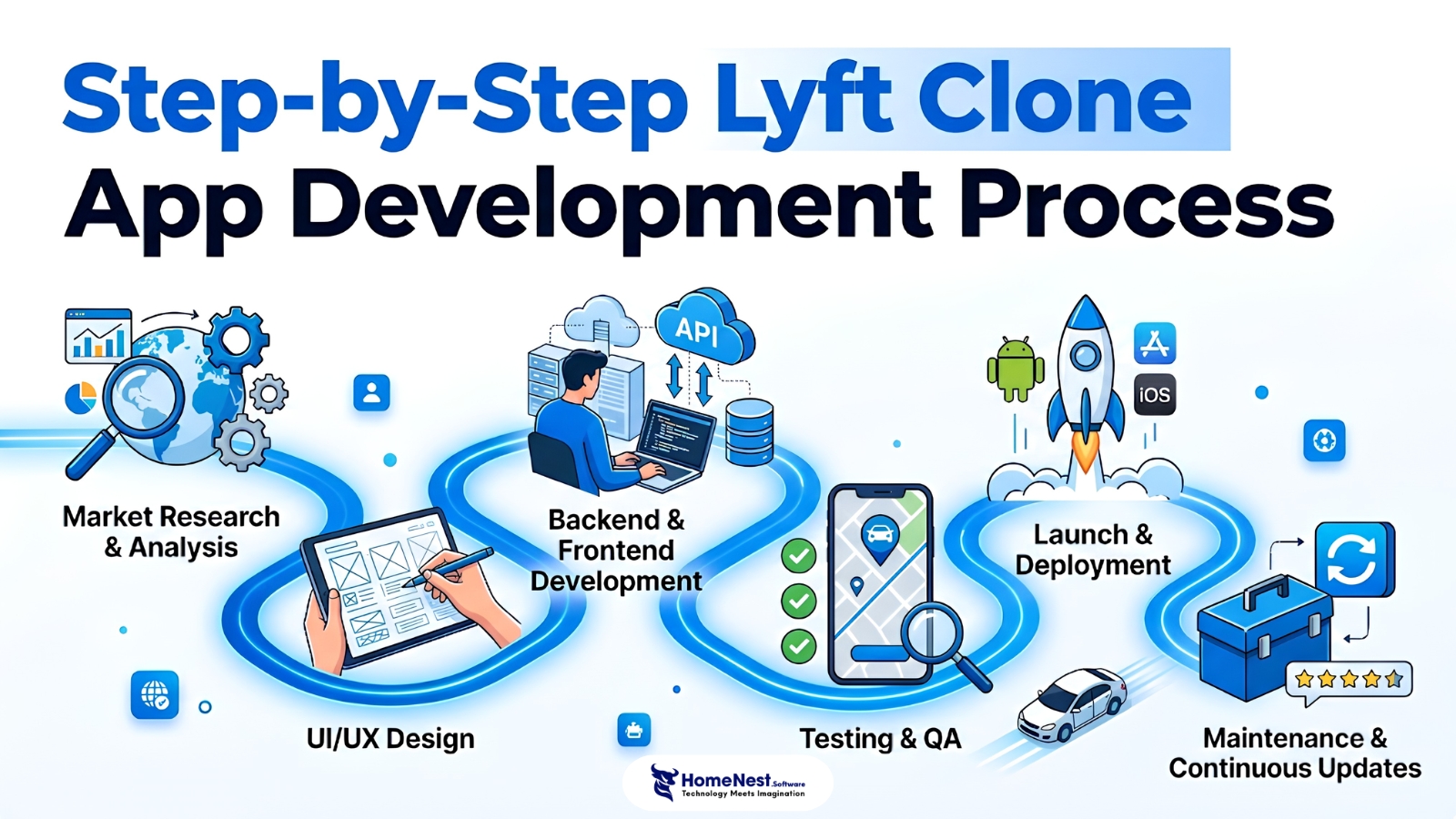
Building a Lyft clone app requires a structured and well-planned development approach to ensure scalability, performance, and a seamless user experience. Below is a step-by-step process to guide you through developing a ride-hailing app similar to Lyft.
Market Research & Requirement Analysis
Before starting development, in-depth market research is essential. This phase focuses on understanding your target audience, analyzing competitors, and identifying gaps or opportunities in the market. The insights gathered help define core features, business goals, and technical requirements ensuring the app aligns with real user needs and market demand.
UI/UX Design
User experience plays a critical role in user retention and engagement. The UI/UX design phase focuses on creating a clean, intuitive, and visually appealing interface for both passengers and drivers. Designs must be mobile-responsive, easy to navigate, and optimized for different screen sizes to ensure a smooth experience across devices.
Backend & Frontend Development
This phase involves building the core architecture of the application.
Backend Development
The backend handles servers, databases, APIs, and third-party integrations such as payment gateways, maps, and notifications. It must be secure, scalable, and capable of handling real-time ride requests and transactions.
Frontend Development
The frontend brings the app to life by implementing the designed UI/UX for passengers, drivers, and the admin panel. Performance, responsiveness, and usability are key priorities at this stage.
API Integration
API integration is essential for enabling real-time functionality in a ride-hailing app. This includes map and navigation APIs for location tracking, payment gateway APIs for secure transactions, and notification APIs for ride updates, alerts, and confirmations. Proper API integration ensures smooth operations and a reliable user experience.
Testing & Quality Assurance
Once development is complete, the app undergoes rigorous testing to identify bugs, performance issues, and security vulnerabilities. Testing is conducted across multiple devices, operating systems, and network conditions to ensure stability, usability, and compliance with industry standards.
Launch & Deployment
After successful testing, the app is deployed on Android and iOS platforms via the Google Play Store and Apple App Store. During this phase, it’s crucial to meet platform-specific guidelines and prepare a launch strategy to generate early traction and user adoption.
Maintenance & Continuous Updates
Post-launch support is vital for long-term success. Regular maintenance includes bug fixes, performance optimization, security updates, and feature enhancements. Actively collecting user feedback and continuously improving the app helps retain users and stay competitive in the evolving ride-hailing market.
How Much Does It Cost to Develop a Lyft Clone App?
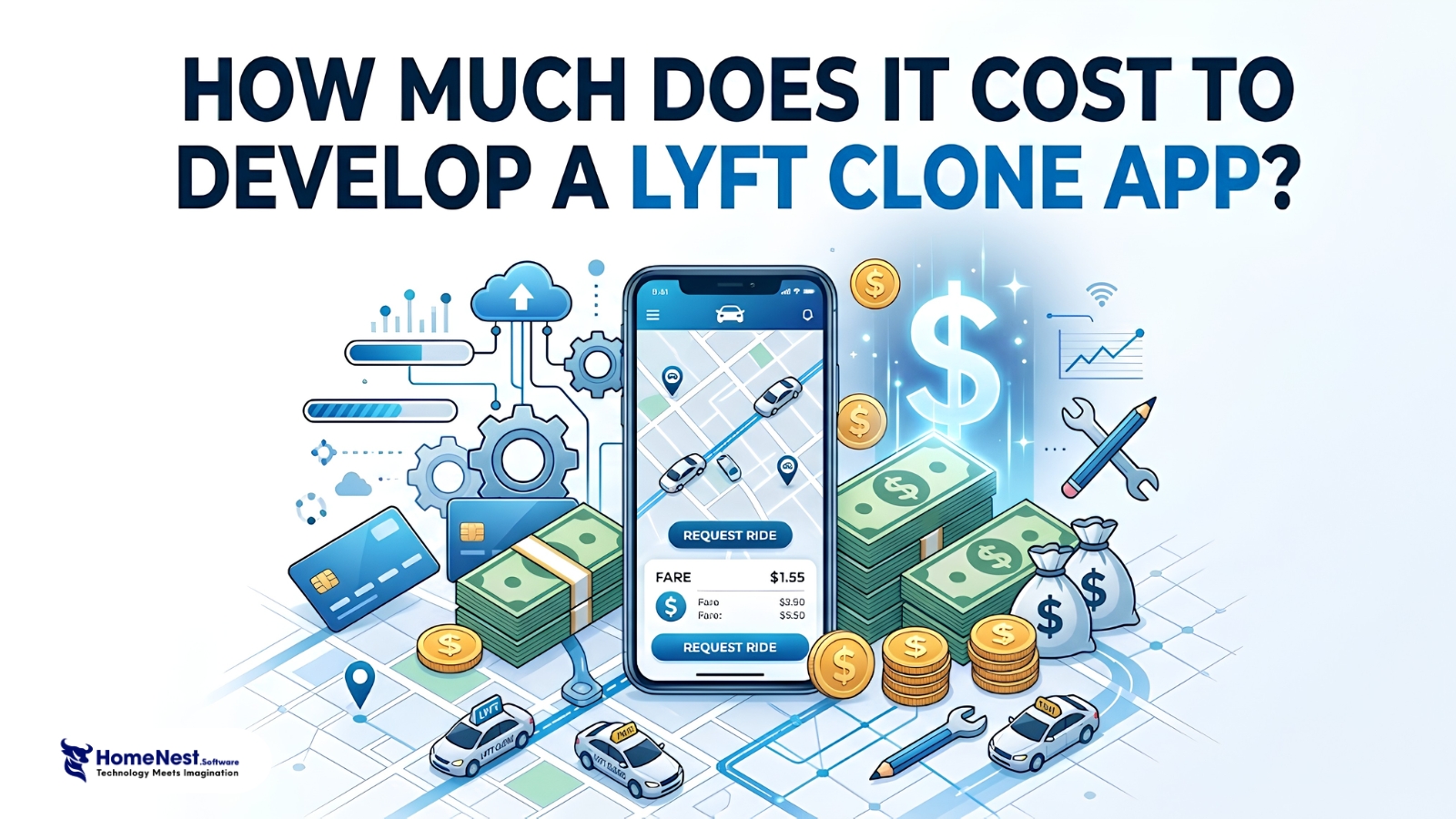
The cost of developing a Lyft clone app can vary widely based on multiple factors such as feature complexity, design requirements, chosen platforms, and the location of the development team. Whether you’re building a simple MVP or a fully featured ride-hailing platform similar to Lyft, understanding these cost drivers will help you plan your budget more effectively.
Key Factors That Influence Lyft Clone App Development Cost
Features and Functionality
The scope and complexity of features have a direct impact on overall development cost. Essential features like ride booking, GPS navigation, and payment processing require less effort, while advanced capabilities such as real-time ride tracking, AI-based fare prediction, in-app chat, wallet integration, and dynamic pricing significantly increase development time and cost.
UI/UX Design Complexity
A well-designed, intuitive interface is critical for user adoption and retention. Custom UI/UX designs tailored to your brand identity and optimized for a seamless user experience across devices typically cost more than using ready-made templates. High-quality design demands additional time and expertise from experienced designers, contributing to higher development expenses.
Platform Selection and Technology Stack
The choice between native development (separate apps for iOS and Android) and cross-platform development (using frameworks like Flutter or React Native) affects cost. Native apps generally require higher investment due to multiple codebases, while cross-platform solutions can reduce time and cost. Additionally, the selected frontend and backend technologies influence pricing based on their complexity and the expertise required.
Development Team Location
The geographical location of your development team plays a major role in cost estimation. Teams based in North America and Western Europe typically charge higher hourly rates compared to developers in regions such as Eastern Europe, India, or Southeast Asia. While outsourcing can reduce costs, maintaining quality and clear communication is essential.
App Maintenance and Ongoing Updates
Post-launch maintenance is a crucial part of long-term app success. Regular updates, bug fixes, security patches, and compatibility upgrades usually account for around 15–20% of the initial development cost per year, depending on the scope and frequency of enhancements.
Estimated Development Cost for Apps Like Lyft
Basic Version
A basic Lyft clone app with standard ride-hailing features typically costs between $5,000 and $8,000. This version is suitable for startups looking to validate their idea with an MVP.
Advanced Version
An app with advanced features such as AI-driven pricing, in-app chat, ride scheduling, and enhanced admin controls may cost around $10,000 to $15,000.
Fully Customized Solution
For a highly customized Lyft-like app with complex workflows, custom branding, and a sophisticated technology stack, development costs can exceed $15,000+, depending on project requirements.
Why Choose HomeNest Software for Lyft Clone App Development?
Choosing the right development partner is a critical factor in building a scalable, feature-rich, and market-ready Lyft clone app. HomeNest Software is a trusted name in web and mobile app development, known for delivering high-performance, fully customized ride-hailing solutions for startups and enterprises worldwide.
With deep expertise in on-demand app development, HomeNest Software focuses on more than just building an application we help you create a robust business platform designed for growth, scalability, and long-term success. Our Lyft clone app development services combine modern technology, intuitive UI/UX, secure architecture, and advanced features to ensure your product is competitive in today’s fast-evolving mobility market.
From ideation and design to deployment and post-launch support, our team works closely with you to align the app with your business goals, target audience, and regional requirements giving you a reliable foundation to launch and scale with confidence.
Conclusion
Developing a Lyft clone app is a strategic opportunity for entrepreneurs and businesses looking to capitalize on the rapidly growing demand for on-demand mobility solutions. With the right mix of user-centric features, advanced functionality, and a well-defined development strategy, you can build a ride-hailing platform that not only competes with established players but also serves your target market more effectively.
Whether your goal is to launch a local cab booking service or scale a ride-hailing business globally, a professionally developed Lyft clone app can position your brand for sustainable growth and long-term success in the competitive transportation ecosystem. Partnering with HomeNest Software ensures you have the technical expertise, strategic insight, and ongoing support needed to turn your vision into a powerful mobility solution.
HomeNest Software – Empowering Long-Term Growth for Modern Businesses.

Contact Information:
- Address: The Sun Avenue, 28 Mai Chi Tho Street, Binh Trung Ward, Ho Chi Minh City
- Hotline: +84 898 994 298 ( WhatsApp )
- Website: homenest.software
HomeNest Services: Website Design – App Design – Software Development.
Frequently Asked Questions (FAQs)
1. What is a Lyft clone app?
A Lyft clone app is a ready-made or custom ride-hailing solution that replicates the core functionality of Lyft, including passenger and driver apps along with an admin panel—allowing businesses to launch their own branded taxi-booking platform quickly.
2. How long does it take to develop a Lyft clone app?
Development time typically ranges from 6–10 weeks for an MVP and 10–16 weeks for a full-featured solution, depending on features, platforms, and customization requirements.
3. How much does Lyft clone app development cost?
The cost usually starts from $5,000–$8,000 for a basic version and can go up to $15,000+ for advanced features, custom branding, and complex integrations.
4. Can a Lyft clone app be customized for local markets?
Yes. A Lyft clone app can be fully customized with local payment methods, regional pricing rules, language support, and compliance requirements to suit specific markets.
5. Is it possible to launch the app on both iOS and Android?
Absolutely. Lyft clone apps can be developed for iOS, Android, or both either as native apps or using cross-platform frameworks for faster deployment and lower cost.
6. Does the app support advanced features like AI pricing and ride scheduling?
Yes. Advanced features such as AI-based fare estimation, ride scheduling, dynamic pricing, in-app chat, and wallet integration can be added based on your business needs.
7. Will I get post-launch support and maintenance?
Yes. Ongoing support includes bug fixes, security updates, performance optimization, and feature enhancements to keep the app competitive and stable.
8. Why choose HomeNest Software for Lyft clone app development?
HomeNest Software offers end-to-end Lyft clone app development with a focus on scalability, security, and business growth—helping startups and enterprises launch reliable, market-ready ride-hailing platforms.
Latest Articles
View All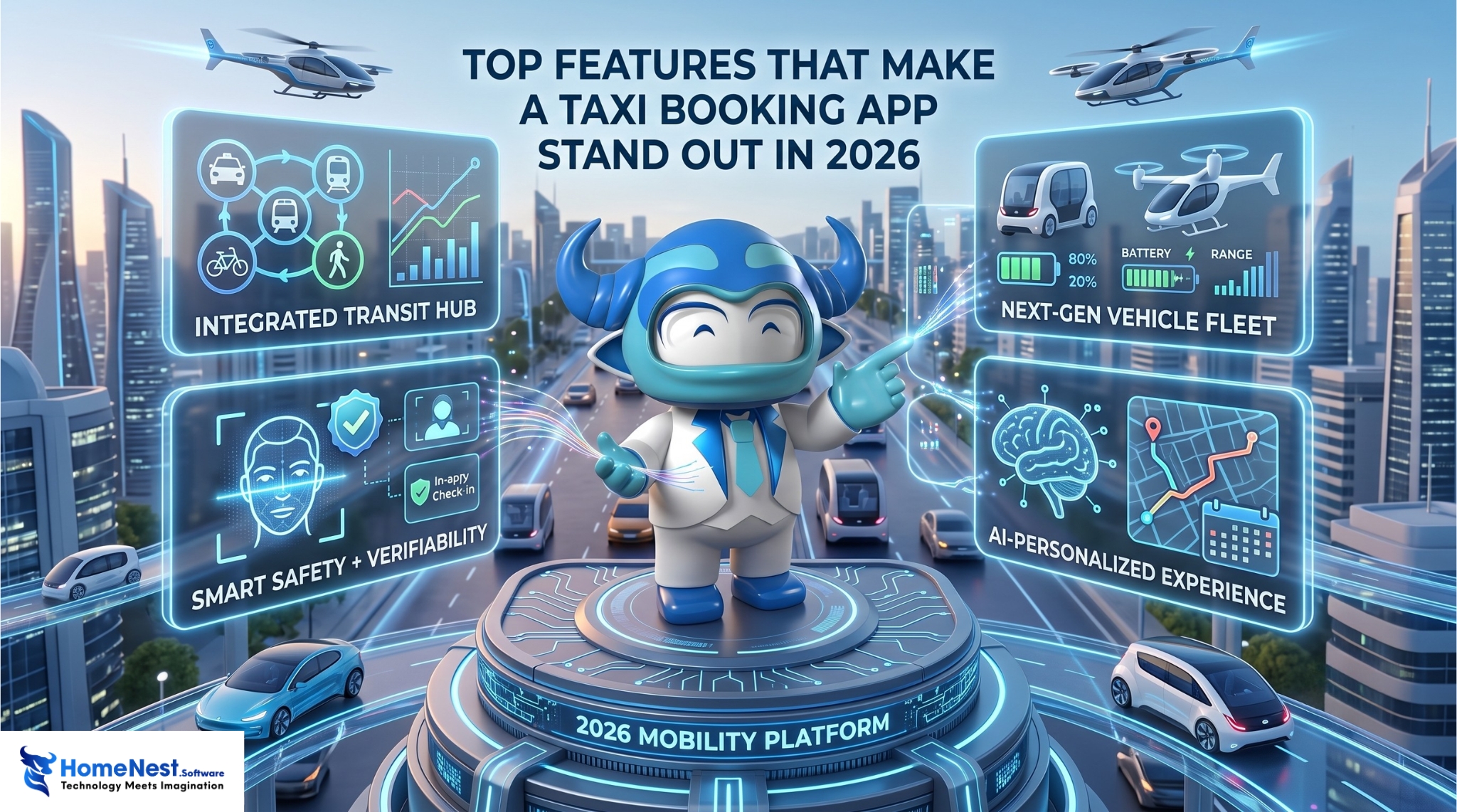
Top Features That Make A Taxi Booking App Stand Out In 2026
Building a standout taxi booking app in 2026 requires a forward-looking tech strategy. From AI-driven personalized booking and real-time IoT telematics to scalable cloud-native engineering, HomeNest Software highlights the essential features and technical recommendations needed to boost user retention, optimize fleet operations, and dominate the modern mobility market.
How Much Does It Cost To Develop A Food Delivery App Like Zomato?
Discover the complete cost breakdown and technical roadmap to build a Zomato-like food delivery app with HomeNest Software. This guide explores budget tiers, the essential 4-panel architecture (Customer, Merchant, Driver, Admin), modern tech stack recommendations, and proven monetization strategies. Learn how HomeNest Software transforms your digital platform vision into a scalable, high-yielding business asset!

GitHub vs GitLab – Architecture and Selection Guide
Managing source code requires stable infrastructure. Automating software releases requires reliable pipelines. Tool sprawl creates operational complexity. Engineering teams face friction when using fragmented DevOps tools. Selecting between GitHub and GitLab shapes long term development efficiency.
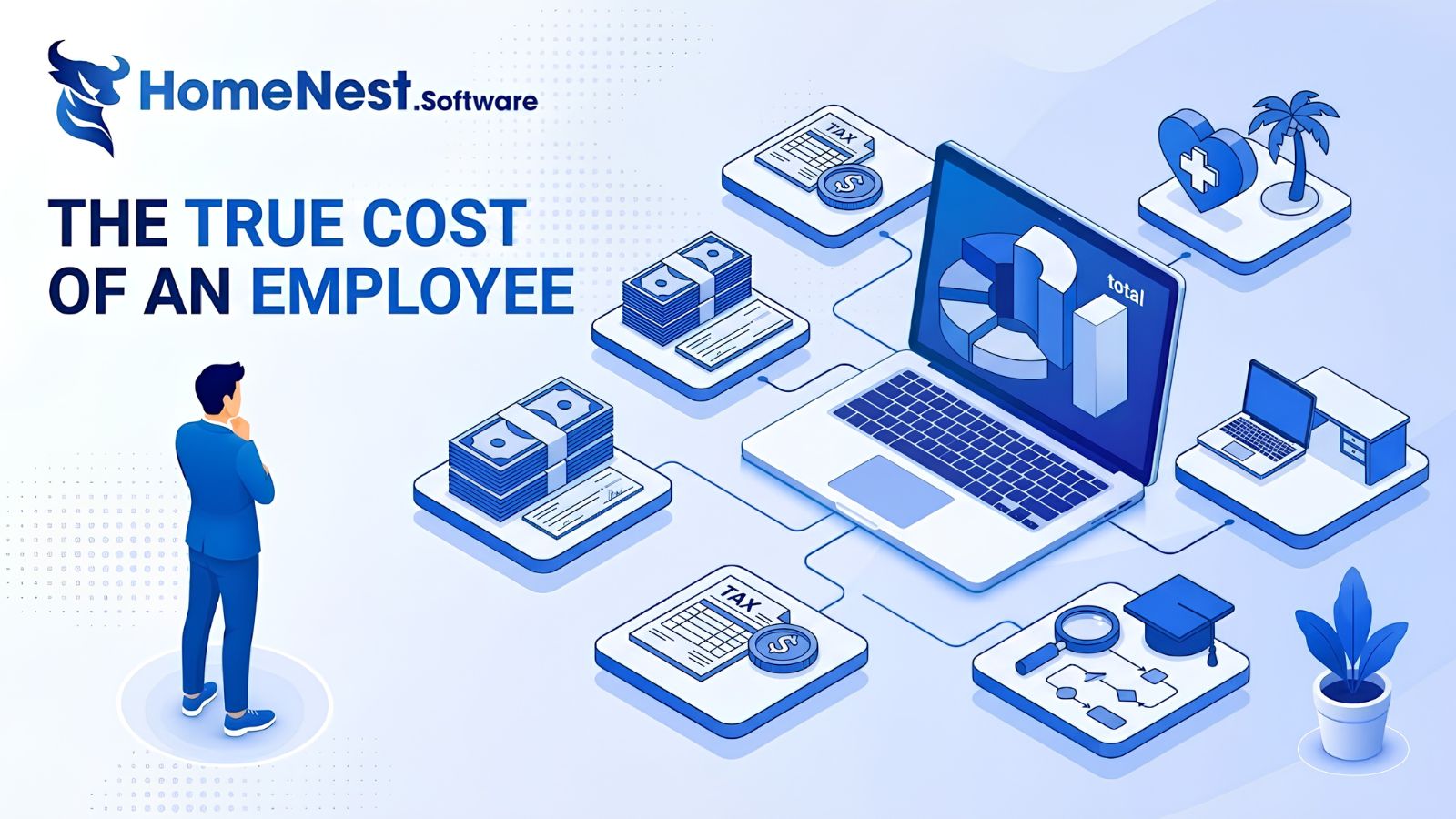
The True Cost of an Employee: A Complete Breakdown for Employers
This article reveals that the true cost of an employee is typically 25% to 40% higher than their base salary due to hidden expenses like taxes, benefits, workspace, and recruiting. To address this, the guide provides a detailed 7-step framework to accurately calculate total employer costs, alongside actionable strategies to optimize budgets and improve retention without reducing pay.
Essential Tips To Develop A Music Streaming App
Discover expert tips to develop a successful music streaming app with HomeNest Software. This guide covers essential features, legal licensing, and scalable technology stacks. Learn how to build a robust, cross-platform application with AI personalization to stand out in the 2026 competitive audio market.
How to Build a Language Learning App Like Cake
Discover how to build a successful language learning app like Cake with this comprehensive guide from HomeNest Software. We explore market research, essential MVP features, advanced AI integrations, tech stack selection, and estimated development costs. Partner with HomeNest Software to create a scalable, gamified, and highly engaging educational platform tailored to your business goals. Start your app development journey with us today.