
IoT in Logistics for Singapore: Applications, Benefits And Offshore Opportunities
IoT is becoming a core driver of smart logistics in Singapore, enabling real-time visibility, automation, and data driven decision-making; however, to fully unlock its value, businesses must focus on the right use cases, ensure seamless integration with existing systems, and adopt a scalable execution strategy often by leveraging offshore development partners to accelerate delivery, optimize costs, and build future-ready logistics ecosystems.
Scope of Work

The Internet of Things (IoT) is transforming Singapore’s logistics sector by connecting fleets, warehouses, and physical assets through real time data streams. From route optimization and smart warehousing to cold chain monitoring and predictive maintenance, IoT empowers operators to make faster, data driven decisions that enhance efficiency, improve safety, and support sustainability goals.
As Singapore accelerates its Smart Nation and Industry 4.0 initiatives, logistics companies face increasing pressure to digitize operations at speed. However, building robust IoT systems requires specialized capabilities across hardware integration, connectivity, and cloud based analytics. To bridge this gap and accelerate delivery, many organizations are partnering with offshore IoT development teams in regional tech hubs such as Vietnam.
In this article, we examine the key applications, business benefits, and implementation challenges of IoT in logistics along with the growing role of offshore development and how HomeNest Software supports Singapore businesses in driving this transformation.
What Is IoT in Logistics?
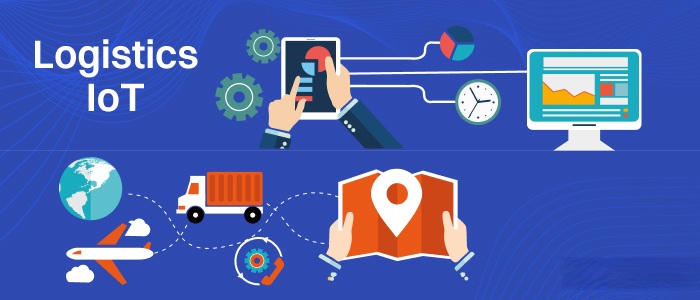
IoT in logistics refers to the deployment of connected sensors, devices, and systems that capture and exchange real time data across the entire supply chain. These technologies allow logistics operators to monitor fleets, track shipments, and optimize routes with greater precision and operational efficiency.
By linking physical assets to digital platforms, IoT enables end to end visibility and control helping organizations minimize delays, reduce operational costs, and prevent losses. For businesses in Singapore, IoT serves as a core enabler of smart, data driven supply chains that are faster, more reliable, and increasingly sustainable.
How Big Is the IoT Logistics Market? (Singapore & Global)
The IoT in logistics market is experiencing strong global growth as supply chains increasingly adopt automation, connectivity, and data driven operations. According to Mordor Intelligence, the market is projected to reach USD 59.32 billion in 2025 and grow to USD 102.42 billion by 2030, representing a compound annual growth rate (CAGR) of 11.54%. This expansion reflects a broader shift toward smart infrastructure, predictive analytics, and sustainability across global logistics networks.
In Singapore, the logistics sector an essential pillar of the country’s economic competitiveness is undergoing a similar digital transformation. The freight and logistics market is estimated at USD 24.53 billion in 2025, with projections to reach USD 33.33 billion by 2030, growing at a CAGR of 6.32%. Backed by national initiatives such as Smart Nation and Industry 4.0, along with strong regional trade connectivity, Singapore is positioning itself as a leading IoT enabled logistics hub in Asia.
Key Applications of IoT in Logistics and Supply Chain
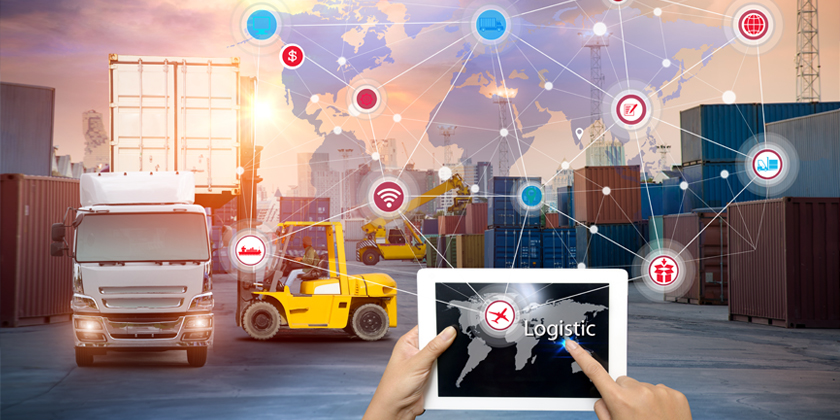
IoT is transforming every layer of logistics operations from fleet management and warehousing to asset tracking and last mile delivery. Below are the most impactful applications driving efficiency and visibility across modern supply chains.
Real Time Fleet Tracking & Route Optimization
IoT enabled sensors and GPS devices allow logistics teams to monitor vehicle location, fuel usage, driver behavior, and delivery status in real time. When combined with cloud platforms and AI driven analytics, businesses can dynamically optimize routes, reduce idle time, avoid congestion, and improve delivery accuracy.
For Singapore based companies operating across Southeast Asia, this level of visibility is critical for cross border logistics, regulatory compliance, and cost control.
Smart Warehousing & Inventory Management
Modern warehouses leverage IoT technologies such as RFID tags, sensors, and automated guided vehicles (AGVs) to track inventory movement and monitor stock levels in real time. Smart shelving systems and environmental sensors provide insights into storage conditions, helping prevent spoilage and improve space utilization.
This reduces manual errors, accelerates picking and packing processes, and ensures accurate order fulfillment especially important for Singapore’s high volume eCommerce and 3PL operations.
Cold Chain Monitoring for Perishable Goods
In sectors like food, pharmaceuticals, and healthcare, maintaining precise environmental conditions is essential. IoT devices continuously track temperature, humidity, and handling conditions, triggering real time alerts when thresholds are exceeded.
This ensures compliance with regulatory standards while minimizing spoilage and product loss. For Singapore’s export driven economy, IoT based cold chain systems are key to maintaining product quality and customer trust across regional markets.
Predictive Maintenance for Transport Assets
IoT sensors embedded in vehicles and equipment monitor performance metrics such as engine health, vibration, and temperature. By analyzing this data, companies can anticipate maintenance needs before failures occur.
Predictive maintenance reduces downtime, lowers repair costs, and enhances fleet reliability ensuring uninterrupted operations within Singapore’s high density transport ecosystem.
Automated Freight & Asset Management
IoT enables real time tracking of containers, pallets, and cargo units using smart tags and connected sensors. Integrated with analytics platforms, this allows businesses to monitor shipment status, detect anomalies such as theft or damage, and streamline customs processes.
In major hubs like Singapore’s ports and airports, IoT driven asset management improves turnaround times, reduces losses, and enhances transparency across stakeholders.
Last Mile Delivery Optimization
The final stage of delivery is often the most complex and cost intensive. IoT improves last mile logistics by integrating real time location data, traffic conditions, and intelligent delivery scheduling. Connected systems track parcel movement, while customer facing apps provide accurate ETAs and proof of delivery.
For Singapore businesses, IoT powered last mile solutions drive faster delivery, better customer experience, and scalable operations a key advantage in competitive eCommerce and B2B logistics markets.
What Are the Benefits of IoT in Logistics for Singapore Businesses?
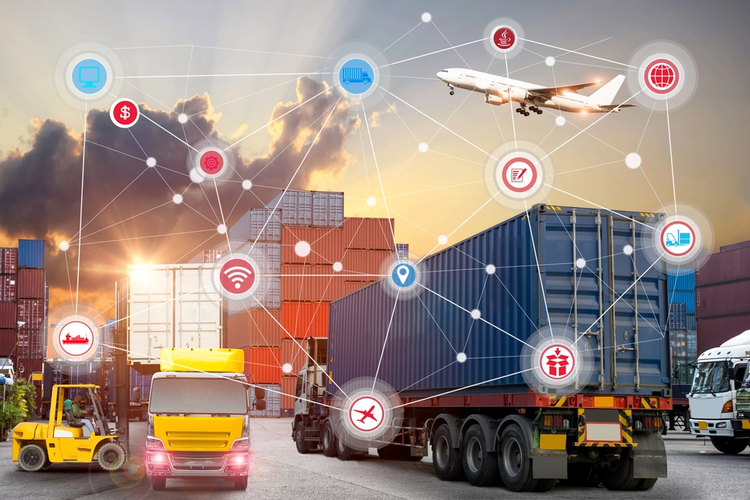
Adopting IoT in logistics enables Singapore businesses to improve operational efficiency, real time visibility, and customer experience, while significantly reducing costs. Below are the key benefits across transportation and supply chain operations:
- Real Time Visibility & Control
IoT provides continuous tracking of fleets, shipments, and warehouse assets, giving managers instant access to critical data. This allows rapid response to delays, route deviations, or potential risks such as theft. - Improved Operational Efficiency
Connected systems automate manual processes, optimize resource allocation, and synchronize activities across transportation and warehousing. The result is reduced idle time, lower fuel consumption, and faster delivery cycles. - Predictive Maintenance & Cost Reduction
IoT sensors monitor vehicle and equipment performance in real time, enabling early detection of issues. Preventive maintenance minimizes downtime, reduces repair costs, and extends asset lifespan. - Enhanced Safety & Regulatory Compliance
Real time monitoring improves driver behavior tracking and cargo safety, while ensuring compliance with Singapore’s logistics and environmental standards. Alerts help prevent incidents such as temperature breaches or unsafe operations. - Better Customer Experience
IoT enables accurate shipment tracking, real time updates, and transparent delivery status. In Singapore’s competitive market, this strengthens customer trust and long term retention. - Data Driven Decision Making
IoT systems generate actionable data that supports forecasting, performance analysis, and process optimization helping business leaders make faster, more informed strategic decisions.
In practice, IoT is not just a technology upgrade it is a strategic enabler that transforms logistics operations into more agile, intelligent, and scalable systems.
What Are the Main Challenges of Implementing IoT in Logistics?
While IoT delivers significant value across logistics operations, many Singapore businesses encounter both technical and operational hurdles when deploying and scaling solutions. Understanding these challenges is essential to building a sustainable and effective digital transformation roadmap.
- High Initial Investment
Deploying IoT infrastructure including sensors, gateways, and cloud platforms requires substantial upfront capital. For SMEs, balancing short term costs with long term ROI can be challenging without a clearly defined strategy. - Integration with Legacy Systems
Many logistics companies still operate on outdated ERP or tracking systems. Integrating IoT into these environments often demands custom APIs, middleware, and experienced engineering teams, increasing complexity and cost. - Data Security & Privacy Risks
IoT ecosystems generate and exchange large volumes of sensitive data. Ensuring robust cybersecurity and compliance with regulations such as PDPA and international standards is critical to maintaining trust and avoiding breaches. - Connectivity & Network Reliability
IoT systems depend on stable, continuous connectivity. Disruptions in 4G/5G or satellite networks especially in cross border or remote operations can impact data accuracy and system performance. - Shortage of Skilled Talent
Building and maintaining IoT solutions requires expertise in embedded systems, cloud infrastructure, and data analytics skills that are limited and costly in Singapore’s talent market. - Scalability & Maintenance Complexity
As deployments expand, managing large fleets of connected devices becomes increasingly complex. Ongoing tasks such as firmware updates, monitoring, and performance optimization require dedicated technical resources.
To address these challenges, many Singapore companies adopt a hybrid approach partnering with experienced offshore development teams to access specialized expertise, optimize costs, and accelerate scalable IoT implementation.
Why Are Singapore Businesses Turning to Offshore IoT Development Partners?
As IoT adoption accelerates, many Singapore companies face constraints in talent, cost, and scalability when building connected systems in house. Offshore development has become a strategic approach enabling faster execution, access to specialized skills, and more efficient resource allocation.
- Access to Specialized Expertise
Offshore teams bring deep capabilities in IoT hardware integration, cloud connectivity, embedded systems, and AI driven analytics expertise that is often limited and costly in Singapore’s local talent market. - Cost Efficiency Without Compromising Quality
Partnering with offshore providers particularly in regional tech hubs like Vietnam helps reduce development and operational costs while maintaining high engineering standards. This allows businesses to reinvest in innovation and scaling. - Faster Time to Market
Dedicated offshore teams accelerate the entire development lifecycle from prototyping and testing to deployment enabling logistics companies to launch IoT solutions and new services more quickly. - Scalable & Flexible Engagement Models
Offshore partners offer adaptable models such as staff augmentation or dedicated teams, allowing companies to scale resources based on project scope and timelines. - Focus on Core Business Priorities
By outsourcing IoT development, organizations can concentrate on core operations such as transportation, fulfillment, and customer experience while technical complexity is handled by specialized partners. - Regional Proximity & Collaboration Advantage
Working with ASEAN based offshore teams ensures minimal time zone differences, cultural alignment, and efficient communication resulting in smoother collaboration and faster delivery.
In practice, offshore IoT development enables Singapore businesses to bridge talent gaps, control costs, and accelerate digital transformation, while maintaining the quality and agility required in a highly competitive logistics landscape.
How to Choose the Right Offshore IoT Logistics Partner
Selecting the right offshore IoT partner is a critical success factor for any logistics digitalization initiative. Beyond cost considerations, the ideal partner must offer deep technical expertise, transparent communication, and long term reliability to deliver secure and scalable IoT solutions.
- Proven Experience in IoT & Logistics
Choose a partner with hands on experience in IoT platforms, data analytics, and logistics automation. Review past projects to ensure they have delivered solutions for fleet tracking, smart warehousing, or end to end supply chain systems. - Strong End to End Technical Capabilities
A qualified partner should cover the full stack from hardware integration and embedded systems to cloud infrastructure, AI driven analytics, and data visualization. - Flexible & Scalable Engagement Models
Look for providers offering adaptable models such as dedicated teams, staff augmentation, or full cycle project delivery. This flexibility allows you to scale resources efficiently as project scope evolves. - Data Security & Compliance Awareness
Ensure the partner follows strict data protection practices and understands regulatory requirements such as Singapore’s PDPA. A security by design approach should be embedded across the entire development lifecycle. - Effective Communication & Project Governance
Successful collaboration depends on clear communication, agile workflows, and consistent reporting. Prioritize partners with strong English proficiency, overlapping working hours, and transparent project tracking processes. - Cultural & Regional Alignment
Working with partners in nearby ASEAN markets such as Vietnam offers advantages in time zone alignment, cultural compatibility, and smoother coordination, helping accelerate delivery and reduce friction.
Ultimately, the right offshore partner is not just a vendor, but a strategic collaborator capable of aligning IoT technology with your business objectives while ensuring scalability, compliance, and long term success.
HomeNest Software – Your Trusted Partner for Custom IoT Logistics Development
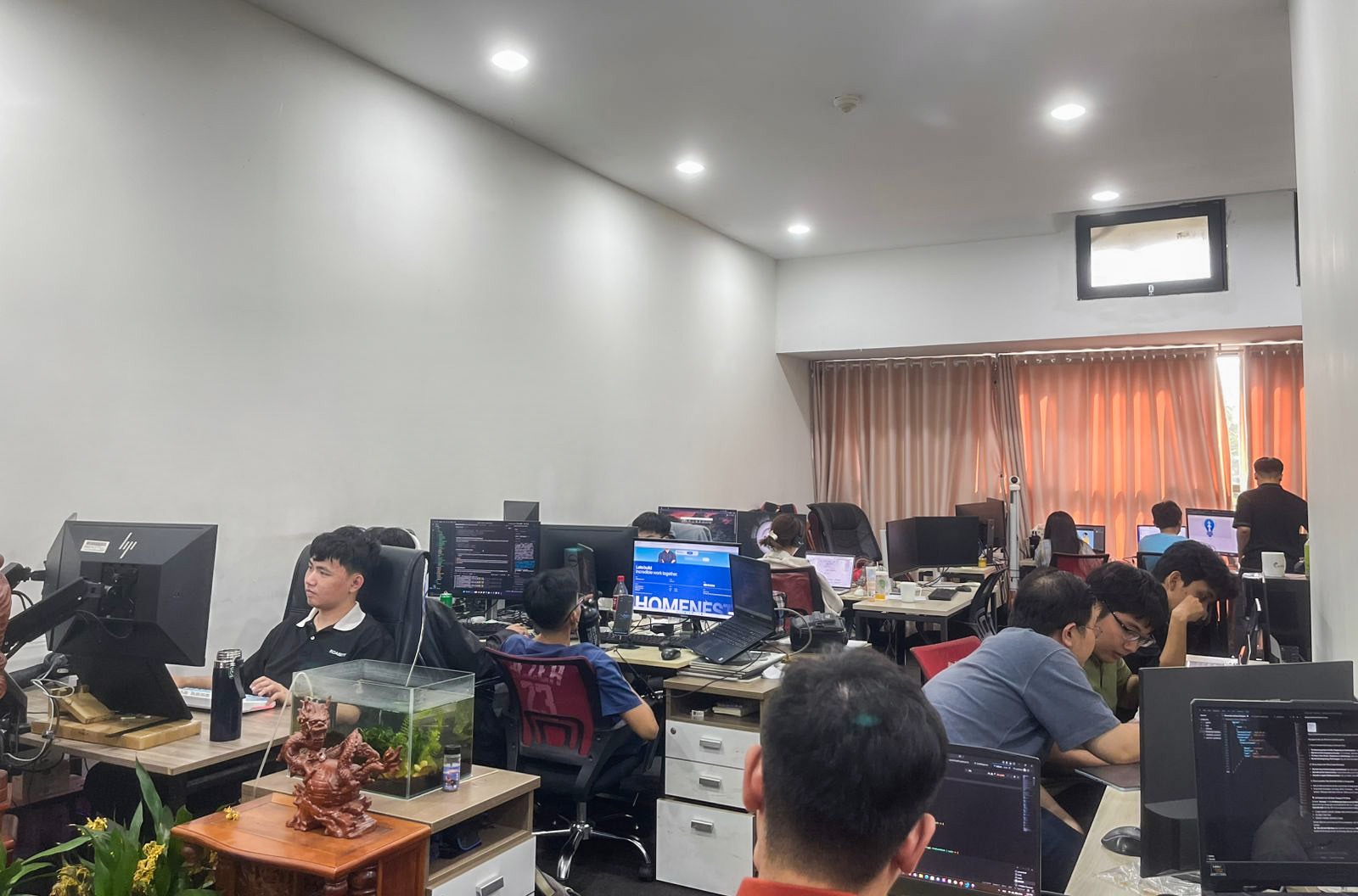
With over 10 years of experience and a team of 100+ skilled engineers, HomeNest Software is a trusted offshore development partner for businesses across Singapore and the Asia Pacific region. We specialize in delivering custom IoT logistics solutions that seamlessly connect devices, data, and operations into a unified, intelligent ecosystem helping organizations improve efficiency, visibility, and scalability.
HomeNest Software delivers secure, scalable, and tailored IoT solutions designed to meet the demands of modern logistics. Our expertise spans embedded systems, cloud architecture, AI driven analytics, and automation, enabling us to build end to end platforms that support fleet management, smart warehousing, predictive maintenance, and last mile delivery.
Why Partner with HomeNest Software?
- Proven Track Record
Successfully delivered 250+ projects across logistics, manufacturing, healthcare, and supply chain domains. - Global Reach with Local Expertise
Strong presence in Singapore, the US, Australia, Canada, Europe, Japan, and Vietnam combined with a deep understanding of local regulations such as PDPA. - Flexible Engagement Models
Choose from dedicated teams, staff augmentation, or full cycle development designed to scale efficiently with your business needs. - Fast & Transparent Delivery
Agile methodologies, clear communication, and rapid onboarding ensure smooth execution from concept to deployment. - Long Term Partnership Approach
Beyond development, we provide continuous support, system optimization, and data driven enhancements to keep your IoT systems future ready.
Whether you’re modernizing an existing logistics platform or building a new IoT powered solution from the ground up, HomeNest Software helps Singapore businesses turn innovation into measurable results securely, efficiently, and cost effectively.
The Future of IoT in Logistics (2025–2030)
From 2025 to 2030, IoT will play a central role in reshaping both global and Singapore’s logistics ecosystems. As technologies like 5G, AI, and edge computing mature, logistics networks will become increasingly predictive, autonomous, and sustainability driven.
- AI Driven Decision Making
IoT generated data will increasingly power AI systems for demand forecasting, route optimization, and dynamic inventory management enabling highly efficient, near zero downtime operations. - Integration with Blockchain & Digital Twins
The convergence of IoT with blockchain will enhance supply chain transparency and trust, while digital twin technologies will allow companies to simulate, analyze, and optimize logistics operations in virtual environments before real world execution. - Growth of Autonomous Logistics Systems
IoT will underpin the rise of autonomous solutions, including connected drones, automated guided vehicles (AGVs), and driverless delivery fleets driven by real time data and intelligent coordination. - Sustainability & Green Logistics Focus
IoT will be a key enabler of energy efficiency and carbon reduction, helping companies monitor fuel consumption, optimize routes, and meet sustainability reporting requirements. - Stronger Regional Connectivity
For Singapore, IoT adoption will reinforce its role as a smart logistics hub in Southeast Asia, enabling deeper regional integration through connected trade systems and real time data sharing.
Looking ahead, IoT will evolve from a supporting technology into a core foundation of intelligent logistics, helping Singapore businesses enhance resilience, improve efficiency, and remain competitive in a rapidly changing global landscape.
Conclusion
IoT is rapidly transforming Singapore’s logistics landscape by connecting fleets, warehouses, and supply chains into intelligent, data driven ecosystems driving greater visibility, operational efficiency, and sustainability.
However, unlocking these benefits requires more than technology alone. It demands the right combination of technical expertise, scalable architecture, and reliable execution. By partnering with experienced offshore development providers like HomeNest Software, Singapore businesses can accelerate innovation, optimize costs, and deploy secure, future ready IoT logistics solutions with confidence.
FAQs
1. What is IoT in logistics?
IoT in logistics refers to the use of connected devices, sensors, and systems to collect and exchange real time data across supply chains enabling better tracking, automation, and decision making.
2. How does IoT improve logistics operations?
IoT enhances logistics by providing real time visibility, optimizing routes, automating warehouse processes, enabling predictive maintenance, and improving delivery accuracy.
3. What are common IoT use cases in logistics?
Key use cases include:
- Fleet tracking and route optimization
- Smart warehousing and inventory management
- Cold chain monitoring
- Predictive maintenance
- Asset and freight tracking
- Last mile delivery optimization
4. Is IoT suitable for small and medium sized logistics companies?
Yes. SMEs can start with targeted IoT solutions such as fleet tracking or warehouse monitoring, then scale gradually as ROI is validated.
5. What are the main challenges of IoT implementation?
Common challenges include:
- High initial investment
- Integration with legacy systems
- Data security and compliance
- Connectivity issues
- Talent shortages
These can be mitigated through proper planning and experienced partners.
6. How much does it cost to build an IoT logistics solution?
Costs vary depending on complexity:
- Basic solution (MVP): $20,000 – $50,000
- Mid level system: $50,000 – $150,000
- Enterprise solution: $150,000+
Ongoing maintenance typically requires 10–20% of the initial cost annually.
7. Why do Singapore companies outsource IoT development?
Outsourcing helps businesses:
- Access specialized expertise
- Reduce development and operational costs
- Accelerate time to market
- Scale teams flexibly
8. Why is Vietnam a popular offshore destination for IoT development?
Vietnam offers:
- Strong engineering talent
- Competitive costs
- Geographic proximity to Singapore
- Good cultural and time zone alignment
9. How do IoT systems integrate with existing logistics platforms?
IoT solutions typically integrate via:
- APIs and middleware
- Cloud platforms
- Hybrid architectures (on device + cloud processing)
This ensures compatibility with ERP, CRM, and legacy systems.
10. How do I get started with IoT in logistics?
A typical approach includes:
-
- Define business goals and use cases
- Assess feasibility and ROI
- Build a pilot or MVP
- Test and optimize
- Scale across operations
Latest Articles
View All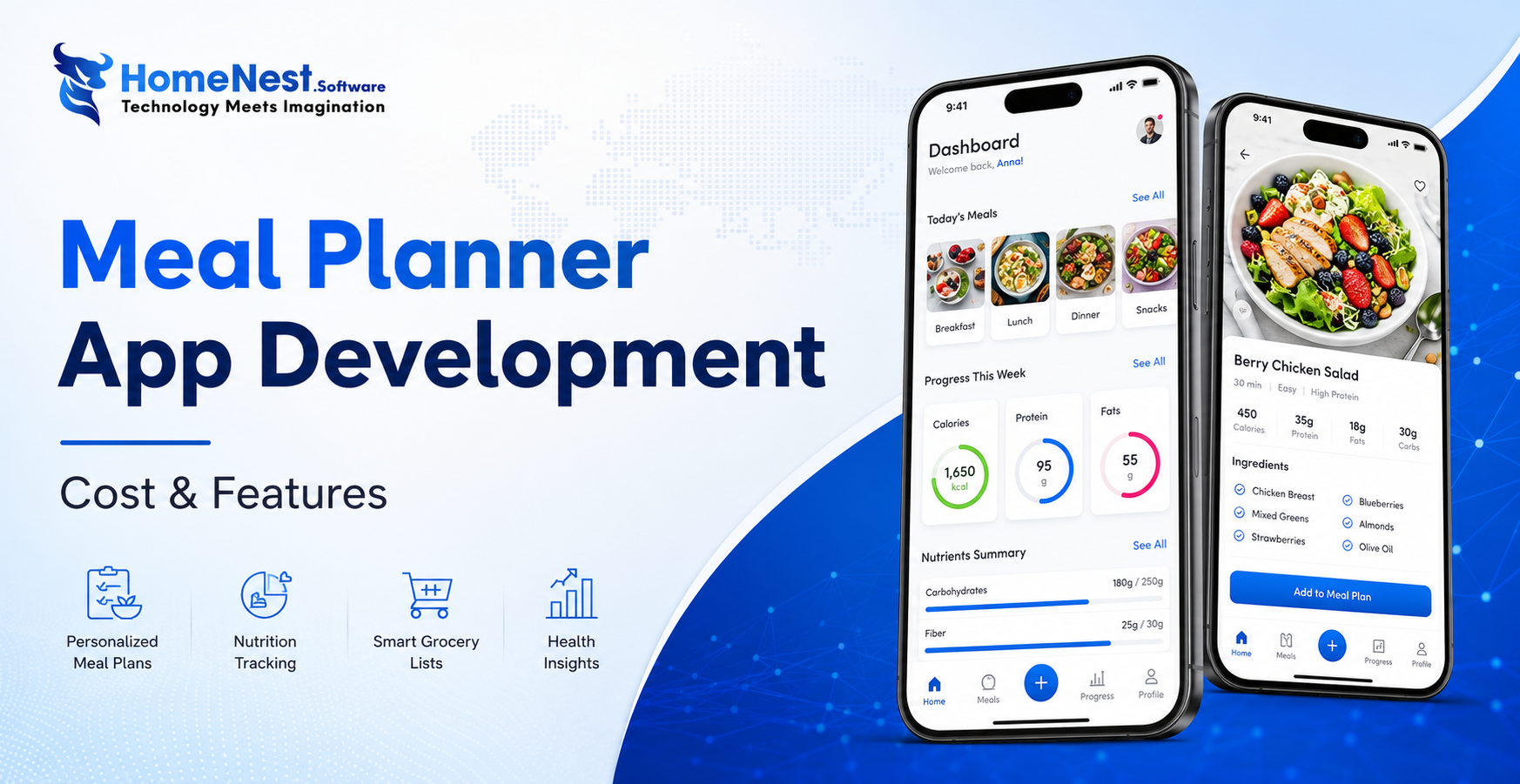
How to Build a Meal Planning App: A Complete Step-by-Step Guide
Building a successful meal planning app goes beyond creating an attractive interface it requires a clear business strategy, personalized user experiences, and scalable technology. By combining essential features like AI-powered meal recommendations, nutrition tracking, grocery list automation, and wearable integration, businesses can deliver lasting value to users while capitalizing on the growing digital health market. Partnering with an experienced mobile app development company ensures your solution is secure, future-ready, and designed to succeed in an increasingly competitive health-tech industry.
How Much Does It Cost to Build a Shopping App Like Temu?
Temu’s meteoric rise to over 900 million global downloads proves the power of combining AI, gamification, and social commerce, but building a similar viral shopping platform requires careful financial and technical planning. Developing an app like Temu typically costs anywhere from $40,000 for a basic Minimum Viable Product (MVP) to over $300,000 for a fully-featured platform. This guide breaks down every cost category, analyzes the core features driving Temu’s success, highlights the best technology stacks, and offers practical strategies to optimize your development budget without compromising on quality.

Criteria For Choosing The Right App Design Agency
UI/UX design is the logical foundation of a system, not merely a visual element. Choosing the wrong partner will directly lead to technical debt, budget overruns, and disruptions in the development process. This article provides a 6-step evaluation framework and a list of operational risks, helping businesses eliminate subjective design advice and accurately assess agency capabilities based on developer handoff standards and practical business performance.
How Does AI in Banking Industry Impact the Future?
Artificial intelligence (AI) has transitioned from a supplementary tool to a core infrastructure of financial data management, optimizing profitability through real-time fraud detection, natural language processing (NLP), and high-speed credit scoring models. “Deploying AI in the financial sector requires more than just algorithmic accuracy, it demands a highly secure cloud architecture and rigorous data governance,” commented Nguyen Tien, co-founder of HomeNest Software. Why read this guide? We skip the theoretical jargon to focus entirely on technical implementation. Whether you’re evaluating a vendor or planning a system overhaul, this article will detail: Operational Efficiency: Automating unstructured data workflows at scale. Risk Architecture: Implementing real-time threat detection and AML compliance. Data ownership: The essential need for 100% ownership of the source code to ensure full algorithm auditability.

How to Make a Banking App like Bank of America?
Developing a mobile banking application like Bank of America extends far beyond basic UI design; it requires engineering a fault-tolerant backend capable of real-time ledger synchronization, biometric authentication, and high-volume data processing under strict regulatory frameworks. Drawing from HomeNest Software’s deep experience in architecting enterprise-grade fintech solutions, this guide strips away theoretical jargon to focus entirely on operational and technical execution. What you will find in this guide: We break down the precise development roadmap, from mapping out microservices and ensuring PCI-DSS compliance to estimating MVP development costs and securing absolute data sovereignty through 100% source code ownership. If you are preparing to build, scale, or audit a financial platform, this blueprint provides the exact framework you need.
Banking App Development Cost
Building a banking application is rarely a simple process; it’s a complex technical challenge requiring a balance between complying with stringent financial regulations, handling large transaction volumes, and a scalable cloud architecture. Miscalculating these technical requirements from the outset often leads to significant technical debt and budget overruns. Based on HomeNest Software’s practical experience in designing enterprise-grade fintech solutions, this guide bypasses generic estimates to provide a realistic analysis of banking application development costs. What you’ll find in this guide: We analyze the true cost factors, from technology selection and API integration to the hidden costs of regulatory compliance and security infrastructure. Whether you’re launching a minimum viable product or expanding an existing financial platform, this analysis provides the precise operational data you need to plan your budget effectively.