
What is IoT? Everything you need to know about how IoT devices collect and process data
Discover what IoT is and how it works. Learn how businesses leverage IoT to optimize operations and drive growth with expert solutions from HomeNest Software.
Scope of Work
In the digital era, where devices seamlessly connect and exchange data, IoT has emerged as a transformative technology. From smart homes and automated manufacturing to smart cities, IoT not only enhances operational efficiency but also drives innovation and business growth.
So, what is IoT, how does it work, and how can businesses leverage this technology? Let’s explore the details below with Homenest.Software!
What is IoT?
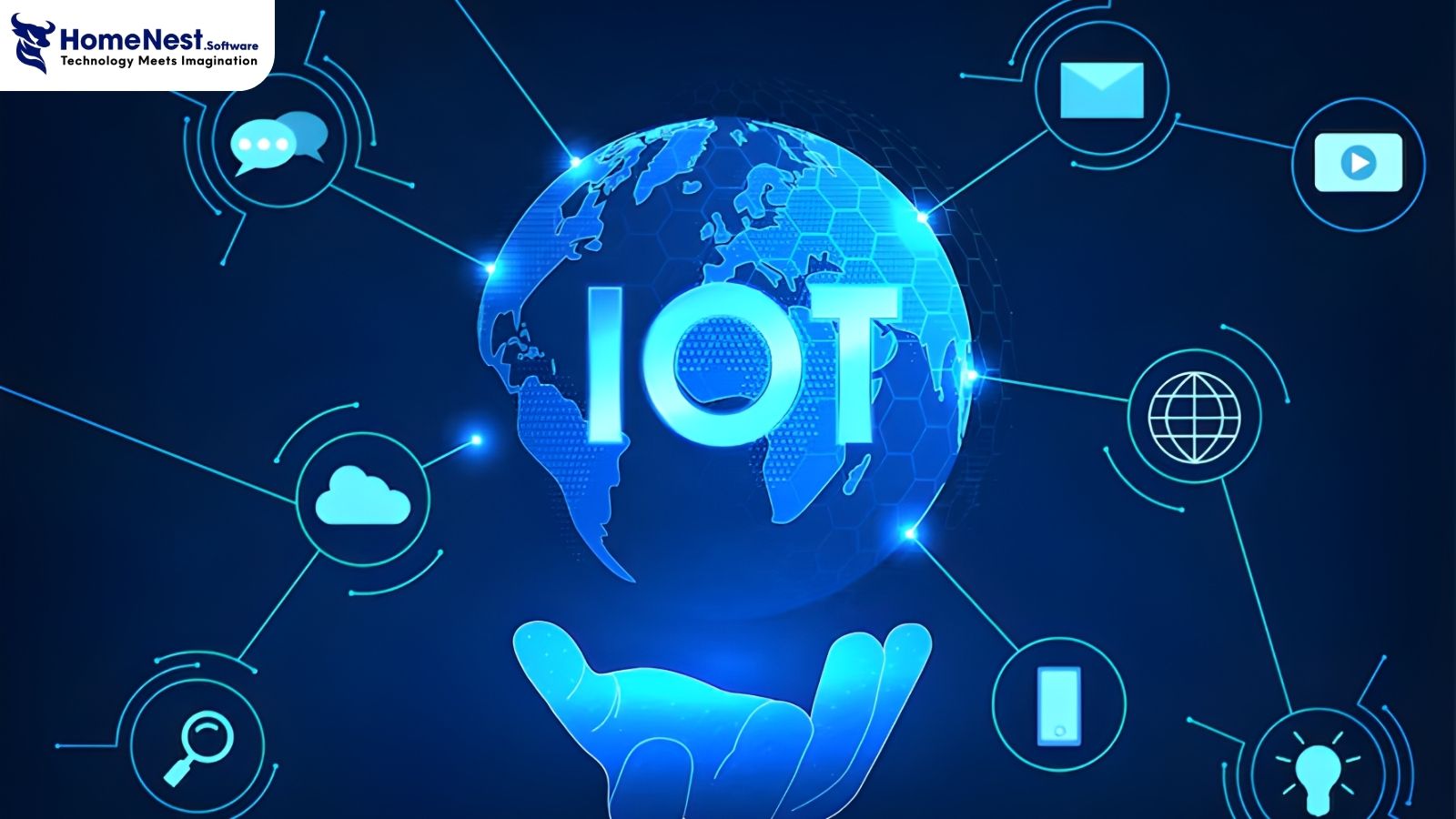
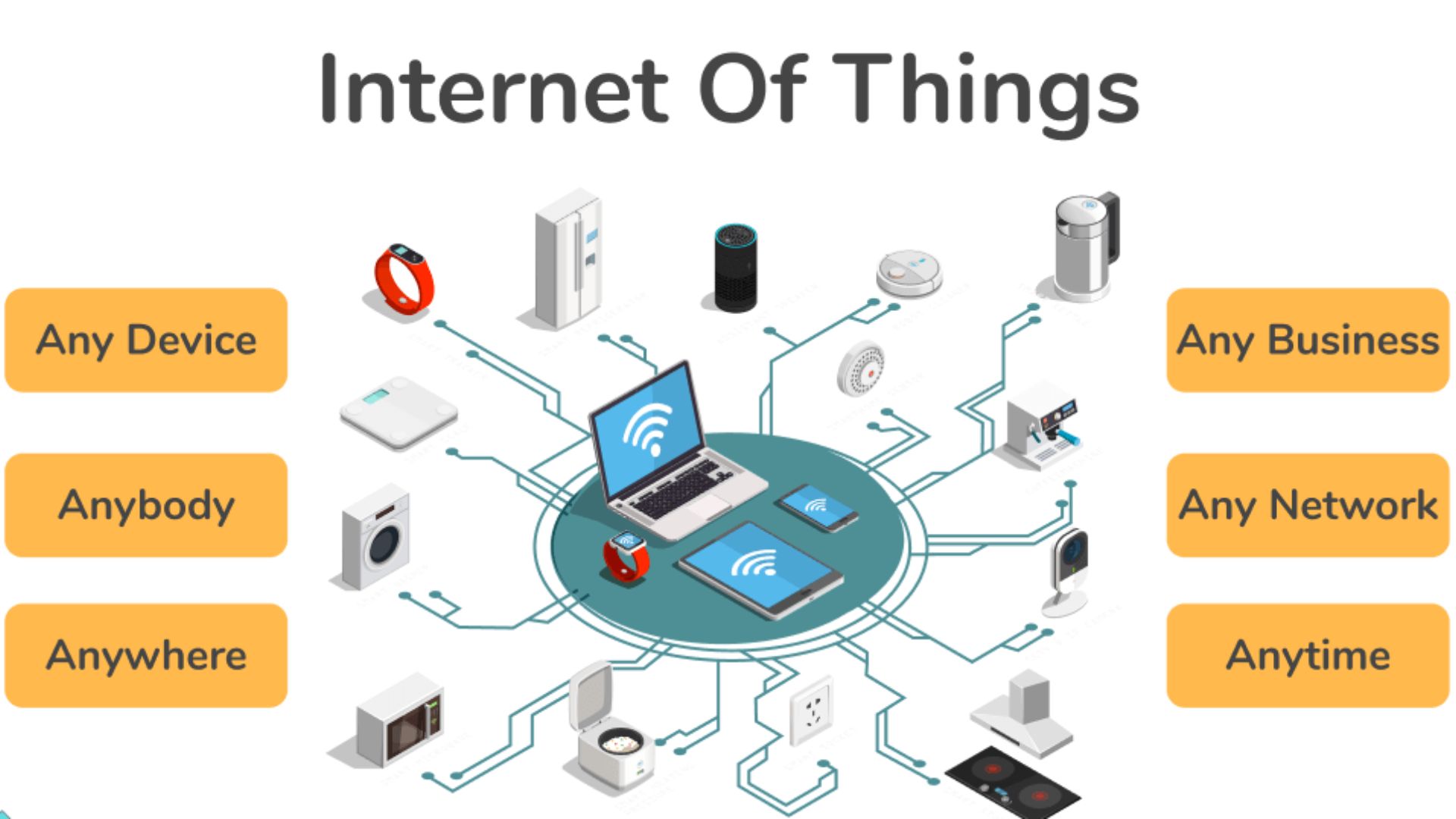
IoT (Internet of Things) is a network of Internet-connected devices that automatically collect and share data without human intervention. These range from everyday items such as lights, TVs, vacuum cleaners, doorbells, and phones, to industrial machinery, environmental sensors, or smart medical devices.
In business, IoT monitors real-time operational metrics—such as energy use and equipment efficiency—to help detect issues early, optimize processes, and reduce costs.
Origin and Development of IoT
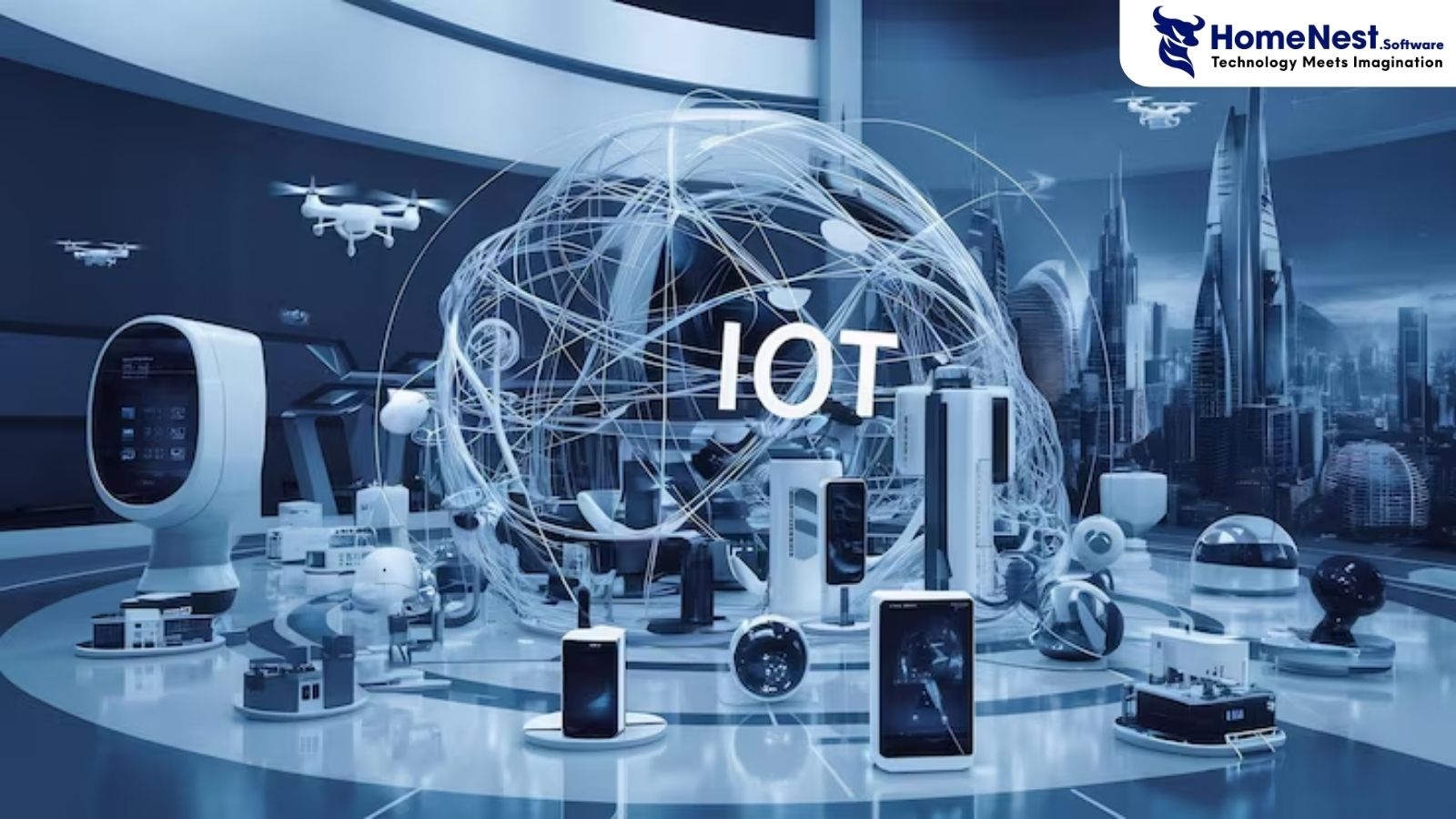
The concept of IoT extends the scope of Internet connectivity beyond computers or smartphones, turning every object into a “smart device” capable of exchanging data. Below are notable milestones in the history of the Internet of Things:
- 1990: Engineer John Romkey created a toaster that could be controlled via the Internet – the first IoT device.
- 1999: Scientist Kevin Ashton first used the term Internet of Things in a presentation about RFID, and is considered the “father of IoT.”
- 2000: LG introduced the first Internet-connected refrigerator, priced at nearly $20,000 USD.
- 2008: The first international conference on IoT was held in Switzerland.
- 2009: According to Cisco, this was the year of the “IoT explosion” when the number of connected devices surpassed the world’s population.
- 2013: The term “Internet of Things” was officially included in the Oxford Dictionary.
- 2020: More than 20 billion devices were connected to the Internet globally.
To this day, IoT continues to expand and profoundly impact almost every sector – from healthcare, manufacturing, and agriculture to urban management and human life.
Foundational Technologies of IoT
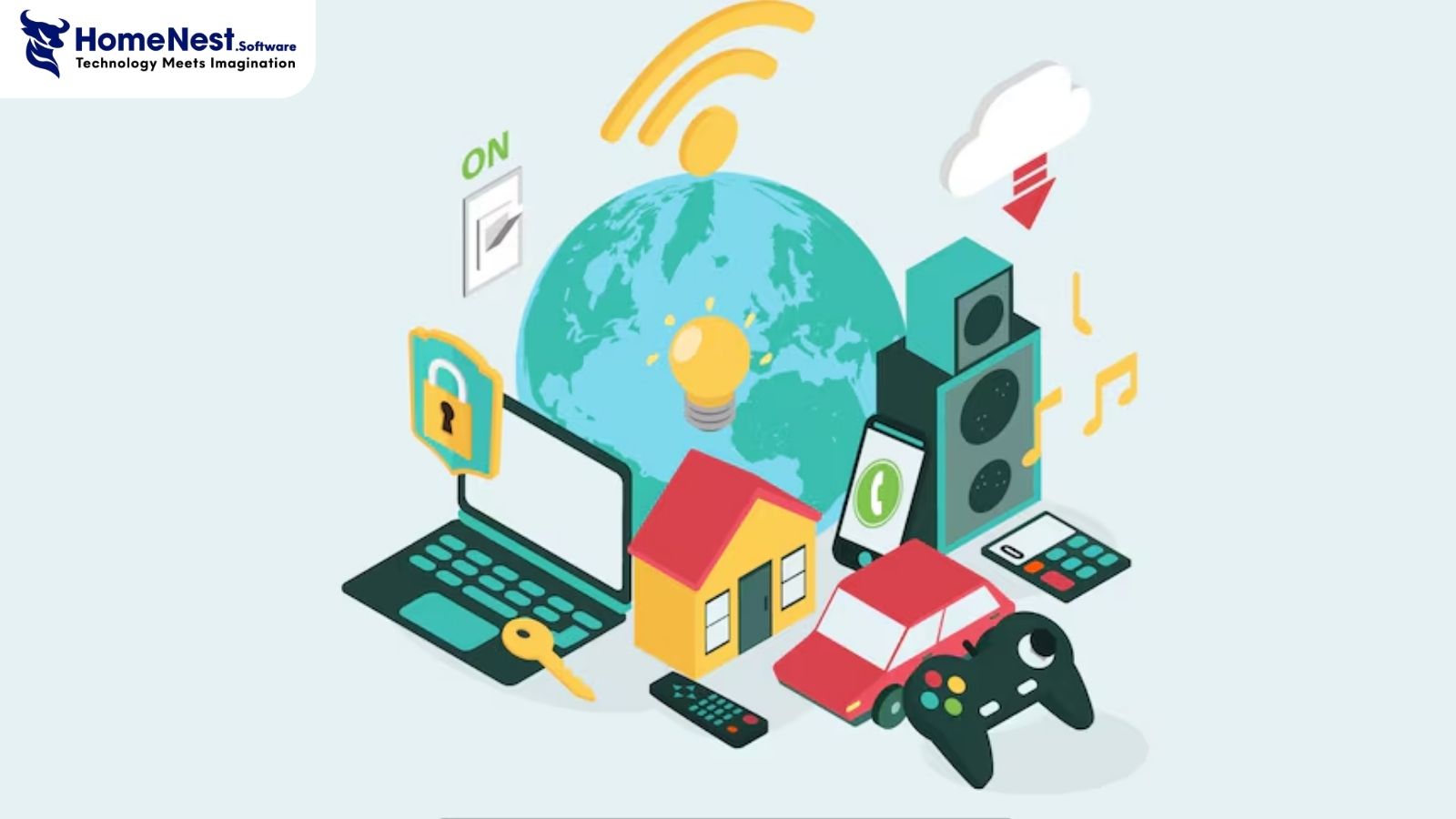
IoT operates through the combination of several advanced technologies, the most important of which include:
- Cloud Computing: Helps store and process the massive amount of data generated by IoT devices.
- Big Data Analytics: Uses algorithms and machine learning (ML) models to discover trends, make predictions, and support decision-making.
- Security and Privacy: IoT data is vulnerable to attacks; thus, measures such as encryption, multi-factor authentication, and firewalls are critically necessary.
- Edge Computing: Allows devices to process data at the source rather than sending it to a central server, reducing latency and increasing response speed.
Architecture of an IoT System
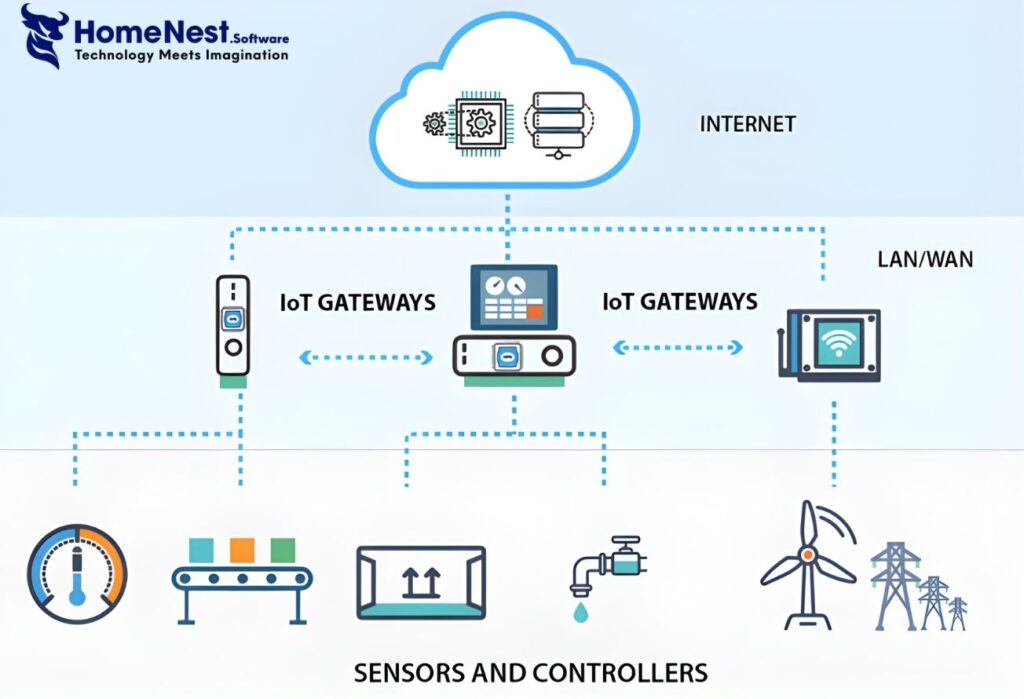
A complete IoT system consists of 5 main components:
- Things (Devices): The sensors, home appliances, machinery, etc., that collect data.
- Gateways (Connectivity): Connect devices to the Internet and perform preliminary data processing.
- Network & Cloud Infrastructure: Stores and manages the IoT data.
- Data Analytics (Services & Solutions): Uses algorithms to generate valuable insights and make decisions.
- User Interface (UI): Applications or platforms that allow users to monitor and control IoT devices.
How IoT Works
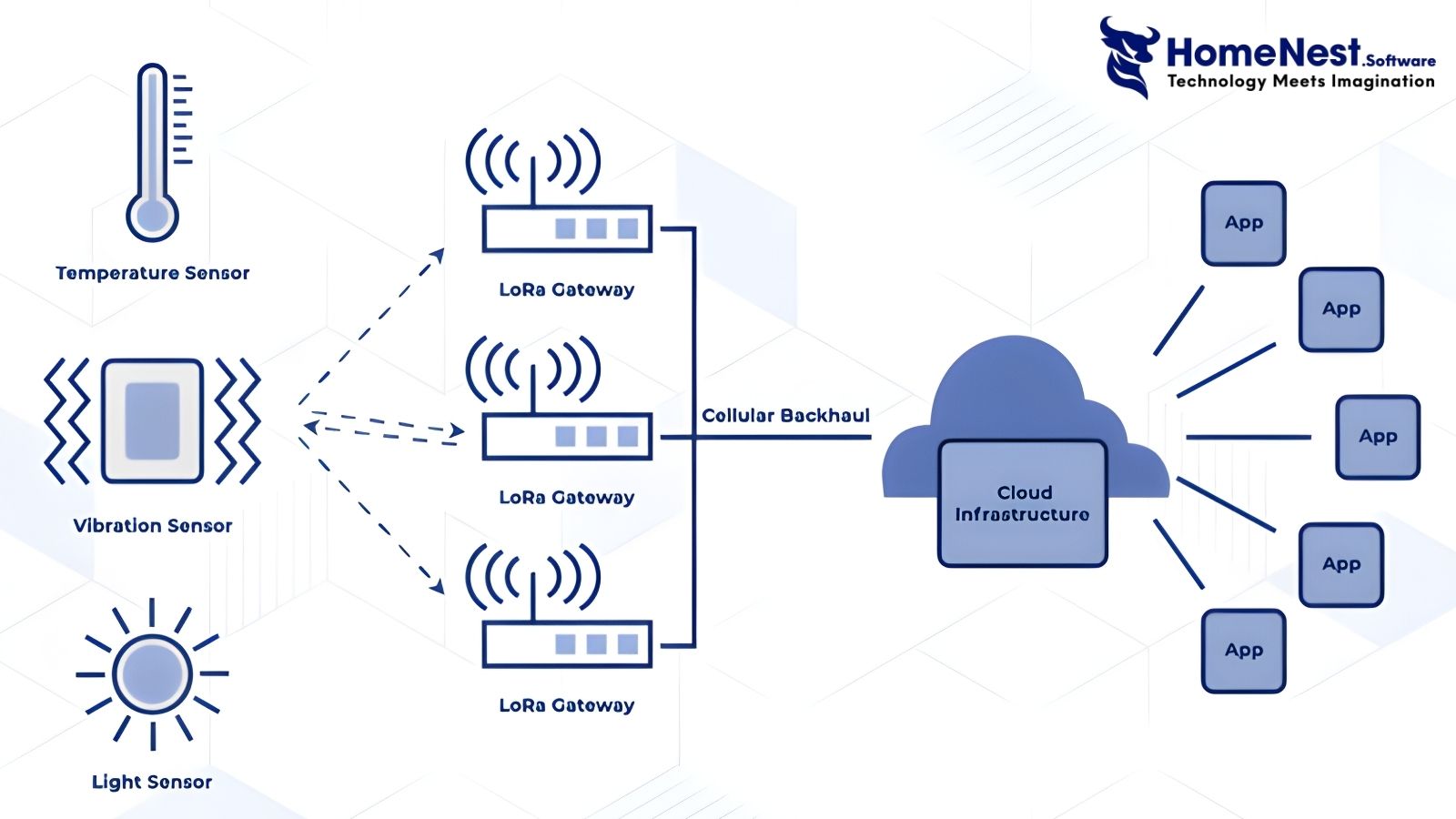
Operational Process of IoT Devices
IoT devices act as distributed sensing and response nodes, continuously capturing environmental data and transmitting it to connected systems for analysis and automated decision-making. This end-to-end workflow typically consists of four core stages:
Stage 1: Data Acquisition
Sensors embedded in IoT devices collect real-time data such as temperature, light intensity, humidity, motion, or visual inputs. The accuracy and frequency of this data collection are critical for ensuring reliable downstream analysis.
Stage 2: Data Transmission
Captured data is transmitted via communication protocols (e.g., Wi-Fi, Bluetooth, LPWAN) to centralized cloud platforms or to other interconnected devices. In latency-sensitive scenarios, edge computing enables preliminary data processing directly at or near the source to improve responsiveness and reduce bandwidth usage.
Stag3: Data Processing and Analysis
IoT platforms or software systems process incoming data using analytics models, rules engines, or machine learning algorithms to detect patterns, anomalies, or predefined conditions. For instance, a surveillance system may identify unusual motion and classify it as a potential security event.
Stage 4: Decision-Making and Actuation
Based on the analyzed data, the system either provides actionable insights to users or autonomously triggers responses. These actions may include adjusting environmental controls, activating devices, or issuing real-time alerts, ensuring timely and efficient operational outcomes.
This structured workflow enables IoT systems to deliver reliable, scalable, and intelligent automation across a wide range of applications.
Real-World Example of IoT: Smart IoT Lighting System in a Home
Suppose the living room has a smart lighting system connected to a motion sensor and a mobile application; the process will unfold as follows:
- Data Collection: The sensor detects people moving or measures ambient brightness to adjust the lights accordingly.
- Data Transmission: The signal is sent to the central controller via Wi-Fi, Zigbee, or Bluetooth, and can be processed locally or via the cloud platform.
- Data Processing: When it’s dark and there are people in the room, the lights turn on automatically; when no motion is detected for a certain period, the lights turn off automatically to save electricity.
- Decision-Making and Action: The user can control the lights by voice, set a timer, or adjust the brightness via the application. The system also compiles electricity consumption statistics to help optimize costs.
As a result, IoT helps the home become smarter, more convenient, and more energy-efficient, while providing a modern and flexible living experience.
Applications of IoT in Various Sectors
The Internet of Things is gradually becoming an indispensable part of modern life. With its ability to connect, collect, and share data in real-time, IoT is widely applied across many different sectors, bringing convenience, efficiency, and superior experiences to people.
1. In Daily Life
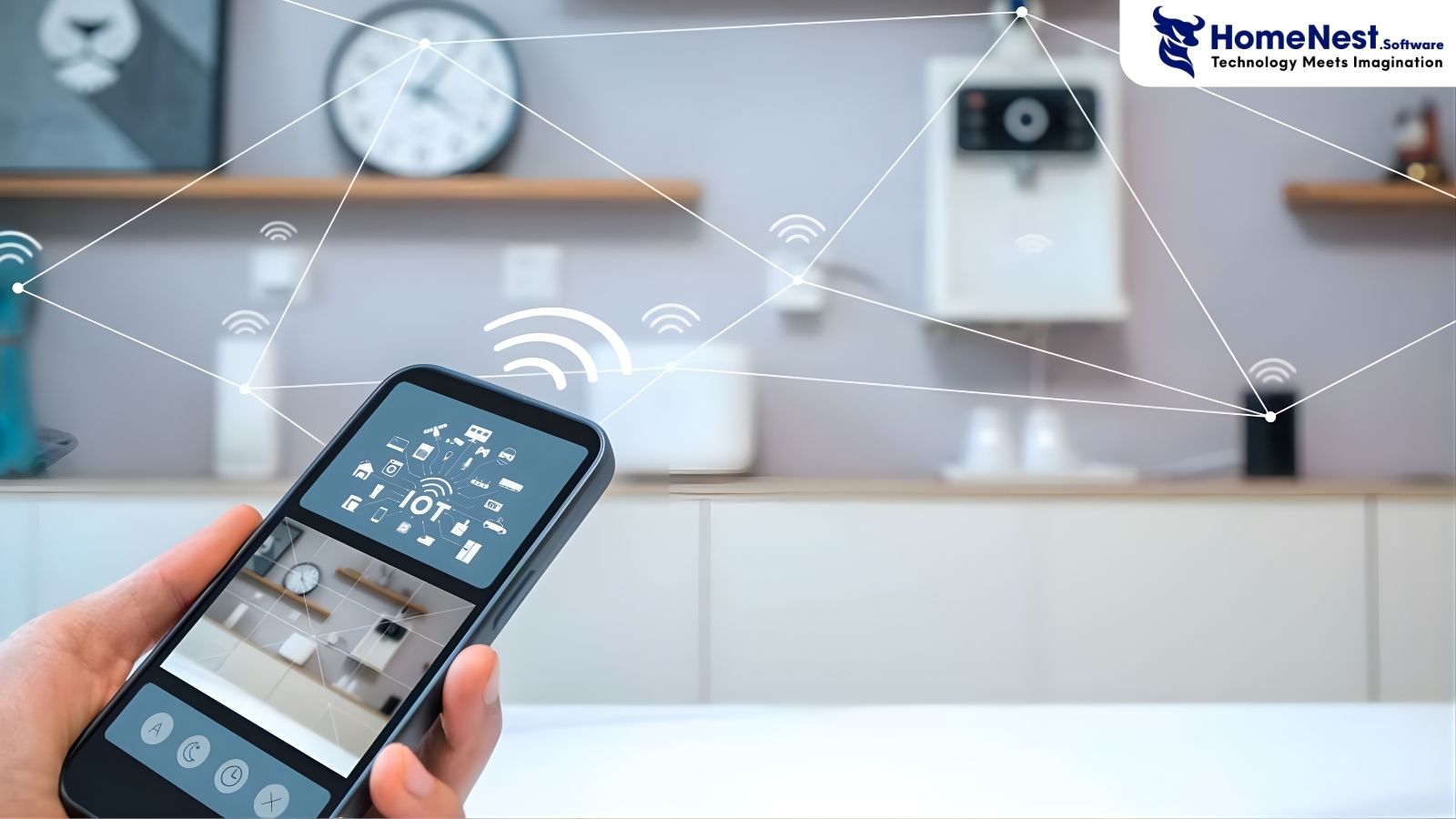
IoT is present everywhere—from smart homes and wearable devices to transportation. Devices such as smart speakers, security cameras, air conditioners, lights, and door locks can all be controlled via mobile phones or voice commands. This helps users manage their homes anytime, anywhere, while simultaneously saving energy and enhancing safety.
For example, a smart lighting system can automatically turn on/off based on human presence, while a robot vacuum cleaner can operate periodically to keep the space clean.
2. In Healthcare
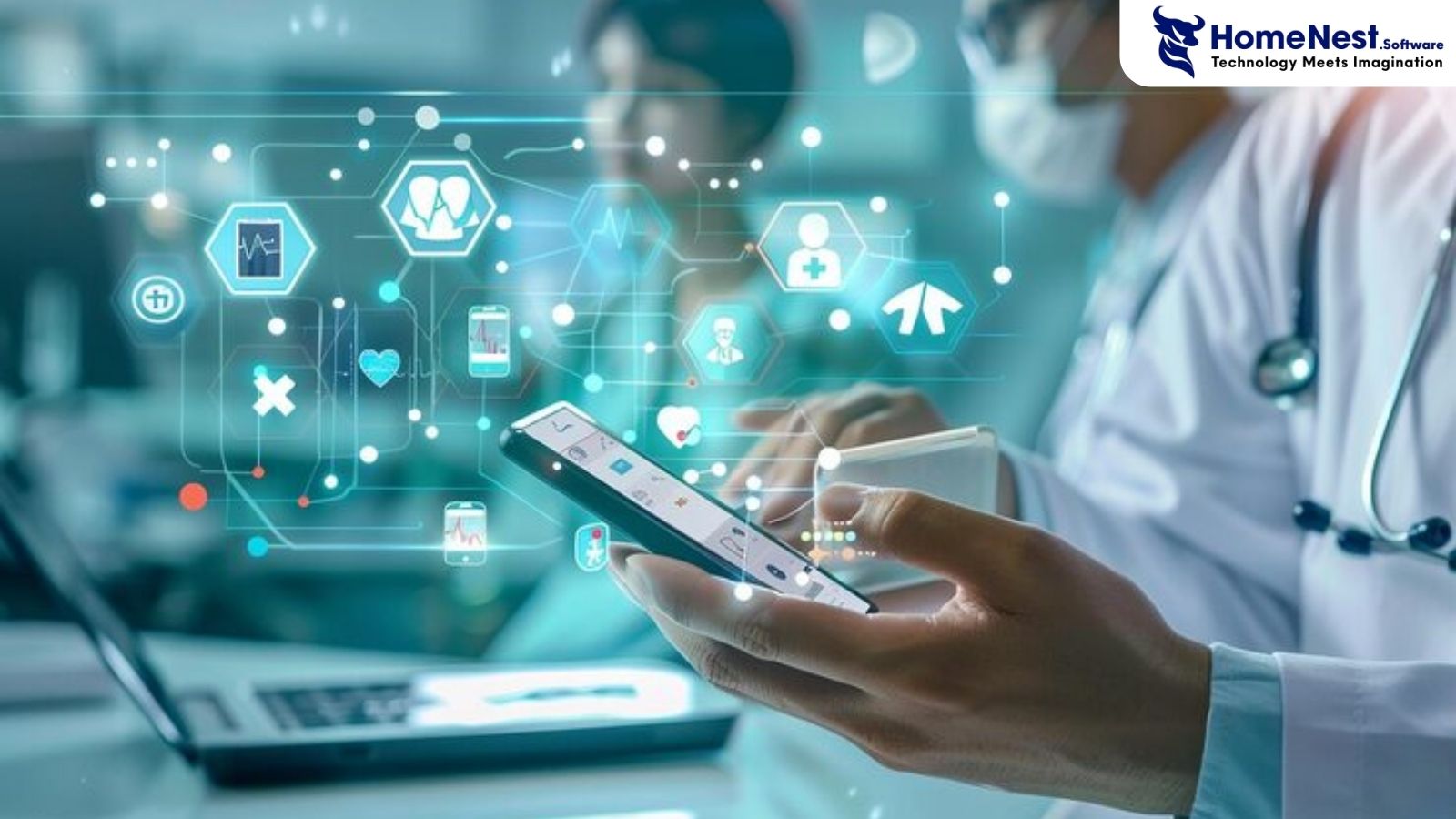
IoT plays a major role in the medical field with the emergence of smart medical devices such as health-tracking wristbands, sensors to measure heart rate, blood pressure, or blood oxygen saturation. These devices can connect directly to a phone or the healthcare system, allowing doctors to easily monitor a patient’s condition remotely, helping to detect health issues early.
In addition, smart hospitals apply IoT in managing equipment, monitoring patients, storing electronic medical records, and automating treatment procedures.
Read more: Why Healthcare Organizations Should Invest in IoT Today
3. In Traffic and Transportation
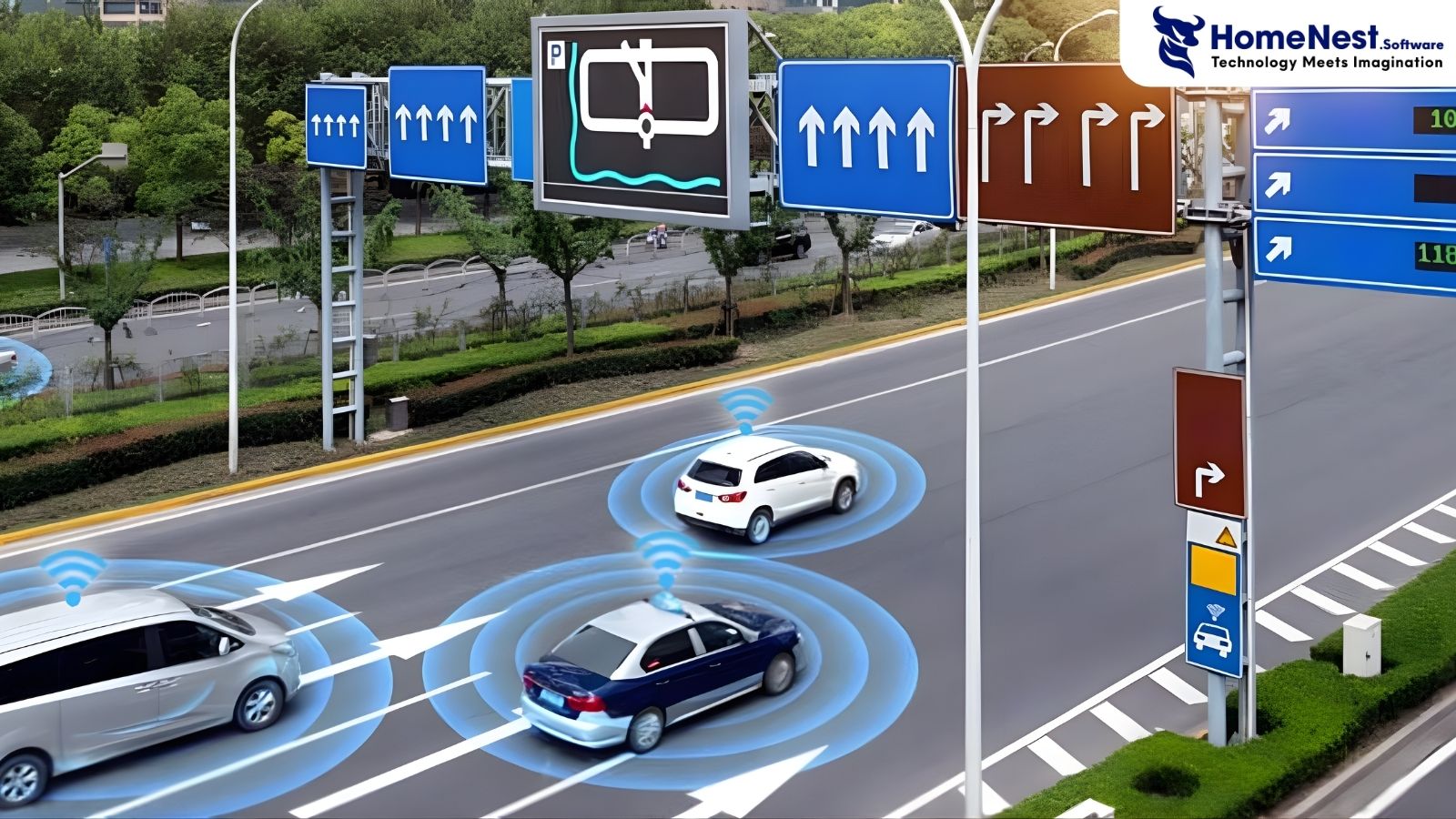
Intelligent Transportation Systems (ITS) use IoT to manage traffic flow, control traffic lights, monitor speed, or predict congestion. Modern cars are integrated with sensors, GPS, and Internet connectivity systems to assist drivers with navigation, collision avoidance, and optimal route guidance.
On a larger scale, logistics companies also use IoT to track the location of goods, the temperature inside containers, and ensure the supply chain operates smoothly.
4. In Agriculture
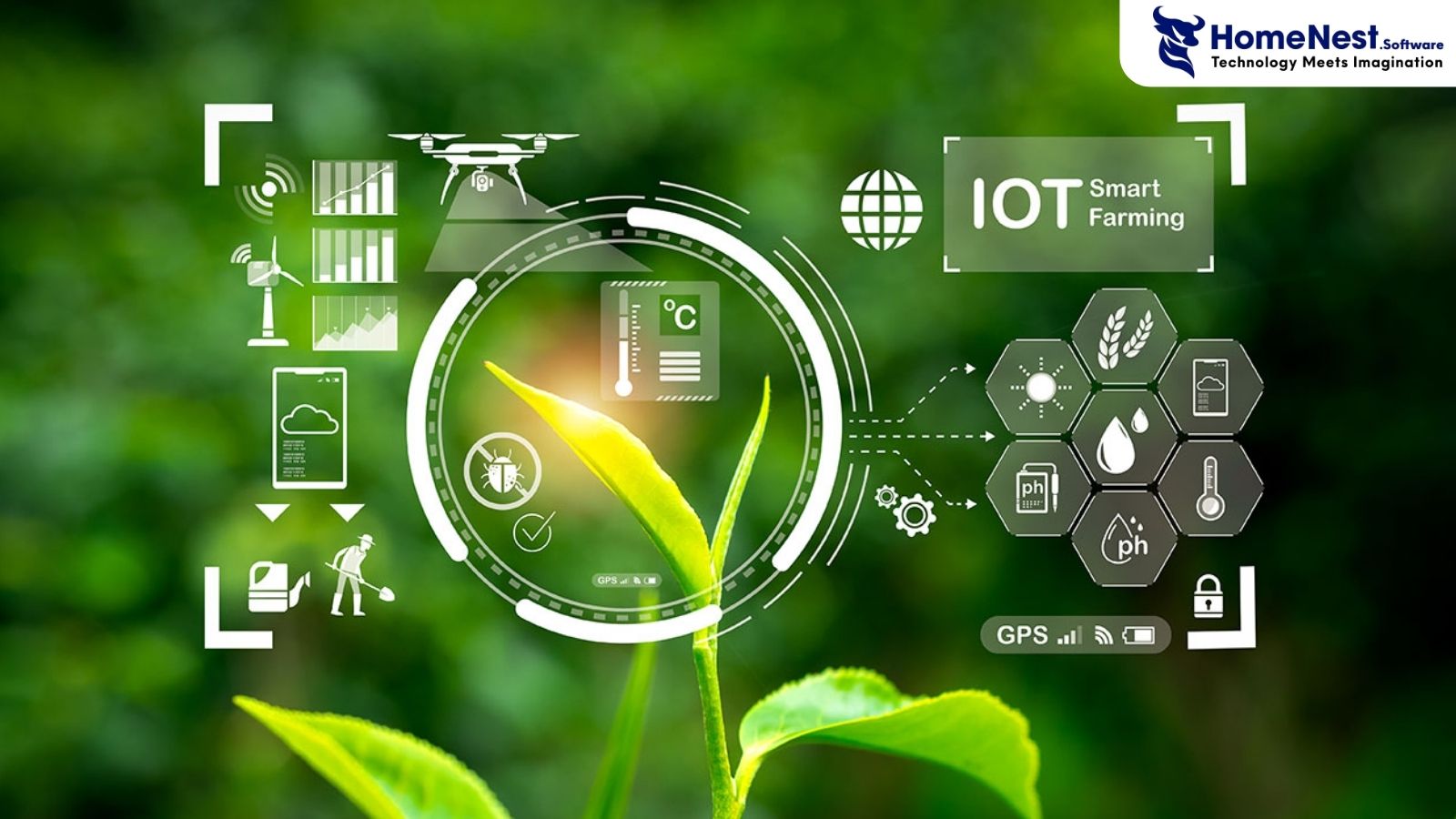
Smart Farming is one of the most prominent applications of IoT. IoT sensors help farmers measure moisture, temperature, light, and nutrient levels in the soil to adjust the appropriate amounts of water and fertilizer. As a result, crop yield is improved, costs are reduced, and resource waste is minimized.
Some farms currently use drones and IoT-connected automatic irrigation systems to monitor the entire cultivated area in real-time.
5. In Industry and Manufacturing
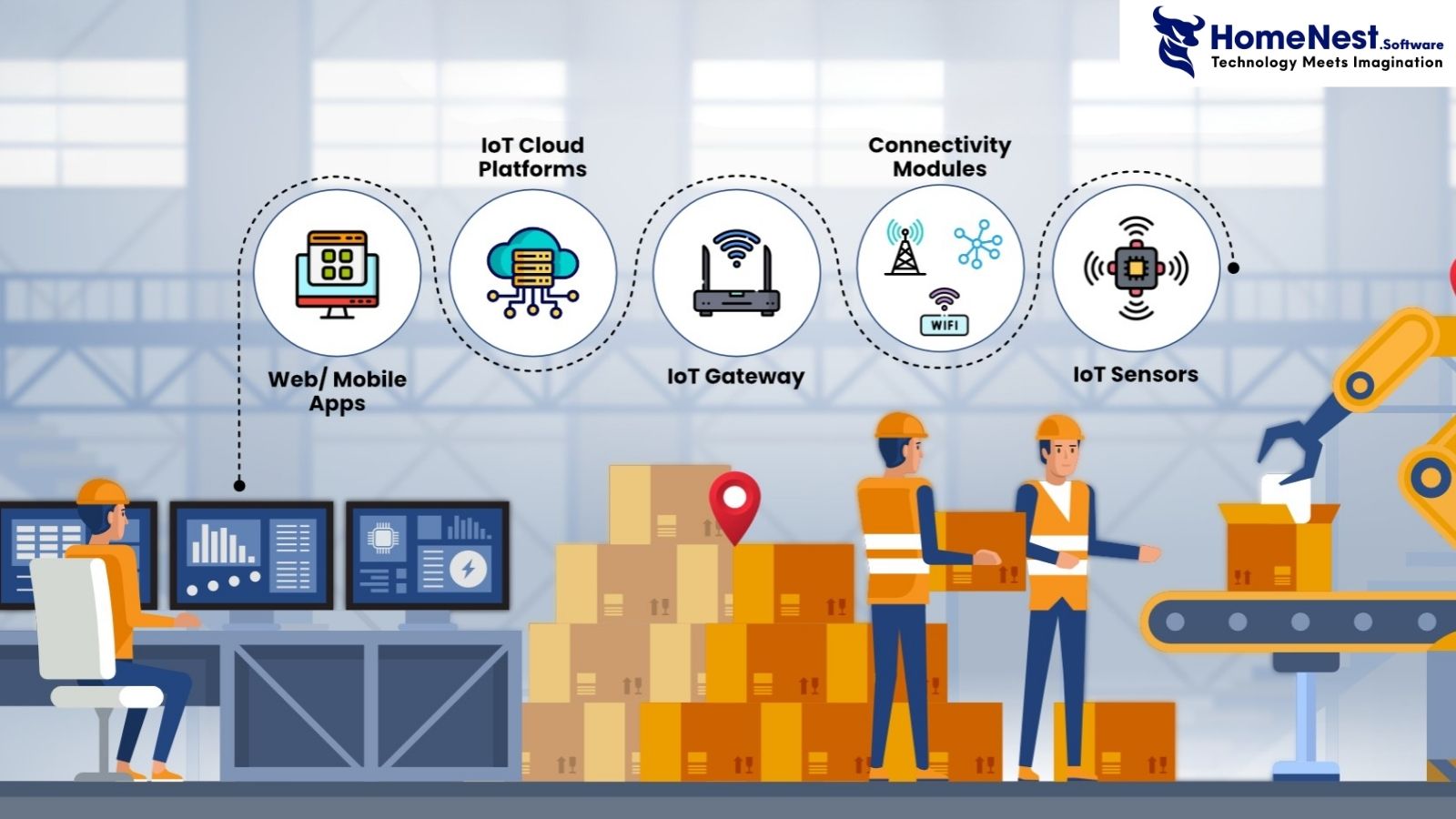
IoT is the core foundation of Industry 4.0, where machinery, sensors, and robots are connected to create automated and smart production processes. The system can monitor machinery status, predict failures, optimize production workflows, and minimize downtime.
Smart Factories not only increase productivity but also ensure occupational safety and product quality, thanks to continuously collected and analyzed data.
6. In Urban Areas and Energy
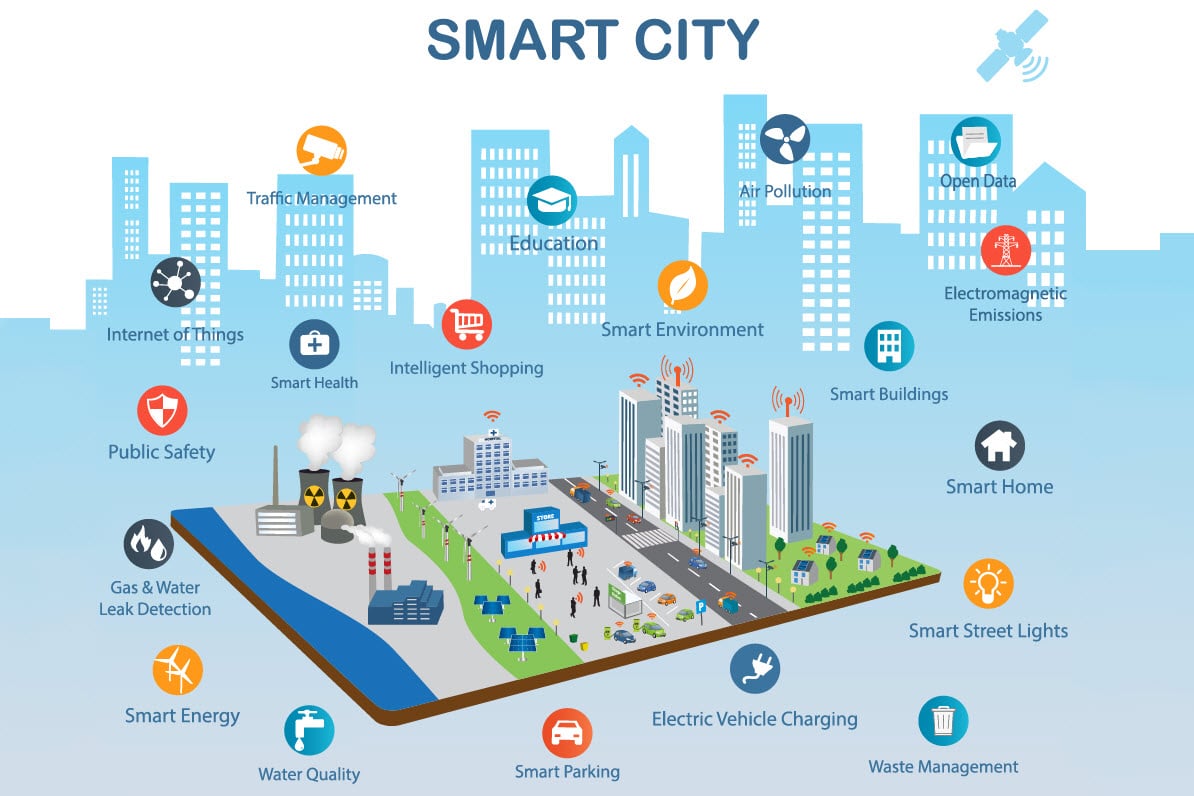
IoT helps form Smart Cities, where all activities—from public lighting, waste collection, traffic management, to energy usage—are digitized and coordinated through a network of sensors.
Furthermore, in the energy sector, Smart Meters allow for real-time tracking of electricity consumption, helping residents proactively adjust and save costs.
Benefits of IoT for Businesses
Applying IoT in manufacturing and business brings many clear benefits:
- Increased Productivity: IoT helps automate processes, monitor equipment performance, and provide early warning of malfunctions, enabling businesses to maintain continuous and more efficient operations.
- Support for Accurate Decision-Making: Data collected from IoT sensors helps businesses analyze trends, optimize operations, and make strategic decisions based on real-world data.
- Cost Savings: Thanks to automation and energy optimization, IoT helps reduce unnecessary operating, maintenance, and power consumption costs.
- Enhanced Customer Experience: Businesses can personalize services based on behavioral data, providing users with a more convenient and satisfying experience.
As can be seen, the Internet of Things not only helps businesses operate more efficiently but also drives innovation, enhancing competitive capability in the digital age.
Challenges in Deploying IoT and Solutions
| Challenge | Description | Solution |
| Security & Privacy | Risk of cyberattacks or data leaks | Encryption, multi-factor authentication, and regular updates |
| Compatibility | Difficulty in synchronizing devices from various manufacturers | Protocol standardization (MQTT, CoAP, etc.), use of intermediary gateways |
| Cost & Technical Deployment | High investment, lack of specialized personnel | Phased deployment, consider IoT-as-a-Service |
IoT has been, is, and will continue to be a key technology in the digital transformation journey of every business.
Before investing, businesses need to determine their goals, needs, and actual deployment capability to select the appropriate solution. If applied correctly, IoT will not only help optimize operations but also open up opportunities for innovation, sustainable development, and increased long-term competitive advantage.
Contact Us Now HomeNest Software immediately if you want to apply IoT technology to optimize processes, develop smart products, and enhance business efficiency—we accompany you from consultation to full-package IoT solution deployment, helping your business break through in the digital age.
HomeNest Software – A Foundation for Sustainable Growth for Vietnamese Businesses.

Contact Information:
- Address: The Sun Avenue, 28 Mai Chi Tho Street, Binh Trung Ward, Ho Chi Minh City
- Hotline: +84 898 994 298 ( WhatsApp )
- Website: homenest.software
HomeNest Services: Website Design – App Design – Software Development
Frequently Asked Questions About IoT
1. What is IoT, and why is it important for businesses?
IoT (Internet of Things) is a system that connects devices to the Internet to collect and exchange data. Applying IoT helps businesses automate processes, reduce costs, increase productivity, and make more accurate decisions thanks to real-time data.
2. Can small businesses implement IoT?
Absolutely. With flexible and cost-effective IoT solutions, small businesses can start on a small scale—such as monitoring energy, equipment, or inventory management—and then gradually expand according to their needs.
3. How does IoT differ from AI and Big Data?
IoT is the source for collecting data through sensors and connected devices, while AI and Big Data are the tools for analyzing and processing that data to make smarter decisions.
Read more: The Role of AI in IoT: Key Benefits, Real-World Use Cases, and Challenges
4. Is IoT safe? How can an IoT system be secured?
If implemented correctly, IoT is completely safe. HomeNest Software always integrates security layers such as data encryption, user authentication, firewalls, and regular updates to protect your system from the risk of cyberattacks.
5. Where should a business start with IoT implementation?
A business should start by identifying clear objectives (such as optimizing processes, reducing costs, or improving customer experience), then selecting the appropriate IoT devices and platform to pilot on a small scale before expanding the entire system.
Latest Articles
View All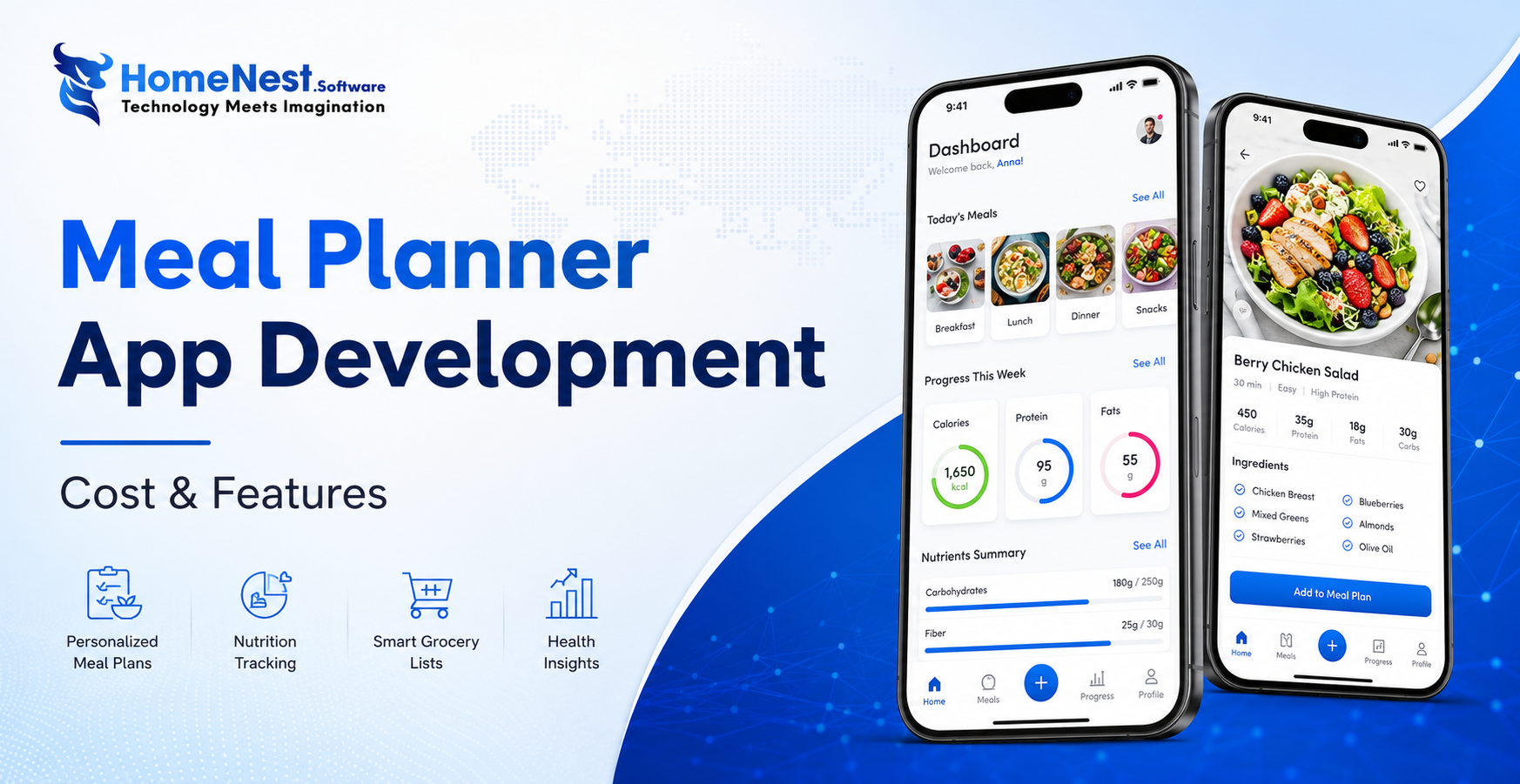
How to Build a Meal Planning App: A Complete Step-by-Step Guide
Building a successful meal planning app goes beyond creating an attractive interface it requires a clear business strategy, personalized user experiences, and scalable technology. By combining essential features like AI-powered meal recommendations, nutrition tracking, grocery list automation, and wearable integration, businesses can deliver lasting value to users while capitalizing on the growing digital health market. Partnering with an experienced mobile app development company ensures your solution is secure, future-ready, and designed to succeed in an increasingly competitive health-tech industry.
How Much Does It Cost to Build a Shopping App Like Temu?
Temu’s meteoric rise to over 900 million global downloads proves the power of combining AI, gamification, and social commerce, but building a similar viral shopping platform requires careful financial and technical planning. Developing an app like Temu typically costs anywhere from $40,000 for a basic Minimum Viable Product (MVP) to over $300,000 for a fully-featured platform. This guide breaks down every cost category, analyzes the core features driving Temu’s success, highlights the best technology stacks, and offers practical strategies to optimize your development budget without compromising on quality.

Criteria For Choosing The Right App Design Agency
UI/UX design is the logical foundation of a system, not merely a visual element. Choosing the wrong partner will directly lead to technical debt, budget overruns, and disruptions in the development process. This article provides a 6-step evaluation framework and a list of operational risks, helping businesses eliminate subjective design advice and accurately assess agency capabilities based on developer handoff standards and practical business performance.
How Does AI in Banking Industry Impact the Future?
Artificial intelligence (AI) has transitioned from a supplementary tool to a core infrastructure of financial data management, optimizing profitability through real-time fraud detection, natural language processing (NLP), and high-speed credit scoring models. “Deploying AI in the financial sector requires more than just algorithmic accuracy, it demands a highly secure cloud architecture and rigorous data governance,” commented Nguyen Tien, co-founder of HomeNest Software. Why read this guide? We skip the theoretical jargon to focus entirely on technical implementation. Whether you’re evaluating a vendor or planning a system overhaul, this article will detail: Operational Efficiency: Automating unstructured data workflows at scale. Risk Architecture: Implementing real-time threat detection and AML compliance. Data ownership: The essential need for 100% ownership of the source code to ensure full algorithm auditability.
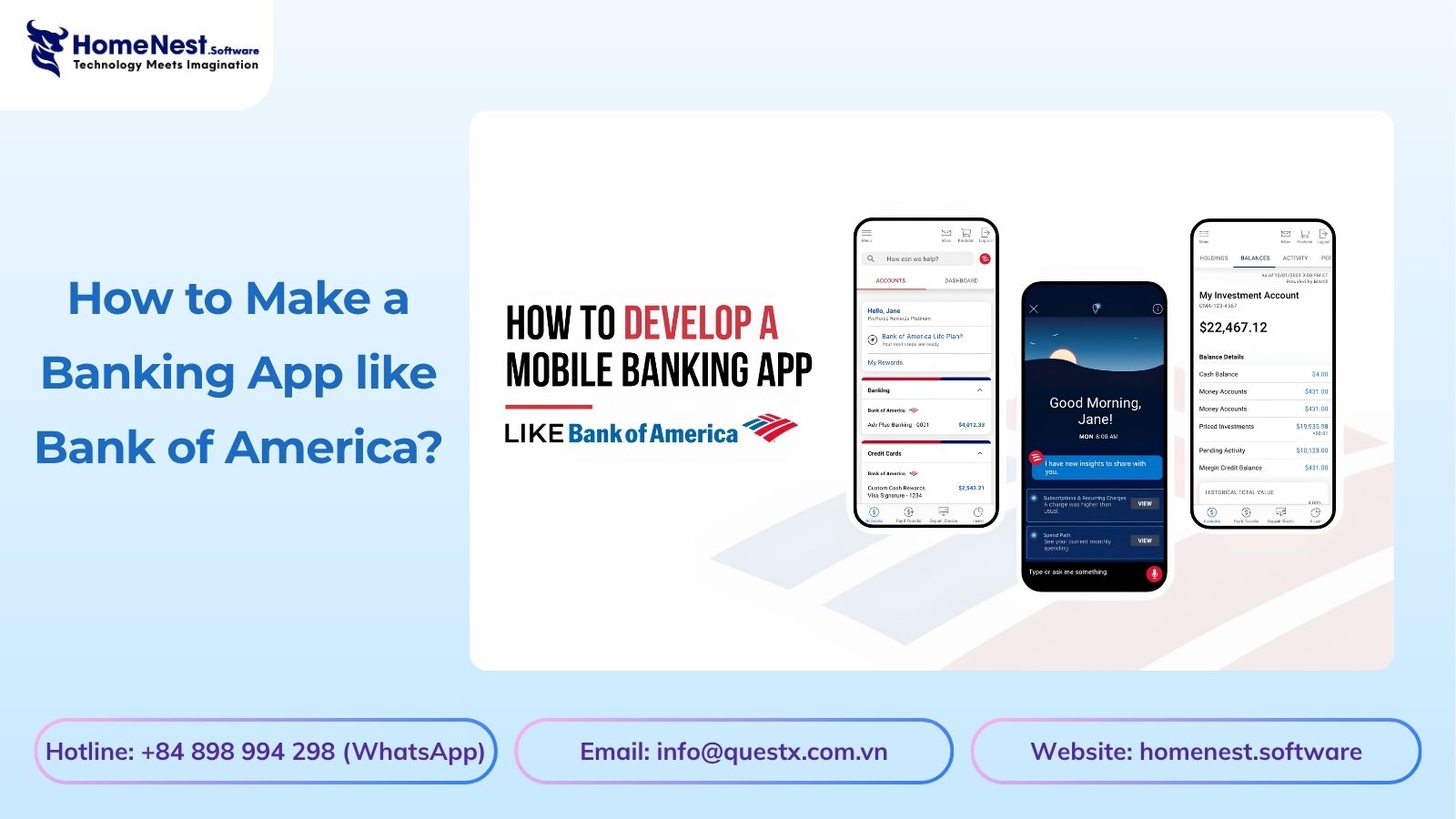
How to Make a Banking App like Bank of America?
Developing a mobile banking application like Bank of America extends far beyond basic UI design; it requires engineering a fault-tolerant backend capable of real-time ledger synchronization, biometric authentication, and high-volume data processing under strict regulatory frameworks. Drawing from HomeNest Software’s deep experience in architecting enterprise-grade fintech solutions, this guide strips away theoretical jargon to focus entirely on operational and technical execution. What you will find in this guide: We break down the precise development roadmap, from mapping out microservices and ensuring PCI-DSS compliance to estimating MVP development costs and securing absolute data sovereignty through 100% source code ownership. If you are preparing to build, scale, or audit a financial platform, this blueprint provides the exact framework you need.
Banking App Development Cost
Building a banking application is rarely a simple process; it’s a complex technical challenge requiring a balance between complying with stringent financial regulations, handling large transaction volumes, and a scalable cloud architecture. Miscalculating these technical requirements from the outset often leads to significant technical debt and budget overruns. Based on HomeNest Software’s practical experience in designing enterprise-grade fintech solutions, this guide bypasses generic estimates to provide a realistic analysis of banking application development costs. What you’ll find in this guide: We analyze the true cost factors, from technology selection and API integration to the hidden costs of regulatory compliance and security infrastructure. Whether you’re launching a minimum viable product or expanding an existing financial platform, this analysis provides the precise operational data you need to plan your budget effectively.