
Top 10 Logistics Software Development Companies to Hire
Are logistics delays and manual spreadsheets hurting your business credibility? It’s time to move past outdated processes and step into the era of intelligent automation. Discover the Top 10 Logistics Software Development Companies in 2026, the tech innovators leveraging AI, IoT, and cloud-native solutions to optimize your supply chain, streamline warehouse operations, and supercharge your delivery speeds!
Scope of Work

“Your shipment has been delayed.”
“Delayed how?”
“We’re checking…”
That uncomfortable silence? That’s exactly what inefficient logistics software feels like.
In 2026, logistics is no longer just about trucks, warehouses, and delivery routes. Yet many businesses still rely on spreadsheets, scattered messages, or manual tracking systems, hoping shipments arrive on time. When deliveries are late, customers don’t blame traffic or external factors they blame your business.
Now imagine a different conversation:
“Where’s my order?”
“It’s on Truck 12, arriving in five minutes.”
No uncertainty. No delays in communication. Just real time visibility and confidence.
In today’s competitive market, countless companies claim to offer end to end logistics platforms or AI powered supply chain solutions. With so many options available, finding the right logistics technology partner can be challenging.
That’s where this guide comes in. In this blog, we introduce the top logistics software development companies in 2026 the innovators helping businesses streamline operations, optimize delivery networks, and create faster, smarter logistics experiences.
What Is Logistics Software Development?
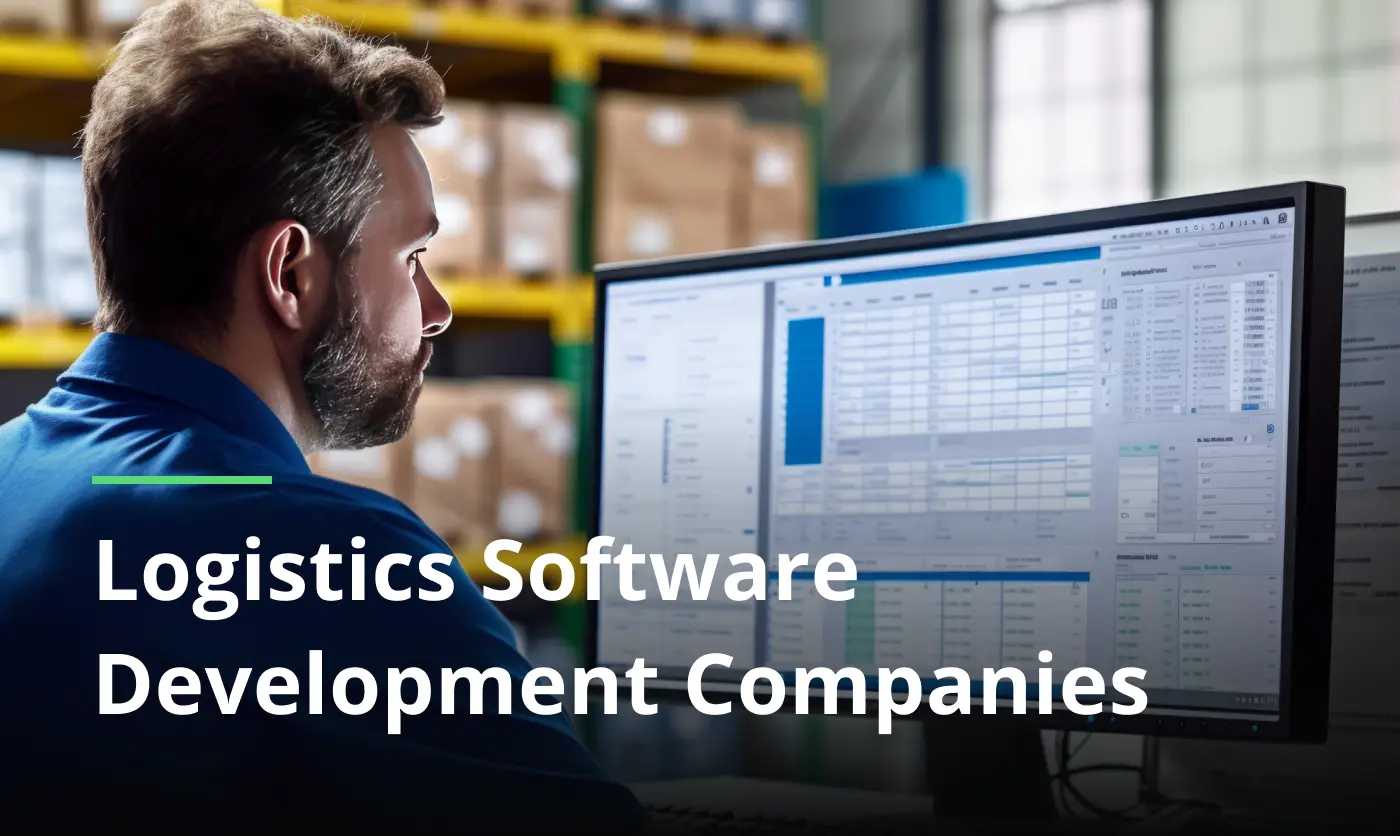
Logistics software development refers to the process of designing and building digital solutions that help businesses manage and optimize the movement of goods from one location to another. These systems provide organizations with tools to track shipments, manage inventory, coordinate transportation, and streamline supply chain operations.
Professional logistics software developers focus on automating complex logistics processes, improving operational efficiency, enhancing real time visibility, and enabling businesses to make data driven decisions.
Modern logistics platforms often incorporate advanced technologies such as cloud computing, data analytics, workflow automation, and artificial intelligence. These technologies help manage the entire logistics lifecycle from order processing and warehouse management to transportation tracking and final delivery.
Leading logistics software development companies go beyond building basic applications. They create scalable digital ecosystems that evolve with business growth and adapt to changing market demands.
Today, logistics software plays a central role in supply chain management. Solutions may include custom dashboards, real time tracking systems, driver mobile applications, and customer delivery portals that improve communication and transparency across the logistics network.
If you’re planning to build a logistics platform similar to apps like Porter, partnering with an experienced logistics software development company is essential to ensure your solution is scalable, efficient, and future ready.
Read more: Hire Software Developers in Vietnam: Your Long Term Technology Partner
Key Types of Logistics Software Solutions
Different logistics businesses require different digital tools depending on their operations and supply chain complexity. Leading logistics software development companies create a variety of solutions designed to optimize transportation, inventory management, and delivery processes.
Below are some of the most common types of logistics software used across the industry.
1. Transportation Management Systems (TMS)
Transportation Management Systems help companies manage and optimize the movement of goods. These platforms support features such as real time shipment tracking, route optimization, delivery scheduling, carrier management, and freight cost control. A well designed TMS improves transportation efficiency while reducing operational costs.
2. Warehouse Management Systems (WMS)
Warehouse Management Systems are designed to streamline warehouse operations, including inventory storage, order picking, packaging, and shipment dispatch. By improving inventory visibility and automating warehouse workflows, WMS solutions enhance productivity, accuracy, and space utilization within storage facilities.
3. Fleet Management Software
Fleet management software helps businesses monitor and manage their vehicles, drivers, and transportation activities. These systems typically include GPS tracking, driver performance monitoring, fuel usage tracking, maintenance scheduling, and vehicle location management. This enables logistics companies to reduce operational costs and ensure timely deliveries.
4. Supply Chain Management Software
Supply Chain Management (SCM) software connects multiple stakeholders in the logistics ecosystem, including suppliers, manufacturers, warehouses, and distributors. It provides real time visibility across the entire supply chain, enabling businesses to improve demand forecasting, optimize inventory levels, and coordinate operations more effectively.
5. Last Mile Delivery Software
Last mile delivery software focuses on optimizing the final stage of the delivery process. It includes features such as route optimization, real time delivery tracking, automated customer notifications, proof of delivery verification, and driver management tools. These capabilities help businesses speed up deliveries and improve customer satisfaction.
Many of the top logistics software development companies integrate several of these solutions into a single platform, allowing businesses to manage their logistics operations more efficiently through one unified system.
Top 10 Logistics Software Development Companies in 2026
Below is a curated list of the leading logistics software development companies in 2026 that are helping businesses modernize supply chains, automate logistics operations, and improve delivery efficiency through advanced technologies.
1. HomeNest Software (Vietnam)
HomeNest Software is an emerging logistics software development company providing scalable and cost effective logistics solutions for startups and growing businesses. The company focuses on building modern platforms using technologies such as AI, automation, and data analytics to improve logistics performance.
Company Details
- Founded: 2023
- Location: Vietnam (serving global clients)
- Minimum Project Size: $5,000
- Services: Custom logistics software, mobile apps, web platforms
- Expertise: Fleet management systems, automation, analytics
- Industries: Logistics, transportation, on demand delivery, retail
2. Tata Consultancy Services (TCS)
TCS is one of the largest global IT service providers offering enterprise logistics and supply chain platforms. Their large scale systems help multinational companies manage transportation, warehouse operations, and supply chain analytics.
Company Details
- Founded: 1968
- Location: India (global presence)
- Minimum Project Size: $50,000+
- Services: Supply chain platforms, ERP integration
- Expertise: Cloud solutions, automation, analytics
- Industries: Logistics, manufacturing, FMCG, automotive
3. Infosys
Infosys delivers cloud native and AI powered logistics solutions that help organizations digitally transform their supply chain operations. Their platforms provide improved data visibility and intelligent automation across logistics networks.
Company Details
- Founded: 1981
- Location: India (global delivery model)
- Minimum Project Size: $40,000+
- Services: Digital logistics platforms, consulting
- Expertise: AI, advanced data analytics
- Industries: Logistics, retail, eCommerce
4. Accenture
Accenture is a global consulting and technology services company that develops enterprise logistics platforms focused on digital transformation. Their solutions combine AI, IoT, and predictive analytics to improve logistics decision making.
Company Details
- Founded: 1989
- Location: United States
- Minimum Project Size: $75,000+
- Services: Logistics consulting, digital transformation
- Expertise: AI, IoT, predictive analytics
- Industries: Logistics, transportation, supply chain
5. Wipro
Wipro provides comprehensive logistics software development services designed to automate transportation and warehouse operations. Their cloud based platforms help logistics companies increase efficiency and gain better operational visibility.
Company Details
- Founded: 1945
- Location: India
- Minimum Project Size: $30,000+
- Services: Logistics automation platforms, cloud systems
- Expertise: ERP integration, analytics, optimization
- Industries: Logistics, manufacturing, retail
6. Cognizant
Cognizant builds flexible logistics management platforms that enable organizations to modernize legacy systems and improve supply chain visibility through real time data integration.
Company Details
- Founded: 1994
- Location: United States
- Minimum Project Size: $25,000+
- Services: Logistics platforms, system integration
- Expertise: Real time data systems, digital transformation
- Industries: Logistics, healthcare supply chains
7. Tech Mahindra
Tech Mahindra develops smart logistics solutions powered by IoT and mobility technologies. Their platforms help logistics companies implement real time fleet tracking, route optimization, and connected transportation ecosystems.
Company Details
- Founded: 1986
- Location: India
- Minimum Project Size: $20,000+
- Services: Smart logistics platforms
- Expertise: IoT, telecom enabled logistics systems
- Industries: Logistics, transportation, telecom
8. Mindtree
Mindtree focuses on delivering cloud based logistics software solutions designed to improve operational efficiency and supply chain visibility. Their agile development approach enables faster digital transformation.
Company Details
- Founded: 1999
- Location: India
- Minimum Project Size: $15,000+
- Services: Cloud logistics platforms
- Expertise: Agile development, UX design
- Industries: Logistics, retail, distribution
9. Zensar Technologies
Zensar Technologies specializes in helping logistics companies modernize legacy IT systems and adopt automated digital platforms that enhance operational visibility and efficiency.
Company Details
- Founded: 1991
- Location: India
- Minimum Project Size: $10,000+
- Services: Digital logistics modernization
- Expertise: Automation, analytics platforms
- Industries: Logistics, warehousing
10. HCL Technologies
HCL Technologies delivers enterprise grade logistics software solutions with strong emphasis on cloud infrastructure, cybersecurity, and scalable supply chain platforms.
Company Details
- Founded: 1976
- Location: India
- Minimum Project Size: $35,000+
- Services: Enterprise logistics platforms
- Expertise: Cloud computing, cybersecurity
- Industries: Logistics, global supply chains
Comparison Table of Top Logistics Software Development Companies
| Company | Country | Core Expertise | Best For |
|---|---|---|---|
| HomeNest Software | Vietnam | Custom logistics software | Startups & SMEs |
| TCS | India | Enterprise logistics platforms | Large enterprises |
| Infosys | India | Cloud & AI logistics | Global companies |
| Accenture | USA | AI driven logistics | Enterprises |
| Wipro | India | Warehouse & transportation systems | Enterprises |
| Cognizant | USA | Scalable logistics platforms | Mid large companies |
| Tech Mahindra | India | Smart mobility logistics | Telecom & logistics |
| Mindtree | India | Cloud logistics systems | Growing businesses |
| Zensar | India | Digital logistics modernization | SMEs |
| HCL Technologies | India | Secure enterprise logistics | Corporations |
Read more: Top IT Outsourcing Companies in Vietnam
How to Hire the Best Logistics Software Development Company
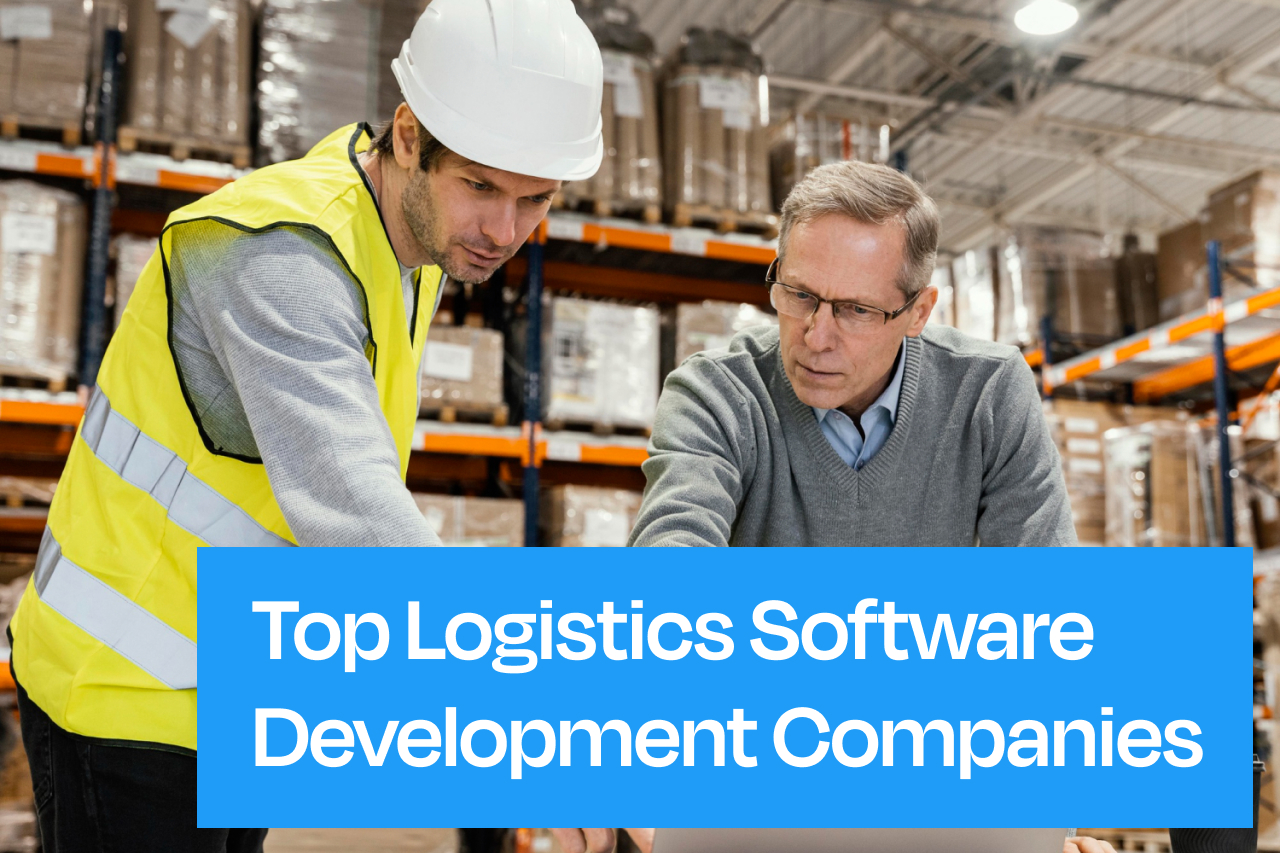
Choosing the right logistics software development company whether in India or globally requires careful evaluation. The right technology partner can help you build scalable logistics platforms, optimize delivery operations, and improve supply chain visibility. Here are some key factors to consider when selecting the best development partner.
1. Look for Strong Industry Experience
Logistics operations are fast paced and complex, involving routes, fleets, warehouses, and supply chains. Working with a development team that already understands the logistics ecosystem can save significant time and resources.
Experienced logistics software developers are familiar with industry challenges and can design solutions that address real operational problems rather than spending time learning the basics.
2. Evaluate Technology Stack and Innovation
Modern logistics software should not only function reliably but also leverage advanced technologies to improve efficiency. Look for companies that use AI, automation, cloud computing, and data analytics to build intelligent logistics platforms.
An innovative technology stack ensures your logistics system remains scalable, flexible, and future ready.
3. Ensure Scalability from the Beginning
As your logistics business grows, your software must handle increasing volumes of deliveries, users, and operational data. A skilled development partner should design systems that can scale easily without performance issues, even during peak demand periods.
Scalable architecture allows your platform to grow alongside your business without requiring a complete rebuild.
4. Prioritize Transparent Pricing
Clear and transparent pricing is essential when choosing a development partner. A reliable company will provide a detailed cost breakdown for development, integrations, and maintenance so you can plan your budget effectively.
Avoid vendors that provide vague estimates or hidden charges that may increase costs later in the project.
5. Check Post Launch Support and Maintenance
Launching logistics software is just the first step. Continuous updates, system improvements, and technical support are necessary to keep the platform running efficiently.
Choose a development partner that offers long term maintenance, regular updates, and performance optimization to ensure your logistics software remains competitive and secure.
Read more: Hire Software Developers to Scale Your IT Outsourcing
Why Choose HomeNest Software for Logistics Software Development?
Building logistics software is not just about writing code it’s about creating systems that keep shipments moving efficiently, provide clear operational visibility, and ensure customers always know where their orders are.
At HomeNest Software, we combine deep logistics understanding with modern technologies to build scalable, reliable, and efficient logistics solutions. Whether you’re launching a startup MVP or developing a large scale enterprise logistics platform, our team focuses on delivering systems that prioritize speed, stability, and long term scalability.
Instead of overcomplicating designs with unnecessary features, we focus on building practical logistics software that improves operational efficiency, reduces costs, and enhances customer satisfaction.
Below are some of the key reasons businesses choose HomeNest Software.
1. Logistics Focused Development Approach
The logistics industry often deals with real world challenges such as route changes, fleet expansion, and fluctuating demand. Our development approach is centered on solving these operational challenges by building solutions tailored to actual logistics workflows and business needs.
2. Startup Friendly and Enterprise Ready
Whether you are launching a new logistics startup or scaling an existing logistics network, our solutions are designed to adapt and grow with your business. Our flexible architecture allows businesses to expand their platforms without requiring costly redevelopment later.
3. Smart Technology Integration
We incorporate modern technologies such as AI, automation, and data analytics to enhance logistics performance and decision making. At the same time, we ensure the platform remains intuitive and easy for operational teams to use.
4. Cost Effective Development
HomeNest Software provides transparent and flexible pricing models that help businesses maximize value while maintaining high quality development standards. Our approach ensures there are no hidden costs or unnecessary features that add complexity without real benefit.
5. Long Term Support and Partnership
Our collaboration doesn’t end at product launch. We provide ongoing maintenance, updates, and performance improvements to ensure your logistics platform continues to operate smoothly and evolve with your business.
Additional Reasons Businesses Choose HomeNest Software
- Custom built logistics software solutions
- Scalable system architecture
- Fast MVP development for startups
- Modern and user friendly UI/UX design
- Reliable post launch maintenance and support
- Experienced development team with industry knowledge
At HomeNest Software, we help businesses build high performing and scalable logistics applications that support modern supply chain operations. Our development services are competitively priced while maintaining the highest standards of quality and reliability.
Conclusion
In today’s fast paced digital economy where customers expect Amazon level speed and real time tracking for everything from groceries to furniture logistics software is no longer optional. It has become the core infrastructure that powers modern logistics and supply chain operations.
A skilled logistics software development company can help transform inefficient delivery processes into optimized routes, replace scattered spreadsheets with intelligent dashboards, and equip logistics teams with tools that improve decision making and operational efficiency. Whether you are launching your first logistics platform, modernizing legacy systems, or exploring AI driven automation, the right technology partner can help you build smarter and more efficient logistics operations.
However, technology alone does not guarantee success. The real value lies in choosing software that aligns with your business goals flexible, scalable, and capable of evolving alongside your company’s growth. This is why partnering with a development team that understands both logistics operations and advanced technology is essential.
If 2026 is the year you want faster deliveries, improved customer satisfaction, and a logistics system that supports your growth, now is the time to invest in the right solution. Choose the right partner, build strategically, and let your logistics operations move forward with confidence and efficiency.
Contact Information:
- Address: The Sun Avenue, 28 Mai Chi Tho Street, Binh Trung Ward, Ho Chi Minh City
- Hotline: +84 898 994 298 ( WhatsApp )
- Website: homenest.software
FAQs
1. What is logistics software development?
Logistics software development refers to the process of creating digital solutions that help businesses manage transportation, inventory, delivery routes, warehouse operations, and supply chain activities. These systems improve operational efficiency, provide real time tracking, and help companies make better logistics decisions.
2. Why do businesses need logistics software?
Logistics software helps companies automate operations, track shipments in real time, reduce delivery delays, optimize routes, and improve supply chain visibility. It also improves customer satisfaction by providing accurate delivery updates and faster order fulfillment.
3. How much does logistics software development cost?
The cost of logistics software development depends on several factors such as features, integrations, technology stack, development team location, and project complexity. A basic logistics application may start from $5,000–$15,000, while enterprise level platforms can cost significantly more.
4. What features should a logistics software platform include?
Common features of logistics software include:
- Real time shipment tracking
- Route optimization
- Fleet management
- Warehouse management
- Order management
- Delivery notifications
- Analytics and reporting dashboards
These features help improve logistics efficiency and reduce operational costs.
5. How long does it take to develop logistics software?
The development timeline varies depending on the project scope and complexity. A basic logistics MVP may take 3–4 months, while a full scale logistics management system with integrations and advanced features may require 6–12 months or more.
6. What technologies are commonly used in logistics software development?
Modern logistics platforms often use technologies such as cloud computing (AWS, Azure, Google Cloud), AI and machine learning, IoT tracking systems, GPS tracking, data analytics, and API integrations to improve supply chain visibility and automation.
7. How do I choose the right logistics software development company?
When selecting a logistics software development partner, consider factors such as industry experience, technology expertise, portfolio of logistics projects, scalability of solutions, transparent pricing, and long term support services.
8. Can logistics software be customized for my business?
Yes, most logistics software solutions can be fully customized to match your business processes, delivery workflows, and integration requirements. Custom logistics platforms allow companies to scale operations and adapt to changing logistics demands more efficiently.
Latest Articles
View All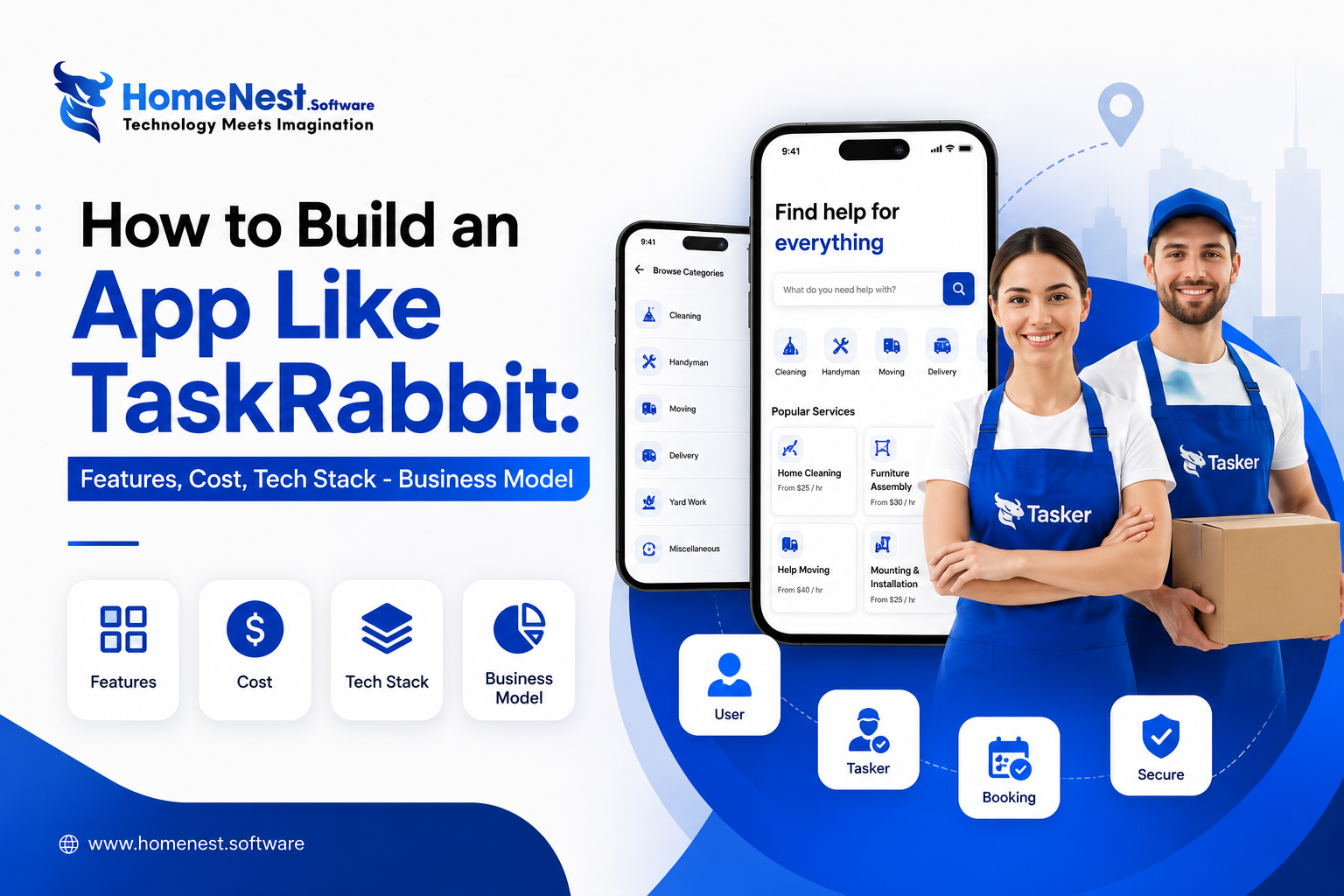
How to Build an App Like TaskRabbit: Features, Cost, Tech Stack – Business Model
Building an app like TaskRabbit is more than replicating existing features—it’s about creating a trusted marketplace that seamlessly connects customers with skilled service providers. By combining an intuitive user experience, secure payment systems, scalable architecture, and the right business model, you can launch a competitive on-demand platform. Partnering with an experienced app development company like HomeNest Software ensures your product is built with the technology, flexibility, and long-term scalability needed to succeed in the rapidly growing gig economy.
How to Build a Meal Planning App: A Complete Step-by-Step Guide
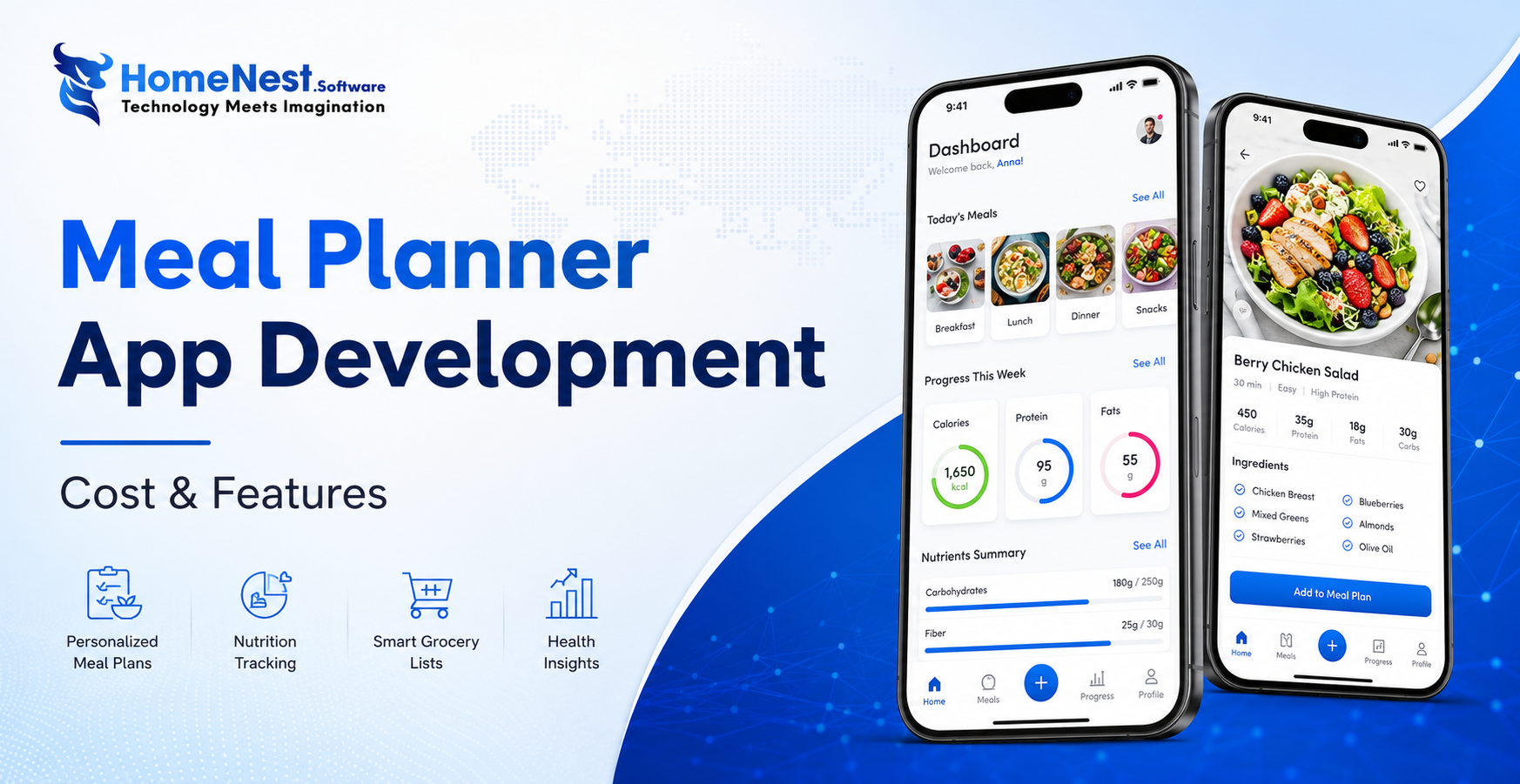
Building a successful meal planning app goes beyond creating an attractive interface it requires a clear business strategy, personalized user experiences, and scalable technology. By combining essential features like AI-powered meal recommendations, nutrition tracking, grocery list automation, and wearable integration, businesses can deliver lasting value to users while capitalizing on the growing digital health market. Partnering with an experienced mobile app development company ensures your solution is secure, future-ready, and designed to succeed in an increasingly competitive health-tech industry.

How Much Does It Cost to Build a Shopping App Like Temu?
Temu’s meteoric rise to over 900 million global downloads proves the power of combining AI, gamification, and social commerce, but building a similar viral shopping platform requires careful financial and technical planning. Developing an app like Temu typically costs anywhere from $40,000 for a basic Minimum Viable Product (MVP) to over $300,000 for a fully-featured platform. This guide breaks down every cost category, analyzes the core features driving Temu’s success, highlights the best technology stacks, and offers practical strategies to optimize your development budget without compromising on quality.

Criteria For Choosing The Right App Design Agency
UI/UX design is the logical foundation of a system, not merely a visual element. Choosing the wrong partner will directly lead to technical debt, budget overruns, and disruptions in the development process. This article provides a 6-step evaluation framework and a list of operational risks, helping businesses eliminate subjective design advice and accurately assess agency capabilities based on developer handoff standards and practical business performance.

How Does AI in Banking Industry Impact the Future?
Artificial intelligence (AI) has transitioned from a supplementary tool to a core infrastructure of financial data management, optimizing profitability through real-time fraud detection, natural language processing (NLP), and high-speed credit scoring models. “Deploying AI in the financial sector requires more than just algorithmic accuracy, it demands a highly secure cloud architecture and rigorous data governance,” commented Nguyen Tien, co-founder of HomeNest Software. Why read this guide? We skip the theoretical jargon to focus entirely on technical implementation. Whether you’re evaluating a vendor or planning a system overhaul, this article will detail: Operational Efficiency: Automating unstructured data workflows at scale. Risk Architecture: Implementing real-time threat detection and AML compliance. Data ownership: The essential need for 100% ownership of the source code to ensure full algorithm auditability.

How to Make a Banking App like Bank of America?
Developing a mobile banking application like Bank of America extends far beyond basic UI design; it requires engineering a fault-tolerant backend capable of real-time ledger synchronization, biometric authentication, and high-volume data processing under strict regulatory frameworks. Drawing from HomeNest Software’s deep experience in architecting enterprise-grade fintech solutions, this guide strips away theoretical jargon to focus entirely on operational and technical execution. What you will find in this guide: We break down the precise development roadmap, from mapping out microservices and ensuring PCI-DSS compliance to estimating MVP development costs and securing absolute data sovereignty through 100% source code ownership. If you are preparing to build, scale, or audit a financial platform, this blueprint provides the exact framework you need.