
6 Key Stages of the Software Development Process You Should Know
Scope of Work
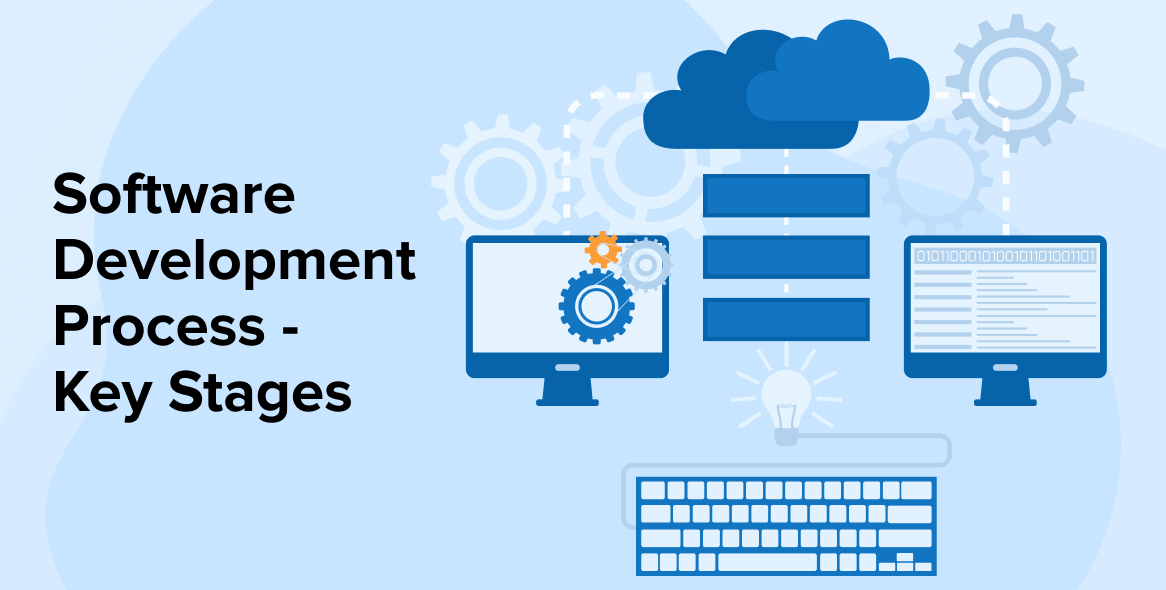
What is Software Development?
Software development refers to a structured set of processes used to design, build, and maintain software products that meet market and business needs. It involves multiple interconnected activities, each contributing to the successful creation of a functional and scalable solution.
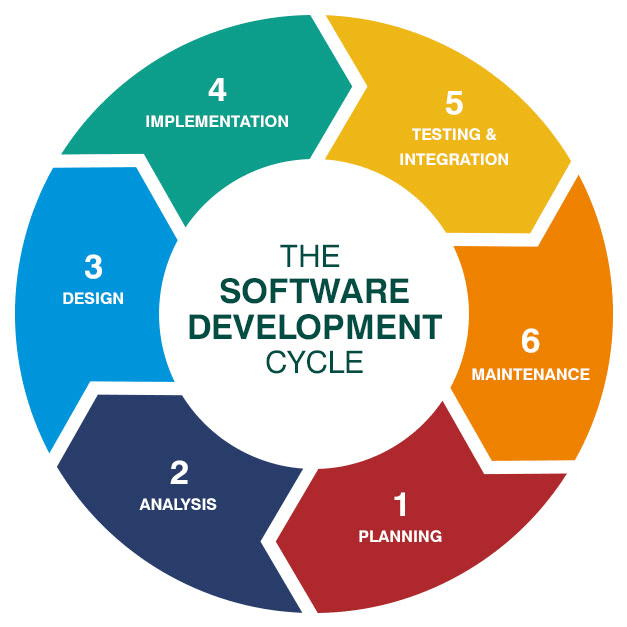
Regardless of who develops it, software typically follows a step by step process known as the Software Development Lifecycle (SDLC). This lifecycle is commonly divided into six key stages, each playing a critical role in ensuring the final product aligns with business objectives and user expectations. SDLC methodologies provide a systematic approach to building software while also supporting long term maintenance and scalability.
In this process, each phase produces specific deliverables that serve as the foundation for the next stage. Requirements are translated into design, designs into code, and code into fully functional software through development and testing. These stages are carried out by a team of skilled professionals, with each phase depending on the successful completion of the previous one making the entire lifecycle interconnected and essential.
Stages Involved in the Software Development Procedure
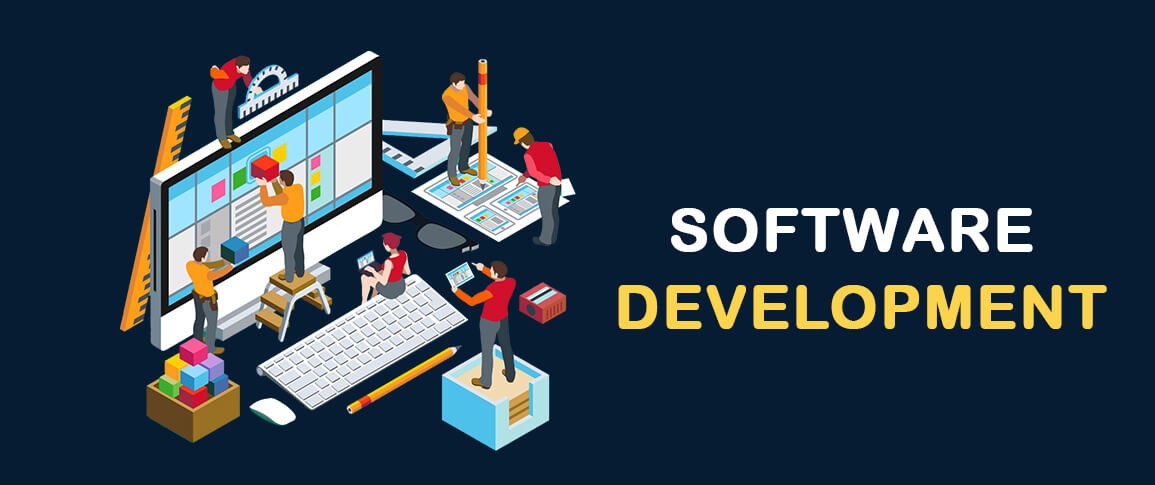
1. Requirement Gathering & Analysis
The first step in any software project is understanding what needs to be built. Stakeholders and project managers work together to gather detailed business requirements by answering key questions such as:
-
Who will use the software?
-
What problems should it solve?
-
What data will it process and produce?
Once collected, these requirements are analyzed for feasibility and accuracy. The outcome is a Software Requirement Specification (SRS) document, which serves as a foundation for all subsequent stages.
Read more: Software Development Requirements
2. Design
In this phase, the requirements are translated into a system design. This includes defining the software architecture, system components, data flow, and technical specifications.
Design documents outline both hardware and software requirements and act as a blueprint for developers. At the same time, QA teams begin preparing testing strategies to ensure quality in later stages.
3. Coding / Implementation
This is where actual development begins. Based on the design documents, the system is divided into modules, and developers start writing code for each component.
As the most time consuming phase, the focus here is on building efficient, scalable, and high quality code that aligns with the predefined design.
4. Testing
Testing is a critical stage to ensure the software functions correctly and meets requirements. Developers and QA teams perform multiple types of testing, including:
-
Unit testing
-
Integration testing
-
System testing
-
User Acceptance Testing (UAT)
-
Non functional testing (performance, security, etc.)
If issues are found, the code is revised and retested until the product meets quality standards.
Read more: Software Testing Outsourcing: A Complete Guide
5. Deployment
Once the software passes all tests, it is released to users. This stage involves deploying the application into a production environment.
Often, a beta release is conducted first to gather real world feedback. Any bugs or improvements identified are addressed before the final rollout.
Read more: Software Product Development Architecture: A Comprehensive Overview
6. Maintenance
After deployment, the software enters the maintenance phase. As users interact with the system, new issues, updates, or feature requests may arise.
Ongoing maintenance ensures the software remains stable, secure, and aligned with evolving user needs and business goals.
SDLC Benefits
-
Standardized terminology: Establishes a common technical language across teams for better understanding
-
Structured communication: Defines clear channels for collaboration between stakeholders and development teams
-
Defined roles and responsibilities: Clarifies duties for designers, developers, project managers, and business analysts
-
Clear inputs and outputs: Each phase has well defined deliverables, ensuring smooth transitions between stages
-
Well defined processes: Provides structured steps to confirm that each task is properly completed before moving forward
Software Development Process Models
The primary goal of software development is to establish predictable and repeatable processes that enhance productivity and ensure consistent quality. To achieve this, organizations adopt structured methodologies that help manage the complexity of building software and streamline development workflows. Without proper project management, software projects can easily face delays, cost overruns, or quality issues.
There are generally two main categories of software development process models:
Waterfall Process
The Waterfall model is one of the earliest and most widely recognized approaches. In this model, developers follow each stage of the development lifecycle in a strict, sequential order moving step by step from requirements to deployment without overlapping phases.
Read more: IT Outsourcing to Vietnam: Benefits, Challenges, and How to Start
Benefits of Waterfall Processes
-
Simple and easy to follow: The structured, step by step approach makes it easy to understand and implement
-
Ideal for smaller projects: Works well when scope and requirements are clearly defined
-
Comprehensive documentation: Each phase is well documented, supporting future maintenance and scalability
-
Clear phase separation: Distinct stages help manage and control each part of the system effectively
-
Strong planning and control: Facilitates accurate planning, budgeting, and resource allocation
-
Defined milestones: Progress is easy to track through clearly established checkpoints
-
Stable requirements: Best suited for projects where requirements are unlikely to change
Iterative Processes
The iterative model focuses on developing software in smaller, incremental portions. Instead of delivering the entire product at once, the system is built gradually through repeated cycles.
This approach allows teams to identify issues early in the process, rather than discovering them late in the final stages helping reduce risks and improve overall product quality.
Read more: How To Hire Mobile App Developers In Vietnam?
Benefits of Iterative Processes
-
Improved testing: Continuous testing throughout iterations helps identify and fix issues early
-
Flexible requirement discovery: Allows teams to refine and better understand system requirements over time
-
Enhanced project visibility: Iterative cycles provide clearer insights into progress and development stages
-
Easy to adapt and modify: Changes in design or functionality can be implemented without major disruption
-
Early validation: Functional components can be tested from the early stages of development
Conclusion
The time and cost of software development largely depend on project requirements, complexity, and execution strategy. In many cases, partnering with an experienced software development company such as an offshore provider can help ensure efficiency and minimize risks.
Working with professionals allows businesses to avoid common pitfalls, reduce wasted resources, and deliver higher quality outcomes. While less experienced developers may still be capable, choosing a skilled and reliable team is often the safer approach especially when budgets are tight and project success is critical.
Contact Information:
- Address: The Sun Avenue, 28 Mai Chi Tho Street, Binh Trung Ward, Ho Chi Minh City
- Hotline: +84 898 994 298 ( WhatsApp )
- Website: homenest.software
FAQs
What are software development process models?
Software development process models are structured approaches used to plan, design, build, test, and deliver software efficiently. They help teams manage complexity and ensure consistent quality.
What is the difference between Waterfall and Iterative models?
The Waterfall model follows a linear sequence of stages, while the Iterative model develops software in smaller cycles, allowing continuous improvements and early feedback.
Which model is better: Waterfall or Iterative?
It depends on the project. Waterfall is suitable for projects with fixed requirements, while Iterative works better for projects with evolving needs and ongoing feedback.
Why is the SDLC important in software development?
The SDLC provides a clear framework that helps teams deliver high quality software, reduce risks, control costs, and meet business objectives.
Can software development models be combined?
Yes. Many organizations use hybrid approaches that combine elements of different models to better suit their project requirements.
How do I choose the right software development model?
Consider factors such as project size, complexity, requirement stability, budget, timeline, and team expertise before selecting a model.
Why should I hire a professional software development company?
A professional team brings experience, technical expertise, and structured processes that help reduce risks, improve efficiency, and ensure successful project delivery.
What happens if I choose the wrong development model?
Choosing the wrong model can lead to delays, increased costs, poor product quality, and difficulty adapting to changes during development.
Latest Articles
View All
How to Build a Language Learning App Like Cake in 2026
Discover how to build a successful language learning app like Cake with this comprehensive guide from HomeNest Software. We explore market research, essential MVP features, advanced AI integrations, tech stack selection, and estimated development costs. Partner with HomeNest Software to create a scalable, gamified, and highly engaging educational platform tailored to your business goals. Start your app development journey with us today.
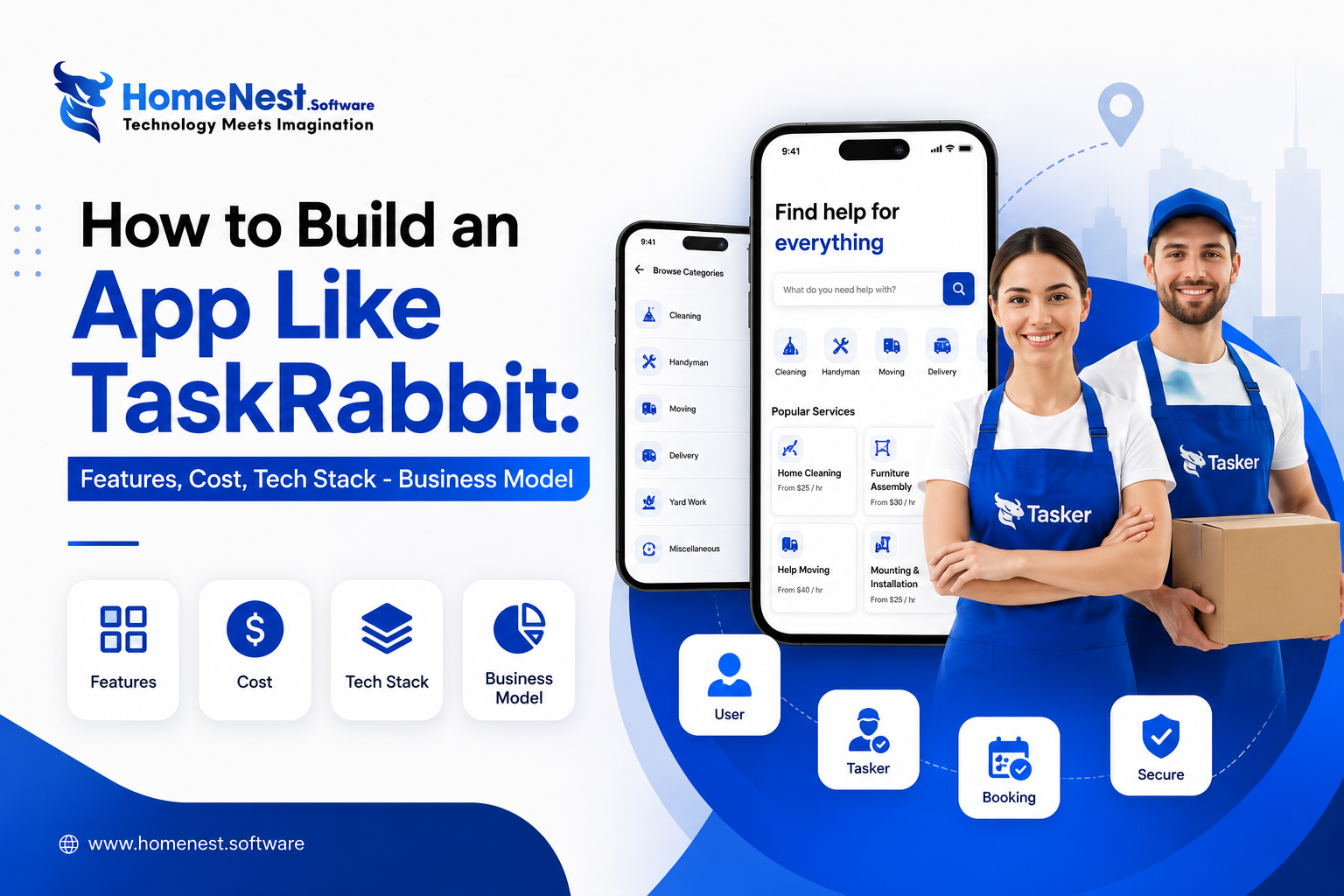
How to Build an App Like TaskRabbit: Features, Cost, Tech Stack – Business Model
Building an app like TaskRabbit is more than replicating existing features—it’s about creating a trusted marketplace that seamlessly connects customers with skilled service providers. By combining an intuitive user experience, secure payment systems, scalable architecture, and the right business model, you can launch a competitive on-demand platform. Partnering with an experienced app development company like HomeNest Software ensures your product is built with the technology, flexibility, and long-term scalability needed to succeed in the rapidly growing gig economy.
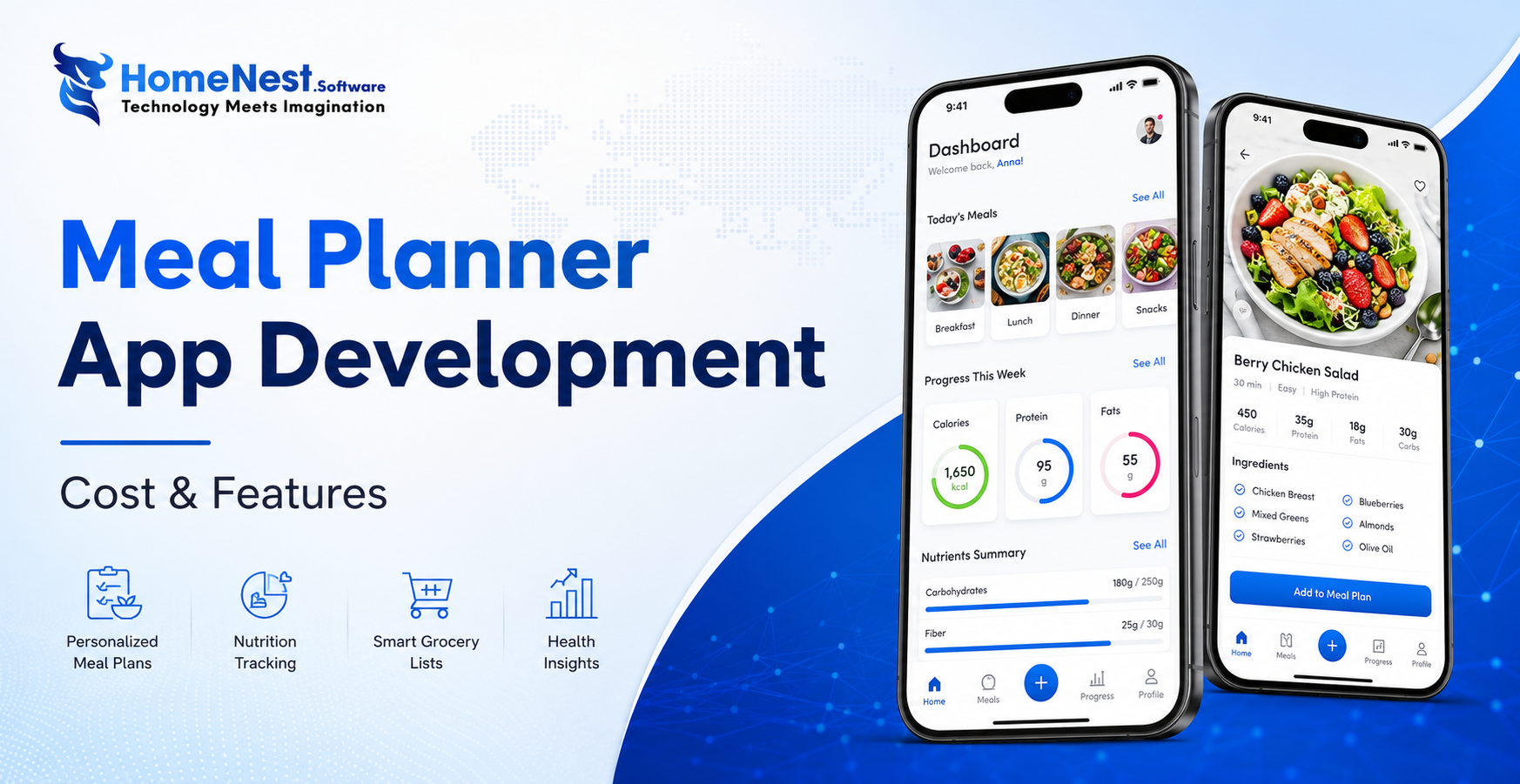
How to Build a Meal Planning App: A Complete Step-by-Step Guide
Building a successful meal planning app goes beyond creating an attractive interface it requires a clear business strategy, personalized user experiences, and scalable technology. By combining essential features like AI-powered meal recommendations, nutrition tracking, grocery list automation, and wearable integration, businesses can deliver lasting value to users while capitalizing on the growing digital health market. Partnering with an experienced mobile app development company ensures your solution is secure, future-ready, and designed to succeed in an increasingly competitive health-tech industry.

How Much Does It Cost to Build a Shopping App Like Temu?
Temu’s meteoric rise to over 900 million global downloads proves the power of combining AI, gamification, and social commerce, but building a similar viral shopping platform requires careful financial and technical planning. Developing an app like Temu typically costs anywhere from $40,000 for a basic Minimum Viable Product (MVP) to over $300,000 for a fully-featured platform. This guide breaks down every cost category, analyzes the core features driving Temu’s success, highlights the best technology stacks, and offers practical strategies to optimize your development budget without compromising on quality.

Criteria For Choosing The Right App Design Agency
UI/UX design is the logical foundation of a system, not merely a visual element. Choosing the wrong partner will directly lead to technical debt, budget overruns, and disruptions in the development process. This article provides a 6-step evaluation framework and a list of operational risks, helping businesses eliminate subjective design advice and accurately assess agency capabilities based on developer handoff standards and practical business performance.

How Does AI in Banking Industry Impact the Future?
Artificial intelligence (AI) has transitioned from a supplementary tool to a core infrastructure of financial data management, optimizing profitability through real-time fraud detection, natural language processing (NLP), and high-speed credit scoring models. “Deploying AI in the financial sector requires more than just algorithmic accuracy, it demands a highly secure cloud architecture and rigorous data governance,” commented Nguyen Tien, co-founder of HomeNest Software. Why read this guide? We skip the theoretical jargon to focus entirely on technical implementation. Whether you’re evaluating a vendor or planning a system overhaul, this article will detail: Operational Efficiency: Automating unstructured data workflows at scale. Risk Architecture: Implementing real-time threat detection and AML compliance. Data ownership: The essential need for 100% ownership of the source code to ensure full algorithm auditability.