Is IT outsourcing to Vietnam the right choice for your business? What advantages can it offer, and what challenges should you consider when selecting Vietnam as an outsourcing destination in 2026? In this article, we explore the key benefits, potential risks, and important factors to help you decide whether Vietnam is the right partner for your IT outsourcing strategy.
Why Outsource IT to Vietnam?
Cost-Effective IT Solutions
Vietnam has quickly become one of the most attractive destinations for offshore IT outsourcing, thanks to its strong balance between affordability and service quality. Compared with traditional outsourcing hubs such as China or India, Vietnam offers significantly lower labor costs while maintaining high technical standards.
Industry reports show that IT services in Vietnam continue to grow rapidly, with the outsourcing sector accounting for a large portion of the market. This growth reflects the country’s increasing role in the global technology ecosystem and its ability to deliver specialized IT services at competitive rates.
For many companies, the cost advantage is a major factor. Development costs in Vietnam can be around 50% lower than in the United States and 30–40% lower than in some other major outsourcing markets. This makes Vietnam particularly attractive for startups and small-to-medium businesses looking to build digital products without exceeding their budgets.
Despite the lower costs, Vietnamese developers are widely recognized for their strong technical capabilities. Many international companies report high satisfaction with the quality of work delivered by Vietnamese outsourcing teams.
Access to a Highly Skilled IT Talent Pool
Another key reason businesses outsource IT to Vietnam is the country’s large and rapidly growing pool of technology professionals. Each year, Vietnamese universities produce tens of thousands of graduates in IT and related fields, helping meet the increasing demand for software development talent.
The government has also invested heavily in STEM education (Science, Technology, Engineering, and Mathematics) to strengthen the country’s digital workforce. As a result, Vietnam has developed a strong pipeline of engineers and developers skilled in modern technologies such as cloud computing, artificial intelligence, and data analytics.
A significant portion of university graduates in Vietnam specialize in STEM fields, one of the highest ratios in Southeast Asia. This focus on technical education helps position Vietnam as a leading outsourcing destination for businesses seeking both high-quality expertise and cost efficiency.
In addition to full outsourcing services, many companies also work with Vietnamese providers through IT staff augmentation models, allowing them to expand development teams quickly with experienced engineers.
Strategic Advantages in the Global Market
Outsourcing IT to Vietnam provides more than just cost savings it also offers a strategic advantage for businesses operating in global markets. Companies can scale development teams quickly, accelerate product innovation, and maintain competitive pricing.
Vietnam’s location in Southeast Asia, combined with its rapidly expanding digital infrastructure, makes it an ideal hub for technology development. The government actively supports foreign investment through technology initiatives, tax incentives, and international trade agreements, further strengthening the country’s outsourcing ecosystem.
Additionally, Vietnam’s growing focus on emerging technologies such as AI, machine learning, and big data gives businesses access to modern solutions that support digital transformation and innovation.
Socio-Economic Stability
Vietnam’s economic and political stability is another factor that attracts international companies. Over the past decade, the country has maintained strong economic growth, with GDP increasing steadily each year.
Foreign direct investment in Vietnam continues to rise, particularly in the technology sector. This influx of investment has helped strengthen the country’s digital infrastructure and created a thriving ecosystem for software development and innovation.
A stable economic environment reduces business risks and makes Vietnam a reliable destination for long-term outsourcing partnerships.
Intellectual Property Protection and Data Security
For businesses outsourcing IT services, data security and intellectual property protection are critical considerations. Vietnam has strengthened its legal framework to protect intellectual property rights and participates in several international agreements related to IP protection.
Many Vietnamese technology companies also comply with global security standards such as ISO 27001, ensuring best practices in information security management. These measures help international clients safeguard sensitive data and maintain regulatory compliance.
As a result, businesses can confidently outsource development projects to Vietnam while maintaining strong protection for their intellectual assets.
Vietnam’s Growing Reputation in Global IT Outsourcing
Vietnam’s reputation as a global IT outsourcing hub continues to grow. The country is now recognized by many international organizations as one of the top destinations for software development and technology services in the Asia-Pacific region.
Major global corporations including Intel, Samsung, LG, IBM, and other technology leaders have established operations in Vietnam, further demonstrating the country’s capabilities in the IT industry.
With its combination of competitive costs, skilled talent, stable economic environment, and strong security practices, Vietnam has become one of the most promising outsourcing destinations for businesses looking to scale their technology development.
Read more: Top IT Outsourcing Companies in Vietnam
Vietnam’s IT Outsourcing Industry Overview

Rapid Growth of Vietnam’s IT Sector
Vietnam has emerged as one of the fastest-growing IT markets in Southeast Asia, attracting global attention for its strong technology ecosystem and competitive outsourcing services. In recent years, the country’s IT sector has maintained an average annual growth rate of around 15–20%, positioning Vietnam as a rising technology hub in the region.
This rapid expansion is driven not only by domestic demand but also by increasing global demand for high-quality and cost-effective IT outsourcing services. Many international companies are turning to Vietnam for services such as offshore software development, cloud computing, big data analytics, and artificial intelligence (AI).
The global IT outsourcing market itself continues to grow rapidly, and Vietnam is capturing an increasingly significant share of this demand. With more technology companies entering the market and expanding their capabilities, Vietnam is strengthening its position as a competitive outsourcing destination for global businesses.
The growing number of IT outsourcing companies operating in Vietnam reflects the country’s transformation into an important technology and innovation hub.
Key Cities for IT Outsourcing in Vietnam
Vietnam’s IT outsourcing industry is primarily concentrated in three major cities: Hanoi, Ho Chi Minh City, and Da Nang. Each city offers unique advantages in terms of talent, infrastructure, and business environment.
Hanoi
Hanoi, the capital of Vietnam, is a major center for technology development and digital innovation. The city hosts thousands of technology companies and has developed a strong ecosystem supported by universities, research institutions, and government initiatives.
Hanoi is known for its highly educated workforce, with many universities producing skilled graduates in software engineering, computer science, and data analytics. Government support for the technology sector has also helped improve infrastructure and encourage the growth of digital businesses.
As a result, Hanoi has become an important destination for companies seeking reliable software development and IT outsourcing services.
Ho Chi Minh City
Ho Chi Minh City (HCMC) is Vietnam’s largest economic and technology hub. The city has a highly developed digital ecosystem, supported by numerous technology parks, startup incubators, and multinational technology companies.
Many global firms have established development centers in Ho Chi Minh City due to its strong infrastructure, vibrant startup culture, and access to skilled IT professionals. The city continues to attract significant foreign investment in the technology sector, making it one of the most popular locations for outsourcing software development in Vietnam.
Da Nang
While Hanoi and Ho Chi Minh City remain the country’s primary technology centers, Da Nang is rapidly emerging as a promising outsourcing destination. The city has invested heavily in modern infrastructure, including technology parks and high-speed internet connectivity.
Da Nang also offers competitive operating costs and an improving pool of IT professionals, thanks to local universities and technology training programs. These advantages make it an attractive option for startups and small-to-medium enterprises (SMEs) seeking high-quality development services at affordable rates.
As Vietnam’s technology sector continues to expand, Da Nang is expected to play an increasingly important role in the country’s IT outsourcing landscape.
Vietnam’s Growing Role in Global IT Outsourcing
With its combination of rapid industry growth, skilled technology talent, and expanding digital infrastructure, Vietnam has become one of the most promising IT outsourcing destinations in the Asia-Pacific region.
Hanoi and Ho Chi Minh City remain the primary technology hubs, while Da Nang continues to gain recognition as a rising outsourcing center. Together, these cities contribute to Vietnam’s reputation as a reliable and competitive partner for global software development and IT services.
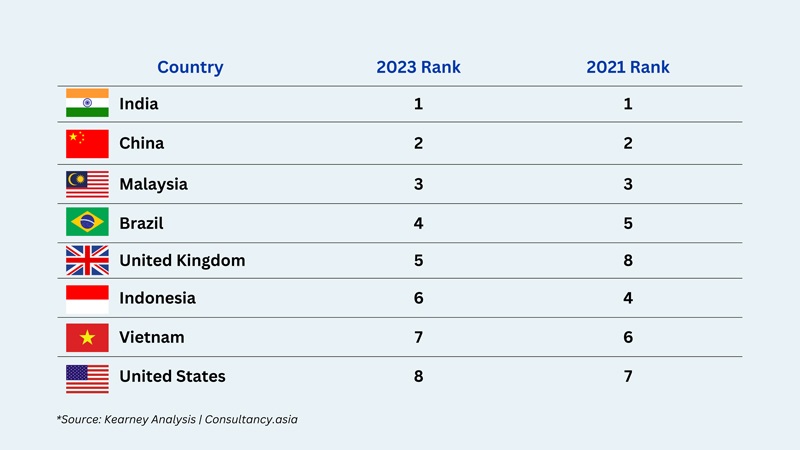
According to The 2023 Kearney Global Services Location Index, Vietnam ranks 7th in the list of leading countries for offshore IT outsourcing services, one place above the United States.
IT Services Commonly Outsourced to Vietnam
Vietnamese technology companies offer a broad range of IT outsourcing services and flexible engagement models, allowing businesses to select solutions that align with their technical requirements and budget. Thanks to its expanding technology ecosystem and skilled workforce, Vietnam has become a preferred destination for outsourcing many types of IT services.
Software Development
Software development remains the most frequently outsourced service to Vietnam. The country’s software industry has grown rapidly over the past decade, supported by a large community of experienced developers and engineers.
Vietnam is known for delivering high-quality software solutions, including web development, mobile applications, enterprise platforms, and custom software systems. With a steady stream of IT graduates entering the workforce each year, companies can easily access skilled professionals capable of handling complex global projects.
IT Consulting and Implementation
Many organizations also outsource IT consulting and implementation services to Vietnamese providers. These services help businesses plan digital transformation strategies, deploy modern technologies, and improve the performance of their IT infrastructure.
As the local technology ecosystem continues to grow, Vietnamese consulting teams increasingly support companies in adopting new technologies and optimizing their digital operations.
Web Hosting and Maintenance
Another commonly outsourced service is web hosting and system maintenance. Vietnamese IT companies help businesses manage their online platforms by ensuring reliable server performance, security monitoring, and regular system updates.
By outsourcing these operational tasks, organizations can focus more on product innovation and strategic growth while technical experts manage infrastructure stability.
Quality Assurance and Software Testing
Vietnam has also become a leading destination for software testing and quality assurance outsourcing. Many global companies rely on Vietnamese teams to conduct manual testing, automated testing, and performance evaluations to ensure the reliability of their software products.
Technology hubs such as Ho Chi Minh City have developed strong reputations for delivering professional software testing services and maintaining high quality standards.
E-commerce and Fintech Development
Vietnam’s rapidly growing digital economy has encouraged local developers to gain strong expertise in e-commerce platforms and fintech applications. Developers in Vietnam frequently build digital marketplaces, payment systems, and financial technology solutions for global businesses.
Companies looking to create scalable online platforms or innovative fintech products often choose Vietnamese teams for their technical capabilities and competitive development costs.
Vietnam’s Growing Role in Global IT Outsourcing
Vietnam’s IT outsourcing industry continues to expand due to its competitive labor costs, young technology workforce, and strong government support for the digital economy. These advantages have helped position Vietnam among the leading outsourcing destinations in Asia.
International rankings consistently recognize Vietnam as one of the top locations for offshore IT outsourcing, highlighting the country’s ability to combine quality services with cost efficiency. With continued growth in its technology ecosystem, Vietnam is expected to remain a key partner for businesses seeking reliable and scalable IT solutions.
Read more: IT Outsourcing Costs: What Businesses Should Expect
How to Start Outsourcing IT to Vietnam
Vietnam has quickly become a preferred outsourcing destination thanks to its skilled developers, competitive costs, and supportive business environment. If your company is considering IT outsourcing to Vietnam, the following steps can help you begin the process successfully.
Step 1: Define Your IT Outsourcing Requirements
Before selecting a partner, it is important to clearly identify your business objectives and technical needs.
-
Determine the project scope: Decide whether you require software development, IT support, cloud migration, cybersecurity services, or another specialized service.
-
Set a realistic budget: Vietnam offers competitive development costs, often allowing companies to reduce expenses significantly compared with developed markets.
-
Establish success metrics: Define clear KPIs to measure project progress and performance.
Having clear requirements will make it easier to communicate your expectations to potential outsourcing providers.
Step 2: Research and Shortlist Potential Partners
Vietnam is home to many IT outsourcing companies, each offering different strengths and specialties. To find the right partner:
-
Explore trusted platforms such as Clutch or GoodFirms to review company profiles and client feedback.
-
Evaluate technical expertise and experience in your required technology stack.
-
Check certifications such as ISO 27001 for information security or other international quality standards.
Conducting proper research helps reduce risks and increases the chances of building a successful outsourcing partnership.
Step 3: Establish Clear Communication Processes
Strong communication is essential for successful outsourcing collaborations.
-
Assign a dedicated project manager to coordinate interactions between teams.
-
Use collaboration tools such as Slack, Microsoft Teams, or Jira to track tasks and share updates.
-
Plan meeting schedules that accommodate time zone differences.
Effective communication ensures that all stakeholders remain aligned throughout the project.
Step 4: Start with a Pilot Project
Before committing to a long-term partnership, many businesses begin with a pilot project.
-
Launch a smaller or short-term project to evaluate the provider’s technical capability.
-
Assess performance using predefined KPIs.
-
Refine processes and expectations based on the results.
A pilot phase helps minimize risks while building trust between both teams.
Step 5: Address Legal and Contractual Requirements
Vietnam offers a business-friendly environment for foreign companies, but legal considerations should still be addressed carefully.
-
Draft a detailed contract outlining scope, timelines, payment terms, and confidentiality agreements.
-
Clearly define intellectual property ownership within the contract.
-
Understand tax policies and regulatory requirements for international outsourcing agreements.
Working with legal professionals familiar with Vietnamese regulations can help ensure compliance.
Step 6: Monitor and Optimize the Collaboration
Successful outsourcing requires continuous management and improvement.
-
Hold regular meetings to review progress and address challenges.
-
Provide constructive feedback to strengthen collaboration.
-
Stay informed about new technologies and trends in Vietnam’s evolving IT industry.
Maintaining active communication and continuous optimization will help maximize the long-term value of your outsourcing partnership.
Challenges of Outsourcing IT to Vietnam and How to Overcome Them
Communication Barriers
One potential challenge when outsourcing IT to Vietnam is language and communication differences. While English proficiency in Vietnam’s tech industry has improved significantly, misunderstandings can still occur if communication processes are not clearly established.
To minimize this issue, businesses should work with outsourcing partners that prioritize strong English communication skills and maintain structured collaboration practices. Establishing clear communication channels, regular meetings, and detailed documentation can help ensure that both teams stay aligned throughout the project.
Time Zone Differences
Working across different time zones can sometimes make coordination more complex, especially when teams operate in different regions of the world. However, this difference can also become an advantage when managed effectively.
By scheduling overlapping working hours and using project management and collaboration tools, companies can maintain smooth communication and continuous progress. Time zone differences can even support faster development cycles, as teams can work on tasks sequentially across different regions.
Cultural Differences
Cultural differences can occasionally influence work styles, communication approaches, and decision-making processes. Understanding these differences is important for building strong outsourcing partnerships.
Businesses can address this challenge by learning about their partner’s working culture and communication style, encouraging open dialogue, and promoting mutual respect. Some companies also organize cultural exchange sessions or onboarding activities to strengthen collaboration and improve teamwork between international partners.
By proactively addressing these challenges, organizations can build effective partnerships and fully benefit from the advantages of IT outsourcing to Vietnam.
HomeNest Software – Empowering Long-Term Growth for Modern Businesses.
Contact Information:
- Address: The Sun Avenue, 28 Mai Chi Tho Street, Binh Trung Ward, Ho Chi Minh City
- Hotline: +84 898 994 298 ( WhatsApp )
- Website: homenest.software
FAQs
Why do companies outsource IT to Vietnam?
Many companies choose Vietnam for IT outsourcing because it offers competitive development costs, a skilled technology workforce, and a rapidly growing digital ecosystem. Vietnam also provides high-quality software development services while maintaining lower operational costs compared to many Western countries.
How much does IT outsourcing to Vietnam cost?
The cost of IT outsourcing in Vietnam depends on the project scope and expertise required. On average, software developers in Vietnam charge between $25 and $50 per hour, which is significantly lower than rates in North America or Western Europe.
What IT services are commonly outsourced to Vietnam?
Businesses commonly outsource services such as software development, mobile app development, IT consulting, cloud solutions, quality assurance, and fintech or e-commerce platform development. Vietnamese IT companies also provide staff augmentation and dedicated development teams.
Is Vietnam a reliable destination for IT outsourcing?
Yes, Vietnam is widely recognized as a reliable outsourcing destination due to its large pool of skilled developers, stable economic environment, and strong government support for the technology sector. Many global companies already operate development centers in Vietnam.
How can businesses choose the right IT outsourcing partner in Vietnam?
Companies should evaluate potential partners based on technical expertise, project portfolio, client reviews, security standards, and communication capabilities. Starting with a pilot project is also a good way to assess the partner’s reliability before committing to long-term collaboration.
What are the main challenges of outsourcing IT to Vietnam?
Common challenges include time zone differences, communication barriers, and cultural differences. These issues can be managed through clear communication processes, collaboration tools, and structured project management practices.