
Top Fintech Apps in the Middle East and How to Build Your Own
Building a fintech app requires more than just a solid idea, it demands a strategic balance between functionality, security, and scalability. From defining the right features and understanding regulatory requirements to choosing the right development partner, every decision directly impacts the success of your product. Businesses that start with a clear roadmap, prioritize user experience, and invest in reliable technology are far more likely to launch a competitive and sustainable fintech solution in today’s fast-evolving digital finance landscape.
Scope of Work
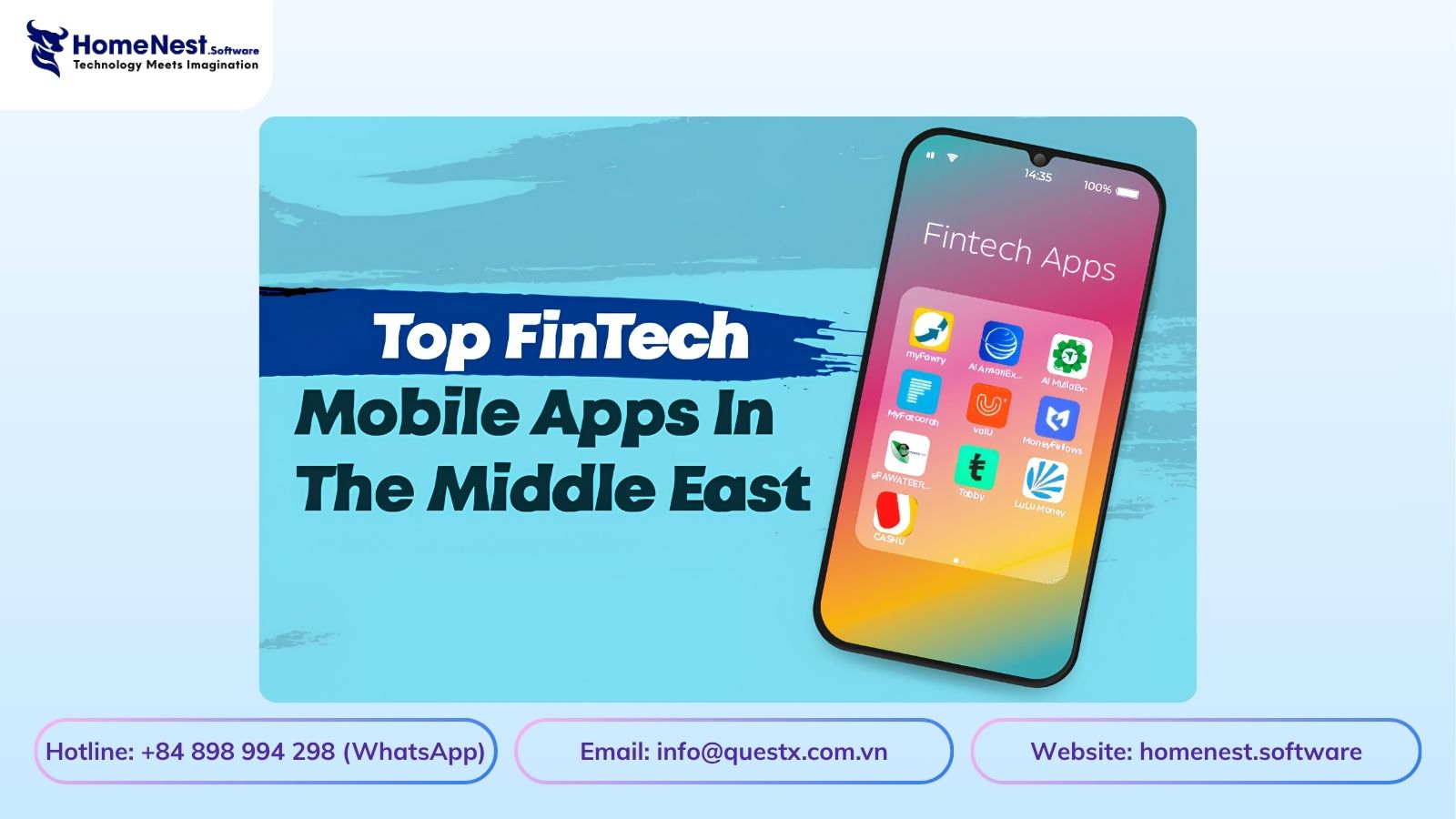
The financial ecosystem in the Middle East is undergoing a rapid architectural transformation. From the dynamic digital markets of Dubai to the expanding financial hubs of Riyadh, institutions are shifting from traditional banking infrastructure to agile, mobile-first fintech technologies. Applications like stc pay, Tabby, and Sarwa are setting new operating standards, reshaping how digital transactions, micro-lending, and automated investments are conducted on a large scale.
Building a proprietary fintech application in this high-growth market requires more than just a basic user interface. It demands a fault-tolerant architecture that seamlessly integrates the region’s stringent compliance regulations, zero-trust security models, and high-concurrency transaction processing. Each microservice must operate synchronously to deliver a seamless, secure, and auditable financial experience.
For businesses and tech founders looking to tap into this multi-billion dollar market, now is the time to move from high-level concepts to robust, scalable engineering.
5 Most Popular Fintech Apps in the Middle East
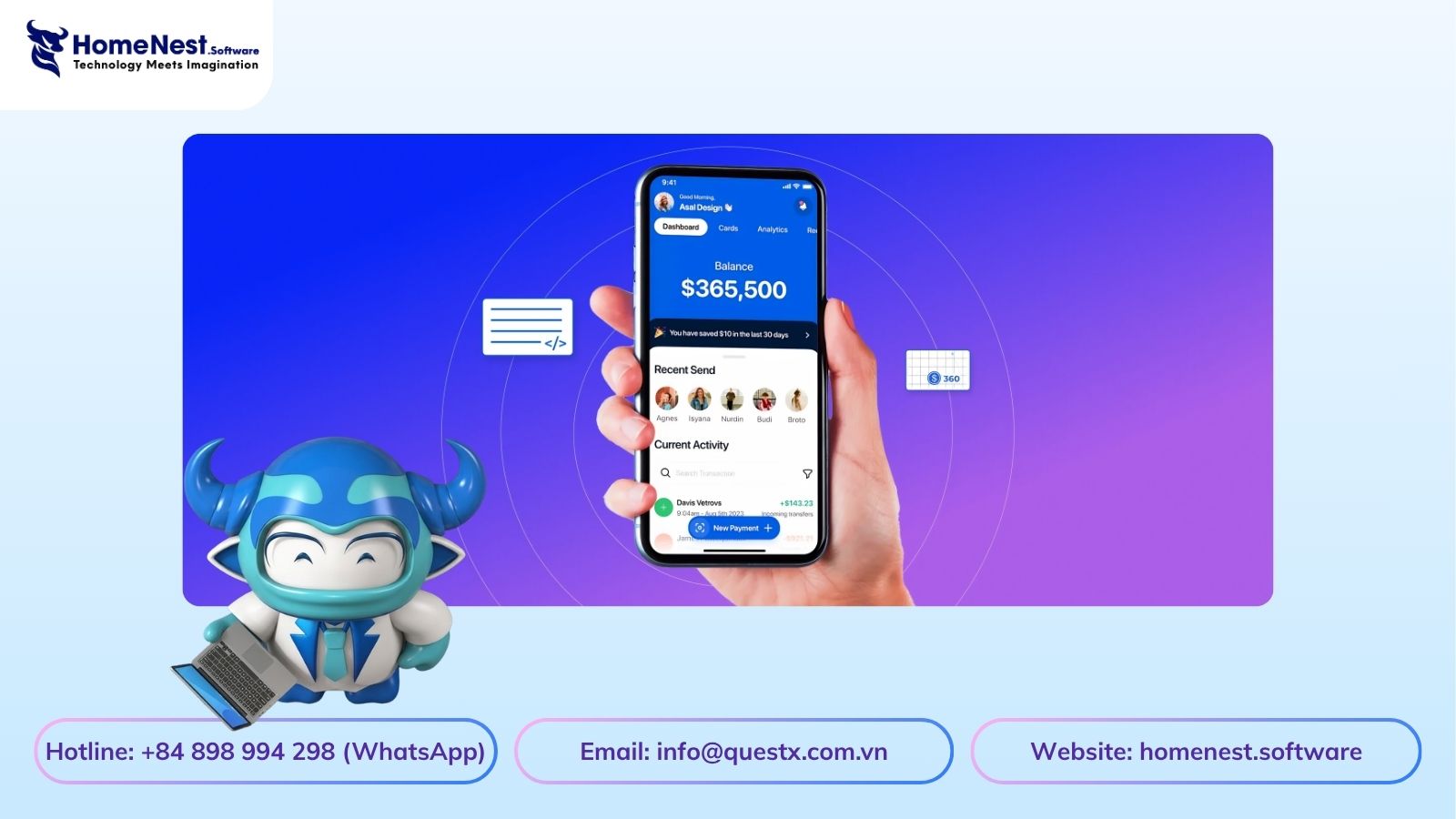
The Middle East has seen rapid fintech adoption in recent years, fueled by a digitally savvy population and supportive regulatory frameworks. From digital wallets to cross-border payments, several apps are gaining strong traction and setting benchmarks for anyone looking to build a fintech product in the region.
Top Fintech Apps Overview
| App | Platform | Downloads | Rating |
|---|---|---|---|
| LuLu Money | Android | iOS | 1M+ | 4.7 |
| Pyypl | Android | iOS | 5M+ | 2.2 |
| Al Mulla Exchange App | Android | iOS | 500K+ | 4.3 |
| MyFawry | Android | iOS | 5M+ | 3.9 |
| Al Ansari Exchange | Android | iOS | 1M+ | 4.6 |
1. LuLu Money
LuLu Money is a widely used mobile app for international money transfers, allowing users to send funds to over 170 countries. It offers competitive exchange rates, low transaction fees, and near-instant transfers. In addition to remittances, users can pay bills, recharge mobile credit, and manage everyday financial transactions with ease. The app stands out for its simplicity, transparency, and reliability.
2. Pyypl
Pyypl is a digital payment platform designed to simplify everyday financial activities. It enables users to send money, pay bills, top up mobile credit without needing a traditional bank account. With features like QR code payments and instant transfers, Pyypl focuses on accessibility and ease of use while maintaining a secure environment for both individuals and businesses.
3. Al Mulla Exchange App
The Al Mulla Exchange App provides a comprehensive solution for money transfers and currency exchange. Users can track live exchange rates, send funds internationally, locate nearby branches, and convert currencies directly within the app. Its user-friendly interface and secure transactions make it a reliable choice for managing finances on the go.
4. MyFawry
MyFawry is one of Egypt’s leading digital payment platforms, enabling users to pay bills, transfer money, and purchase services online. The app combines a simple interface with strong security features, making everyday financial transactions fast and convenient. It is a strong reference point for businesses looking to build scalable payment solutions.
5. Al Ansari Exchange
The Al Ansari Exchange mobile app offers a full suite of financial services, including money transfers, bill payments, and currency exchange. With real-time rates and secure processing, it delivers a seamless experience for users managing their finances across borders. Its intuitive design and reliability have made it a popular choice in the region.
These fintech apps highlight a clear trend: simplicity, speed, and security are the pillars of success in the Middle East market. For businesses planning to build their own fintech solution, studying these platforms provides valuable insights into user expectations, feature design, and scalable product strategy.
Essential Architectural Features for Enterprise Fintech Applications
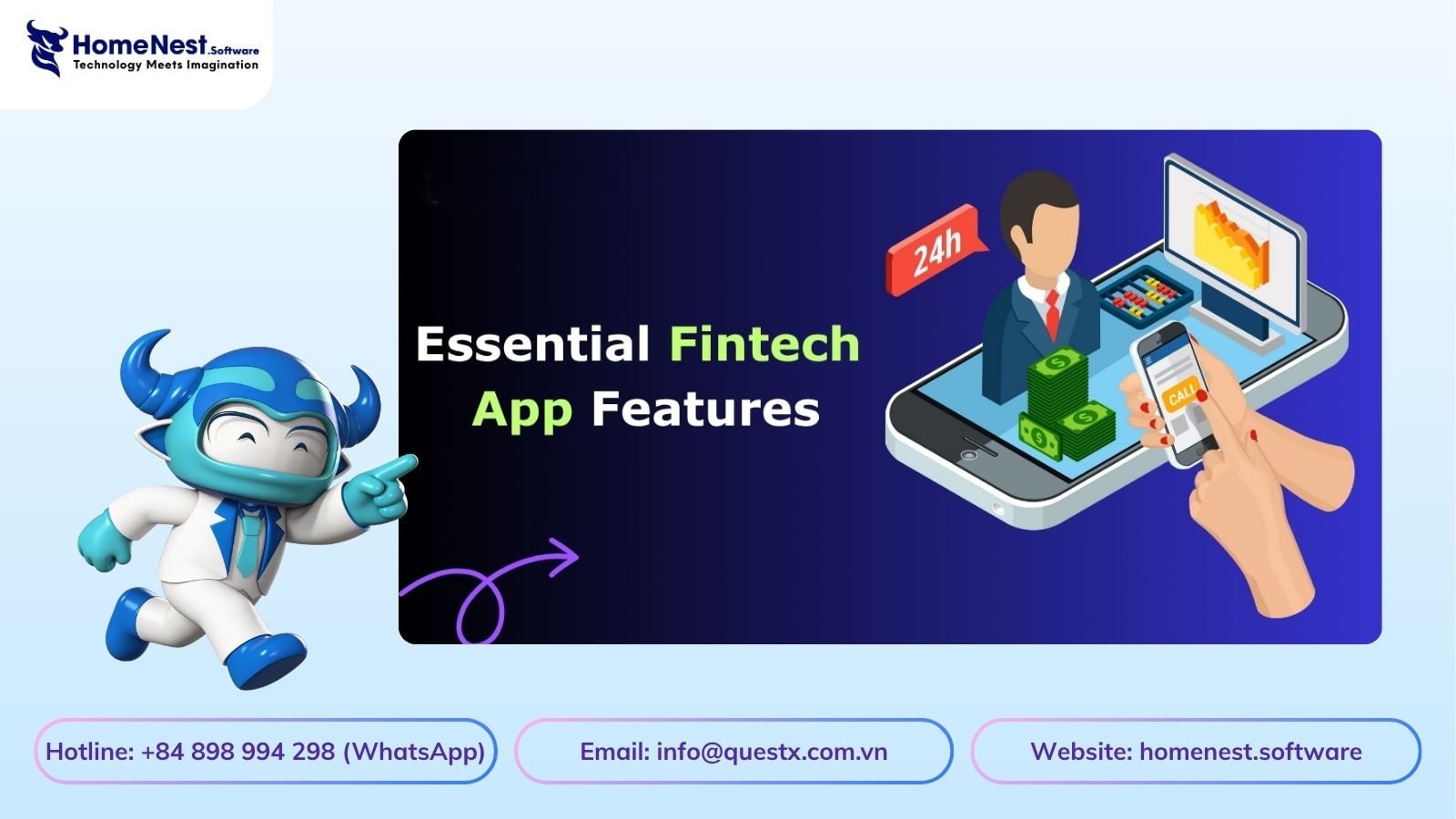
When designing a fintech application, the feature set must balance a seamless user experience with robust backend functionality. A scalable product combines intuitive user interface development with a highly secure enterprise software architecture.
Core Technical Modules
- Automated KYC & AML Processes: Going beyond basic registration, the system must integrate biometric verification and real-time identity matching with regional databases. This ensures immediate compliance with stringent anti-money laundering regulations and lets you know your customers from their first user contact.
- High-Through Payment Processing: The application requires a secure API gateway capable of processing real-time transfers, cross-border remittances, and multi-currency payments with minimal latency and no packet loss.
- Enterprise-Grade Security Architecture: Security cannot be the last consideration. The architecture must integrate Zero-Trust principles, utilize end-to-end encryption at the database level, multi-factor authentication (MFA), and dynamic encryption to protect sensitive financial data from unauthorized and inappropriate access.
- Real-time Financial Analytics and Reporting: Instead of simply tracking expenses, the system needs to integrate data warehousing and predictive analytics. This provides users with real-time portfolio insights while equipping administrators with a comprehensive dashboard to monitor transaction volume and system status.
- Fault-tolerant Integration for Retailers: For B2B or B2B2C models, the system must provide a secure, isolated environment for retailers to manage product portfolios, process payments, and monitor risk profiles without impacting the core bank ledger.
Step by Step Process to Build a Fintech App
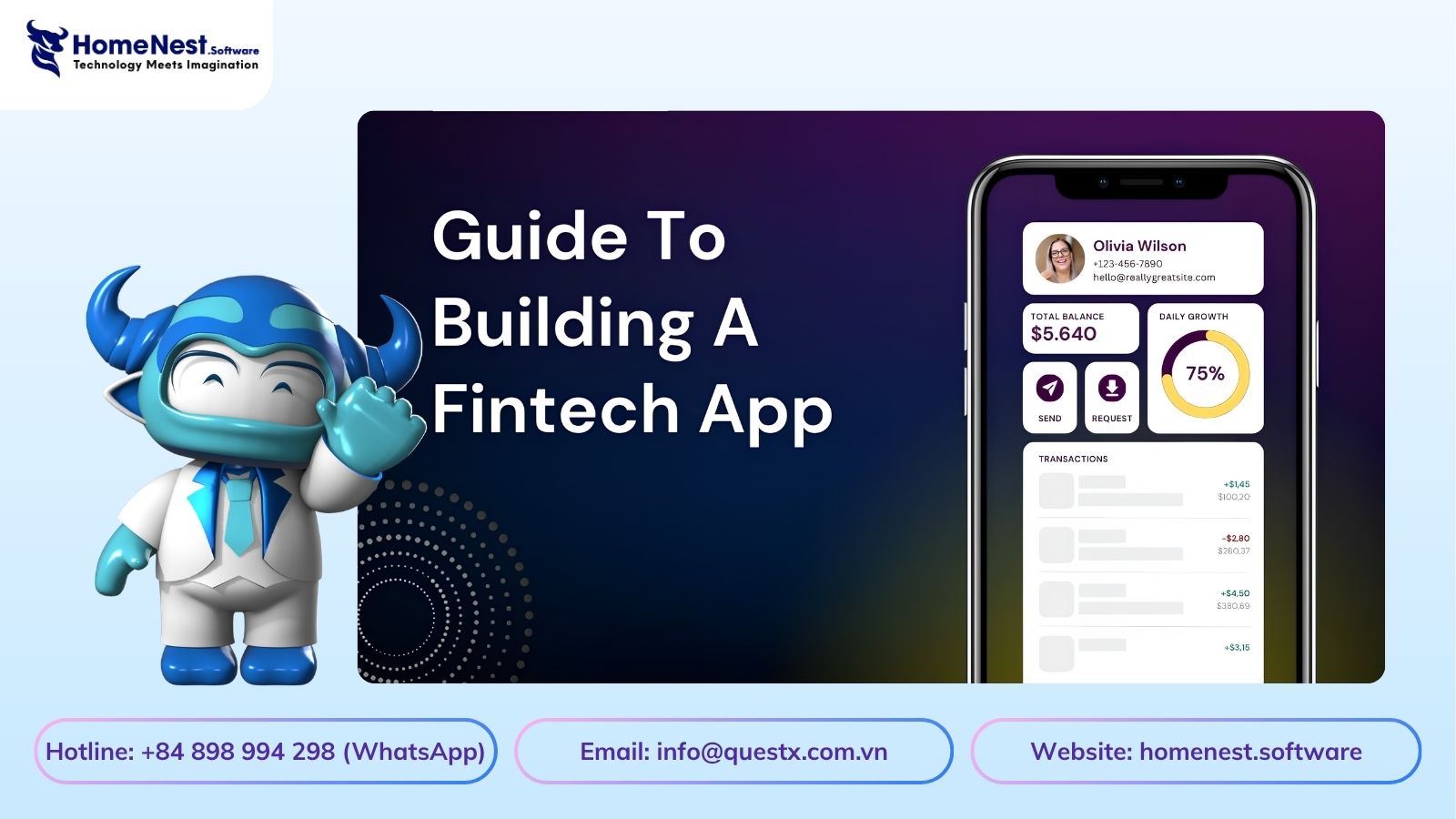
Building a fintech application is not just about coding; it requires a structured, end-to-end process that combines strategy, compliance, and execution. Whether you’re a startup or an enterprise, following the right steps will help you reduce risks, optimize resources, and accelerate time to market.
Choose Your Niche
Before starting development, you need to clearly define your niche. The fintech space is broad—ranging from payments, lending, and insurance to wealth management and personal finance.
Conduct in-depth market research to identify:
- Gaps in existing solutions
- User pain points
- Untapped opportunities
In many cases, working with a business analyst or a custom fintech software development company can help validate your idea and turn it into a viable product concept.
Define Your Monetization Model
A common mistake is trying to include too many revenue streams from the beginning. Instead, focus on one clear monetization model for your MVP, such as:
- Subscription plans
- Transaction fees
- Premium features
Once your product gains traction, you can expand into additional revenue channels. Keep the initial approach simple and scalable.
Understand Compliance Requirements
Compliance is one of the most critical aspects of fintech development. It goes far beyond app store policies and includes:
- KYC (Know Your Customer)
- AML (Anti-Money Laundering)
- Data privacy regulations (GDPR, etc.)
You must analyze legal requirements based on your target market and adapt your product architecture accordingly. This often involves stricter security layers and advanced testing processes.
Define MVP Features
Start with a Minimum Viable Product (MVP) by focusing only on core features that deliver your app’s main value.
Key principles:
- Prioritize essential user flows
- Avoid feature overload
- Prevent scope creep
A lean MVP allows you to:
- Launch faster
- Validate your idea
- Gather real user feedback
You can always expand features later based on actual usage and market demand.
Hire Mobile App Developers
If you don’t have an in-house team, partnering with experienced developers is crucial. Working with a trusted custom fintech software development company or one of the leading finance app development companies can significantly improve both speed and quality.
An experienced team can:
- Recommend the right tech stack
- Use cost-effective open source solutions
- Ensure scalability and security from the start
Development Phase
This is the most resource-intensive stage, where your idea becomes a working product.
Key considerations:
- Follow fintech development best practices
- Choose stable and proven technologies (not just trending ones)
- Ensure your team understands both technical and financial domain logic
You can also collaborate with subject matter experts or experienced finance app development companies to refine product architecture and avoid costly mistakes.
Testing and Quality Assurance
Testing is critical in fintech due to the sensitivity of financial data.
A strong QA process should include:
- Functional testing
- Security testing (penetration testing)
- Performance testing
- Compliance validation
Set strict quality gates to ensure every release meets security standards and delivers a stable user experience.
Final Launch and Post-Launch Growth
Once your app passes all testing and compliance checks, it can be launched on app stores. However, launch is just the beginning.
Post-launch activities include:
- Monitoring performance
- Fixing bugs and optimizing speed
- Collecting user feedback
- Rolling out new features
Continuous improvement is key to staying competitive in the fintech market.
Building a fintech app is a long-term journey that requires more than just technical execution. By combining the right strategy, experienced partners like a custom fintech software development company, and insights from leading finance app development companies, businesses can create scalable, secure, and high-impact financial products.
How Much Does It Cost to Build a Fintech App?
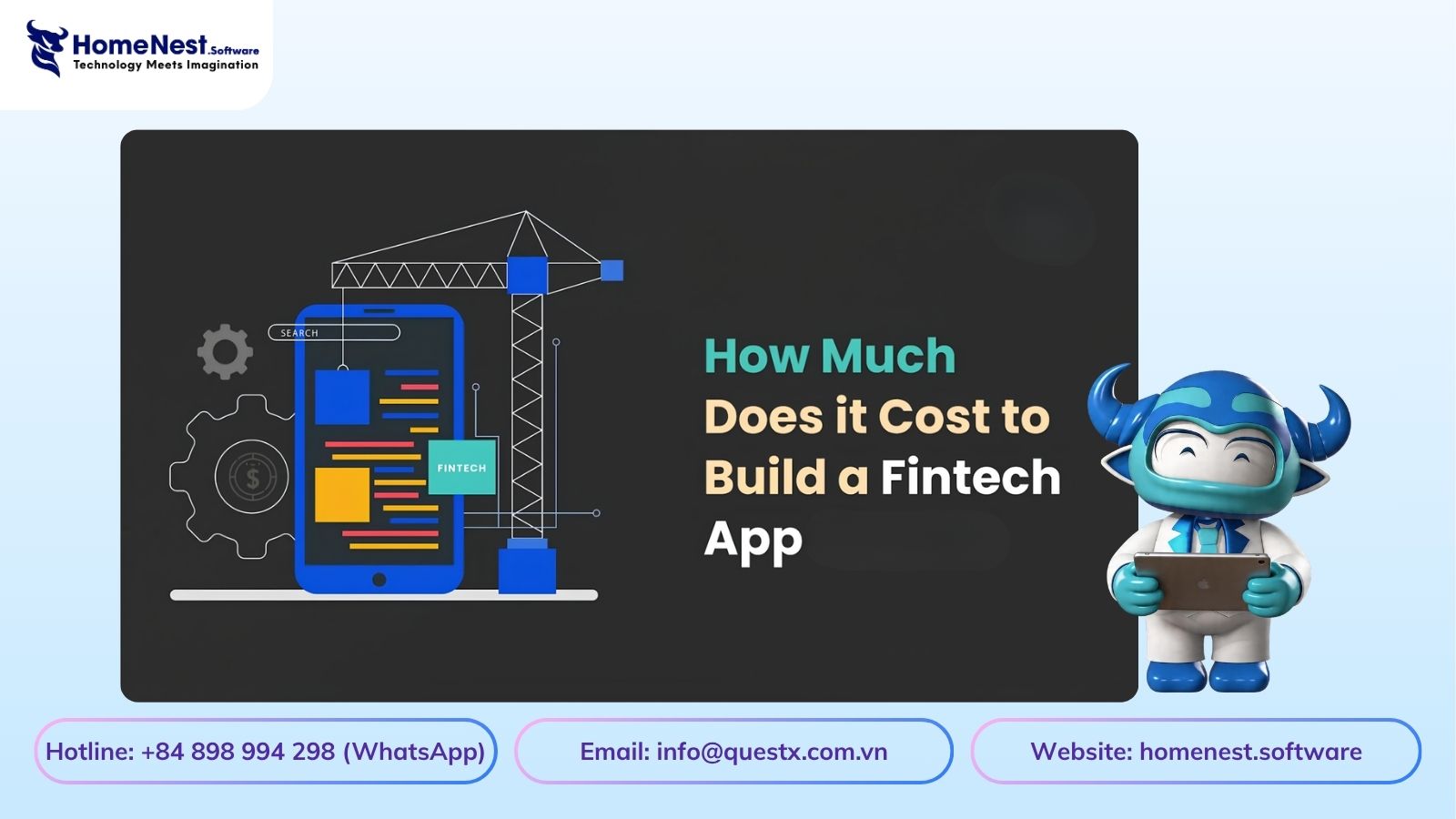
The cost of building a fintech application varies widely depending on several key factors, including app complexity, required features, platform choice (iOS, Android, or both), and the location and expertise of the development team.
Key Cost Drivers
- App Complexity: Basic apps with limited functionality cost significantly less than advanced solutions with AI, real-time processing, and complex integrations.
- Features & Capabilities: The more features you include such as chatbots, analytics, or payment systems, the higher the development effort.
- Platform Selection: Developing for a single platform is more cost-effective, while cross-platform or dual-platform development increases scope.
- Development Team Location: Costs vary depending on whether you work with teams in Asia, Europe, or North America.
Estimated Cost Range
- Basic fintech app: $5,000 – $8,000 (MVP with essential features)
- Mid-level app: $10,000 – $15,000 (enhanced UX, integrations, scalability)
- Advanced fintech app: $15,000+ (AI, automation, enterprise-grade systems)
More sophisticated applications with advanced technologies and high scalability requirements can exceed these ranges depending on the project scope.
Beyond Development Costs
It’s important to understand that development is only part of the total investment. Additional costs may include:
- Marketing and user acquisition
- Customer support and operations
- Ongoing maintenance and updates
- Security upgrades and compliance management
Final Recommendation
To get an accurate estimate, it’s best to consult with an experienced development partner such as HomeNest Software or other established fintech app development companies. A professional team can provide a detailed proposal outlining the project scope, timeline, and budget helping you plan effectively and avoid unexpected costs.
Ready to Build a Robust Fintech App? Let’s Connect
Deploying a fintech application is an opportunity to reshape financial operations in your market. However, long-term success depends heavily on partnering with a technical team that prioritizes your technological independence and security.
At HomeNest Software, we specialize in designing secure, scalable, and regulatory-compliant fintech solutions tailored to your B2B/B2C needs. We differentiate ourselves from traditional outsourcing providers through our uncompromising commitment to data sovereignty and algorithmic transparency.
Contact information:
- Phone / WhatsApp: (+84) 898 994 298
- Email: info@questx.com.vn
- Headquarters: SAV5 Tower, The Sun Avenue, 28 Mai Chi Tho Street, Binh Trung Ward, Ho Chi Minh City, Vietnam
- Branch Office: SAV4 Tower, The Sun Avenue, 28 Mai Chi Tho Street, Binh Trung Ward, Ho Chi Minh City, Vietnam
100% Source Code Ownership & Algorithm Auditability
We believe that financial institutions must maintain absolute control over their core infrastructure to avoid vendor dependence. Upon project completion, we guarantee 100% source code handover. This ensures your organization retains full intellectual property rights, the ability to independently audit security protocols, and complete freedom to expand or modify the internal architecture in the future.
From high-concurrency payment gateways to regulatory-compliant e-wallets, our development lifecycle strictly adheres to global financial standards. Let’s work together to build a robust financial platform that you fully own, control, and operate with absolute confidence.
FAQs About Fintech App Development
1. How long does it take to build a fintech app?
The timeline typically ranges from 3 to 9 months, depending on the app’s complexity, features, and integrations. A basic MVP can be launched faster, while advanced apps require more time for development and testing.
2. What is the average cost to build a fintech app?
The cost varies based on scope and technology. Basic apps may start from $5,000–$8,000, while more advanced solutions with AI and integrations can cost significantly more.
3. What are the essential features of a fintech app?
Core features include user registration, bank account integration, secure payments, expense tracking, notifications, and strong security measures like encryption and multi-factor authentication.
4. Is fintech app development suitable for startups?
Yes. Many startups begin with a Minimum Viable Product (MVP) and scale gradually. This approach helps validate ideas while managing costs effectively.
5. What technologies are used in fintech app development?
Common technologies include cloud platforms, secure APIs, AI/ML frameworks, and mobile development tools for iOS and Android applications.
6. How do fintech apps ensure data security?
Security is achieved through encryption, secure APIs, biometric authentication, compliance with regulations, and continuous monitoring for threats.
7. What are the biggest challenges in fintech app development?
Key challenges include regulatory compliance, data security, integration with banking systems, maintaining performance, and building user trust.
8. How do fintech apps generate revenue?
Revenue models include subscriptions, transaction fees, premium features, partnerships, and financial product recommendations.
9. Why should I work with a fintech development company?
An experienced development partner ensures compliance, security, scalability, and faster delivery while reducing technical risks.
10. How do I get started with building a fintech app?
Start by defining your business idea, target audience, and core features. Then consult with a trusted development partner to plan and execute your product roadmap effectively.
Latest Articles
View All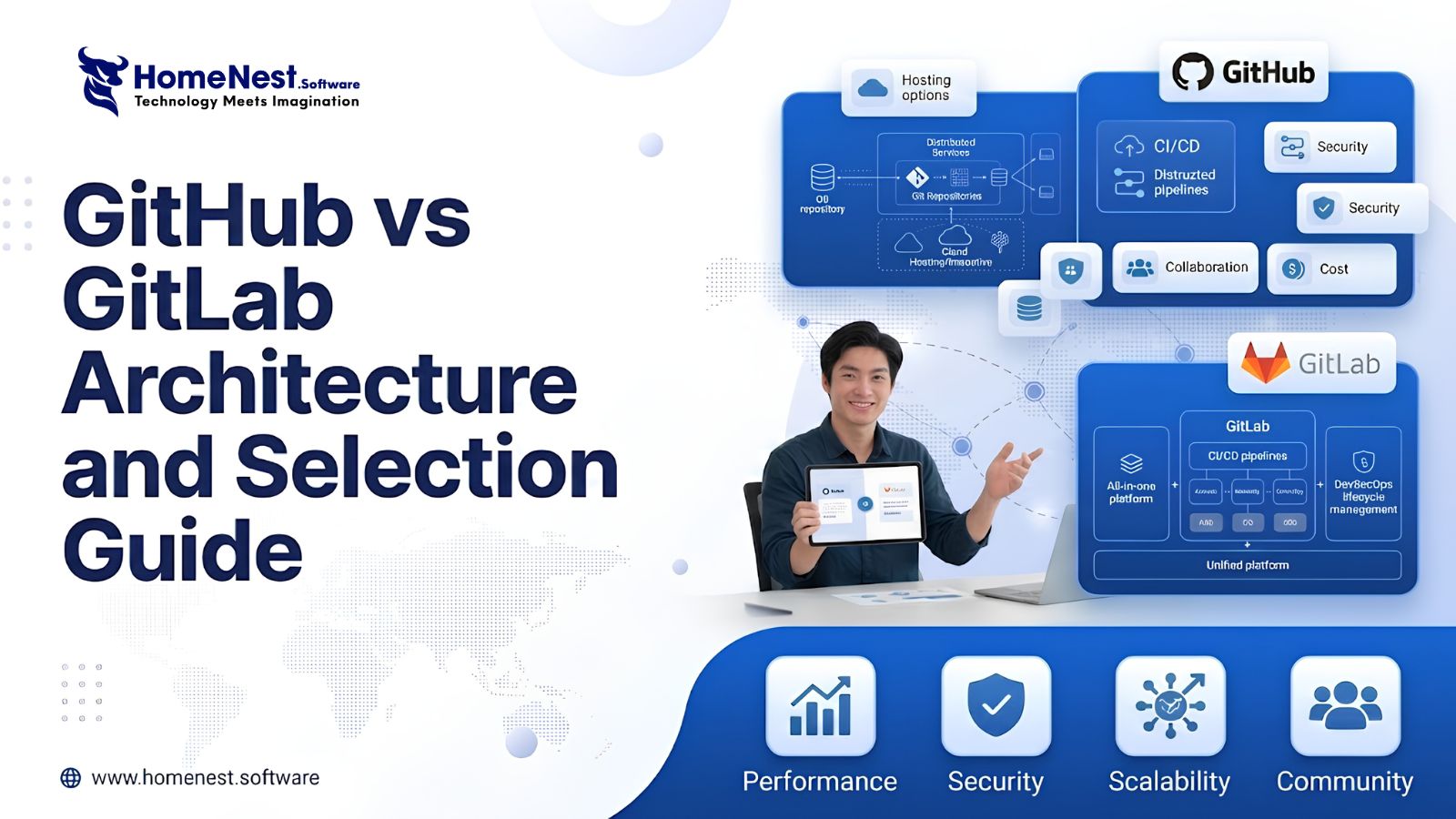
GitHub vs GitLab – Architecture and Selection Guide
Managing source code requires stable infrastructure. Automating software releases requires reliable pipelines. Tool sprawl creates operational complexity. Engineering teams face friction when using fragmented DevOps tools. Selecting between GitHub and GitLab shapes long term development efficiency.
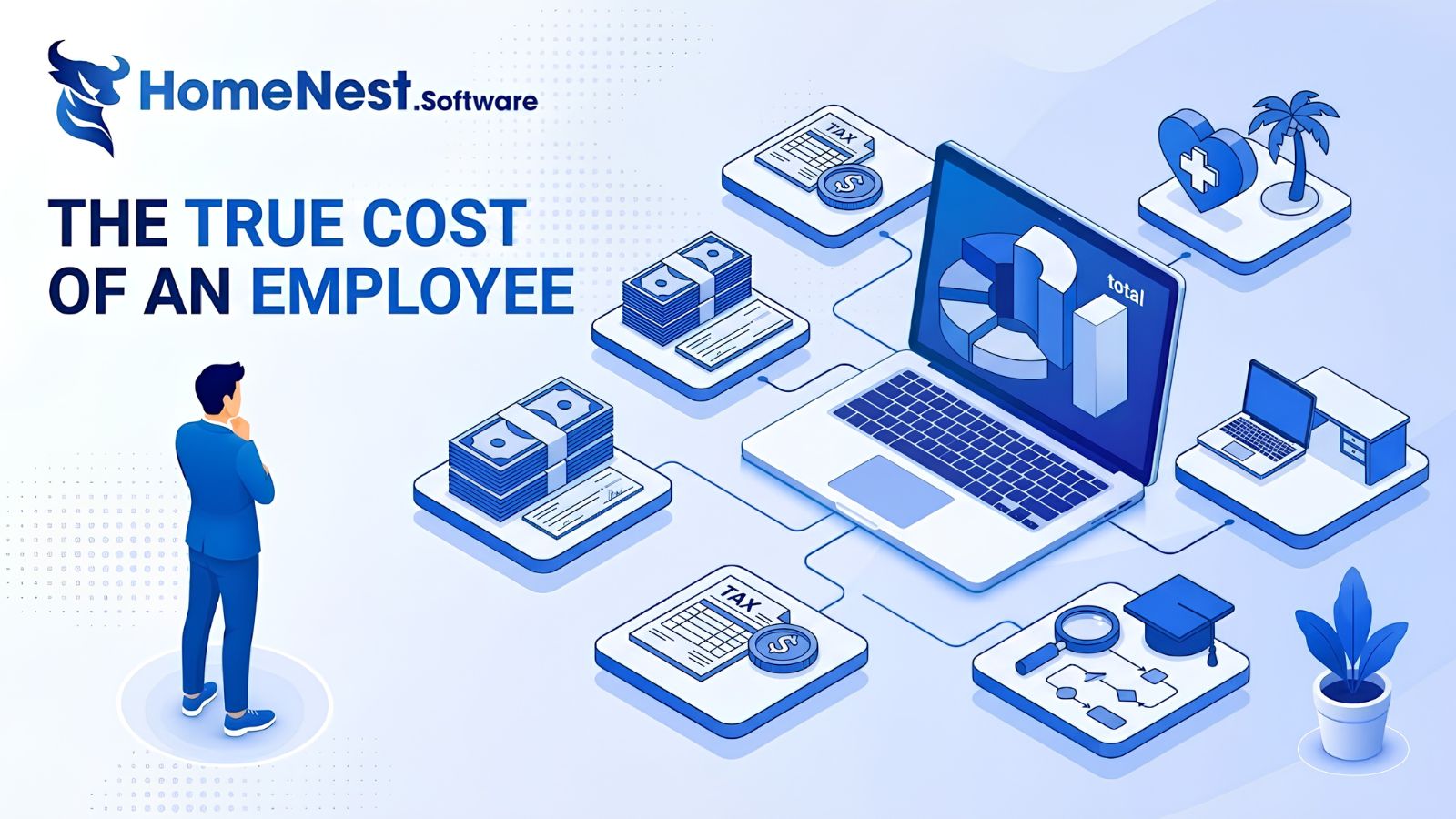
The True Cost of an Employee: A Complete Breakdown for Employers
This article reveals that the true cost of an employee is typically 25% to 40% higher than their base salary due to hidden expenses like taxes, benefits, workspace, and recruiting. To address this, the guide provides a detailed 7-step framework to accurately calculate total employer costs, alongside actionable strategies to optimize budgets and improve retention without reducing pay.
Essential Tips To Develop A Music Streaming App
Discover expert tips to develop a successful music streaming app with HomeNest Software. This guide covers essential features, legal licensing, and scalable technology stacks. Learn how to build a robust, cross-platform application with AI personalization to stand out in the 2026 competitive audio market.
How to Build a Language Learning App Like Cake
Discover how to build a successful language learning app like Cake with this comprehensive guide from HomeNest Software. We explore market research, essential MVP features, advanced AI integrations, tech stack selection, and estimated development costs. Partner with HomeNest Software to create a scalable, gamified, and highly engaging educational platform tailored to your business goals. Start your app development journey with us today.
How to Build an App Like TaskRabbit: Features, Cost, Tech Stack – Business Model
Building an app like TaskRabbit is more than replicating existing features—it’s about creating a trusted marketplace that seamlessly connects customers with skilled service providers. By combining an intuitive user experience, secure payment systems, scalable architecture, and the right business model, you can launch a competitive on-demand platform. Partnering with an experienced app development company like HomeNest Software ensures your product is built with the technology, flexibility, and long-term scalability needed to succeed in the rapidly growing gig economy.
How to Build a Meal Planning App: A Complete Step-by-Step Guide
Building a successful meal planning app goes beyond creating an attractive interface it requires a clear business strategy, personalized user experiences, and scalable technology. By combining essential features like AI-powered meal recommendations, nutrition tracking, grocery list automation, and wearable integration, businesses can deliver lasting value to users while capitalizing on the growing digital health market. Partnering with an experienced mobile app development company ensures your solution is secure, future-ready, and designed to succeed in an increasingly competitive health-tech industry.