
What is eMAR in Healthcare: Definition and Core Functions
eMAR systems are a critical component of modern healthcare, transforming medication management from manual, error-prone processes into a streamlined, data-driven workflow. By enabling real-time documentation, automated verification, and seamless integration with clinical systems, eMAR significantly improves patient safety, operational efficiency, and regulatory compliance. As healthcare continues to embrace digital transformation, adopting eMAR is no longer optional—it is a strategic step toward delivering safer, smarter, and more connected patient care.
Scope of Work
What is eMAR in healthcare? Beyond a simple digital ledger, an Electronic Medication Administration Record (eMAR) is a mission-critical clinical system designed to eliminate medication errors, ensure strict regulatory compliance (such as HIPAA), and seamlessly integrate with existing hospital infrastructures. In this guide, we break down the core functions of eMAR, its integration protocols, and why adopting it is a foundational step for modern, data-driven patient care.
1. What Is eMAR in Healthcare?
eMAR, or Electronic Medication Administration Record, is a digital system designed to track, document, and manage the administration of medications. Unlike traditional paper based records, eMAR provides a centralized, real time platform that allows healthcare providers to accurately record and monitor medication usage.
As a core component of modern healthcare IT, eMAR replaces manual processes with automated workflows, helping reduce medication errors, improve efficiency, and support better patient outcomes. It is widely used across healthcare settings, including hospitals, nursing homes, assisted living facilities, and home care environments.
eMAR systems are typically integrated with broader platforms such as Electronic Health Records and pharmacy management systems. This integration enables seamless data flow, ensuring that healthcare providers have timely access to accurate medication information within a unified workflow.
The Evolution of eMAR Systems
eMAR systems were developed to overcome the limitations of paper based medication records, which were often prone to issues such as illegible handwriting, missed doses, and incomplete documentation. As healthcare organizations began adopting digital solutions, eMAR emerged as a reliable way to improve accuracy and accountability in medication administration.
Today, eMAR systems have evolved into sophisticated tools that offer real time documentation, automated alerts, and interoperability with other healthcare technologies. As digital transformation continues across the healthcare sector, eMAR is becoming increasingly essential in ensuring safe, efficient, and data driven medication management.
2. Key Features of eMAR Software
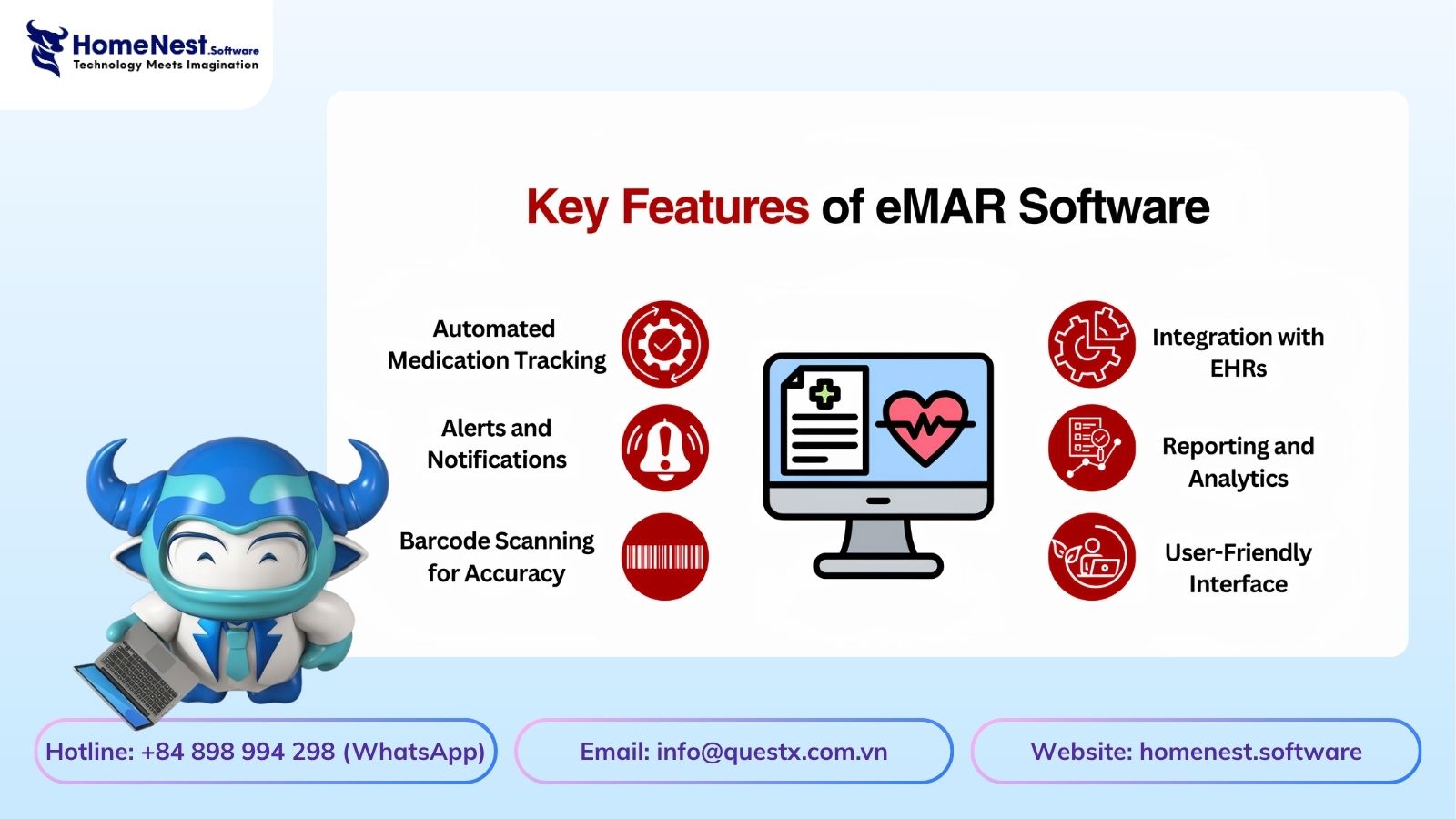
eMAR systems are designed to streamline medication management while improving accuracy, safety, and efficiency across healthcare operations. Below are the core features that make eMAR an essential component of modern healthcare systems:
2.1. Real Time Medication Tracking
eMAR enables real time documentation of medication administration. Each time a medication is given, the system instantly records the details, ensuring that patient records remain accurate and up to date. This eliminates manual charting, reduces documentation errors, and allows healthcare providers to monitor medication trends and identify potential issues early.
2.2. Automated Alerts and Notifications
eMAR systems provide intelligent alerts for missed doses, potential drug interactions, and upcoming medication schedules. These automated notifications help healthcare providers stay on track and ensure timely administration. In high volume clinical environments, this feature is critical for maintaining consistency and reducing the risk of oversight.
2.3. Barcode Verification for Accuracy
To enhance patient safety, many eMAR systems incorporate barcode scanning technology. Healthcare providers can scan both the patient’s wristband and the medication label to verify the “five rights” of medication administration: right patient, right drug, right dose, right time, and right route. This significantly reduces the likelihood of medication errors.
2.4. Seamless Integration with EHR Systems
eMAR platforms integrate with Electronic Health Records to create a unified view of patient data. Any updates made within the EHR—such as medication changes—are automatically synchronized with the eMAR system. This ensures consistency across systems and improves communication among care teams.
2.5. Reporting and Analytics
Advanced reporting capabilities allow healthcare organizations to analyze medication administration data in detail. eMAR systems generate insights that support compliance audits, quality improvement initiatives, and performance monitoring. Providers can identify patterns, reduce medication errors, and evaluate treatment effectiveness based on real data.
2.6. User Friendly Interface
eMAR solutions are built with usability in mind, offering intuitive interfaces that simplify navigation and data entry. Customizable dashboards enable healthcare professionals to tailor the system to their workflows, making adoption faster and more efficient across teams with varying levels of technical expertise.
Looking to Build Healthcare Software?
HomeNest Software provides end to end expertise in Mobile App Development and Enterprise Software Development, helping healthcare organizations design scalable, secure, and user centric solutions. From concept to deployment, we support your digital transformation journey with tailored technology strategies.
Explore our services to turn your healthcare ideas into high impact solutions.
3. Common Types of eMAR Systems
eMAR solutions are designed to accommodate different operational needs across healthcare environments. Depending on the size, complexity, and level of digital maturity of an organization, providers can choose from several types of eMAR systems:
3.1. Standalone eMAR Systems
Standalone eMAR systems operate independently without full integration into broader health IT platforms. They are commonly used in smaller clinics, nursing homes, and assisted living facilities where a complete EHR ecosystem may not be necessary. These solutions offer a cost effective way to transition from paper based records to digital medication tracking while maintaining simplicity and ease of deployment.
3.2. Integrated eMAR Systems
Integrated eMAR systems are typically deployed in hospitals and large healthcare organizations. They work in conjunction with Electronic Health Records to deliver a comprehensive medication management workflow. By connecting departments such as pharmacy, nursing, and physician teams, these systems enhance coordination, reduce communication gaps, and improve overall operational efficiency.
3.3. Cloud Based eMAR Solutions
Cloud based eMAR platforms provide flexibility and scalability by enabling access from multiple devices and locations. These solutions eliminate the need for extensive on premise infrastructure, making them ideal for organizations with limited IT resources or those managing distributed facilities. Cloud deployment also supports easier updates, data backup, and compliance management.
3.4. Mobile eMAR Applications
Mobile eMAR applications allow healthcare providers to access and update medication records directly from smartphones or tablets. This mobility improves workflow efficiency, especially for nurses and caregivers who need real time access to patient data while on the move. Mobile solutions are particularly valuable in home healthcare settings, where providers deliver care across multiple locations.
4. What Are the Benefits of eMAR?
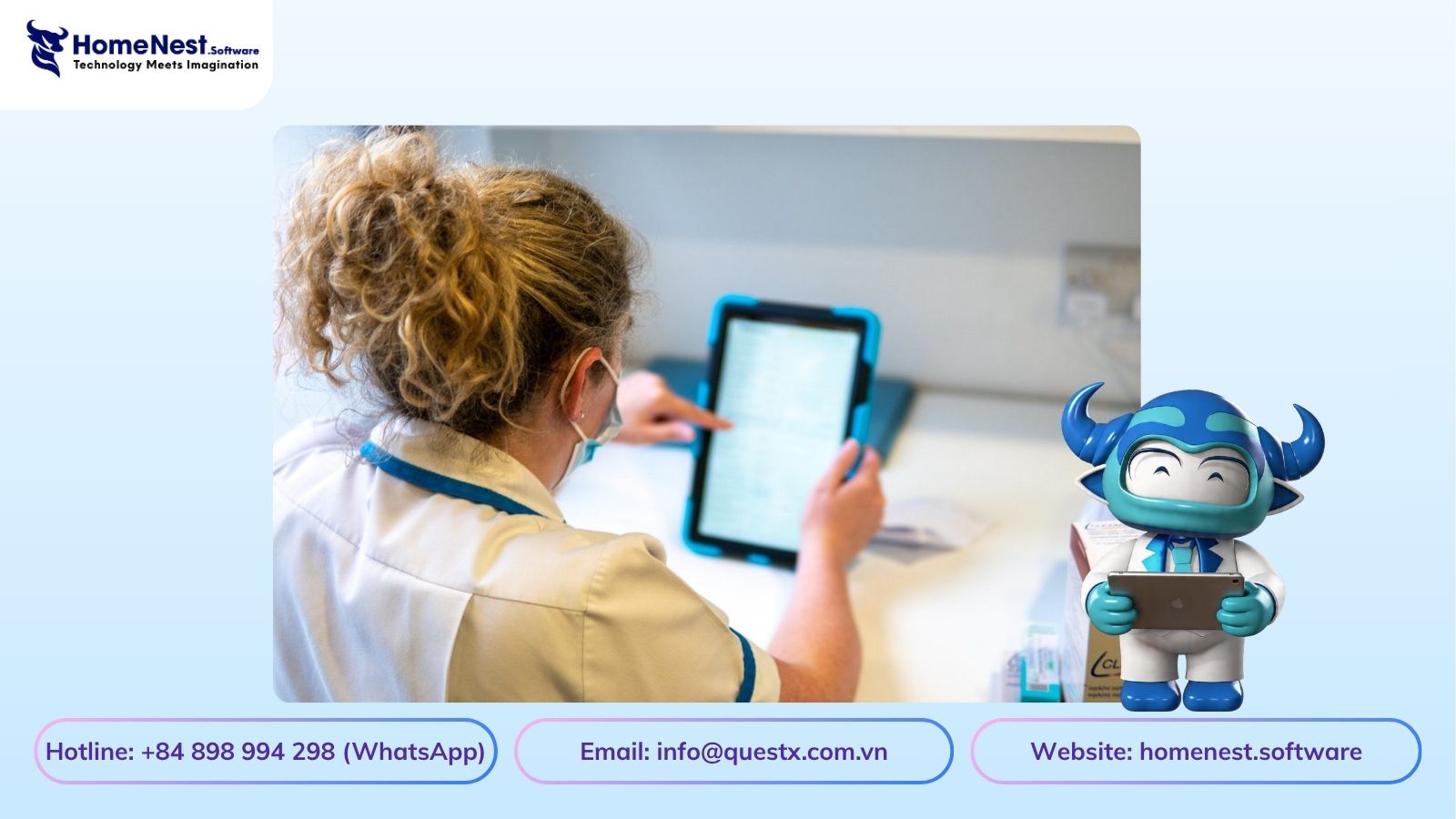
Implementing an eMAR system delivers measurable value across clinical, operational, and compliance dimensions. It supports healthcare providers, caregivers, and patients by improving accuracy, efficiency, and coordination in medication management.
4.1. Reduced Medication Errors
eMAR minimizes human error by automating medication administration workflows. Features such as barcode verification and real time documentation ensure that patients receive the correct medication, dosage, and timing significantly reducing the risk of adverse events.
4.2. Stronger Compliance and Audit Readiness
Healthcare organizations operate under strict regulatory requirements. eMAR systems automatically log every medication event, creating accurate, time stamped records that support audits and inspections. This reduces compliance risks and simplifies reporting processes.
4.3. Improved Efficiency and Workflow
By eliminating manual charting and redundant paperwork, eMAR allows nurses and caregivers to focus more on patient care. Streamlined workflows reduce administrative overhead and improve overall productivity across clinical teams.
4.4. Enhanced Patient Safety and Outcomes
Real time alerts and monitoring capabilities help prevent missed doses, drug interactions, and incorrect administration. This leads to better adherence to treatment plans and improved clinical outcomes.
4.5. Cost Savings for Healthcare Organizations
Reducing medication errors and operational inefficiencies translates into tangible cost savings. Healthcare facilities can lower expenses related to medication waste, legal liabilities, and administrative processes while improving resource utilization.
4.6. Better Communication and Care Coordination
eMAR integrates with pharmacy and clinical systems to enable real time data sharing between care teams. This improves coordination, ensures timely medication updates, and reduces the risk of prescription conflicts ultimately delivering a more connected and efficient care experience.
5. How eMAR Software Works: A Comprehensive Overview
“Building a reliable eMAR system is rarely just a UI/UX challenge. The true complexity lies in engineering a fault-tolerant backend capable of real-time HL7 messaging, barcode validation, and uncompromised HIPAA compliance. A lag of even a few seconds in data synchronization can lead to critical medication errors.” — Nguyễn Tiến, Co-Founder of HomeNest Software
eMAR systems follow a structured, end to end workflow that digitizes and safeguards every step of medication administration. From prescription entry to real time documentation and analytics, each process is designed to improve accuracy, efficiency, and patient safety.
The Digital Prescription Workflow
The process begins when a healthcare provider enters a medication order into the system typically through an integrated platform such as Electronic Health Records. Once entered, the eMAR system automatically performs validation checks against the patient’s medical history, current medications, and known allergies.
Based on this validation, the system generates a precise medication schedule that defines dosage, timing, and administration route. This digital schedule ensures consistency across care teams and serves as the foundation for all subsequent medication activities.
Multi Layered Verification
Before any medication is administered, eMAR systems enforce strict verification protocols. Healthcare providers must confirm patient identity often through barcode scanning or other verification methods and ensure the medication aligns with the original prescription.
The system continuously cross checks dosage, timing, and any updates made to the prescription. This multi step verification significantly reduces the risk of errors, especially in dynamic clinical environments where treatment plans may change.
Real Time Documentation
eMAR enables immediate and accurate documentation at the point of care. Each medication administration event is recorded in real time, capturing essential details such as time, dosage, and administering staff.
Beyond basic logging, providers can also record patient responses, note any complications, and include relevant clinical observations. This creates a comprehensive and reliable dataset that supports both immediate decision making and long term care planning.
Analytics and Continuous Improvement
Modern eMAR platforms include built in analytics that transform raw medication data into actionable insights. Healthcare organizations can monitor trends, identify inefficiencies, and detect patterns related to medication errors or adherence.
These insights support quality improvement initiatives, helping facilities refine workflows, enhance patient safety, and optimize resource allocation based on real world data.
Integration Across Healthcare Systems
eMAR systems are most effective when integrated into a broader healthcare technology ecosystem. Through secure APIs and interoperability standards, eMAR connects with pharmacy systems, billing platforms, and other clinical applications.
This seamless data exchange ensures that all stakeholders—from physicians and nurses to pharmacists—have access to accurate, up to date information, enabling better coordination and more efficient care delivery.
See How HomeNest Software Delivers Impact
HomeNest Software has helped healthcare organizations design and deploy scalable digital solutions that improve operations and patient outcomes.
Explore our portfolio to see how we turn complex healthcare challenges into measurable results.
6. Future Trends of eMAR in Healthcare
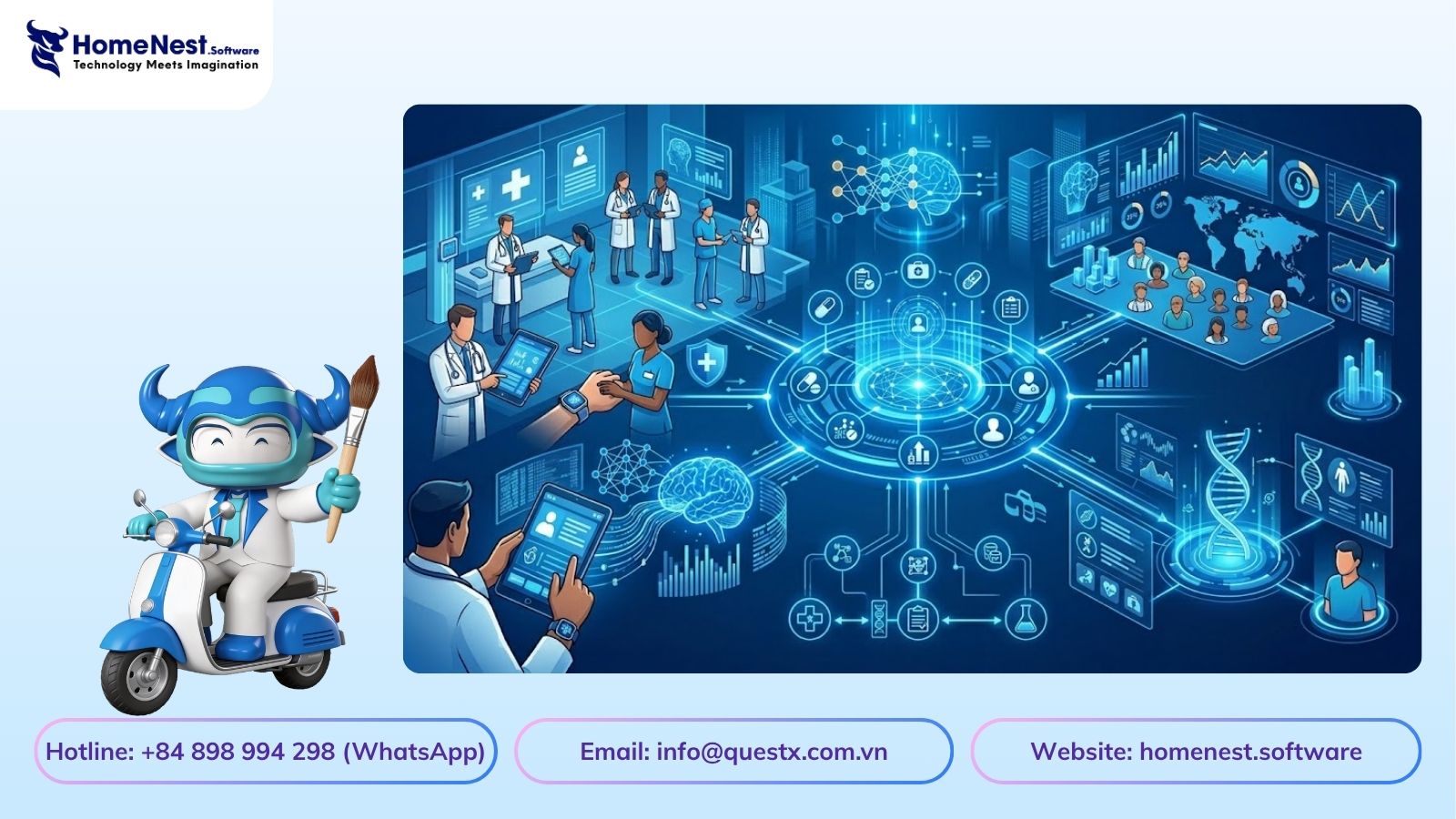
eMAR technology is evolving rapidly, fueled by advancements in artificial intelligence, mobile computing, and modern healthcare delivery models. For healthcare organizations, understanding these trends is essential to building scalable, future ready medication management systems.
Intelligent Medication Management with AI
Artificial intelligence is transforming how eMAR systems manage medications. Next generation platforms are integrating machine learning algorithms that analyze large volumes of patient data to proactively identify risks, such as adverse drug interactions or missed doses.
These intelligent systems continuously learn from historical and real time data, improving their accuracy over time. AI driven capabilities also support dosage optimization by considering patient response patterns, demographics, and clinical variables helping providers make more informed, data driven decisions while maintaining full clinical oversight.
Mobile First eMAR Experiences
Mobility is becoming a core component of modern eMAR solutions. Advanced mobile applications allow healthcare providers to access, update, and manage medication records directly from smartphones, tablets, and even wearable devices.
These mobile platforms often include features such as offline access, secure communication, and real time collaboration. As a result, care teams can respond faster, streamline workflows, and maintain compliance with data privacy standards while operating across different locations within a facility or in home care settings.
Enhanced Interoperability and Connected Systems
Future eMAR systems will offer deeper integration with a broader healthcare ecosystem. Improved interoperability standards will enable seamless data exchange across clinical, pharmacy, billing, and administrative systems.
This level of connectivity ensures that all stakeholders have access to consistent, real time patient data, supporting better coordination of care across departments and healthcare providers.
Predictive Analytics for Population Health
eMAR systems are expanding beyond individual patient management to support population health initiatives. Advanced analytics will allow healthcare organizations to identify trends across large patient groups, enabling more effective medication protocols and risk management strategies.
By leveraging predictive insights, providers can optimize treatment plans, reduce hospital readmissions, and improve overall healthcare outcomes at scale.
Integration with Personalized Medicine
As healthcare shifts toward precision medicine, eMAR systems are evolving to support more personalized treatment approaches. Future platforms will incorporate genetic data, lifestyle factors, and patient specific health information to guide medication selection and dosing.
This integration enables more targeted therapies, reduces adverse reactions, and enhances the overall effectiveness of treatment plans marking a significant step forward in patient centered care.
7. Conclusion: Why eMAR Systems Are Essential for Healthcare Providers
The adoption of eMAR systems marks a significant shift in how healthcare organizations manage medications. Far beyond replacing paper records, eMAR provides a robust digital framework that enhances patient safety, streamlines workflows, and elevates the overall quality of care delivery.
Improving Patient Care
eMAR systems play a direct role in improving patient outcomes. By reducing medication errors, ensuring accurate and real time documentation, and enabling better coordination among care teams, these systems strengthen clinical decision making. Healthcare providers gain immediate access to reliable medication data, allowing for safer, faster, and more informed interventions.
Driving Operational Efficiency
From an operational standpoint, eMAR helps simplify complex workflows and reduce administrative burden. Nurses and caregivers spend less time on manual documentation and more time delivering care. At the same time, healthcare administrators benefit from improved visibility, stronger compliance support, and more efficient resource management. These efficiencies translate into measurable cost savings and better overall performance.
Preparing for the Future of Healthcare
Looking ahead, eMAR systems will continue to evolve as core components of modern healthcare infrastructure. With the integration of artificial intelligence, mobile technologies, and advanced analytics, these platforms will become even more intelligent and adaptive. Healthcare organizations that invest in eMAR today are better positioned to deliver high quality, data driven care while maintaining operational agility in an increasingly digital healthcare landscape.
FAQs About eMAR in Healthcare
1. What is eMAR in healthcare?
eMAR (Electronic Medication Administration Record) is a digital system used to track, document, and manage medication administration in healthcare settings. It replaces paper based records with real time, accurate, and centralized data.
2. How does an eMAR system work?
An eMAR system records medication orders, validates them against patient data, and creates a schedule for administration. Healthcare providers verify and document each dose in real time, often using barcode scanning to ensure accuracy.
3. What are the main benefits of eMAR?
eMAR improves patient safety, reduces medication errors, enhances workflow efficiency, ensures regulatory compliance, and supports better communication between healthcare providers.
4. Is eMAR the same as EHR?
No. eMAR is a component that focuses specifically on medication administration, while Electronic Health Records store comprehensive patient medical information, including diagnoses, lab results, and treatment history.
5. Who uses eMAR systems?
eMAR systems are used by nurses, caregivers, pharmacists, and physicians in hospitals, nursing homes, assisted living facilities, and home healthcare environments.
6. How does eMAR reduce medication errors?
eMAR reduces errors through automated alerts, barcode verification, real time documentation, and cross checking with patient records to ensure the correct medication, dose, and timing.
7. Are eMAR systems secure?
Yes. Modern eMAR systems include encryption, access controls, and compliance with healthcare regulations to protect patient data and ensure privacy.
8. Can eMAR be accessed on mobile devices?
Yes. Many eMAR solutions offer mobile applications, allowing healthcare providers to access and update medication records in real time using smartphones or tablets.
9. What is the difference between eMAR and EMR?
eMAR focuses on medication administration records, while EMR (Electronic Medical Record) contains broader clinical data for a single healthcare provider or organization.
10. How much does it cost to implement eMAR?
The cost of implementing eMAR varies depending on system complexity, integration needs, and deployment type. Basic solutions may start from a few thousand dollars, while enterprise level systems can cost significantly more.
11. Do I own the source code of my eMAR software if I work with HomeNest Software?
Yes. HomeNest Software guarantees 100% source code ownership and intellectual property transfer upon project deployment. This eliminates vendor lock-in risks, allowing your internal clinical and tech teams to scale, modify, or audit the application independently.
Latest Articles
View All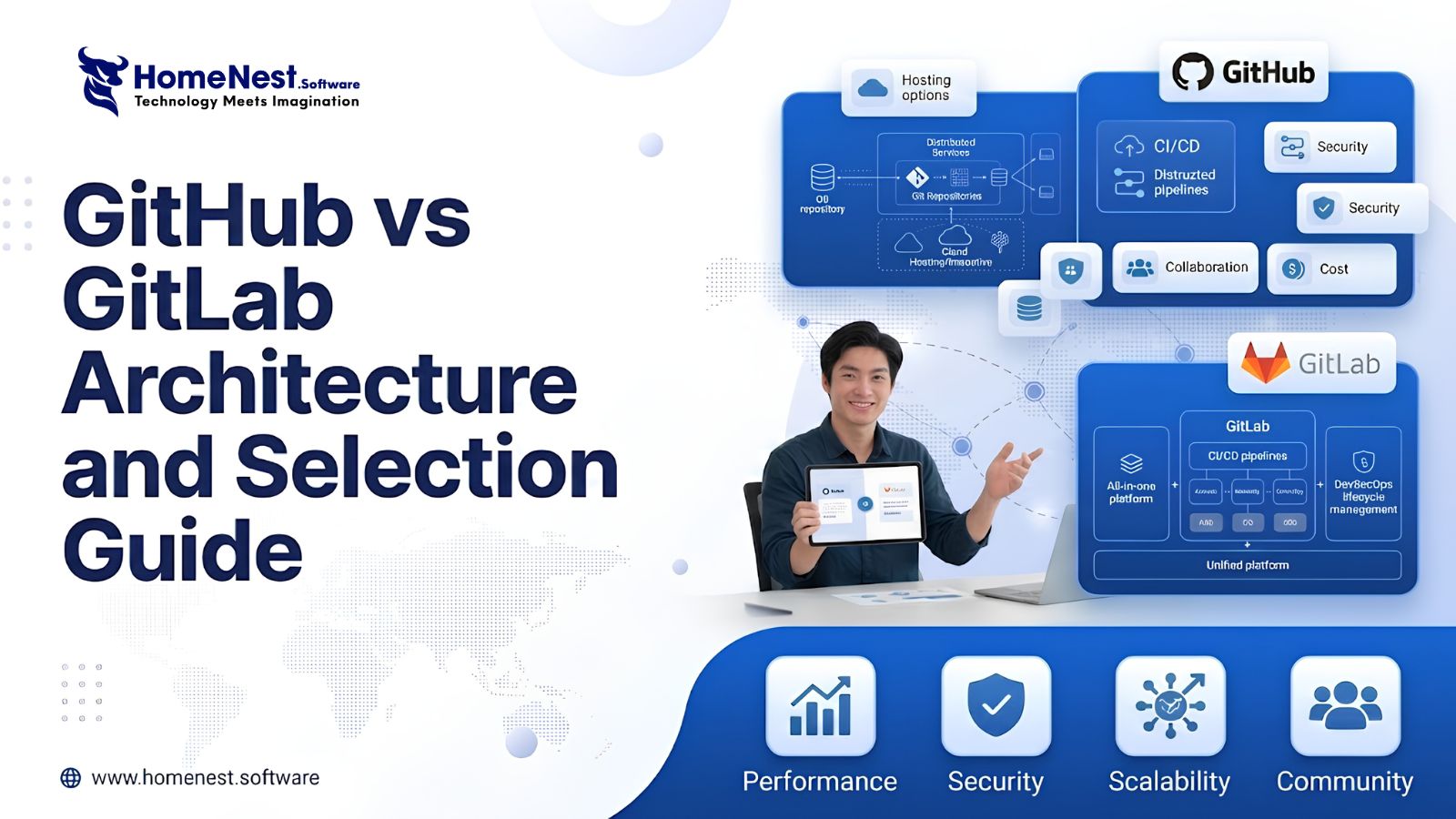
GitHub vs GitLab – Architecture and Selection Guide
Managing source code requires stable infrastructure. Automating software releases requires reliable pipelines. Tool sprawl creates operational complexity. Engineering teams face friction when using fragmented DevOps tools. Selecting between GitHub and GitLab shapes long term development efficiency.
The True Cost of an Employee: A Complete Breakdown for Employers
This article reveals that the true cost of an employee is typically 25% to 40% higher than their base salary due to hidden expenses like taxes, benefits, workspace, and recruiting. To address this, the guide provides a detailed 7-step framework to accurately calculate total employer costs, alongside actionable strategies to optimize budgets and improve retention without reducing pay.
Essential Tips To Develop A Music Streaming App
Discover expert tips to develop a successful music streaming app with HomeNest Software. This guide covers essential features, legal licensing, and scalable technology stacks. Learn how to build a robust, cross-platform application with AI personalization to stand out in the 2026 competitive audio market.

How to Build a Language Learning App Like Cake
Discover how to build a successful language learning app like Cake with this comprehensive guide from HomeNest Software. We explore market research, essential MVP features, advanced AI integrations, tech stack selection, and estimated development costs. Partner with HomeNest Software to create a scalable, gamified, and highly engaging educational platform tailored to your business goals. Start your app development journey with us today.
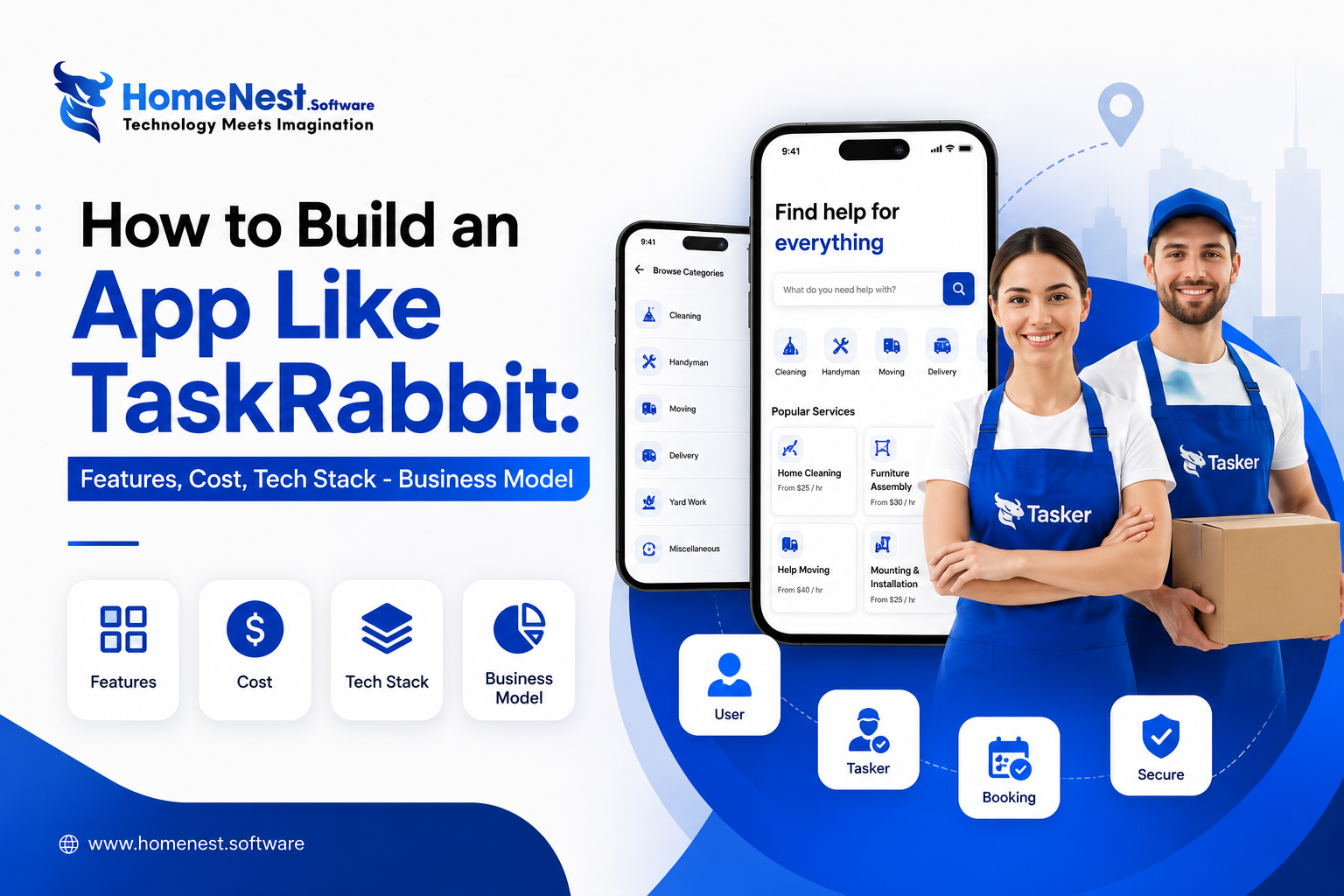
How to Build an App Like TaskRabbit: Features, Cost, Tech Stack – Business Model
Building an app like TaskRabbit is more than replicating existing features—it’s about creating a trusted marketplace that seamlessly connects customers with skilled service providers. By combining an intuitive user experience, secure payment systems, scalable architecture, and the right business model, you can launch a competitive on-demand platform. Partnering with an experienced app development company like HomeNest Software ensures your product is built with the technology, flexibility, and long-term scalability needed to succeed in the rapidly growing gig economy.
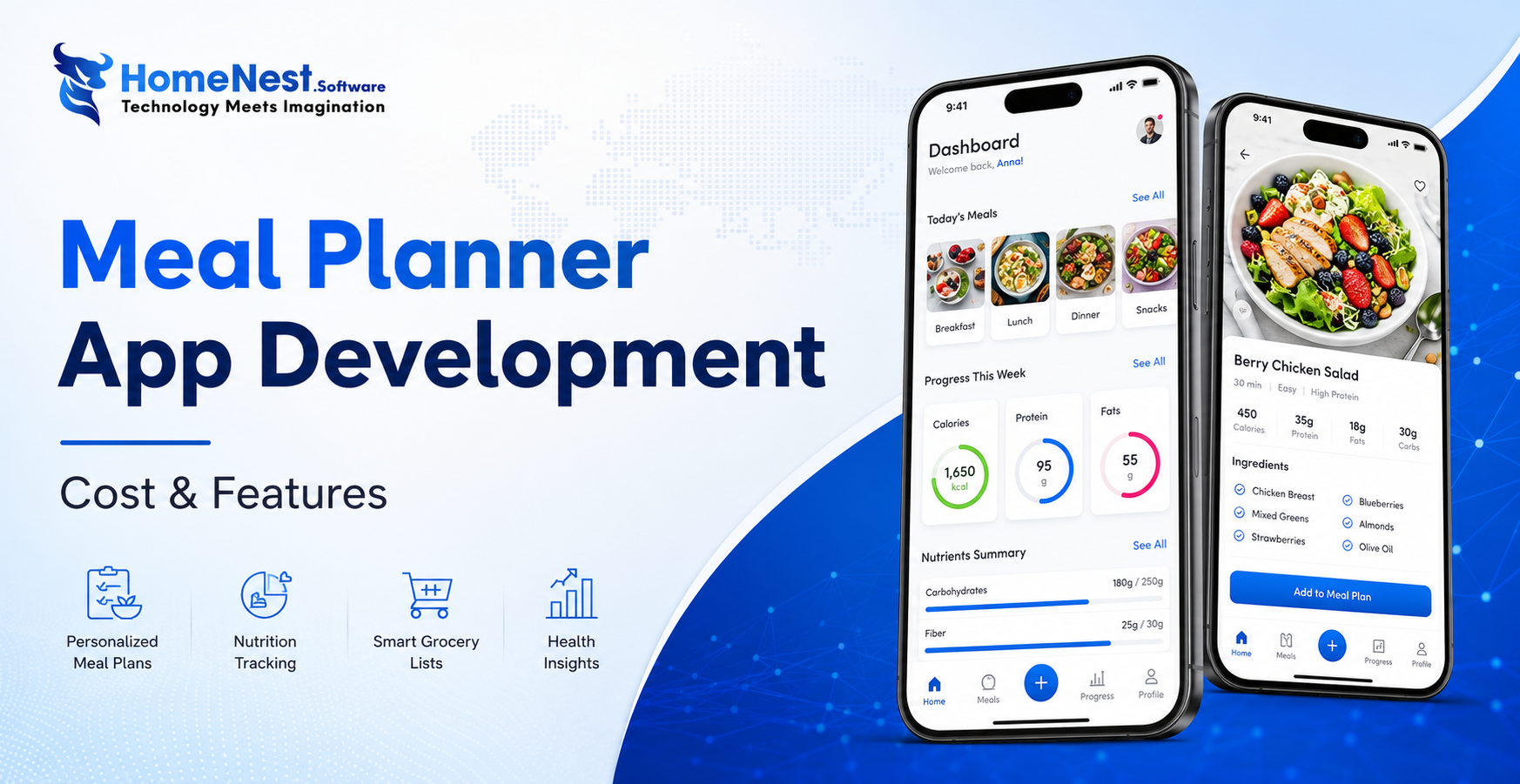
How to Build a Meal Planning App: A Complete Step-by-Step Guide
Building a successful meal planning app goes beyond creating an attractive interface it requires a clear business strategy, personalized user experiences, and scalable technology. By combining essential features like AI-powered meal recommendations, nutrition tracking, grocery list automation, and wearable integration, businesses can deliver lasting value to users while capitalizing on the growing digital health market. Partnering with an experienced mobile app development company ensures your solution is secure, future-ready, and designed to succeed in an increasingly competitive health-tech industry.