
8 Essential Software Development Models and Methodologies You Need to Know
Scope of Work

Software development is a structured and often complex journey that requires engineers to follow a series of well defined steps to deliver effective, high quality products. These steps are commonly referred to as the Software Development Life Cycle (SDLC). Typically, the SDLC includes phases such as planning, design, development, testing, deployment, and ongoing maintenance.
From the initial idea to long term operation, these stages remain consistent across most projects. However, the way each phase is executed can vary depending on the chosen methodology, as different approaches emphasize different processes, priorities, and workflows.
There are numerous SDLC methodologies available today, but in this guide, we focus on eight of the most widely used models due to their popularity and proven effectiveness. Regardless of the approach, all SDLC methodologies share a common goal: helping teams build reliable, scalable, and high quality software.
Choosing the right development model requires careful consideration of several factors, including business objectives, project complexity, team expertise, budget constraints, and delivery timelines.
In the following sections, we’ll explore eight fundamental software development models and methodologies to help you make a more informed and strategic decision.
Types of Software Development Cycle (SDLC) Models
The most widely used SDLC models include the Waterfall, V Model, Iterative & Incremental Model, Spiral Model, Scrum, Kanban, Extreme Programming (XP), and Rational Unified Process (RUP). Each approach offers a different way to manage development, depending on project requirements, risk level, and team structure.
Waterfall Model
The Waterfall model follows a strict, linear sequence of phases: requirements analysis, design, development, testing, deployment, and maintenance. Each stage must be fully completed before moving on to the next, with detailed documentation at every step.
Because of its rigid structure, changes are difficult to implement once the project is underway. Testing happens late in the cycle, which can increase risks and the cost of fixing issues.
Best suited for:
-
Projects with fixed scope, budget, and timeline (e.g., government systems)
-
Small to medium projects with clearly defined requirements
-
Projects using stable, well known technologies
-
Highly regulated industries such as healthcare
Iterative and Incremental Model
The Iterative and Incremental model breaks development into smaller cycles (iterations), where each release adds new functionality to the existing system. These iterations can run sequentially or in parallel, allowing faster delivery of core features.
This model supports evolving requirements, but still maintains a consistent architecture across iterations. It also requires ongoing collaboration with stakeholders to refine the product over time.
Best suited for:
-
Large and long term projects
-
Systems requiring early delivery of core features (e.g., web apps, microservices)
-
Projects where requirements may evolve over time
Validation and Verification Model (V Model)
The V Model is a structured, linear approach similar to Waterfall, but with a strong emphasis on testing. Each development phase is paired with a corresponding testing phase, ensuring early validation and higher quality control.
While it helps detect defects early, it is time consuming and costly. Changes are also difficult once development has progressed.
Best suited for:
-
Mission critical systems (e.g., aviation, medical software)
-
Projects requiring high reliability and minimal downtime
Rational Unified Process (RUP)
The RUP model blends iterative development with structured processes. It consists of four main phases:
-
Inception
-
Elaboration
-
Construction
-
Transition
Each phase includes multiple iterations, and activities like design, development, and testing occur in parallel with varying intensity.
RUP provides flexibility and strong documentation but can be less agile compared to modern Agile frameworks.
Best suited for:
-
Large scale and high risk projects
-
Use case driven systems
-
Projects requiring high quality output with structured governance
Spiral Model
The Spiral model is a risk driven approach that combines iterative development with continuous risk analysis. Each cycle includes planning, risk assessment, design/prototyping, and evaluation.
This model requires experienced teams and careful risk management, often leading to longer development timelines.
Best suited for:
-
Complex, large scale systems
-
Projects with unclear or evolving requirements
-
R&D or innovation driven product development
Scrum
Scrum is an Agile framework that organizes development into short cycles called sprints (usually 2–4 weeks). Teams collaborate closely, deliver incremental value, and continuously adapt based on feedback.
Best suited for:
-
Fast paced product development
-
Startups and dynamic environments
-
Projects requiring frequent updates and user feedback
Kanban
Kanban focuses on visualizing workflows and optimizing task flow. Work items are tracked on a board, allowing teams to manage workload and improve efficiency without fixed iterations.
Best suited for:
-
Continuous delivery environments
-
Maintenance and support teams
-
Projects needing flexibility and workflow optimization
Extreme Programming (XP)
Extreme Programming (XP) emphasizes technical excellence and frequent releases. It includes practices such as pair programming, continuous integration, and test driven development (TDD).
Best suited for:
-
Projects with rapidly changing requirements
-
Teams focused on high quality code and fast feedback loops
By understanding these SDLC models, businesses and development teams can choose the most suitable approach based on project complexity, risk tolerance, and delivery expectations.
Agile Methodologies
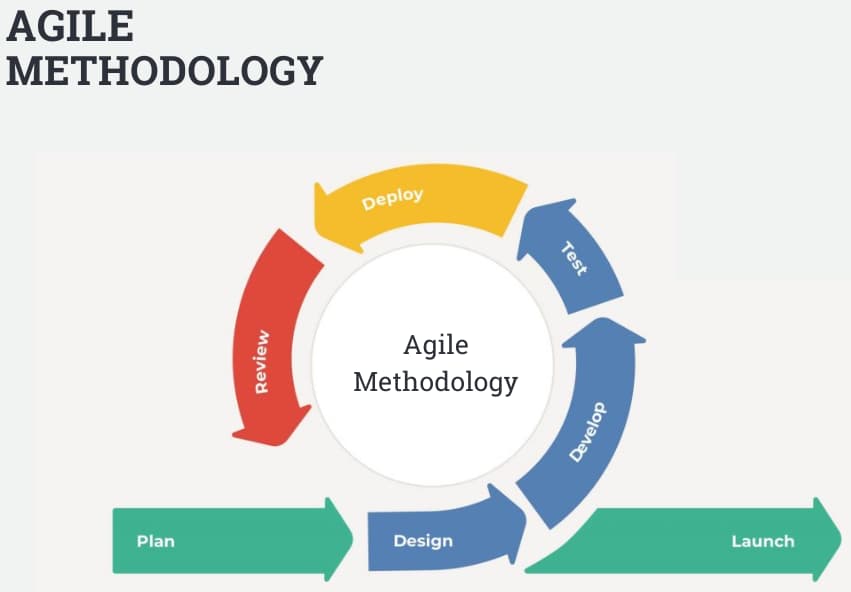
Many organizations today embrace Agile methodologies to enhance flexibility and responsiveness in software development. Agile focuses on continuous collaboration, iterative progress, and early feedback from customers, enabling teams to improve both product quality and delivery speed.
In Agile, development is divided into short cycles (iterations), typically lasting a few weeks. Each iteration delivers a functional portion of the product that can be tested and reviewed. Unlike traditional models that emphasize extensive documentation upfront, Agile prioritizes working software and adaptability. However, this can make maintenance more challenging later due to less detailed documentation, sometimes requiring extra effort to troubleshoot issues.
A key strength of Agile is its collaborative nature. Developers, stakeholders, and customers work closely throughout the process, regularly reviewing progress and reprioritizing tasks. This ensures alignment with business goals, improves ROI, and allows continuous refinement of the product based on real user feedback.
Overall, Agile enables faster releases, easier updates, and the flexibility to add or modify features throughout the development lifecycle making it highly effective for modern, user focused applications.
Best suited for:
-
Medium sized projects with evolving or unclear requirements
-
Startups that rely on early user feedback
-
Large projects that can be broken down into smaller, incremental releases
Read more: Top 15 Agile Software Outsourcing Companies in Vietnam
Extreme Programming (XP)
Extreme Programming (XP) is an Agile practice that emphasizes speed, quality, and continuous improvement. Development cycles are short typically 1 to 2 weeks and involve frequent iterations with the flexibility to introduce changes even after release.
XP promotes high engineering standards through practices such as test driven development (TDD), pair programming, automated testing, continuous integration (CI), coding standards, and simple design principles.
Best suited for:
-
Projects with rapidly changing requirements
-
Teams focused on high quality code and continuous delivery
Scrum
Scrum is one of the most widely used Agile frameworks. It organizes work into fixed length iterations called sprints, usually lasting 2 to 4 weeks. Each sprint begins with planning and ends with review and evaluation.
Once a sprint starts, its scope is typically locked to maintain focus and efficiency. Scrum emphasizes teamwork, accountability, and regular feedback loops.
Best suited for:
-
Product development teams needing structured Agile processes
-
Projects requiring frequent releases and continuous feedback
Kanban
Kanban differs from other Agile approaches by focusing on continuous flow rather than fixed iterations. Tasks are visualized on a Kanban board, where teams can track progress, responsibilities, and workload in real time.
This model promotes transparency and allows teams to quickly identify bottlenecks and optimize workflows. It also supports continuous updates, meaning changes can be introduced at any time without waiting for a new sprint cycle.
Frequent communication with stakeholders ensures ongoing feedback and visibility throughout the project.
Best suited for:
-
Software maintenance and support projects
-
Teams requiring flexibility and continuous delivery
-
Environments focused on workflow optimization and transparency
Read more: The Ultimate Guide to Agile Software Outsourcing
Conclusion
Selecting the right SDLC model is a critical factor in successfully delivering high quality software solutions. However, there is no one size fits all approach each project and organization has unique needs and constraints.
Some projects thrive with the flexibility and adaptability of Agile or iterative models, while others require the structure and predictability of traditional approaches like Waterfall. The key is to align the chosen methodology with your business goals, team capabilities, and project complexity.
While there are many SDLC models available, this guide has highlighted some of the most fundamental and widely used approaches to help you make a more informed decision.
Contact Information:
- Address: The Sun Avenue, 28 Mai Chi Tho Street, Binh Trung Ward, Ho Chi Minh City
- Hotline: +84 898 994 298 ( WhatsApp )
- Website: homenest.software
FAQs
What is the SDLC in software development?
The Software Development Life Cycle (SDLC) is a structured process used to design, develop, test, and maintain software. It includes stages like planning, design, development, testing, deployment, and maintenance to ensure high quality results.
Which SDLC model is best for my project?
There is no single “best” model. The right choice depends on factors such as project size, complexity, budget, timeline, and requirement stability. Agile works well for flexible projects, while Waterfall suits projects with fixed requirements.
What is the difference between Agile and Waterfall?
Agile is iterative and flexible, allowing continuous feedback and changes throughout development. Waterfall is linear and structured, where each phase must be completed before moving to the next, with limited flexibility.
When should I use Agile methodology?
Agile is ideal when requirements are likely to change, rapid delivery is needed, and customer feedback is essential. It is commonly used in startups and modern product development environments.
What are the advantages of the Waterfall model?
The Waterfall model offers clear structure, defined milestones, and strong documentation. It is suitable for projects with stable requirements and strict compliance needs.
Why is the V Model important in software development?
The V Model emphasizes testing at every stage of development, helping detect defects early and ensuring higher software quality especially important for critical systems.
Can SDLC models be combined?
Yes. Many organizations use hybrid approaches, combining elements of different SDLC models (e.g., Agile + Waterfall) to better fit their project requirements and workflows.
How do SDLC models impact project success?
Choosing the right SDLC model helps improve efficiency, reduce risks, control costs, and ensure the final product meets business goals and user expectations.
Latest Articles
View All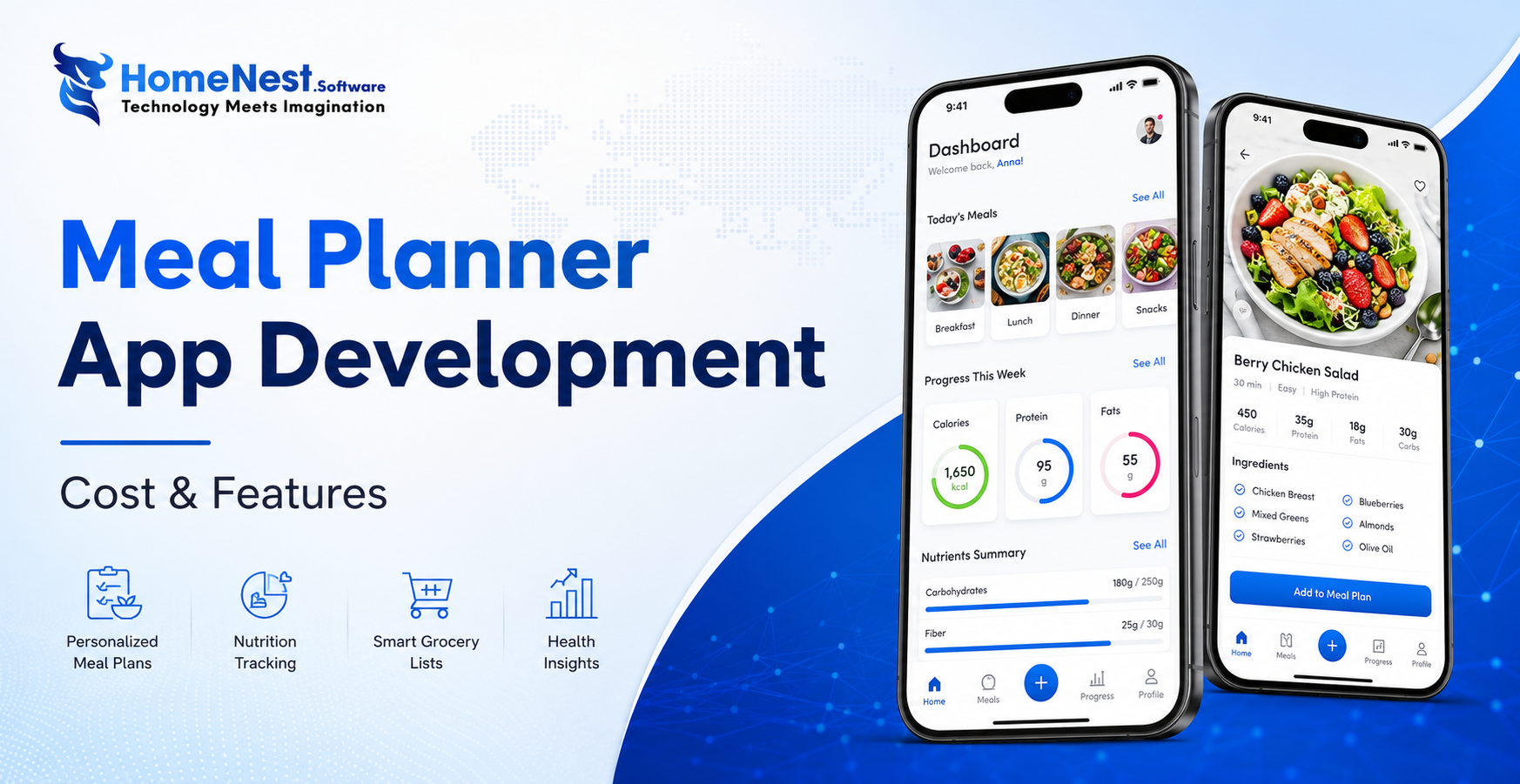
How to Build a Meal Planning App: A Complete Step-by-Step Guide
Building a successful meal planning app goes beyond creating an attractive interface it requires a clear business strategy, personalized user experiences, and scalable technology. By combining essential features like AI-powered meal recommendations, nutrition tracking, grocery list automation, and wearable integration, businesses can deliver lasting value to users while capitalizing on the growing digital health market. Partnering with an experienced mobile app development company ensures your solution is secure, future-ready, and designed to succeed in an increasingly competitive health-tech industry.
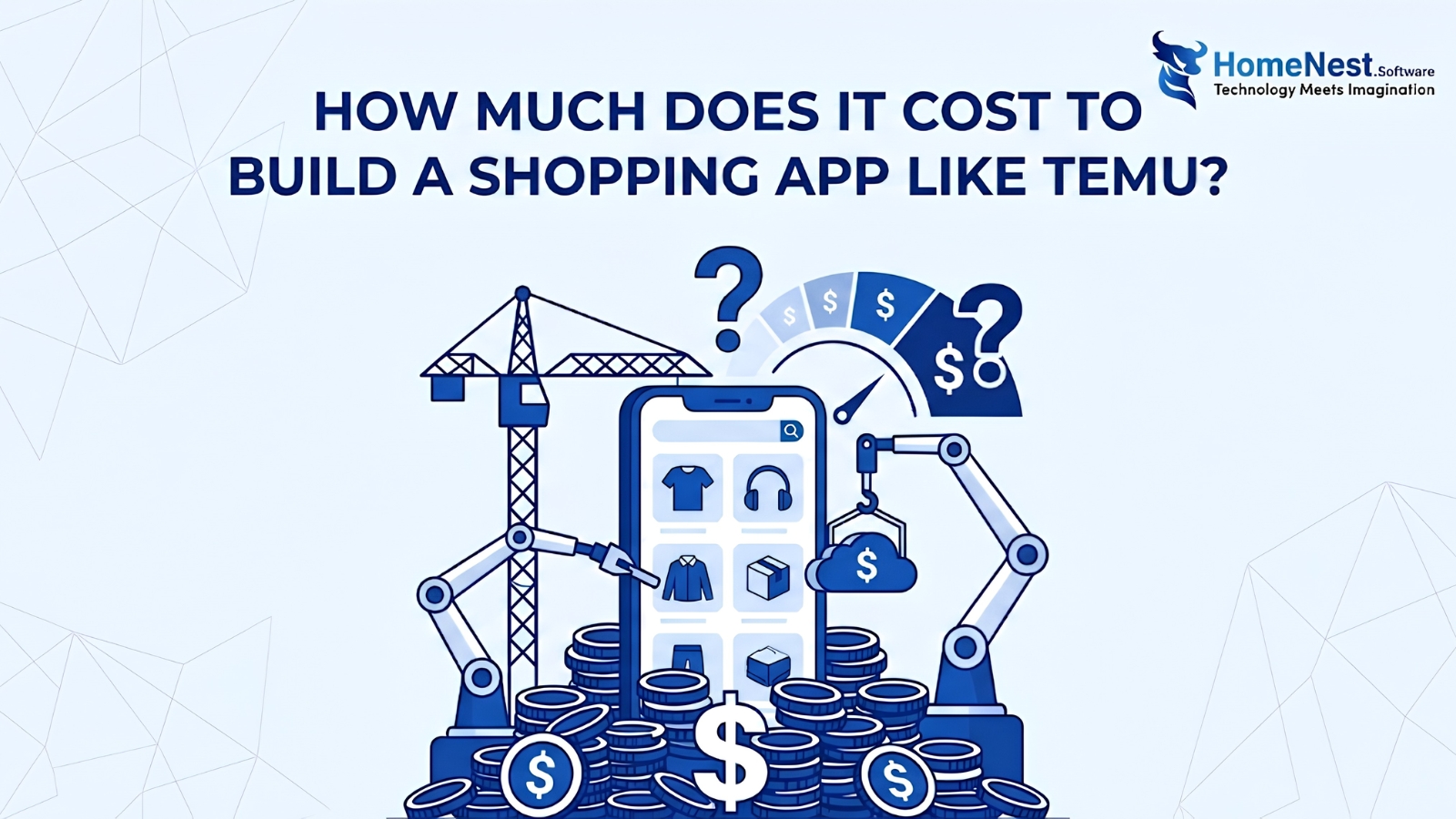
How Much Does It Cost to Build a Shopping App Like Temu?
Temu’s meteoric rise to over 900 million global downloads proves the power of combining AI, gamification, and social commerce, but building a similar viral shopping platform requires careful financial and technical planning. Developing an app like Temu typically costs anywhere from $40,000 for a basic Minimum Viable Product (MVP) to over $300,000 for a fully-featured platform. This guide breaks down every cost category, analyzes the core features driving Temu’s success, highlights the best technology stacks, and offers practical strategies to optimize your development budget without compromising on quality.

Criteria For Choosing The Right App Design Agency
UI/UX design is the logical foundation of a system, not merely a visual element. Choosing the wrong partner will directly lead to technical debt, budget overruns, and disruptions in the development process. This article provides a 6-step evaluation framework and a list of operational risks, helping businesses eliminate subjective design advice and accurately assess agency capabilities based on developer handoff standards and practical business performance.
How Does AI in Banking Industry Impact the Future?
Artificial intelligence (AI) has transitioned from a supplementary tool to a core infrastructure of financial data management, optimizing profitability through real-time fraud detection, natural language processing (NLP), and high-speed credit scoring models. “Deploying AI in the financial sector requires more than just algorithmic accuracy, it demands a highly secure cloud architecture and rigorous data governance,” commented Nguyen Tien, co-founder of HomeNest Software. Why read this guide? We skip the theoretical jargon to focus entirely on technical implementation. Whether you’re evaluating a vendor or planning a system overhaul, this article will detail: Operational Efficiency: Automating unstructured data workflows at scale. Risk Architecture: Implementing real-time threat detection and AML compliance. Data ownership: The essential need for 100% ownership of the source code to ensure full algorithm auditability.
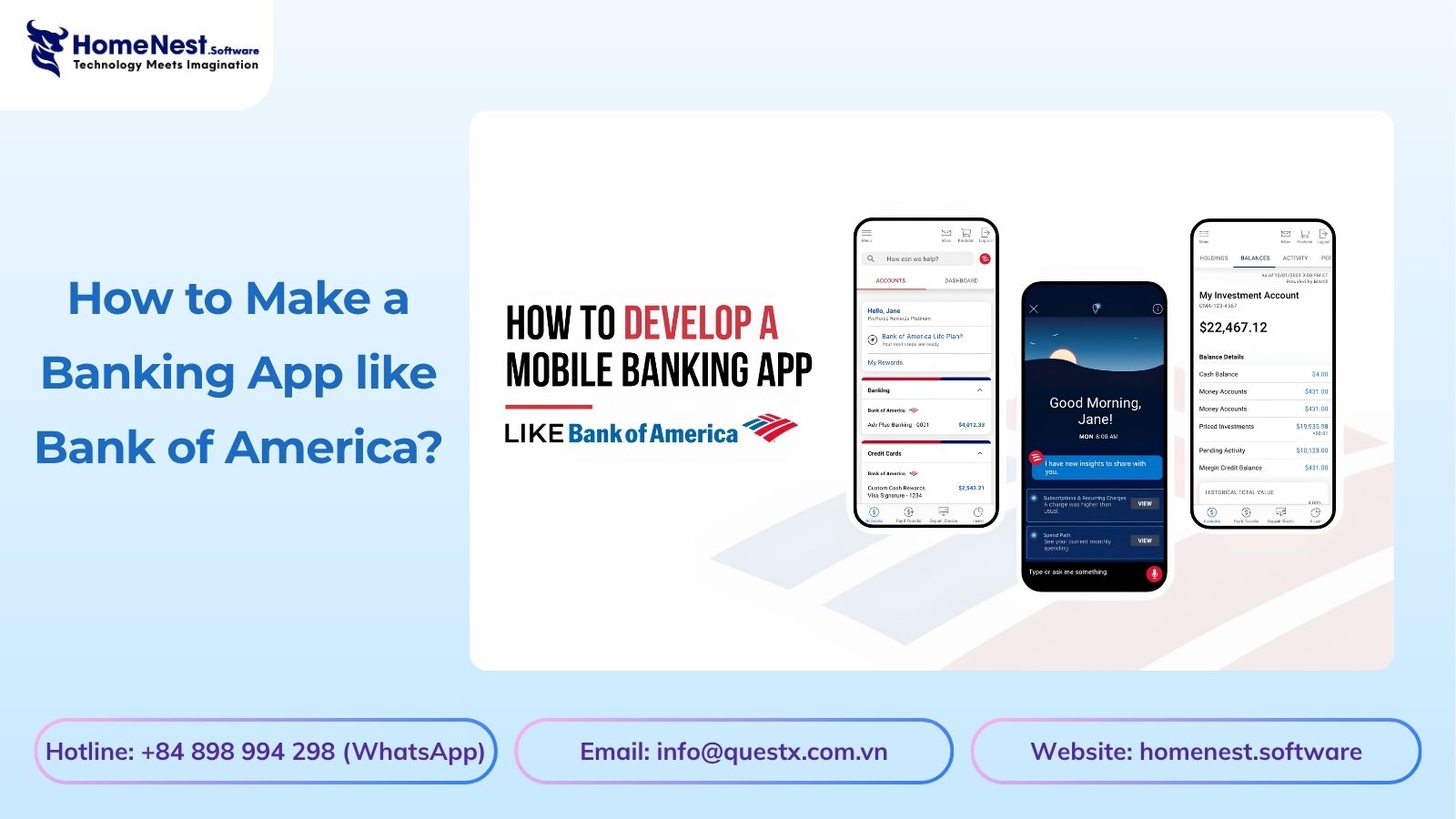
How to Make a Banking App like Bank of America?
Developing a mobile banking application like Bank of America extends far beyond basic UI design; it requires engineering a fault-tolerant backend capable of real-time ledger synchronization, biometric authentication, and high-volume data processing under strict regulatory frameworks. Drawing from HomeNest Software’s deep experience in architecting enterprise-grade fintech solutions, this guide strips away theoretical jargon to focus entirely on operational and technical execution. What you will find in this guide: We break down the precise development roadmap, from mapping out microservices and ensuring PCI-DSS compliance to estimating MVP development costs and securing absolute data sovereignty through 100% source code ownership. If you are preparing to build, scale, or audit a financial platform, this blueprint provides the exact framework you need.
Banking App Development Cost
Building a banking application is rarely a simple process; it’s a complex technical challenge requiring a balance between complying with stringent financial regulations, handling large transaction volumes, and a scalable cloud architecture. Miscalculating these technical requirements from the outset often leads to significant technical debt and budget overruns. Based on HomeNest Software’s practical experience in designing enterprise-grade fintech solutions, this guide bypasses generic estimates to provide a realistic analysis of banking application development costs. What you’ll find in this guide: We analyze the true cost factors, from technology selection and API integration to the hidden costs of regulatory compliance and security infrastructure. Whether you’re launching a minimum viable product or expanding an existing financial platform, this analysis provides the precise operational data you need to plan your budget effectively.