
AI and Machine Learning in Healthcare: Key Benefits and Real World Use Cases
This technical guide examines the transition of artificial intelligence in healthcare from theoretical concepts to core operational infrastructure. Bypassing generic industry hype, the article analyzes the practical implementation of machine learning in automating clinical documentation, accelerating diagnostic accuracy, and optimizing revenue cycles. Furthermore, HomeNest Software details the critical engineering frameworks required to overcome algorithmic bias and ensure strict regulatory compliance when deploying AI across enterprise medical networks.
Scope of Work
Artificial intelligence in healthcare has moved past the experimental phase. Today, hospital administrators face severe staffing shortages, exploding administrative costs, and massive volumes of unstructured clinical data. Deploying machine learning is no longer a futuristic goal; it is a critical requirement for maintaining operational survival.
In this technical brief, HomeNest Software bypasses the theoretical hype to examine how AI actively automates clinical documentation, accelerates diagnostic workflows, and secures patient data. We outline the exact infrastructure required to transition intelligent algorithms from research environments into live clinical production.
The New Era of AI and Machine Learning in Healthcare
Healthcare is entering a new phase defined by data intelligence and automated decision making. As providers face increasing pressure from rising costs, workforce shortages, and higher patient expectations, AI driven technologies are no longer optional. They are becoming foundational to how care is delivered and managed.
How AI and Machine Learning Are Shaping Modern Healthcare
Discussions around AI and machine learning in healthcare often highlight speed, accuracy, and personalization. For years, these promises felt theoretical. Today, they are operational realities.
AI systems are now actively supporting clinicians by detecting diseases earlier, identifying risk patterns before symptoms appear, and enabling continuous patient monitoring outside traditional clinical settings. These capabilities are transforming both diagnosis and long term care management.
What Has Changed Since 2020
Before 2020, digital health solutions faced significant barriers. Telemedicine adoption was limited, and many AI tools struggled to gain clinical trust.
The COVID 19 pandemic accelerated adoption across the board. Technologies that once remained in pilot phases quickly moved into real world deployment. Since then, AI in healthcare has matured significantly.
Modern systems can process large volumes of complex patient data, extract meaningful insights from unstructured records, and detect early warning signs within minutes. This shift marks a transition from experimentation to measurable clinical impact.
Why 2026 Marks a Turning Point
Several converging factors are pushing the healthcare industry toward widespread AI adoption:
- Workforce optimization: Healthcare providers are using AI to reduce diagnostic errors and address staffing shortages
- Real time data access: Wearable devices and remote monitoring tools provide continuous health data for proactive care
- Technology partnerships: Collaborations involving organizations like Microsoft, Nvidia, and MIT are accelerating the transition from research to practical healthcare solutions
As a result, AI and machine learning are now central to strategic planning at the executive level. What was once considered emerging technology is now delivering tangible outcomes across the healthcare ecosystem.
Key Benefits of AI and Machine Learning in Healthcare
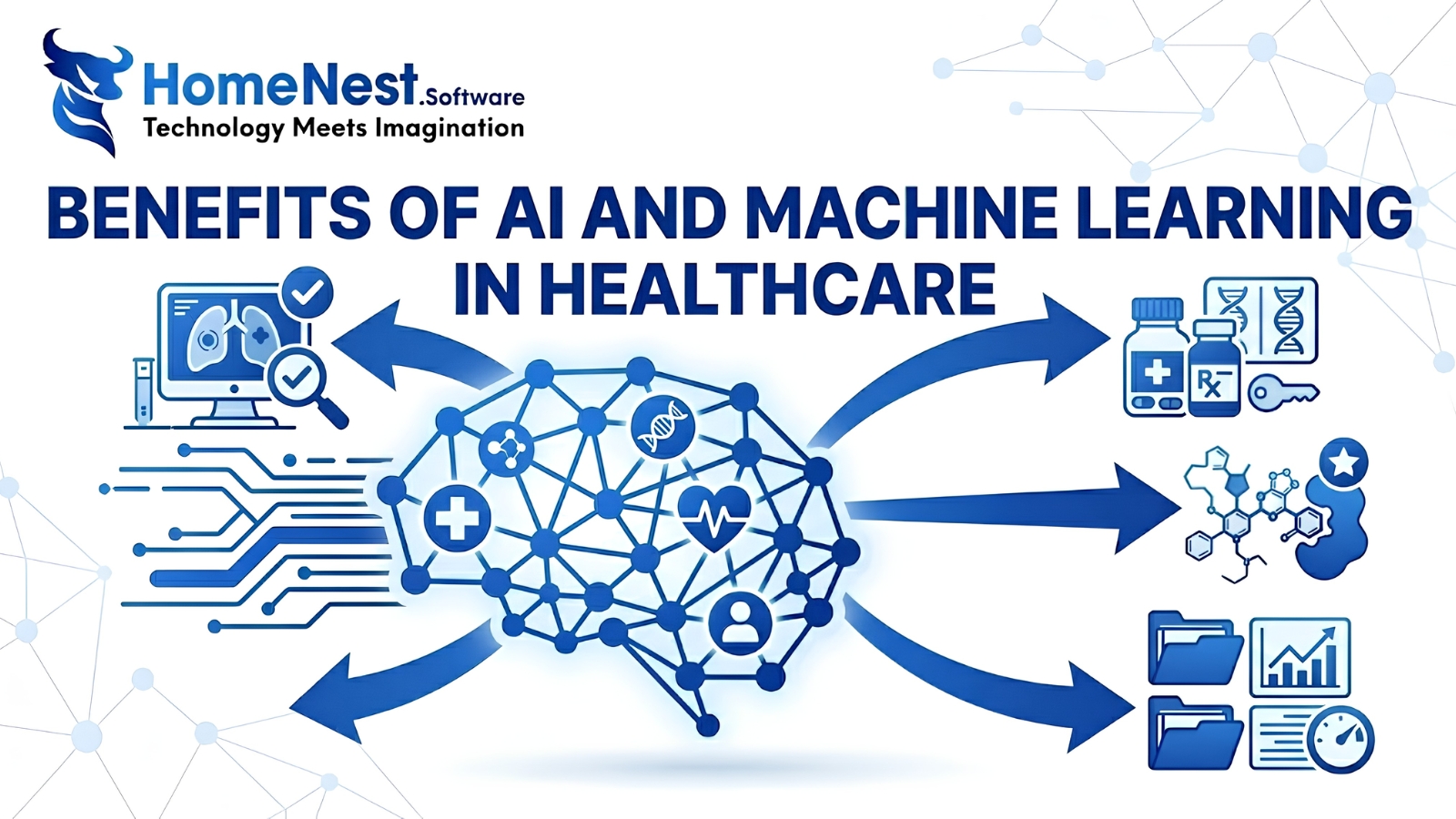
The impact of AI and machine learning in healthcare is becoming increasingly measurable. For providers, patients, and healthcare systems, the advantages extend across clinical accuracy, operational efficiency, and access to care.
Improved Accuracy and Early Intervention
AI powered systems can identify patterns and anomalies that are often difficult for humans to detect. Advanced diagnostic tools support clinicians by reducing false positives and negatives, enabling earlier detection of conditions and more reliable second opinions.
For example, AI assisted breast cancer screening has been shown to reduce error rates by nearly 10 percent. Earlier diagnosis leads to better patient outcomes and lowers long term treatment costs.
Cost Reduction and Operational Efficiency
Administrative overhead is the heaviest financial burden in modern healthcare systems. Manual medical coding, prior authorization checks, and claims processing create massive operational bottlenecks.
By deploying natural language processing models, healthcare networks can automate the extraction of billing codes directly from physician notes. Intelligent middleware processes insurance claims in real time, drastically reducing denial rates and accelerating revenue cycles. This level of automation shifts hospital resources away from paperwork and redirects them entirely toward patient care.
Expanding Access and Addressing Workforce Shortages
Globally, billions of people still lack access to basic healthcare services. At the same time, many regions face a shortage of qualified medical professionals.
AI driven tools such as remote monitoring systems, virtual assistants, and telehealth platforms help bridge this gap. They enable healthcare providers to extend services to rural and underserved communities while maintaining quality standards.
Features like real time symptom assessment, multilingual support, and personalized health guidance make care more accessible and inclusive.
Enabling Providers to Focus on Patient Care
Automation reduces the administrative burden on healthcare professionals, allowing them to dedicate more time to patient interaction and clinical decision making. This shift not only improves efficiency but also enhances the overall patient experience.
According to Doximity, a 2024 survey found that 81 percent of physicians reported feeling overworked, with documentation cited as a major factor. Tools such as Microsoft DAX Copilot have helped reduce time spent on documentation, saving several minutes per patient visit and improving engagement during consultations.
As a result, AI is not replacing healthcare professionals. It is enabling them to work more effectively, reduce burnout, and deliver more patient centered care.
Core Applications of AI and Machine Learning in Healthcare
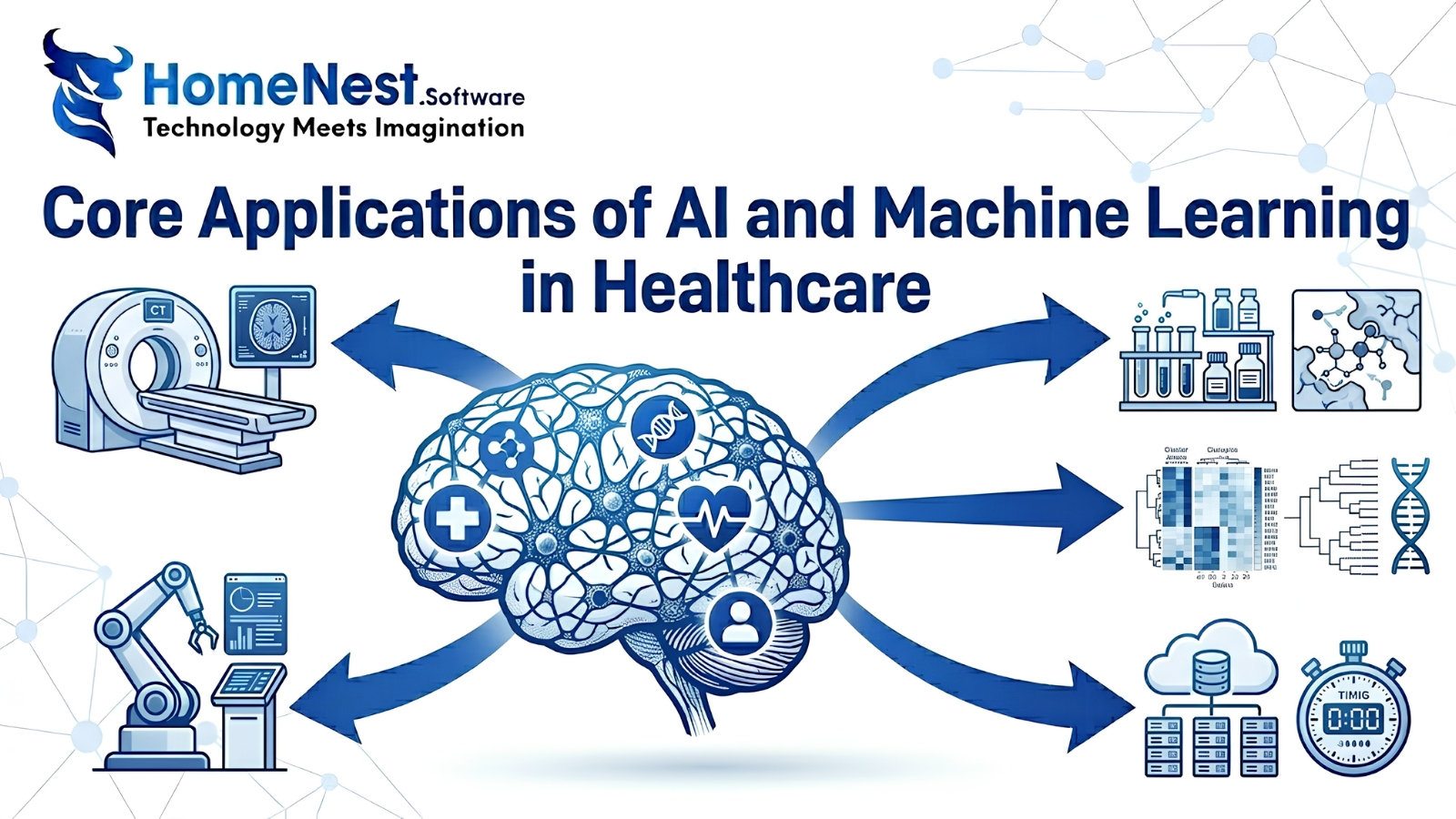
What can AI and machine learning actually deliver in real world healthcare settings? From diagnostics to patient care, these applications show that the technology is already driving measurable impact.
Disease Diagnosis and Risk Prediction
AI is now deeply embedded in diagnostic workflows. From CT scans to X rays and cardiac tests, intelligent systems assist clinicians in identifying conditions with greater speed and accuracy.
AI models support radiologists in detecting strokes, tumors, and fractures. In the UK, certain AI tools have demonstrated accuracy levels that outperform human experts in interpreting post stroke brain scans. Studies also show that AI can detect up to 64 percent of epilepsy related lesions that may be missed during routine analysis.
Beyond imaging, machine learning models analyze large scale patient data to predict risks for conditions such as heart disease, diabetes, and neurological disorders long before symptoms appear. For example, AstraZeneca has developed machine learning systems trained on hundreds of thousands of health records to identify potential diagnoses years in advance.
Precision Medicine and Personalized Treatment
AI is enabling a shift toward highly personalized care. By combining genomic data, lifestyle factors, and medical history, healthcare providers can tailor treatments to individual patients.
In oncology, AI driven platforms help predict which therapies are most likely to be effective. For rare diseases, AI accelerates diagnosis by analyzing complex datasets that would take humans significantly longer to process.
Institutions such as MIT Jameel Clinic are using AI to discover new antibiotics and identify early genetic markers for diseases like cancer. These advancements also reduce the time and cost associated with clinical trials by predicting patient responses to new treatments.
Remote Patient Monitoring and Telehealth
Remote patient monitoring has evolved into a core healthcare capability. Wearable devices, connected sensors, and mobile apps allow providers to track patient health in real time.
Chronic conditions such as heart failure, diabetes, and asthma can now be managed more effectively through continuous monitoring. AI systems analyze incoming data and alert providers when early warning signs appear, enabling timely intervention.
Research in regions like Yorkshire has shown that AI can predict which emergency patients require hospital transfer with up to 80 percent accuracy. Emerging approaches such as federated learning also allow AI models to improve while keeping patient data secure and decentralized.
Clinical Decision Support for Providers
Healthcare professionals manage large volumes of complex data every day. AI powered decision support tools help simplify this process by acting as intelligent assistants.
Solutions like Microsoft Dragon Copilot and Google MedLM automate clinical documentation, summarize patient records, and highlight critical insights. These tools also recommend next steps, flag anomalies, and reduce the risk of diagnostic errors.
By integrating into daily workflows, AI reduces administrative burden and allows clinicians to focus more on patient care.
AI in Mental Health
AI is also expanding access to mental health support. Chatbots and virtual assistants can screen for conditions such as anxiety, depression, and addiction, guiding users toward appropriate care.
Natural language processing technologies analyze speech and text to detect emotional patterns, mood changes, and potential risks. This enables earlier intervention, sometimes before symptoms are recognized by others.
Applications like Woebot and Ellie VR provide continuous, evidence based support, helping users manage mental health more proactively.
Together, these use cases demonstrate that AI and machine learning are not experimental concepts. They are practical tools actively improving diagnosis, treatment, and patient engagement across the healthcare ecosystem.
Transforming Patient Experience with AI
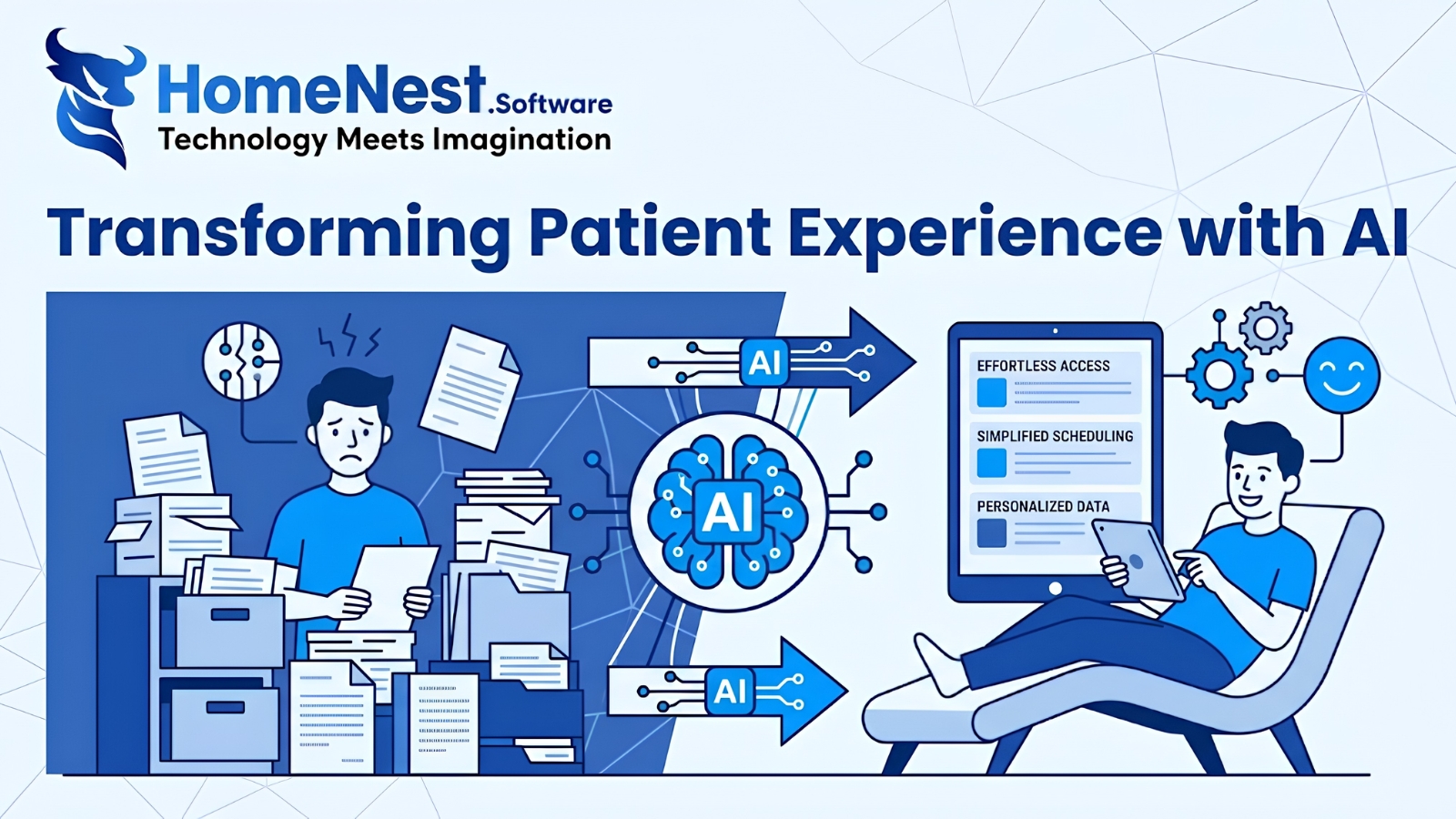
Patient expectations are evolving rapidly. Today’s users expect faster access, clearer communication, and more personalized care. AI and machine learning in healthcare are playing a central role in meeting these expectations across both digital and in person experiences.
Chatbots and Virtual Health Assistants
Building a virtual health assistant is not simply about conversational AI, it is a complex exercise in secure interoperability. When patients interact with symptom checkers or scheduling bots, that data must synchronize instantly with the hospital’s Electronic Health Records.
HomeNest Software engineers patient-facing AI with strict API gateways. We ensure that your conversational models can securely query and update central clinical databases without ever exposing Protected Health Information to external vulnerabilities. This creates a seamless, HIPAA-compliant digital front door for your healthcare network.
Empowering Patients Through Data and Personalization
AI enables patients to take a more active role in managing their health. Personalized mobile applications track metrics such as blood glucose, heart rate, and sleep patterns, converting raw data into meaningful insights.
These platforms provide reminders, recommend lifestyle changes, and simplify complex medical information into easy to understand guidance. As a result, patients are better equipped to follow treatment plans and stay engaged with their care.
Well designed healthcare applications also encourage long term adherence by tracking progress and providing timely feedback. This leads to improved outcomes and fewer disruptions in care continuity.
AI in Patient Education and Self Management
Patient education is a critical component of effective healthcare. AI driven platforms can generate tailored educational content based on a patient’s condition, language, and level of understanding.
Chatbots and virtual assistants can simplify medical instructions, personalize reminders, and guide patients through daily health routines. For example, diabetes management apps help users plan meals, monitor glucose levels, and maintain consistent treatment habits.
By improving understanding and supporting self management, these tools reduce unnecessary hospital visits and lower overall healthcare costs while enhancing patient confidence and independence.
Behind the scenes of AI and Machine Learning in Healthcare
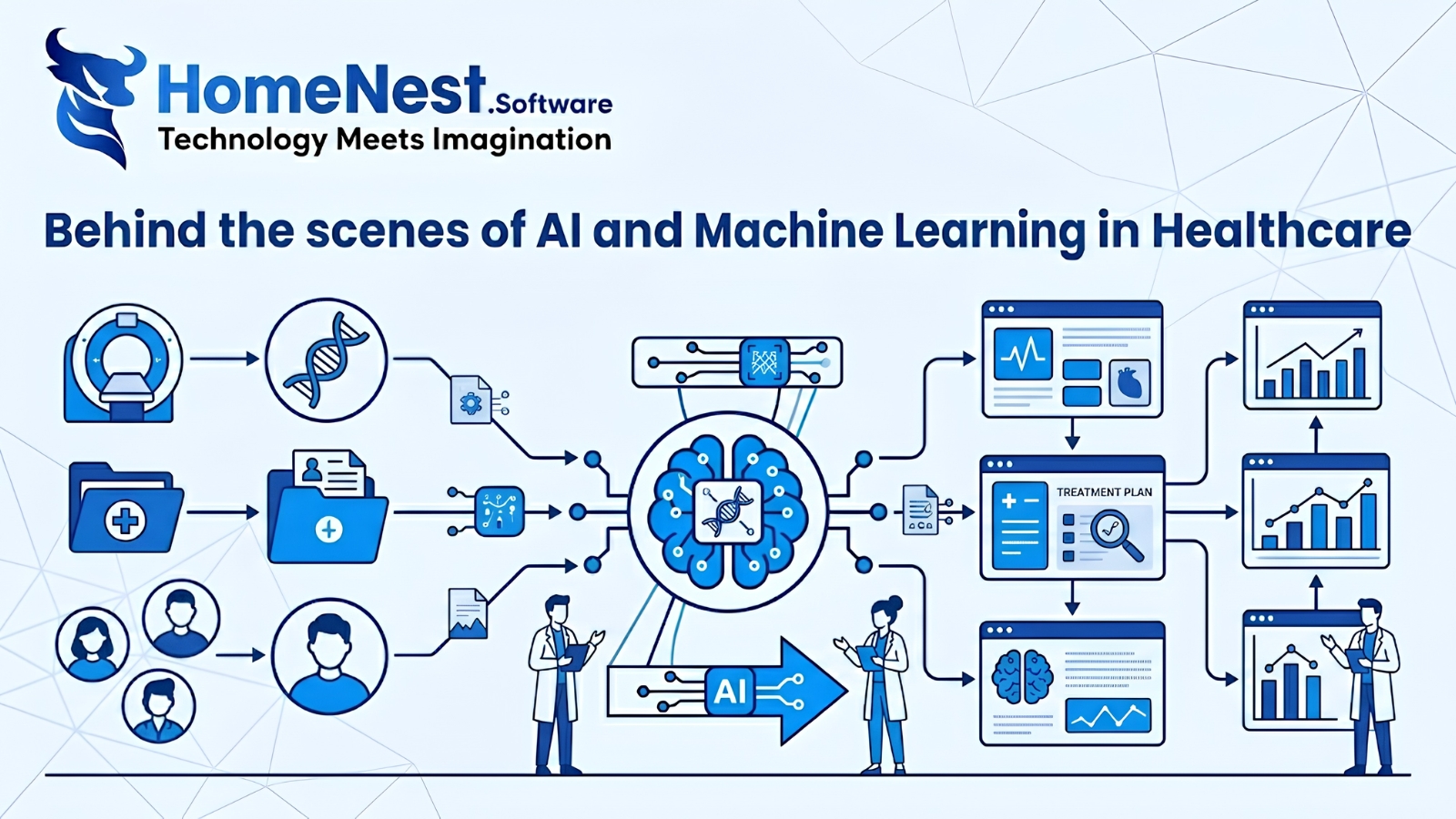
Much of the real impact of AI and machine learning in healthcare happens beyond direct patient interactions. From administrative operations to clinical documentation, these technologies handle complex processes that improve efficiency and reduce pressure on healthcare systems.
Streamlining Administrative and Operational Workflows
AI is transforming healthcare operations by automating time consuming administrative tasks such as billing, claims processing, and insurance approvals.
For example, Tryon Medical Partners automated up to 90 percent of prior authorization requests, reducing denial rates to below 2 percent. This level of automation significantly improves revenue cycles and reduces delays in patient care.
Hospitals also rely on AI for supply chain optimization. Predictive analytics help forecast demand, manage inventory, and coordinate staffing schedules. This is particularly important for managing critical resources such as vaccines and temperature sensitive medications, where timing and accuracy are essential.
Improving Clinical Documentation and Reducing Burnout
Administrative workload remains a major source of burnout among healthcare professionals. AI driven documentation tools are helping to address this challenge by automating note taking and record management.
Technologies such as Nuance Communications and platforms like Microsoft DAX Copilot use ambient listening to capture, summarize, and organize clinical conversations in real time.
A 2024 survey by Microsoft involving hundreds of clinicians found that these tools save several minutes per patient encounter, which can translate into hours saved each day. Many respondents also reported improved work life balance and higher documentation quality.
By reducing repetitive tasks, AI allows healthcare professionals to focus more on patient care rather than administrative work. This shift not only improves efficiency but also enhances job satisfaction and overall care quality.
For a deeper look at leading providers in this space, explore insights from HomeNest Software on top custom healthcare software development companies in 2026.
Leading Industry Examples and Partnerships
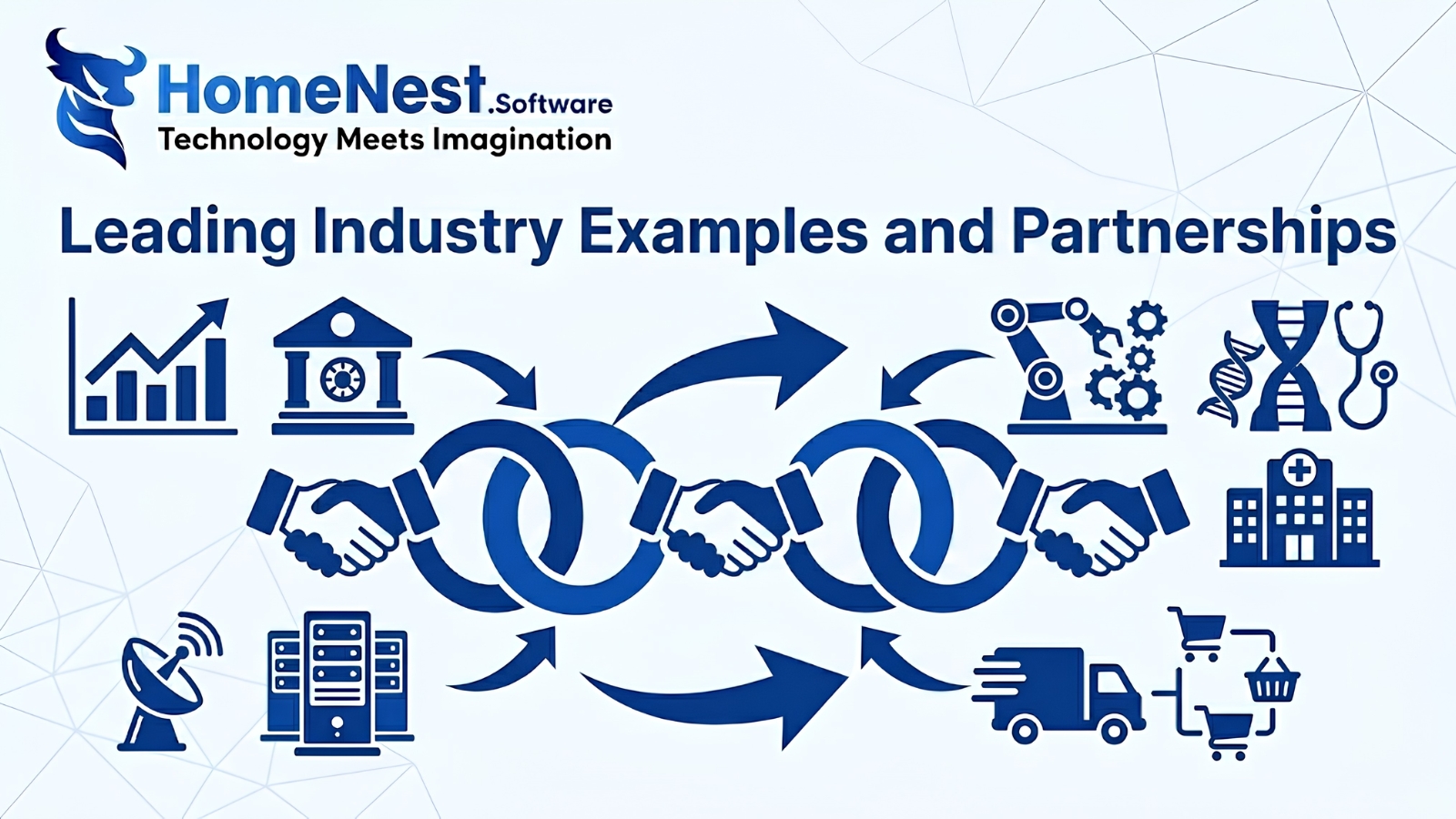
A combination of global technology leaders, research institutions, and high growth startups is driving the rapid advancement of healthcare AI. These collaborations are accelerating innovation and setting new standards for real world impact.
How Big Tech and Startups Are Driving Healthcare AI
Major providers like Microsoft, Google, and AWS offer powerful foundation models for healthcare. However, these off-the-shelf APIs are rarely plug-and-play. They cannot automatically navigate the complex, fragmented architecture of legacy hospital systems.
This is the integration gap. While Big Tech supplies the raw computational engine, HomeNest Software builds the critical middleware. Our engineering teams customize these foundation models, training them on your specific clinical workflows and wrapping them in localized security protocols to ensure they function perfectly within your unique operational environment.
Breakthroughs from Research Institutions
Academic and research organizations continue to push the boundaries of what AI can achieve in healthcare. The MIT Jameel Clinic is a leading example, translating advanced AI research into practical healthcare applications. Their work includes breakthroughs in antibiotic discovery, early cancer detection, and global collaborations with dozens of hospitals.
Regulatory progress is also accelerating. AI powered medical devices are now receiving approvals for use in areas such as radiology, pathology, and remote patient monitoring.
In emerging markets, institutions like All India Institute of Medical Sciences and Indian Institute of Technology Delhi are developing cost effective AI solutions designed to support large scale public health systems.
Notable Case Studies in Action
AI is already delivering measurable results across multiple areas of healthcare:
- Deep learning models at MIT have led to the discovery of new antibiotics such as Halicin
- Hospitals in the United Kingdom are using AI tools to improve early cancer detection rates
- Wearable devices and AI analytics can predict heart failure risks before symptoms become critical
- Real time monitoring systems enable faster response for conditions like asthma and other high risk cases
These examples demonstrate that AI in healthcare is no longer experimental. It is actively improving diagnosis, treatment, and patient outcomes across the global healthcare ecosystem.
Current Challenges and Risks of AI and Machine Learning in Healthcare
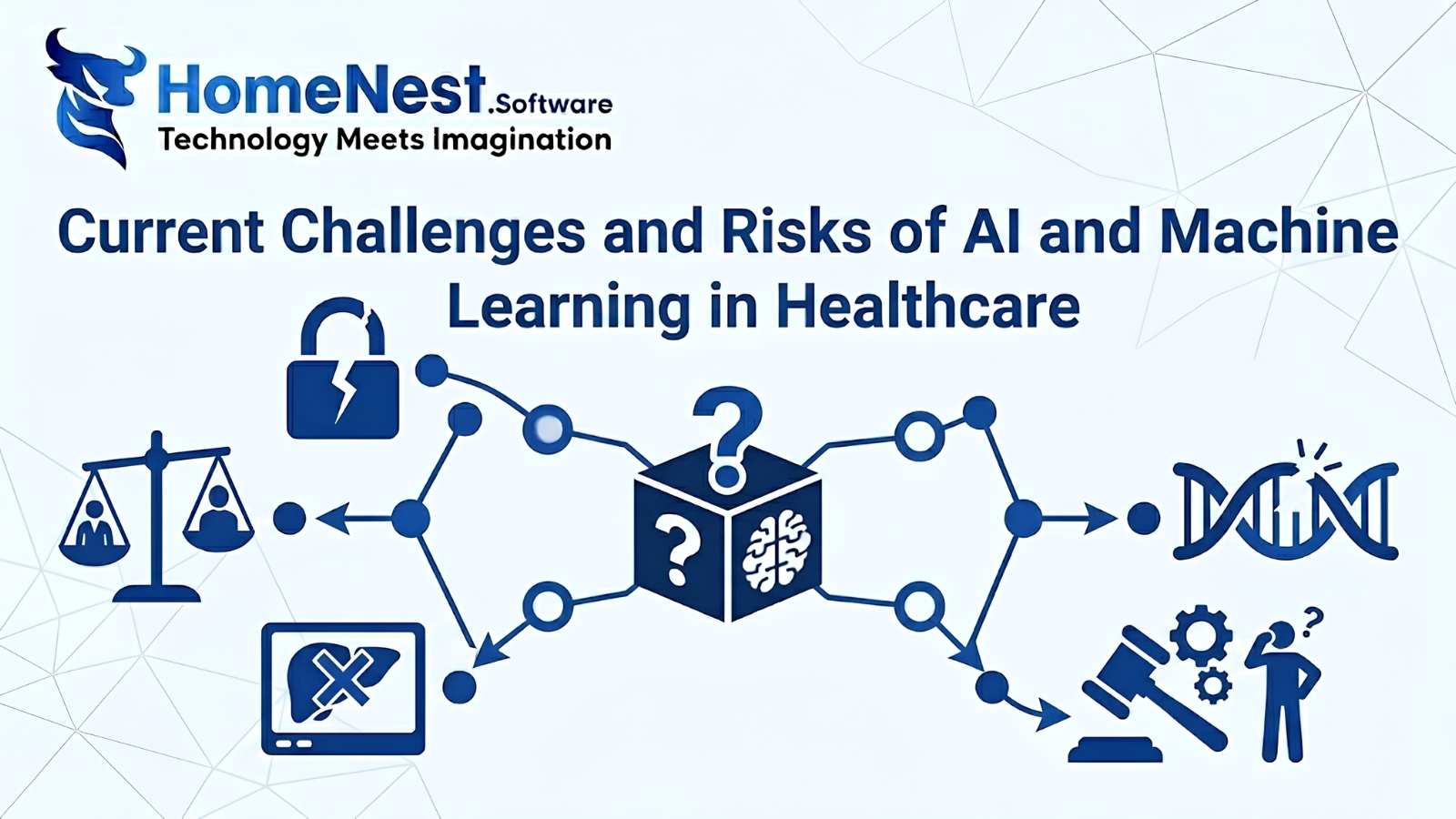
Despite rapid progress, AI and machine learning in healthcare come with critical challenges that organizations must address to ensure safe, ethical, and effective adoption.
Data Privacy and Security
Training machine learning models requires massive datasets, but exposing Protected Health Information to third party algorithms is a severe compliance violation. Standard encryption is no longer sufficient.
Engineering Insight from HomeNest: We resolve this conflict by implementing federated learning architectures and automated data anonymization pipelines. By deploying models that train on decentralized, encrypted datasets, hospitals can improve diagnostic accuracy without ever moving raw patient records out of their secure on premise servers. This ensures absolute compliance with strict data protection laws.c
Algorithmic Bias and Health Equity
AI models are only as reliable as the data used to train them. If datasets are incomplete or unbalanced, bias can emerge and affect clinical outcomes.
For example, studies have shown that certain AI driven mental health screening tools perform less accurately for underrepresented populations due to gaps in training data. Addressing this requires more diverse datasets, transparent validation processes, and continuous model evaluation to ensure fairness across all patient groups.
Regulatory and Legal Challenges
Regulatory frameworks are still evolving to keep pace with AI innovation. Authorities such as the FDA and European regulators are working to establish standards for clinical validation, transparency, and patient consent.
One key issue is accountability. When AI systems influence clinical decisions, it becomes essential to define responsibility in cases of error. As adoption grows, organizations can expect stricter compliance requirements and clearer legal guidelines.
Reliability and Trust
Trust remains a fundamental barrier to widespread adoption. AI systems can sometimes produce inaccurate or misleading outputs, which may impact patient safety if not properly managed.
To mitigate these risks, healthcare organizations must implement strong governance practices, including audit trails, transparent reporting, and human oversight. Clinicians need to understand how AI generates recommendations in order to use it confidently and responsibly.
Building trust requires consistent performance, clear accountability, and proven reliability. As these systems mature and demonstrate real world value, confidence among both providers and patients will continue to grow.
Future Outlook and What’s Next
The next phase of AI and machine learning in healthcare is already taking shape. What was once experimental is becoming embedded in everyday clinical and operational workflows, with even greater transformation expected in the coming years.
Trends to Watch: Generative AI, Predictive Analytics, and Physical AI
Generative AI technologies such as GPT 4 are expanding beyond data processing. They can generate clinical documentation, draft care plans, translate medical notes, and personalize patient education at scale.
Predictive analytics will continue to improve, enabling earlier detection of risks and more proactive care strategies. At the same time, physical AI is emerging in the form of intelligent robotics used in surgery, hospital operations, and patient support.
These innovations are not isolated. Together, they are building a more responsive and data driven healthcare system.
Human and Machine Collaboration
AI is not replacing healthcare professionals. It is augmenting their capabilities. By handling repetitive tasks such as documentation, data analysis, and administrative workflows, AI allows clinicians to focus on complex decision making and patient interaction.
The most effective model is collaboration. AI identifies patterns and provides recommendations, while healthcare professionals apply judgment and context to make final decisions. This partnership improves both efficiency and care quality.
Responsible and Ethical Adoption
As AI adoption grows, ethical considerations become increasingly important. Healthcare organizations must ensure transparency, fairness, and accountability in every system they deploy.
This includes using diverse datasets, validating models rigorously, and maintaining clear communication with patients about how their data is used. Trust is built through consistent performance, regulatory compliance, and continuous feedback from clinicians, patients, and policymakers.
Conclusion
AI and machine learning are redefining healthcare delivery. Care is becoming more precise, more efficient, and more accessible. The focus has shifted from potential to measurable impact, including improved diagnostics, real time patient insights, optimized operations, and better support for healthcare professionals.
While challenges remain, the direction is clear. Organizations that invest in the right technologies and partnerships will be better positioned to lead in this evolving landscape.
If you are ready to explore how AI can transform your healthcare strategy, HomeNest Software offers tailored consulting and development services to help you move forward with confidence.
FAQs
What is AI and machine learning in healthcare?
AI and machine learning in healthcare refer to technologies that analyze medical data, automate processes, and support clinical decision making to improve patient outcomes and operational efficiency.
How is AI used in healthcare today?
AI is used for disease diagnosis, risk prediction, medical imaging analysis, remote patient monitoring, clinical documentation, and personalized treatment planning.
What are the main benefits of AI in healthcare?
Key benefits include improved diagnostic accuracy, reduced operational costs, faster workflows, better patient engagement, and expanded access to care.
Is AI replacing doctors in healthcare?
No. AI is designed to support healthcare professionals, not replace them. It handles repetitive tasks and data analysis, allowing doctors to focus on complex decisions and patient care.
What are the risks of AI in healthcare?
Major risks include data privacy concerns, algorithmic bias, lack of transparency, and regulatory challenges. These must be managed through strong governance and compliance practices such as HIPAA and GDPR.
How much does it cost to implement AI in healthcare?
Costs vary depending on the scope, infrastructure, and complexity. Small AI features may cost a few thousand dollars, while enterprise scale solutions can require significant investment.
What is the future of AI in healthcare?
The future includes wider adoption of generative AI, predictive analytics, and AI powered robotics, leading to more personalized, proactive, and efficient healthcare systems.
How can organizations start adopting AI in healthcare?
Start by identifying key use cases, ensuring data readiness, and partnering with experienced providers like HomeNest Software to design and implement scalable AI solutions.
Latest Articles
View All
Criteria For Choosing The Right App Design Agency
UI/UX design is the logical foundation of a system, not merely a visual element. Choosing the wrong partner will directly lead to technical debt, budget overruns, and disruptions in the development process. This article provides a 6-step evaluation framework and a list of operational risks, helping businesses eliminate subjective design advice and accurately assess agency capabilities based on developer handoff standards and practical business performance.
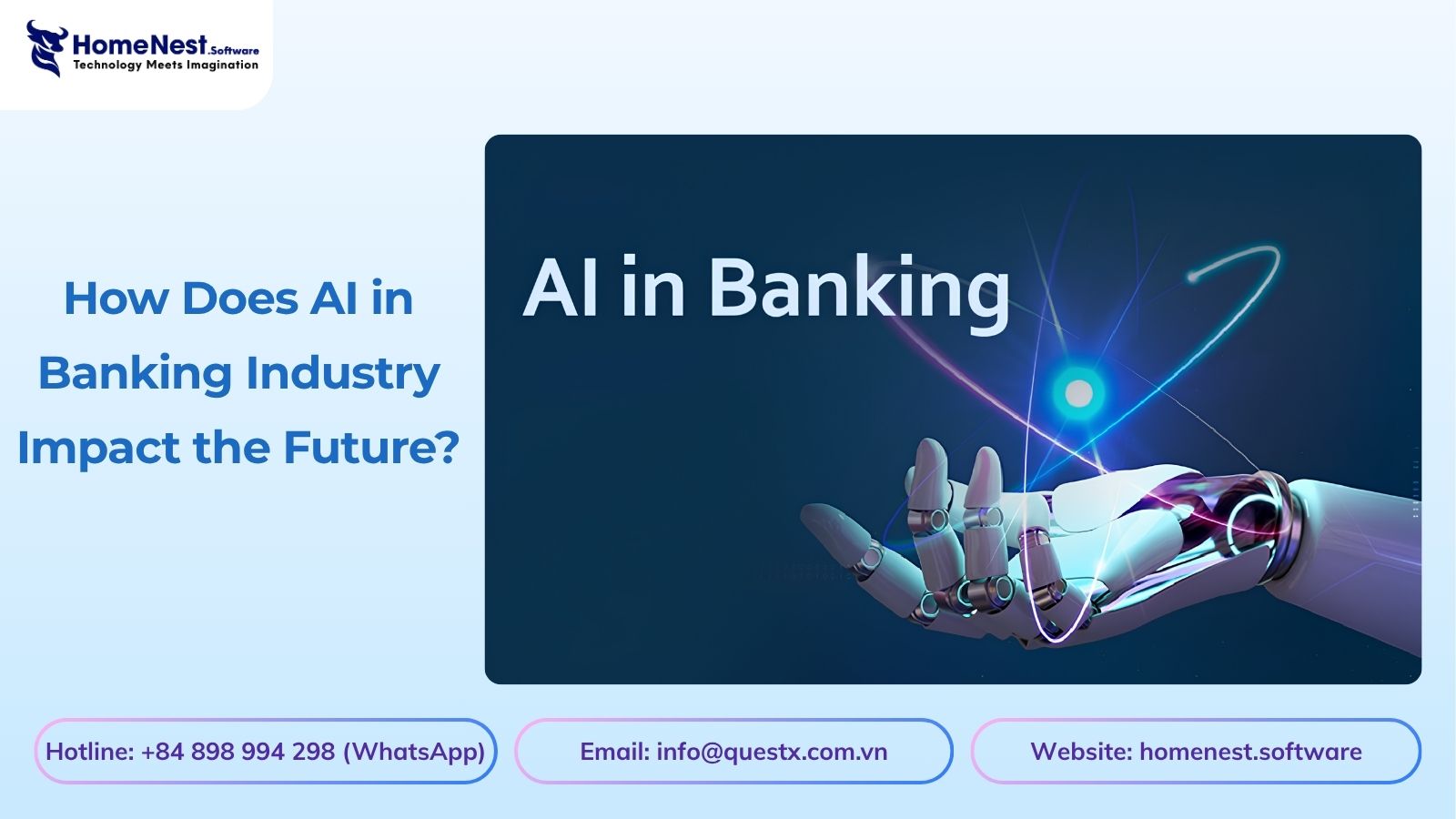
How Does AI in Banking Industry Impact the Future?
Artificial intelligence (AI) has transitioned from a supplementary tool to a core infrastructure of financial data management, optimizing profitability through real-time fraud detection, natural language processing (NLP), and high-speed credit scoring models. “Deploying AI in the financial sector requires more than just algorithmic accuracy, it demands a highly secure cloud architecture and rigorous data governance,” commented Nguyen Tien, co-founder of HomeNest Software. Why read this guide? We skip the theoretical jargon to focus entirely on technical implementation. Whether you’re evaluating a vendor or planning a system overhaul, this article will detail: Operational Efficiency: Automating unstructured data workflows at scale. Risk Architecture: Implementing real-time threat detection and AML compliance. Data ownership: The essential need for 100% ownership of the source code to ensure full algorithm auditability.

How to Make a Banking App like Bank of America?
Developing a mobile banking application like Bank of America extends far beyond basic UI design; it requires engineering a fault-tolerant backend capable of real-time ledger synchronization, biometric authentication, and high-volume data processing under strict regulatory frameworks. Drawing from HomeNest Software’s deep experience in architecting enterprise-grade fintech solutions, this guide strips away theoretical jargon to focus entirely on operational and technical execution. What you will find in this guide: We break down the precise development roadmap, from mapping out microservices and ensuring PCI-DSS compliance to estimating MVP development costs and securing absolute data sovereignty through 100% source code ownership. If you are preparing to build, scale, or audit a financial platform, this blueprint provides the exact framework you need.
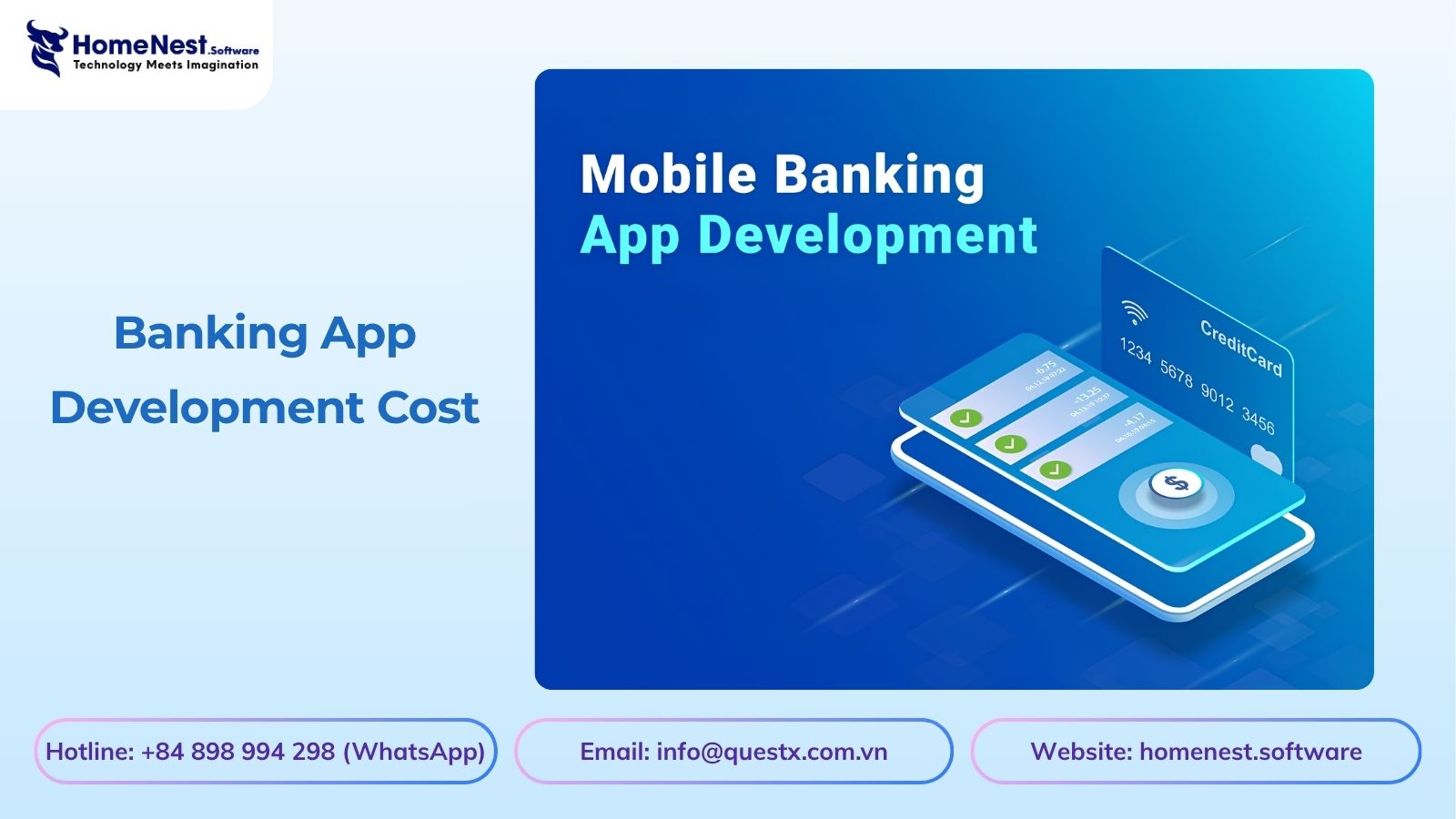
Banking App Development Cost
Building a banking application is rarely a simple process; it’s a complex technical challenge requiring a balance between complying with stringent financial regulations, handling large transaction volumes, and a scalable cloud architecture. Miscalculating these technical requirements from the outset often leads to significant technical debt and budget overruns. Based on HomeNest Software’s practical experience in designing enterprise-grade fintech solutions, this guide bypasses generic estimates to provide a realistic analysis of banking application development costs. What you’ll find in this guide: We analyze the true cost factors, from technology selection and API integration to the hidden costs of regulatory compliance and security infrastructure. Whether you’re launching a minimum viable product or expanding an existing financial platform, this analysis provides the precise operational data you need to plan your budget effectively.
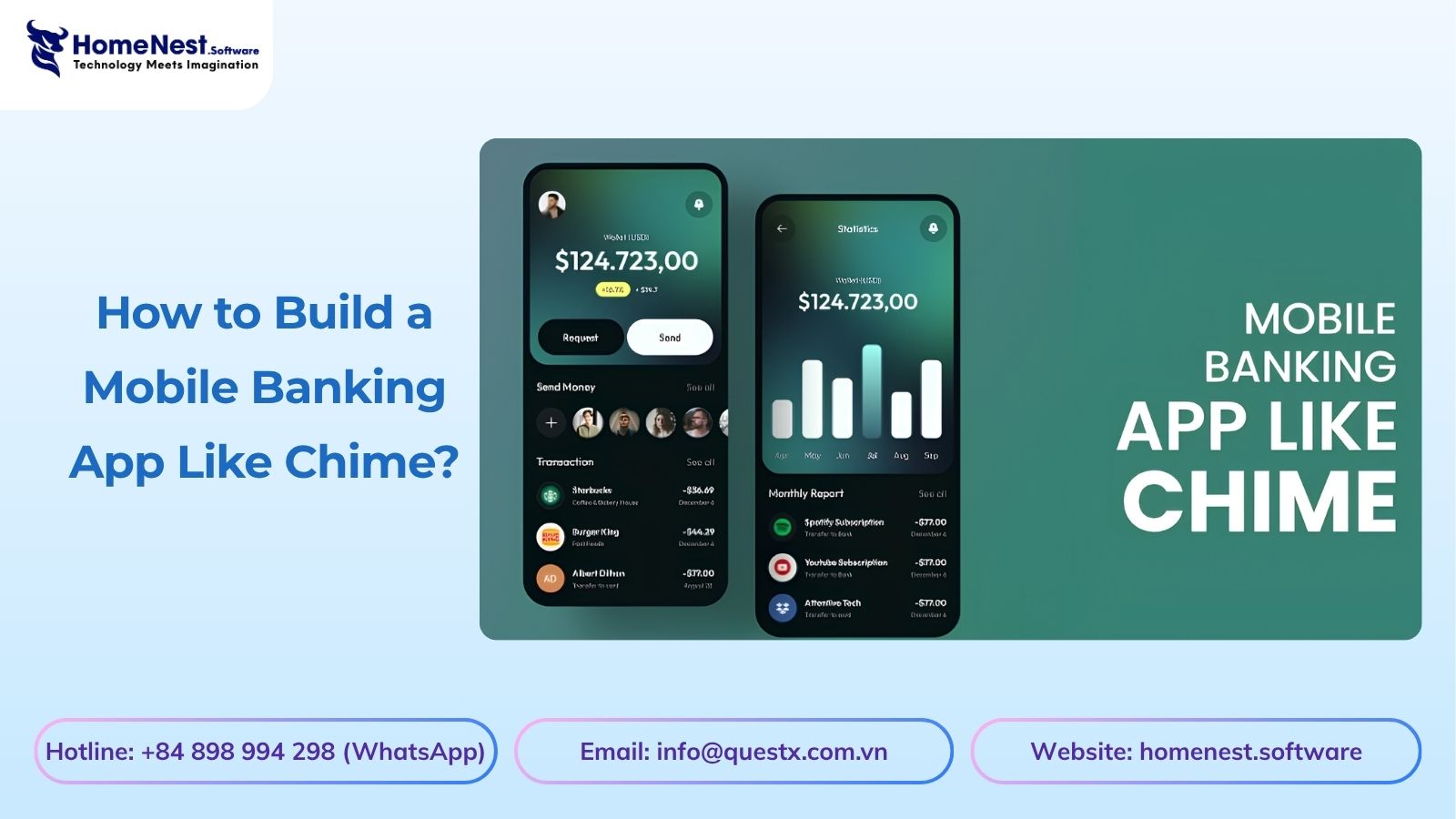
How to Build a Mobile Banking App Like Chime?
Building a mobile banking app like Chime is not just about features, it is about delivering a secure, scalable, and user-centric financial experience. From planning the right architecture to optimizing mobile banking app development cost, every decision directly impacts your product’s success. Leveraging Fintech app development services, starting with MVP app development, and scaling through on-demand app development solutions allows businesses to reduce risk and accelerate time to market. To stay competitive, combining Android app development services and iOS app development solutions ensures wider reach, while continuous updates through maintenance software development services keep your app secure and future-ready.

How to Build a Banking App Like Barclays: A Complete Entrepreneur’s Guide
Building a banking app like Barclays requires more than just development. It demands a strong product vision, secure architecture, and a clear monetization strategy. From optimizing cost and selecting the right tech stack to ensuring compliance and scalability, every decision impacts long-term success. Partnering with an experienced team like HomeNest Software helps accelerate development, reduce risks, and deliver a high-quality fintech product that can compete in today’s fast-evolving digital banking landscape.