Key AWS services
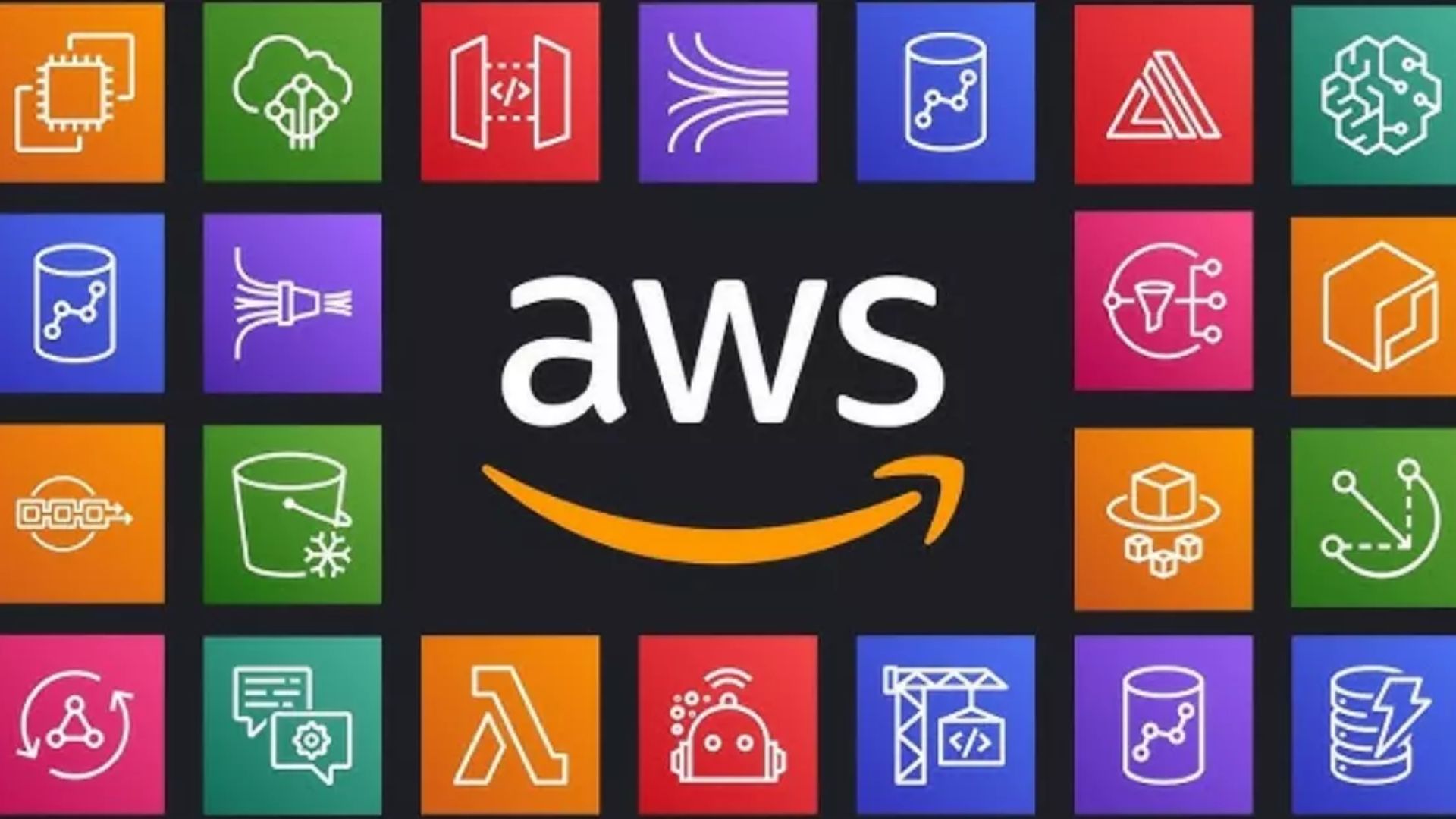
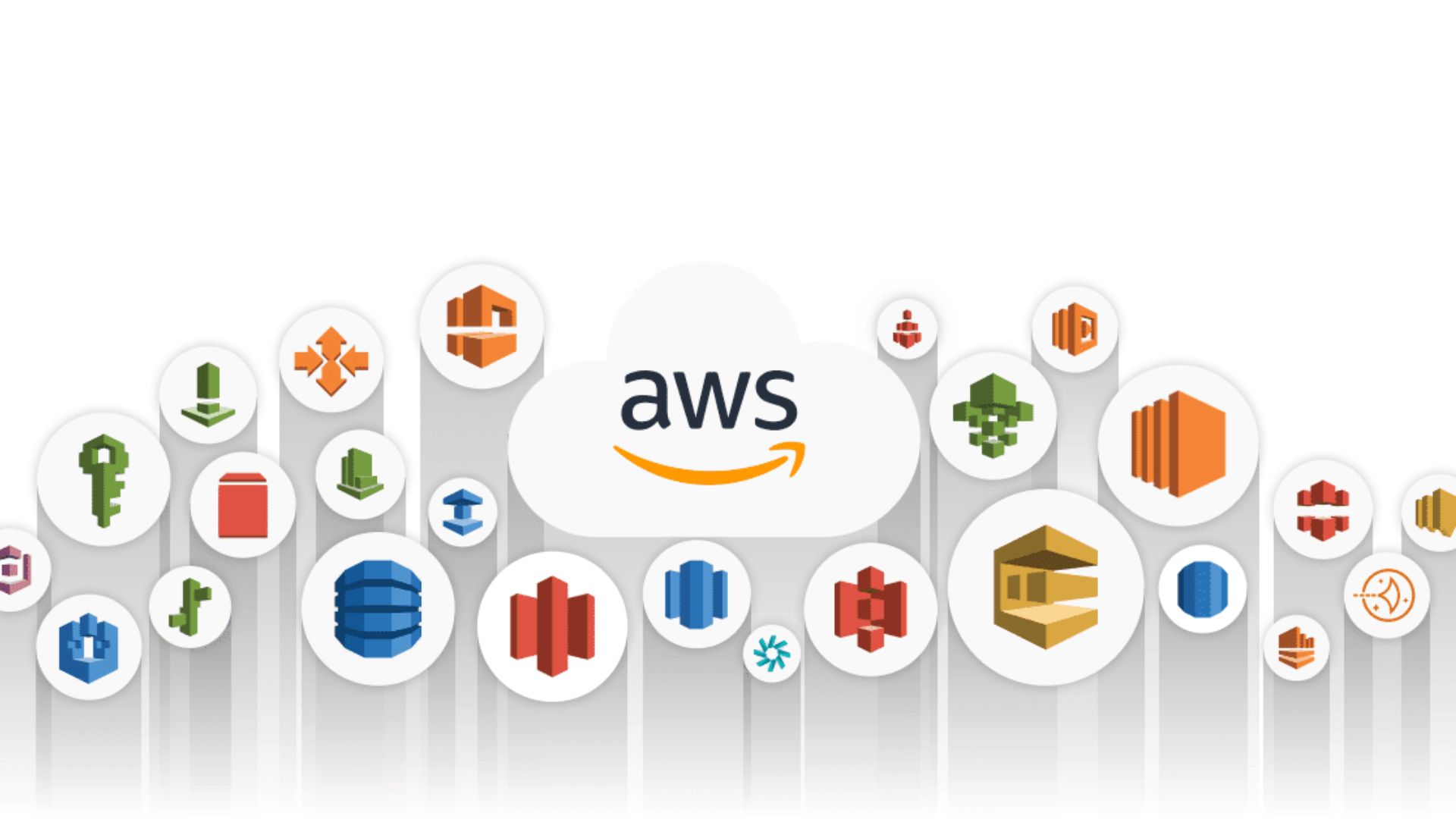
AWS offers a massive ecosystem of services that support every stage of application development and operations. Below are the most prominent service groups:
1. Compute services
AWS provides multiple compute options to run applications ranging from simple workloads to large-scale systems.
-
Amazon EC2: Virtual servers with customizable CPU, RAM, operating system, security, and scaling options. Supports various instance types optimized for web apps, AI, GPUs, data analytics, and more.
-
AWS Lambda: A serverless compute service that lets you run code without managing servers. Pricing is based on requests and execution time, making it ideal for small APIs, event processing, and automation.
-
Amazon ECS / EKS: Fully managed container services that support Docker and Kubernetes. They enable flexible microservices deployments, auto scaling, and efficient resource utilization.
2. Storage services
AWS offers powerful, flexible, and secure storage systems suitable for backups, data analytics, and application operations.
-
Amazon S3: Highly durable object storage with low cost. Supports images, videos, documents, logs, and serves as the core storage layer for data lakes.
-
Amazon EBS: High-performance block storage for EC2, supporting SSD, HDD, snapshots, and data encryption.
-
Amazon EFS: An automatically scalable file system that allows multiple EC2 instances to access shared data. Ideal for applications requiring a shared file-based storage model.
3. Database services
AWS supports both relational and NoSQL databases, handling everything from transactional workloads to large-scale analytics.
-
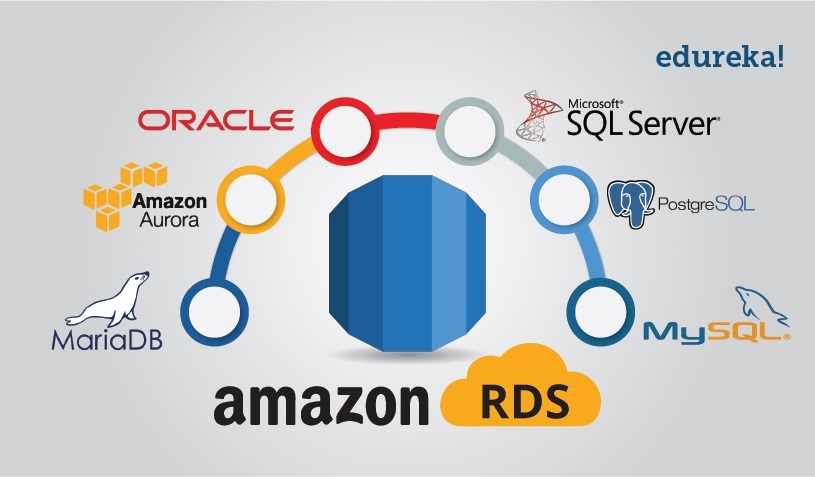
Amazon RDS: Managed relational database service supporting engines like MySQL, PostgreSQL, MariaDB, Aurora, Oracle, and SQL Server. Includes automatic backups, updates, and scaling.
-
DynamoDB: A high-speed NoSQL key-value database with near-infinite scalability, perfect for real-time applications.
-
Amazon Redshift: A cloud data warehouse designed for analytics, reporting, and high-speed processing of large datasets.
4. Networking & CDN
These services help businesses build a secure, fast, and stable cloud network architecture.
-
Amazon VPC: Creates a virtual private cloud with full control over resources, IP ranges, subnets, firewalls, and routing.
-
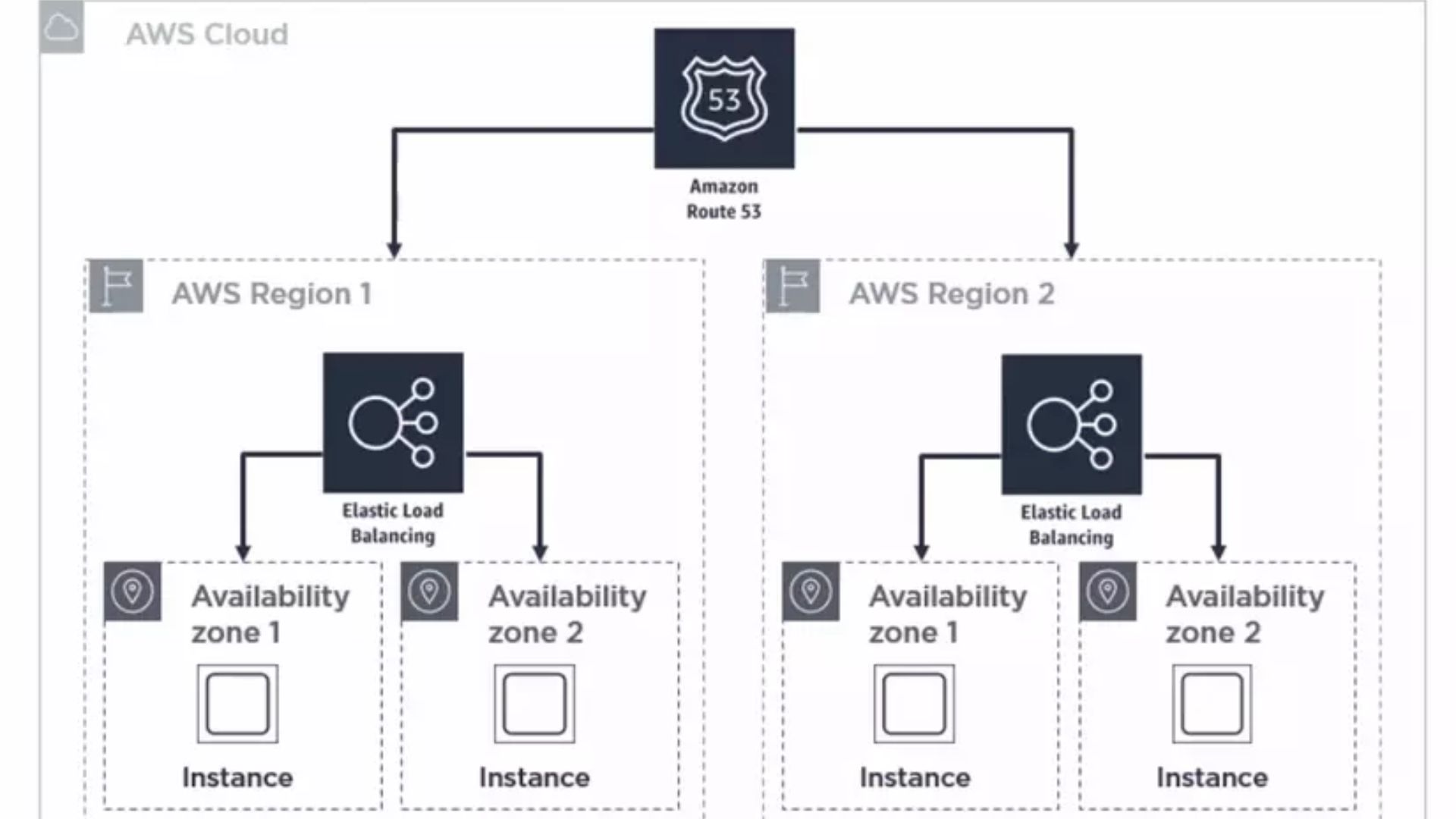
Route 53: A scalable DNS service supporting smart routing, load balancing, and health checks.
-
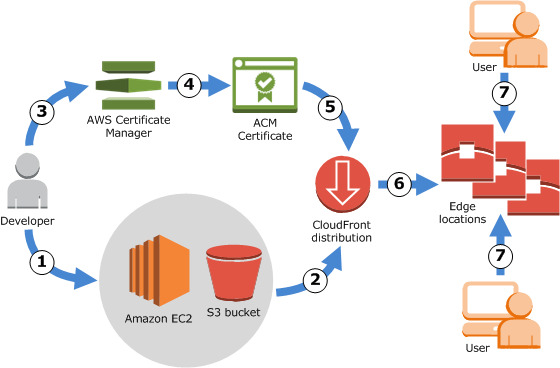
Amazon CloudFront: A global CDN that accelerates the delivery of websites, videos, and APIs through hundreds of Edge Locations worldwide.
5. Machine learning & AI
AWS is one of the most powerful platforms for AI and machine learning today.
-
Amazon SageMaker: A comprehensive toolkit for building, training, deploying, and monitoring machine learning models.
-
Amazon Rekognition: Provides face, object, text, and action recognition in images and videos.
-
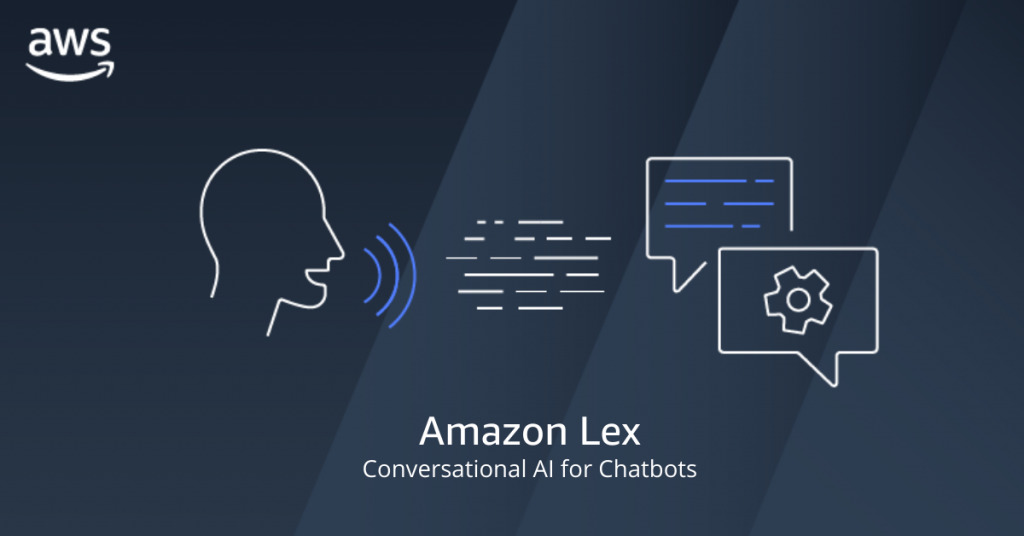
Amazon Lex: Used to build intelligent chatbots with voice and text, powered by the same technology as Amazon Alexa.
6. DevOps (Development & Deployment Automation)
AWS provides integrated CI/CD tools to accelerate software development cycles.
-
AWS CodeCommit: A secure cloud-based Git repository, serving as an alternative to GitHub or Bitbucket.
-
AWS CodeBuild: Automates the build and test stages of source code.
-
AWS CodeDeploy: Automatically deploys applications to EC2, Lambda, and ECS with high reliability.
7. Other services
Beyond its core offerings, AWS also provides a wide range of specialized technologies:
-
AWS IoT: Connects and manages millions of IoT devices.
-
Blockchain: Tools for building secure and easily deployable blockchain applications.
-
Media Services: Supports video streaming, encoding, and live broadcasts.
-
AR/VR: Tools for creating virtual environments and 3D content.
-
Game Tech: Low-latency, scalable backend services for gaming applications.
-
Mobile Services: Backend tools for mobile apps, including authentication and push notifications.
The future of AWS and the Cloud Market
1. AI & Cloud: The dominant trend in the next 5–10 years
AI will increasingly run directly on AWS, eliminating the need for businesses to invest in expensive on-premise GPU servers. Services like AWS Bedrock and Amazon SageMaker make it easier to develop GenAI, LLMs, and perform image–video processing along with other complex AI applications. In the near future, AI will be embedded into most enterprise systems—from customer service, security, and operations to data analytics.
2. Serverless becomes the standard for modern applications
Serverless reduces costs because businesses only pay when requests are made, while eliminating server management and enabling automatic scaling. AWS continues to expand serverless services such as Lambda, Fargate, DynamoDB, and Aurora Serverless, making this model a top choice for modern applications and microservices.
3. Data Lakehouse – the future of data architecture
The Lakehouse model combines the flexible storage of a Data Lake with the analytical power of a Data Warehouse. AWS strongly supports this architecture through Amazon S3, AWS Glue, Amazon Redshift, and Amazon Athena, allowing businesses to process Big Data faster, analyze in real time, and optimize storage costs.
4. Multicloud & Hybrid become increasingly common
Enterprises will adopt multicloud strategies using AWS, Azure, and Google Cloud to optimize costs and avoid vendor lock-in. AWS is also expanding tools such as AWS Outposts, EKS Anywhere, and Cloud WAN to support multi-platform deployments—especially for sectors like finance, government, and healthcare.
If you want to leverage AWS to build a robust infrastructure, scale your systems flexibly, and optimize operational performance, contact HomeNest Software—we’re ready to help you create breakthrough solutions in the digital age.
HomeNest Software – A Foundation for Sustainable Growth for Vietnamese Businesses.

Contact Information:
- Address: The Sun Avenue, 28 Mai Chi Tho Street, Binh Trung Ward, Ho Chi Minh City
- Hotline: +84 898 994 298 ( WhatsApp )
- Website: homenest.software
HomeNest Services: Website Design – App Design – Software Development
Frequently Asked Questions (FAQ)
1. Is AWS suitable for small businesses and startups?
Yes. AWS supports a pay-as-you-go model that reduces upfront investment costs. In addition, the AWS Free Tier allows startups to experiment with many services for free for up to 12 months.
2. Is AWS secure?
Yes — very secure. AWS complies with international security standards such as ISO, SOC, and PCI-DSS. It provides data encryption, access control, and multi-layered infrastructure protection operating 24/7.
3. How is AWS different from Google Cloud or Azure?
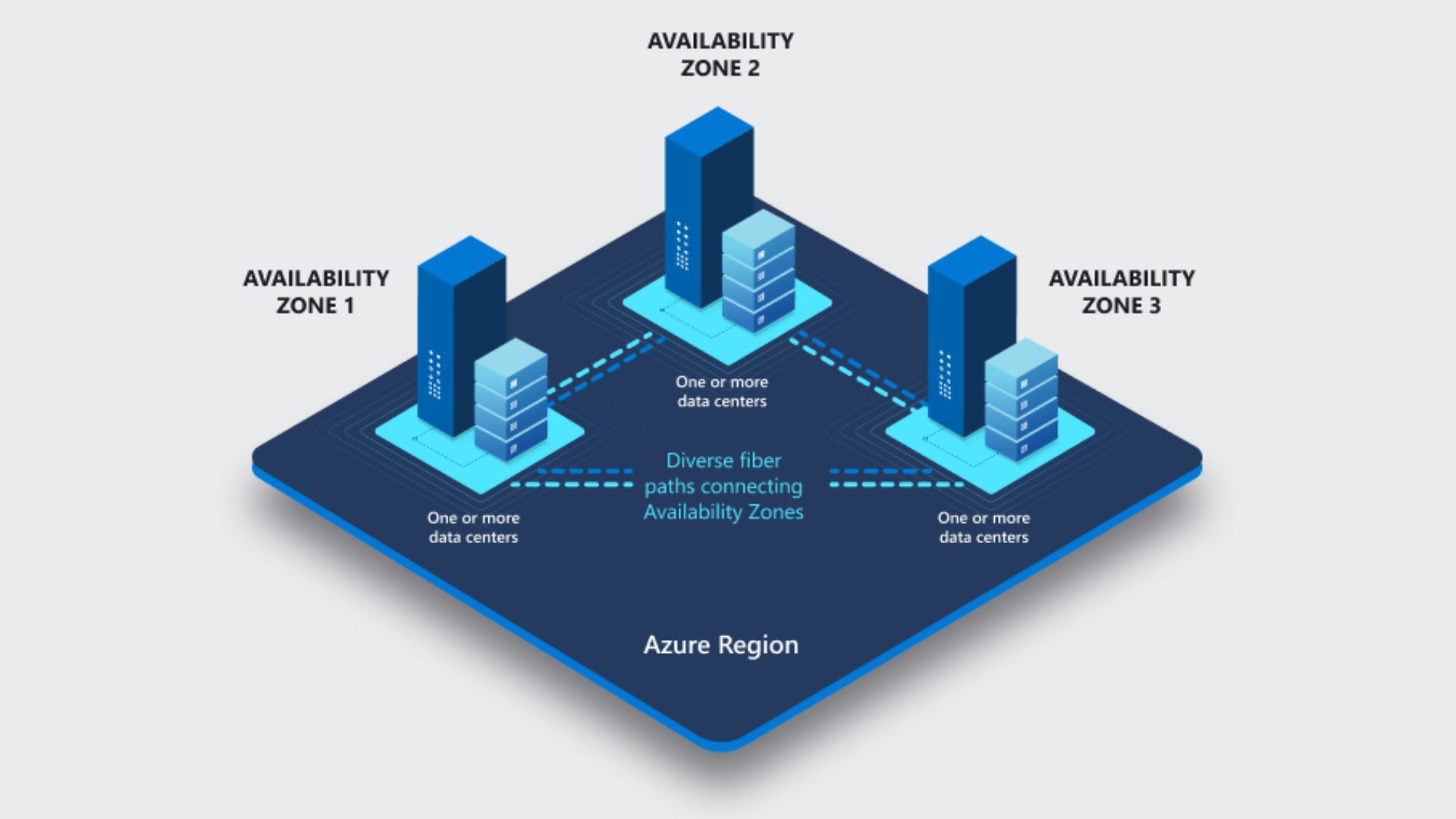
AWS offers the largest service ecosystem, the most Regions & Availability Zones, extensive documentation, and high stability.
Google Cloud is strong in AI/Data, while Azure integrates best with Microsoft’s ecosystem.
For businesses new to cloud adoption, AWS is often the safest and most reliable choice.
4. Do I need a dedicated technical team to use AWS?
Not necessarily. Many AWS services are designed for quick deployment and easy management.
However, partnering with a technical provider like HomeNest Software ensures proper implementation, cost optimization, and stronger security.
5. Does AWS help reduce operational costs?
Yes. AWS offers various cost-optimization models such as Spot Instances, Savings Plans, Auto Scaling, and Serverless, allowing businesses to pay only for what they use.
6. Is AWS suitable for building large systems like e-commerce platforms or mobile applications?
Absolutely. AWS provides services optimized for large-scale systems such as EC2, ECS, RDS, S3, CloudFront, and DynamoDB, enabling applications to support millions of users simultaneously.