
Education Mobile App Development: Why Schools Are Embracing EdTech Solutions
Scope of Work
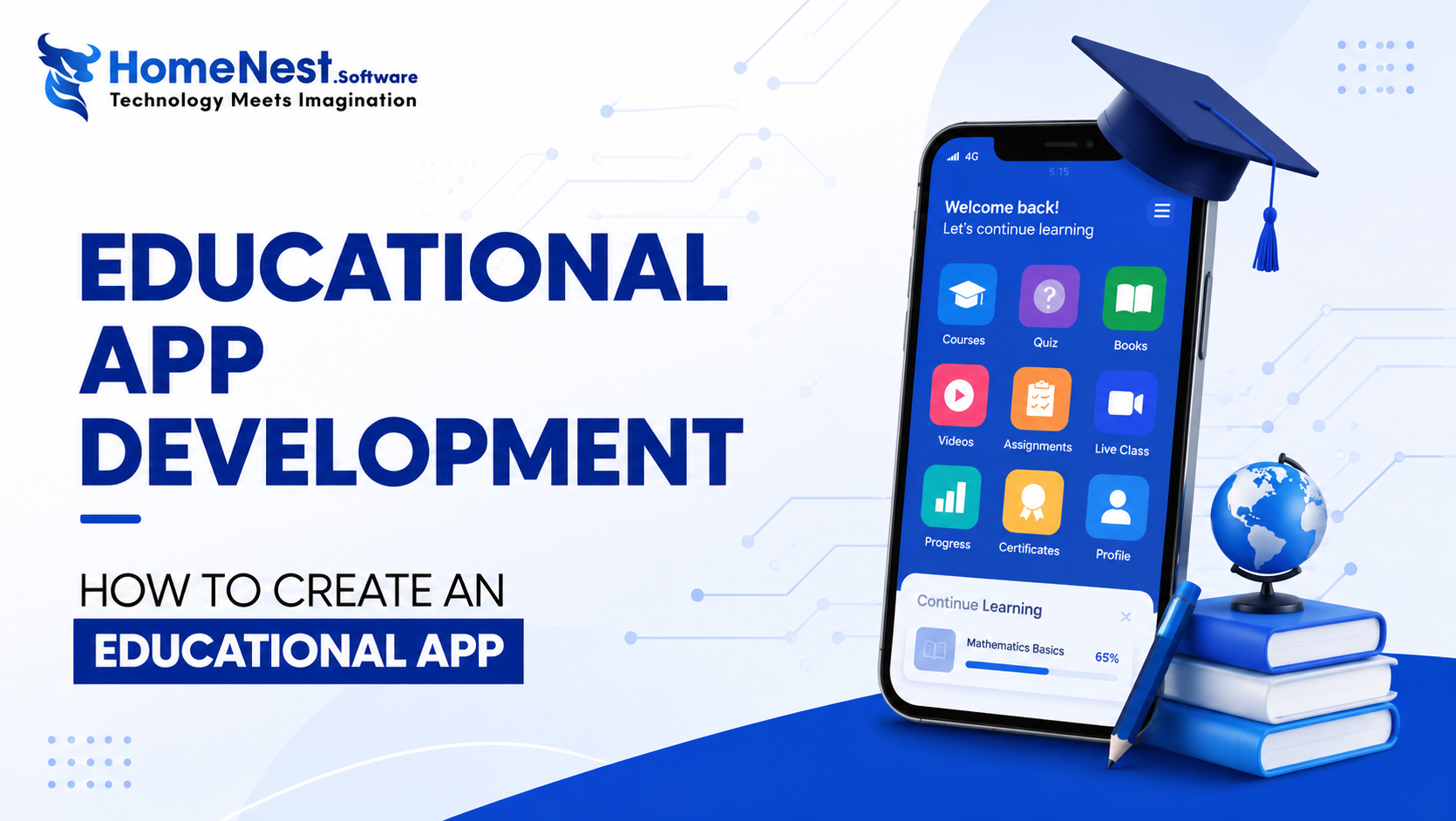
During the COVID-19 pandemic, online education became a common experience for most people. Schools rapidly adopted digital learning methods such as virtual classrooms, online lectures, and remote assessments to ensure continuity in education. What initially emerged as a challenge during the pandemic has now evolved into a significant opportunity for schools to adopt EdTech solutions and manage their operations more effectively through eLearning app development.
An EdTech app offers a smarter and more efficient way to handle end-to-end school operations without adding administrative burden. From managing classes and assignments to communication and performance tracking, these apps help schools streamline workflows and improve overall productivity.
EdTech apps also provide substantial benefits for both schools and parents. They simplify tasks such as attendance tracking, student progress monitoring, academic updates, and communication—all within a single platform. With the growing demand for digital education solutions, building a custom EdTech app presents a strong opportunity for schools and businesses to drive long-term value and generate higher returns.
In this guide, we will explore education mobile app development and examine why schools are increasingly shifting toward EdTech apps. We will also discuss market growth, emerging trends, and other key insights related to EdTech platforms. Before diving into the details, let’s take a closer look at the current market landscape and trends shaping the EdTech industry.
Market Growth and Trends
According to a report by Grand View Research, the global EdTech and smart classroom market was valued at USD 154.29 billion in 2024 and is projected to reach USD 458.98 billion by 2033, growing at a compound annual growth rate (CAGR) of 13.1% from 2026 to 2033. This strong growth reflects the accelerating adoption of digital learning solutions across educational institutions worldwide.
Key Market Trends and Insights
-
The U.S. EdTech and smart classroom market led North America and accounted for the largest revenue share in 2024.
-
By learning method, the blended learning segment held a dominant position, highlighting the increasing preference for hybrid education models that combine online and in-person learning.
-
North America dominated the global EdTech market, capturing 34.3% of total revenue in 2024, driven by advanced digital infrastructure and early technology adoption.
-
By sector, higher education emerged as the leading contributor, reflecting strong demand for digital platforms in universities and colleges.
-
By solution type, Learning Content and Curriculum Management solutions led the market, holding the largest revenue share of 24.2% in 2024, as institutions focus on structured, scalable, and personalized learning content.
Why Schools Are Shifting to EdTech Apps

Schools around the world are increasingly adopting EdTech apps to modernize education delivery and improve operational efficiency. Below are the key reasons driving this transition.
Increased Demand for Online Education
The COVID-19 pandemic accelerated the adoption of online education and digital learning platforms. Schools were required to quickly shift to virtual classrooms, online lectures, and digital assessments. This shift created a strong demand for EdTech solutions that support remote learning and enable students to easily access course materials while staying connected with teachers.
Improved Accessibility
EdTech apps make education more accessible for students with diverse learning needs. Features such as text-to-speech, adjustable font sizes, subtitles, and screen-reader compatibility help create inclusive learning environments and ensure equal access to educational content.
Greater Convenience
Education apps allow students to learn at their own pace and on their own schedules. This flexibility is especially beneficial for students with busy routines or those who prefer self-paced learning. EdTech apps eliminate location and time constraints, making learning more adaptable and student-friendly.
Personalized Learning Experiences
Modern EdTech software is designed to deliver personalized learning experiences. By adapting content, assessments, and learning paths based on individual student performance and preferences, schools can improve engagement, comprehension, and academic outcomes.
Cost-Effectiveness
Custom eLearning solutions are often more cost-effective than traditional education models. They reduce the need for physical infrastructure and learning materials while allowing access from anywhere with an internet connection. This makes EdTech apps a scalable and budget-friendly solution for schools.
Key Features of a Modern Education Mobile App
A successful education mobile app combines both classic and modern EdTech features to meet the needs of teachers, students, and school administrators. When building an educational application, selecting the right features is essential to ensure usability, engagement, and long-term success. Below are some of the most important features every modern education app should include.
Offline Learning
Offline learning is a critical feature that helps remove barriers to education. It allows students to access learning materials anytime and from anywhere, even without an active internet connection. This feature is especially valuable for students in remote areas or those experiencing connectivity issues.
Audio-Visual Learning Content
Incorporating audio-visual content can significantly enhance the learning experience. Videos, audio lessons, animations, and interactive media help differentiate a basic education app from a well-integrated EdTech solution. This feature supports multiple learning styles and makes complex topics easier to understand.
Push Notifications
Push notifications play a vital role in keeping users informed and engaged. Teachers can receive reminders about scheduled classes, while students can get alerts for exam dates, assignment deadlines, results, and important announcements—all in real time.
Progress Tracking and Analytics
A reliable EdTech app focuses on monitoring student performance and attendance throughout the academic year. Progress tracking allows teachers to evaluate learning outcomes, identify areas where students need improvement, and provide personalized guidance based on performance data.
Course and Content Management
Course management features enable teachers to create, organize, and manage educational content efficiently. Educators can track student progress, conduct assessments, provide feedback, and update grades with ease. The app can also support multiple content formats such as PDFs, images, videos, and quizzes.
Social Media and Communication Tools
Integration with social media and communication tools allows schools to share important updates and announcements quickly. Features such as embedded YouTube videos, social media links, and discussion channels make it easier for students and educators to interact and stay informed.
Types of Education Apps in Demand
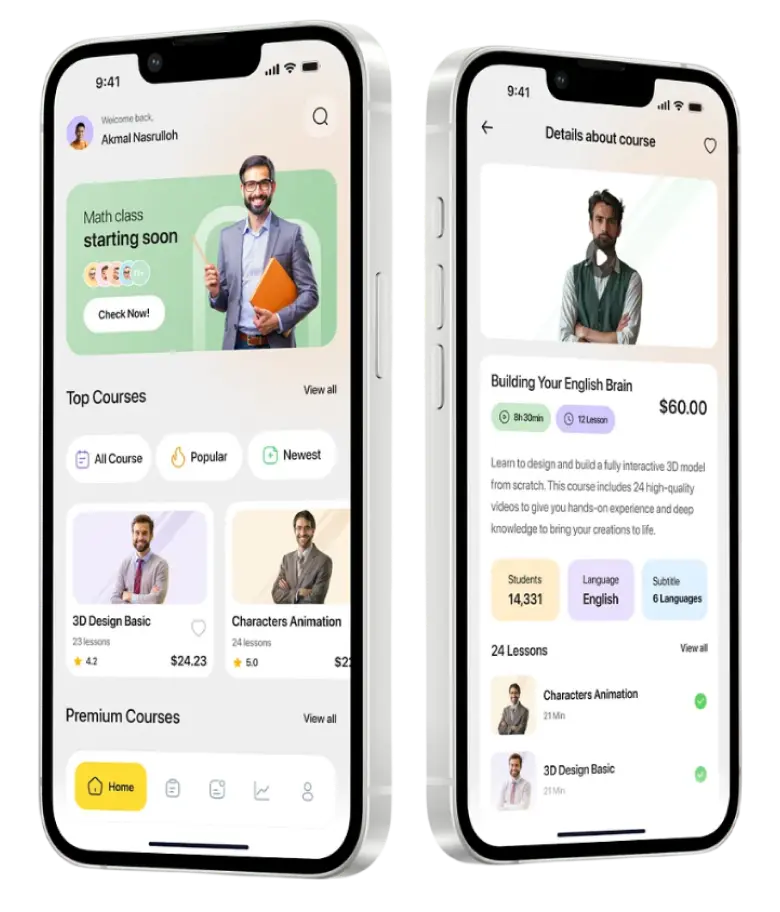
The online learning journey varies for every learner, which is why defining the target audience and niche is essential before considering development costs—whether for Android, iOS, or cross-platform education apps. Below are some of the most in-demand types of education and eLearning apps for businesses looking to enter the EdTech industry.
Kids E-Learning Apps
Children engage more effectively with learning when it is interactive and visually appealing. Kids eLearning apps focus heavily on graphics, animations, games, and storytelling to make education fun and engaging. Due to increasing screen-time usage among children, entrepreneurs are investing significantly in scalable kids’ learning app development.
Study Material Apps
Learners require access to a wide range of study resources. Study material apps compile and organize educational content based on specific courses or subjects, allowing users to access materials either for free or through paid subscriptions. These apps are highly popular because they provide structured, centralized learning resources in one platform.
Test Preparation Apps
Assessing knowledge is a crucial part of the learning process. Test preparation apps offer mock tests, quizzes, and practice exams designed to evaluate learners from multiple perspectives. Apps focused on government exams, entrance tests, and aptitude assessments are especially in high demand across both Android and iOS platforms.
Language Learning Apps
Language learning apps allow users to explore and master new languages regardless of geographical boundaries. Whether learning Spanish, Chinese, or any other language, these apps provide interactive lessons, pronunciation practice, and real-time feedback. Their growing popularity is driven by user curiosity, globalization, and the convenience of mobile learning.
Corporate Training and Learning Apps
Organizations are increasingly adopting eLearning platforms to train and upskill their workforce. Corporate training apps are widely used for employee onboarding, compliance training, skill development, and performance improvement. Many enterprises and multinational companies have shifted their training programs entirely to digital learning solutions to improve productivity and scalability.
Technologies Used in Education App Development
Building a modern education mobile app requires a robust, scalable, and secure technology stack. The choice of technologies depends on performance needs, real-time interaction, video delivery, and long-term scalability. Below is a commonly used technology stack for education app development.
| Layer | Technology Stack |
|---|---|
| Mobile App Development | React Native, Flutter |
| Web Frontend | React.js, Next.js |
| State Management & Data Fetching | Redux / RTK, React Query |
| Backend Framework | Node.js, Nest.js |
| Real-Time Communication | Socket.io, Firebase Realtime Database |
| Database | PostgreSQL, MongoDB |
| Caching & Queue Management | Redis, RabbitMQ |
| Live Video Classes | Agora, VideoSDK |
| Video-on-Demand (VOD) & Analytics | Mux Video + Data |
| Cloud Infrastructure | AWS, Microsoft Azure |
| Payment Integration | Stripe, PayPal |
| Authentication & SSO | Auth0, Firebase Authentication |
This technology stack ensures high performance, seamless real-time interaction, secure transactions, and scalability—making it ideal for building feature-rich education and eLearning applications.
Step-by-Step Education Mobile App Development Process
Building an education mobile app requires careful planning, the right technology stack, and a clear understanding of learner needs. A structured development approach ensures that the final product is scalable, user-friendly, and effective for schools, students, and educators. Below is a step-by-step guide to education mobile app development.
1. Conduct Market Research
Before partnering with a mobile app development company, it is essential to conduct thorough market research and competitor analysis. This includes studying existing EdTech solutions across segments such as K–12 education, exam preparation, language learning, and professional skill development. Market insights help identify gaps, user expectations, and opportunities to differentiate your app.
2. Choose the Niche & Define Clear Goals
Once market gaps are identified, the next step is selecting a specific niche and clarifying business objectives. Education apps can target multiple categories, including:
-
Learning apps for schools (K–12)
-
Exam preparation apps (JEE, IELTS, GRE, etc.)
-
Skill development platforms (coding, digital marketing, design)
-
Gamified learning apps using AR/VR for immersive experiences
-
Administrative apps for attendance, communication, and grading
Defining the niche and goals early helps align features, technology, and budget with long-term success.
3. Design the Feature Concept
An effective education app focuses on solving real problems for learners, teachers, and parents. At this stage, outline the core features based on user needs while avoiding unnecessary complexity. Common must-have features include:
-
Offline learning
-
Audio-visual content
-
Push notifications
-
Progress tracking
-
Course and content management
-
Social media and communication tools
A well-defined feature roadmap helps control development costs while ensuring real value for users.
4. Craft a User-Centric UI/UX Design
UI/UX design plays a critical role in the success of an education app. Since the app may be used by both children and adults, the design should be:
-
Intuitive and clutter-free to reduce the learning curve
-
Engaging through visual storytelling, gamification, and interactivity
-
Accessible with features like voice support, larger fonts, and multilingual options
-
Consistent across devices such as mobile phones, tablets, and desktops
Strong UI/UX design improves engagement and retention—two factors often overlooked by failing EdTech startups.
5. Select the Right Development Approach
Choosing the right development approach directly impacts cost, performance, and time to market. Common options include:
-
Native Development (iOS/Android): High performance but higher development costs
-
Cross-Platform Development (Flutter, React Native): Faster and more cost-efficient for most startups
-
Web-Based Apps: Highly scalable but limited in advanced mobile features
For many EdTech startups, cross-platform development offers the best balance of speed, cost, and performance.
6. Choose the Appropriate Technology Stack
The right technology stack ensures security, scalability, and future readiness. Commonly used technologies include:
-
Frontend: React Native, Flutter
-
Backend: Node.js, Django, Laravel
-
Databases: Firebase, MongoDB, PostgreSQL
-
Cloud Services: AWS, Google Cloud, Azure
Apps with global growth ambitions often integrate cloud infrastructure and AI/ML capabilities from the start.
7. Launch and Market the App
Launching an education app involves more than publishing it on the App Store or Google Play. Key steps include:
-
Testing: Conduct unit, integration, and performance testing
-
App Store Optimization (ASO): Optimize titles, descriptions, visuals, and keywords
-
Marketing: Promote the app through SEO, content marketing, paid ads, influencers, and partnerships with schools or training institutes
A strong launch strategy helps the app stand out in the competitive EdTech market.
8. Post-Launch Support & Continuous Improvement
App development does not end after launch. To stay competitive, businesses should:
-
Collect user feedback regularly
-
Release updates for bug fixes and performance improvements
-
Add new features such as AI-driven personalization or gamification
-
Provide ongoing technical support for a smooth user experience
Continuous improvement ensures the education app remains relevant in a rapidly evolving learning ecosystem.
Cost of Education Mobile App Development
The cost of developing an education mobile app depends on multiple factors, including feature set, app complexity, third-party integrations, custom UI/UX design, animations, development team expertise, geographic location, and hourly development rates. Based on these variables, below is an estimated cost breakdown for building an education app for schools.
Education App Development Cost Breakdown
| App Complexity | Average Cost | Estimated Timeline |
|---|---|---|
| Basic-Level App | $10,000 – $25,000 | 2 – 3 months |
| Moderate-Level App | $30,000 – $45,000 | 3 – 6 months |
| Advanced-Level App | $50,000+ | 6 – 10 months |
What Influences the Cost?
-
Number and complexity of features
-
Level of customization in UI/UX and animations
-
Integration with third-party services (payments, video, analytics, LMS tools)
-
Choice of platform (Android, iOS, or cross-platform)
-
Development team size, expertise, and location
-
Post-launch maintenance and support requirements
Understanding these factors helps schools and businesses plan budgets effectively while choosing the right development approach for long-term scalability.
How AI Is Transforming eLearning and Online Education
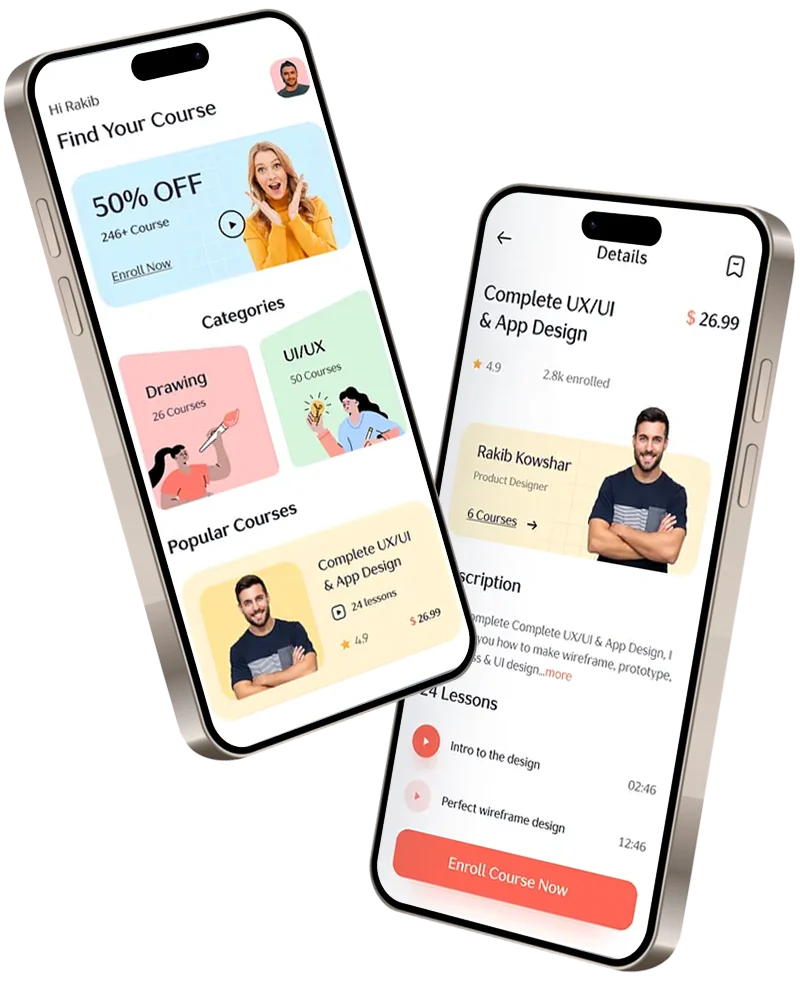
One of the most powerful impacts of artificial intelligence in eLearning is its ability to deliver highly personalized learning experiences. AI enables tailored support at scale—often going beyond what traditional classroom-based instruction or even individual teachers can consistently provide.
Adaptive Learning Paths
Traditional education systems often follow a one-size-fits-all approach, leaving little room to accommodate different learning styles, backgrounds, or individual needs. As a result, students who require additional support may struggle to keep up. AI-powered eLearning platforms address this challenge by creating adaptive learning paths that adjust content, pace, and difficulty based on each learner’s performance and behavior, ensuring a more inclusive and effective learning experience.
Intelligent Tutoring Systems (ITS)
In the past, one-on-one tutoring was only available to a limited number of students due to time and resource constraints. AI-driven Intelligent Tutoring Systems are changing this by providing personalized guidance, instant feedback, and continuous assessment for every learner. These systems help students understand concepts more deeply while allowing teachers to focus on higher-value instructional tasks.
Making Learning More Accessible
AI-powered translation and speech technologies are breaking down language and geographic barriers in education. Learners can now access high-quality educational content from around the world and have it translated into their native language in real time. This significantly improves accessibility and inclusivity across global learning communities.
This advancement is especially beneficial for global organizations as well. With AI-based education solutions, businesses can conduct training programs, workshops, and eLearning sessions across multiple locations while ensuring consistent content delivery and equal learning opportunities for all employees.
Why HomeNest Software Is a Trusted Partner for Education Mobile App Development
HomeNest Software is a reliable and experienced partner for education mobile app development, delivering innovative, user-centric solutions that empower educational institutions and enhance learning experiences. Our expertise lies in building secure, scalable, and engaging platforms tailored to meet the evolving needs of modern education.
Proven Expertise in EdTech Solutions
With years of hands-on experience in education technology, our team has successfully developed high-performance mobile applications for schools, universities, and eLearning startups. We focus on creating interactive learning environments, seamless user experiences, and future-ready architectures that support long-term growth and innovation.
Custom Features for Modern Learning
We design and integrate advanced features such as live virtual classes, attendance management, learning management system (LMS) integration, and AI-powered assessments. Each solution is fully customizable, enabling personalized learning experiences that effectively support students, teachers, and administrators.
Secure and Scalable App Architecture
Security and scalability are at the core of every application we build. Our development approach includes robust data encryption, role-based access control, and cloud-based scalability to ensure consistent performance—even during peak usage times such as exams, live classes, or large content uploads.
End-to-End Development and Ongoing Support
HomeNest Software offers complete, end-to-end development services—from ideation and UI/UX design to deployment and post-launch maintenance. We follow agile development methodologies to ensure faster delivery, continuous improvements, and seamless scalability as your educational needs evolve.
Conclusion
In this blog, we explored education mobile app development and examined why schools are increasingly shifting toward EdTech apps. We covered key aspects such as market growth and trends, reasons for adoption, essential features, types of education apps, technology stacks, development processes, estimated costs, and the role of AI in transforming digital learning.
As a leading education mobile app development company, HomeNest Software is committed to building custom eLearning solutions that enable schools to manage all academic and administrative activities through a single, unified platform. If you’re ready to embrace the future of digital education, our team is here to help you every step of the way.
Contact HomeNest Software today for a free consultation and inquire about our all-inclusive App Design package offers!
HomeNest Software – Empowering Long-Term Growth for Modern Businesses.

Contact Information:
- Address: The Sun Avenue, 28 Mai Chi Tho Street, Binh Trung Ward, Ho Chi Minh City
- Hotline: +84 898 994 298 ( WhatsApp )
- Website: homenest.software
HomeNest Services: Website Design – App Design – Software Development – Digital Marketing.
Frequently Asked Questions (FAQs)
1. What is an education mobile app?
An education mobile app is a digital platform designed to support learning and school management. It can include features such as online classes, course content, attendance tracking, assessments, progress monitoring, and communication between teachers, students, and parents.
2. Why are schools investing in education mobile apps?
Schools are investing in education apps to improve accessibility, streamline operations, enable remote and hybrid learning, reduce administrative workload, and provide personalized learning experiences for students.
3. How much does it cost to develop an education mobile app?
The cost typically ranges from $10,000 to $50,000+, depending on app complexity, features, platform (Android/iOS), UI/UX design, integrations, and development timeline. Advanced apps with AI, live video, and analytics cost more.
4. How long does it take to build an education app?
Development time usually ranges from 2 to 10 months. Basic apps take less time, while advanced platforms with live classes, AI features, and scalability requirements take longer.
5. What are the must-have features in a modern education app?
Essential features include user registration, offline learning, audio-visual content, push notifications, progress tracking, course management, live classes, and secure admin dashboards.
6. Can education apps support AI-based learning?
Yes. Modern education apps can integrate AI for personalized learning paths, intelligent tutoring systems, automated assessments, performance analytics, and multilingual content translation.
7. Is education mobile app development profitable in 2026?
Yes. With the rapid growth of the EdTech market, increasing digital adoption by schools, and rising demand for online learning, education app development offers strong long-term growth and monetization opportunities.
8. Which platform is better for education apps: Android, iOS, or both?
Most education apps support both Android and iOS to reach a wider audience. Many businesses choose cross-platform development to reduce cost and speed up time to market.
9. How do education apps ensure data security?
Education apps implement security measures such as encrypted data storage, secure authentication, role-based access control, and cloud security standards to protect student and institutional data.
10. Why choose HomeNest Software for education mobile app development?
HomeNest Software offers end-to-end education app development services, including custom features, secure and scalable architecture, AI integration, and long-term support—making it a reliable partner for schools and EdTech businesses.
Latest Articles
View All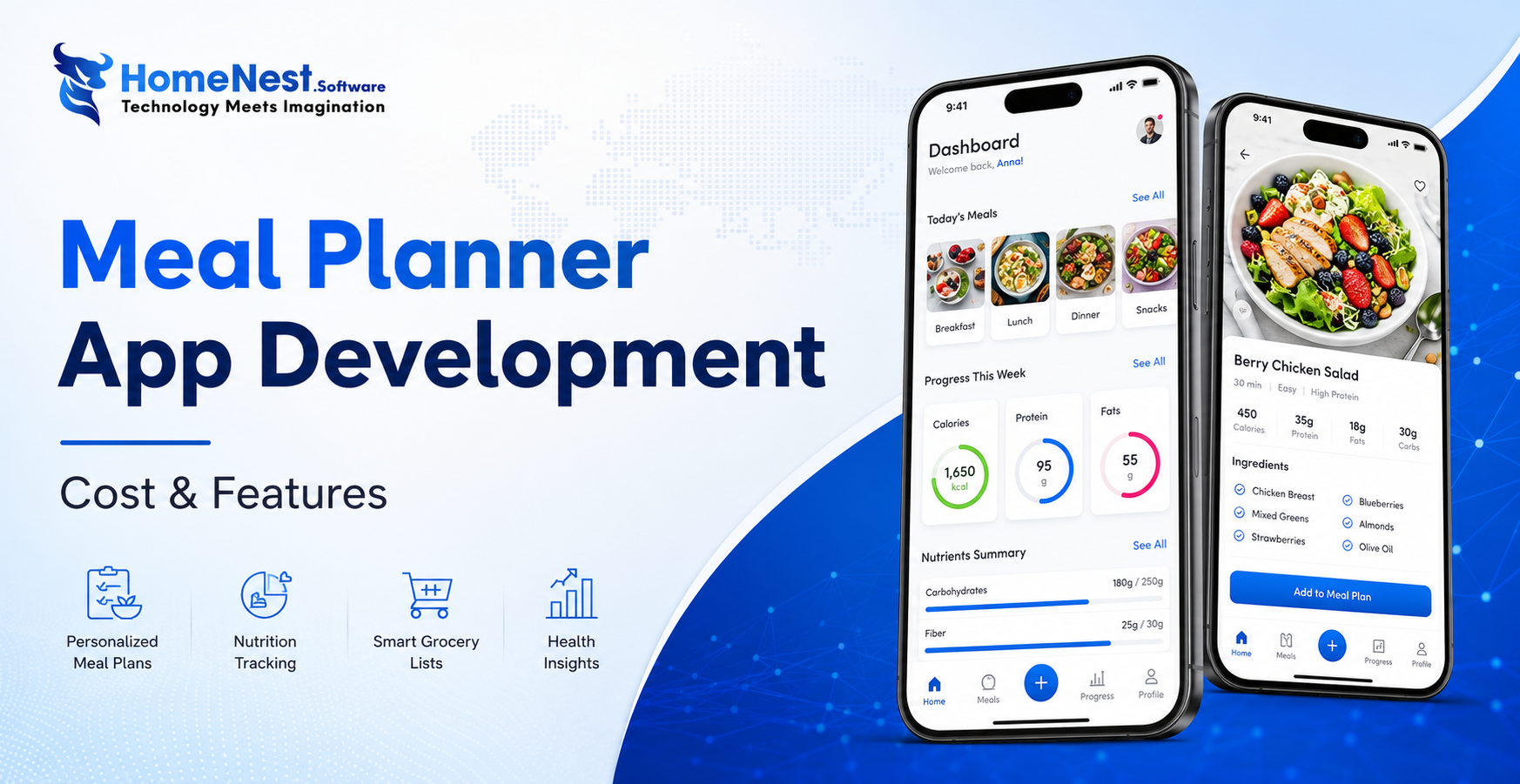
How to Build a Meal Planning App: A Complete Step-by-Step Guide
Building a successful meal planning app goes beyond creating an attractive interface it requires a clear business strategy, personalized user experiences, and scalable technology. By combining essential features like AI-powered meal recommendations, nutrition tracking, grocery list automation, and wearable integration, businesses can deliver lasting value to users while capitalizing on the growing digital health market. Partnering with an experienced mobile app development company ensures your solution is secure, future-ready, and designed to succeed in an increasingly competitive health-tech industry.

How Much Does It Cost to Build a Shopping App Like Temu?
Temu’s meteoric rise to over 900 million global downloads proves the power of combining AI, gamification, and social commerce, but building a similar viral shopping platform requires careful financial and technical planning. Developing an app like Temu typically costs anywhere from $40,000 for a basic Minimum Viable Product (MVP) to over $300,000 for a fully-featured platform. This guide breaks down every cost category, analyzes the core features driving Temu’s success, highlights the best technology stacks, and offers practical strategies to optimize your development budget without compromising on quality.

Criteria For Choosing The Right App Design Agency
UI/UX design is the logical foundation of a system, not merely a visual element. Choosing the wrong partner will directly lead to technical debt, budget overruns, and disruptions in the development process. This article provides a 6-step evaluation framework and a list of operational risks, helping businesses eliminate subjective design advice and accurately assess agency capabilities based on developer handoff standards and practical business performance.

How Does AI in Banking Industry Impact the Future?
Artificial intelligence (AI) has transitioned from a supplementary tool to a core infrastructure of financial data management, optimizing profitability through real-time fraud detection, natural language processing (NLP), and high-speed credit scoring models. “Deploying AI in the financial sector requires more than just algorithmic accuracy, it demands a highly secure cloud architecture and rigorous data governance,” commented Nguyen Tien, co-founder of HomeNest Software. Why read this guide? We skip the theoretical jargon to focus entirely on technical implementation. Whether you’re evaluating a vendor or planning a system overhaul, this article will detail: Operational Efficiency: Automating unstructured data workflows at scale. Risk Architecture: Implementing real-time threat detection and AML compliance. Data ownership: The essential need for 100% ownership of the source code to ensure full algorithm auditability.
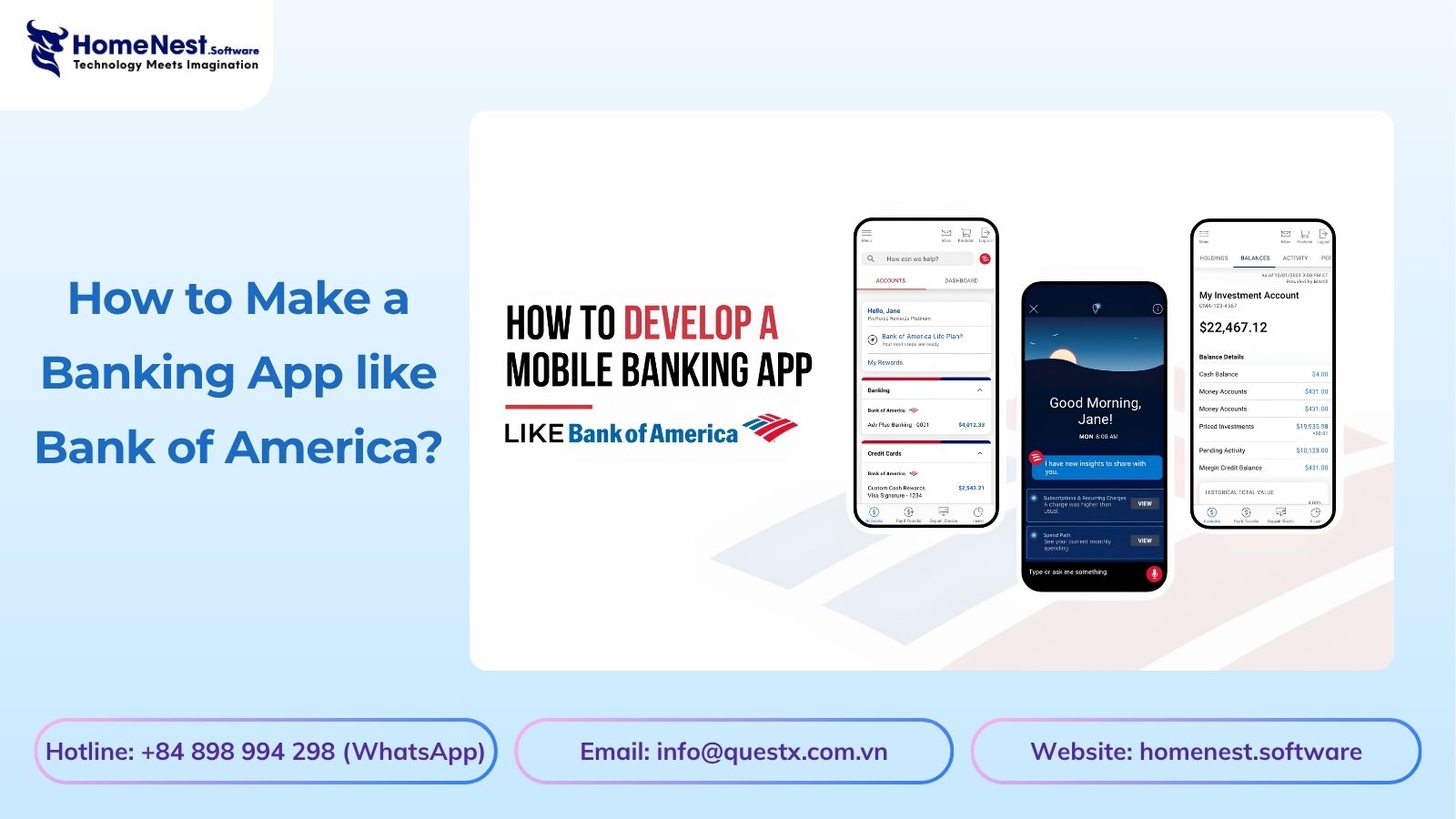
How to Make a Banking App like Bank of America?
Developing a mobile banking application like Bank of America extends far beyond basic UI design; it requires engineering a fault-tolerant backend capable of real-time ledger synchronization, biometric authentication, and high-volume data processing under strict regulatory frameworks. Drawing from HomeNest Software’s deep experience in architecting enterprise-grade fintech solutions, this guide strips away theoretical jargon to focus entirely on operational and technical execution. What you will find in this guide: We break down the precise development roadmap, from mapping out microservices and ensuring PCI-DSS compliance to estimating MVP development costs and securing absolute data sovereignty through 100% source code ownership. If you are preparing to build, scale, or audit a financial platform, this blueprint provides the exact framework you need.
Banking App Development Cost
Building a banking application is rarely a simple process; it’s a complex technical challenge requiring a balance between complying with stringent financial regulations, handling large transaction volumes, and a scalable cloud architecture. Miscalculating these technical requirements from the outset often leads to significant technical debt and budget overruns. Based on HomeNest Software’s practical experience in designing enterprise-grade fintech solutions, this guide bypasses generic estimates to provide a realistic analysis of banking application development costs. What you’ll find in this guide: We analyze the true cost factors, from technology selection and API integration to the hidden costs of regulatory compliance and security infrastructure. Whether you’re launching a minimum viable product or expanding an existing financial platform, this analysis provides the precise operational data you need to plan your budget effectively.