
How to Choose the Right Android App Development Agency in Singapore
Android app development in Singapore is a strategic investment that directly impacts customer engagement, operational efficiency, and long-term business growth. Success depends on selecting the right partner, adopting modern technologies (Kotlin, cloud-native, cross-platform), and building with scalability, security, and user experience in mind. Rather than focusing only on cost, businesses should prioritize delivery capability, technical expertise, and long-term support. A well-executed Android app is not just a product it becomes a core digital asset that evolves with your business and drives sustainable competitive advantage.
Scope of Work
In Singapore’s mobile first economy, a strong app presence is no longer a competitive advantage it’s a baseline requirement. With Android dominating global smartphone market share, many organizations partner with Android app development agencies in Singapore to build solutions that enhance user engagement, improve operational efficiency, and accelerate business growth.
This guide provides a practical overview of the key considerations from services and cost structures to technology stacks, common challenges, and emerging trends helping you identify the right Android development partner for sustainable, long term success.
What Is an Android App Development Agency?
An Android app development agency is a specialized team that designs, builds, tests, and maintains mobile applications for the Android platform. Unlike working with an individual developer, an agency brings together a full cross functional team including UI/UX designers, software engineers, QA specialists, project managers, and cloud experts to deliver complete, end to end mobile solutions.
These agencies go beyond coding. They provide strategic guidance, system architecture, security design, and long term maintenance ensuring that applications are not only functional but also scalable, reliable, and aligned with business goals. For companies in Singapore, partnering with an agency also helps ensure compliance with local regulations such as PDPA, while meeting high expectations for performance and user experience.
Key Market Insights on Android App Development
- Global app market growth: The app market generated $437.75 billion in 2022 and is projected to reach $781.70 billion by 2029, growing at a 7.48% CAGR
- Scale of the Android ecosystem: There are over 1.57 million Android applications available globally the largest mobile app ecosystem
- Market dominance: As of 2025, Android holds approximately 72.23% global market share, compared to iOS at 27.39%
- Massive user base: Android powers more than 3.3 billion active users worldwide
- Singapore mobile adoption: With ~97% smartphone penetration, Singapore ranks among the most mobile centric markets globally
These figures highlight why working with a professional Android app development agency in Singapore is a strategic move. It enables businesses to tap into a vast global ecosystem while delivering high quality mobile experiences tailored to one of the world’s most digitally advanced and mobile first audiences.
Key Android Mobile App Development Services
Partnering with an Android app development agency in Singapore provides access to end to end capabilities across the entire mobile app lifecycle from concept to long term optimization. Below are the core services businesses can expect:
Custom Android App Development
Agencies build tailored mobile applications designed to meet specific business requirements across industries such as fintech, healthcare, logistics, and e-commerce. These solutions are optimized for both consumer facing and enterprise use cases.
UI/UX Design and Prototyping
In Singapore’s highly competitive digital market, user experience is critical. Agencies design intuitive interfaces and interactive prototypes that ensure seamless navigation, strong usability, and higher user engagement.
Backend Development and Cloud Integration
Robust backend systems power modern mobile applications. Leading agencies integrate cloud platforms such as AWS, Google Cloud, and Firebase to enable scalability, real time data processing, and secure operations.
Cross Platform App Development
To reduce cost and accelerate time to market, agencies leverage frameworks like Flutter and React Native allowing businesses to deploy apps across both Android and iOS using a single codebase.
Quality Assurance and Testing
Given the wide variety of Android devices and OS versions, comprehensive testing is essential. Agencies conduct functional, performance, compatibility, and security testing to ensure a consistent and reliable user experience.
Post Launch Support and Maintenance
App development does not end at deployment. Agencies provide ongoing support, including updates, bug fixes, performance optimization, and feature enhancements to keep the application relevant and secure.
Integration of Emerging Technologies
Forward thinking agencies incorporate advanced technologies such as AI/ML for personalization, IoT for connected experiences, AR/VR for immersive features, and blockchain for secure, transparent transactions.
These services ensure that Android applications are not only well built, but also scalable, future ready, and aligned with evolving business and user expectations.
The Benefits of IT Outsourcing for Android App Development

For many businesses in Singapore, building and retaining an in house Android team can be both costly and resource intensive. IT outsourcing for app development offers a more efficient alternative providing access to experienced Android developers (locally or offshore) without the overhead of full time hiring.
By partnering with an outsourcing focused Android app development agency, companies can accelerate delivery, reduce costs by 40–60%, and stay competitive in an increasingly digital first environment.
Key Benefits of Outsourcing Android App Development
Cost Efficiency
Outsourcing reduces expenses related to salaries, infrastructure, recruitment, and training. Offshore teams can deliver comparable expertise at significantly lower costs than local hiring.
Access to Specialized Talent
Businesses gain access to a global pool of skilled Android developers, ensuring the right technical expertise for each project without being limited by local talent shortages.
Faster Time to Market
Dedicated teams and agile delivery models enable faster development cycles, allowing businesses to launch products quickly and capitalize on market opportunities.
Focus on Core Business Priorities
Outsourcing allows internal teams to concentrate on strategy, growth, and operations, while the development partner handles technical execution and delivery.
Scalability and Flexibility
Teams can be scaled up or down based on project needs, providing flexibility without the long term commitment of permanent hires.
Access to Advanced Technologies
Leading outsourcing partners bring expertise in emerging technologies such as AI, IoT, cloud computing, and modern architectures capabilities that may be costly to build internally.
Outsourcing Android app development enables organizations to move faster, smarter, and more cost effectively while maintaining high standards of quality and innovation.
If you’re planning to outsource, build, or scale your Android application, HomeNest Software can support you with a flexible, high performance delivery model tailored to your business goals.
Top Tools and Technologies Used by Android App Development Companies in Singapore
Android app development companies in Singapore leverage a modern, well established technology stack to build high performance, secure, and scalable applications. These tools span across programming, development, cloud infrastructure, testing, and security.
Programming Languages
Java
A long standing, widely supported language for Android development, known for stability and extensive ecosystem support.
Kotlin
The modern standard for Android development, offering concise syntax, improved performance, and enhanced developer productivity.
Frameworks and Cross Platform Technologies
Flutter
A Google backed framework that enables fast, high quality cross platform app development with a single codebase.
React Native
A popular framework for building Android and iOS applications simultaneously, balancing performance with development efficiency.
Development Tools
Android Studio
The official integrated development environment (IDE) for Android, providing comprehensive tools for coding, debugging, and performance optimization.
Firebase
A powerful platform for real time databases, authentication, push notifications, and analytics commonly used to accelerate development.
Cloud and Backend Technologies
AWS and Google Cloud
Enterprise grade cloud platforms that support scalable infrastructure, data storage, and backend services.
Node.js and Python
Widely used for backend development and API services, enabling fast, scalable, and flexible server side logic.
Testing and Quality Assurance Tools
JUnit and Espresso
Industry standard tools for unit testing and UI testing, ensuring application stability and performance.
Appium
A cross platform testing framework that allows automated testing across different devices and operating systems.
Security Tools and Practices
ProGuard
Used for code obfuscation and optimization, helping protect applications from reverse engineering.
OWASP Guidelines
Industry recognized security standards that guide developers in building secure and compliant mobile applications.
Together, these tools and technologies enable Android development teams in Singapore to deliver applications that are robust, scalable, secure, and aligned with modern digital expectations.
The Android App Development Process (Step by Step)
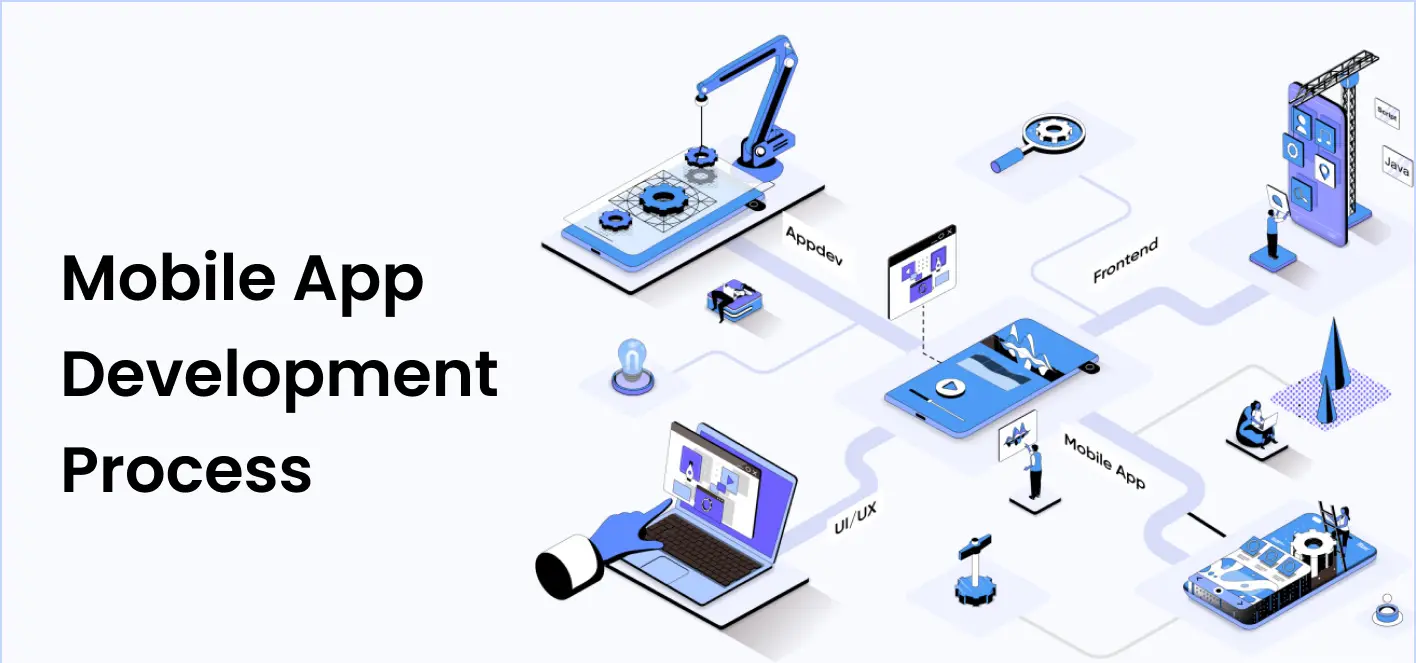
Building a successful Android application requires a structured, end to end workflow to ensure performance, reliability, and long term scalability. Leading Android app development agencies in Singapore typically follow these key stages:
1. Discovery & Requirements Analysis
Define business objectives, target users, core features, technical constraints, and integration needs. This phase ensures alignment between stakeholders and sets a clear project scope.
2. UX Wireframes & Material Design Prototyping
Create user journeys, wireframes, and UI prototypes based on Material Design principles ensuring intuitive navigation, consistency, and a seamless user experience across devices.
3. Architecture Planning
Establish the technical foundation using modern design patterns such as MVVM or Clean Architecture. This includes planning APIs, data structures, and system integrations to support scalability and maintainability.
4. Development with Kotlin and Jetpack
Implement core features using a Kotlin first approach, leveraging Android Jetpack components for efficiency. Integrate backend systems and third party services to enable full functionality.
5. Multi Device QA and Performance Testing
Conduct comprehensive testing across different screen sizes, Android versions, and device types. Validate functionality, performance, security, and overall stability.
6. Security and PDPA Compliance
Apply encryption, secure authentication, and data protection practices aligned with PDPA requirements ensuring compliance for Singapore based deployments.
7. Google Play Store Submission
Prepare app assets, ensure compliance with Google Play policies, and manage the submission process for review and release.
8. Post Launch Support and Continuous Updates
Monitor performance, resolve issues, and release updates to enhance features, improve user experience, and maintain compatibility with new Android versions.
This structured approach enables businesses to deliver Android applications that are robust, scalable, secure, and ready for long term growth.
Android App Development Cost in Singapore
Budget is often the first consideration when planning an Android project. In Singapore, Android app development costs typically range from SGD 40,000 to SGD 120,000+, depending on factors such as UI/UX complexity, backend architecture, security requirements, PDPA compliance, and multi device testing.
Understanding these cost drivers helps businesses set realistic expectations and choose the right development partner whether local, offshore, or hybrid.
Key Factors Affecting Android App Development Cost
App complexity and feature set
Basic applications with simple features (e.g., login, push notifications) are significantly more affordable than advanced apps with e commerce, geolocation, real time data, or payment systems.
Integrations and APIs
Incorporating third party services such as payment gateways, AI capabilities, or IoT connectivity adds development effort and increases overall cost.
UI/UX design quality
Custom, high quality design enhances user experience and engagement but requires additional investment in design, prototyping, and testing.
Security and compliance requirements
Implementing encryption, secure authentication, and PDPA compliant data handling introduces additional layers of development and validation.
Cost Comparison: Singapore vs Offshore Development
Local development in Singapore
Local Android developers typically charge higher rates due to strong demand and higher operational costs. Most projects fall within the SGD 40,000–120,000+ range depending on complexity.
Offshore development (e.g., Vietnam, India)
Offshore teams can deliver comparable quality at 40–60% lower cost, making them an attractive option for startups and cost sensitive businesses.
Hybrid delivery model
A combination of local project management and offshore engineering is increasingly popular in Singapore offering a balance of quality, communication, and cost efficiency.
Tips to Optimize Your Development Budget
- Start with an MVP to validate your product idea before scaling features
- Use cross platform frameworks (e.g., Flutter, React Native) if targeting both Android and iOS
- Partner with an experienced agency that offers flexible engagement models and scalable teams
A well planned budget combined with the right development strategy ensures your Android application is not only cost effective but also scalable, secure, and aligned with long term business goals.
Top 10 Android App Development Agencies in Singapore (2026 Update)
Below is a curated list of the leading Android app development companies in Singapore for 2026, evaluated based on technical capabilities, domain expertise, and market reputation.
1. HomeNest Software
Core strengths: Kotlin first development, enterprise grade integrations, PDPA compliant processes, scalable hybrid (Singapore + offshore) delivery model
Best suited for: Large enterprises, secure Android platforms, long term digital product development
2. Codigo
Core strengths: Exceptional UI/UX design, strong Material Design execution, seamless design to development workflows
Best suited for: Consumer facing apps, lifestyle products, retail and brand driven experiences
3. Rainmaker Labs
Core strengths: Android Enterprise solutions, mobility transformation, device management, workforce optimization
Best suited for: Logistics, field service operations, enterprise mobility environments
4. Vinova
Core strengths: Backend heavy engineering, API driven architecture, secure transactional systems
Best suited for: Fintech, e commerce, and high volume B2B/B2C applications
5. Swag Soft
Core strengths: AR/VR development, gamification, immersive mobile experiences
Best suited for: Entertainment, marketing campaigns, and interactive digital products
6. SleekDigital
Core strengths: Rapid prototyping, modern Android frameworks, digital innovation consulting
Best suited for: SMEs seeking fast time to market and agile product launches
7. Buuuk
Core strengths: Enterprise digital transformation, UX led development, long term product evolution
Best suited for: Corporates, government projects, and large scale modernization initiatives
8. Tate & Lyle Digital Studio
Core strengths: Consultancy driven delivery, structured processes, scalable engineering teams
Best suited for: Organizations requiring phased, process oriented mobile product development
9. Originally US
Core strengths: Award winning mobile design, strong UI polish, deep understanding of the local market
Best suited for: Local businesses, marketing focused apps, customer engagement platforms
10. TechTIQ Solutions
Core strengths: Cost efficient hybrid delivery, solid Android engineering, business focused execution
Best suited for: Startups, SMEs, and budget conscious enterprises
This list highlights a diverse range of Android development partners from design focused studios to enterprise grade engineering firms allowing businesses to select a partner aligned with their technical needs, budget, and long term product strategy.
How to Choose the Right Android App Development Partner
Selecting the right Android app development agency is a critical decision that directly impacts the success of your mobile product. In Singapore’s highly competitive digital landscape, partnering with an experienced and reliable team can significantly improve outcomes in terms of quality, speed, and scalability.
Key Factors to Evaluate
Portfolio and case studies
Review past projects to assess whether the agency has experience building applications similar to your use case. Strong case studies indicate proven delivery capability and domain understanding.
Technical expertise and frameworks
Ensure the team is proficient in modern technologies such as Kotlin, Flutter, and React Native. This ensures your app is built using scalable, efficient, and future ready approaches.
Agile development methodology
Choose a partner that follows Agile practices enabling iterative development, faster feedback cycles, and flexibility to adapt to changing requirements.
Security and compliance standards
Verify that the agency follows best practices in security and complies with local regulations such as PDPA. This is essential for protecting sensitive data and ensuring regulatory alignment.
Communication and collaboration
Transparent communication and responsiveness are key. A reliable partner should provide regular updates, clear documentation, and smooth collaboration throughout the project lifecycle.
Post launch support and maintenance
Ensure the agency offers ongoing support, including updates, bug fixes, performance optimization, and feature enhancements after launch.
Choosing the right Android development partner is not just about technical capability it’s about finding a team that can align with your business goals and support long term growth. If you’re looking for a partner with proven expertise, a Kotlin first approach, and a strong Singapore–Vietnam delivery model, HomeNest Software is well positioned to support your journey.
Common Android Development Challenges
Building a successful Android application involves navigating several technical and operational challenges. For businesses in Singapore, understanding these risks early can help ensure better planning and the selection of the right development partner.
Device Fragmentation
The Android ecosystem spans a wide range of devices with varying screen sizes, resolutions, hardware capabilities, and OS versions. Ensuring consistent performance and compatibility across this fragmented landscape remains one of the biggest challenges.
Security Risks
Compared to more controlled ecosystems, Android applications can be more exposed to security vulnerabilities. Strong safeguards such as encryption, secure data storage, and regular security updates are essential to protect user data and maintain trust.
Performance Optimization
Delivering smooth performance across both high end and low end devices is critical. Poorly optimized apps can result in slow load times, high bounce rates, and negative user feedback. Efficient resource management and battery optimization are key priorities.
App Store Compliance and Review Delays
Submitting apps to the Google Play Store requires strict adherence to platform policies. Non compliance can lead to delays or rejections, impacting launch timelines and go to market plans.
Ongoing Compatibility with OS Updates
Android’s frequent updates can introduce changes that affect app functionality. Maintaining compatibility across new OS versions requires continuous monitoring, testing, and updates.
User Experience (UX) Consistency
Designing a seamless and intuitive user experience across diverse devices is challenging. Inconsistent UX can lead to low engagement, higher uninstall rates, and reduced user retention.
By proactively addressing these challenges, businesses can ensure their Android applications are stable, secure, and optimized for long term success in Singapore’s competitive mobile market.
Future Trends of Android App Development in Singapore
As Singapore continues to advance its Smart Nation vision, Android app development is evolving rapidly driven by new technologies, higher user expectations, and stricter regulatory standards. Looking ahead to 2026–2030, several key trends will shape how mobile applications are built and experienced:
AI Driven Personalization
Artificial intelligence is redefining mobile experiences through real time personalization, predictive analytics, and intelligent chatbots. These capabilities enable businesses to deliver more relevant content, improve engagement, and optimize operational efficiency.
5G Enabled Performance
With nationwide 5G adoption, Android applications will benefit from significantly faster speeds, ultra low latency, and enhanced reliability. This unlocks advanced use cases such as immersive gaming, AR/VR experiences, and real time data processing.
Cross Platform Development
Frameworks like Flutter and React Native are becoming standard for building applications across both Android and iOS using a single codebase. This approach reduces development time, lowers costs, and accelerates time to market.
Super App Ecosystem Integration
The rise of super apps such as Grab and Gojek is reshaping how users interact with digital services. Businesses are increasingly integrating with these ecosystems to expand reach, improve engagement, and offer seamless multi service experiences.
Advanced Security and Compliance
With growing emphasis on data privacy, Android apps are adopting stronger security measures including biometric authentication, end to end encryption, and compliance with regulations such as PDPA to ensure secure and trustworthy user interactions.
Overall, the future of Android app development in Singapore will be defined by intelligence, speed, integration, and security enabling businesses to build more connected, efficient, and user centric digital products.
Why Partner with HomeNest Software for Android App Development?
Selecting the right Android app development partner is critical to transforming your idea into a high performing, scalable mobile product. HomeNest Software stands out as a trusted partner for businesses in Singapore seeking reliable, end to end Android development.
Why Choose HomeNest Software?
Proven track record
With 250+ projects delivered for 250+ global clients and a 98% satisfaction rate, HomeNest Software combines local market understanding with international delivery experience across industries such as retail, e commerce, healthcare, and fintech.
End to end development services
From custom Android applications to cross platform solutions using Flutter and React Native, HomeNest Software provides full cycle development from strategy and design to deployment and long term support.
Focus on quality, security, and scalability
Every solution is built with performance, security, and scalability at its core ensuring apps meet enterprise standards and are ready for future growth.
Collaborative and agile delivery model
Leveraging Agile methodologies and a hybrid Singapore–Vietnam model, HomeNest Software ensures transparent communication, rapid iteration, and on time delivery.
Partnering with HomeNest Software means working with a team that not only builds applications but delivers long term digital value aligned with your business goals.
Case Study: App Lovers Lawn – On Demand Home Service Platform
Client Overview
App Lovers Lawn aimed to build a mobile platform that connects homeowners with lawn care and home service providers simplifying booking, scheduling, and service management through a single application.
Key Challenges
- Fragmented booking processes with no centralized platform
- Difficulty in managing service schedules and availability
- Limited visibility into service status and customer requests
- Need for a scalable system to support growing user demand
HomeNest Software Solution
HomeNest Software developed a cross platform mobile application (iOS & Android) with a scalable, user centric architecture enabling seamless interaction between customers and service providers.
Key Features
Centralized service booking
Users can browse, schedule, and manage services within a single app interface.
Real time notifications and updates
Instant alerts for booking confirmations, service status, and schedule changes.
Smart scheduling system
Optimized calendar and availability management for service providers.
User friendly interface
Clean, intuitive UX designed to improve engagement and reduce friction.
Business Impact
- Streamlined booking and service management processes
- Improved customer experience with real time visibility and updates
- Increased operational efficiency for service providers
- Scalable platform ready to support future growth and additional services
This case study highlights HomeNest Software’s ability to build intuitive, scalable Android applications that solve real operational challenges and enhance user satisfaction.
Partner with HomeNest Software to develop a custom Android app that drives efficiency, engagement, and long term growth.
Conclusion
In Singapore’s highly competitive digital landscape, choosing the right Android app development partner is a decisive factor in delivering innovative, scalable, and user centric mobile experiences.
By leveraging advanced technologies such as AI, 5G, and cross platform development, HomeNest Software enables businesses to build high quality applications tailored to their strategic goals. Whether your objective is to streamline operations, improve customer engagement, or scale digital products, HomeNest Software provides the expertise and delivery capability to turn your Android app vision into reality.
FAQs
What is an Android app development agency?
An Android app development agency is a team of specialists that design, build, test, and maintain mobile applications for the Android platform, offering end to end services from strategy to post launch support.
Why should businesses in Singapore invest in Android app development?
With high smartphone penetration and Android’s global market dominance, Android apps help businesses reach a wide audience, improve engagement, and support digital growth.
How much does Android app development cost in Singapore?
Costs typically range from SGD 40,000 to SGD 120,000+, depending on app complexity, features, integrations, and security requirements.
How long does it take to develop an Android app?
Most projects take 3–6 months for standard apps and 6–12+ months for complex or enterprise level applications.
What technologies are commonly used in Android development?
Popular technologies include Kotlin, Java, Flutter, React Native, Android Studio, Firebase, AWS, and Google Cloud.
Should I choose native or cross platform development?
Native development is best for high performance and device specific features, while cross platform is ideal for faster delivery and cost efficiency.
What are the biggest challenges in Android app development?
Common challenges include device fragmentation, security risks, performance optimization, app store compliance, and maintaining compatibility across OS updates.
How can businesses reduce Android development costs?
By starting with an MVP, using cross platform frameworks, adopting a hybrid delivery model, and prioritizing essential features first.
What is a hybrid development model?
It combines local project management with offshore development teams to balance cost efficiency, communication, and quality.
How important is security in Android apps?
Security is critical, especially in Singapore. Apps must include encryption, secure authentication, and compliance with regulations like PDPA.
What happens after the app is launched?
Post launch activities include monitoring, bug fixes, performance optimization, feature updates, and ensuring compatibility with new Android versions.
How do I choose the right Android app development partner?
Look for proven experience, strong technical expertise, clear communication, security practices, and long term support capabilities.
Can Android apps scale as my business grows?
Yes. With the right architecture and cloud integration, Android apps can scale to support more users, features, and data over time.
Which industries benefit most from Android apps?
Retail, e commerce, fintech, healthcare, logistics, and on demand services benefit the most due to their need for mobile first engagement.
Why choose HomeNest Software for Android app development?
HomeNest Software offers end to end services, a hybrid delivery model, strong expertise in modern technologies, and a proven track record of delivering scalable, secure mobile solutions.
Latest Articles
View All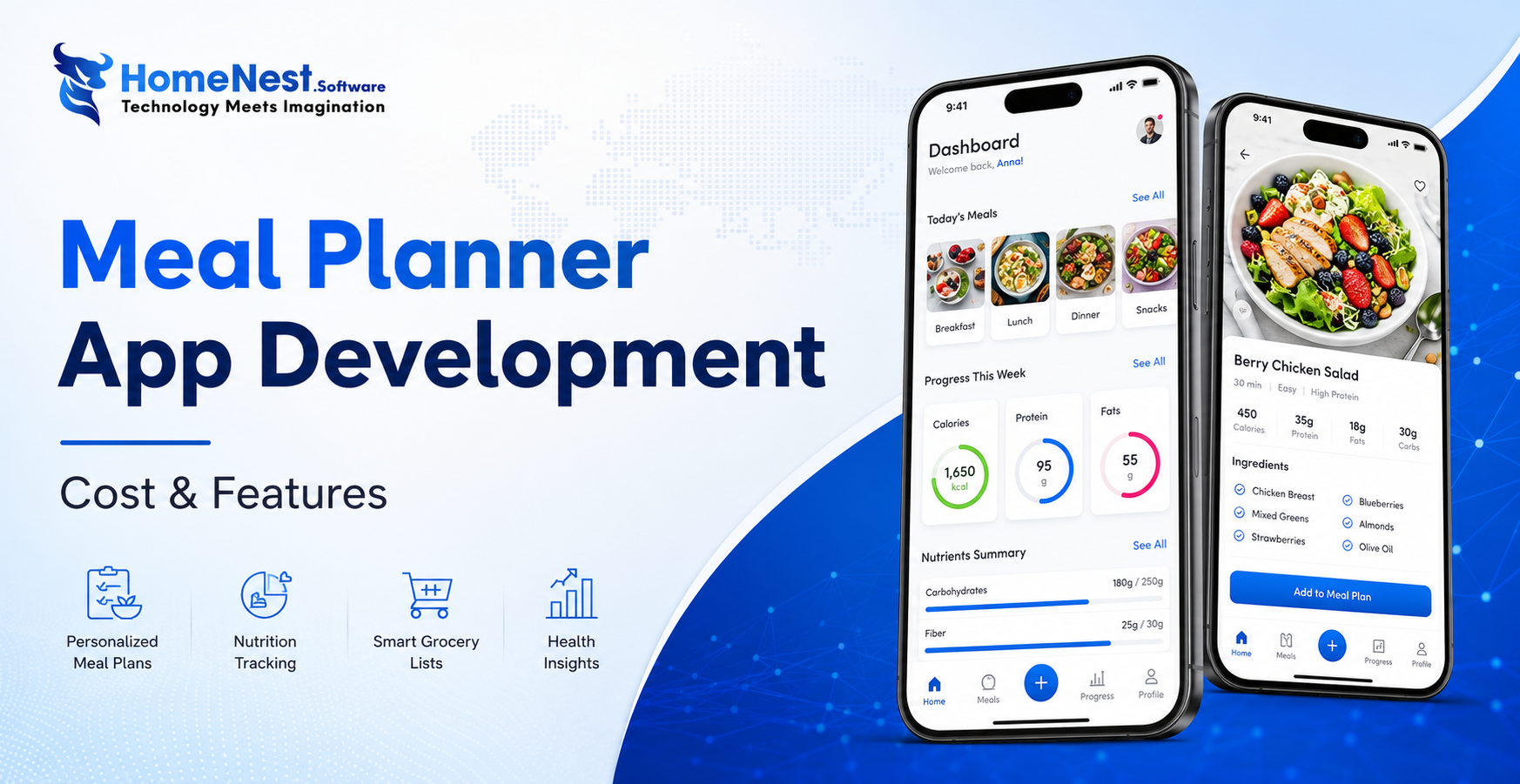
How to Build a Meal Planning App: A Complete Step-by-Step Guide
Building a successful meal planning app goes beyond creating an attractive interface it requires a clear business strategy, personalized user experiences, and scalable technology. By combining essential features like AI-powered meal recommendations, nutrition tracking, grocery list automation, and wearable integration, businesses can deliver lasting value to users while capitalizing on the growing digital health market. Partnering with an experienced mobile app development company ensures your solution is secure, future-ready, and designed to succeed in an increasingly competitive health-tech industry.
How Much Does It Cost to Build a Shopping App Like Temu?
Temu’s meteoric rise to over 900 million global downloads proves the power of combining AI, gamification, and social commerce, but building a similar viral shopping platform requires careful financial and technical planning. Developing an app like Temu typically costs anywhere from $40,000 for a basic Minimum Viable Product (MVP) to over $300,000 for a fully-featured platform. This guide breaks down every cost category, analyzes the core features driving Temu’s success, highlights the best technology stacks, and offers practical strategies to optimize your development budget without compromising on quality.

Criteria For Choosing The Right App Design Agency
UI/UX design is the logical foundation of a system, not merely a visual element. Choosing the wrong partner will directly lead to technical debt, budget overruns, and disruptions in the development process. This article provides a 6-step evaluation framework and a list of operational risks, helping businesses eliminate subjective design advice and accurately assess agency capabilities based on developer handoff standards and practical business performance.
How Does AI in Banking Industry Impact the Future?
Artificial intelligence (AI) has transitioned from a supplementary tool to a core infrastructure of financial data management, optimizing profitability through real-time fraud detection, natural language processing (NLP), and high-speed credit scoring models. “Deploying AI in the financial sector requires more than just algorithmic accuracy, it demands a highly secure cloud architecture and rigorous data governance,” commented Nguyen Tien, co-founder of HomeNest Software. Why read this guide? We skip the theoretical jargon to focus entirely on technical implementation. Whether you’re evaluating a vendor or planning a system overhaul, this article will detail: Operational Efficiency: Automating unstructured data workflows at scale. Risk Architecture: Implementing real-time threat detection and AML compliance. Data ownership: The essential need for 100% ownership of the source code to ensure full algorithm auditability.
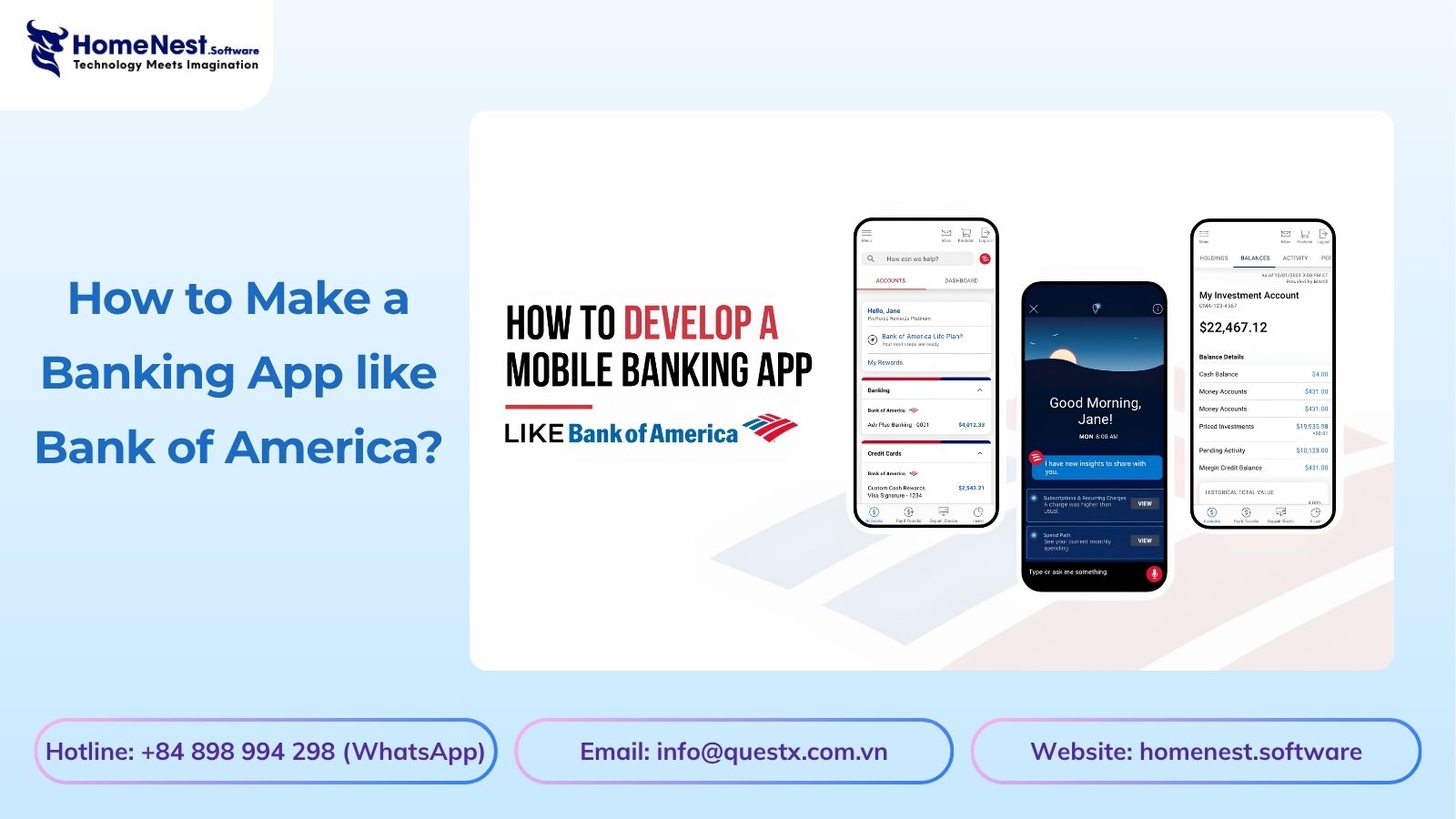
How to Make a Banking App like Bank of America?
Developing a mobile banking application like Bank of America extends far beyond basic UI design; it requires engineering a fault-tolerant backend capable of real-time ledger synchronization, biometric authentication, and high-volume data processing under strict regulatory frameworks. Drawing from HomeNest Software’s deep experience in architecting enterprise-grade fintech solutions, this guide strips away theoretical jargon to focus entirely on operational and technical execution. What you will find in this guide: We break down the precise development roadmap, from mapping out microservices and ensuring PCI-DSS compliance to estimating MVP development costs and securing absolute data sovereignty through 100% source code ownership. If you are preparing to build, scale, or audit a financial platform, this blueprint provides the exact framework you need.
Banking App Development Cost
Building a banking application is rarely a simple process; it’s a complex technical challenge requiring a balance between complying with stringent financial regulations, handling large transaction volumes, and a scalable cloud architecture. Miscalculating these technical requirements from the outset often leads to significant technical debt and budget overruns. Based on HomeNest Software’s practical experience in designing enterprise-grade fintech solutions, this guide bypasses generic estimates to provide a realistic analysis of banking application development costs. What you’ll find in this guide: We analyze the true cost factors, from technology selection and API integration to the hidden costs of regulatory compliance and security infrastructure. Whether you’re launching a minimum viable product or expanding an existing financial platform, this analysis provides the precise operational data you need to plan your budget effectively.