
How Much Does It Cost to Build a Fitness App Like Garmin Connect?
Scope of Work
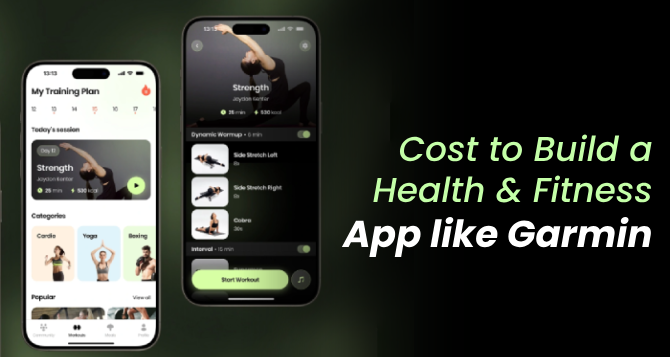
Staying fit is an ongoing process, yet it is essential for keeping the body healthy and preventing long-term illnesses. However, busy lifestyles, irregular routines, and unhealthy eating habits often lead to weight gain and fitness-related health issues. As a result, many people struggle to maintain a balanced and active lifestyle.
A smarter and more effective way to address this challenge is through fitness applications, which help users track, manage, and improve their overall health in a structured manner. Fitness apps like Garmin Connect offer an interactive and reliable approach to weight management and fitness monitoring. With a user-friendly interface and well-designed features, these apps guide users to personalize workouts, track progress, and achieve their health goals efficiently.
Given the growing demand for digital health solutions, there is significant potential to build a fitness app similar to Garmin Connect. However, one of the most important questions for businesses is the level of investment required to develop such an application. In this blog, we will closely analyze the cost of developing an app like Garmin Connect, aligning the estimates with different business objectives and feature requirements.
What Is the Garmin Connect App?
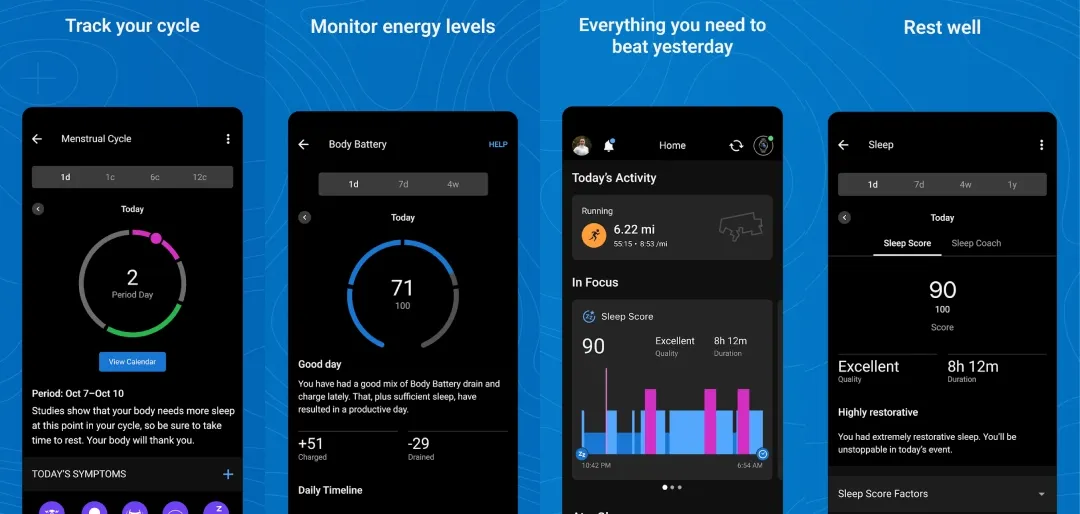
Garmin Connect is a comprehensive fitness and health tracking application designed to work seamlessly with wearable devices and smart products from Garmin. The app enables users to monitor daily activities, record workouts, analyze performance data, and set personalized fitness goals—all in one centralized platform.
It provides detailed insights across multiple sports and activities, including running, cycling, and swimming, while also tracking key health metrics such as heart rate, sleep patterns, stress levels, and overall wellness in real time. These features help users gain a deeper understanding of their physical condition and progress over time.
In addition to individual tracking, Garmin Connect includes strong social and community features. Users can join challenges, compete with friends, and share achievements to stay motivated. The app also supports integration with popular third-party platforms such as MyFitnessPal and Strava, making it a powerful and connected fitness ecosystem for athletes and fitness enthusiasts alike.
Essential Features to Include in a Garmin Connect–Like App
Building a fitness app similar to Garmin Connect requires a considerable investment, but the value lies in its advanced and data-driven features. These capabilities go beyond basic fitness tracking—they help users improve performance, monitor health intelligently, and achieve measurable results.
Below are the essential features you should include to make a Garmin Connect–like fitness app worth the investment.
1. Health Monitoring
Health monitoring is a core feature that allows users to track vital metrics such as heart rate, blood oxygen (SpO₂), sleep patterns, and stress levels. Real-time health insights and alerts notify users of abnormal readings, enabling early awareness and proactive health management.
2. Customized Workout Plans
Personalized workout plans significantly enhance user engagement. Using historical activity data, fitness goals, and AI-driven analysis, the app can generate tailored training programs. Smart coaching features help schedule workouts, adjust intensity, and guide users toward better performance outcomes.
3. Sleep Analysis
Advanced sleep tracking analyzes deep sleep, light sleep, and REM cycles to help users understand and improve sleep quality. By incorporating heart rate variability (HRV) data, the app can also assess stress recovery and overall wellness.
4. Third-Party App Integration
Seamless integration with third-party platforms such as Google Fit, MyFitnessPal, and Strava allows users to sync health, nutrition, and activity data across multiple ecosystems. This connectivity provides a more complete view of user fitness and lifestyle data.
5. Performance Analytics
Performance analytics transform raw data into actionable insights. Metrics such as VO₂ Max, endurance levels, recovery time, and training load help users understand cardiovascular fitness and optimize workout routines for long-term progress.
6. GPS Mapping & Route Tracking
GPS-based route tracking enables users to record running, cycling, and hiking activities with real-time navigation. Saved routes can be analyzed later to evaluate performance, elevation changes, and readiness for future training sessions.
7. Activity Tracking Management
Daily activity tracking measures steps taken, distance covered, calories burned, and active minutes. Similar to apps like Sworkit, users can set fitness goals, monitor consistency, and track progress over time—all from a single dashboard.
How Much Does It Cost to Build a Garmin Connect–Like App?
The cost of developing a fitness app similar to Garmin Connect depends on multiple factors, including app complexity, target platforms (iOS, Android, or both), feature set, technology stack, UI/UX customization, and overall business budget.
As functionality and technical depth increase, so do development time and costs. Below is a simplified breakdown of the estimated Garmin Connect–like app development cost based on app complexity and core components.
Estimated Development Cost by App Complexity
| App Complexity | Average Cost | Time Duration | Key Features |
|---|---|---|---|
| Simple | $5,000 – $8,000 | 4–5 weeks | Basic navigation Limited functionality Simple UI/UX |
| Moderate | $10,000 – $15,000 | 5–8 weeks | Expanded features Social & community integration Enhanced UI/UX |
| Complex | $15,000+ | 8–12 weeks | Advanced security protocols Real-time data updates Highly polished UI/UX |
In practice, a fully featured Garmin Connect–like app often falls into the moderate to complex category due to real-time data processing, wearable integration, analytics, and performance tracking requirements. Final costs may vary depending on customization needs, scalability plans, and long-term maintenance considerations.
Factors Affecting the Cost of Fitness App Development
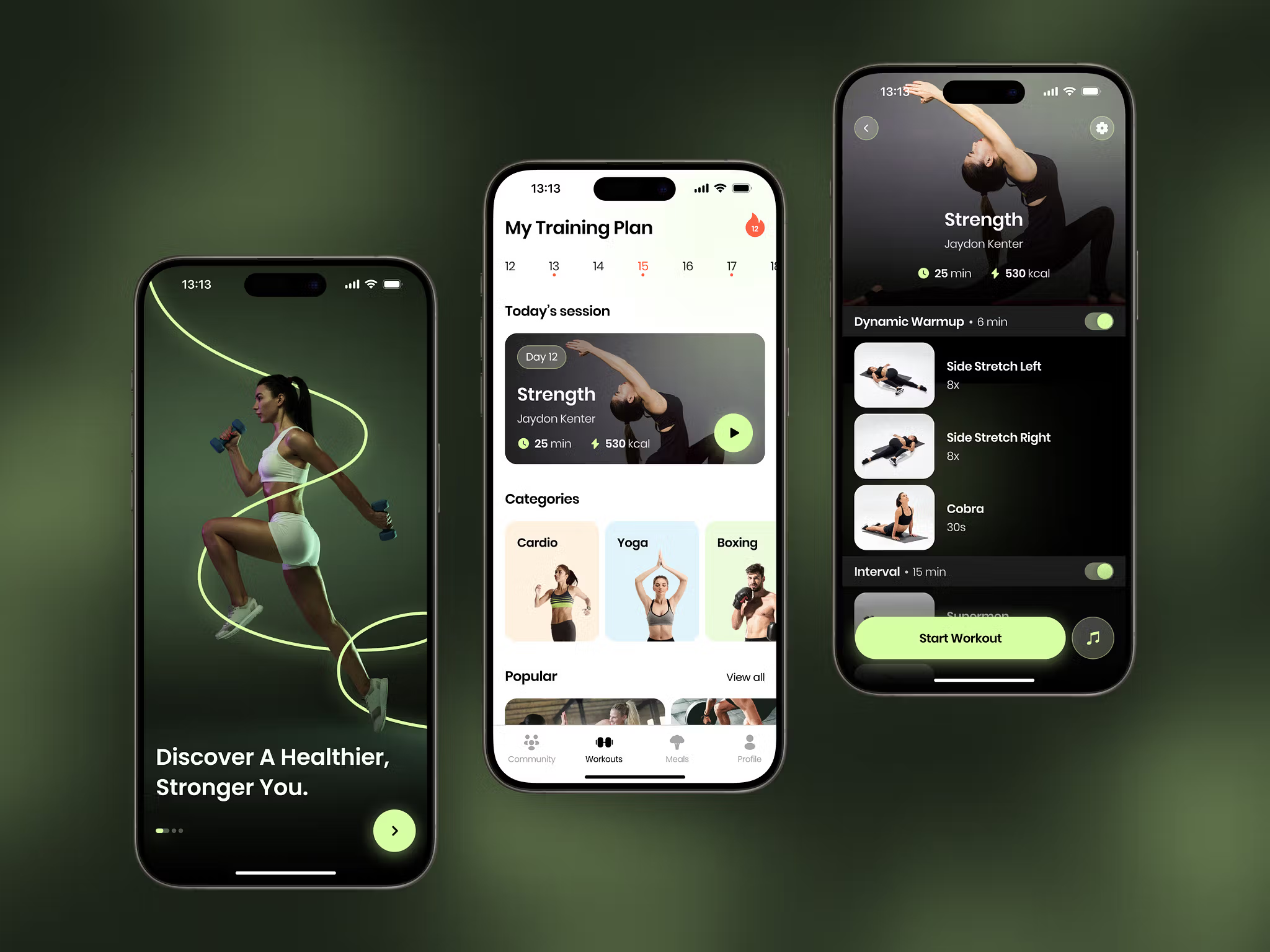
The cost of developing a fitness app similar to Garmin Connect can vary significantly depending on the app’s scope and technical requirements. While overall pricing depends on the specific product vision, several core elements consistently influence development costs. Below are the key factors that directly impact the cost of building a Garmin-like fitness app.
1. Features & Functionalities
The feature set plays a major role in determining development costs. Apps with basic functionality—such as activity tracking and simple dashboards—are more cost-effective. In contrast, advanced features like AI-powered recommendations, real-time analytics, and social sharing significantly increase development time and budget.
As functionality grows, so does the need for complex logic, testing, and scalability—ultimately raising the overall project cost.
2. Platform Selection
Choosing the right platform is another major cost determinant. Developing a fitness app for a single platform (either iOS or Android) typically costs less than building for both. However, businesses aiming for wider reach—similar to apps like Strava—often opt for multi-platform or cross-platform development.
Cross-platform frameworks can reduce development effort by sharing code across platforms, though certain advanced features may still require native development.
3. UI/UX Design Complexity
UI/UX design strongly affects both user engagement and development cost. A clean interface with standard components and minimal animations keeps costs manageable. However, custom layouts, branded visuals, micro-interactions, and advanced animations significantly increase design and front-end development effort.
A polished, intuitive UI not only strengthens brand identity but also encourages repeated app usage—making it a worthwhile investment despite higher upfront costs.
4. Technology Stack Selection
The choice of technology stack is one of the most critical cost-driving factors. Advanced, scalable, and secure architectures require skilled developers and longer implementation timelines. Below is a typical tech stack used in a Garmin Connect–like app:
| Layer | Technology Stack | Purpose |
|---|---|---|
| Mobile Frontend | Swift, Kotlin | Native app scalability |
| Web Frontend | React.js, Angular | Admin & analytics dashboards |
| Backend API | Python, Ruby on Rails | User & data management |
| Database | MySQL, MongoDB | Activity & health data storage |
| Cloud & Hosting | AWS, Microsoft Azure | Scalable infrastructure |
| Authentication | Firebase Auth, JWT | Secure login |
| Real-Time Sync | WebSockets, Firebase Realtime DB | Live activity tracking |
| Data Integration | Garmin APIs, Google Fit APIs | Wearable connectivity |
| Push Notifications | Apple Push, Google Cloud Messaging | Alerts & reminders |
| Payments | Stripe, PayPal | Subscriptions & payments |
| Analytics | Custom dashboards, Mixpanel | User behavior insights |
| DevOps | Kubernetes, GitHub Actions | Automated deployments |
| Security | SSL/TLS, GDPR compliance | Data privacy & protection |
5. Advanced Feature Integration
Modern users expect intelligent, personalized experiences—similar to solutions offered by apps like Noom. Features such as AI-based coaching, adaptive workout plans, smartwatch synchronization, and health insights require complex algorithms and device integrations.
These advanced capabilities increase development workload and require specialized expertise, directly impacting overall costs.
6. Third-Party & System Integrations
A fitness app rarely operates in isolation. Integration with GPS services, wearable devices, payment gateways, and external health platforms is essential for delivering a seamless user experience. The more third-party systems your app integrates with, the higher the development and maintenance costs.
Apps that support extensive integrations must be carefully architected to ensure performance, security, and long-term scalability.
In summary, the cost of developing a Garmin-like fitness app is shaped by feature depth, platform strategy, design quality, technology choices, and integration requirements. Understanding these factors helps businesses plan budgets effectively and build scalable, future-ready fitness applications.
Factors Affecting the Cost of Fitness App Development

The cost of developing a fitness app similar to Garmin Connect can vary significantly depending on the app’s scope and technical requirements. While overall pricing depends on the specific product vision, several core elements consistently influence development costs. Below are the key factors that directly impact the cost of building a Garmin-like fitness app.
1. Features & Functionalities
The feature set plays a major role in determining development costs. Apps with basic functionality—such as activity tracking and simple dashboards—are more cost-effective. In contrast, advanced features like AI-powered recommendations, real-time analytics, and social sharing significantly increase development time and budget.
As functionality grows, so does the need for complex logic, testing, and scalability—ultimately raising the overall project cost.
2. Platform Selection
Choosing the right platform is another major cost determinant. Developing a fitness app for a single platform (either iOS or Android) typically costs less than building for both. However, businesses aiming for wider reach—similar to apps like Strava—often opt for multi-platform or cross-platform development.
Cross-platform frameworks can reduce development effort by sharing code across platforms, though certain advanced features may still require native development.
3. UI/UX Design Complexity
UI/UX design strongly affects both user engagement and development cost. A clean interface with standard components and minimal animations keeps costs manageable. However, custom layouts, branded visuals, micro-interactions, and advanced animations significantly increase design and front-end development effort.
A polished, intuitive UI not only strengthens brand identity but also encourages repeated app usage—making it a worthwhile investment despite higher upfront costs.
4. Technology Stack Selection
The choice of technology stack is one of the most critical cost-driving factors. Advanced, scalable, and secure architectures require skilled developers and longer implementation timelines. Below is a typical tech stack used in a Garmin Connect–like app:
| Layer | Technology Stack | Purpose |
|---|---|---|
| Mobile Frontend | Swift, Kotlin | Native app scalability |
| Web Frontend | React.js, Angular | Admin & analytics dashboards |
| Backend API | Python, Ruby on Rails | User & data management |
| Database | MySQL, MongoDB | Activity & health data storage |
| Cloud & Hosting | AWS, Microsoft Azure | Scalable infrastructure |
| Authentication | Firebase Auth, JWT | Secure login |
| Real-Time Sync | WebSockets, Firebase Realtime DB | Live activity tracking |
| Data Integration | Garmin APIs, Google Fit APIs | Wearable connectivity |
| Push Notifications | Apple Push, Google Cloud Messaging | Alerts & reminders |
| Payments | Stripe, PayPal | Subscriptions & payments |
| Analytics | Custom dashboards, Mixpanel | User behavior insights |
| DevOps | Kubernetes, GitHub Actions | Automated deployments |
| Security | SSL/TLS, GDPR compliance | Data privacy & protection |
5. Advanced Feature Integration
Modern users expect intelligent, personalized experiences—similar to solutions offered by apps like Noom. Features such as AI-based coaching, adaptive workout plans, smartwatch synchronization, and health insights require complex algorithms and device integrations.
These advanced capabilities increase development workload and require specialized expertise, directly impacting overall costs.
6. Third-Party & System Integrations
A fitness app rarely operates in isolation. Integration with GPS services, wearable devices, payment gateways, and external health platforms is essential for delivering a seamless user experience. The more third-party systems your app integrates with, the higher the development and maintenance costs.
Apps that support extensive integrations must be carefully architected to ensure performance, security, and long-term scalability.
In summary, the cost of developing a Garmin-like fitness app is shaped by feature depth, platform strategy, design quality, technology choices, and integration requirements. Understanding these factors helps businesses plan budgets effectively and build scalable, future-ready fitness applications.
Top Garmin Connect Alternatives
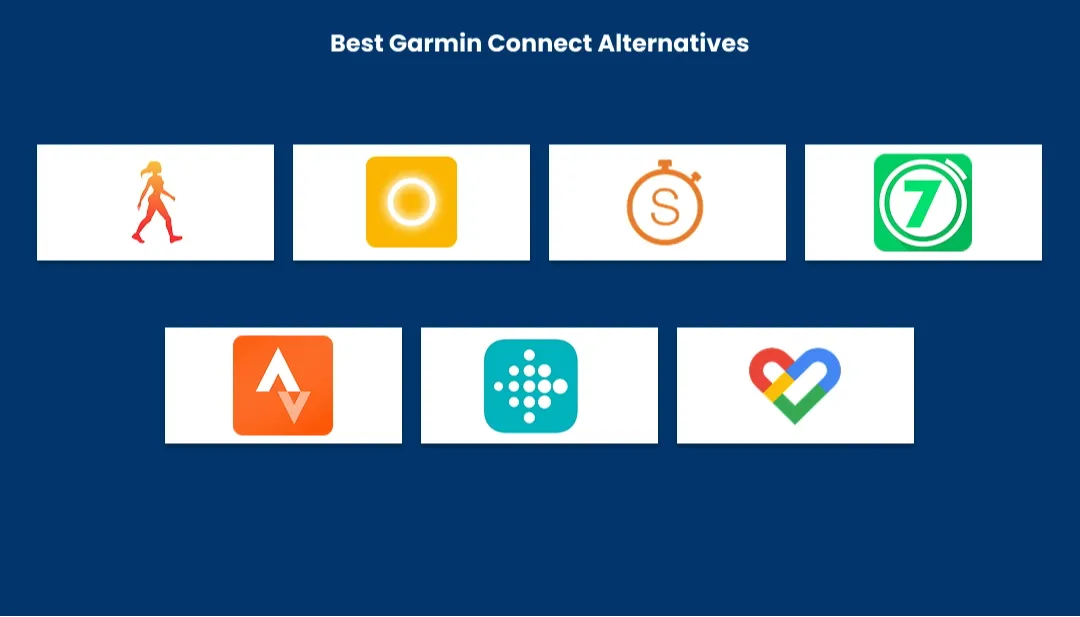
While Garmin Connect is a powerful fitness and health tracking platform, it is not the only option available. Several fitness apps offer comparable—and in some cases more specialized—features tailored to different user needs.
If you’re exploring the best fitness apps like Garmin Connect for athletes and fitness enthusiasts, here are some of the top alternatives worth considering.
Best Alternatives to Garmin Connect
| App Name | Supported Platforms | Downloads | Rating |
|---|---|---|---|
| WalkFit | Android, iOS | 10M+ | 4.0 |
| Lumi | Android, iOS | 1M+ | 3.9 |
| Sworkit | Android, iOS | 5M+ | 4.0 |
| 7 Minute Workout | Android, iOS | 10M+ | 4.8 |
| Strava | Android, iOS | 50M+ | 4.6 |
| Fitbit | Android, iOS | 100M+ | 4.3 |
| Google Fit | Android, iOS | 100M+ | 4.1 |
Each of these apps serves a different segment of the fitness market—from quick daily workouts and step tracking to advanced performance analytics and social fitness challenges. Choosing the right alternative depends on your goals, whether it’s weight loss, endurance training, activity tracking, or community engagement.
Monetization Strategies for Fitness Apps Like Garmin Connect
Fitness apps similar to Garmin Connect can generate revenue through multiple monetization models, with subscriptions and advertising being among the most effective. To balance user experience and profitability, businesses can implement the following revenue strategies:
Subscription-Based Membership Plans
Subscription plans allow users to access premium services such as AI-powered coaching, advanced performance analytics, and personalized workout programs. Monthly or annual membership models help create predictable recurring revenue while increasing long-term user retention. Well-structured premium tiers encourage users to upgrade as their fitness needs grow.
Advertising & Sponsored Content
In-app advertising provides a steady revenue stream through partnerships with sports equipment brands, fitness trainers, and wellness centers. Strategically placed display ads, sponsored posts, or short video ads can generate income without disrupting the user experience—provided they are relevant and non-intrusive.
Branded Merchandise & E-commerce
Selling branded fitness merchandise—such as training gear, smart accessories, wearables, and athletic apparel—can boost both revenue and brand visibility. Integrating e-commerce functionality directly into the app allows users to purchase fitness bands, smartwatches, and premium gear seamlessly within the platform.
Premium Features & In-App Purchases
Advanced features can be locked behind paywalls to attract high-value users. These may include live coaching sessions, personalized training plans, offline maps, voice-guided workouts, or detailed health and performance reports. This freemium-to-premium approach enables users to experience core value before committing financially.
Data Monetization (Ethical & Compliant)
Aggregated and anonymized fitness and activity data can be valuable for research institutions, healthcare organizations, and insurance providers. When handled responsibly and in compliance with data protection regulations, insights into user behavior and activity trends can open additional revenue channels.
Final Thoughts
In this blog, we explored the cost of building a fitness app like Garmin Connect, covering essential features, development costs, influencing factors, technology stacks, top alternatives, and effective monetization strategies.
As a trusted healthcare and fitness app development partner, HomeNest Software provides end-to-end guidance to help businesses build scalable, secure, and high-performing fitness applications aligned with their goals. Whether you’re planning a fitness startup or expanding an existing digital health solution, HomeNest Software is ready to support your web and mobile app development needs with high-quality delivery and cost-effective solutions.
HomeNest Software – Empowering Long-Term Growth for Modern Businesses.

Contact Information:
- Address: The Sun Avenue, 28 Mai Chi Tho Street, Binh Trung Ward, Ho Chi Minh City
- Hotline: +84 898 994 298 ( WhatsApp )
- Website: homenest.software
HomeNest Services: Website Design – App Design – Software Development.
Frequently Asked Questions (FAQ)
1. How much does it cost to build a fitness app like Garmin Connect?
The cost to build a fitness app similar to Garmin Connect typically ranges from $5,000 to $15,000+, depending on app complexity, feature set, platforms (iOS/Android), UI/UX design, and third-party integrations. Advanced features such as GPS tracking, wearable integration, and real-time analytics can significantly increase the budget.
2. How long does it take to develop a Garmin Connect–like app?
Development time usually ranges from 4 to 12 weeks. A basic fitness app can be built faster, while a complex app with real-time data sync, advanced analytics, and scalable architecture requires a longer development timeline.
3. What core features are essential in a Garmin Connect–style fitness app?
Key features include activity tracking, health monitoring (heart rate, sleep, stress), GPS route tracking, performance analytics, personalized workout plans, third-party integrations, and social or community features.
4. Can a Garmin Connect–like app support both iOS and Android?
Yes. You can develop native apps for both platforms or choose cross-platform development to reduce costs and time-to-market. However, certain features—such as deep wearable integration—may still require native development for optimal performance.
5. How do fitness apps like Garmin Connect make money?
Common monetization methods include subscription-based memberships, premium features, in-app purchases, advertising, branded merchandise sales, and ethically compliant data insights for research and analytics purposes.
6. Is wearable device integration mandatory for a fitness app?
While not mandatory, wearable integration greatly enhances user experience and app value. Connecting smartwatches, fitness bands, and health sensors enables real-time tracking and advanced health insights, which are highly attractive to users.
7. Is data privacy a concern when building a fitness app?
Absolutely. Fitness apps handle sensitive health data, so compliance with regulations such as GDPR and strong security measures (encryption, secure authentication) are essential to protect user information and build trust.
8. Can startups build a Garmin Connect–like app with a limited budget?
Yes. Startups can begin with an MVP (Minimum Viable Product) that includes essential features, then gradually scale by adding advanced functionalities based on user feedback and business growth.
Latest Articles
View All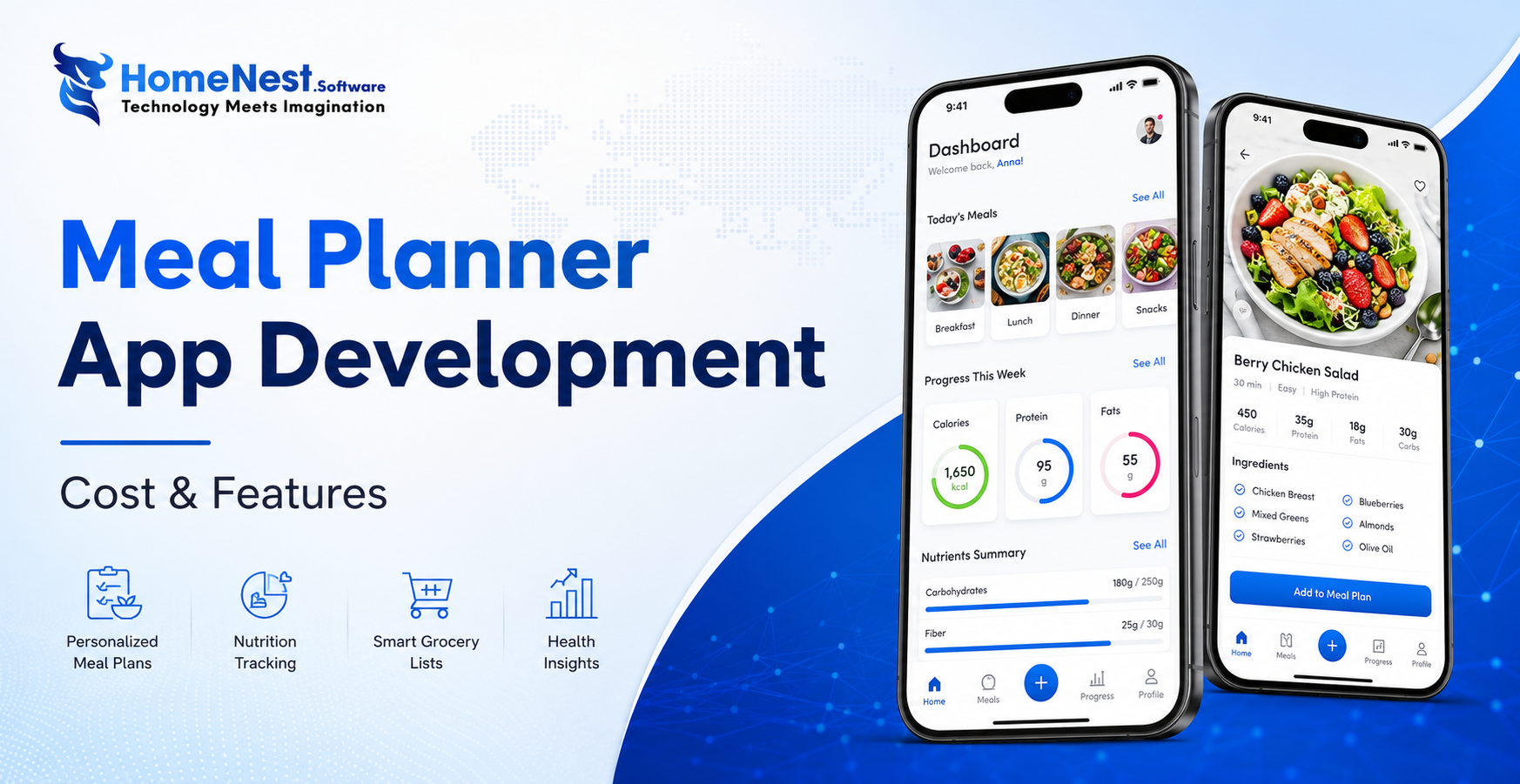
How to Build a Meal Planning App: A Complete Step-by-Step Guide
Building a successful meal planning app goes beyond creating an attractive interface it requires a clear business strategy, personalized user experiences, and scalable technology. By combining essential features like AI-powered meal recommendations, nutrition tracking, grocery list automation, and wearable integration, businesses can deliver lasting value to users while capitalizing on the growing digital health market. Partnering with an experienced mobile app development company ensures your solution is secure, future-ready, and designed to succeed in an increasingly competitive health-tech industry.
How Much Does It Cost to Build a Shopping App Like Temu?
Temu’s meteoric rise to over 900 million global downloads proves the power of combining AI, gamification, and social commerce, but building a similar viral shopping platform requires careful financial and technical planning. Developing an app like Temu typically costs anywhere from $40,000 for a basic Minimum Viable Product (MVP) to over $300,000 for a fully-featured platform. This guide breaks down every cost category, analyzes the core features driving Temu’s success, highlights the best technology stacks, and offers practical strategies to optimize your development budget without compromising on quality.

Criteria For Choosing The Right App Design Agency
UI/UX design is the logical foundation of a system, not merely a visual element. Choosing the wrong partner will directly lead to technical debt, budget overruns, and disruptions in the development process. This article provides a 6-step evaluation framework and a list of operational risks, helping businesses eliminate subjective design advice and accurately assess agency capabilities based on developer handoff standards and practical business performance.

How Does AI in Banking Industry Impact the Future?
Artificial intelligence (AI) has transitioned from a supplementary tool to a core infrastructure of financial data management, optimizing profitability through real-time fraud detection, natural language processing (NLP), and high-speed credit scoring models. “Deploying AI in the financial sector requires more than just algorithmic accuracy, it demands a highly secure cloud architecture and rigorous data governance,” commented Nguyen Tien, co-founder of HomeNest Software. Why read this guide? We skip the theoretical jargon to focus entirely on technical implementation. Whether you’re evaluating a vendor or planning a system overhaul, this article will detail: Operational Efficiency: Automating unstructured data workflows at scale. Risk Architecture: Implementing real-time threat detection and AML compliance. Data ownership: The essential need for 100% ownership of the source code to ensure full algorithm auditability.
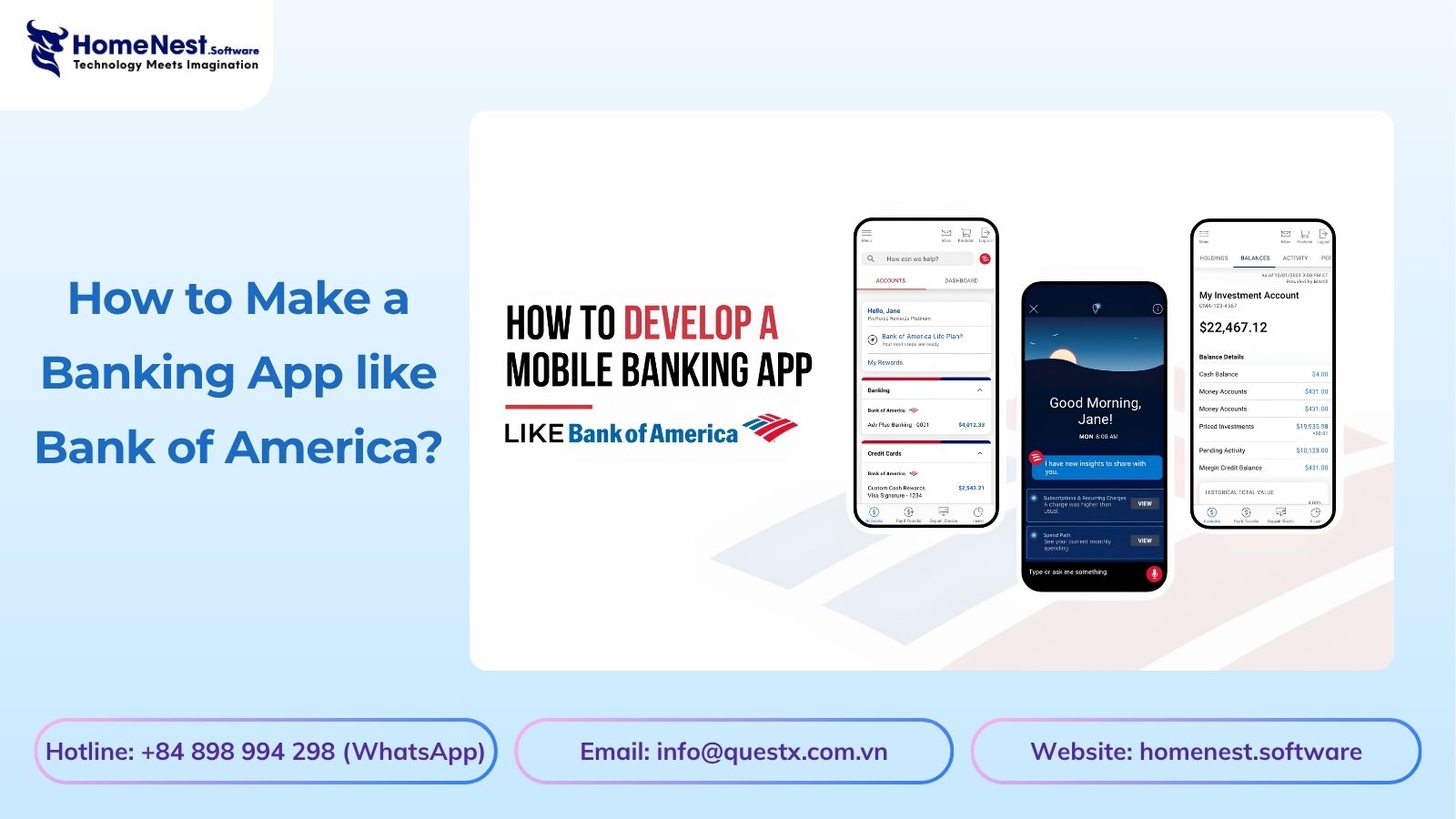
How to Make a Banking App like Bank of America?
Developing a mobile banking application like Bank of America extends far beyond basic UI design; it requires engineering a fault-tolerant backend capable of real-time ledger synchronization, biometric authentication, and high-volume data processing under strict regulatory frameworks. Drawing from HomeNest Software’s deep experience in architecting enterprise-grade fintech solutions, this guide strips away theoretical jargon to focus entirely on operational and technical execution. What you will find in this guide: We break down the precise development roadmap, from mapping out microservices and ensuring PCI-DSS compliance to estimating MVP development costs and securing absolute data sovereignty through 100% source code ownership. If you are preparing to build, scale, or audit a financial platform, this blueprint provides the exact framework you need.
Banking App Development Cost
Building a banking application is rarely a simple process; it’s a complex technical challenge requiring a balance between complying with stringent financial regulations, handling large transaction volumes, and a scalable cloud architecture. Miscalculating these technical requirements from the outset often leads to significant technical debt and budget overruns. Based on HomeNest Software’s practical experience in designing enterprise-grade fintech solutions, this guide bypasses generic estimates to provide a realistic analysis of banking application development costs. What you’ll find in this guide: We analyze the true cost factors, from technology selection and API integration to the hidden costs of regulatory compliance and security infrastructure. Whether you’re launching a minimum viable product or expanding an existing financial platform, this analysis provides the precise operational data you need to plan your budget effectively.