
IT Outsourcing Costs: How to Manage Them Effectively
Managing your IT outsourcing budget effectively is essential to maximize project value and avoid unexpected expenses. Explore the key types of IT outsourcing fees, discover common hidden costs, and learn the best strategies to optimize your expenses while maintaining high quality delivery.
Scope of Work
As more enterprises adopt IT outsourcing to access specialized expertise and enhance operational flexibility, many organizations still face difficulties in controlling costs while maintaining service quality. This challenge often arises from limited experience in managing outsourcing relationships and understanding the full scope of associated expenses.
If your business is encountering similar challenges with IT outsourcing costs, this article provides a comprehensive guide to help you navigate them effectively. We explore the key components of outsourcing costs, including hidden expenses, critical factors that influence pricing, and practical strategies to optimize your outsourcing budget.
More importantly, you will learn how to align budget planning, service quality, and operational performance when working with an external IT partner. By the end of this guide, your organization will be better equipped to maximize the value of IT outsourcing while maintaining cost predictability and ensuring high quality delivery.
Overview of IT Outsourcing Costs

Understanding the fundamentals of IT outsourcing costs is essential for businesses planning to work with external development teams. When organizations evaluate why they outsource technology projects, they often discover that outsourcing can provide access to specialized expertise, accelerate development timelines, and improve operational efficiency.
IT outsourcing costs refer to the total financial investment required when a company hires external providers to deliver specific IT services, projects, or ongoing support instead of relying solely on internal teams. These costs extend beyond basic service fees and can include several components that influence the overall outsourcing budget.
For example, direct costs typically involve vendor service fees, development rates, or project based contracts. However, businesses should also consider indirect or hidden expenses such as project management time, collaboration tools, integration efforts, communication overhead, and potential delays during project execution.
While outsourcing is often adopted to reduce operational expenses, gain access to specialized skills, and increase scalability, organizations must evaluate the complete cost structure to make informed decisions. A clear understanding of these expenses enables companies to build realistic budgets, select the right outsourcing partners, and design contract structures that maximize value while minimizing financial risks.
6 Main Types of IT Outsourcing Fees
When planning an outsourcing strategy, businesses should understand that IT outsourcing costs consist of several components beyond the basic development rate. Below are six common types of fees organizations typically encounter when working with external IT partners.
1. Direct Service Fees
This is the primary cost of outsourcing and covers the vendor’s labor, technical expertise, and resources dedicated to your project. Rates vary significantly by region and skill level. For example, offshore development teams may charge around $20–$50 per hour, while providers in high cost markets can charge $75–$150+ per hour or more.
2. Infrastructure and Tool Licensing Costs
Some outsourcing projects require additional investments in software platforms, development tools, cloud infrastructure, or hardware environments. Depending on the project scope, these setup and licensing costs can reach $10,000 or more for mid sized implementations.
3. Onboarding and Knowledge Transfer Costs
Before the outsourcing team becomes fully productive, organizations typically invest time in onboarding, training sessions, documentation sharing, and knowledge transfer from internal teams. Although these costs may not always appear as direct invoices, they often consume significant internal resources during the transition phase.
4. Change Requests and Scope Expansion
Project requirements frequently evolve during development. Additional features, revisions, or extended project scope can lead to change requests that increase the total project cost. In some cases, a project initially budgeted at $20,000 may grow to $100,000 or more if scope changes are not carefully managed.
5. Governance, Management, and Communication Overhead
Effective outsourcing requires ongoing coordination between internal stakeholders and external teams. This includes project oversight, vendor management, regular review meetings, communication tools, and sometimes travel. These operational overhead costs can add 5–15% or more to the total outsourcing budget.
6. Exit or Transition Costs
If a company decides to switch vendors or bring outsourced services back in house, additional costs may arise. These can include data migration, documentation handover, system stabilization, and potential downtime. For large enterprises, such transition costs can be substantial if not planned in advance.
Read more: IT Outsourcing Costs: What Businesses Should Expect
Common Hidden IT Outsourcing Costs
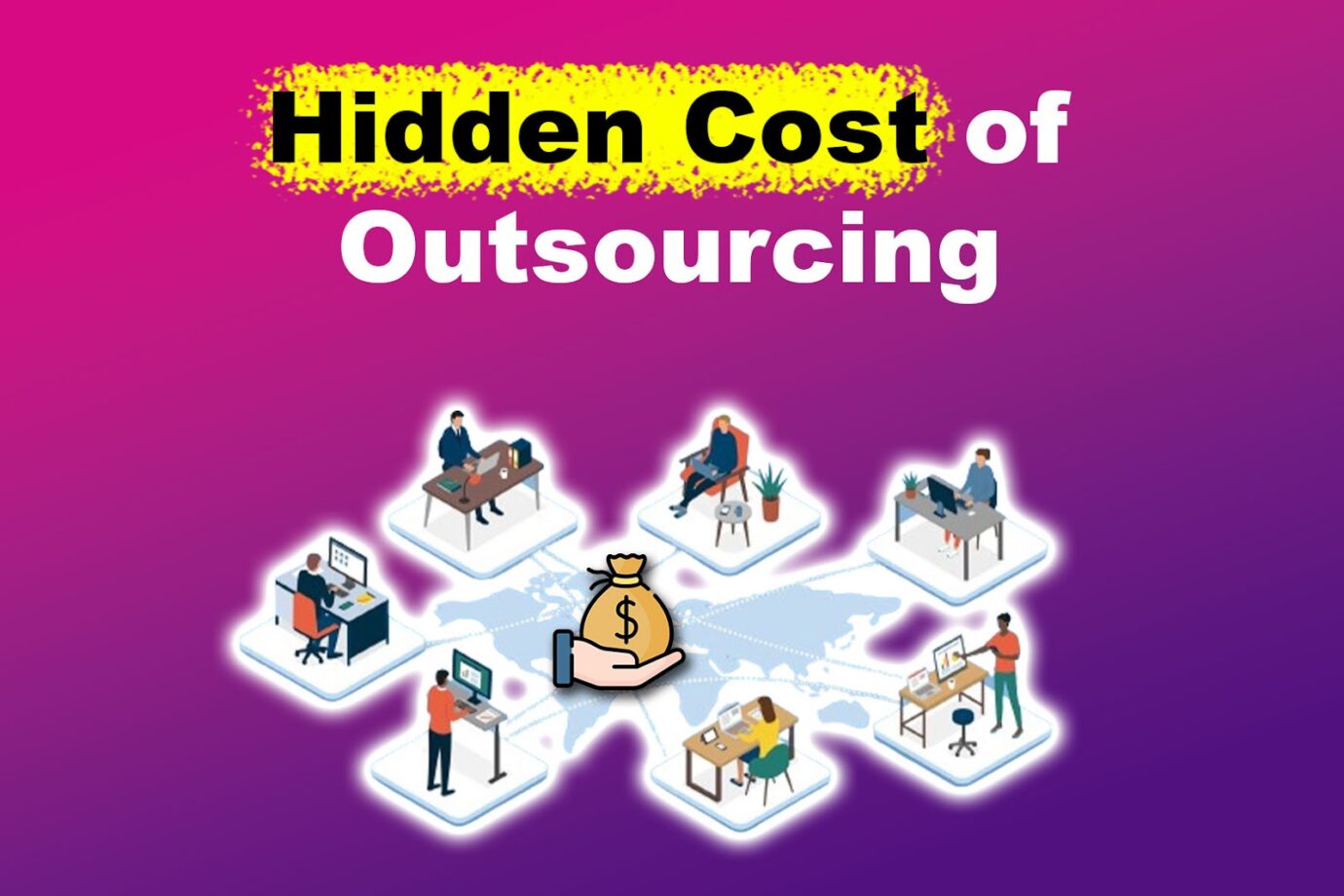
While the initial pricing of an IT outsourcing project may appear straightforward, many organizations underestimate hidden expenses that can gradually increase the total budget. Failing to anticipate these costs often leads to financial surprises during project execution. Identifying and planning for potential hidden costs early in the outsourcing process is essential to maintain cost control and ensure smooth project delivery.
Refactoring and Post Development Improvements
During the later stages of a project, businesses may need to improve or optimize the delivered product. Refactoring involves revisiting the codebase, system architecture, design structure, or user interface to enhance performance, maintainability, or scalability. Although these improvements are beneficial, they can introduce additional costs if they were not included in the original project scope.
Team Scaling and Role Adjustments
As the project progresses, companies may realize that the current team size is insufficient or that certain roles require different expertise. Replacing or adding specialists mid project can lead to onboarding time, workflow disruptions, and increased development costs. Proper resource planning can help minimize these unexpected expenses.
Regional Taxes and Commission Fees
In some outsourcing arrangements, service providers may not initially include regional taxes, administrative charges, or intermediary commissions in the quoted price. These costs may appear later in invoices or contractual terms, increasing the overall outsourcing expenditure.
Third Party Tools and Software Subscriptions
Many software projects rely on external platforms, APIs, or specialized tools to support development and integration. Licensing fees or recurring subscription costs for these third party services can accumulate over time, particularly when enterprise level tools are required.
Software Licensing Fees
Certain projects require specific development frameworks, operating systems, or proprietary technologies that come with licensing costs. Ensuring these fees are clearly defined in the outsourcing contract helps prevent unexpected charges and ensures transparency between your organization and the outsourcing provider.
Main Pricing Models of IT Outsourcing
Choosing the right pricing structure is a critical factor in successful IT outsourcing. A well defined pricing model ensures transparency, aligns with your budget, and provides the flexibility needed to manage project requirements effectively. Below are four of the most commonly used IT outsourcing pricing models.
1. Cost Plus Model
Under the cost plus model, the vendor charges the actual cost of delivering the service along with a predetermined profit margin. This approach offers a high level of transparency because all expenses are clearly documented and shared with the client.
With this model, clients often have greater involvement in the team selection process. Vendors typically propose candidates based on the client’s technical and project requirements, and businesses may participate in interviews to ensure the right expertise is assigned. This model is often used in outsourcing engagements that require close monitoring and collaboration.
2. Fixed Price Model
The fixed price model is based on an agreement where the vendor delivers the entire project within a predetermined budget and timeline. The price is calculated based on the estimated scope of work, development hours, and additional operational costs.
This model is best suited for projects with clearly defined requirements and stable specifications. It provides predictable costs and timelines, which makes budgeting easier. However, flexibility is limited, as any scope changes after the agreement may lead to additional costs.
3. Rate Card Model
The rate card model involves billing clients monthly based on predefined rates for each role within the outsourced team. Each position such as developer, QA engineer, or project manager has a fixed monthly rate.
This structure allows organizations to maintain cost transparency and predictable monthly expenses. It also enables companies to build a dedicated development team that works consistently on their projects, leading to stronger collaboration and alignment with long term business objectives.
4. Time and Materials (T&M) Model
The time and materials (T&M) model charges clients based on the actual time spent and resources used during the project. This model is widely adopted for software development projects where requirements evolve over time.
T&M offers maximum flexibility, allowing businesses to adjust project scope, features, and priorities without renegotiating the entire contract. Because of this adaptability, it is often preferred for complex, long term, or innovation driven IT projects.
Understanding these IT outsourcing pricing models helps businesses choose the most suitable structure based on their project scope, budget constraints, and flexibility requirements. Selecting the right model can significantly improve collaboration and ensure a more efficient partnership with your outsourcing provider.
Key Factors Influencing IT Outsourcing Costs
IT outsourcing costs are shaped by a range of strategic, technical, and operational factors. Understanding these variables helps businesses estimate budgets more accurately and choose the most suitable outsourcing strategy. Below are the key factors that commonly influence outsourcing expenses and offshore software development rates.
Project Scope and Complexity
The size and complexity of a project play a major role in determining outsourcing costs. Larger projects or those involving advanced functionalities typically require more development hours, specialized expertise, and deeper system integration. As complexity increases, the required resources and overall project cost also rise.
Engagement and Pricing Model
The outsourcing pricing structure you choose such as fixed price, time and materials, or a dedicated team directly affects cost predictability and financial risk. For example, fixed price contracts offer cost certainty but may include risk premiums, while flexible models like time and materials can vary depending on project progress and evolving requirements.
Geographic Location of the Outsourcing Provider
Labor costs vary widely across different regions. Providers in developed markets such as North America or Western Europe generally charge higher rates, while outsourcing destinations in emerging markets often offer more competitive pricing. As a result, the provider’s geographic location significantly influences the overall outsourcing budget.
Team Composition and Expertise Level
The experience level and specialization of the development team also affect pricing. Projects requiring senior engineers, solution architects, or niche technology specialists typically involve higher hourly rates compared to projects handled by junior or mid level developers.
Technology Stack and Integration Requirements
The technologies used in a project can greatly impact development costs. Advanced technologies such as artificial intelligence, machine learning, blockchain, or complex cloud architectures often require specialized skills. Additionally, integrating new systems with legacy platforms or multiple third party APIs increases development complexity and effort.
Hidden and Indirect Costs
Beyond direct development expenses, businesses must also consider indirect costs such as project governance, vendor management, onboarding, infrastructure setup, and potential rework. These elements contribute to the total cost of ownership (TCO) and should be included when evaluating the full financial impact of outsourcing.
Quality, Risk, and Compliance Requirements
Projects in highly regulated industries such as finance, healthcare, or government often demand strict security standards, detailed documentation, and extensive testing. These additional requirements increase operational effort and, consequently, the overall outsourcing cost.
4 Strategies for Optimizing IT Outsourcing Costs
Reducing IT outsourcing expenses requires more than simply choosing the lowest cost provider. Organizations need a structured strategy that balances cost efficiency, service quality, and project outcomes. By applying the right practices, businesses can maximize value from outsourcing while maintaining strong budget control. Below are four practical strategies to help optimize IT outsourcing costs.
1. Clearly Define Objectives and Project Scope
One of the most effective ways to control outsourcing costs is to clearly define the project’s objectives and scope from the beginning. Ambiguous requirements often lead to miscommunication and scope creep, which can significantly increase development costs.
Businesses should document detailed project requirements, expected deliverables, timelines, and budget limitations before engaging an outsourcing partner. Establishing these parameters early helps ensure alignment between both parties and reduces the risk of unexpected cost increases.
For instance, if a company plans to develop a software platform, it should specify the key features, define a realistic delivery timeline (such as six months), and set a clear budget cap for example, $100,000. This level of clarity helps manage outsourcing expenses while accounting for variables such as offshore developer rates or regional development costs.
2. Choose the Most Suitable Outsourcing Model
Selecting the right outsourcing model plays a major role in both cost efficiency and project success. Different models offer varying levels of flexibility, cost predictability, and control.
Project Based Outsourcing
This model is ideal for short term initiatives with clearly defined requirements. The vendor delivers the project within a predefined scope, timeline, and budget.
Offshore Development Center (ODC)
An ODC model works well for long term projects that require continuous development and support. It provides a dedicated team that operates as an extension of your internal workforce while maintaining cost efficiency.
Time and Materials (T&M)
The T&M model is best suited for projects with evolving requirements. Costs are calculated based on actual time and resources used. While it offers flexibility, it requires strong project management to avoid cost overruns.
3. Select and Negotiate with the Right Outsourcing Partner
Choosing a reliable outsourcing provider is critical to managing costs effectively. Organizations should evaluate vendors based on transparency, technical expertise, industry experience, and a proven delivery record.
Once potential partners are identified, negotiating the pricing structure can help achieve a cost arrangement that aligns with business objectives. Common pricing approaches include:
Fixed Pricing – Suitable for projects with stable requirements. For example, agreeing on a fixed budget of $10,000 for developing a specific e commerce module.
Cost Plus Pricing – The client pays the actual project costs plus a predefined profit margin for the service provider, offering greater transparency and flexibility.
Incentive Based Pricing – Performance based incentives encourage vendors to meet or exceed expectations. For example, offering a $3,000 bonus if the project is delivered ahead of schedule.
4. Implement Strong Contract and Governance Management
Effective contract management ensures that both parties remain aligned with the agreed terms and performance expectations. A well structured outsourcing contract should include clear governance mechanisms to manage risks and maintain service quality.
Key contract elements typically include:
Service Level Agreements (SLAs)
Define measurable service standards such as response times, system uptime, or issue resolution deadlines. SLAs often include penalties if performance targets are not met.
Escalation Procedures
Establish clear processes for resolving disputes or operational issues. This may involve escalating unresolved problems to senior management or project stakeholders.
Termination Clauses
Include provisions that allow the contract to be terminated under specific conditions, such as consistent failure to meet agreed performance standards. These clauses help protect the client’s interests and reduce potential financial risks.
By applying these strategies, organizations can significantly improve cost control, enhance collaboration with outsourcing partners, and ensure that IT outsourcing delivers both financial and operational value.
Conclusion
Effectively managing IT outsourcing costs enables businesses to strengthen their technology capabilities without bearing the full financial and operational burden of maintaining large in house development teams. By understanding the key cost drivers, pricing models, and optimization strategies, organizations can make informed outsourcing decisions that align with both their strategic objectives and budget constraints.
If your company is looking for a trusted software development partner, HomeNest Software offers high quality IT outsourcing services with competitive pricing and tailored solutions designed to meet your specific business needs.

Contact Information:
- Address: The Sun Avenue, 28 Mai Chi Tho Street, Binh Trung Ward, Ho Chi Minh City
- Hotline: +84 898 994 298 ( WhatsApp )
- Website: homenest.software
FAQ
What are IT outsourcing costs?
IT outsourcing costs refer to the total expenses a company incurs when hiring external vendors to handle IT services, software development, or technical operations instead of relying on internal teams. These costs include service fees, infrastructure, management overhead, and potential hidden expenses.
How much does IT outsourcing typically cost?
The cost of IT outsourcing depends on several factors such as project complexity, developer expertise, and geographic location. Offshore developers may charge around $20–$50 per hour, while providers in higher cost regions can charge $75–$150+ per hour or more.
What factors influence IT outsourcing costs the most?
Major cost drivers include project scope and complexity, outsourcing pricing model, technology stack, team seniority, geographic location of the provider, and indirect costs such as governance, onboarding, and third party tools.
What are the most common IT outsourcing pricing models?
The most widely used pricing models include fixed price, time and materials (T&M), cost plus, and rate card or dedicated team models. Each model offers different levels of flexibility, cost predictability, and project control.
Are there hidden costs in IT outsourcing?
Yes. Hidden costs may include onboarding time, vendor management, communication overhead, software licensing, third party tools, integration work, and potential rework if project requirements change.
How can companies reduce IT outsourcing costs?
Businesses can optimize outsourcing expenses by clearly defining project scope, choosing the right outsourcing model, selecting a reliable vendor, negotiating transparent contracts, and implementing strong project governance.
Which industries benefit most from IT outsourcing?
Industries such as finance, healthcare, e commerce, SaaS, logistics, and startups frequently benefit from IT outsourcing because it allows them to access specialized skills, accelerate product development, and reduce operational costs.
Is offshore outsourcing cheaper than onshore outsourcing?
In many cases, offshore outsourcing is more cost effective because labor rates are lower in emerging markets. However, businesses should also consider factors such as communication efficiency, time zones, and service quality when choosing an outsourcing location.
Latest Articles
View All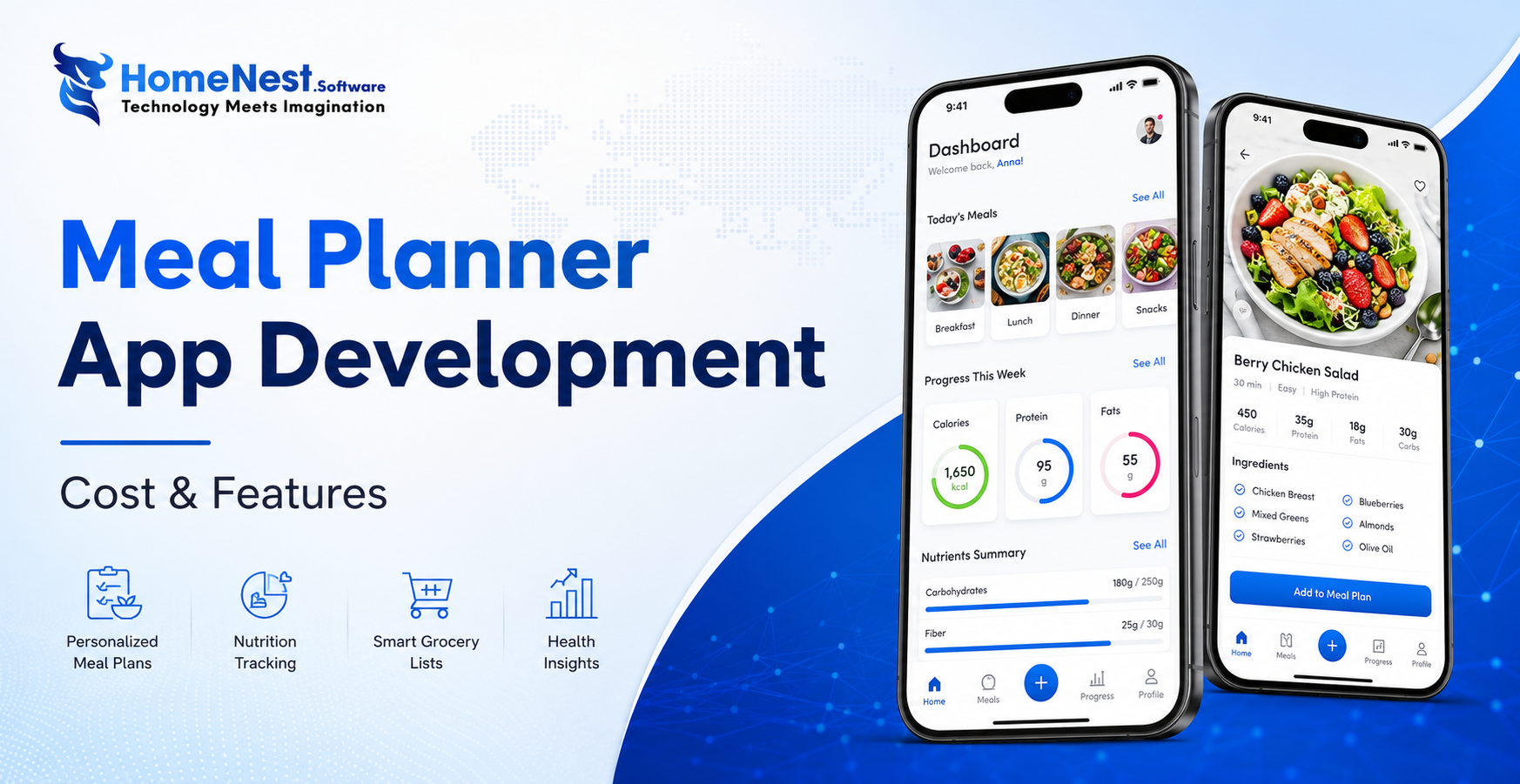
How to Build a Meal Planning App: A Complete Step-by-Step Guide
Building a successful meal planning app goes beyond creating an attractive interface it requires a clear business strategy, personalized user experiences, and scalable technology. By combining essential features like AI-powered meal recommendations, nutrition tracking, grocery list automation, and wearable integration, businesses can deliver lasting value to users while capitalizing on the growing digital health market. Partnering with an experienced mobile app development company ensures your solution is secure, future-ready, and designed to succeed in an increasingly competitive health-tech industry.
How Much Does It Cost to Build a Shopping App Like Temu?
Temu’s meteoric rise to over 900 million global downloads proves the power of combining AI, gamification, and social commerce, but building a similar viral shopping platform requires careful financial and technical planning. Developing an app like Temu typically costs anywhere from $40,000 for a basic Minimum Viable Product (MVP) to over $300,000 for a fully-featured platform. This guide breaks down every cost category, analyzes the core features driving Temu’s success, highlights the best technology stacks, and offers practical strategies to optimize your development budget without compromising on quality.

Criteria For Choosing The Right App Design Agency
UI/UX design is the logical foundation of a system, not merely a visual element. Choosing the wrong partner will directly lead to technical debt, budget overruns, and disruptions in the development process. This article provides a 6-step evaluation framework and a list of operational risks, helping businesses eliminate subjective design advice and accurately assess agency capabilities based on developer handoff standards and practical business performance.

How Does AI in Banking Industry Impact the Future?
Artificial intelligence (AI) has transitioned from a supplementary tool to a core infrastructure of financial data management, optimizing profitability through real-time fraud detection, natural language processing (NLP), and high-speed credit scoring models. “Deploying AI in the financial sector requires more than just algorithmic accuracy, it demands a highly secure cloud architecture and rigorous data governance,” commented Nguyen Tien, co-founder of HomeNest Software. Why read this guide? We skip the theoretical jargon to focus entirely on technical implementation. Whether you’re evaluating a vendor or planning a system overhaul, this article will detail: Operational Efficiency: Automating unstructured data workflows at scale. Risk Architecture: Implementing real-time threat detection and AML compliance. Data ownership: The essential need for 100% ownership of the source code to ensure full algorithm auditability.

How to Make a Banking App like Bank of America?
Developing a mobile banking application like Bank of America extends far beyond basic UI design; it requires engineering a fault-tolerant backend capable of real-time ledger synchronization, biometric authentication, and high-volume data processing under strict regulatory frameworks. Drawing from HomeNest Software’s deep experience in architecting enterprise-grade fintech solutions, this guide strips away theoretical jargon to focus entirely on operational and technical execution. What you will find in this guide: We break down the precise development roadmap, from mapping out microservices and ensuring PCI-DSS compliance to estimating MVP development costs and securing absolute data sovereignty through 100% source code ownership. If you are preparing to build, scale, or audit a financial platform, this blueprint provides the exact framework you need.
Banking App Development Cost
Building a banking application is rarely a simple process; it’s a complex technical challenge requiring a balance between complying with stringent financial regulations, handling large transaction volumes, and a scalable cloud architecture. Miscalculating these technical requirements from the outset often leads to significant technical debt and budget overruns. Based on HomeNest Software’s practical experience in designing enterprise-grade fintech solutions, this guide bypasses generic estimates to provide a realistic analysis of banking application development costs. What you’ll find in this guide: We analyze the true cost factors, from technology selection and API integration to the hidden costs of regulatory compliance and security infrastructure. Whether you’re launching a minimum viable product or expanding an existing financial platform, this analysis provides the precise operational data you need to plan your budget effectively.