
Native vs Cross-Platform Development: Which Is Best for Your App Idea?
Scope of Work
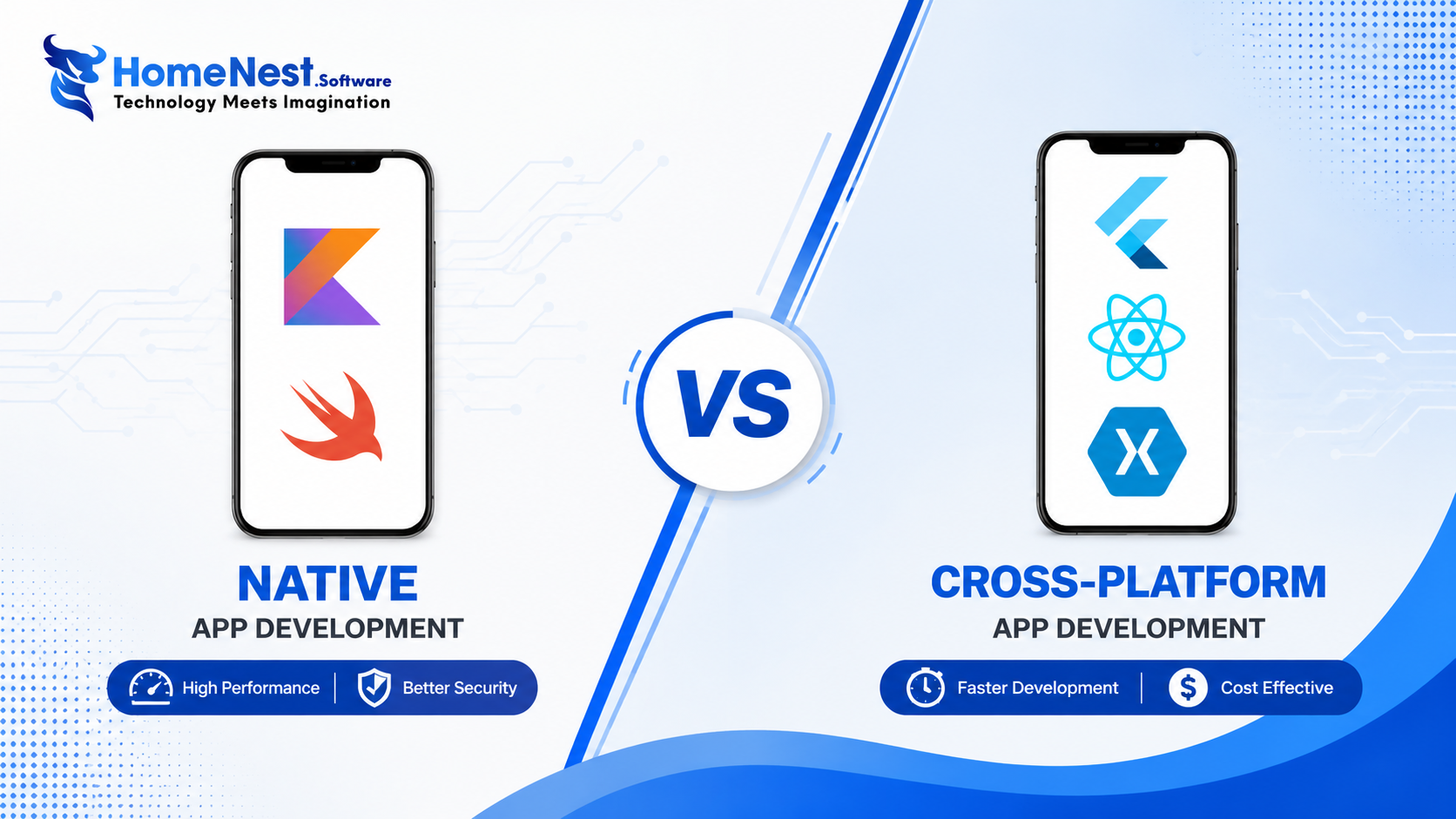
In mobile app development, there are many elements that contribute to building a custom application for your business. While we’ve discussed most of these components in detail across our blogs, one crucial element often overlooked is the framework. A framework plays a foundational role in both mobile and web development and is one of the first technical decisions made when starting an app project.
To understand this concept more clearly, let’s explore it in detail. With the growing interest in mobile app development, discussions around Native vs. Cross-Platform development have become increasingly common especially among beginner developers. This topic often leads to confusion, debates, and differing opinions within development teams.
In fact, choosing between native and cross-platform development is one of the most important decisions app development companies face. In this blog, we’ll break down both approaches, explain how native and cross-platform frameworks work, and help you determine which option is best suited for your app idea. Before diving deeper, let’s start by understanding what native and cross-platform frameworks actually mean.
What Is Native App Development?
Native app development refers to building mobile applications using programming languages and frameworks that are specific to a single platform. In simple terms, iOS and Android apps are developed separately, each using its own dedicated technology stack.
For example, Android applications are typically developed using Java or Kotlin, while iOS applications are built using Swift or Objective-C. Because each app is tailored specifically to its platform, native development allows full access to device features, system APIs, and platform-specific capabilities.
Native apps are often preferred for their high performance, smooth user experience, and better reliability. However, from a business perspective, native app development can be more expensive, as it requires separate codebases, development teams, and maintenance efforts for iOS and Android platforms.
What Is Cross-Platform App Development?
Cross-platform app development is an approach that allows developers to build a single mobile application that runs on multiple operating systems, such as Android and iOS. Unlike native development where separate technologies and codebases are required for each platform cross-platform development uses a unified codebase that works across platforms.
Developers write the app once using widely adopted programming languages and frameworks, and then reuse the same code for different platforms with minimal modifications. This approach significantly reduces development time, cost, and maintenance effort.
Initially, cross-platform frameworks were mainly used for simple apps and games. However, with advancements in technology, modern cross-platform frameworks have evolved into powerful solutions capable of supporting complex, feature-rich, and high-performance applications. As a result, cross-platform app development has become a preferred alternative to native development for many businesses looking to launch apps faster and more cost-effectively.
Native vs Cross-Platform Development: Key Differences
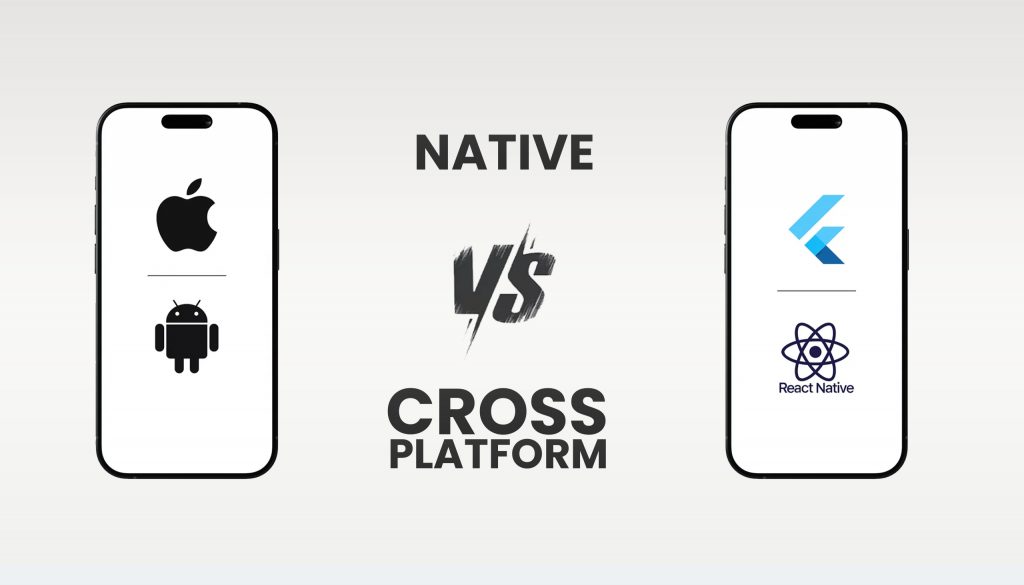
Choosing between native and cross-platform development is a critical decision that impacts performance, cost, scalability, and long-term maintenance. Below are the key differences between these two approaches to help you determine the best fit for your app idea.
Performance and User Experience (UX)
Native applications run directly on the device’s operating system and interact closely with the hardware. This results in smoother animations, faster load times, and highly responsive user interactions especially for apps with complex graphics, animations, or real-time functionality.
Cross-platform apps, on the other hand, rely on an abstraction layer or runtime environment. While modern frameworks perform well, this additional layer can introduce minor performance overhead and may result in a slightly less “native” look and feel for highly complex interfaces.
Codebase and Technology Stack
Native development requires separate codebases for each platform. iOS apps are built using Swift or Objective-C, while Android apps use Kotlin or Java. This leads to higher code duplication and increased development effort.
Cross-platform development uses a single shared codebase for multiple platforms, typically built with frameworks such as React Native or Flutter. While this significantly reduces duplication, certain platform-specific features may still require native modules.
Development Time and Cost
Developing and maintaining native apps for both iOS and Android usually involves larger teams, longer development timelines, and higher budgets due to parallel workstreams.
Cross-platform development accelerates time-to-market by reusing most of the code across platforms. This lowers initial development and ongoing maintenance costs, making it an attractive option for startups, MVPs, and businesses targeting both platforms simultaneously.
Access to Device Features
Native apps have immediate and full access to platform APIs, sensors, and newly released OS features. This makes native development ideal for apps that rely heavily on advanced hardware capabilities or the latest operating system updates.
Cross-platform apps depend on framework support and third-party plugins to access device features. While coverage is extensive, support for newly released native features may sometimes lag, adding limitations or complexity.
Maintenance and Scalability
Native applications require maintaining multiple codebases, with separate bug fixes, updates, and feature rollouts for each platform. This increases long-term maintenance effort.
In cross-platform apps, shared logic allows centralized updates and fixes, simplifying maintenance and ensuring feature parity across platforms. However, as apps grow more complex, some platform-specific code may still be needed to maintain performance or support advanced features.
Advantages of Native App Development
Native app development offers several benefits that make it a preferred choice for building high-performance and feature-rich mobile applications. Below are the key advantages of choosing native development.
Wide Access to Platform Features
Native app development provides full access to all platform-specific APIs, tools, and system resources. Developers can leverage the complete capabilities of the operating system without technical limitations, enabling them to build powerful and highly customized applications.
Strong Platform and Tool Support
Native development supports advanced programming languages and robust development tools that simplify the creation of complex mobile applications. Developers benefit from comprehensive SDKs, official documentation, and long-term platform support, ensuring stability and reliability.
Enhanced Scalability
Native apps are highly scalable and well-suited for long-term growth. They offer efficient resource management and flexible architecture, allowing developers to adapt the app as business requirements evolve and user demand increases.
Superior Performance and Premium User Experience
Because native apps interact directly with the device hardware and operating system, they deliver superior performance, faster execution, and smoother interactions. Native development also integrates seamlessly with UX prototyping and design tools, enabling polished interfaces and a premium user experience.
Advantages of Cross-Platform App Development
Cross-platform app development offers several benefits, especially for businesses looking to build apps efficiently while reaching a wider audience. Below are the key advantages of choosing a cross-platform development approach.
Cost-Effective Development
Cross-platform development requires only a single development team and a shared codebase for multiple platforms. This significantly reduces development and maintenance costs compared to building separate native apps for Android and iOS.
Faster Development Cycle
Unlike native development, where apps are built separately for each platform, cross-platform development follows a single development cycle. This speeds up the development process and allows businesses to launch their apps faster.
Single Codebase
One of the biggest advantages of cross-platform frameworks is the use of a single codebase. This simplifies development, reduces complexity, and minimizes duplication of effort, making it easier for developers to manage and update the app.
Broad Device Functionality
Cross-platform frameworks provide access to essential device features such as the camera, microphone, GPS, and sensors. While some advanced integrations may require additional configuration, most functionalities can be implemented efficiently using available plugins and libraries.
Native vs Cross-Platform Development Cost Comparison
Below is a comparison table highlighting the average app development costs for native and cross-platform approaches. These estimates vary based on app complexity, features, design requirements, and development scope.
| Development Approach | Average Cost Range | Key Cost Insights |
|---|---|---|
| Native Development | $25,000 – $150,000+ | Simple apps typically start from $25,000–$30,000. Complex, feature-rich apps can range from $70,000 to $150,000+ due to separate development for iOS and Android. |
| Cross-Platform Development | $10,000 – $100,000+ | Simple apps usually cost $10,000–$20,000. Highly complex apps with advanced features may exceed $100,000, depending on customization and integrations. |
Key Takeaway
Native development generally involves higher costs due to multiple codebases and longer development cycles, while cross-platform development offers a more cost-efficient option with faster time-to-market making it especially attractive for startups and MVPs.
Top Cross-Platform Frameworks to Consider
When building mobile applications that need to run smoothly on both iOS and Android, choosing the right cross-platform framework is a critical decision. The right framework helps app development companies deliver high performance, consistent UI/UX, faster time-to-market, and cost efficiency. Below are some of the most widely used and reliable cross-platform frameworks to consider in 2026.
React Native
React Native, developed by Meta (formerly Facebook), is one of the most popular cross-platform frameworks for building native-like mobile applications using JavaScript and React. It allows developers to reuse a large portion of code across platforms, significantly reducing development time and cost.
React Native is well-suited for applications that require a near-native user experience while maintaining an efficient development workflow. Many well-known apps rely on React Native to deliver consistent cross-platform performance.
Flutter
Flutter, developed by Google, is a powerful cross-platform framework used to create visually rich and high-performance mobile applications with the Dart programming language. Flutter stands out for its extensive widget library, smooth animations, and strong rendering engine for images and videos.
This framework is ideal for projects that prioritize high-quality UI/UX and consistent design across platforms. Flutter enables developers to build highly responsive and polished applications with a single codebase.
Xamarin
Xamarin, backed by Microsoft, enables developers to build native-quality mobile apps for iOS and Android using C# and the .NET framework. It is a strong choice for teams with existing C# expertise or businesses already invested in the Microsoft ecosystem.
Xamarin offers robust performance, scalability, and maintainability, making it suitable for enterprise-level applications. Its tight integration with Microsoft tools gives businesses a strategic advantage when building long-term, scalable mobile solutions.
Key Takeaway
Each cross-platform framework has its strengths. React Native excels in speed and ecosystem maturity, Flutter leads in UI consistency and performance, and Xamarin is ideal for enterprises leveraging Microsoft technologies. The best choice depends on your app’s goals, technical requirements, and long-term scalability plans.
How an App Development Company Can Help
An experienced app development company plays a crucial role in turning your app idea into a successful product whether you choose native or cross-platform development. Below is a detailed overview of how a professional development partner supports your business at every stage.
Expert Evaluation and Strategic Guidance
An app development company begins by analyzing your business goals, budget, timeline, feature requirements, and target audience. Based on this assessment, they recommend whether native or cross-platform development is the better fit. The team clearly explains trade-offs related to performance, user experience, security, scalability, and long-term maintenance in a business-friendly and easy-to-understand way.
Native Development Expertise
For native development, dedicated iOS and Android specialists build separate applications optimized for each platform. This approach ensures strict compliance with platform guidelines, full utilization of device capabilities, enhanced security, and a polished user experience that feels familiar and intuitive to users on both ecosystems.
Cross-Platform Development Efficiency
Using frameworks such as Flutter or React Native, cross-platform development teams build a single shared codebase that runs across multiple platforms. This approach reduces development and maintenance costs, accelerates time-to-market, and ensures consistent UI/UX across devices, operating systems, and markets.
Testing, Deployment, and Maintenance
A professional app development company handles the complete lifecycle rigorous testing, app store submissions, bug fixes, and ongoing updates. They ensure compatibility with new OS versions, devices, and security patches while maintaining performance, stability, and user satisfaction over time.
Long-Term Strategy and Scalability
Beyond the initial launch, development partners help plan product roadmaps, analyze user data, and support scaling strategies. A common approach is launching with a cross-platform MVP and gradually introducing native modules as the app grows and requires higher performance, advanced features, or deeper platform-specific customization.
Final Verdict: Native vs Cross-Platform Which Should You Choose?
There is no one-size-fits-all answer when choosing between native and cross-platform development. Each app has unique goals, priorities, and constraints. Below is a summary to help guide your decision.
When Native App Development Is the Right Choice
-
High security requirements
-
Superior performance and speed
-
Advanced, platform-specific UI/UX
-
Resource-intensive apps such as mobile games or animation-heavy apps
-
Apps that rely heavily on device hardware (camera, sensors, GPS)
-
Applications that are part of a larger ecosystem or product suite
-
Faster access to new OS features and platform updates
When Cross-Platform App Development Makes Sense
-
Code reusability across iOS and Android
-
Faster time-to-market
-
Lower development and maintenance costs
-
MVPs, prototypes, or idea validation across multiple platforms
-
Consistent UI and navigation across devices
-
Simplified maintenance and updates
-
Lightweight apps that are not CPU- or GPU-intensive
Final Takeaway
The best approach depends on your app’s purpose, budget, performance needs, and growth plans. A reliable app development company helps you make an informed decision and ensures your chosen approach delivers long-term value, scalability, and success.
Contact HomeNest Software today for a free consultation and inquire about our all-inclusive App Design package offers!
HomeNest Software – Empowering Long-Term Growth for Modern Businesses.

Contact Information:
- Address: The Sun Avenue, 28 Mai Chi Tho Street, Binh Trung Ward, Ho Chi Minh City
- Hotline: +84 898 994 298 ( WhatsApp )
- Website: homenest.software
HomeNest Services: Website Design – App Design – Software Development – Digital Marketing.
Frequently Asked Questions (FAQs)
1. What is the main difference between native and cross-platform app development?
Native app development uses platform-specific languages and tools to build separate apps for iOS and Android, while cross-platform development uses a single shared codebase to run on multiple platforms.
2. Which is better: native or cross-platform development?
There is no universal answer. Native development is best for high-performance, hardware-intensive apps, while cross-platform development is ideal for faster launches, lower costs, and MVPs targeting both iOS and Android.
3. Is cross-platform development suitable for large-scale apps?
Yes, modern cross-platform frameworks like Flutter and React Native can support large-scale apps. However, very complex apps may still require native modules for optimal performance.
4. Does native app development cost more?
Yes. Native development typically costs more because it requires separate codebases, development teams, and maintenance for iOS and Android apps.
5. Can I start with cross-platform and move to native later?
Absolutely. Many businesses launch a cross-platform MVP first and later add native modules or migrate fully to native development as the app grows.
6. Which approach offers better performance?
Native apps generally deliver better performance and smoother user experiences, especially for apps with heavy animations, real-time processing, or deep hardware integration.
7. Which approach is faster to launch?
Cross-platform development usually results in faster time-to-market since developers build and maintain a single codebase for multiple platforms.
8. Are cross-platform apps secure?
Yes. Cross-platform apps can be highly secure when built using best practices such as encrypted data storage, secure APIs, and proper authentication mechanisms.
9. How does an app development company help with this decision?
An app development company evaluates your business goals, budget, performance requirements, and scalability needs to recommend the best approach native, cross-platform, or a hybrid strategy.
10. Which approach is best for startups?
For most startups, cross-platform development is the preferred choice due to lower cost, faster development, and easier maintenance especially when validating an idea or building an MVP.
Latest Articles
View All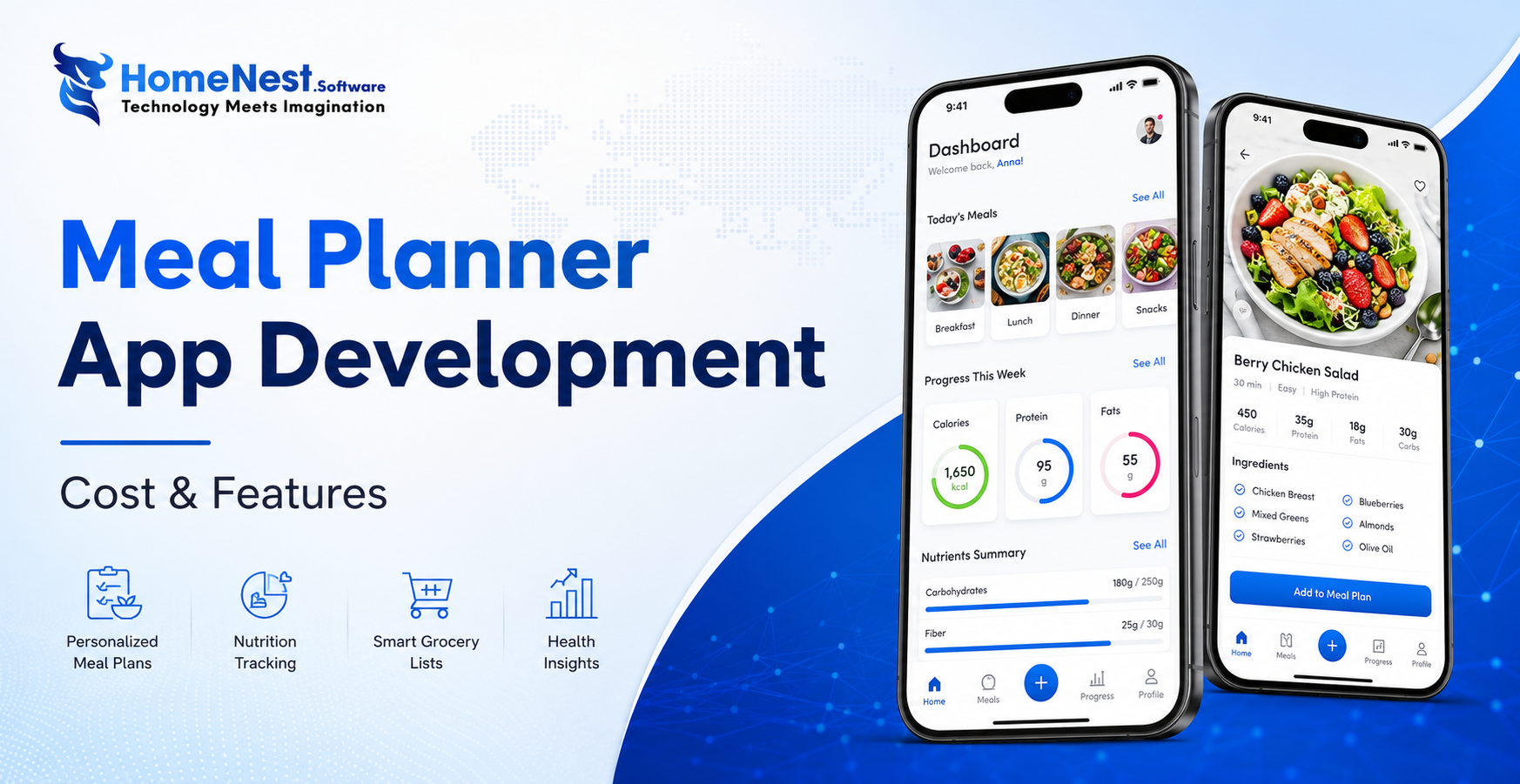
How to Build a Meal Planning App: A Complete Step-by-Step Guide
Building a successful meal planning app goes beyond creating an attractive interface it requires a clear business strategy, personalized user experiences, and scalable technology. By combining essential features like AI-powered meal recommendations, nutrition tracking, grocery list automation, and wearable integration, businesses can deliver lasting value to users while capitalizing on the growing digital health market. Partnering with an experienced mobile app development company ensures your solution is secure, future-ready, and designed to succeed in an increasingly competitive health-tech industry.

How Much Does It Cost to Build a Shopping App Like Temu?
Temu’s meteoric rise to over 900 million global downloads proves the power of combining AI, gamification, and social commerce, but building a similar viral shopping platform requires careful financial and technical planning. Developing an app like Temu typically costs anywhere from $40,000 for a basic Minimum Viable Product (MVP) to over $300,000 for a fully-featured platform. This guide breaks down every cost category, analyzes the core features driving Temu’s success, highlights the best technology stacks, and offers practical strategies to optimize your development budget without compromising on quality.

Criteria For Choosing The Right App Design Agency
UI/UX design is the logical foundation of a system, not merely a visual element. Choosing the wrong partner will directly lead to technical debt, budget overruns, and disruptions in the development process. This article provides a 6-step evaluation framework and a list of operational risks, helping businesses eliminate subjective design advice and accurately assess agency capabilities based on developer handoff standards and practical business performance.

How Does AI in Banking Industry Impact the Future?
Artificial intelligence (AI) has transitioned from a supplementary tool to a core infrastructure of financial data management, optimizing profitability through real-time fraud detection, natural language processing (NLP), and high-speed credit scoring models. “Deploying AI in the financial sector requires more than just algorithmic accuracy, it demands a highly secure cloud architecture and rigorous data governance,” commented Nguyen Tien, co-founder of HomeNest Software. Why read this guide? We skip the theoretical jargon to focus entirely on technical implementation. Whether you’re evaluating a vendor or planning a system overhaul, this article will detail: Operational Efficiency: Automating unstructured data workflows at scale. Risk Architecture: Implementing real-time threat detection and AML compliance. Data ownership: The essential need for 100% ownership of the source code to ensure full algorithm auditability.

How to Make a Banking App like Bank of America?
Developing a mobile banking application like Bank of America extends far beyond basic UI design; it requires engineering a fault-tolerant backend capable of real-time ledger synchronization, biometric authentication, and high-volume data processing under strict regulatory frameworks. Drawing from HomeNest Software’s deep experience in architecting enterprise-grade fintech solutions, this guide strips away theoretical jargon to focus entirely on operational and technical execution. What you will find in this guide: We break down the precise development roadmap, from mapping out microservices and ensuring PCI-DSS compliance to estimating MVP development costs and securing absolute data sovereignty through 100% source code ownership. If you are preparing to build, scale, or audit a financial platform, this blueprint provides the exact framework you need.
Banking App Development Cost
Building a banking application is rarely a simple process; it’s a complex technical challenge requiring a balance between complying with stringent financial regulations, handling large transaction volumes, and a scalable cloud architecture. Miscalculating these technical requirements from the outset often leads to significant technical debt and budget overruns. Based on HomeNest Software’s practical experience in designing enterprise-grade fintech solutions, this guide bypasses generic estimates to provide a realistic analysis of banking application development costs. What you’ll find in this guide: We analyze the true cost factors, from technology selection and API integration to the hidden costs of regulatory compliance and security infrastructure. Whether you’re launching a minimum viable product or expanding an existing financial platform, this analysis provides the precise operational data you need to plan your budget effectively.