
Telemedicine App Development in Singapore: Costs, Features, Trends
Scope of Work
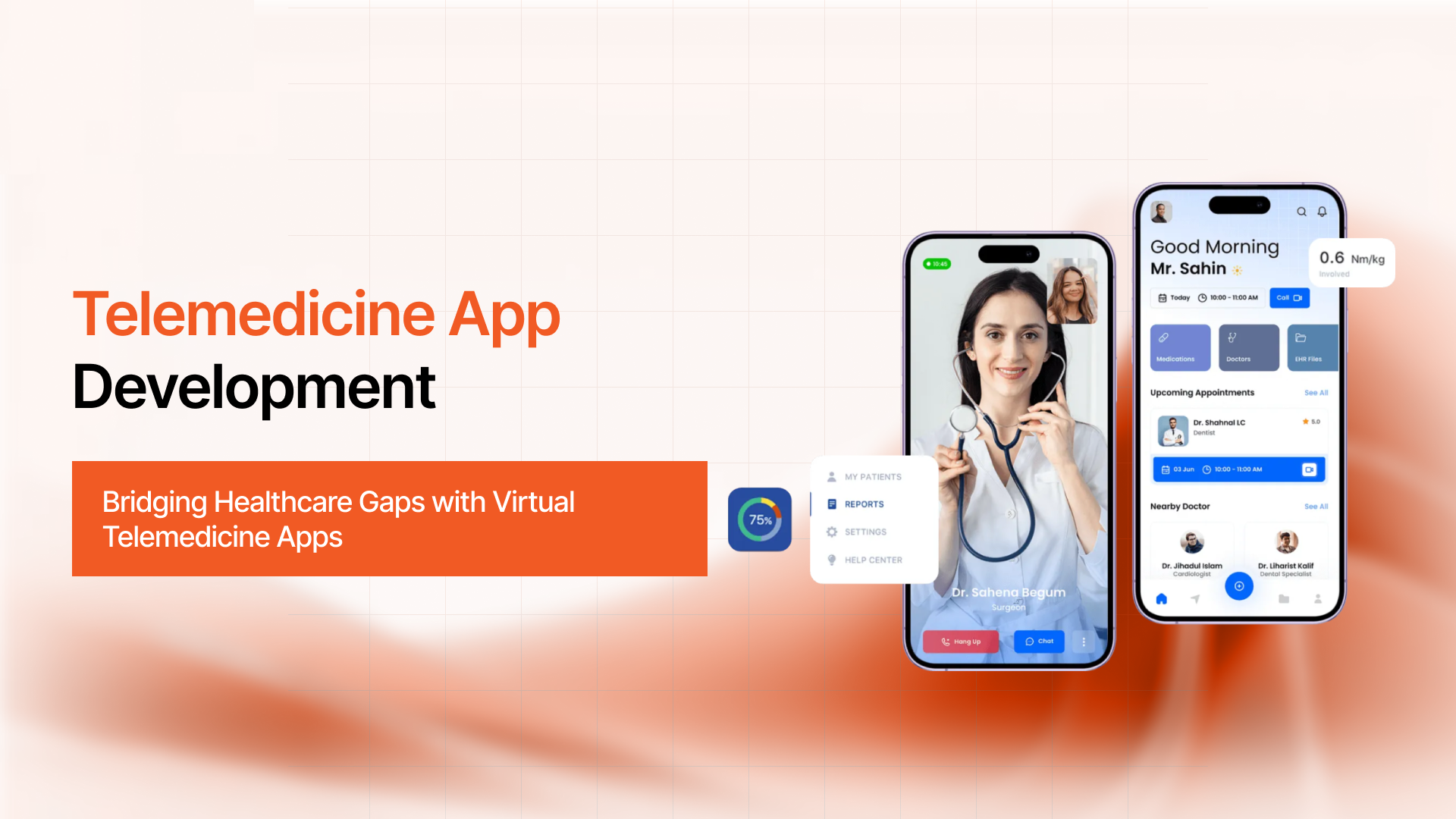
Singapore is quickly emerging as a leader in digital health innovation, with telemedicine playing a central role in this transformation. As more patients seek convenient, on demand healthcare services, telemedicine solutions are changing the way medical care is delivered providing faster access to doctors, improved safety, and greater convenience through mobile and web platforms.
In this guide, we’ll walk through everything you need to know about telemedicine app development in Singapore including key market trends, essential features, development costs, and the technical challenges involved. Let’s explore how businesses and healthcare providers can build effective telemedicine solutions in today’s evolving digital healthcare landscape.
Telemedicine App Development Overview
This section provides a comprehensive look at telemedicine app development, covering global market growth, emerging telehealth trends, and the expanding role of telemedicine within Singapore’s digital healthcare ecosystem.
Market Overview of Telehealth App Development
Telemedicine often used interchangeably with telehealth refers to the use of digital communication technologies to deliver healthcare services remotely. Through tools such as mobile apps, video consultations, and secure messaging platforms, patients can connect with healthcare professionals without visiting a clinic in person.
Although telemedicine existed before the COVID 19 pandemic, the global health crisis dramatically accelerated its adoption. During this period, virtual consultations became essential for maintaining continuity of care while minimizing physical contact. Since then, telemedicine has evolved into a core component of modern healthcare systems worldwide.
The market growth reflects this transformation. In 2024, more than 116 million people globally used online doctor consultation services, compared to about 57 million users in 2019. The global telemedicine market reached approximately $135.71 billion in 2024 and is projected to grow to $709.69 billion by 2034, with an estimated compound annual growth rate (CAGR) of 17.99% between 2025 and 2034.
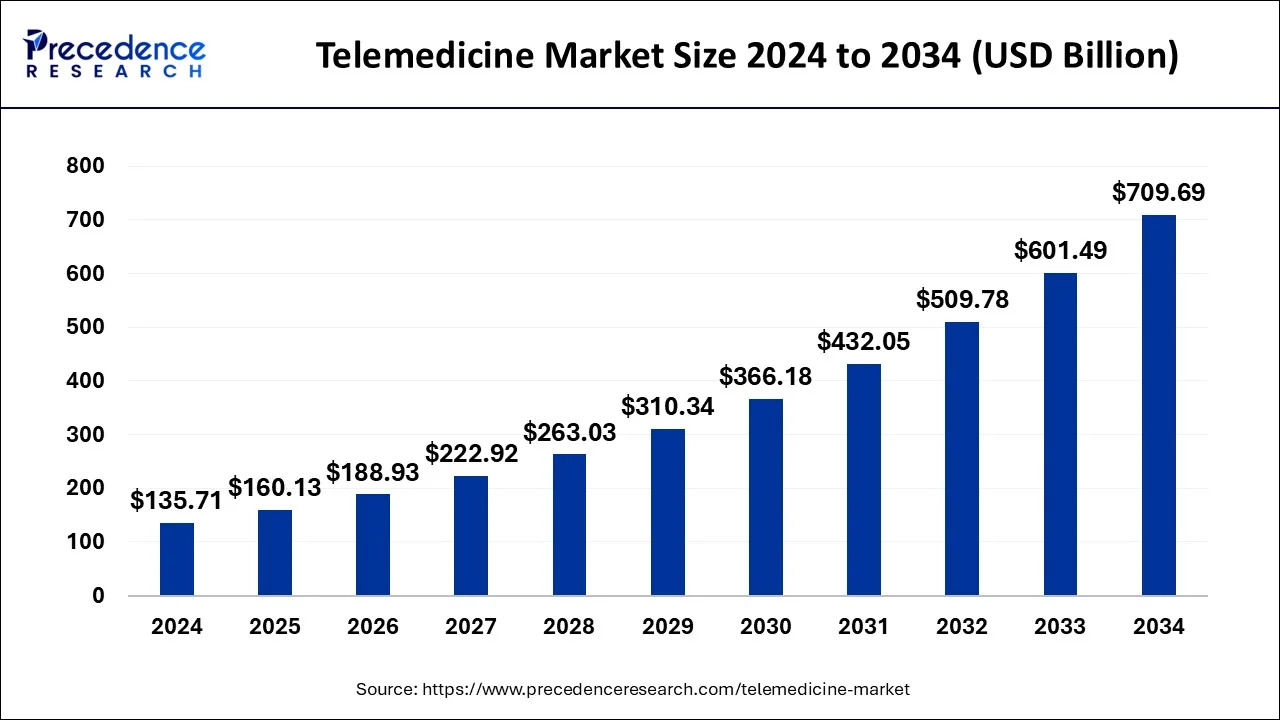
Source: Precedence Research
Several key factors are fueling this expansion:
-
Increasing chronic disease prevalence, which requires continuous monitoring and follow up care
-
Aging populations that demand convenient home based healthcare solutions
-
Wider internet access and broadband availability, enabling affordable video consultations
-
Technological advancements, particularly in AI, cloud computing, and remote monitoring devices
-
Growing investments in healthcare IT infrastructure from both governments and private organizations
-
Rising demand for personalized healthcare services, which telemedicine platforms help deliver efficiently
Key Telemedicine and Telehealth Trends in 2026
The telehealth industry continues to evolve rapidly as healthcare providers adopt digital technologies and patients increasingly prefer remote care options. Several major trends are shaping the future of telemedicine in 2026 and beyond.
Cross border healthcare collaboration
Telemedicine platforms are enabling patients to consult with international specialists remotely, expanding access to global expertise without the need for travel.
Artificial intelligence integration
AI powered diagnostics, predictive analytics, and clinical decision support systems are improving the accuracy and efficiency of virtual healthcare services.
Augmented reality in medical diagnosis
Emerging AR technologies allow physicians to visualize patient conditions more clearly during remote consultations, improving diagnostic precision.
Hybrid healthcare models
Many healthcare providers are adopting a combination of virtual and in person consultations. This hybrid approach improves accessibility while maintaining the benefits of traditional clinical care.
Growth of telepsychiatry services
Mental health consultations delivered via telemedicine platforms are expanding globally, especially in regions where stigma or limited resources restrict access to in person care.
Personalized digital healthcare experiences
Telemedicine platforms increasingly use patient data, wearable devices, and analytics to deliver personalized treatment recommendations and health monitoring.
Telemedicine in Singapore
Singapore has positioned itself as a regional leader in digital healthcare innovation, with telemedicine playing a central role in the country’s healthcare transformation.
The COVID 19 pandemic significantly accelerated the adoption of virtual healthcare services, encouraging both public and private sectors to integrate telemedicine into their care delivery models.
Government initiatives have also supported this growth. Programs such as the Ministry of Health’s regulatory sandbox have enabled healthcare providers and technology companies to experiment with telehealth services while ensuring compliance with healthcare regulations.
According to industry research, Singapore’s telemedicine market was valued at around $5.06 billion in 2024 and is expected to reach $14.34 billion by 2030, growing at a CAGR of 18.5% between 2025 and 2030.
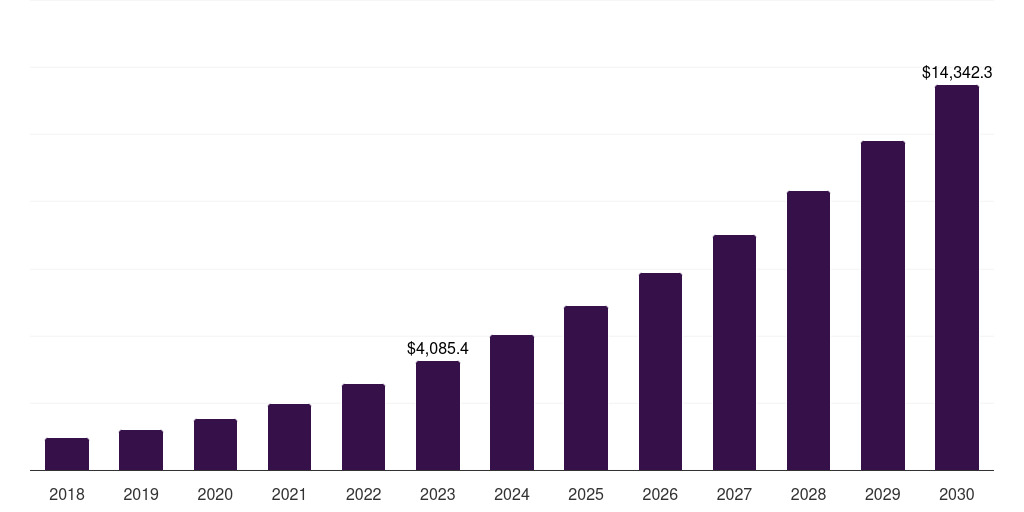
Source: Grand View Research
Several factors are driving this rapid growth:
-
An aging population requiring more accessible healthcare services
-
A high prevalence of chronic diseases needing long term monitoring
-
Singapore’s tech savvy population that readily adopts digital health solutions
-
Strong government support for healthcare digitalization
As telemedicine continues to integrate into Singapore’s healthcare infrastructure, it is improving patient access, operational efficiency, and overall healthcare outcomes. With continued technological advancements and policy support, telemedicine is expected to remain a key pillar of the nation’s healthcare system.
Benefits of Telemedicine Apps
Telemedicine applications are transforming the way healthcare services are delivered by improving accessibility, efficiency, and patient engagement.
Benefits for Patients
Convenient access to healthcare
Patients can consult doctors from the comfort of their homes, eliminating travel time and reducing long waiting periods at clinics.
Lower healthcare costs
Virtual consultations are often more affordable, helping patients save on transportation and clinic related expenses.
24/7 medical access
Many telemedicine platforms provide round the clock consultations for non emergency healthcare needs.
Improved privacy and comfort
Patients can discuss sensitive health concerns in a private and familiar environment.
Better chronic disease management
Integration with wearable devices and health monitoring tools enables continuous tracking of medical conditions.
Benefits for Healthcare Providers
Improved operational efficiency
Features such as online scheduling, e prescriptions, and digital patient records streamline clinical workflows.
Expanded patient reach
Doctors and clinics can serve patients beyond their immediate geographic location.
Flexible working arrangements
Healthcare professionals can conduct consultations remotely and manage their schedules more effectively.
Stronger patient engagement
Digital communication tools encourage consistent follow ups and improve treatment adherence.
Reduced infection risks
Limiting in person visits helps minimize the spread of contagious diseases within healthcare facilities.
Read more: How to Outsource Mobile App Development in Singapore
Key Types of Telemedicine Apps
Telemedicine applications can differ widely depending on their purpose, target users, and healthcare services provided. Each type focuses on solving specific healthcare challenges, from virtual consultations to remote monitoring and mental health support. Below are the most common types of telemedicine apps developed today.
| Type of App | Description | Common Use Cases |
|---|---|---|
| Real Time Consultation Apps | Enable live communication between patients and healthcare professionals through video or audio calls. | Virtual doctor visits, urgent care consultations, psychiatric sessions |
| Remote Patient Monitoring (RPM) Apps | Collect and transmit patient health data from wearable devices or medical sensors to healthcare providers for continuous monitoring. | Chronic disease management, post surgery monitoring, elderly care |
| Store and Forward Apps | Allow patients or healthcare providers to upload medical data such as images, reports, or test results for specialists to review later. | Radiology analysis, dermatology consultations, pathology reviews |
| Mobile Health (mHealth) Apps | Focus on improving general wellness through health tracking, reminders, and educational resources. | Fitness tracking, maternal health support, medication reminders |
| Telepsychiatry & Mental Health Apps | Provide digital mental health services through therapy sessions, guided programs, and self help resources. | Anxiety management, depression treatment, cognitive behavioral therapy (CBT), counseling |
These telemedicine solutions demonstrate how digital health technologies can expand access to healthcare services, improve patient outcomes, and support more efficient medical workflows.
read more: AI in Healthcare in Singapore: Key Benefits, Real Use Cases, and Future Trends
Must Have Features of a Successful Telemedicine App
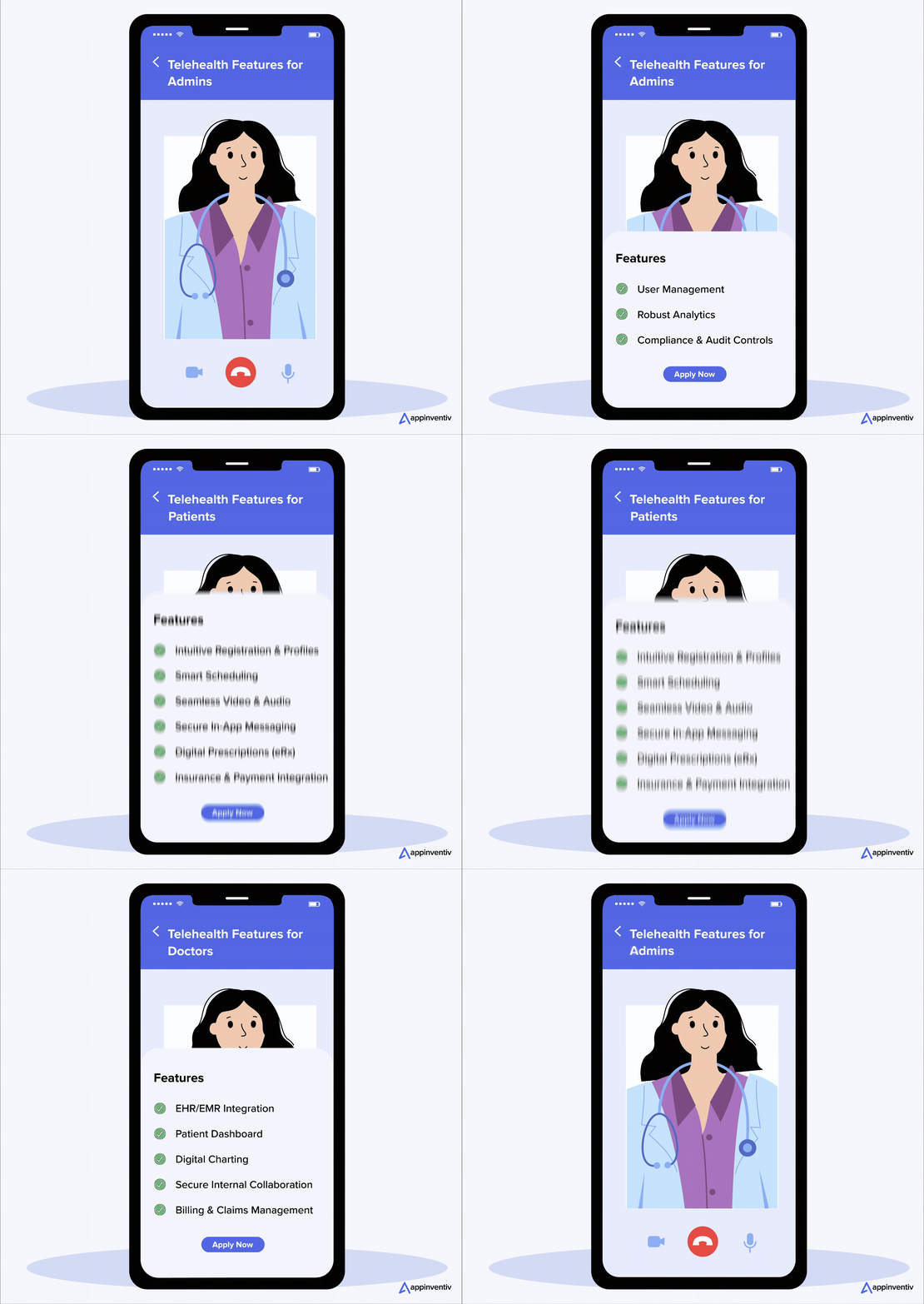
A comprehensive telemedicine application typically consists of three main components: a patient app, a doctor app, and a centralized admin panel. Together, these components enable smooth communication, efficient healthcare delivery, and effective platform management.
Below are the key features that should be included when developing a modern telemedicine solution.
Patient Side Features
Patient facing features should focus on ease of use, accessibility, and trust, ensuring that users can easily access healthcare services through the platform.
-
User Registration & Profile Management
Simple onboarding via email, phone number, or social login, along with secure storage of personal and medical information.
-
Appointment Scheduling
Real time booking with calendar integration, automated reminders, and the ability to reschedule consultations.
-
Video and Audio Consultations
Secure, high quality virtual appointments enabling patients to connect with healthcare professionals remotely.
-
In App Messaging and Chat
Text communication with doctors before and after consultations for questions, follow ups, and clarification.
-
Electronic Prescriptions (e Prescriptions)
Patients can receive, view, and manage digital prescriptions directly within the app.
-
Secure Payment Integration
Built in payment gateways that support consultation fees, prescription payments, or subscription plans.
-
Health Records Access
Patients can review past consultations, diagnoses, prescriptions, and treatment history in one place.
-
Multilingual Support
Language options that improve accessibility for diverse populations, especially important in multicultural markets like Singapore.
Doctor Side Features
Doctor focused features are designed to streamline workflows and improve efficiency during consultations and patient management.
-
Doctor Onboarding and Credential Verification
Secure registration with medical license submission and verification to ensure regulatory compliance.
-
Appointment Management
Tools for viewing, confirming, rescheduling, or canceling patient appointments.
-
Electronic Health Record (EHR) Access
Doctors can view and update patient health records during consultations.
-
Real Time Video Consultations
Reliable audio and video communication tools for virtual appointments.
-
Digital Prescription Management
Doctors can generate and send prescriptions electronically after consultations.
-
Revenue and Performance Dashboard
Overview of consultation numbers, earnings, and payment status.
-
Availability and Scheduling Settings
Doctors can set working hours, consultation types (online or in person), and break times.
Admin and Business Features
Administrative features ensure platform scalability, security, and operational control for telemedicine providers.
-
User Management System
Manage patient accounts, doctor profiles, and internal staff access.
-
Analytics and Reporting Tools
Track platform activity, appointment volumes, revenue, and user engagement.
-
Content Management System (CMS)
Manage website or app content such as FAQs, health articles, and announcements.
-
Security and Compliance Tools
Implement encrypted data storage, access logs, and compliance with regulations such as PDPA, HIPAA, or GDPR.
-
Billing and Payment Management
Handle consultation fees, doctor payouts, subscription plans, and financial reports.
-
Customer Support Integration
Built in support features such as live chat or ticketing systems for resolving user issues.
-
Notification System
Automated notifications via email, SMS, or push alerts for appointment reminders, updates, and important announcements.
By integrating these features, telemedicine platforms can deliver secure, efficient, and user friendly healthcare services, benefiting patients, healthcare providers, and organizations alike.
Read more: How to Choose the Best Healthcare Software Development Partner
How to Build a Telemedicine App: Step by Step Guide
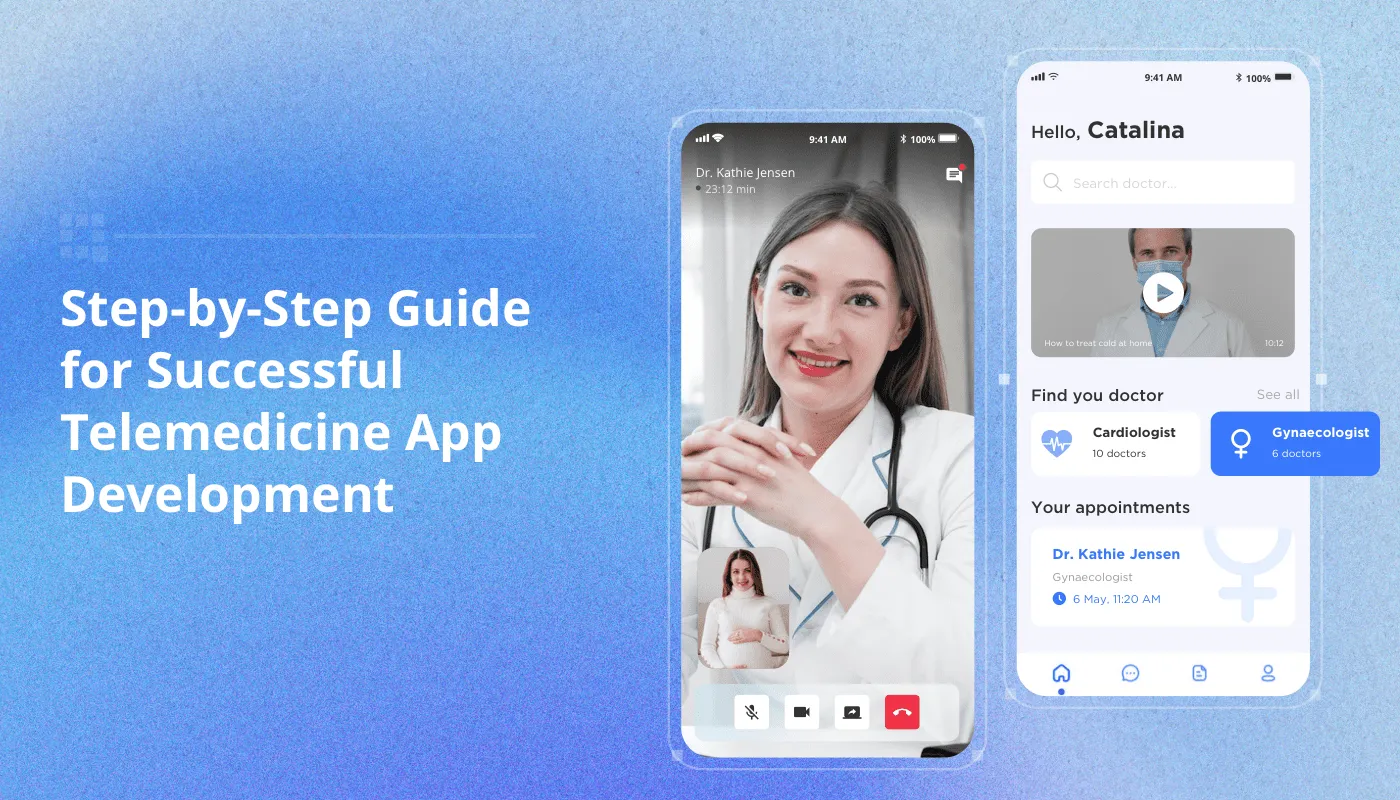
Developing a telemedicine application, particularly for the Singapore healthcare market, requires careful planning, regulatory compliance, and strong technical execution. Healthcare apps must meet strict standards while delivering a seamless experience for both patients and medical professionals.
Below are the five key stages involved in building a successful telemedicine app.
Step 1: Discovery and Strategic Planning
The first stage focuses on defining the core vision and scope of the telemedicine platform. During this phase, businesses identify their objectives, target users (such as patients, doctors, or clinics), and the healthcare problems the app aims to solve.
Activities typically include:
-
Market and competitor research
-
Defining key user personas
-
Identifying required features and workflows
-
Reviewing regulatory requirements such as PDPA, HIPAA, or GDPR
The outcome of this phase is a clear product roadmap and feature specification that guides the development process.
Step 2: UI/UX Design
User experience is especially important in healthcare platforms, where accessibility and clarity are essential.
Designers create user journeys for both patients and healthcare providers, ensuring that tasks like scheduling appointments, consulting doctors, and managing medical records are intuitive and efficient.
This phase typically involves:
-
Wireframe creation
-
Interface design and branding
-
Interactive prototypes
-
Usability testing
The goal is to build a user friendly interface that simplifies complex healthcare interactions.
Step 3: Development and System Integration
Once the design is finalized, developers begin building the application using the chosen technology stack and architecture.
Key activities include:
-
Frontend and backend development
-
Database setup and server configuration
-
Integration of third party services such as video consultation APIs, payment gateways, and electronic health record (EHR) systems
-
Implementation of security protocols and authentication systems
Many teams adopt Agile development methodologies to deliver features in iterative cycles and continuously improve the product.
Step 4: Testing and Regulatory Compliance
Before launching the application, extensive testing is required to ensure reliability, security, and regulatory compliance.
This phase includes:
-
Functional testing across devices and platforms
-
Performance and load testing
-
Security assessments and data protection audits
-
Compliance validation with healthcare regulations
Thorough testing helps prevent technical issues and ensures safe, stable interactions during real time medical consultations.
Step 5: Deployment and Continuous Maintenance
After successful testing, the application is launched on app stores or deployed within healthcare systems.
Post launch activities are equally important and include:
-
Monitoring system performance
-
Fixing bugs and technical issues
-
Updating features based on user feedback
-
Implementing security patches and compliance updates
Continuous maintenance ensures the telemedicine platform remains secure, scalable, and aligned with evolving healthcare standards and patient needs.
Read more: How to Build Custom Healthcare Software for Hospitals: A Complete Guide
How Much Does It Cost to Develop a Telemedicine App?
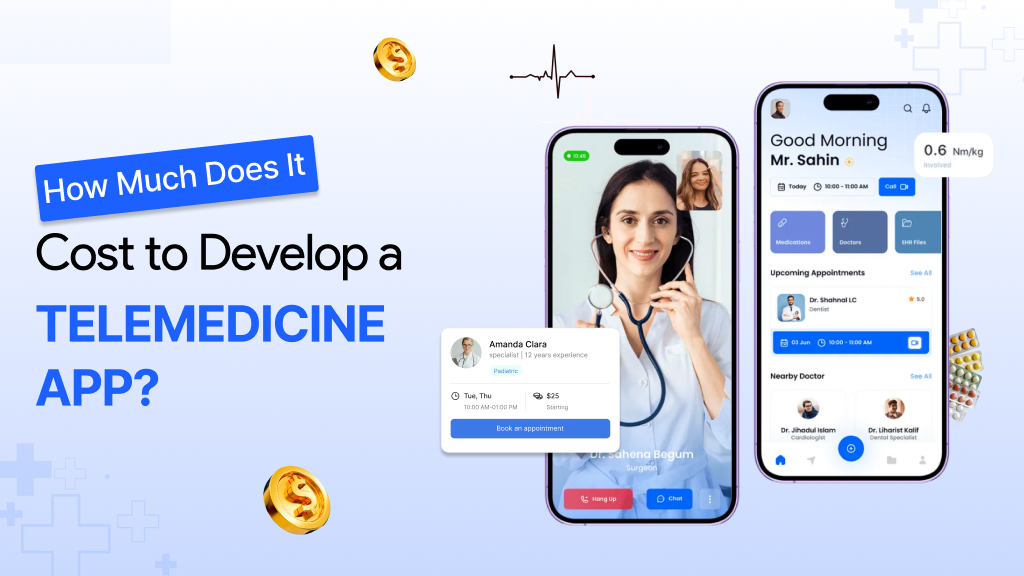
Before starting a telemedicine project, it’s important to understand the typical development cost range, the factors that influence pricing, and ways to manage your budget effectively. Having a clear view of these elements helps healthcare providers and startups plan investments more strategically while maintaining quality and compliance.
Average Development Cost
The cost of developing a custom telemedicine application can vary significantly depending on the app’s complexity, required features, and the development team involved. On average, telemedicine app development ranges from $30,000 to $300,000.
Several factors influence this cost, including the chosen platform (iOS, Android, or both), UI/UX design requirements, integration with third party systems (such as EHR platforms, video consultation APIs, and payment gateways), and the geographic location of the development team.
| App Complexity | Estimated Cost | Development Timeline |
|---|---|---|
| Simple Telemedicine App | $30,000 – $70,000 | 2–3 months |
| Moderately Complex App | $70,000 – $100,000 | 3–6 months |
| Highly Complex Telemedicine Platform | $100,000 – $300,000 | 9+ months |
Key Factors That Affect Development Cost
Location of the development team
Hiring offshore developers such as teams in Vietnam or Eastern Europe can significantly reduce development expenses while maintaining high quality standards.
Feature complexity
Advanced features such as AI assisted diagnostics, wearable device integration, real time analytics, and remote monitoring systems increase both development time and cost.
Regulatory compliance and security
Healthcare applications must comply with strict data protection regulations like HIPAA, PDPA, or GDPR. Ensuring compliance requires additional security measures, testing, and documentation.
Post launch maintenance
After the app is launched, ongoing updates, bug fixes, server hosting, and performance improvements are necessary. Maintenance costs typically account for 15–20% of the initial development budget per year.
Practical Tips to Reduce Development Costs
Start with a Minimum Viable Product (MVP)
Launching a simplified version of your telemedicine platform allows you to test market demand before investing in full scale development.
Leverage existing APIs and tools
Using pre built solutions for features like payments, messaging, or video conferencing can significantly reduce development time and costs.
Partner with an experienced development company
Working with a trusted development partner that has experience in healthcare software and telemedicine platforms can help balance cost efficiency, regulatory compliance, and product quality.
By carefully planning your feature scope and choosing the right development strategy, businesses can build scalable telemedicine solutions while keeping development costs under control.
Read more: How Much Does It Cost To Build A Mobile App?
Challenges of Telemedicine App Development
While telemedicine offers significant benefits for patients and healthcare providers, developing a reliable and compliant telemedicine platform also presents several challenges. Both developers and healthcare organizations must address these issues to ensure the app is secure, scalable, and easy to use.
| Challenge | Description |
|---|---|
| Data Privacy & Regulatory Compliance | Telemedicine platforms must comply with strict healthcare data protection regulations such as PDPA, HIPAA, or GDPR to safeguard sensitive patient information. |
| System Integration | Integrating telemedicine apps with existing hospital systems, such as Electronic Medical Records (EMR) or hospital information systems, can be technically complex especially when dealing with legacy infrastructure. |
| User Adoption | Some users, particularly older patients or those less familiar with digital technology, may find telemedicine platforms difficult to use. Designing an intuitive and accessible interface is essential. |
| Network Dependence | Telemedicine services rely heavily on stable internet connections. Poor network quality can interrupt video consultations and affect the overall user experience. |
| Clinical Risk and Liability | Remote consultations may increase the risk of misdiagnosis when physical examinations are limited. Proper protocols, documentation, and medical safeguards are necessary. |
| Scalability and Performance | As the platform grows, it must be able to handle increasing numbers of users, consultations, and data traffic without affecting performance or system stability. |
Successfully addressing these challenges is essential to building a secure, compliant, and scalable telemedicine platform that can support modern digital healthcare services.
Why Choose HomeNest Software as Your Telemedicine App Development Partner
Selecting the right mobile app development partner is critical to the success of any telemedicine platform. At HomeNest Software, we combine strong technical expertise with deep healthcare industry knowledge to deliver reliable, secure, and scalable telemedicine solutions for organizations worldwide including businesses in Singapore.
What Makes HomeNest Software Stand Out
Our team focuses on delivering high quality, secure, and future ready healthcare applications that support long term growth.
Healthcare focused development expertise
With a team of 100+ engineers, designers, and QA specialists, we understand the unique challenges of healthcare software development from regulatory compliance and patient experience to system integration. Our experience spans projects such as remote diagnostics platforms, chronic disease management apps, EMR integrations, and connected medical device solutions.
Compliance driven development approach
Healthcare applications must meet strict data protection standards. Our development processes align with regulations such as HIPAA, GDPR, and PDPA, ensuring that your telemedicine platform protects sensitive patient data and complies with global healthcare regulations.
Custom built and scalable solutions
Whether you are a startup building an MVP telemedicine app or a healthcare provider launching an enterprise level digital health platform, we develop tailored solutions that grow alongside your business and adapt to evolving user needs.
Cross platform development expertise
Our team builds robust applications for iOS, Android, and web platforms, ensuring a seamless experience for patients, doctors, and administrators across all devices.
Case Study: Hypertension Management Application
A healthcare organization focused on chronic disease management partnered with HomeNest Software to create a mobile application designed to improve treatment outcomes for patients with hypertension.
Challenge
Many patients struggled with traditional blood pressure tracking methods, which often felt inconvenient and repetitive. This resulted in poor adherence to monitoring routines and treatment plans. The client needed a solution that would simplify data tracking, visualize health trends, and encourage regular monitoring.
HomeNest Software Solution
Our team developed a mobile application that integrates directly with blood pressure monitoring devices. The app displays real time readings and sends visual and audio alerts when abnormal values are detected. To improve user engagement, we also introduced a gamified interface with an aquarium themed design, rewarding patients for consistent monitoring and healthy habits.
Results
-
Improved patient adherence to daily monitoring routines
-
Enhanced engagement through intuitive design and guided measurements
-
Successful delivery within two months, fully compliant with healthcare standards
Conclusion
Building a telemedicine platform requires careful planning from understanding market trends and selecting the right features to managing development costs and regulatory compliance. With the right strategy and technology partner, healthcare providers can create digital solutions that improve patient access and healthcare efficiency.
Partnering with an experienced telemedicine app development company like HomeNest Software gives you access to industry expertise, end to end development services, and a proven track record in building secure and scalable digital health platforms.
If you’re ready to turn your telemedicine idea into reality, our team is here to help you build the next generation of digital healthcare solutions efficiently, securely, and at scale.

Contact Information:
- Address: The Sun Avenue, 28 Mai Chi Tho Street, Binh Trung Ward, Ho Chi Minh City
- Hotline: +84 898 994 298 ( WhatsApp )
- Website: homenest.software
FAQ
What is a telemedicine app?
A telemedicine app is a digital platform that enables patients to consult healthcare professionals remotely through video calls, messaging, or voice consultations. These apps may also include features such as appointment booking, e prescriptions, health record access, and remote patient monitoring.
How much does it cost to develop a telemedicine app?
The cost of developing a telemedicine app typically ranges from $30,000 to $300,000, depending on factors such as feature complexity, platform (iOS, Android, or both), UI/UX design, third party integrations, and the development team’s location.
How long does it take to build a telemedicine app?
Development timelines vary depending on the project scope:
-
Simple telemedicine apps: 2–3 months
-
Medium complexity apps: 3–6 months
-
Advanced healthcare platforms: 6–12 months or more
Launching an MVP (Minimum Viable Product) first can significantly reduce time to market.
What features should a telemedicine app include?
A successful telemedicine platform usually includes:
-
User registration and profile management
-
Appointment scheduling
-
Secure video or audio consultations
-
In app messaging
-
Electronic prescriptions (e prescriptions)
-
Payment integration
-
Patient health records access
-
Admin dashboard and analytics
Additional features such as remote patient monitoring, AI diagnostics, and wearable integrations can further enhance the platform.
Is telemedicine legal in Singapore?
Yes. Telemedicine services are legal in Singapore and regulated by the Ministry of Health (MOH). Providers must comply with regulations related to patient data protection, healthcare licensing, and medical ethics, including frameworks such as PDPA and telemedicine practice guidelines.
What technologies are commonly used in telemedicine app development?
Telemedicine platforms often use technologies such as:
-
Frontend frameworks: React Native, Flutter, Swift, Kotlin
-
Backend technologies: Node.js, Python, Java
-
Video APIs: WebRTC, Twilio, Agora
-
Cloud infrastructure: AWS, Google Cloud, Firebase
-
Healthcare integrations: Electronic Health Records (EHR) systems and wearable device APIs
How can businesses reduce telemedicine app development costs?
Businesses can manage development costs by:
-
Starting with an MVP version before scaling features
-
Using pre built APIs for video consultations and messaging
-
Prioritizing essential features first
-
Partnering with experienced offshore development teams that offer high quality solutions at competitive rates.
These strategies help companies launch telemedicine platforms faster while maintaining security, compliance, and performance.
Latest Articles
View All
Criteria For Choosing The Right App Design Agency
UI/UX design is the logical foundation of a system, not merely a visual element. Choosing the wrong partner will directly lead to technical debt, budget overruns, and disruptions in the development process. This article provides a 6-step evaluation framework and a list of operational risks, helping businesses eliminate subjective design advice and accurately assess agency capabilities based on developer handoff standards and practical business performance.

How Does AI in Banking Industry Impact the Future?
Artificial intelligence (AI) has transitioned from a supplementary tool to a core infrastructure of financial data management, optimizing profitability through real-time fraud detection, natural language processing (NLP), and high-speed credit scoring models. “Deploying AI in the financial sector requires more than just algorithmic accuracy, it demands a highly secure cloud architecture and rigorous data governance,” commented Nguyen Tien, co-founder of HomeNest Software. Why read this guide? We skip the theoretical jargon to focus entirely on technical implementation. Whether you’re evaluating a vendor or planning a system overhaul, this article will detail: Operational Efficiency: Automating unstructured data workflows at scale. Risk Architecture: Implementing real-time threat detection and AML compliance. Data ownership: The essential need for 100% ownership of the source code to ensure full algorithm auditability.
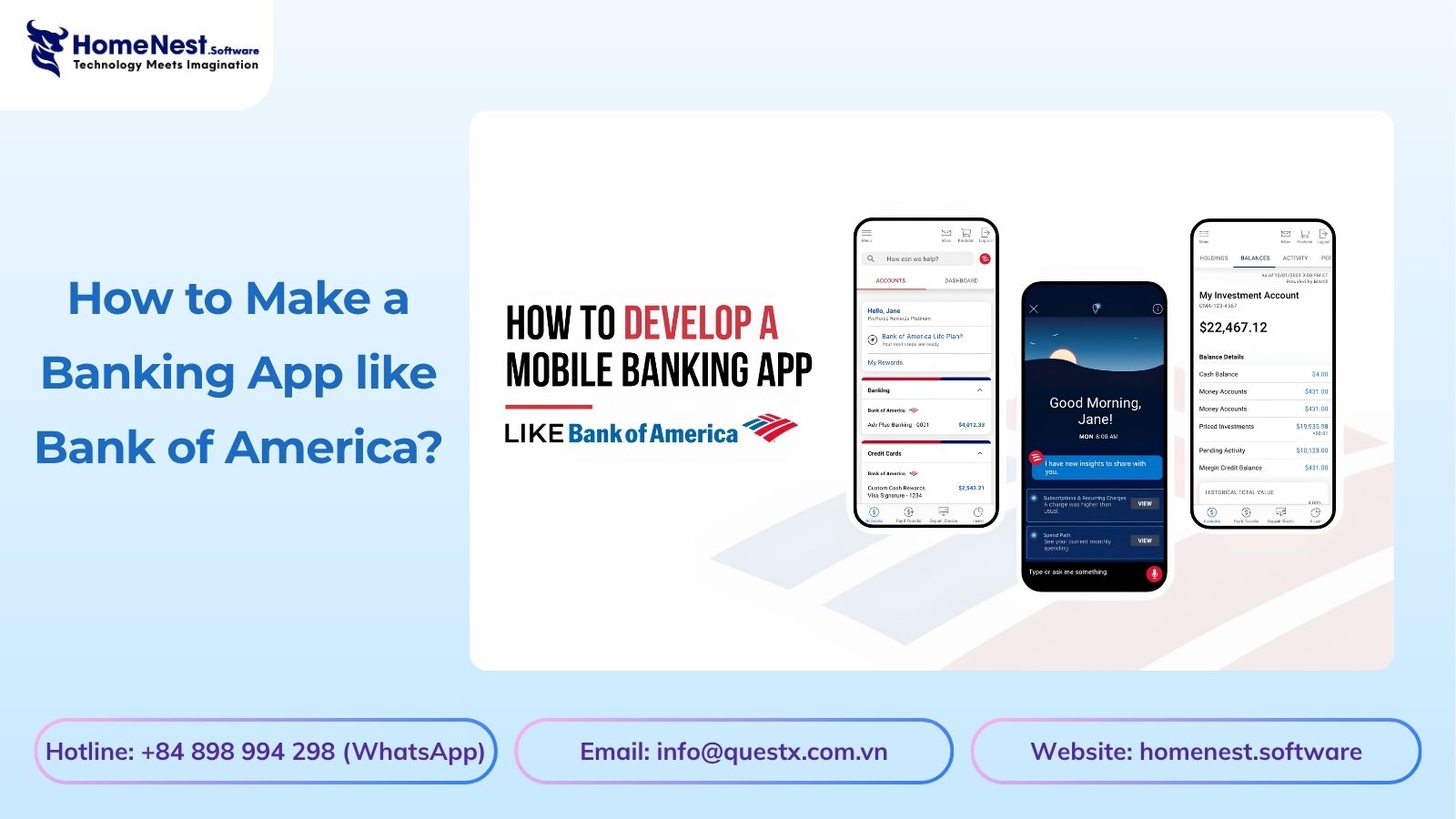
How to Make a Banking App like Bank of America?
Developing a mobile banking application like Bank of America extends far beyond basic UI design; it requires engineering a fault-tolerant backend capable of real-time ledger synchronization, biometric authentication, and high-volume data processing under strict regulatory frameworks. Drawing from HomeNest Software’s deep experience in architecting enterprise-grade fintech solutions, this guide strips away theoretical jargon to focus entirely on operational and technical execution. What you will find in this guide: We break down the precise development roadmap, from mapping out microservices and ensuring PCI-DSS compliance to estimating MVP development costs and securing absolute data sovereignty through 100% source code ownership. If you are preparing to build, scale, or audit a financial platform, this blueprint provides the exact framework you need.
Banking App Development Cost
Building a banking application is rarely a simple process; it’s a complex technical challenge requiring a balance between complying with stringent financial regulations, handling large transaction volumes, and a scalable cloud architecture. Miscalculating these technical requirements from the outset often leads to significant technical debt and budget overruns. Based on HomeNest Software’s practical experience in designing enterprise-grade fintech solutions, this guide bypasses generic estimates to provide a realistic analysis of banking application development costs. What you’ll find in this guide: We analyze the true cost factors, from technology selection and API integration to the hidden costs of regulatory compliance and security infrastructure. Whether you’re launching a minimum viable product or expanding an existing financial platform, this analysis provides the precise operational data you need to plan your budget effectively.
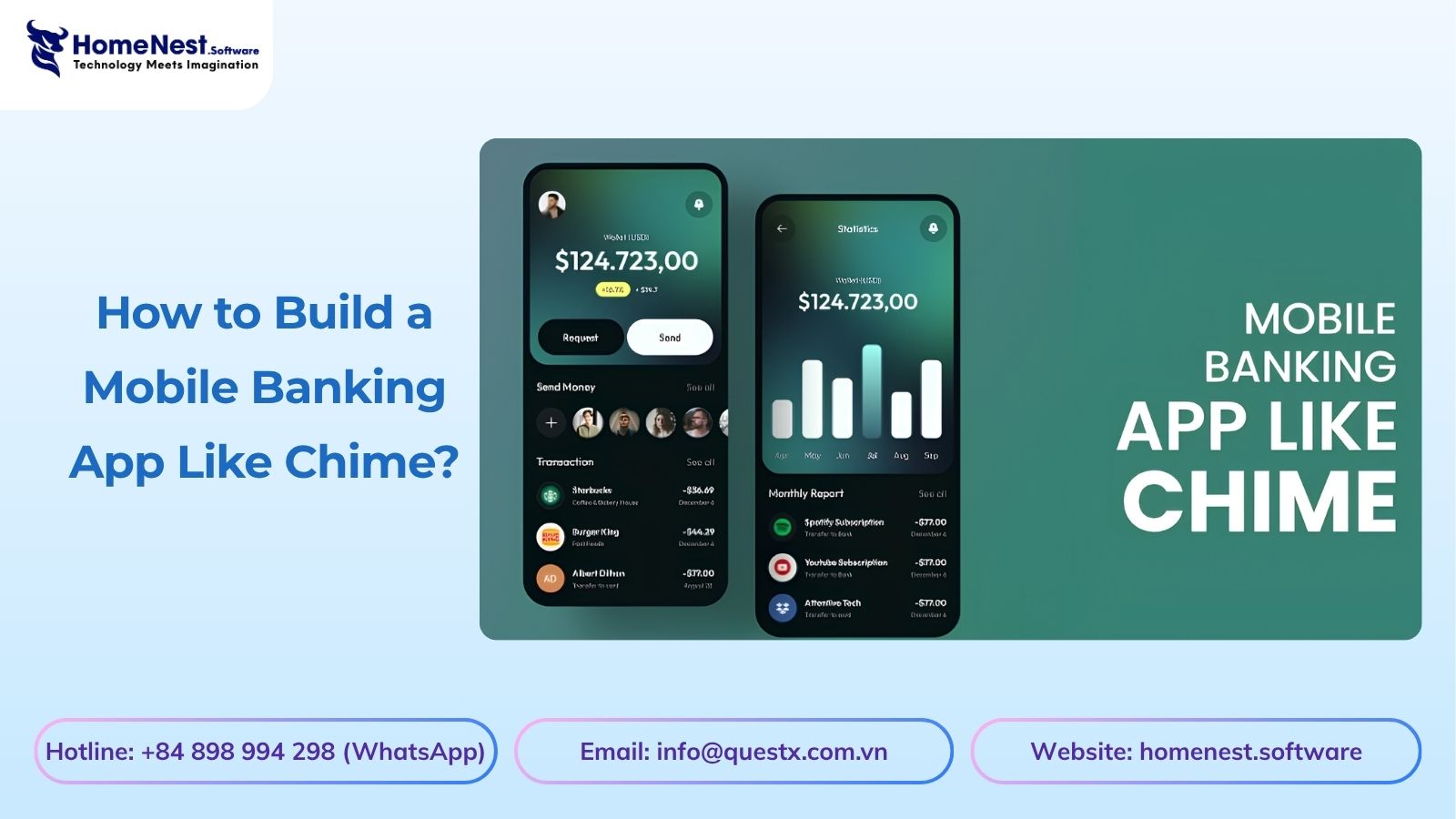
How to Build a Mobile Banking App Like Chime?
Building a mobile banking app like Chime is not just about features, it is about delivering a secure, scalable, and user-centric financial experience. From planning the right architecture to optimizing mobile banking app development cost, every decision directly impacts your product’s success. Leveraging Fintech app development services, starting with MVP app development, and scaling through on-demand app development solutions allows businesses to reduce risk and accelerate time to market. To stay competitive, combining Android app development services and iOS app development solutions ensures wider reach, while continuous updates through maintenance software development services keep your app secure and future-ready.

How to Build a Banking App Like Barclays: A Complete Entrepreneur’s Guide
Building a banking app like Barclays requires more than just development. It demands a strong product vision, secure architecture, and a clear monetization strategy. From optimizing cost and selecting the right tech stack to ensuring compliance and scalability, every decision impacts long-term success. Partnering with an experienced team like HomeNest Software helps accelerate development, reduce risks, and deliver a high-quality fintech product that can compete in today’s fast-evolving digital banking landscape.