The demand for taxi booking apps has grown significantly in recent years, driven by rapid advancements in digital technology and changing user behavior. Instead of worrying about owning a vehicle or finding transportation on their own, users can simply open a mobile app and book a nearby taxi to reach their destination with ease.
A successful taxi booking app builds its foundation on trust, safety, and convenience—for both riders and drivers. To achieve this, app operators leverage advanced technologies and customized features while prioritizing an optimal user experience. Developers ensure that the app meets the needs of all stakeholders, including riders, drivers, and platform operators.
This blog explores the top features that enable a taxi booking app to stand out and remain competitive in 2026.
Why Is There a Huge Demand for Taxi Booking Apps?
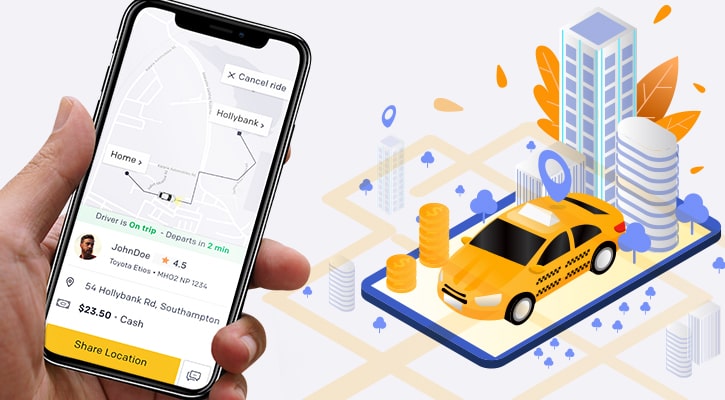
The taxi booking industry is one of the fastest-growing segments in the global mobility ecosystem. Over the past decade, we have witnessed leading platforms such as Uber, Ola, and Rapido expand rapidly and strengthen their market presence. Seeing this momentum, many new taxi booking apps continue to enter the market. According to industry projections, the taxi booking app market is expected to grow steadily and reach nearly $220 billion by 2029.
With evolving urban mobility trends and widespread digital adoption, the demand for taxi booking apps continues to rise. Modern users increasingly prefer on-demand, flexible transportation options over owning private vehicles. This shift not only offers greater convenience but also helps users reduce overall transportation costs. Below are the key factors driving the growing demand for taxi booking apps in 2026.
Digital Adoption and Smartphone Usage
Global smartphone penetration has increased significantly, supported by improved internet infrastructure and widespread 5G connectivity. These advancements enable real-time ride tracking, faster app performance, and seamless user experiences. In addition, growing trust in digital payment ecosystems has accelerated the adoption of online taxi booking apps that offer smooth booking, tracking, and cashless payment flows.
Convenience and Time Efficiency
Taxi booking apps offer one-tap ride booking combined with real-time tracking and instant driver allocation. Transparent fare structures and predictable pricing enhance user confidence and reliability. Many platforms now operate 24/7 and have expanded their services to smaller towns and cities. AI-powered driver matching further reduces waiting times and improves overall efficiency.
Flexibility and Cost Savings
Compared to owning a private vehicle—which involves fuel costs, insurance, and regular maintenance—booking a taxi is often a more economical choice. Taxi booking apps provide multiple service options such as economy rides, shared trips, and premium services, allowing users to choose based on their budget and preferences. Promotional offers, loyalty rewards, and subscription plans further enhance affordability.
Enhanced Safety and Transparency
Modern taxi booking apps prioritize user safety through features such as live ride tracking, trip sharing with trusted contacts, in-app SOS alerts, and verified driver profiles. Users can review driver ratings, check trip details, and provide feedback, creating a transparent and accountable ride ecosystem.
Growth in Tourism and Business Travel
Post-pandemic recovery has led to a strong rebound in both domestic and international travel. Tourists and business travelers increasingly rely on local taxi booking apps for safe navigation, reliability, and convenience. Corporate billing options and professional driver services further boost adoption among business users.
Additional Factors Driving Demand
Beyond the core reasons, several emerging trends continue to fuel demand for taxi booking apps in 2026. These include the expansion of ride-hailing services into Tier-2 and Tier-3 cities, the rise of super apps and integrated mobility platforms, and a growing focus on sustainability and green mobility solutions.
Top 10 Must-Have Features for a Taxi Booking App
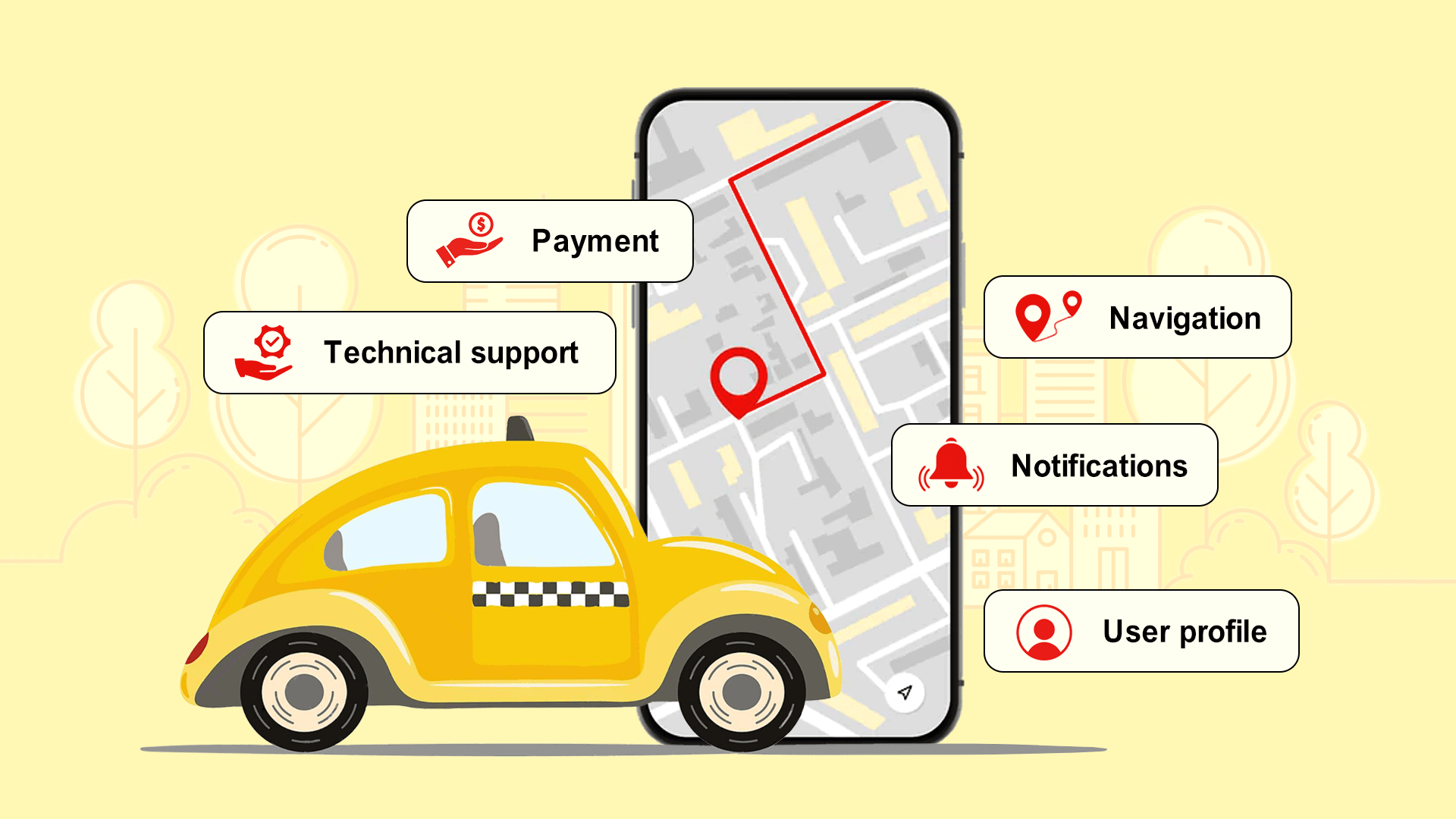
A modern taxi booking app is built around seamless functionality that encourages user engagement, trust, and long-term adoption. To stay competitive in 2026, platforms must deliver an intuitive experience for riders, drivers, and operators alike. Below are the essential features every successful taxi booking app should include.
1. Easy Registration and Profile Management
Users should be able to register quickly using a phone number, email address, or social accounts, secured with OTP-based authentication. A well-designed profile section allows users to manage personal details, view ride history, access invoices, and track past bookings effortlessly.
2. Instant Ride Booking and Real-Time Driver Tracking
With just one tap, users can book a ride and view estimated fares before confirmation. Real-time driver tracking displays arrival times, routes, and live location updates, which can be shared with family or friends for added safety and convenience—especially during urgent situations.
3. Ride Scheduling, Multi-Stop Trips, and Pre-Booking
Taxi booking apps should support scheduled rides for airport transfers, office commutes, and planned travel. Riders can add multiple stops, pick up additional passengers, or modify destinations mid-ride, offering flexibility for both personal and business users.
4. In-App Support and Two-Way Feedback
A built-in rating and review system allows riders to evaluate drivers and overall ride experiences, while drivers can also rate passengers. In-app chat, quick-call assistance, and 24/7 support through AI chatbots or live agents help resolve issues instantly and improve service quality.
5. Multiple and Secure Payment Options
To cater to diverse user preferences, taxi booking apps should support multiple payment methods, including UPI, cards, digital wallets, net banking, and cash. Secure payment gateways, automatic invoice generation, and transparent fare breakdowns enhance user trust.
6. Safety and Emergency Features
Safety remains a top priority in 2026. Essential features include live trip sharing, SOS or panic buttons connected to local authorities, call masking, AI-based driver verification, and round-the-clock customer support to ensure rapid response in emergencies.
7. Eco-Friendly and Sustainable Ride Options
With growing environmental awareness, taxi booking apps now offer eco-friendly ride choices. Features such as electric vehicle (EV) and hybrid support, along with “go-green” filters, allow environmentally conscious users to select sustainable transportation options.
8. AI-Powered Personalization
AI-driven personalization enhances user experience by recommending rides based on past behavior, preferred timings, and frequent routes. Predictive pricing, customized promotions, and voice-enabled bookings via platforms like Google Assistant or Alexa further elevate convenience.
9. Driver Management and Performance Analytics
From the driver’s perspective, a dedicated app dashboard provides access to earnings, trip history, and performance insights. Real-time analytics and performance scoring systems help operators offer incentives, improve service quality, and retain high-performing drivers.
10. Custom Vehicle and Service Options
Users should be able to choose vehicles based on their needs—economy rides for solo travel, larger vehicles for group trips, or premium options for added comfort. This flexibility ensures a personalized experience for every ride scenario.
Final Thoughts
These must-have features define what makes a taxi booking app stand out in 2026. By focusing on convenience, safety, personalization, and sustainability, businesses can build scalable and competitive ride-hailing platforms. If you’re planning to develop a taxi booking app, incorporating these features will help you meet user expectations and outperform competitors.
Future-Ready Additions to Make Your Taxi Booking App Smarter
The taxi booking app ecosystem is constantly evolving, and building an app once is no longer enough to stay competitive. To maintain market relevance and build a strong brand reputation, platforms must continuously innovate and adapt to emerging technologies. Developers need to introduce future-ready features that enhance intelligence, efficiency, and scalability. Below are the key additions that can make a taxi booking app smarter and more resilient in the years ahead.
AI-Driven Predictive Analytics
Future-ready taxi booking apps will leverage AI-powered predictive analytics to anticipate ride demand and optimize fleet allocation. These systems can forecast peak hours, manage surge pricing more effectively, and help operators balance supply and demand in real time—resulting in improved profitability and better user experiences.
Machine Learning for Continuous Improvement
Machine learning enables smarter matching between drivers and passengers based on behavior, location, and preferences. It also plays a crucial role in fraud detection, anomaly monitoring, and risk prevention. Automated feedback analysis allows platforms to identify service gaps and continuously improve ride quality without manual intervention.
IoT Integration
With Internet of Things (IoT) integration, taxi booking apps can access real-time vehicle diagnostics and operational insights. Features such as smartwatch notifications for booking updates, driver fatigue detection, speed alerts, and vehicle health monitoring enhance both safety and efficiency across the platform.
Cloud and Edge Computing
Cloud and edge computing technologies enable faster data processing and real-time location tracking with minimal latency. These technologies ensure smoother in-app communication, quicker updates, and uninterrupted performance—even during high traffic periods—making them essential for scalable, future-ready platforms.
Additional Future-Focused Enhancements
Beyond these core advancements, several emerging technologies are set to redefine taxi booking apps in the near future. These include autonomous and semi-autonomous vehicle compatibility, hyper-personalization powered by advanced data insights, immersive experiences through Augmented Reality (AR) and Virtual Reality (VR), and blockchain-based solutions for enhanced transparency, security, and trust.
By adopting these future-ready additions, taxi booking apps can stay ahead of industry trends, deliver smarter mobility solutions, and remain competitive in an increasingly technology-driven landscape.
Why Choose HomeNest Software as Your Taxi Booking App Development Company?
As highlighted earlier, the taxi booking app industry has a strong and promising future. With the rapid growth of tourism, business travel, digital adoption, and the increasing demand for cost-effective transportation, this sector is set to expand even further. If you’re looking for a reliable and experienced development partner to build a high-performing taxi booking app, HomeNest Software stands out as the right choice.
Based in Jaipur, HomeNest Software is a trusted on-demand app development company with extensive experience in mobile app development, website development, digital marketing, and end-to-end software solutions. With a proven track record of delivering custom apps for startups and scalable mobility platforms, the company combines technical expertise with a deep understanding of industry trends and user expectations. Their competitive pricing, strong backend support, and ongoing maintenance services make them a dependable long-term technology partner.
Below are the key reasons to choose HomeNest Software for your taxi booking app development needs.
Proven Expertise in App Development
HomeNest Software brings years of experience in building diverse mobile applications across industries. Their team understands evolving market demands and focuses on delivering solutions that align with real user expectations and business goals.
End-to-End Development Solutions
From ideation to deployment, HomeNest Software offers complete end-to-end development services. This includes UI/UX design, backend development, API integration, testing, and post-launch maintenance. The team builds custom solutions for both iOS and Android platforms and has hands-on experience with cross-platform frameworks such as Flutter and React Native.
Customizable and Scalable App Architecture
Before development begins, HomeNest Software analyzes your business model—whether B2C, B2B, or marketplace-driven—to design features that fit your specific needs. Their scalable architecture allows seamless integration of future-ready technologies such as EV support, IoT integration, and AI-powered routing systems.
Expertise in Cutting-Edge Technologies
The company specializes in advanced technologies including Artificial Intelligence and Machine Learning for smart ride allocation and route optimization. They also support blockchain integration for secure transactions and data integrity, along with compatibility for smart assistants, wearables, and modern payment gateways.
User-Centric Design and Seamless Experience
A smooth and intuitive user experience is critical for both riders and drivers. HomeNest Software prioritizes clean UI/UX design, accessibility, performance, and personalization. They streamline booking flows, ensure clear fare visibility, and deliver responsive designs that enhance engagement and retention.
Robust Security and Data Protection
Security is a top priority. HomeNest Software follows international data protection standards such as GDPR and CCPA, ensuring strong data security, fraud prevention, and reliable app performance across all platforms.
Flexible Budget Options for Every Business
Whether you’re a startup or an established enterprise, HomeNest Software offers flexible pricing models tailored to your budget. They balance cost efficiency with premium features, ensuring high performance without compromising quality.
In addition to the above, HomeNest Software provides dedicated post-launch support, regular maintenance, flexible engagement models, and a future-ready development approach. Their proven client success stories and high satisfaction rates further reinforce their credibility as a trusted development partner.
Conclusion
Choosing the right app development company can make the difference between a basic taxi booking app and a scalable, market-leading mobility solution. With strong expertise in end-to-end development, innovative technology adoption, and a customer-first mindset, HomeNest Software is well-positioned to support your growth journey.
Whether you’re launching a new taxi booking platform or enhancing an existing app, HomeNest Software delivers customized, secure, and high-performing solutions. Partnering with them equips your business with the innovation, reliability, and scalability needed to succeed in the competitive ride-hailing landscape.
Contact HomeNest Software today for a free consultation and inquire about our all-inclusive App Design package offers!
HomeNest Software – Empowering Long-Term Growth for Modern Businesses.

Contact Information:
- Address: The Sun Avenue, 28 Mai Chi Tho Street, Binh Trung Ward, Ho Chi Minh City
- Hotline: +84 898 994 298 ( WhatsApp )
- Website: homenest.software
HomeNest Services: Website Design – App Design – Software Development – Digital Marketing.
Frequently Asked Questions (FAQs)
1. Why should I choose HomeNest Software for taxi booking app development?
HomeNest Software offers end-to-end taxi booking app development with a strong focus on scalability, security, and user experience. With proven expertise in mobility solutions, cutting-edge technologies, and flexible pricing models, they help businesses build reliable and future-ready ride-hailing platforms.
2. How long does it take to develop a taxi booking app?
The development timeline depends on app complexity, features, and platform requirements. On average, a basic taxi booking app can take 3–4 months, while a fully customized and advanced solution may take 5–7 months, including testing and deployment.
3. Can HomeNest Software build both Android and iOS taxi booking apps?
Yes. HomeNest Software develops native apps for Android and iOS, as well as cross-platform solutions using frameworks like Flutter and React Native to reduce cost and time-to-market.
4. Is the taxi booking app scalable for future growth?
Absolutely. HomeNest Software designs scalable app architectures that support future enhancements such as EV integration, AI-powered routing, IoT features, and expansion into new cities or regions.
5. How much does it cost to develop a taxi booking app?
Taxi booking app development costs vary based on features, design complexity, and technology stack. HomeNest Software offers flexible budget options for startups and enterprises, ensuring premium performance without unnecessary expenses.
6. Does HomeNest Software provide post-launch support and maintenance?
Yes. The company offers ongoing support, regular updates, performance optimization, and security maintenance to ensure smooth operation and long-term reliability after launch.
7. Are security and data protection ensured in the app?
HomeNest Software follows international data protection standards such as GDPR and CCPA. They implement strong security measures, secure payment gateways, fraud prevention systems, and encrypted data handling.
8. Can the app be customized based on my business model?
Yes. Whether your business model is B2C, B2B, or marketplace-based, HomeNest Software customizes features, workflows, and integrations to align perfectly with your operational and growth goals.