
How Agile Software Development Drives Business Success
Agile software development enables organizations to build high-quality products faster by embracing flexibility, collaboration, and continuous improvement. Through iterative delivery, close stakeholder involvement, and data-driven decision-making, teams can quickly adapt to changing requirements while minimizing risks. Although challenges such as team alignment and process adoption may arise, implementing the right frameworks, tools, and practices allows businesses to unlock greater efficiency, enhance customer satisfaction, and maintain a strong competitive advantage in today’s dynamic digital landscape.
Scope of Work
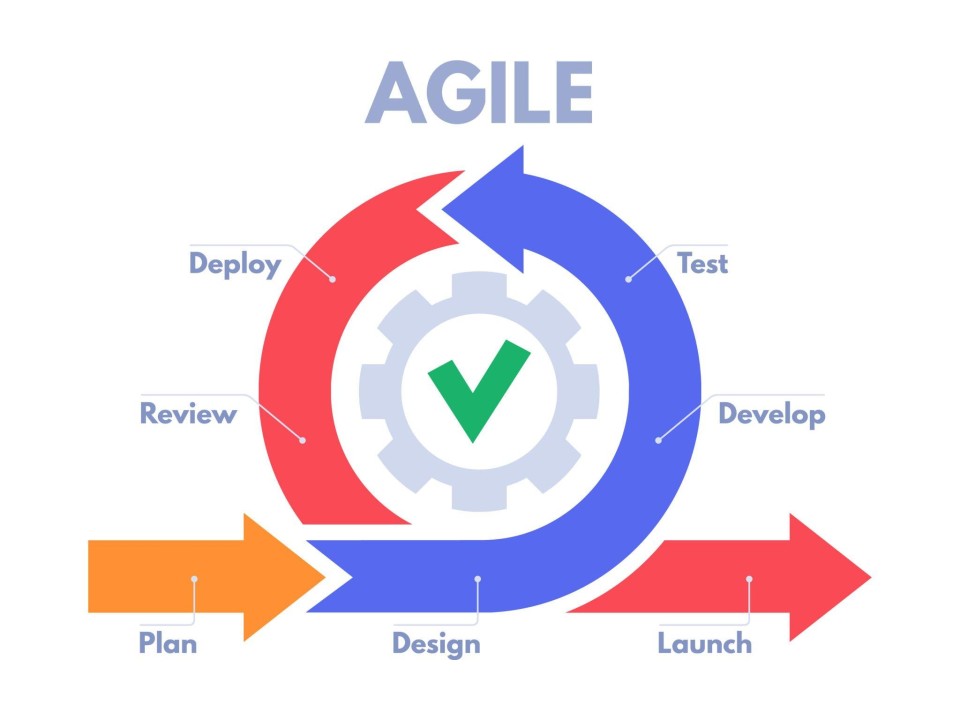
In today’s rapidly evolving business landscape, organizations must be highly adaptable and responsive to stay competitive. Agile Software Development has become a powerful approach that enables teams to deliver high quality software efficiently while continuously adapting to changing requirements. This article explores the fundamentals of Agile, its key benefits, and how it helps businesses drive innovation and achieve sustainable growth.
What Is Agile Software Development?
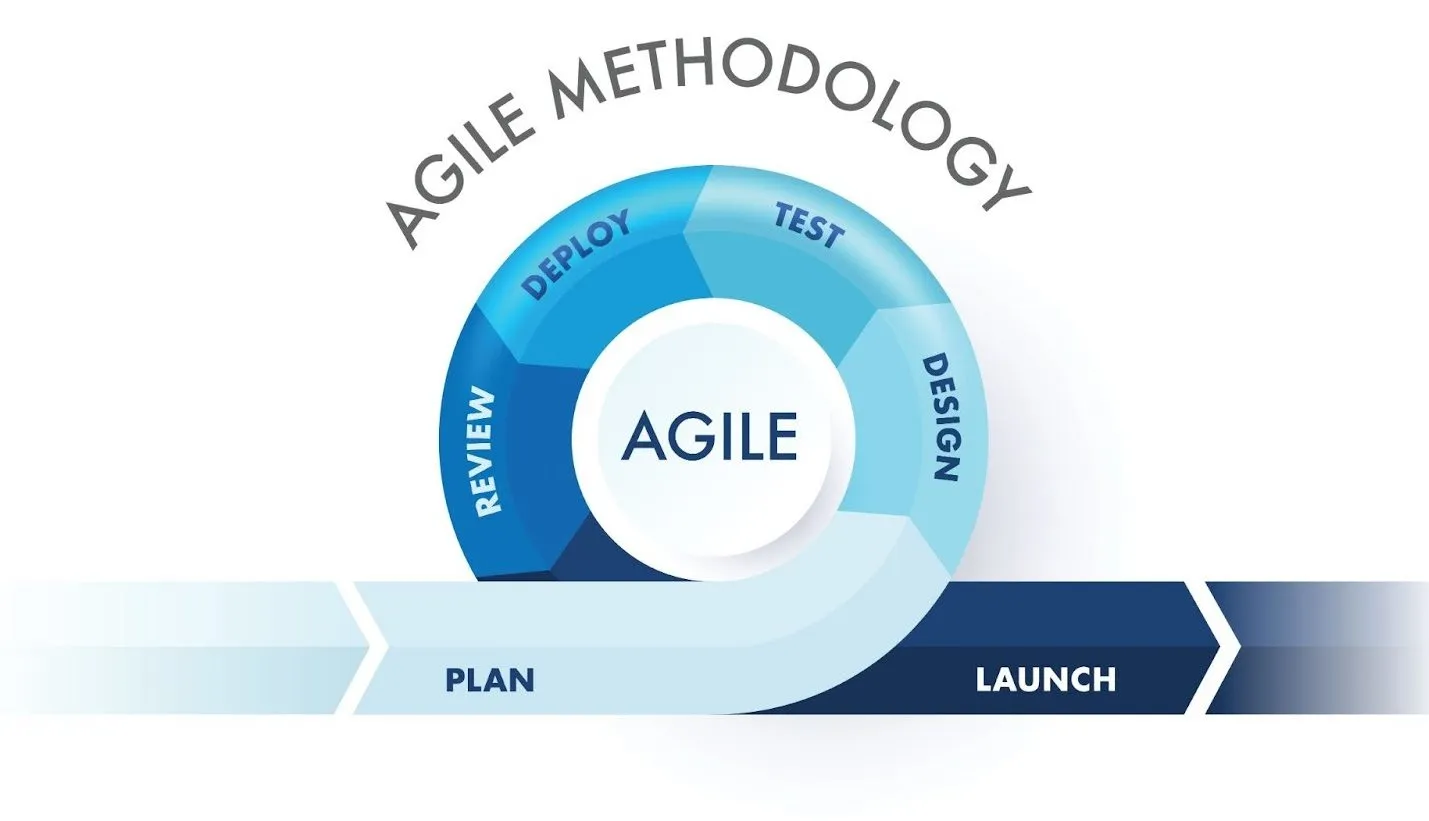
Agile Software Development is an approach that prioritizes iterative progress, collaboration, and the ability to respond quickly to change. Instead of delivering a complete product at the end of a long development cycle, Agile breaks projects into smaller, manageable increments allowing teams to deliver value continuously and refine the product based on real feedback.
Overview of Agile Methodology
Agile focuses on adaptive planning, rapid delivery, and continuous improvement. It encourages close collaboration between cross functional teams and stakeholders to ensure the product evolves in line with user needs and business goals. This approach creates a dynamic development environment where feedback is integrated at every stage.
Agile vs Waterfall Development: Key Differences
The difference between Agile and Waterfall lies in their approach to development.
- Waterfall follows a linear, step by step process with fixed requirements and limited flexibility once development begins.
- Agile, on the other hand, is iterative and flexible, allowing teams to adapt to changes at any stage while continuously delivering working software.
This makes Agile more suitable for projects with evolving requirements and fast changing market conditions.
Principles of the Agile Manifesto
The Agile Manifesto is built on key principles that guide how teams work, collaborate, and deliver value. These principles emphasize flexibility, customer focus, and continuous improvement:
- Customer Satisfaction
Deliver valuable software early and continuously to meet customer needs. - Embrace Change
Welcome changing requirements even late in development to maintain competitiveness. - Frequent Delivery
Release working software regularly, with shorter development cycles preferred. - Collaboration
Ensure continuous collaboration between business stakeholders and development teams. - Empowered Teams
Build projects around motivated individuals and trust them to deliver results. - Effective Communication
Prioritize direct and clear communication for better understanding and efficiency. - Working Software First
Measure progress primarily through functional, working software rather than documentation. - Sustainable Development
Maintain a consistent and manageable pace to ensure long term productivity. - Technical Excellence
Focus on high quality code and strong design to improve flexibility and scalability. - Simplicity
Minimize unnecessary work and complexity to maximize efficiency. - Self Organizing Teams
Encourage autonomy, allowing teams to make decisions and drive innovation. - Continuous Improvement
Regularly reflect on performance and refine processes to enhance outcomes.
These principles form the foundation of Agile, enabling teams to build high quality software that is adaptable, customer focused, and aligned with evolving business needs.
Benefits of Agile Software Development
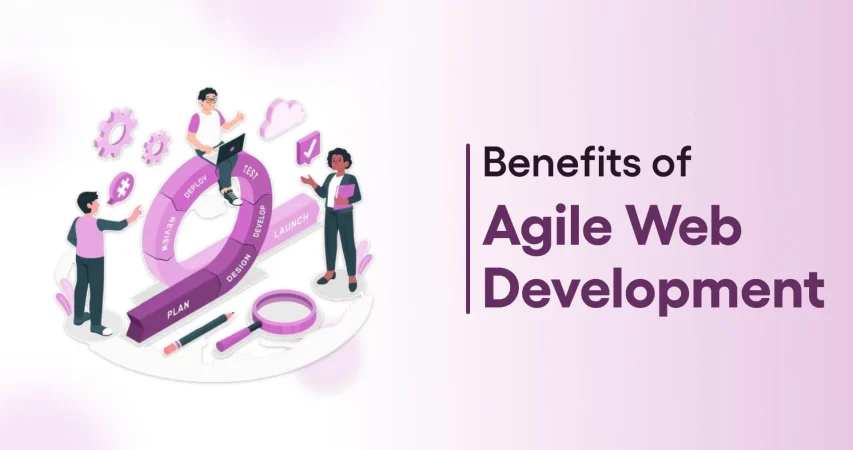
Enhanced Collaboration and Teamwork
Agile fosters a highly collaborative environment by bringing together cross functional teams with diverse expertise. Through regular interactions such as daily stand ups, sprint planning, and reviews team members maintain clear communication and alignment. This approach encourages ownership, accountability, and shared responsibility, resulting in stronger teamwork and more efficient execution.
Adaptability to Changing Requirements
One of Agile’s core strengths is its ability to adapt to change. With iterative development cycles, teams can continuously reassess priorities and adjust features based on market trends, user feedback, or evolving business needs. This flexibility ensures the final product remains relevant and aligned with strategic objectives.
Improved Quality and Customer Satisfaction
Agile emphasizes continuous delivery and frequent releases, allowing teams to provide working software at regular intervals. Ongoing feedback from stakeholders and end users helps identify issues early and refine the product incrementally. This iterative improvement process ensures higher quality and a better match with customer expectations.
Better Risk Management
By breaking projects into smaller, manageable increments, Agile enables teams to identify and address risks early in the development lifecycle. Regular testing, reviews, and feedback loops help detect potential issues before they escalate. This proactive approach reduces uncertainty, minimizes disruptions, and leads to more predictable and successful project outcomes.
Popular Agile Frameworks and Practices
Agile encompasses a range of frameworks and practices designed to meet different project requirements. Each framework offers a unique approach to improving efficiency, collaboration, and product quality. Below are some of the most widely adopted Agile methodologies:
Scrum Framework: Sprint Based Delivery
Scrum is a structured Agile framework that organizes work into short, time boxed iterations known as sprints, typically lasting 2–4 weeks. Each sprint focuses on delivering specific features or product increments.
Scrum emphasizes strong team collaboration through key ceremonies such as daily stand ups, sprint planning, sprint reviews, and retrospectives. These regular touchpoints ensure alignment, enable early issue resolution, and support continuous improvement throughout the development process.
Kanban: Workflow Visualization and Optimization
Kanban focuses on visualizing and optimizing workflow. Teams use a Kanban board to track tasks as they move through stages such as To Do, In Progress, and Done.
A core principle of Kanban is limiting work in progress (WIP), which helps prevent bottlenecks and improve efficiency. Its flexible, continuous delivery model makes it ideal for projects with evolving priorities, as tasks can be added or adjusted without disrupting the overall workflow.
Extreme Programming (XP): Emphasis on Code Quality
Extreme Programming (XP) is centered on maintaining high code quality and technical excellence. It incorporates best practices such as:
- Pair programming
- Test driven development (TDD)
- Continuous integration
- Frequent releases
By emphasizing early testing and rapid feedback, XP ensures that software is reliable, maintainable, and aligned with user expectations from the outset.
Lean Agile: Streamlined and Value Driven Development
Lean Agile applies principles from lean manufacturing to software development, focusing on maximizing value while minimizing waste. It encourages teams to prioritize high impact features, eliminate unnecessary processes, and continuously refine workflows.
This approach helps organizations deliver high quality products more efficiently, reduce overhead, and accelerate time to value.
By selecting the right framework or combining elements from multiple approaches teams can tailor Agile practices to fit their specific project goals and operational needs.
What Is the Agile Software Development Cycle?
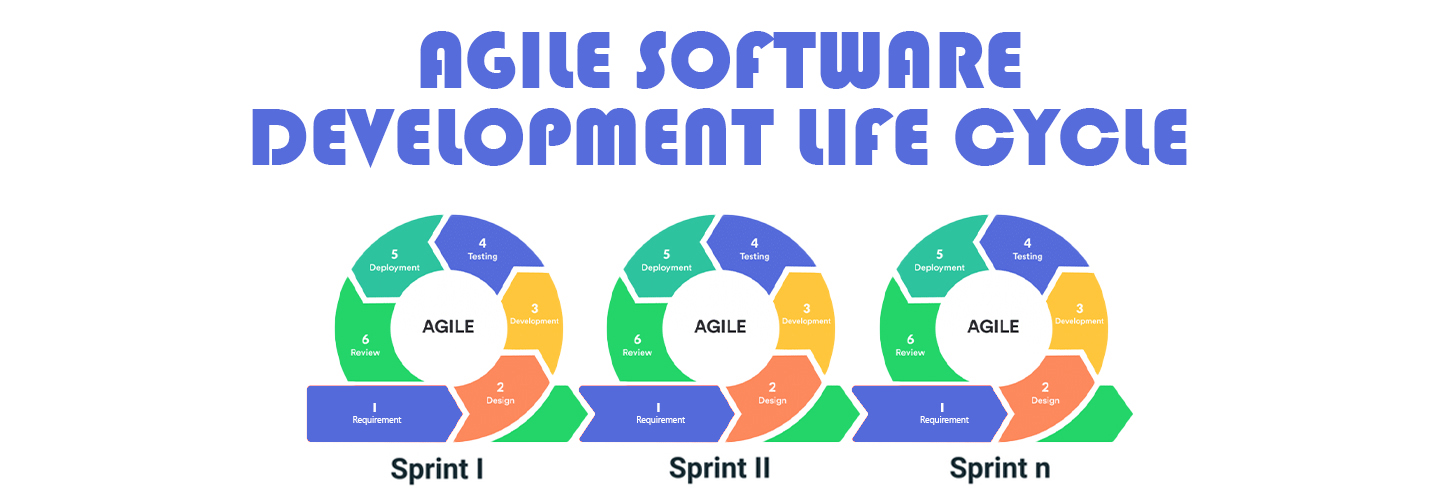
The Agile software development cycle is an iterative, continuous process designed to deliver value quickly while adapting to changing requirements. It emphasizes collaboration, frequent feedback, and incremental improvements throughout the project lifecycle.
1. Concept and Planning
Every Agile project starts with defining the vision, scope, and objectives. During this phase, stakeholders collaborate with the Product Owner to align business goals and establish a clear roadmap for development.
Key activities include:
- Defining the product vision and scope
- Creating a product backlog of features and tasks
- Prioritizing backlog items based on business value and feasibility
This stage lays the foundation for a focused and goal driven development process.
2. Iterative Development Through Sprints
Agile development is structured around sprints short cycles (typically 1–4 weeks) where teams deliver functional product increments. Each sprint focuses on specific goals and continuously improves the product.
Typical sprint workflow:
- Sprint Planning: Define objectives, scope, and tasks
- Daily Stand Ups: Track progress and resolve blockers
- Development & Testing: Build and validate features incrementally
- Sprint Review: Present completed work and gather feedback
This iterative approach enables faster delivery and ongoing refinement.
3. Continuous Testing and Integration
Testing is integrated throughout the Agile cycle rather than being a final step. Continuous testing ensures that issues are identified early, while ongoing integration guarantees that all components function seamlessly together.
This approach reduces risks and improves overall product stability.
4. Feedback and Review
Regular feedback is central to Agile success. Stakeholders review progress at the end of each sprint, providing insights that guide future development.
By incorporating feedback continuously, teams ensure the product evolves in line with user expectations and business needs.
5. Deployment and Maintenance
Once a stable version is ready, it is deployed to users. However, Agile does not end at launch. Teams continue to monitor performance, gather user feedback, and release updates or enhancements.
This ongoing maintenance ensures the product remains relevant, high performing, and aligned with evolving requirements.
By following this iterative cycle, Agile enables teams to deliver high quality software efficiently while staying responsive to change and continuously improving outcomes.
How to Implement Agile in Your Software Development Team
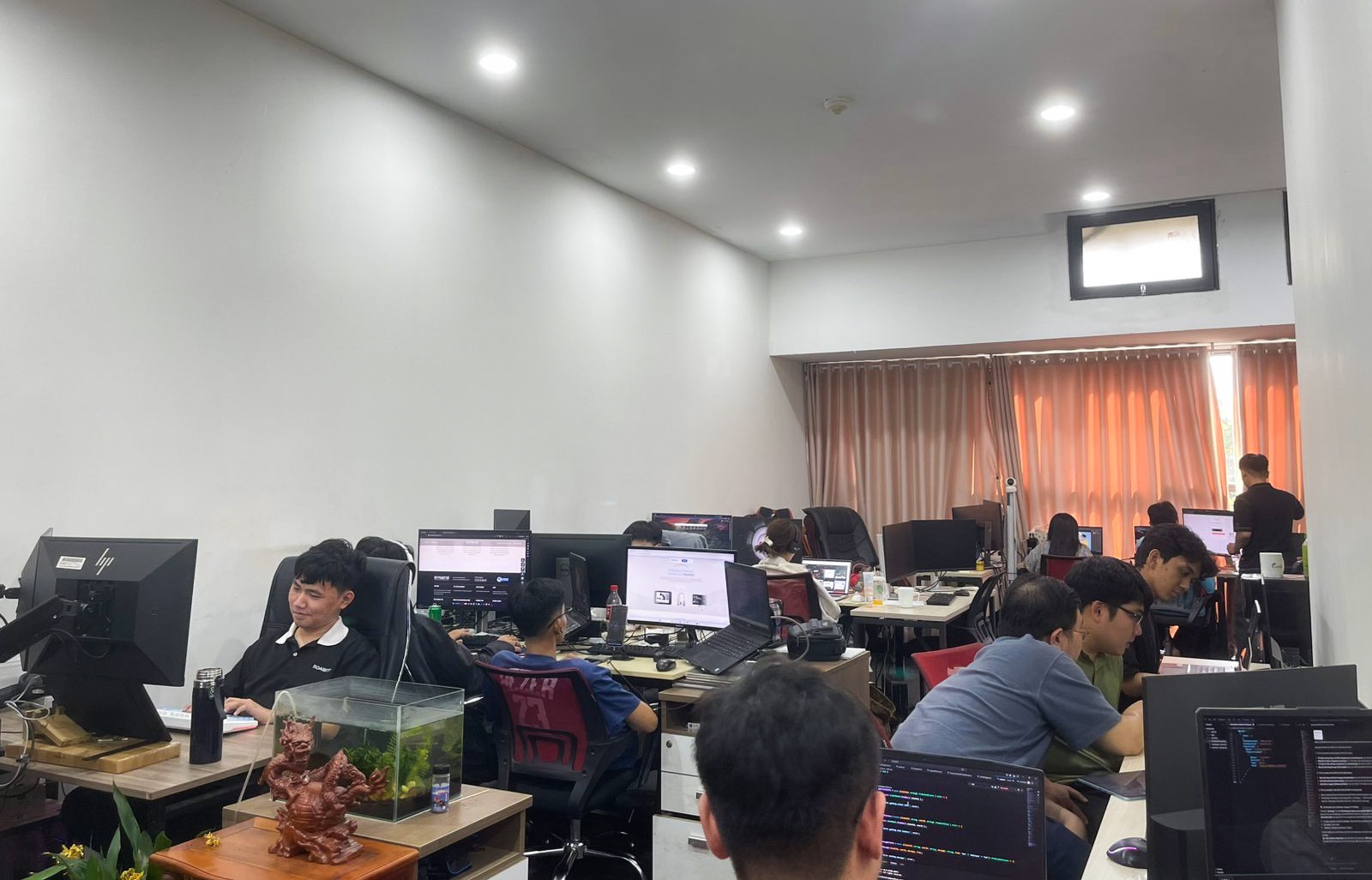
Successfully adopting Agile requires more than just new processes it involves building a culture of collaboration, transparency, and continuous improvement. Here’s how to effectively implement Agile within your development team:
Define Agile Roles and Responsibilities
Clear roles are essential to ensure accountability and smooth execution within Agile teams:
- Product Owner: Defines and prioritizes the product backlog based on business goals and user needs
- Scrum Master: Facilitates Agile practices, removes blockers, and ensures the team follows best practices
- Development Team: A cross functional group responsible for delivering product increments through iterative sprints
Establishing these roles helps maintain structure while enabling flexibility.
Build and Manage the Product Backlog
The product backlog is a dynamic list of features, tasks, and requirements that guide development. It should be continuously updated and prioritized based on value, urgency, and feasibility.
A well managed backlog ensures the team always focuses on the most impactful work and provides a clear direction for upcoming sprints.
Plan and Execute Sprint Cycles
Work is organized into sprints, each with clearly defined goals and deliverables. During sprint planning, the team selects high priority items from the backlog to complete within the sprint timeframe.
Throughout the sprint:
- Daily stand ups track progress and resolve challenges
- Development and testing occur simultaneously
- Sprint reviews present completed work and gather stakeholder feedback
This structured yet flexible approach ensures steady progress and continuous delivery.
Conduct Retrospectives for Continuous Improvement
At the end of each sprint, teams hold a retrospective to evaluate performance. This session focuses on identifying what worked well, what didn’t, and how processes can be improved.
Retrospectives foster a culture of learning and continuous optimization, helping teams become more efficient and effective with each iteration.
By combining clear roles, structured workflows, and a commitment to ongoing improvement, Agile implementation enables teams to deliver high quality software while remaining adaptable to change.
Common Challenges of Agile Software Development and Solutions
Overcoming Common Agile Pitfalls
Agile software development offers flexibility and speed, but it also comes with challenges that teams must manage effectively.
- Scope Creep: Uncontrolled additions to the product backlog can overwhelm teams and impact timelines. This can be mitigated through clear prioritization, disciplined backlog management, and strong Product Owner oversight.
- Technical Debt: Focusing too heavily on speed may lead to poor code quality and future rework. Implementing practices like test driven development (TDD), code reviews, and continuous integration helps maintain long term code health.
- Quality Assurance Gaps: Without consistent testing, defects may go unnoticed. Adopting continuous testing and automation ensures early detection and faster resolution of issues.
Strong communication, structured planning, and adherence to Agile best practices are essential to overcoming these common pitfalls.
Best Practices for Remote Agile Teams
Remote Agile teams face unique challenges such as time zone differences and limited real time interaction. To maintain productivity and alignment:
- Use collaboration tools like Slack for communication and Jira for task tracking
- Adopt asynchronous communication practices with clear, documented updates
- Conduct regular virtual stand ups, sprint reviews, and retrospectives
- Foster a culture of trust, accountability, and flexibility
These practices help remote teams stay connected, aligned, and efficient within an Agile framework.
Conclusion
Agile software development has fundamentally transformed how organizations approach building digital products. By emphasizing collaboration, adaptability, and continuous delivery, Agile enables teams to respond quickly to changing requirements while maintaining high quality.
When implemented effectively, Agile helps businesses improve efficiency, enhance customer satisfaction, and accelerate innovation. Whether you’re adopting Agile for the first time or refining your current processes, it provides a proven framework for sustainable growth and long term success in today’s dynamic market.
FAQs
1. What is Agile software development?
Agile software development is an iterative approach that focuses on delivering software in small increments, encouraging collaboration, continuous feedback, and adaptability to changing requirements.
2. How is Agile different from Waterfall?
Agile is flexible and iterative, allowing changes at any stage, while Waterfall follows a linear, fixed sequence with limited room for adjustments once development begins.
3. What are the main Agile frameworks?
The most popular Agile frameworks include Scrum, Kanban, Extreme Programming (XP), and Lean Agile, each suited for different project types and workflows.
4. What are the key benefits of Agile?
Agile improves time to market, enhances collaboration, increases flexibility, ensures better product quality, and allows continuous feedback from users and stakeholders.
5. What is a sprint in Agile?
A sprint is a short development cycle, typically lasting 1–4 weeks, where teams work on delivering a specific set of features or product increments.
6. What is a product backlog?
A product backlog is a prioritized list of features, tasks, and requirements that guide the development process and determine what will be worked on in each sprint.
7. What roles are involved in Agile teams?
Key roles include the Product Owner, Scrum Master, and Development Team, each responsible for different aspects of planning, execution, and delivery.
8. Can Agile be used for large scale projects?
Yes, Agile can be scaled using frameworks like SAFe or LeSS to manage large, complex projects across multiple teams.
9. What are common challenges in Agile adoption?
Challenges include team alignment, resistance to change, scope creep, technical debt, and managing stakeholder expectations.
10. Is Agile suitable for remote teams?
Yes, Agile works well for remote teams when supported by collaboration tools, clear communication, and structured processes like virtual stand ups and sprint reviews.
11. What tools are commonly used in Agile development?
Popular tools include Jira, Trello, Monday.com for project management and Jenkins, CircleCI for continuous integration and deployment.
12. Why should businesses adopt Agile software development?
Agile enables faster delivery, better adaptability, improved product quality, and stronger alignment with customer needs helping businesses stay competitive in a rapidly changing market.
Latest Articles
View All
Criteria For Choosing The Right App Design Agency
UI/UX design is the logical foundation of a system, not merely a visual element. Choosing the wrong partner will directly lead to technical debt, budget overruns, and disruptions in the development process. This article provides a 6-step evaluation framework and a list of operational risks, helping businesses eliminate subjective design advice and accurately assess agency capabilities based on developer handoff standards and practical business performance.

How Does AI in Banking Industry Impact the Future?
Artificial intelligence (AI) has transitioned from a supplementary tool to a core infrastructure of financial data management, optimizing profitability through real-time fraud detection, natural language processing (NLP), and high-speed credit scoring models. “Deploying AI in the financial sector requires more than just algorithmic accuracy, it demands a highly secure cloud architecture and rigorous data governance,” commented Nguyen Tien, co-founder of HomeNest Software. Why read this guide? We skip the theoretical jargon to focus entirely on technical implementation. Whether you’re evaluating a vendor or planning a system overhaul, this article will detail: Operational Efficiency: Automating unstructured data workflows at scale. Risk Architecture: Implementing real-time threat detection and AML compliance. Data ownership: The essential need for 100% ownership of the source code to ensure full algorithm auditability.

How to Make a Banking App like Bank of America?
Developing a mobile banking application like Bank of America extends far beyond basic UI design; it requires engineering a fault-tolerant backend capable of real-time ledger synchronization, biometric authentication, and high-volume data processing under strict regulatory frameworks. Drawing from HomeNest Software’s deep experience in architecting enterprise-grade fintech solutions, this guide strips away theoretical jargon to focus entirely on operational and technical execution. What you will find in this guide: We break down the precise development roadmap, from mapping out microservices and ensuring PCI-DSS compliance to estimating MVP development costs and securing absolute data sovereignty through 100% source code ownership. If you are preparing to build, scale, or audit a financial platform, this blueprint provides the exact framework you need.

Banking App Development Cost
Building a banking application is rarely a simple process; it’s a complex technical challenge requiring a balance between complying with stringent financial regulations, handling large transaction volumes, and a scalable cloud architecture. Miscalculating these technical requirements from the outset often leads to significant technical debt and budget overruns. Based on HomeNest Software’s practical experience in designing enterprise-grade fintech solutions, this guide bypasses generic estimates to provide a realistic analysis of banking application development costs. What you’ll find in this guide: We analyze the true cost factors, from technology selection and API integration to the hidden costs of regulatory compliance and security infrastructure. Whether you’re launching a minimum viable product or expanding an existing financial platform, this analysis provides the precise operational data you need to plan your budget effectively.

How to Build a Mobile Banking App Like Chime?
Building a mobile banking app like Chime is not just about features, it is about delivering a secure, scalable, and user-centric financial experience. From planning the right architecture to optimizing mobile banking app development cost, every decision directly impacts your product’s success. Leveraging Fintech app development services, starting with MVP app development, and scaling through on-demand app development solutions allows businesses to reduce risk and accelerate time to market. To stay competitive, combining Android app development services and iOS app development solutions ensures wider reach, while continuous updates through maintenance software development services keep your app secure and future-ready.

How to Build a Banking App Like Barclays: A Complete Entrepreneur’s Guide
Building a banking app like Barclays requires more than just development. It demands a strong product vision, secure architecture, and a clear monetization strategy. From optimizing cost and selecting the right tech stack to ensuring compliance and scalability, every decision impacts long-term success. Partnering with an experienced team like HomeNest Software helps accelerate development, reduce risks, and deliver a high-quality fintech product that can compete in today’s fast-evolving digital banking landscape.