
How to Build a Fitness App Like Fitbit: Step-by-Step Guide
Building a fitness app like Fitbit requires a strategic blend of user centric features, scalable technology, and a clear monetization model. From defining core functionalities and ensuring seamless UX to integrating wearables and maintaining data security, every step plays a critical role in long term success. With the right development approach and continuous optimization based on user feedback, businesses can create a competitive, high growth fitness application in today’s digital health market.
Scope of Work
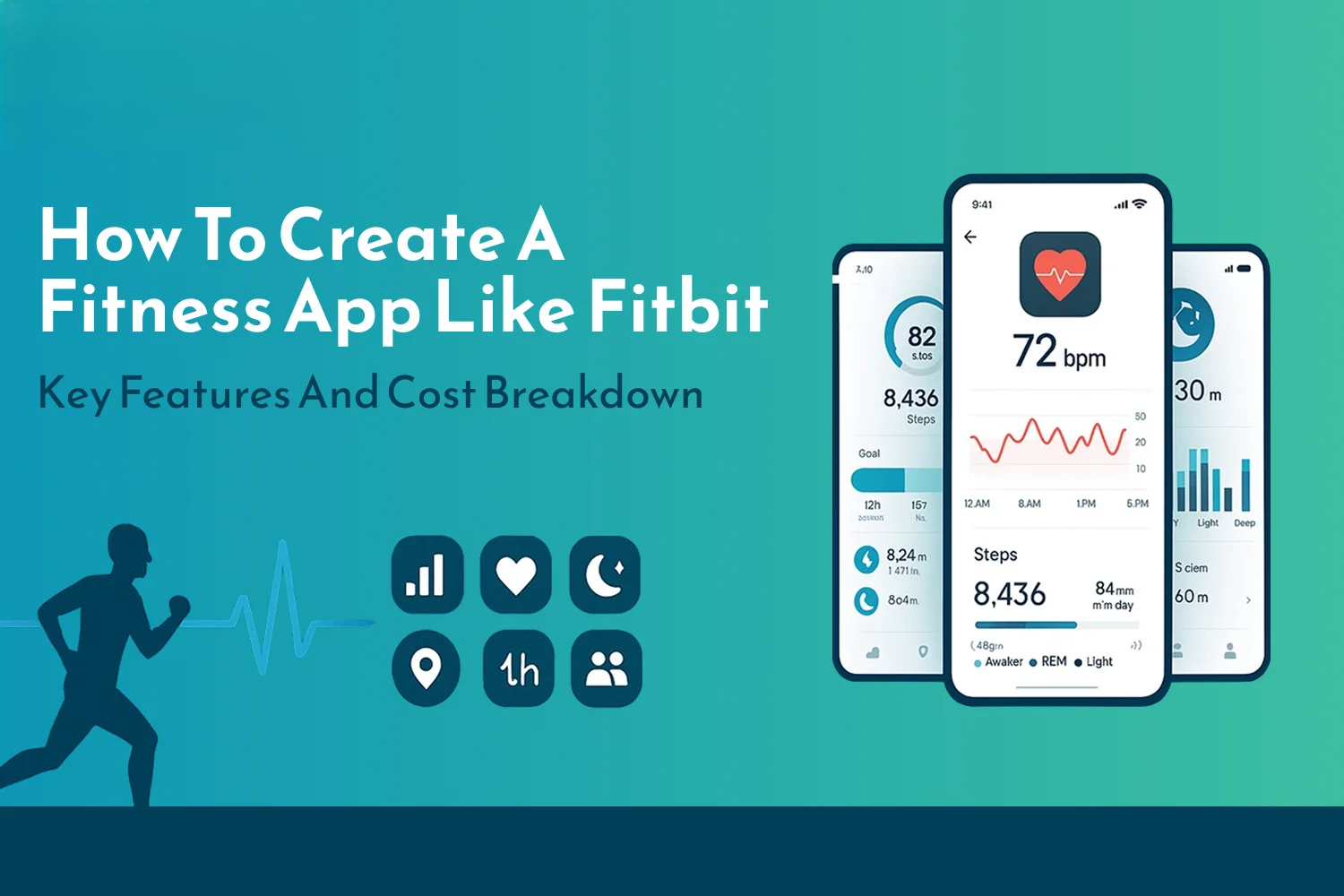
The fitness industry has undergone a significant transformation, driven by the rapid adoption of health tracking applications such as Fitbit, Garmin, and MyFitnessPal. These platforms empower users to monitor daily activities, track calorie intake, and stay motivated toward achieving their wellness goals. As digital fitness becomes an integral part of modern lifestyles, the demand for intelligent, user centric fitness apps continues to rise creating strong opportunities for businesses to enter this space with innovative solutions.
If you are planning to build your own fitness tracking platform, partnering with an experienced mobile app development company can give you access to skilled developers, proven frameworks, and cost efficient execution.
For both startups and established enterprises, collaborating with a professional fitness app development partner ensures your product is built with the right feature set, a scalable backend architecture, and a seamless user experience. With a structured, step by step development approach, you can confidently launch a competitive fitness app and establish a strong presence in this rapidly growing market.
Why Build a Fitness App Like Fitbit?
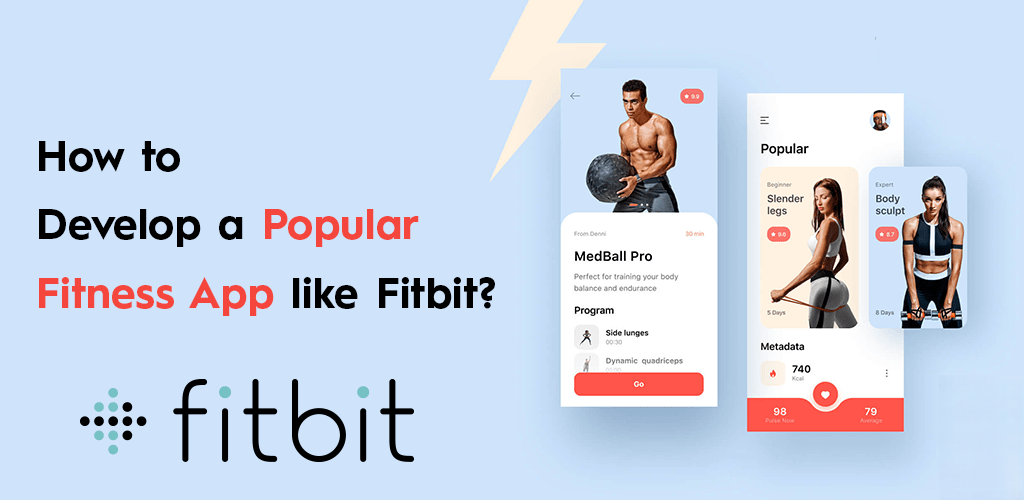
Before diving into development, it’s important to understand the strategic value of building a fitness app like Fitbit. Beyond trend adoption, these platforms unlock long term engagement, diversified revenue, and strong brand positioning in the digital health ecosystem.
Strong User Engagement Through Health Tracking
Users are increasingly drawn to apps that provide real time insights into their daily activity steps, heart rate, calories burned, and sleep patterns. A Fitbit style app creates continuous engagement loops by delivering actionable feedback and progress tracking. This data driven experience not only motivates users but also significantly improves retention and long term loyalty.
Diverse Monetization Opportunities
Fitness apps like Fitbit are not just wellness tools they are scalable business platforms. Revenue can be generated through multiple streams, including subscription plans, premium features, in app purchases, and integrations with wearable devices. For businesses, this creates a sustainable monetization model aligned with user growth and engagement.
Personalized Wellness Experiences
Today’s users expect more than raw metrics they want tailored insights and guided recommendations. A well designed fitness app acts as a digital wellness coach, offering personalized goals, adaptive workout plans, and health insights based on user behavior. This level of personalization enhances user satisfaction and drives deeper engagement.
Establishing Brand Authority in Digital Health
Launching a fitness app like Fitbit positions your brand as an innovator in the health and wellness space. It signals a commitment to technology driven solutions and builds trust among users seeking reliable health tools. Over time, this strengthens brand credibility, increases visibility, and opens doors to new partnerships within the healthcare and fitness ecosystem.
Step by Step Guide to Building a Fitness App Like Fitbit
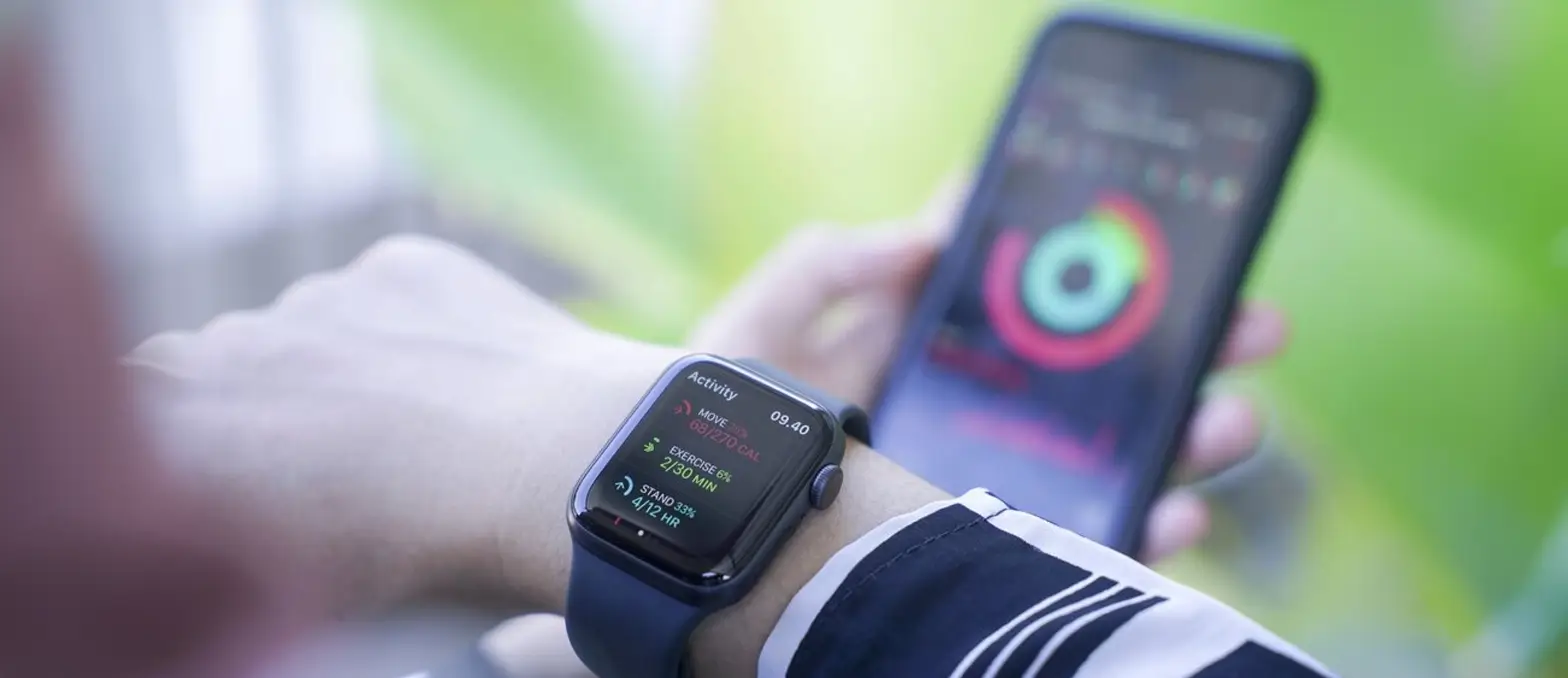
Developing a fitness app like Fitbit requires a well structured strategy that combines market insight, product thinking, and strong technical execution. Below is a refined, step by step approach to help you build a scalable and competitive fitness application.
1. Conduct Market Research and Competitor Analysis
Before starting development, validate your idea through in depth market research. Understand user behavior, emerging fitness trends, and expectations within the digital health space.
Equally important is competitor analysis study leading apps like Fitbit, Garmin, and MyFitnessPal to identify their strengths, weaknesses, and positioning. This process helps you uncover market gaps and define a clear value proposition that differentiates your app.
2. Define Core Features and Product Scope
Once you have market clarity, translate your vision into a well defined feature set. Focus on building a product that delivers real value and convenience to users.
Key features typically include:
- Activity tracking (steps, calories, heart rate)
- Sleep monitoring
- Goal setting and progress tracking
- Notifications and reminders
- Integration with wearable devices
A clear product scope ensures efficient development and prevents feature creep in later stages.
3. Partner with an Experienced Development Team
With requirements in place, the next step is to assemble the right development team. Collaborating with a professional mobile app development company ensures your concept is executed with technical precision.
An experienced team will handle:
- Architecture design and backend scalability
- Integration with wearables and health APIs
- Data privacy and compliance
- Cross platform development (iOS, Android, or both)
Choosing the right partner significantly reduces risks and accelerates time to market.
4. Design an Intuitive UI/UX Experience
User experience is a critical success factor for fitness apps. The interface should be clean, fast, and easy to navigate, allowing users to access key metrics without friction.
Simplicity First
Users want quick access to essential data like steps, calories, and heart rate without navigating complex menus.
Personalization
Allow users to customize dashboards, set personal goals, and tailor their fitness journey. Personalization directly improves engagement and retention.
Engaging Visuals
Incorporate progress bars, achievement badges, and subtle animations to make the experience more interactive and motivating similar to having a personal fitness coach in your pocket.
5. Ensure Data Integration and Security
Fitness apps rely heavily on accurate and real time data. Your app should seamlessly integrate with wearable devices and platforms such as Apple Health and Google Fit.
At the same time, prioritize data security and compliance. Implement strong encryption, secure APIs, and privacy standards to protect sensitive health information and build user trust.
6. Test, Launch, and Continuously Improve
No app is perfect at launch, which is why rigorous testing is essential. Conduct multiple testing phases, including QA testing and beta releases, to ensure stability across devices and user scenarios.
After launch:
- Monitor performance and user feedback
- Fix bugs and optimize features
- Roll out regular updates and improvements
A continuous iteration approach ensures your app evolves with user needs and remains competitive in the long term.
Must Have Features for a Fitness App Like Fitbit

Building a successful fitness app requires a well balanced combination of essential tracking capabilities and advanced, user centric features. Below are the core functionalities your app should include to deliver real value and long term engagement.
Core Features
Activity Tracking
Track daily steps, distance traveled, and calories burned to give users a clear picture of their activity levels. This feature encourages consistency by helping users build daily streaks and stay motivated.
Heart Rate Monitoring
Continuously monitor heart rate during rest and workouts. Providing trend analysis and alerts for unusual patterns helps users better understand their cardiovascular health and train safely.
Sleep Tracking
Analyze sleep duration, quality, and stages (light, deep, REM). These insights help users improve recovery, optimize routines, and understand the impact of sleep on overall well being.
Workout Modes
Support multiple workout types such as running, cycling, yoga, and strength training. Each mode should deliver tailored metrics and performance insights to cater to diverse fitness goals.
Goal Setting & Progress Reports
Allow users to set personalized fitness goals daily steps, calorie targets, or active minutes and track progress through intuitive dashboards and visual reports. This reinforces accountability and long term commitment.
Nutrition & Hydration Tracking
Enable users to log meals, monitor calorie intake, and track water consumption. Combining nutrition data with activity insights provides a more holistic view of health and supports better lifestyle choices.
Advanced Features to Consider
To differentiate your app in a competitive market, consider integrating advanced capabilities that enhance user experience and functionality.
Geolocation Tracking
Incorporate GPS based tracking to monitor routes, distance, pace, and elevation during outdoor activities. This adds valuable context for users who run, cycle, or walk regularly.
Wearable Device Integration
Seamless integration with smartwatches and fitness bands expands your app’s ecosystem. Real time syncing with wearable devices improves accuracy and enhances user convenience.
Video & Visual Exercise Guides
Provide instructional videos, animations, and image based guides for workouts and fitness routines. This is especially valuable for users without access to personal trainers, making your app a virtual fitness coach.
Diet Planning & Smart Recommendations
Go beyond basic tracking by offering personalized diet plans and recommendations based on user goals, activity levels, and preferences. This elevates the app from a tracker to a comprehensive wellness solution.
Multi Device Synchronization
Allow users to sync data across multiple devices smartphones, tablets, and wearables ensuring a seamless and consistent experience regardless of how they access the app.
By combining these essential and advanced features, you can build a fitness app that not only matches platforms like Fitbit but also delivers a more personalized, scalable, and engaging user experience.
Cost to Develop a Fitness App Like Fitbit
The cost of building a fitness app like Fitbit varies significantly depending on several key factors, including feature scope (basic vs. advanced), app complexity, UI/UX customization, animations, integrations (wearables, APIs), and the expertise, location, and size of the development team. Ongoing maintenance and updates also contribute to the total investment.
Below is a general cost estimate based on app complexity:
| App Complexity | Estimated Cost | Development Timeline |
|---|---|---|
| Basic App | $5,000 – $8,000 | 4 – 5 weeks |
| Mid Level App | $10,000 – $15,000 | 5 – 8 weeks |
| Advanced App | $15,000+ | 8 – 12 weeks |
Basic apps typically include core features like activity tracking and simple dashboards.
Mid level apps expand into integrations, enhanced UI/UX, and additional tracking capabilities.
Advanced apps involve AI driven insights, wearable integrations, real time analytics, and highly customized user experiences.
For a more accurate estimate, businesses should align their budget with product goals, scalability requirements, and long term roadmap.
Fitness App Monetization Strategies
When building a fitness app like Fitbit, a well defined monetization strategy is essential to ensure long term sustainability and profitability. The most successful fitness platforms leverage multiple revenue streams tailored to their target audience and business model. Below are the most effective monetization approaches to consider:
Freemium Model
Offer core features for free to attract a large user base, while reserving advanced functionalities such as personalized workout plans, in depth analytics, and premium insights for paid users. This model lowers the entry barrier and drives gradual conversions.
Subscription Model
Generate recurring revenue through monthly or annual subscription plans. Users gain access to exclusive content, personalized coaching, advanced tracking features, and premium experiences creating predictable and scalable income.
In App Purchases
Monetize through optional add ons such as customized fitness programs, diet plans, one on one coaching sessions, or specialized training modules. This allows users to pay only for what they need.
Advertising & Brand Partnerships
Integrate non intrusive ads or collaborate with fitness and wellness brands to promote relevant products and services. Strategic partnerships can enhance user value while generating additional revenue.
Affiliate Marketing
Promote third party fitness products such as equipment, supplements, or wearables and earn commissions on successful referrals. This works particularly well when aligned with user goals and recommendations.
Corporate Wellness Programs
Partner with organizations to offer your app as part of employee wellness initiatives. This B2B channel provides a stable revenue stream and expands your user base at scale.
White Label Solutions
License your platform to gyms, fitness studios, or health brands, allowing them to use your app under their own branding. This model opens up enterprise level opportunities and recurring licensing revenue.
By combining multiple monetization strategies, you can diversify revenue streams, reduce dependency on a single model, and build a sustainable fitness app business while still delivering a high quality user experience.
Final Thoughts
Building a fitness app like Fitbit requires more than just development it demands a clear strategy, the right feature set, and a scalable technology foundation. In this guide, we’ve covered the key aspects you need to consider, including market value, step by step development, essential and advanced features, cost estimation, and effective monetization strategies.
Whether you’re a startup exploring new opportunities or an established business expanding into digital health, success depends on how well you align your product with user needs and long term growth goals.
As a trusted fitness app development partner, HomeNest Software specializes in delivering custom built solutions tailored to your business objectives. From concept to deployment, our team helps you create scalable, user centric applications that not only meet market demand but also position your brand for sustainable growth in the evolving fitness ecosystem.
FAQs
1. How long does it take to build a fitness app like Fitbit?
The development timeline typically ranges from 4 to 12 weeks, depending on app complexity, feature set, and platform (iOS, Android, or both). Advanced apps with integrations and AI features may take longer.
2. How much does it cost to develop a fitness app like Fitbit?
The average cost ranges from $5,000 to $15,000+, based on features, UI/UX design, integrations, and development team location. More complex apps with AI and wearable support require higher investment.
3. What are the essential features of a fitness app?
Core features include activity tracking, heart rate monitoring, sleep tracking, workout modes, goal setting, and nutrition tracking. These form the foundation of a successful fitness application.
4. Do I need to integrate wearable devices?
Yes, integrating with wearables like smartwatches significantly enhances user experience by providing real time, accurate health data. It is a key differentiator in modern fitness apps.
5. Which platform should I choose: iOS, Android, or both?
For maximum reach, it’s recommended to develop for both iOS and Android. However, startups often begin with one platform (based on target audience) and expand later.
6. How do fitness apps make money?
Fitness apps generate revenue through multiple channels such as subscriptions, in app purchases, freemium upgrades, ads, affiliate marketing, and corporate wellness programs.
7. Is data security important in fitness apps?
Absolutely. Fitness apps handle sensitive health data, so implementing strong security measures, encryption, and compliance with regulations is critical to building user trust.
8. Can a startup build a fitness app like Fitbit?
Yes, startups can successfully build fitness apps by starting with an MVP (Minimum Viable Product), focusing on core features, and scaling gradually based on user feedback.
9. How can I make my fitness app stand out in the market?
Focus on personalization, seamless UI/UX, integration with wearables, AI driven insights, and unique value propositions such as coaching or community features.
10. Why should I hire a professional fitness app development company?
A professional development partner ensures scalability, performance, security, and faster time to market, while helping you avoid costly mistakes during development.
Latest Articles
View All
How to Build a Meal Planning App: A Complete Step-by-Step Guide
Building a successful meal planning app goes beyond creating an attractive interface it requires a clear business strategy, personalized user experiences, and scalable technology. By combining essential features like AI-powered meal recommendations, nutrition tracking, grocery list automation, and wearable integration, businesses can deliver lasting value to users while capitalizing on the growing digital health market. Partnering with an experienced mobile app development company ensures your solution is secure, future-ready, and designed to succeed in an increasingly competitive health-tech industry.
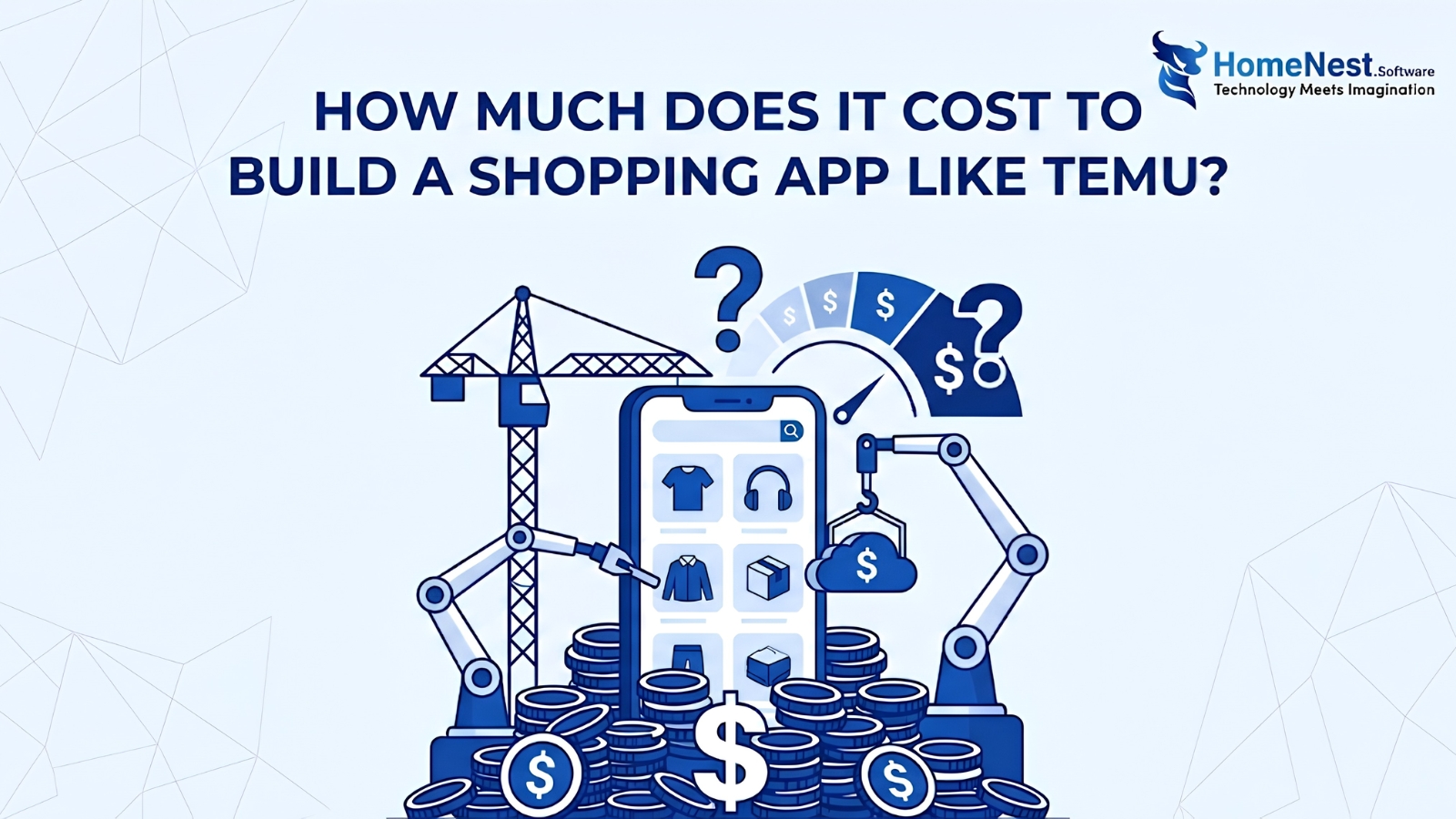
How Much Does It Cost to Build a Shopping App Like Temu?
Temu’s meteoric rise to over 900 million global downloads proves the power of combining AI, gamification, and social commerce, but building a similar viral shopping platform requires careful financial and technical planning. Developing an app like Temu typically costs anywhere from $40,000 for a basic Minimum Viable Product (MVP) to over $300,000 for a fully-featured platform. This guide breaks down every cost category, analyzes the core features driving Temu’s success, highlights the best technology stacks, and offers practical strategies to optimize your development budget without compromising on quality.

Criteria For Choosing The Right App Design Agency
UI/UX design is the logical foundation of a system, not merely a visual element. Choosing the wrong partner will directly lead to technical debt, budget overruns, and disruptions in the development process. This article provides a 6-step evaluation framework and a list of operational risks, helping businesses eliminate subjective design advice and accurately assess agency capabilities based on developer handoff standards and practical business performance.

How Does AI in Banking Industry Impact the Future?
Artificial intelligence (AI) has transitioned from a supplementary tool to a core infrastructure of financial data management, optimizing profitability through real-time fraud detection, natural language processing (NLP), and high-speed credit scoring models. “Deploying AI in the financial sector requires more than just algorithmic accuracy, it demands a highly secure cloud architecture and rigorous data governance,” commented Nguyen Tien, co-founder of HomeNest Software. Why read this guide? We skip the theoretical jargon to focus entirely on technical implementation. Whether you’re evaluating a vendor or planning a system overhaul, this article will detail: Operational Efficiency: Automating unstructured data workflows at scale. Risk Architecture: Implementing real-time threat detection and AML compliance. Data ownership: The essential need for 100% ownership of the source code to ensure full algorithm auditability.
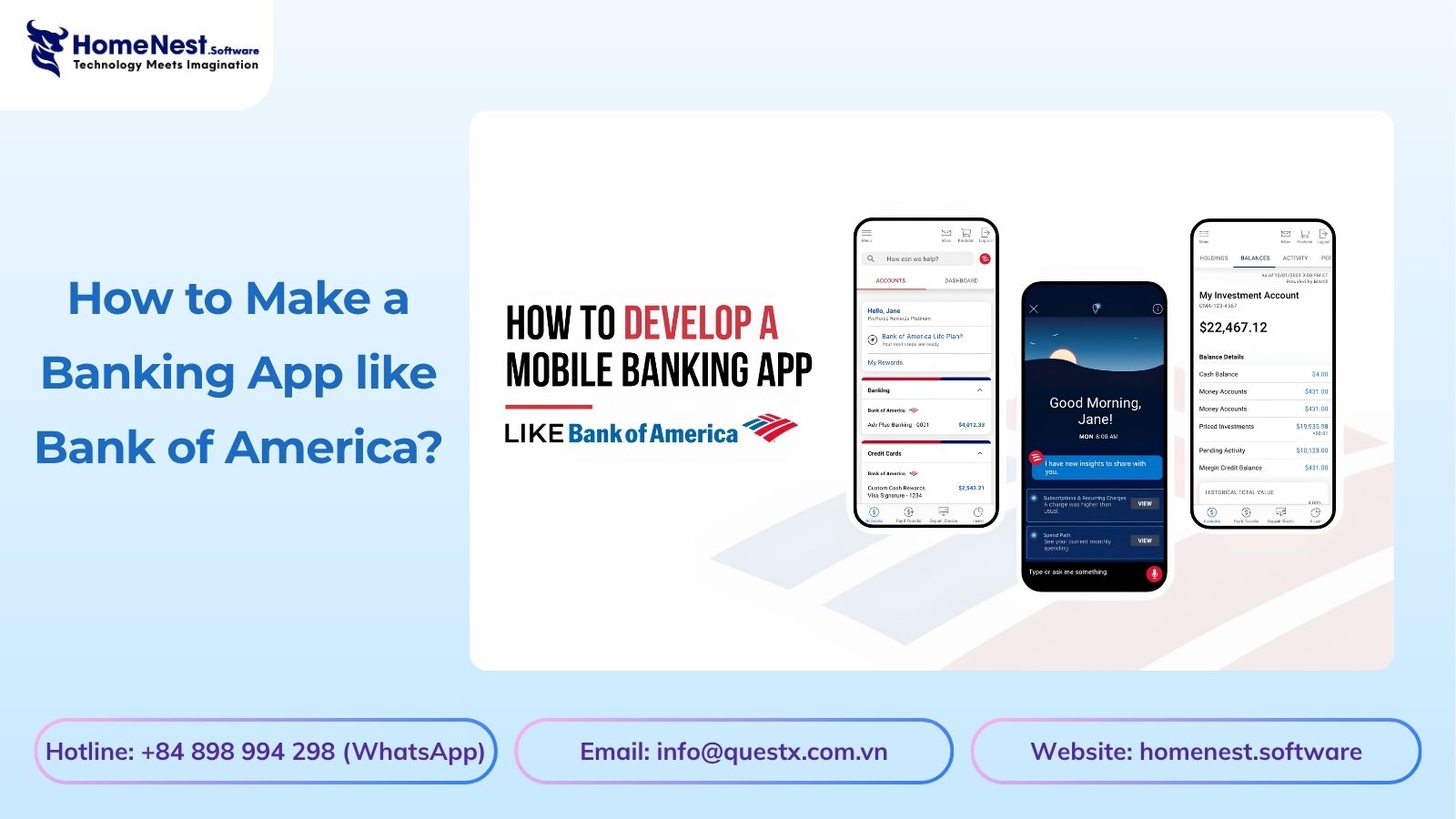
How to Make a Banking App like Bank of America?
Developing a mobile banking application like Bank of America extends far beyond basic UI design; it requires engineering a fault-tolerant backend capable of real-time ledger synchronization, biometric authentication, and high-volume data processing under strict regulatory frameworks. Drawing from HomeNest Software’s deep experience in architecting enterprise-grade fintech solutions, this guide strips away theoretical jargon to focus entirely on operational and technical execution. What you will find in this guide: We break down the precise development roadmap, from mapping out microservices and ensuring PCI-DSS compliance to estimating MVP development costs and securing absolute data sovereignty through 100% source code ownership. If you are preparing to build, scale, or audit a financial platform, this blueprint provides the exact framework you need.
Banking App Development Cost
Building a banking application is rarely a simple process; it’s a complex technical challenge requiring a balance between complying with stringent financial regulations, handling large transaction volumes, and a scalable cloud architecture. Miscalculating these technical requirements from the outset often leads to significant technical debt and budget overruns. Based on HomeNest Software’s practical experience in designing enterprise-grade fintech solutions, this guide bypasses generic estimates to provide a realistic analysis of banking application development costs. What you’ll find in this guide: We analyze the true cost factors, from technology selection and API integration to the hidden costs of regulatory compliance and security infrastructure. Whether you’re launching a minimum viable product or expanding an existing financial platform, this analysis provides the precise operational data you need to plan your budget effectively.