
How to Create Budgeting and Banking Apps like Albert?
Building budgeting and banking apps like Albert is not just about features, it is about delivering real value through smart automation, strong security, and seamless user experience. From choosing the right tech stack to optimizing mobile banking app development cost, every decision impacts scalability and ROI. Leveraging trends like AI in the banking industry and partnering with the right team through e-wallet app development services or investment app development services can accelerate your go-to-market. In the long run, continuous updates, user-centric design, and the ability to develop a banking website & web app alongside mobile solutions will define your success in the competitive fintech landscape.
Scope of Work
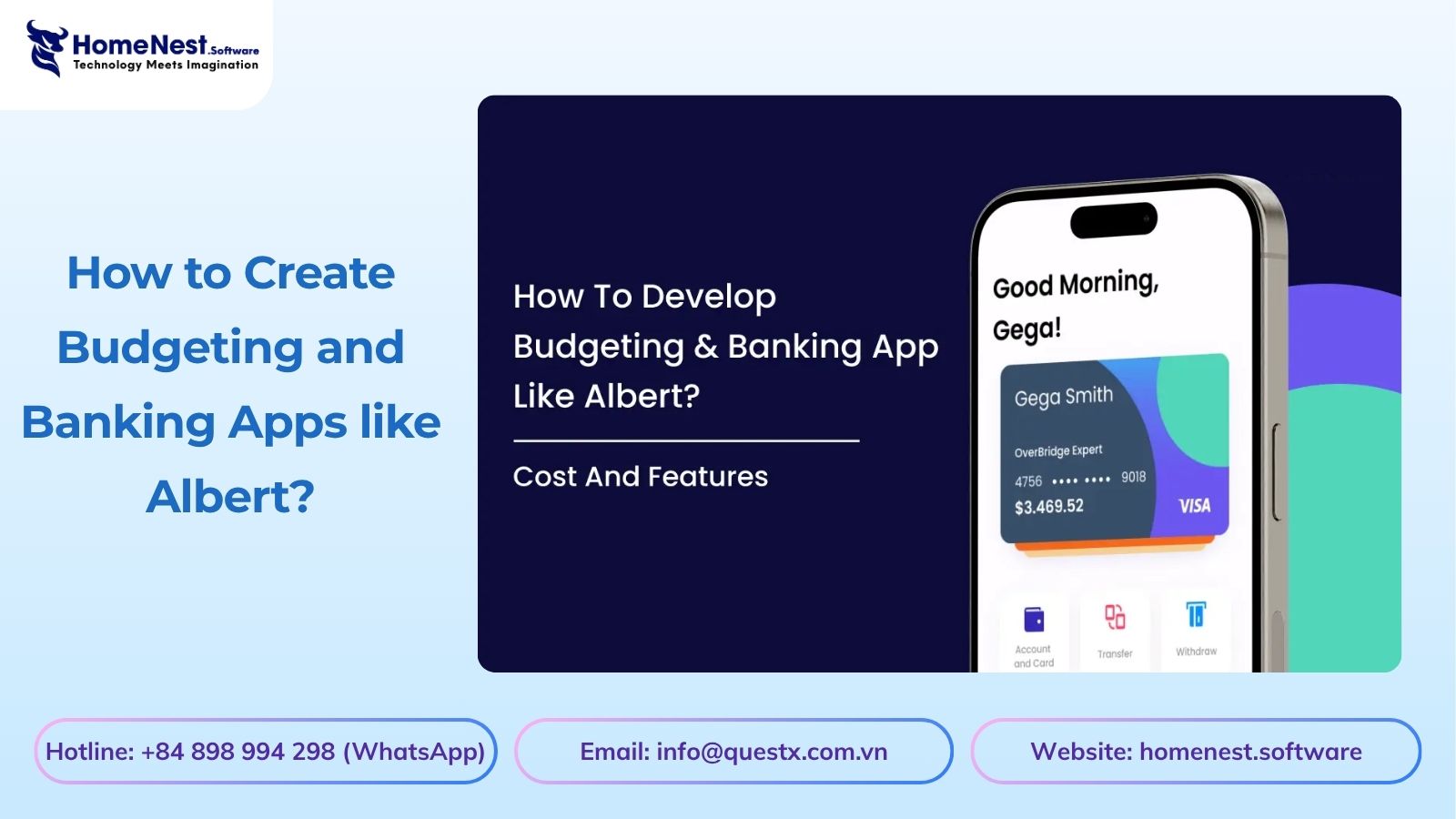
Managing personal finances can feel overwhelming, like trying to keep too many moving pieces under control at once. A small mistake can throw everything off balance. Fortunately, modern fintech solutions are changing the game. Apps like Albert have redefined how people budget, save, and invest with greater ease and confidence.
That said, the fintech landscape is evolving rapidly. New ideas, smarter features, and better user experiences continue to shape the market. If Albert’s success has sparked your interest in building a similar solution, you are stepping into a space full of opportunity.
In this guide, we will walk you through the essentials of banking app development. From core features and technology stacks to strategic planning, you will gain a clear understanding of what it takes to build a powerful budgeting and banking app. Think of this as your roadmap to creating a product that not only works but genuinely improves how users manage their finances.
Let’s explore how to build an app like Albert and bring a fresh, impactful idea to the fintech world.
What is the Albert App?
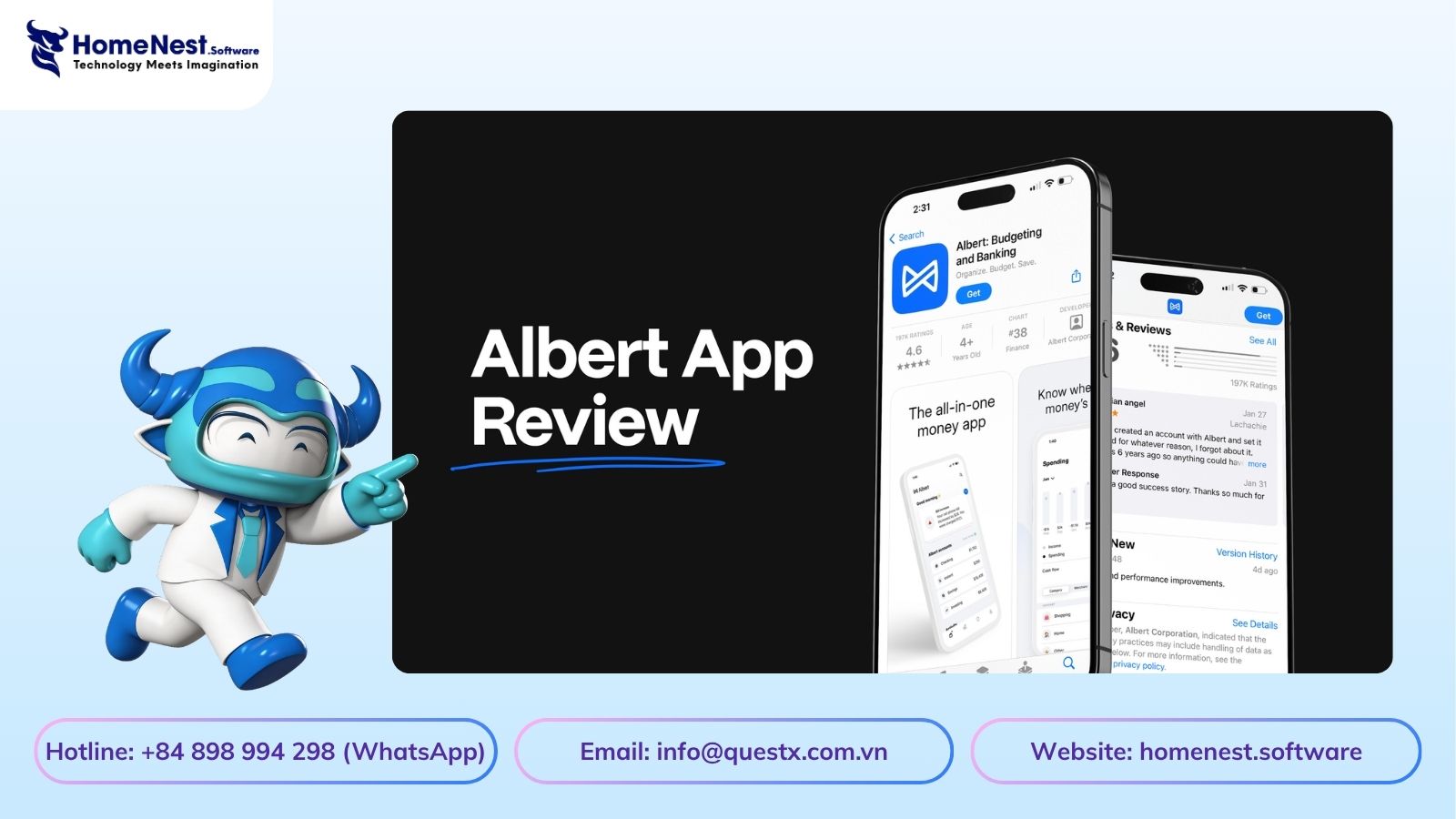
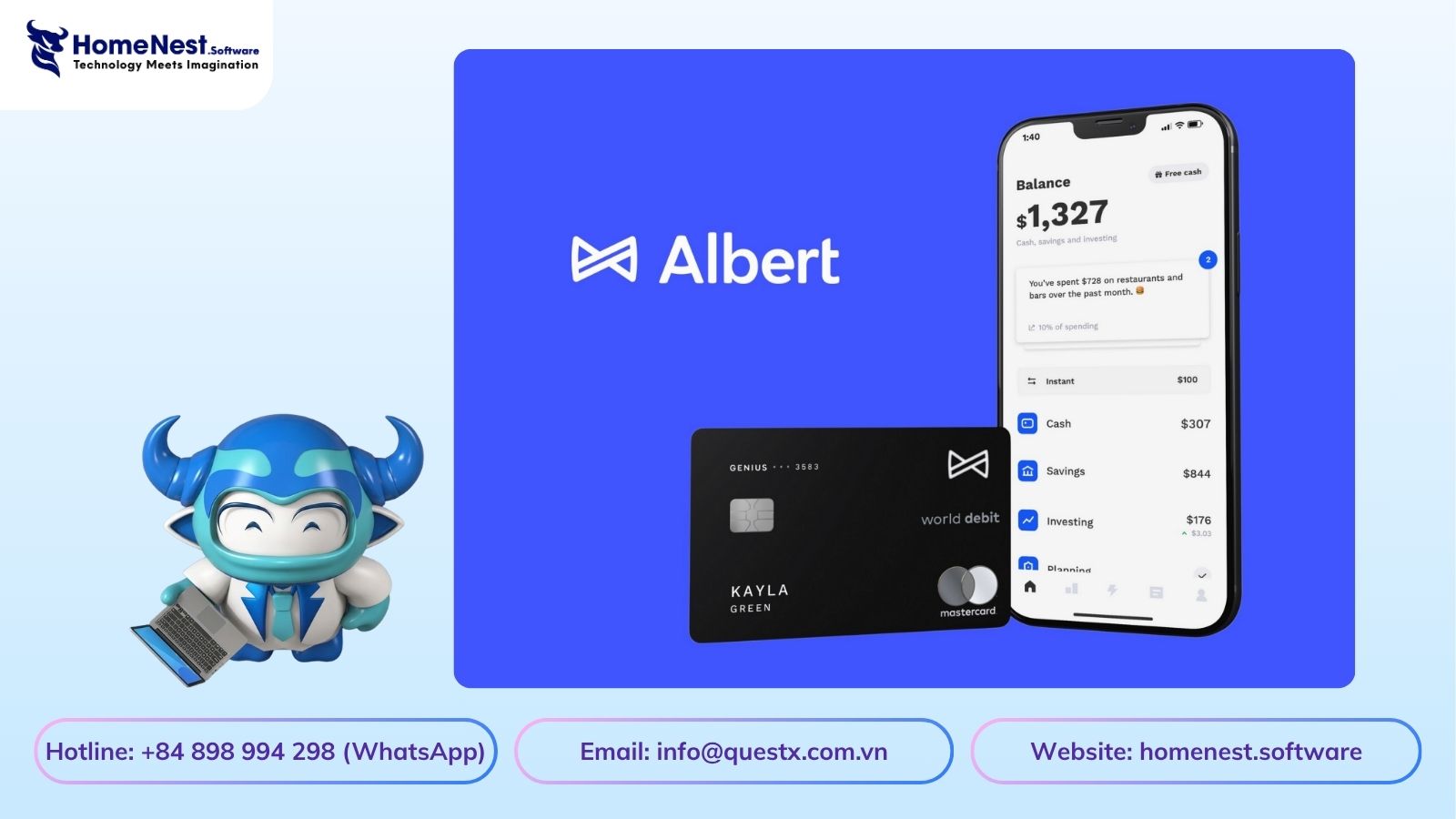
Albert is a modern budgeting and digital banking application designed to help users take control of their personal finances. At its core, the app focuses on improving how individuals manage cash flow by combining smart budgeting tools, automated savings, and guided investment support in a single platform.
Launched in 2016, Albert has quickly gained strong traction in the fintech space. It has surpassed 1 million downloads on the App Store and maintains an impressive 4.7-star rating. Its intuitive user interface and personalized financial insights make it a preferred choice for users looking to build better financial habits and make more informed money decisions.
How Does the Albert App Work?
Connect Your Financial Accounts
Users securely link their bank accounts, credit cards, and other financial sources. This allows Albert to gather and analyze all financial data in one centralized dashboard.
Set Financial Goals
You can define both short-term and long-term goals, such as building an emergency fund, saving for a purchase, or planning investments.
Track Spending Behavior
Albert automatically monitors transactions and spending patterns, helping users identify unnecessary expenses and areas for optimization.
Create a Personalized Budget
Based on your income and expenses, the app generates a customized budget to keep your finances structured and manageable.
Enable Automated Savings
The platform can automatically set aside small amounts of money, making it easier to save consistently without manual effort.
Get Investment Guidance
Albert offers tailored investment recommendations based on your financial goals and risk tolerance.
Access Financial Education
Users can explore educational content, including articles and videos, to better understand personal finance concepts.
Receive Customer Support
If needed, users can contact the support team for assistance, guidance, or financial advice, ensuring a smoother experience.
5 Reasons Entrepreneurs Want to Build Budgeting and Banking Apps Like Albert
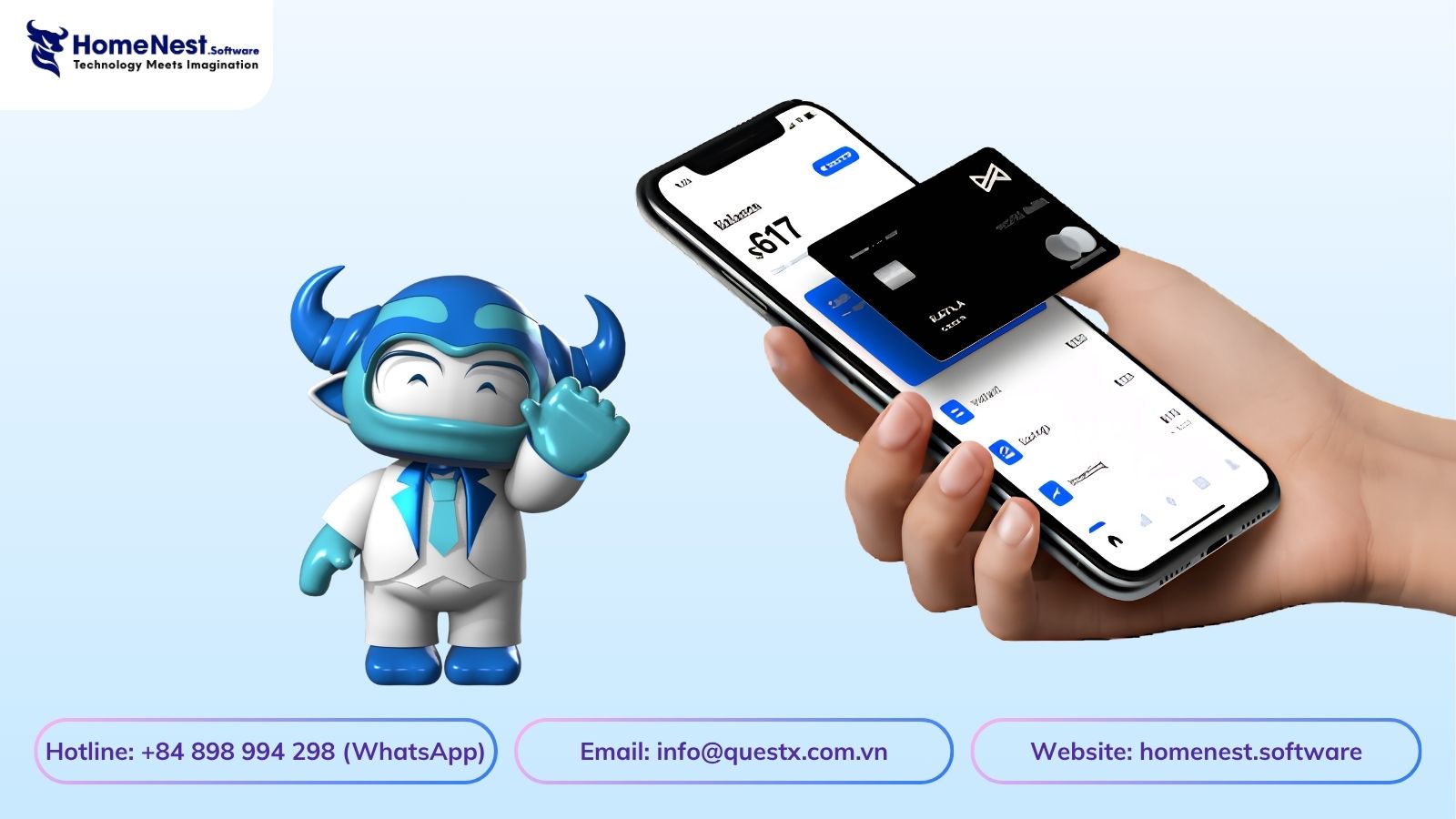
1. Solving a Universal Financial Problem
Managing money is a challenge that cuts across all demographics. From budgeting and saving to investing, individuals consistently struggle with financial discipline. By building a fintech solution, entrepreneurs can address a real, widespread need while delivering meaningful value to users’ daily lives.
2. Leveraging Rapid Technological Advancements
The fintech sector is evolving quickly, driven by technologies like AI, data analytics, and automation. These advancements enable entrepreneurs to build intelligent banking and expense management apps that deliver real-time insights, personalized recommendations, and seamless user experiences, creating a strong competitive edge.
3. Unlocking Strong Revenue Potential
Budgeting and banking apps offer multiple monetization paths, including subscription models, premium features, in-app services, and financial partnerships. As users increasingly rely on these platforms for daily financial decisions, the opportunity for long-term, scalable revenue becomes highly attractive.
4. Creating Positive Social Impact
Fintech apps do more than generate profit. They empower users to take control of their finances, reduce financial stress, improve credit health, and build stronger financial literacy. This positive impact can strengthen brand trust, attract investors, and position the business as a purpose-driven organization.
5. Expanding Financial Inclusion
A large portion of the global population still lacks access to traditional financial services. Budgeting and banking apps provide a more accessible, affordable alternative. By lowering entry barriers, entrepreneurs can reach underserved markets and contribute to a more inclusive financial services ecosystem.
Types of Budgeting and Banking Apps
Just like each smartphone generation introduces different features and use cases, budgeting and banking apps are also segmented into distinct categories based on user needs and financial goals. Understanding these types helps entrepreneurs define the right product strategy when building an app like Albert.
1. Basic Budgeting Apps
These apps focus on tracking income and expenses, setting budgets, and providing simple visual reports. They are ideal for users who want a clear overview of their financial activity.
Examples: Mint, PocketGuard
2. Envelope Budgeting Apps
Inspired by the traditional envelope method, these apps allow users to allocate money into specific spending categories. This approach helps control overspending and enforce discipline.
Examples: YNAB, EveryDollar
3. Goal-Oriented Budgeting Apps
These platforms help users define and track financial goals, such as saving for travel, buying a home, or building an emergency fund. Progress tracking is a key feature.
Examples: Stash, Digit
4. Couple Budgeting Apps
Designed for shared financial management, these apps enable couples to track joint expenses, manage shared budgets, and align on financial goals.
Examples: Honeydue, Zeta
5. Investment Tracking Apps
These apps allow users to monitor their investment portfolios, including stocks, bonds, and mutual funds. They often include performance analytics and insights.
Examples: Personal Capital, Robinhood
6. Banking Apps
Digital banking apps provide core financial services such as checking and savings accounts, bill payments, and mobile deposits. Many also integrate budgeting features.
Examples: Chase Mobile, Bank of America Mobile
Each category serves a different purpose, and many modern fintech apps combine multiple functionalities to deliver a more comprehensive financial management experience.
10 Popular Budgeting and Banking Apps Like Albert
Before building your own fintech solution, it’s worth analyzing the current market landscape. Several successful budgeting and money management apps have already set strong benchmarks in terms of features, user experience, and scalability. Below is a curated list of popular apps similar to Albert that entrepreneurs should study:
| App Name | Downloads | Rating | Launch Year | Platforms |
|---|---|---|---|---|
| YNAB (You Need a Budget) | 100,000+ | 4.8 | 2010 | iOS, Android, Web |
| Monarch Money | 500,000+ | 4.9 | 2021 | iOS, Android, Web |
| PocketGuard | 1,000,000+ | 4.7 | 2016 | iOS, Android |
| EveryDollar | 1,000,000+ | 4.8 | 2012 | iOS, Android, Web |
| Simplifi by Quicken | 100,000+ | 4.7 | 2018 | iOS, Android, Web |
| Honeydue | 100,000+ | 4.8 | 2017 | iOS, Android |
| MoneyGuru | 100,000+ | 4.7 | 2015 | iOS, Android |
| Goodbudget | 100,000+ | 4.8 | 2013 | iOS, Android |
| Spendee | 1,000,000+ | 4.7 | 2015 | iOS, Android |
| Budget with Berty | 100,000+ | 4.8 | 2018 | iOS, Android |
These apps highlight how diverse the fintech ecosystem has become, ranging from simple budgeting tools to more advanced financial planning platforms. Studying their features, user journeys, and monetization models can give you valuable insights when designing an app like Albert.
5 Steps to Develop Budgeting and Banking Apps Like Albert
Developing a fintech app requires clear strategy, strong execution, and the right technical partner. Below is a streamlined 5-step process to guide you.
1. Ideation and Strategic Planning
Start with a clear concept. Research your target users, identify financial pain points, and analyze competitors to find market gaps. At this stage, working with teams experienced in online bookkeeping app development services can help refine your product direction and feature set.
2. User Experience (UX) and Interface Design
A clean, intuitive interface is critical. Users need simplicity when dealing with financial data. A professional mobile banking app development company will focus on usability, smooth navigation, and clear financial dashboards.
3. Development and System Integration
Turn your idea into a working product using scalable technologies. Core features should include budgeting, expense tracking, and savings automation. Secure integrations with banks and APIs are essential, typically handled by experts in banking app development services.
4. Testing and Quality Assurance
Conduct thorough testing across performance, security, and usability. Fix issues before launch to ensure a stable and secure user experience.
5. Launch and Growth Strategy
Deploy your app with a solid marketing plan. Optimize your app store listing, attract early users, and continuously improve based on feedback.
Unique and Must-Have Features of Budgeting and Banking Apps Like Albert
AI is reshaping how modern fintech apps operate, especially in budgeting and digital banking. Today’s users expect more than basic tracking. They want intelligent insights, automation, and a seamless experience. Below are the core AI-powered features that define successful apps like Albert.
| Features | Descriptions |
|---|---|
| AI Powered Budgeting Assistance | Delivers personalized budgeting suggestions by analyzing user income, spending patterns, and financial behavior in real time. |
| Automatic Savings | Automatically allocates a portion of income into savings, helping users build emergency funds or achieve specific financial goals effortlessly. |
| Investment Guidance | Provides tailored investment recommendations based on individual risk tolerance, financial goals, and market trends. |
| Debt Management Tools | Enables users to track liabilities, manage repayments, and apply strategies such as structured payoff plans. |
| Financial Education Resources | Offers curated content like articles, videos, and insights to improve financial literacy and decision making. |
| Bill Optimization | Helps users reduce expenses by identifying opportunities to lower recurring bills or negotiate better service rates. |
| Gamification Elements | Uses rewards, milestones, and progress tracking to motivate users to stay consistent with their financial goals. |
| Social Features | Allows users to share tips, insights, or financial progress within a community-driven environment. |
| Banking & API Integration | Connects seamlessly with banks, credit cards, and financial systems through secure APIs to provide a unified financial view. |
| Security and Privacy | Implements advanced encryption, authentication, and compliance measures to safeguard sensitive financial data. |
These features not only enhance user experience but also differentiate your app in an increasingly competitive fintech market.
How Much Does It Cost to Build Budgeting and Banking Apps Like Albert?
Developing a budgeting and banking app like Albert involves multiple cost drivers, including features, technology choices, design complexity, and team structure. Understanding these factors helps businesses estimate both the mobile banking app development cost and overall investment required for a scalable fintech product.
1. Features and Functionality
The more advanced the feature set, the higher the cost. Basic apps focus on expense tracking, while advanced solutions integrate AI in the banking industry to deliver smart insights and automation.
| Features | Cost Range | Description |
|---|---|---|
| Basic budgeting & tracking | $3,000 – $5,000 | Core features like expense tracking, income categorization, and savings goals |
| AI powered insights | $5,000 – $10,000 | Smart recommendations using machine learning |
| Investment & retirement tools | $2,000 – $5,000 | Portfolio tracking and financial planning |
| Loan & credit monitoring | $1,000 – $2,500 | Tracking debts, interest rates, and credit scores |
| Gamification features | $4,000 – $5,500 | Engagement tools to improve financial habits |
2. Platform and Technology
Your choice of platform significantly impacts both timeline and mobile app development cost.
| Platform | Cost Range | Description |
|---|---|---|
| iOS | $16,000 – $30,000 | Optimized for Apple ecosystem |
| Android | $8,000 – $27,000 | Wider device compatibility |
| Web App | $20,000+ | Browser-based financial platform |
| Hybrid App | $35,000+ | Cross-platform solution combining web and native |
3. UI/UX Design
A seamless and intuitive user experience is essential in fintech. Design complexity directly affects development costs.
| Design Factors | Cost Range | Description |
|---|---|---|
| UI/UX design | $4,000 – $7,000 | Clean, user-friendly interface |
| User research & testing | $2,000 – $5,000 | Behavior analysis and usability improvements |
| Prototyping | $3,000 – $8,000 | Interactive wireframes and mockups |
4. Development Team
The structure and location of your development team influence costs significantly. Choosing the right partner helps optimize both quality and budget.
| Team Size | Cost Range | Description |
|---|---|---|
| Small (2–3 developers) | $8,000 – $15,000 | Basic apps |
| Medium (4–6 developers) | $15,000 – $25,000 | Moderate complexity |
| Large (6+ developers) | $25,000+ | Advanced, feature-rich apps |
5. Development Location
Geographical differences impact hourly rates and total investment. Partnering with experienced service providers in cost-efficient regions can reduce expenses without compromising quality.
| Location | Cost Range | Description |
|---|---|---|
| US / Western Europe | $45,000+ | High labor cost |
| Eastern Europe / Asia | $25,000+ | More cost-effective |
6. Maintenance and Updates
Ongoing maintenance is essential to ensure security, performance, and feature updates.
| Cost Type | Range | Description |
|---|---|---|
| Maintenance | $2,000 – $5,000 | Bug fixes, security updates |
| Feature updates | $2,000+ per update | Enhancements and new features |
Generally, the cost of developing a functional prototype or a basic user interface/user experience framework for a budget management application can start at around $15,000 to $30,000. However, launching a complete, regulatory-compliant, AI-powered banking application with live financial data aggregation capabilities (MVP stage) typically requires an investment of $50,000 to $120,000 or more, depending on the complexity of API integration and security architecture.
To get accurate estimates, it is recommended to consult with experienced fintech partners, especially those specializing in e-wallet app development services and banking solutions, to align cost with business goals.
Unique Tech Stack to Build Budgeting and Banking Apps Like Albert
Now that you understand the process of building a fintech app, it’s equally important to choose the right technology stack. The tech stack directly impacts performance, scalability, security, and long-term maintainability. Below is a practical stack commonly used to develop budgeting and banking apps like Albert.
| Component | Technologies |
|---|---|
| Frontend | React Native, Flutter, Swift, Kotlin |
| Backend | Node.js, Java (Spring Boot), Python (Django/Flask) |
| API Integration | GraphQL, RESTful APIs, SOAP |
| Financial Data APIs | Plaid API, Yodlee, MX |
| Database | SQLite, PostgreSQL, MySQL, MongoDB, Firebase |
| Analytics | Google Analytics, Firebase Analytics |
| Security & Hosting | AWS, Google Cloud Platform (GCP), Microsoft Azure |
| Encryption & Compliance | AES-256 Encryption, TLS/SSL, OAuth 2.0, Okta, Twilio MFA |
| Payment Processing | Stripe API, PayPal, Dwolla, Synapse |
How Budgeting and Banking Apps Like Albert Make Money
Albert utilizes a hybrid monetization strategy to generate recurring revenue while offering free basic budgeting tools:
- Subscription Plans (Genius): Albert offers a premium service called “Genius,” which operates on a “pay-what-you-want” model (starting at a monthly minimum). It provides real-time financial advice from human advisors, automated investing, and extra bonus rewards.
- Instant Cash Advance Fees: Albert offers instant cash advances. While standard bank transfers are free, users pay a small fee if they request an instant transfer of the advance to their debit card.
- Interchange Fees: By offering a debit card (Albert Cash), the neobank earns interchange revenue from merchants on daily debit card transactions.
- Lead Referrals & Partnerships: Recommending insurance, credit cards, or loan refinancing to users and earning affiliate commission upon successful conversion.
Conclusion: Building Your Custom Fintech Platform
Budgeting and banking apps like Albert are in high demand due to their ability to simplify personal finance. By starting with a clear strategic blueprint, validating your concept through a clean MVP, and implementing secure banking APIs like Plaid, your business can enter the high-growth fintech industry successfully.
Partnering with a specialized B2B software engineering company like HomeNest Software guarantees that you receive a secure, scalable platform built on clean system architecture, complete with 100% source code ownership.
Ready to launch your fintech app? Contact HomeNest Software today to speak with our fintech engineers and receive a free technical consultation.
Contact infomation:
- Phone / WhatsApp: (+84) 898 994 298
- Email: info@questx.com.vn
- Headquarters: SAV5 Tower, The Sun Avenue, 28 Mai Chi Tho Street, Binh Trung Ward, Ho Chi Minh City, Vietnam
- Branch Office: SAV4 Tower, The Sun Avenue, 28 Mai Chi Tho Street, Binh Trung Ward, Ho Chi Minh City, Vietnam
FAQs About Building an App Like Albert
How does the Albert app make money?
Albert makes money primarily through its subscription model (Albert Genius), fees for instant cash advances, interchange fees from merchant card transactions, and affiliate commissions from partner financial products.
What is the most secure way to link bank accounts in a fintech app?
Integrating secure, read-only third-party financial data APIs like Plaid or Yodlee is the industry standard. This allows the app to fetch transaction data safely without storing the user’s primary bank login credentials.
How much does it cost to build a basic budgeting app?
Developing a basic budgeting app prototype or MVP typically ranges from $15,000 to $30,000, while a fully compliant, AI-powered banking app can cost between $50,000 and $120,000+ depending on integrations.
Latest Articles
View All
GitHub vs GitLab – Architecture and Selection Guide
Managing source code requires stable infrastructure. Automating software releases requires reliable pipelines. Tool sprawl creates operational complexity. Engineering teams face friction when using fragmented DevOps tools. Selecting between GitHub and GitLab shapes long term development efficiency.
The True Cost of an Employee: A Complete Breakdown for Employers
This article reveals that the true cost of an employee is typically 25% to 40% higher than their base salary due to hidden expenses like taxes, benefits, workspace, and recruiting. To address this, the guide provides a detailed 7-step framework to accurately calculate total employer costs, alongside actionable strategies to optimize budgets and improve retention without reducing pay.
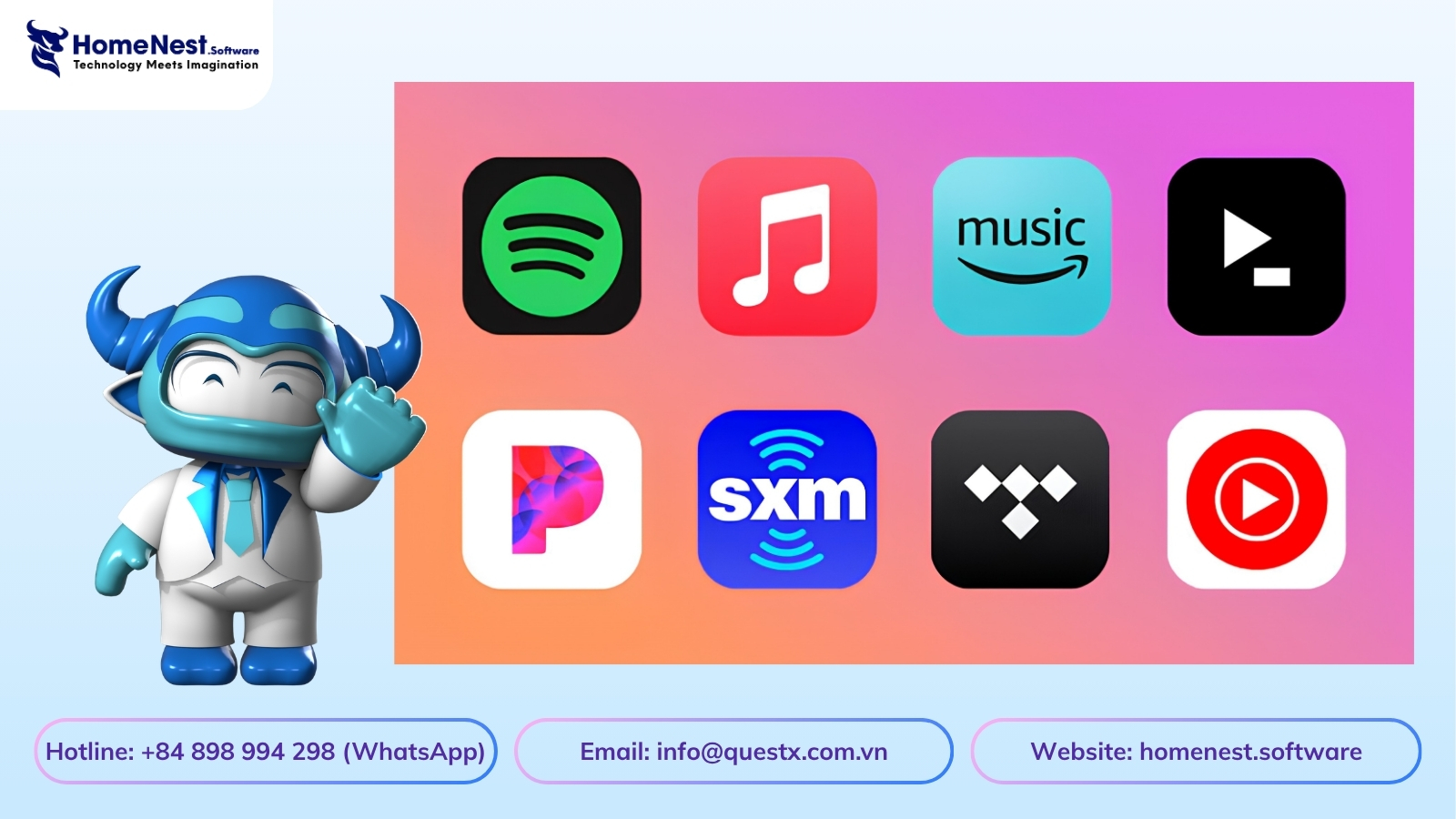
Essential Tips To Develop A Music Streaming App
Discover expert tips to develop a successful music streaming app with HomeNest Software. This guide covers essential features, legal licensing, and scalable technology stacks. Learn how to build a robust, cross-platform application with AI personalization to stand out in the 2026 competitive audio market.
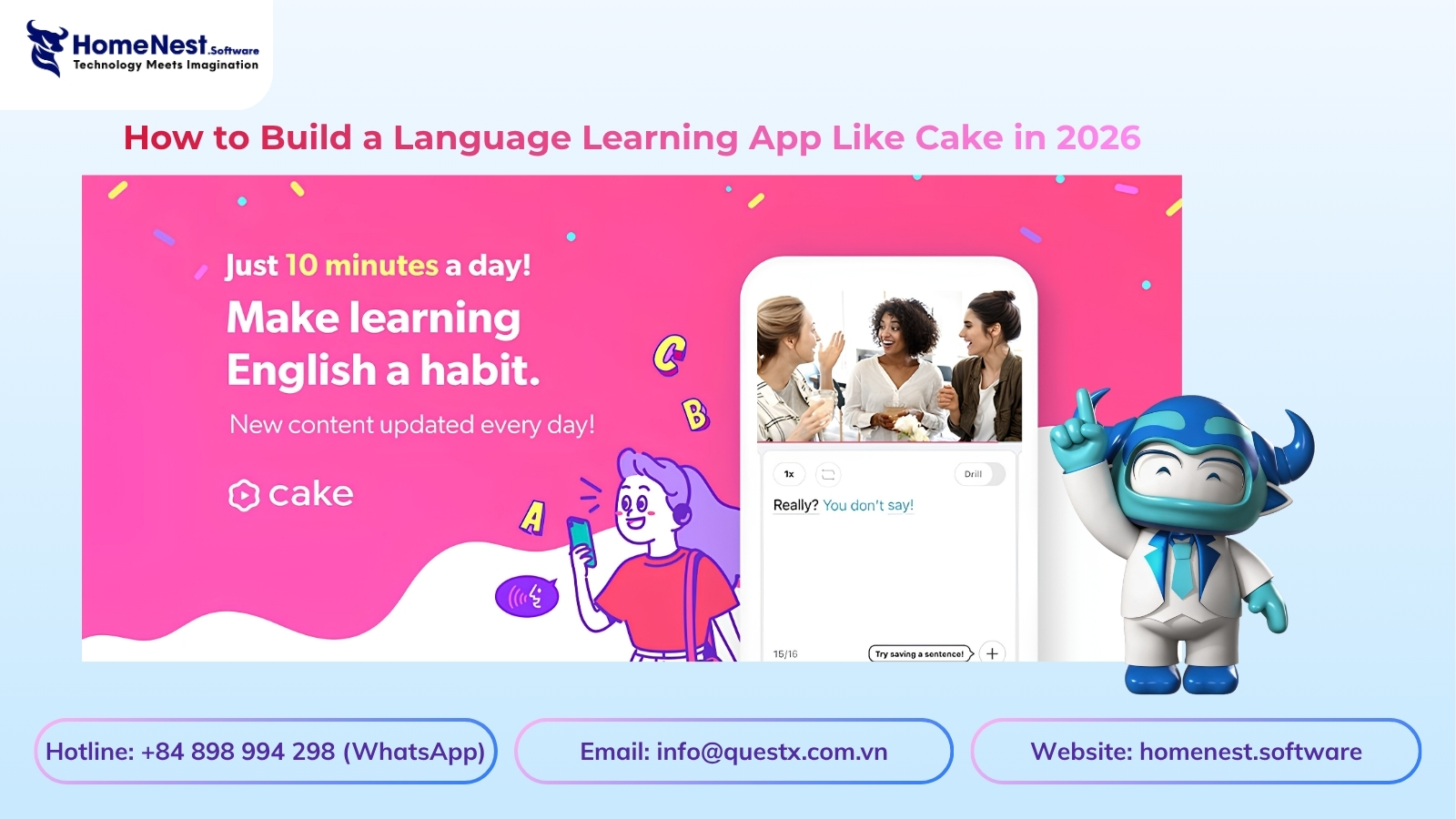
How to Build a Language Learning App Like Cake
Discover how to build a successful language learning app like Cake with this comprehensive guide from HomeNest Software. We explore market research, essential MVP features, advanced AI integrations, tech stack selection, and estimated development costs. Partner with HomeNest Software to create a scalable, gamified, and highly engaging educational platform tailored to your business goals. Start your app development journey with us today.
How to Build an App Like TaskRabbit: Features, Cost, Tech Stack – Business Model
Building an app like TaskRabbit is more than replicating existing features—it’s about creating a trusted marketplace that seamlessly connects customers with skilled service providers. By combining an intuitive user experience, secure payment systems, scalable architecture, and the right business model, you can launch a competitive on-demand platform. Partnering with an experienced app development company like HomeNest Software ensures your product is built with the technology, flexibility, and long-term scalability needed to succeed in the rapidly growing gig economy.
How to Build a Meal Planning App: A Complete Step-by-Step Guide
Building a successful meal planning app goes beyond creating an attractive interface it requires a clear business strategy, personalized user experiences, and scalable technology. By combining essential features like AI-powered meal recommendations, nutrition tracking, grocery list automation, and wearable integration, businesses can deliver lasting value to users while capitalizing on the growing digital health market. Partnering with an experienced mobile app development company ensures your solution is secure, future-ready, and designed to succeed in an increasingly competitive health-tech industry.