
How To Build A Restaurant Reservation App?
Restaurant reservation apps have become a critical digital asset for modern restaurants, enabling seamless booking experiences, improved operational efficiency, and new revenue opportunities. By carefully defining features, choosing the right technology stack, and building with scalability in mind, businesses can launch a high performing solution that meets evolving customer expectations. With the right strategy and Mobile App Development approach, a restaurant app can drive long term growth, strengthen customer loyalty, and create a strong competitive advantage in an increasingly digital-first dining industry.
Scope of Work
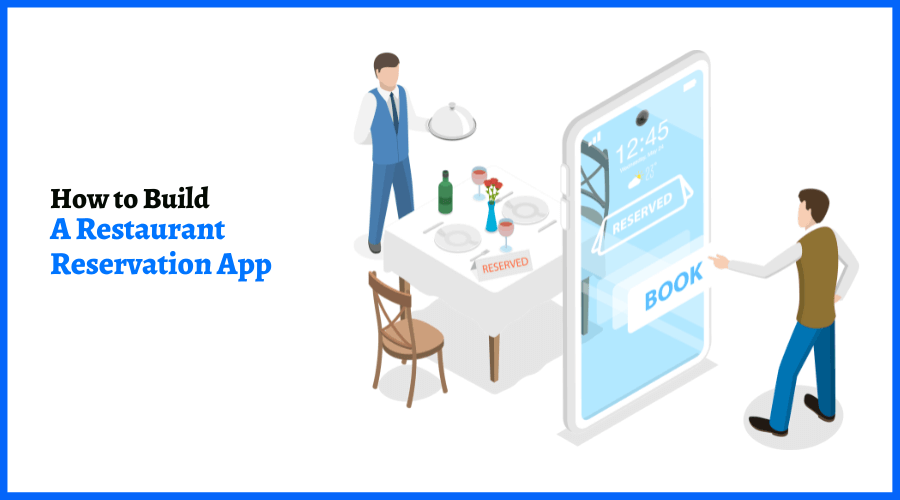
In today’s fast paced lifestyle, people are constantly balancing work and personal commitments, leaving little time to wait in long lines at restaurants. As digital technology continues to evolve, consumer behavior is shifting toward convenience everything from flight bookings to food delivery can now be managed directly from a smartphone. This growing demand has driven the rise of restaurant reservation apps, allowing users to book tables easily for lunch, dinner, or special occasions.
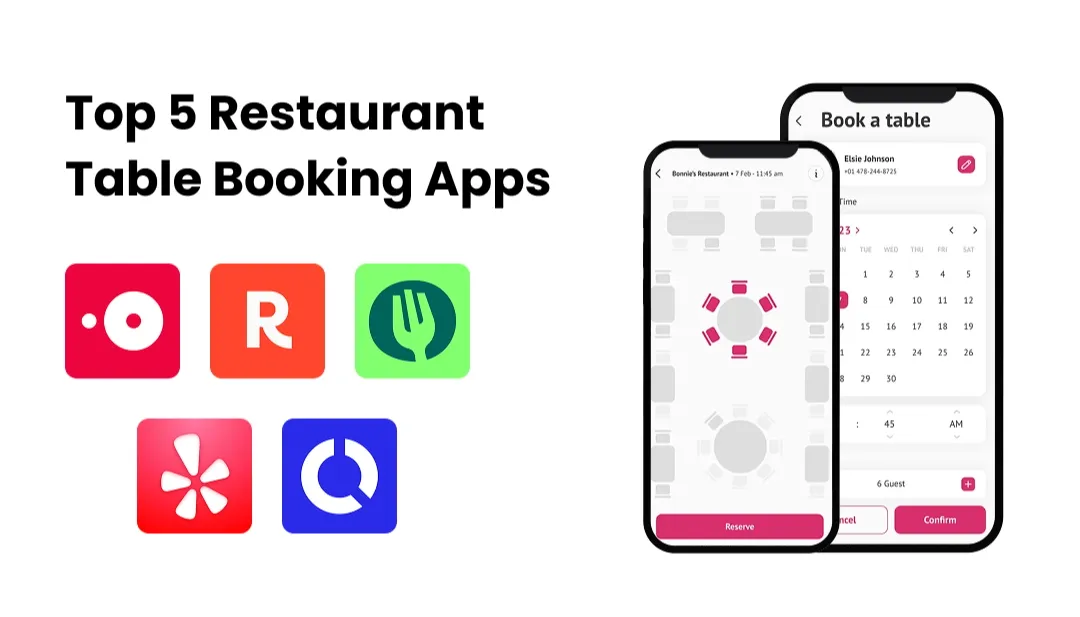
Platforms like OpenTable have set the benchmark in this space, serving over 16 million diners every month worldwide. And it’s not alone other platforms such as Eveve and SeatMe are also gaining strong traction. These impressive figures highlight a clear market opportunity and make the restaurant reservation segment highly attractive for entrepreneurs.
If you’re looking to enter this space and build a competitive restaurant booking solution, now is the perfect time to get started.
Steps to Develop a Restaurant Reservation App

A restaurant reservation app simplifies table booking for customers while helping restaurants optimize seating, reduce wait times, and improve operational efficiency. Whether you’re a startup founder or a restaurant chain, here’s a structured approach to building a successful table booking app.
1. Conduct Market Research & Define Your Niche
Start by understanding your target audience and competitive landscape.
- Identify user needs for both diners and restaurant owners
- Analyze competitors such as OpenTable, Resy, and Zomato
- Define your unique value proposition (USP), such as loyalty programs, real time waitlists, or event based bookings
2. Define Core Features
Clearly outline the essential functionalities your app will offer.
For Customers:
- User registration and profile management
- Search and filtering (location, cuisine, ratings)
- Restaurant details (menus, images, operating hours)
- Booking confirmations and reminders
- Reviews, ratings, and promotional offers
For Restaurants/Admin:
- Restaurant profile and menu management
- Real time table and reservation management
- Booking dashboard and guest tracking
- Analytics and performance reports
3. Choose the Right Technology Stack
Selecting the right technologies ensures scalability and performance.
Frontend (UI):
- Mobile: React Native, Flutter (cross platform), or Swift (iOS), Kotlin (Android)
- Web panel: React.js or Vue.js
Backend:
- Node.js, Python (Django), or PHP (Laravel)
- Databases: PostgreSQL, MySQL, or MongoDB
- Real time updates: WebSockets or Firebase
APIs & Integrations:
- Google Maps API for location services
- Notification services (Firebase, Twilio)
- Payment gateways (Stripe, Razorpay)
4. Start Development
Begin building both frontend and backend systems, ensuring seamless API integration.
Partnering with an experienced restaurant app development company can accelerate delivery and ensure best practices. Hiring developers with proven experience in booking platforms is highly recommended.
5. Design an Intuitive UI/UX
Focus on creating a clean, user friendly interface.
- Ensure smooth navigation, especially during the booking process
- Develop wireframes, design mockups, and interactive prototypes using tools like Figma or Adobe XD
- Prioritize simplicity and speed to enhance user experience
6. Testing & Launch
Before going live, conduct comprehensive testing to ensure quality and stability.
Testing includes:
- Functional testing
- UI/UX validation
- Cross device and platform compatibility
- Security and performance testing
Once validated:
- Publish the app on Google Play Store and Apple App Store
- Deploy the admin panel on a secure web environment
7. Maintenance & Continuous Improvement
Post launch success depends on ongoing optimization.
- Monitor app performance and user behavior
- Collect feedback and iterate on features
- Release regular updates (bug fixes, enhancements)
- Scale with advanced features like waitlist management or AI driven recommendations
Following these steps ensures a structured, scalable approach to building a high quality restaurant reservation app that meets both user expectations and business objectives.
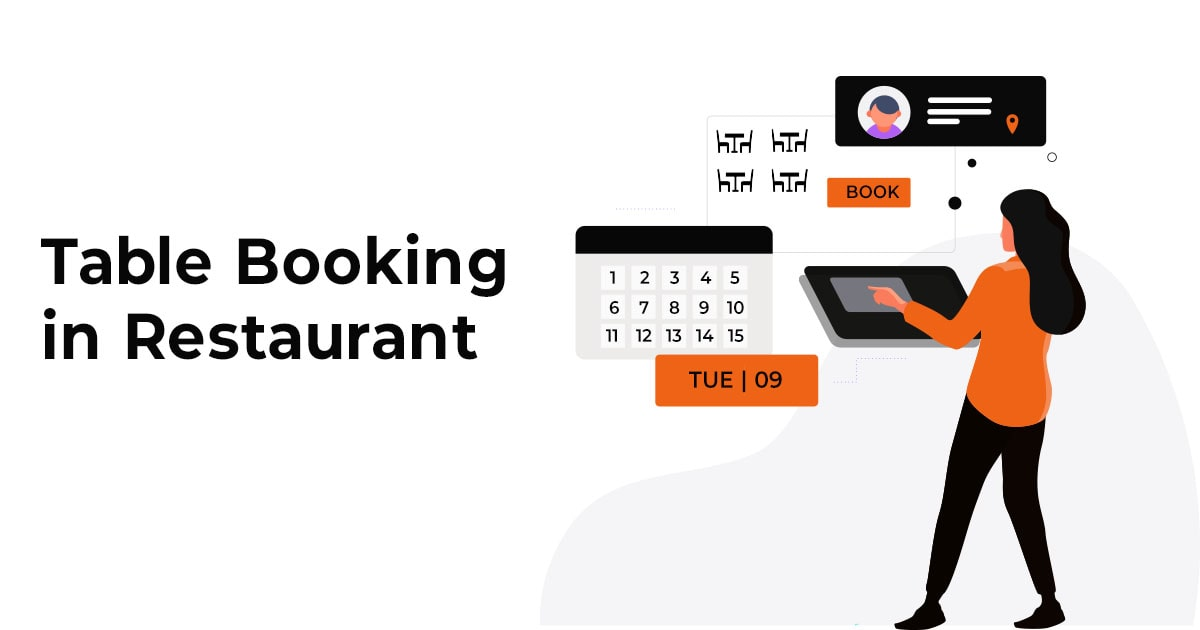
Cost to Develop a Restaurant Table Reservation App
The cost of developing a restaurant reservation app largely depends on the app’s complexity, feature set, and overall technical requirements. Other key factors include the location and expertise of the development team, the time required for development, and whether you hire freelancers, an in house team, or a professional app development company.
In general, the total cost is influenced by design customization, integrations, scalability needs, and ongoing maintenance. A simple app with basic functionality will cost significantly less than a feature rich, enterprise grade solution built to high performance and security standards.
Estimated Cost Breakdown
| App Complexity | Estimated Cost (USD) |
|---|---|
| Basic App (MVP) | $5,000 – $8,000 |
| Mid Level App | $10,000 – $15,000 |
| Enterprise Level App | $15,000+ |
- Basic apps (MVP) typically include core features like menu browsing, table booking, and basic user management.
- Mid level apps expand with features such as online payments, notifications, and reservation management tools.
- Enterprise level apps include advanced capabilities like real time analytics, third party integrations, multi location support, and scalable backend infrastructure.
For accurate budgeting, it’s essential to align your app requirements with your long term business goals and scalability plans.
Latest Articles
View All
Criteria For Choosing The Right App Design Agency
UI/UX design is the logical foundation of a system, not merely a visual element. Choosing the wrong partner will directly lead to technical debt, budget overruns, and disruptions in the development process. This article provides a 6-step evaluation framework and a list of operational risks, helping businesses eliminate subjective design advice and accurately assess agency capabilities based on developer handoff standards and practical business performance.
How Does AI in Banking Industry Impact the Future?
Artificial intelligence (AI) has transitioned from a supplementary tool to a core infrastructure of financial data management, optimizing profitability through real-time fraud detection, natural language processing (NLP), and high-speed credit scoring models. “Deploying AI in the financial sector requires more than just algorithmic accuracy, it demands a highly secure cloud architecture and rigorous data governance,” commented Nguyen Tien, co-founder of HomeNest Software. Why read this guide? We skip the theoretical jargon to focus entirely on technical implementation. Whether you’re evaluating a vendor or planning a system overhaul, this article will detail: Operational Efficiency: Automating unstructured data workflows at scale. Risk Architecture: Implementing real-time threat detection and AML compliance. Data ownership: The essential need for 100% ownership of the source code to ensure full algorithm auditability.
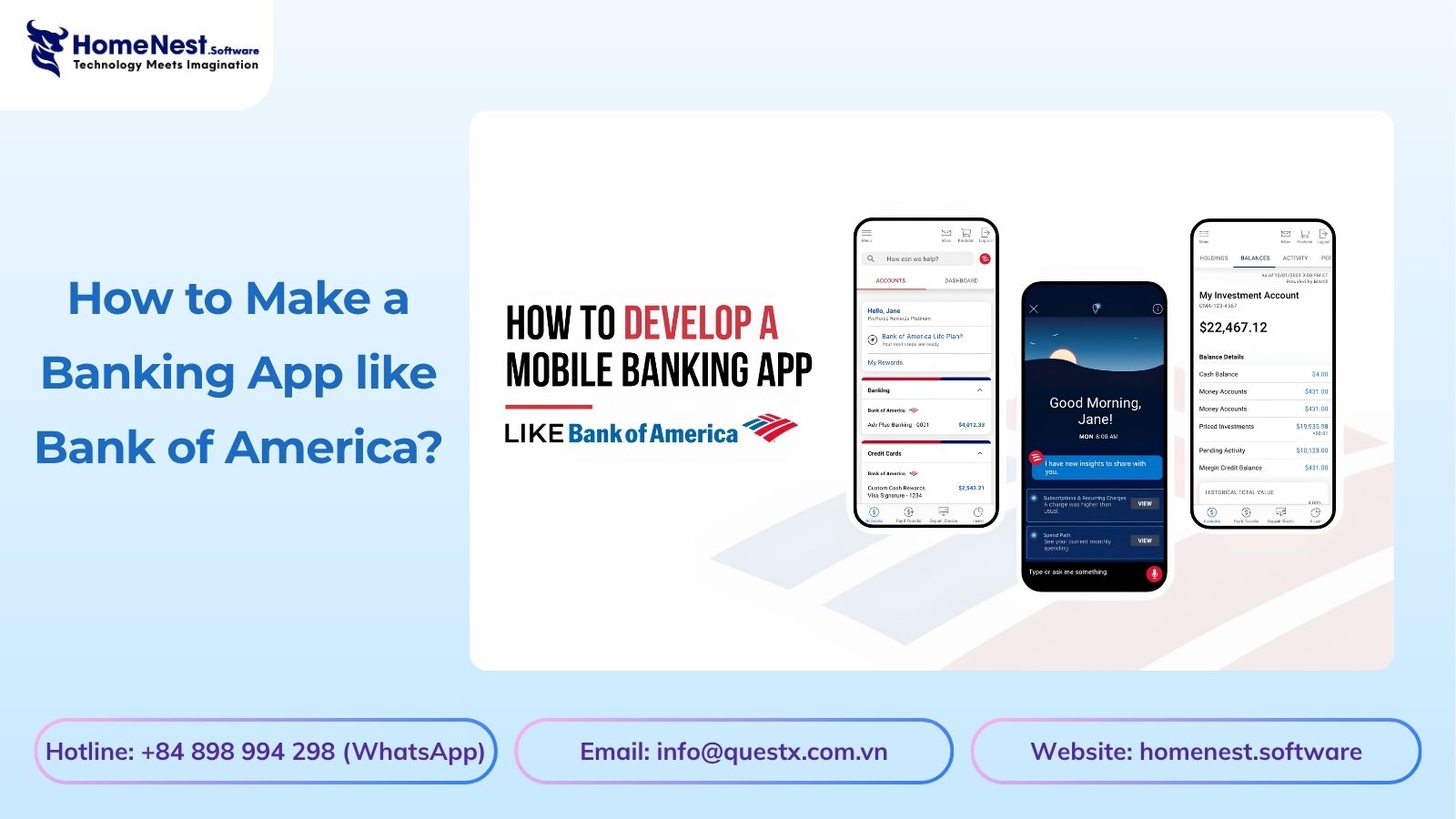
How to Make a Banking App like Bank of America?
Developing a mobile banking application like Bank of America extends far beyond basic UI design; it requires engineering a fault-tolerant backend capable of real-time ledger synchronization, biometric authentication, and high-volume data processing under strict regulatory frameworks. Drawing from HomeNest Software’s deep experience in architecting enterprise-grade fintech solutions, this guide strips away theoretical jargon to focus entirely on operational and technical execution. What you will find in this guide: We break down the precise development roadmap, from mapping out microservices and ensuring PCI-DSS compliance to estimating MVP development costs and securing absolute data sovereignty through 100% source code ownership. If you are preparing to build, scale, or audit a financial platform, this blueprint provides the exact framework you need.
Banking App Development Cost
Building a banking application is rarely a simple process; it’s a complex technical challenge requiring a balance between complying with stringent financial regulations, handling large transaction volumes, and a scalable cloud architecture. Miscalculating these technical requirements from the outset often leads to significant technical debt and budget overruns. Based on HomeNest Software’s practical experience in designing enterprise-grade fintech solutions, this guide bypasses generic estimates to provide a realistic analysis of banking application development costs. What you’ll find in this guide: We analyze the true cost factors, from technology selection and API integration to the hidden costs of regulatory compliance and security infrastructure. Whether you’re launching a minimum viable product or expanding an existing financial platform, this analysis provides the precise operational data you need to plan your budget effectively.
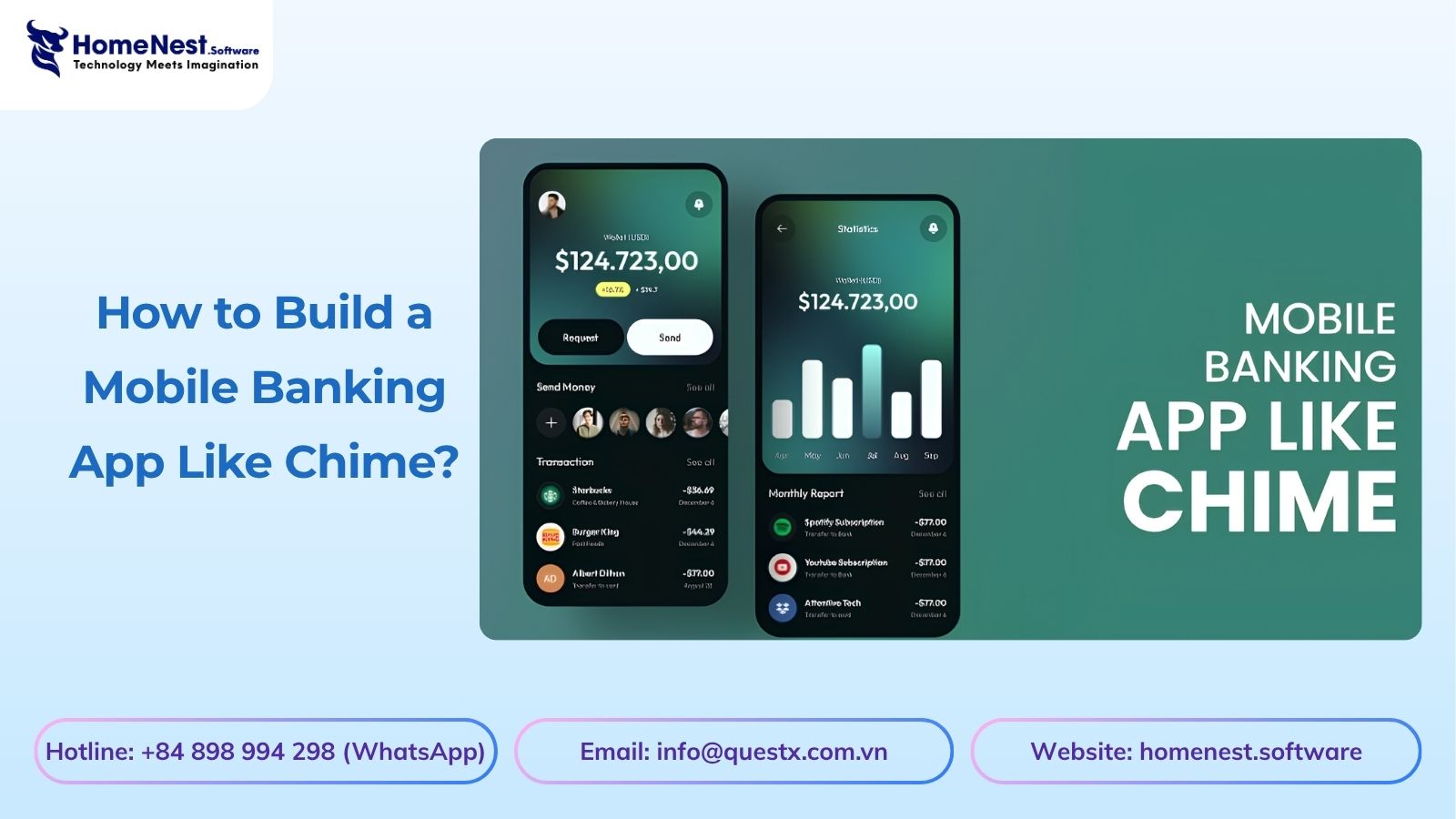
How to Build a Mobile Banking App Like Chime?
Building a mobile banking app like Chime is not just about features, it is about delivering a secure, scalable, and user-centric financial experience. From planning the right architecture to optimizing mobile banking app development cost, every decision directly impacts your product’s success. Leveraging Fintech app development services, starting with MVP app development, and scaling through on-demand app development solutions allows businesses to reduce risk and accelerate time to market. To stay competitive, combining Android app development services and iOS app development solutions ensures wider reach, while continuous updates through maintenance software development services keep your app secure and future-ready.
How to Build a Banking App Like Barclays: A Complete Entrepreneur’s Guide
Building a banking app like Barclays requires more than just development. It demands a strong product vision, secure architecture, and a clear monetization strategy. From optimizing cost and selecting the right tech stack to ensuring compliance and scalability, every decision impacts long-term success. Partnering with an experienced team like HomeNest Software helps accelerate development, reduce risks, and deliver a high-quality fintech product that can compete in today’s fast-evolving digital banking landscape.