
Java vs Python: Which Programming Language Is the Better Choice for Your Project?
Scope of Work
Choosing between Java vs Python is one of the most common decisions developers and technology leaders face when starting a new project. Both languages power millions of applications worldwide from large scale enterprise systems and financial platforms to AI powered products and data driven applications. But when comparing Java vs Python in 2026, which one is the better choice?
The answer depends on several factors, including performance requirements, scalability, development speed, and the surrounding ecosystem. Each language has its own strengths and is better suited for different types of projects.
In this guide, we compare Java and Python across key areas such as syntax, performance, libraries, and real world applications. By the end, you will have a clearer understanding of when each language is most appropriate and how businesses select the right technology stack for their products.
Key Takeaways
-
Java remains a top choice for large scale enterprise systems, fintech platforms, and high performance backend services.
-
Python is widely preferred for artificial intelligence, machine learning, data science, and rapid development projects.
-
The best choice between Java and Python depends on your project requirements, scalability expectations, and development timeline.
-
Many modern architectures combine Java for backend infrastructure with Python for data processing or AI components.
-
Understanding the strengths of each language helps developers and organizations build a technology stack that supports long term scalability and innovation.
What Are Java and Python?
To better understand the comparison between Java vs Python, it is important to first explore the fundamentals of each programming language. Both technologies play a significant role in building modern applications, scalable platforms, and digital products used across industries.
What Is Java?
Java is a widely used object oriented programming language originally developed by Sun Microsystems and released in 1995. Today, it is maintained by Oracle and remains one of the most influential programming languages in enterprise software development.
Java was designed around the concept of “write once, run anywhere.” This means that Java applications can run on any device or operating system that supports the Java Virtual Machine (JVM). This portability, combined with strong security and stability, makes Java an ideal choice for building large scale and mission critical systems.
Java is known for its statically typed structure, strong performance, and mature development ecosystem. Frameworks such as Spring, Hibernate, and Jakarta EE enable developers to build secure and scalable applications capable of handling complex business logic and high transaction volumes.
Because of these strengths, Java is widely used for:
-
Enterprise software systems
-
Banking and fintech platforms
-
Large scale backend services
-
Cloud based applications
-
Android mobile development
Even after decades of evolution, Java remains one of the most widely adopted programming languages worldwide, powering enterprise applications, distributed systems, and cloud infrastructure.
What Is Python?
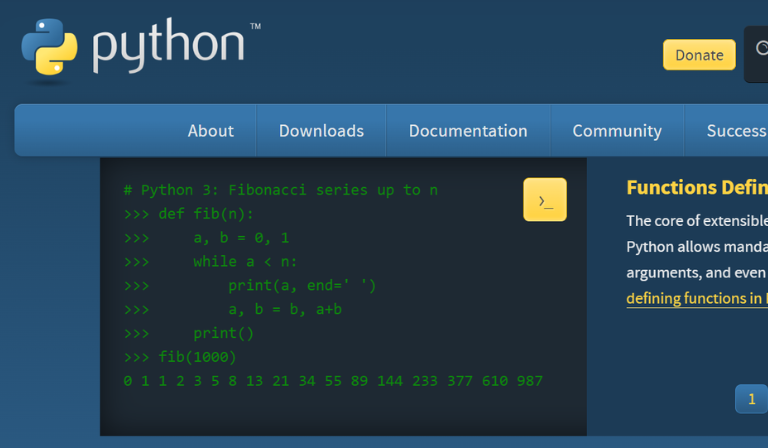
Python is a high level, interpreted programming language created by Guido van Rossum and first released in 1991. It was designed with a focus on simplicity, readability, and developer productivity, making it one of the most accessible programming languages for beginners and professionals alike.
One of Python’s biggest advantages is its clean and concise syntax, which allows developers to write code quickly with fewer lines compared to many other programming languages. This simplicity accelerates development, making Python especially popular for prototyping and rapid product development.
Python also has a powerful ecosystem of libraries and frameworks that support a wide range of applications, particularly in areas such as:
-
Artificial intelligence and machine learning
-
Data science and analytics
-
Automation and scripting
-
Web development
-
Scientific computing
Popular libraries such as TensorFlow, PyTorch, Pandas, and NumPy have made Python the leading programming language for building AI driven systems and data intensive applications.
Because of its speed of development and flexibility, Python is widely adopted by startups, research organizations, and technology companies that need to quickly build and iterate on new digital products.
Java vs Python: Key Differences in 2026
To better understand the comparison between Java vs Python, it’s helpful to examine how the two languages differ across several important aspects such as typing systems, execution models, performance, ecosystem support, and typical use cases. While both languages are widely used in modern software development, each one excels in different scenarios depending on project requirements and technical goals.
Typing System
One of the most fundamental differences between Java and Python lies in how they handle data types.
Java uses static typing, meaning developers must declare the type of a variable before using it. This allows the compiler to detect errors during the development stage, which improves code stability and maintainability. Because of this strict structure, Java is often preferred for large scale enterprise systems where reliability is critical.
Python uses dynamic typing, meaning variable types are determined automatically during runtime. Developers do not need to explicitly declare types, which allows them to write code more quickly and with fewer lines. This flexibility makes Python well suited for rapid development, experimentation, and data driven applications.
Key points
-
Java requires explicit type declarations (static typing).
-
Python determines types automatically at runtime (dynamic typing).
-
Static typing improves stability in large systems.
-
Dynamic typing enables faster development and prototyping.
Execution Model
Another key difference between Java vs Python is how programs are executed.
Java follows a compiled execution model. The source code is compiled into bytecode, which runs on the Java Virtual Machine (JVM). This architecture allows Java programs to run consistently across different operating systems while maintaining strong performance.
Python uses an interpreted execution model, meaning code is executed line by line by the Python interpreter. This eliminates the need for a compilation step and allows developers to test and modify code quickly.
Key points
-
Java compiles code into JVM bytecode before execution.
-
Python executes code directly through an interpreter.
-
Java provides more consistent runtime performance.
-
Python enables faster testing and development cycles.
Syntax and Code Readability
Another noticeable difference between Java and Python is the way code is written.
Java uses a more verbose and structured syntax, requiring explicit declarations, brackets, and class definitions. Although this makes programs longer, it also enforces clear structure and consistency, which is beneficial for large development teams.
Python focuses heavily on simplicity and readability. It uses indentation instead of braces to define code blocks, allowing developers to write shorter and cleaner programs.
Key points
-
Java uses detailed and structured syntax.
-
Python emphasizes simplicity and readability.
-
Java’s structure benefits enterprise scale projects.
-
Python allows developers to write and understand code faster.
Ease of Learning
Ease of learning is another important factor when comparing Python vs Java.
Java generally has a steeper learning curve because developers must understand object oriented programming concepts, strict syntax rules, and type declarations.
Python is widely considered one of the easiest programming languages to learn thanks to its clean syntax and minimal boilerplate code. This makes it popular among beginners and developers entering fields like AI and data science.
Key points
-
Java requires more time to learn due to strict syntax and structure.
-
Python is beginner friendly and easier to start with.
-
Learning Java helps build strong programming fundamentals.
-
Python enables faster onboarding for new developers.
Performance and Speed
Performance is another important aspect when comparing Java vs Python.
Java generally offers better runtime performance because its code is compiled and optimized by the JVM. This makes Java suitable for systems that require high scalability and heavy workloads.
Python may run slower than Java because it executes code through an interpreter. However, Python is still efficient for many modern applications, especially when development speed matters more than raw performance.
Key points
-
Java typically delivers higher execution speed.
-
Python runs slower due to interpreted execution.
-
Java is ideal for high performance backend systems.
-
Python performs well for AI, data processing, and rapid development.
Ecosystem and Libraries
Another major factor in the Java vs Python comparison is the strength of their ecosystems.
Java has a mature enterprise ecosystem supported by frameworks such as Spring, Hibernate, and Jakarta EE. These frameworks make Java a powerful choice for enterprise software and large scale backend systems.
Python has an extensive and rapidly growing library ecosystem, especially in areas such as AI, machine learning, and data science. Libraries like TensorFlow, PyTorch, Pandas, and NumPy allow developers to build complex data driven applications quickly.
Key points
-
Java offers a strong ecosystem for enterprise applications.
-
Python dominates AI, machine learning, and data science.
-
Java frameworks support scalable backend development.
-
Python libraries accelerate data driven development.
Primary Uses
The primary use cases of Java and Python reflect their design philosophies.
Java is widely used for enterprise software, fintech platforms, cloud services, and large backend systems where scalability and reliability are essential.
Python is commonly used for AI, machine learning, data science, automation, and rapid product development, making it highly popular among startups and research teams.
Key points
-
Java powers enterprise systems and large backend platforms.
-
Python dominates AI, machine learning, and data analytics.
-
Java is widely used in banking, fintech, and enterprise IT.
-
Python supports innovation and data driven applications.
Multiple Inheritance
Another difference between Java and Python involves multiple inheritance, a concept in object oriented programming where a class can inherit from more than one parent class.
Python supports multiple inheritance directly, allowing a class to inherit methods and attributes from multiple base classes.
Java does not support multiple inheritance for classes in order to avoid conflicts and ambiguity. Instead, Java uses interfaces, allowing a class to implement behaviors from multiple sources while maintaining clearer structure.
Key points
-
Python supports multiple inheritance directly.
-
Java restricts multiple inheritance for classes.
-
Java uses interfaces to achieve similar functionality.
-
Java emphasizes structure, while Python offers more flexibility.
When Should You Choose Java or Python?
Choosing between Java vs Python ultimately depends on your project goals, technical requirements, and development priorities.
Java is often the better choice when:
-
Building large scale enterprise applications
-
Developing high performance backend systems
-
Working in industries such as banking, fintech, or telecommunications
-
Maintaining complex systems that require long term stability
Python is often the better choice when:
-
Developing AI or machine learning systems
-
Building data analytics platforms or data pipelines
-
Creating automation tools or scripts
-
Prototyping products or launching startup MVPs quickly
In many modern architectures, organizations combine both languages. Java may power the core backend infrastructure, while Python handles AI models, data processing, or analytics services connected through APIs or microservices. This hybrid approach allows companies to leverage the strengths of both technologies.
How Companies Choose the Right Tech Stack
For many organizations, choosing between Java vs Python is not purely a technical decision it is a strategic business choice. Technology leaders must consider how a programming language will support scalability, innovation, and long term product growth. Across global technology markets, companies typically evaluate several key factors before selecting the most suitable technology stack.
Project Complexity and Scalability
The complexity of a project often determines which technology is most appropriate. Large scale platforms, financial systems, and high traffic applications usually require technologies capable of handling heavy workloads, complex architectures, and long term scalability.
In these cases, languages with strong performance and mature ecosystems such as Java are often preferred for building stable backend infrastructures and enterprise platforms.
Development Speed and Time to Market
For startups and innovation driven products, speed of development is often a top priority. Companies that need to launch products quickly or test new ideas may choose technologies that allow faster prototyping and shorter development cycles.
Languages known for simplicity and rapid development, such as Python, enable teams to build MVPs, experiment with new features, and iterate quickly based on user feedback.
Integration with Emerging Technologies
Modern digital platforms increasingly rely on technologies such as artificial intelligence, machine learning, and advanced data analytics. Companies building data driven products often choose programming languages that offer strong ecosystems for these emerging technologies.
Python, for example, has become a leading choice for AI and data science because of its extensive libraries and frameworks.
Talent Availability and Team Expertise
Another important factor is the availability of skilled developers. Organizations typically consider whether their engineering teams already have experience with a specific programming language or framework.
Choosing a technology that aligns with existing expertise can reduce onboarding time, accelerate development, and improve productivity across engineering teams.
Long Term Maintainability
Technology decisions must also support the long term evolution of software systems. Applications that are expected to operate and grow for many years require technologies that encourage structured development, clear architecture, and maintainable codebases.
This is particularly important for enterprise systems where long term stability and maintainability are essential.
A Multi Language Approach
In many modern technology environments, organizations take a pragmatic approach rather than relying on a single programming language. Instead, they design architectures that allow multiple technologies to work together.
For example:
-
Java may power core backend services and enterprise infrastructure
-
Python may handle AI models, data processing, or analytics pipelines
By combining different technologies through APIs, microservices, or cloud architectures, companies can balance performance, scalability, and flexibility while ensuring their digital platforms continue to evolve alongside business needs.
How HomeNest Software Helps Businesses Build with Java and Python
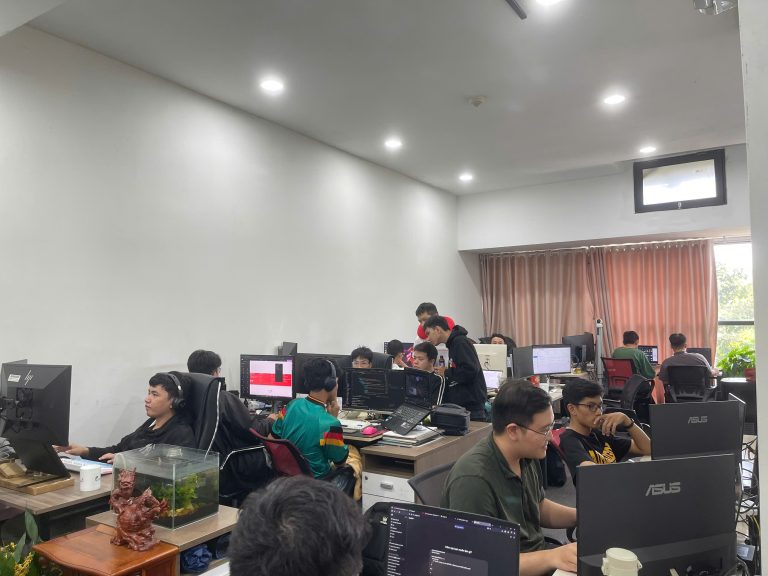
Choosing the right technology stack is only the first step in building successful software. Delivering scalable, reliable applications also requires strong engineering expertise, thoughtful architecture planning, and efficient development processes. As a trusted software development partner, HomeNest Software helps businesses leverage the strengths of Java and Python to build modern, scalable digital platforms.
With a team of 100+ engineers and technology specialists and experience delivering 100+ software projects for global clients, HomeNest Software supports organizations across industries such as fintech, logistics, healthcare, education, and enterprise software. Our teams help companies design and develop systems powered by cloud technologies, AI capabilities, and data driven platforms.
Businesses work with HomeNest Software to:
Build Enterprise Grade Backend Systems with Java
For large scale applications and enterprise platforms, Java remains one of the most reliable technologies. Our engineers use mature frameworks such as Spring and Spring Boot to develop high performance backend systems capable of supporting complex business logic and large user volumes.
Develop AI and Data Solutions with Python
Python’s strong ecosystem makes it an ideal language for artificial intelligence, machine learning, and data analytics. Our teams build intelligent applications using powerful libraries such as TensorFlow, PyTorch, Pandas, and NumPy, enabling companies to unlock insights from data and develop AI powered features.
Design Hybrid Architectures
Modern digital platforms often combine multiple technologies to maximize performance and flexibility. HomeNest Software helps organizations design hybrid architectures that leverage Java for reliable backend services while using Python for AI models, data processing, and analytics workflows.
Scale Engineering Teams Efficiently
In addition to development expertise, we help companies scale their engineering capacity through dedicated development teams. Our engineers integrate seamlessly with internal product teams, enabling businesses to accelerate development without compromising quality or security.
With strong technical expertise and proven global delivery experience, HomeNest Software helps organizations transform ideas into robust digital products while ensuring scalability, performance, and long term maintainability.
Conclusion
When comparing Java vs Python, there is no single answer that works for every project. Each language has unique strengths suited to different types of applications.
Java continues to be a powerful choice for enterprise systems, high performance backend platforms, and industries that require reliability and long term scalability. Python, meanwhile, excels in artificial intelligence, data science, automation, and rapid product development.
In many modern software architectures, organizations no longer view the decision as strictly Java or Python. Instead, they combine both technologies to take advantage of Java’s performance and stability alongside Python’s flexibility and powerful data ecosystem. By choosing the right language or an effective combination of both businesses can build scalable digital solutions that support long term innovation and growth.
Contact Information:
- Address: The Sun Avenue, 28 Mai Chi Tho Street, Binh Trung Ward, Ho Chi Minh City
- Hotline: +84 898 994 298 ( WhatsApp )
- Website: homenest.software
Frequently Asked Questions (FAQ)
What is the main difference between Java and Python?
The primary difference between Java and Python lies in their design philosophy and usage. Java is a statically typed, compiled language optimized for performance, scalability, and enterprise level systems. Python is a dynamically typed, interpreted language designed for simplicity, rapid development, and data driven applications such as AI and machine learning.
In short, Java emphasizes structure and performance, while Python prioritizes flexibility and developer productivity.
Which language is better for beginners: Java or Python?
For beginners, Python is generally easier to learn because of its simple syntax and readable code structure. New developers can focus on programming concepts without dealing with complex syntax rules.
Java, however, teaches strong fundamentals in object oriented programming, type safety, and structured development, which can be valuable for building a deeper understanding of software engineering.
Is Java faster than Python?
Yes, Java typically runs faster than Python because Java code is compiled into bytecode and optimized by the Java Virtual Machine (JVM). This makes Java well suited for applications that require high performance and scalability.
Python executes code through an interpreter, which can make it slower in some scenarios. However, Python’s extensive libraries and frameworks help developers build applications quickly, especially in data science and AI.
When should a company choose Java over Python?
Companies often choose Java when they need to build:
-
Large scale enterprise applications
-
High performance backend systems
-
Financial platforms such as banking or fintech systems
-
Applications that require long term maintainability and scalability
Java is widely used in industries where reliability, security, and performance are critical.
When should Python be used instead of Java?
Python is often the better choice when companies need:
-
AI and machine learning applications
-
Data analytics and data processing pipelines
-
Automation tools and scripting
-
Rapid prototyping or MVP development
Because of its simplicity and powerful ecosystem, Python enables faster development and experimentation.
Can Java and Python be used together in the same system?
Yes. Many modern software architectures combine Java and Python to take advantage of their respective strengths.
For example:
-
Java can power core backend services and scalable infrastructure
-
Python can handle AI models, data processing, and analytics
These systems are typically connected through APIs, microservices, or cloud architectures, allowing organizations to build flexible and scalable digital platforms.
Which language is better for AI and machine learning?
Python is the dominant language for AI and machine learning because of its extensive ecosystem of libraries such as TensorFlow, PyTorch, Scikit learn, Pandas, and NumPy.
While Java can support machine learning frameworks, Python remains the preferred choice for most AI research, data science, and intelligent application development.
Latest Articles
View All
Criteria For Choosing The Right App Design Agency
UI/UX design is the logical foundation of a system, not merely a visual element. Choosing the wrong partner will directly lead to technical debt, budget overruns, and disruptions in the development process. This article provides a 6-step evaluation framework and a list of operational risks, helping businesses eliminate subjective design advice and accurately assess agency capabilities based on developer handoff standards and practical business performance.

How Does AI in Banking Industry Impact the Future?
Artificial intelligence (AI) has transitioned from a supplementary tool to a core infrastructure of financial data management, optimizing profitability through real-time fraud detection, natural language processing (NLP), and high-speed credit scoring models. “Deploying AI in the financial sector requires more than just algorithmic accuracy, it demands a highly secure cloud architecture and rigorous data governance,” commented Nguyen Tien, co-founder of HomeNest Software. Why read this guide? We skip the theoretical jargon to focus entirely on technical implementation. Whether you’re evaluating a vendor or planning a system overhaul, this article will detail: Operational Efficiency: Automating unstructured data workflows at scale. Risk Architecture: Implementing real-time threat detection and AML compliance. Data ownership: The essential need for 100% ownership of the source code to ensure full algorithm auditability.

How to Make a Banking App like Bank of America?
Developing a mobile banking application like Bank of America extends far beyond basic UI design; it requires engineering a fault-tolerant backend capable of real-time ledger synchronization, biometric authentication, and high-volume data processing under strict regulatory frameworks. Drawing from HomeNest Software’s deep experience in architecting enterprise-grade fintech solutions, this guide strips away theoretical jargon to focus entirely on operational and technical execution. What you will find in this guide: We break down the precise development roadmap, from mapping out microservices and ensuring PCI-DSS compliance to estimating MVP development costs and securing absolute data sovereignty through 100% source code ownership. If you are preparing to build, scale, or audit a financial platform, this blueprint provides the exact framework you need.

Banking App Development Cost
Building a banking application is rarely a simple process; it’s a complex technical challenge requiring a balance between complying with stringent financial regulations, handling large transaction volumes, and a scalable cloud architecture. Miscalculating these technical requirements from the outset often leads to significant technical debt and budget overruns. Based on HomeNest Software’s practical experience in designing enterprise-grade fintech solutions, this guide bypasses generic estimates to provide a realistic analysis of banking application development costs. What you’ll find in this guide: We analyze the true cost factors, from technology selection and API integration to the hidden costs of regulatory compliance and security infrastructure. Whether you’re launching a minimum viable product or expanding an existing financial platform, this analysis provides the precise operational data you need to plan your budget effectively.

How to Build a Mobile Banking App Like Chime?
Building a mobile banking app like Chime is not just about features, it is about delivering a secure, scalable, and user-centric financial experience. From planning the right architecture to optimizing mobile banking app development cost, every decision directly impacts your product’s success. Leveraging Fintech app development services, starting with MVP app development, and scaling through on-demand app development solutions allows businesses to reduce risk and accelerate time to market. To stay competitive, combining Android app development services and iOS app development solutions ensures wider reach, while continuous updates through maintenance software development services keep your app secure and future-ready.

How to Build a Banking App Like Barclays: A Complete Entrepreneur’s Guide
Building a banking app like Barclays requires more than just development. It demands a strong product vision, secure architecture, and a clear monetization strategy. From optimizing cost and selecting the right tech stack to ensuring compliance and scalability, every decision impacts long-term success. Partnering with an experienced team like HomeNest Software helps accelerate development, reduce risks, and deliver a high-quality fintech product that can compete in today’s fast-evolving digital banking landscape.