
Outsourcing SaaS Development: A Complete Guide to Outsourcing Smarter, Not Cheaper
Outsourcing SaaS development is a powerful strategy to build scalable cloud platforms quickly and efficiently. In this complete guide, we discuss how to select the right outsourcing model, manage risk, and collaborate with global technology partners to ensure your project success without compromising on quality.
Scope of Work

Outsourcing SaaS development has become a strategic approach for businesses that want to scale faster and operate more efficiently. By partnering with external development teams, companies can accelerate product delivery, reduce operational overhead, and maintain high standards of quality.
Leveraging specialized expertise also allows organizations to lower development costs, shorten time to market, and access experienced global talent. This guide provides practical insights into choosing the right outsourcing models, understanding the key benefits and potential risks, and managing a SaaS development partnership that delivers strong ROI from the very beginning.
What Is Outsourcing SaaS Development?
Outsourcing SaaS development refers to the practice of partnering with external specialists to design, build, and manage a Software as a Service (SaaS) product. Instead of recruiting and maintaining a large in house engineering team, companies collaborate with experienced vendors who already possess the required expertise, infrastructure, and proven development processes.
Through this approach, businesses can accelerate time to market, reduce fixed operational costs, and scale technical capabilities as product requirements evolve. By relying on specialized external teams, organizations gain flexibility while maintaining high standards of product quality and performance.
For teams that are new to SaaS product lifecycles, it is helpful to first understand the broader concept of SaaS development, including the typical stages, roles, and decision points involved in building and scaling a SaaS platform.
What Can Be Outsourced in SaaS Development?

SaaS outsourcing can cover almost every stage of the product lifecycle, from early strategy to long term operations. Common areas include:
Product Strategy and Discovery
External experts can support market research, problem definition, value proposition development, KPI planning, and high level solution architecture. This stage helps ensure the SaaS product is aligned with business goals and market needs before development begins.
UI/UX Design
Outsourcing design tasks enables companies to create intuitive and engaging user experiences. Services often include user research, journey mapping, information architecture, wireframing, prototyping, design systems, and accessibility optimization.
Frontend and Mobile Development
Development teams can build responsive web applications, single page applications (SPAs), and native or cross platform mobile apps using modern frameworks to ensure performance and scalability.
Backend and Cloud Architecture
SaaS platforms require strong backend systems. Outsourced teams often handle microservices architecture, API development, cloud infrastructure, database design, multi tenant architecture, and system observability to support scalability and reliability.
Data and AI Integration
Advanced SaaS products frequently incorporate analytics pipelines, event tracking, machine learning integrations, recommendation systems, personalization engines, and fraud detection capabilities.
Quality Assurance and Test Automation
QA teams ensure reliability through unit testing, integration testing, end to end testing, performance testing, security testing, and release validation.
DevOps and Site Reliability Engineering (SRE)
DevOps specialists manage CI/CD pipelines, infrastructure as code (IaC), deployment strategies, monitoring systems, and incident response processes to maintain high system availability.
Security and Compliance
Security experts ensure compliance with frameworks such as SOC 2, ISO 27001, GDPR, and HIPAA, while implementing threat modeling, data protection policies, and secure secrets management.
Customer Support Enablement
Outsourced teams can also build administrative tools, analytics dashboards, and knowledge bases to support customer success and product adoption.
Post Launch Optimization and Maintenance
After launch, SaaS development partners often continue supporting the product through A/B testing, growth experiments, feature updates, backlog management, and long term maintenance.
By outsourcing these functions, companies can focus on product strategy, market growth, and customer experience, while specialized teams handle the technical complexity behind the platform.
Read more: What Is SaaS Software Development?
3 Common Models for Outsourcing SaaS Development
When outsourcing SaaS development, companies typically choose from three primary engagement models. Each model offers different levels of control, flexibility, cost predictability, and collaboration, making it important to select the one that best aligns with your project scope, timeline, and internal capabilities.
1. Project Based Model
In the project based model, a company outsources the entire SaaS development project to an external vendor. The outsourcing partner takes full responsibility for delivering the product from planning and design to development, testing, and deployment.
This model works best when the project scope, requirements, and timeline are clearly defined. It allows businesses to focus on results while the outsourcing provider manages the development process.
Best suited for:
- Organizations with clearly defined product requirements
- Teams that prefer minimal day to day project management
- Companies that need predictable budgets and timelines
Advantages:
- Clear project scope and deliverables
- Predictable cost and timeline
- Reduced internal management effort
Potential limitations:
- Limited flexibility if requirements change during development
- Additional costs for change requests
- Risk of misalignment if the initial discovery phase is insufficient
2. Dedicated Development Team Model
The dedicated team model involves hiring a full external development team that works exclusively on your SaaS product. This team acts as an extension of your internal team and collaborates closely with your organization throughout the product lifecycle.
This approach offers greater flexibility and continuous product evolution, making it ideal for long term SaaS development and scaling products.
Best suited for:
- Companies with evolving product roadmaps
- Startups or scale ups building SaaS platforms long term
- Businesses that require continuous feature development and updates
Advantages:
- High flexibility and rapid prioritization of tasks
- Strong knowledge retention and domain expertise
- Easy scaling of team size as the product grows
Potential limitations:
- Requires active product ownership and internal leadership
- Costs may vary depending on team size and workload
- Initial onboarding period before reaching full productivity
3. Staff Augmentation Model
In the staff augmentation model, companies hire individual developers or specialists from outsourcing providers to supplement their internal team. These external experts work alongside the in house team to fill specific skill gaps or accelerate development.
This model is particularly useful when a company already has an established development team but needs additional expertise in certain areas, such as frontend frameworks, cloud architecture, or DevOps.
Best suited for:
- Organizations with strong internal development teams
- Projects requiring short term technical expertise
- Companies facing temporary workload spikes or feature releases
Advantages:
- Quick access to specialized skills
- Greater control over development processes
- Seamless integration with existing workflows
Potential limitations:
- Requires strong internal technical management
- Knowledge transfer must be carefully managed
- External developers may function more as support resources rather than full solution partners
Choosing the Right Model
Each outsourcing model offers a different balance of cost efficiency, flexibility, and control. Selecting the right one depends on your product maturity, internal capabilities, project complexity, and long term business goals. By choosing the most appropriate model, businesses can maximize the value of outsourcing SaaS development and build scalable, high quality digital products.
Benefits of SaaS Outsourcing
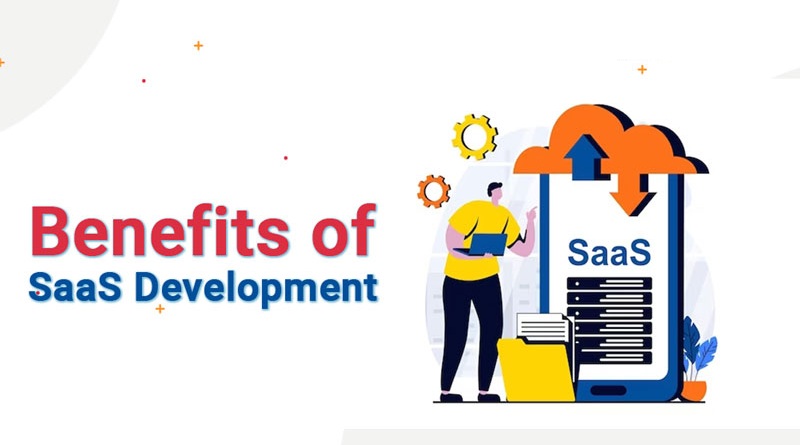
When implemented strategically, SaaS outsourcing offers far more than simple cost savings. It enables organizations to innovate faster, scale efficiently, and operate with greater agility. By leveraging external expertise, flexible resource models, and established delivery processes, businesses can significantly enhance both product quality and operational performance.
Immediate Access to Specialized Talent
Outsourcing provides direct access to experienced professionals such as senior developers, solution architects, and DevOps or AI specialists who have already built and scaled SaaS platforms. Instead of spending months recruiting and onboarding talent, companies can quickly engage a skilled team ready to contribute from the start accelerating development while maintaining high technical standards.
Faster Time to Market
Experienced SaaS outsourcing providers often use established frameworks, CI/CD pipelines, and agile development workflows that streamline the product lifecycle. With dedicated teams working simultaneously across design, development, and testing, businesses can launch products and new features more quickly while maintaining reliability and performance.
Better Cost Management
Outsourcing SaaS development helps transform fixed costs such as salaries, infrastructure, and equipment into flexible, project based expenses. Transparent pricing models (such as fixed price, dedicated team, or time and materials) allow companies to manage budgets more effectively while avoiding recruitment overhead and operational expenses.
Focus on Core Business Strategy
By delegating technical implementation to a specialized partner, internal teams can focus on strategic priorities such as product innovation, customer experience, and market expansion. The outsourcing provider handles engineering execution, quality assurance, and ongoing maintenance, allowing leadership to concentrate on business growth.
Higher Quality Through Established Processes
Reputable outsourcing providers follow structured development standards, automated testing procedures, and continuous integration practices. These processes help ensure code quality, system stability, and consistent performance across releases, reducing the risk of errors and improving overall reliability.
Flexible Scaling of Development Resources
Outsourcing makes it easy to adjust development capacity based on project needs. Teams can scale up during major development phases and scale down during maintenance or optimization stages, ensuring that resources remain aligned with workload and project timelines.
Access to Modern Tools and Innovation
Leading SaaS outsourcing companies continuously adopt new technologies, frameworks, and AI driven development practices. Partnering with these providers allows businesses to benefit from modern tools and proven innovations without investing heavily in internal experimentation or infrastructure upgrades.
By leveraging these advantages, SaaS outsourcing can become a powerful strategy for building scalable digital products while maintaining operational efficiency and long term competitiveness.
Read more: IT Outsourcing Costs: What Businesses Should Expect
Challenges of Outsourcing SaaS Development
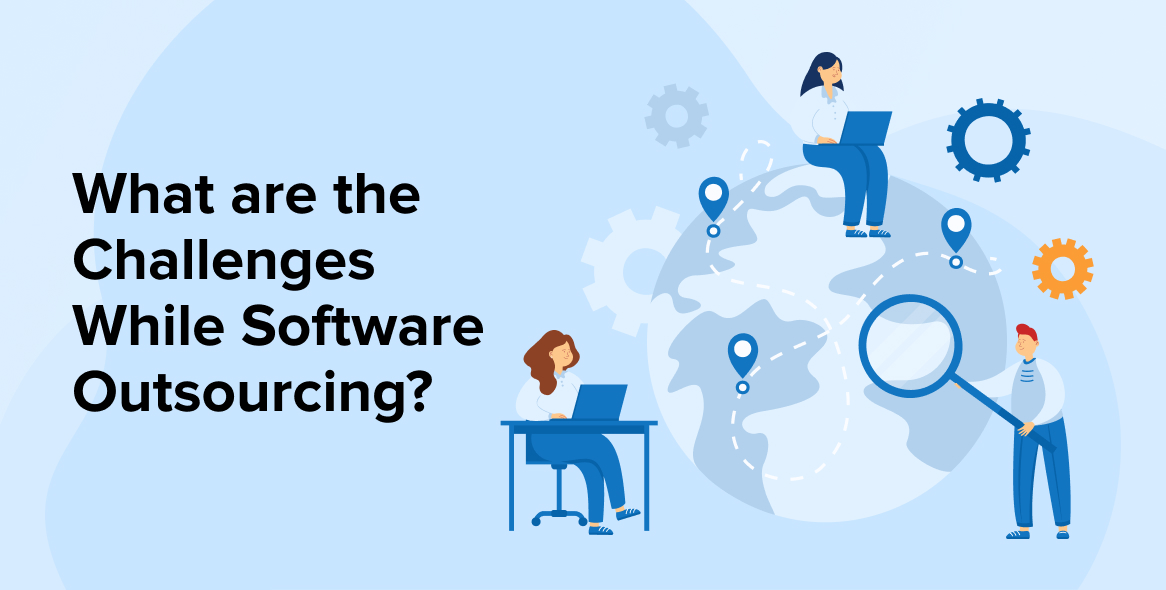
While outsourcing SaaS development offers significant advantages, it also introduces certain challenges that businesses must address proactively. Identifying potential risks early and implementing the right management strategies can help maintain project momentum while minimizing disruptions.
Data Security and Privacy
Protecting sensitive data is one of the most critical concerns in SaaS outsourcing. When external teams handle development and system access, businesses must ensure that strong security protocols, data protection policies, and regulatory compliance standards are in place. Compliance with frameworks such as GDPR, SOC 2, or ISO 27001 is essential to safeguard customer data and maintain trust.
Communication and Collaboration
Working with distributed teams especially across different time zones can create communication gaps. Misalignment in expectations, unclear documentation, or delayed responses may slow down development progress. Establishing clear communication channels, overlapping working hours, and regular project updates helps maintain alignment between internal and external teams.
Quality Assurance and Consistency
Ensuring consistent product quality can be challenging when development is handled externally. Without proper oversight, inconsistencies in coding standards or testing processes may arise. To address this, businesses should implement structured QA processes, defined coding standards, and regular performance reviews throughout the development cycle.
Integration with Existing Systems
Integrating new SaaS solutions with existing infrastructure such as legacy systems or third party platforms can be complex. Outsourced teams may require time to fully understand internal architecture and system dependencies. Providing comprehensive technical documentation and clear integration guidelines can help reduce potential compatibility issues.
Hidden Costs
Although outsourcing often reduces initial development expenses, hidden costs may arise from change requests, additional integrations, premium infrastructure environments, or long term maintenance. Businesses should request transparent pricing models, detailed scope documentation, and clearly defined service agreements to maintain cost control.
Reduced Direct Control
Outsourcing SaaS development means delegating part of the development process to an external provider, which can raise concerns about project visibility and control. Companies can mitigate this risk by establishing clear governance structures, measurable KPIs, and regular performance reviews to ensure the project stays aligned with business objectives.
Managing Outsourcing Challenges Effectively
Successfully navigating these challenges requires strong planning, transparent communication, and well defined processes. By maintaining control over critical aspects such as security, quality assurance, and cost management, businesses can fully benefit from SaaS outsourcing while minimizing potential risks.
Read more: Top IT Outsourcing Companies in Vietnam
Eight Steps in the SaaS Outsourcing Process

To successfully implement SaaS development outsourcing, businesses should follow a structured process. A clear framework ensures smooth collaboration with external teams while maximizing the long term value of the partnership. The following eight step process helps guide companies through planning, execution, and ongoing optimization.
Step 1: Define Your Goals
Every successful outsourcing initiative begins with clearly defined objectives. Start by identifying the business problem your SaaS product aims to solve and determine how success will be measured.
Key metrics may include:
- User activation rate
- Customer churn reduction
- Platform uptime and reliability
- Cost efficiency per delivered feature
Non functional goals such as scalability, security, and regulatory compliance should also be considered. These goals should be summarized in a concise Product Requirements Document (PRD) that connects business outcomes with development deliverables.
Tip: Define measurable outcomes before discussing features. Clear success criteria help vendors align development efforts with business value.
Step 2: Select the Collaboration Model and Prepare the SOW
Next, choose the outsourcing model that best fits your project. Options may include project based outsourcing, dedicated development teams, or staff augmentation.
After selecting the model, create a Statement of Work (SOW) that outlines the structure of the engagement. A strong SOW typically includes:
- Project scope and deliverables
- Development timeline and milestones
- Acceptance criteria defining completion standards
- Roles and responsibilities (RACI matrix)
- Non functional requirements such as performance and security
This document serves as the foundation for project governance and accountability.
Tip: Include assumptions and exclusions in the SOW to avoid misunderstandings and scope creep later.
Step 3: Evaluate and Select the Right Vendor
Vendor selection plays a crucial role in outsourcing success. Businesses should evaluate potential partners based on technical expertise, domain experience, scalability, security practices, and communication capabilities.
During the evaluation process:
- Research potential vendors through professional networks, industry events, and trusted platforms.
- Review case studies and past projects related to SaaS development.
- Assess team capabilities and engineering experience.
- Verify client references and feedback.
- Evaluate financial stability and pricing transparency.
Meeting the actual delivery team not just the sales representatives can provide valuable insight into the partner’s technical depth and collaboration style.
Step 4: Conduct a Discovery Phase or Pilot Project
Before committing to a full scale engagement, run a short discovery or pilot phase lasting two to four weeks. This stage helps validate technical assumptions and test the collaboration process.
During this phase, focus on delivering a small functional component or prototype of the SaaS product. Evaluate how the vendor manages communication, documentation, and code quality.
Tip: Treat the pilot like a real production milestone and review the results carefully before expanding the partnership.
Step 5: Establish Governance and Communication Frameworks
Effective governance ensures that remote collaboration remains efficient and transparent. Establish a clear communication plan that defines meeting schedules, reporting cycles, and escalation procedures.
Common collaboration practices include:
- Daily or weekly sprint meetings
- Regular product demos and retrospectives
- Shared project dashboards for progress tracking
Tools such as Jira, Notion, or Confluence help maintain transparency and documentation across teams.
Tip: Maintain a centralized knowledge base that includes product documentation, system architecture, and development guidelines.
Step 6: Address Legal, Security, and Compliance Requirements
Before development begins, finalize all legal and compliance agreements. Typical documents include:
- Master Service Agreement (MSA)
- Statement of Work (SOW)
- Non Disclosure Agreement (NDA)
- Data Processing Agreement (DPA)
Businesses should also define data security policies, encryption standards, and access controls to protect sensitive information. Compliance with frameworks such as GDPR, SOC 2, or HIPAA may be required depending on the product’s industry.
Tip: Integrate automated security testing into the CI/CD pipeline and conduct regular security audits.
Step 7: Manage Development, Testing, and Product Releases
During the execution phase, maintain strong development discipline. Use modern development practices such as:
- Continuous integration and continuous deployment (CI/CD)
- Automated testing pipelines
- Peer code reviews and version control
Release strategies such as canary deployments or blue green deployments can minimize system downtime and reduce risks during updates.
Performance metrics including system latency, uptime, and error rates should be continuously monitored to ensure stable product delivery.
Step 8: Knowledge Transfer and Post Launch Support
A successful SaaS outsourcing engagement continues beyond product launch. Vendors should provide full documentation, including:
- System architecture diagrams
- Operational runbooks
- Configuration and deployment guides
- Architectural decision records
Post launch support typically includes technical maintenance, security updates, performance optimization, and customer support integration.
Organizations should also conduct a post launch review to analyze performance metrics, identify lessons learned, and refine future development strategies.
Tip: Maintaining long term collaboration with the same outsourcing partner can be more efficient than repeatedly onboarding new teams.
Following this structured approach allows businesses to reduce risks, improve collaboration, and ensure that outsourced SaaS development delivers measurable business value.
Tips for Successful SaaS Development Outsourcing
The success of SaaS development outsourcing depends not only on selecting the right partner but also on how effectively both sides collaborate. The most productive partnerships are built on transparency, shared accountability, and structured communication. The following best practices outline what companies should do and avoid to ensure a smooth and results driven outsourcing relationship.
Best Practices to Follow
A successful outsourcing partnership focuses on clarity, data driven decisions, and collaborative execution. These practices help maintain alignment and ensure that both teams remain focused on delivering measurable value.
Define Clear Outcomes from the Start
Before development begins, establish key performance indicators (KPIs) and acceptance criteria for each project milestone or feature. Clearly defining success metrics helps prevent misunderstandings and ensures that everyone works toward the same objectives.
Invest in a Strong Discovery Phase
Spending time on user research, journey mapping, and problem validation early in the project helps ensure the product solves the right problems for the right audience. This initial investment significantly reduces the risk of costly redesigns later in the development process.
Implement Analytics and Monitoring Early
Integrate analytics, monitoring tools, and system logging from the beginning. This allows teams to track user behavior, measure product performance, and identify potential usability or technical issues quickly.
Plan for Flexible Resource Scaling
SaaS development needs can fluctuate depending on the stage of the product lifecycle. Plan your outsourcing resources to scale up during high demand phases such as major feature releases and scale down during maintenance periods to maintain cost efficiency.
Focus on Value, Not Just Cost
Choosing the lowest hourly rate may not deliver the best results. Instead, evaluate partners based on overall value, including development speed, product quality, and long term maintainability.
Use Standardized Tools and Workflows
Ensure both internal and external teams use consistent tools for version control, project tracking, CI/CD pipelines, and documentation. A unified development environment reduces confusion and improves collaboration.
Protect Intellectual Property
Clearly define intellectual property ownership, licensing terms, and confidentiality requirements in the contract. Also review any third party technologies used in the SaaS product to avoid legal or compliance issues.
Continuously Gather User Feedback
Regular product demonstrations, usability testing sessions, and user feedback reviews help guide product development based on real user behavior and needs.
Tip: The most successful SaaS outsourcing relationships feel like co creation partnerships, where both teams share responsibility for product success.
Common Mistakes to Avoid
Avoiding common pitfalls is just as important as following best practices. The following mistakes can negatively affect outsourcing success if not addressed early.
Ignoring Non Functional Requirements
Reliability, security, and performance are just as important as product features. Define service level objectives (SLOs), data protection standards, and compliance requirements early in the project.
Outsourcing Product Ownership
While development tasks can be outsourced, product strategy and roadmap decisions should remain within the internal leadership team. The outsourcing partner should focus on execution rather than business decision making.
Relying on Informal Communication
Key decisions including feature changes, design updates, or deadline adjustments should always be documented and tracked through project management systems to prevent miscommunication.
Overlooking Integration Challenges
If the SaaS platform integrates with third party systems such as CRM platforms, ERP solutions, or payment gateways, conduct early integration tests to identify compatibility issues before they impact release timelines.
Allowing Technical Debt to Grow
Allocate time within each development cycle typically 10–15% of sprint capacity to refactoring and improving code quality. Regular maintenance ensures long term scalability and system stability.
Accepting Limited Visibility into Development
Transparency is essential in outsourcing. Ensure access to code repositories, development metrics, test reports, and sprint progress updates to maintain trust and project oversight.
Neglecting Exit Strategies
Every outsourcing agreement should include clear handover procedures, documentation requirements, and intellectual property ownership terms. This ensures continuity if the project transitions to another vendor or internal team.
Underestimating Post Launch Effort
Product development does not end at launch. Allocate sufficient resources for continuous improvement, performance optimization, feature updates, and ongoing quality assurance.
Tip: Treat outsourcing as a long term strategic partnership rather than a temporary resource solution. Continuous collaboration and open communication lead to stronger products and better business outcomes.
Contact Information:
- Address: The Sun Avenue, 28 Mai Chi Tho Street, Binh Trung Ward, Ho Chi Minh City
- Hotline: +84 898 994 298 ( WhatsApp )
- Website: homenest.software
FAQs
What is SaaS development outsourcing?
SaaS development outsourcing is the process of hiring an external software development team to design, build, test, deploy, and maintain a Software as a Service (SaaS) product. This allows businesses to leverage specialized expertise while reducing the need for large in house development teams.
Why do companies outsource SaaS development?
Companies outsource SaaS development to reduce development costs, accelerate time to market, access specialized technical talent, and scale engineering resources quickly. Outsourcing also allows internal teams to focus on product strategy and business growth rather than technical implementation.
Which parts of SaaS development can be outsourced?
Almost every stage of the SaaS lifecycle can be outsourced, including product discovery, UI/UX design, frontend and backend development, cloud infrastructure setup, DevOps, testing, security compliance, and post launch maintenance.
How much does outsourcing SaaS development cost?
The cost varies depending on factors such as project complexity, technology stack, team size, and outsourcing location. Offshore SaaS development rates typically range between $25 and $70 per hour, while providers in high cost regions may charge significantly more.
What are the risks of outsourcing SaaS development?
Common risks include communication challenges, data security concerns, quality control issues, hidden costs, and integration complexities. These risks can be minimized by choosing an experienced partner, defining clear contracts, and maintaining transparent project governance.
Which outsourcing model is best for SaaS development?
The best model depends on the project requirements.
- Project based outsourcing works well for clearly defined projects.
- Dedicated development teams are ideal for long term SaaS products.
- Staff augmentation is useful when companies need specialized skills for specific tasks.
How long does it take to build a SaaS product through outsourcing?
The development timeline depends on the complexity of the product. A basic SaaS Minimum Viable Product (MVP) may take 3–6 months, while a full featured SaaS platform could take 9–18 months or longer.
How do you choose the right SaaS outsourcing partner?
Businesses should evaluate vendors based on technical expertise, SaaS experience, communication practices, security standards, client reviews, and pricing transparency. Running a pilot project before committing to a long term contract is also recommended.
Is outsourcing suitable for long term SaaS product development?
Yes. Many companies build long term partnerships with outsourcing providers through dedicated development teams, enabling continuous product improvements, feature releases, and ongoing technical support.
Latest Articles
View All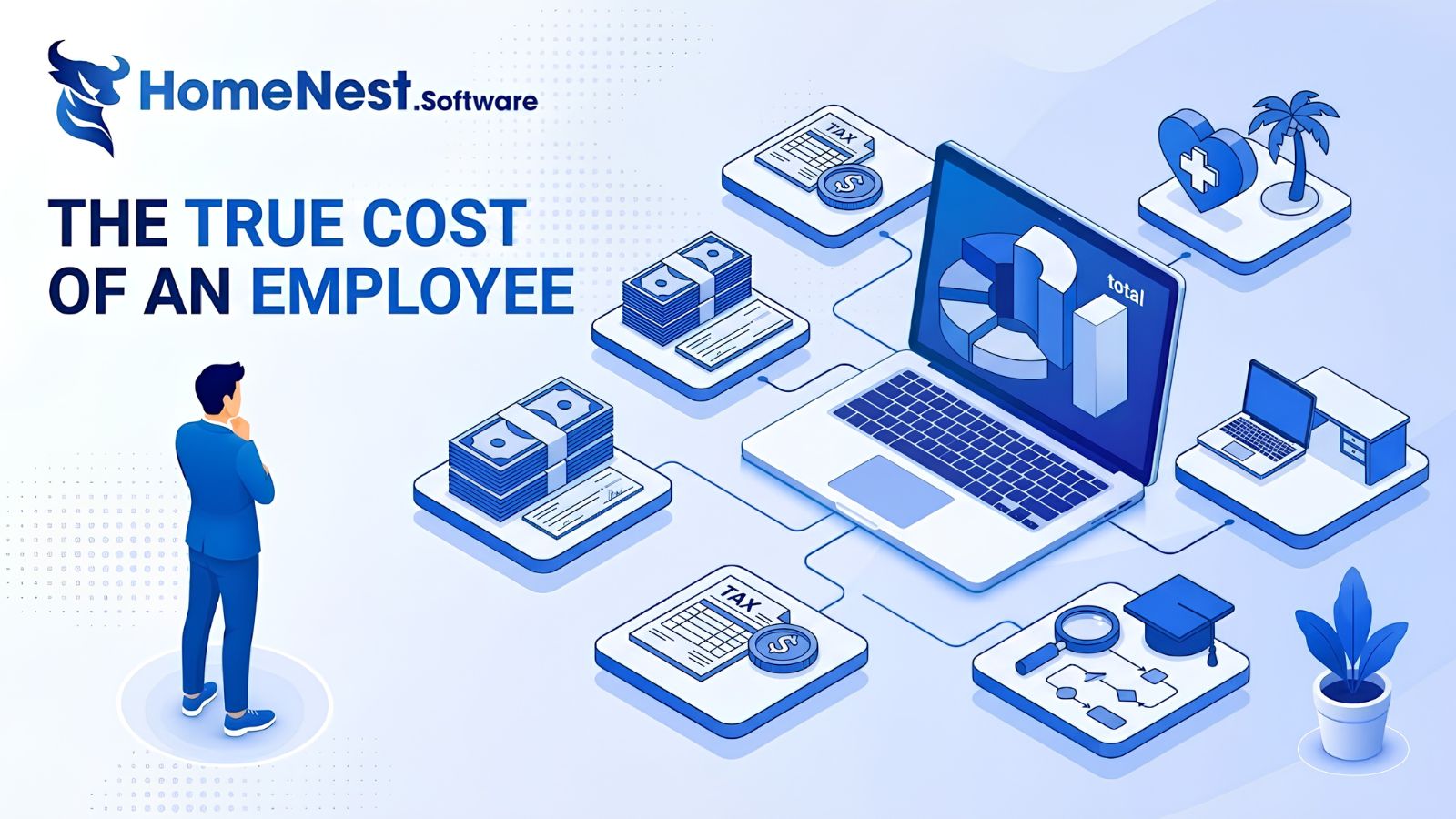
The True Cost of an Employee: A Complete Breakdown for Employers
This article reveals that the true cost of an employee is typically 25% to 40% higher than their base salary due to hidden expenses like taxes, benefits, workspace, and recruiting. To address this, the guide provides a detailed 7-step framework to accurately calculate total employer costs, alongside actionable strategies to optimize budgets and improve retention without reducing pay.
Essential Tips To Develop A Music Streaming App
Discover expert tips to develop a successful music streaming app with HomeNest Software. This guide covers essential features, legal licensing, and scalable technology stacks. Learn how to build a robust, cross-platform application with AI personalization to stand out in the 2026 competitive audio market.

How to Build a Language Learning App Like Cake
Discover how to build a successful language learning app like Cake with this comprehensive guide from HomeNest Software. We explore market research, essential MVP features, advanced AI integrations, tech stack selection, and estimated development costs. Partner with HomeNest Software to create a scalable, gamified, and highly engaging educational platform tailored to your business goals. Start your app development journey with us today.
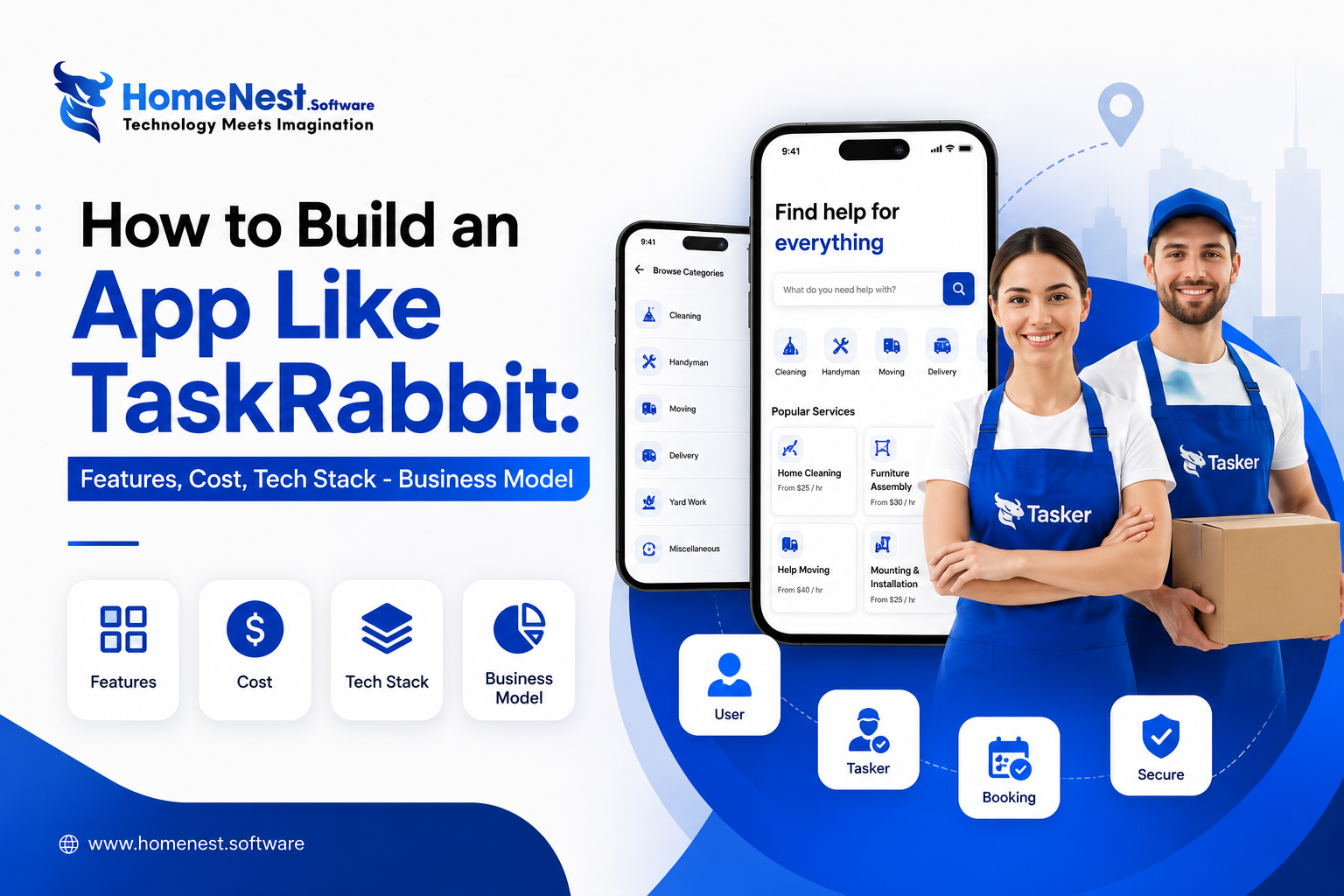
How to Build an App Like TaskRabbit: Features, Cost, Tech Stack – Business Model
Building an app like TaskRabbit is more than replicating existing features—it’s about creating a trusted marketplace that seamlessly connects customers with skilled service providers. By combining an intuitive user experience, secure payment systems, scalable architecture, and the right business model, you can launch a competitive on-demand platform. Partnering with an experienced app development company like HomeNest Software ensures your product is built with the technology, flexibility, and long-term scalability needed to succeed in the rapidly growing gig economy.
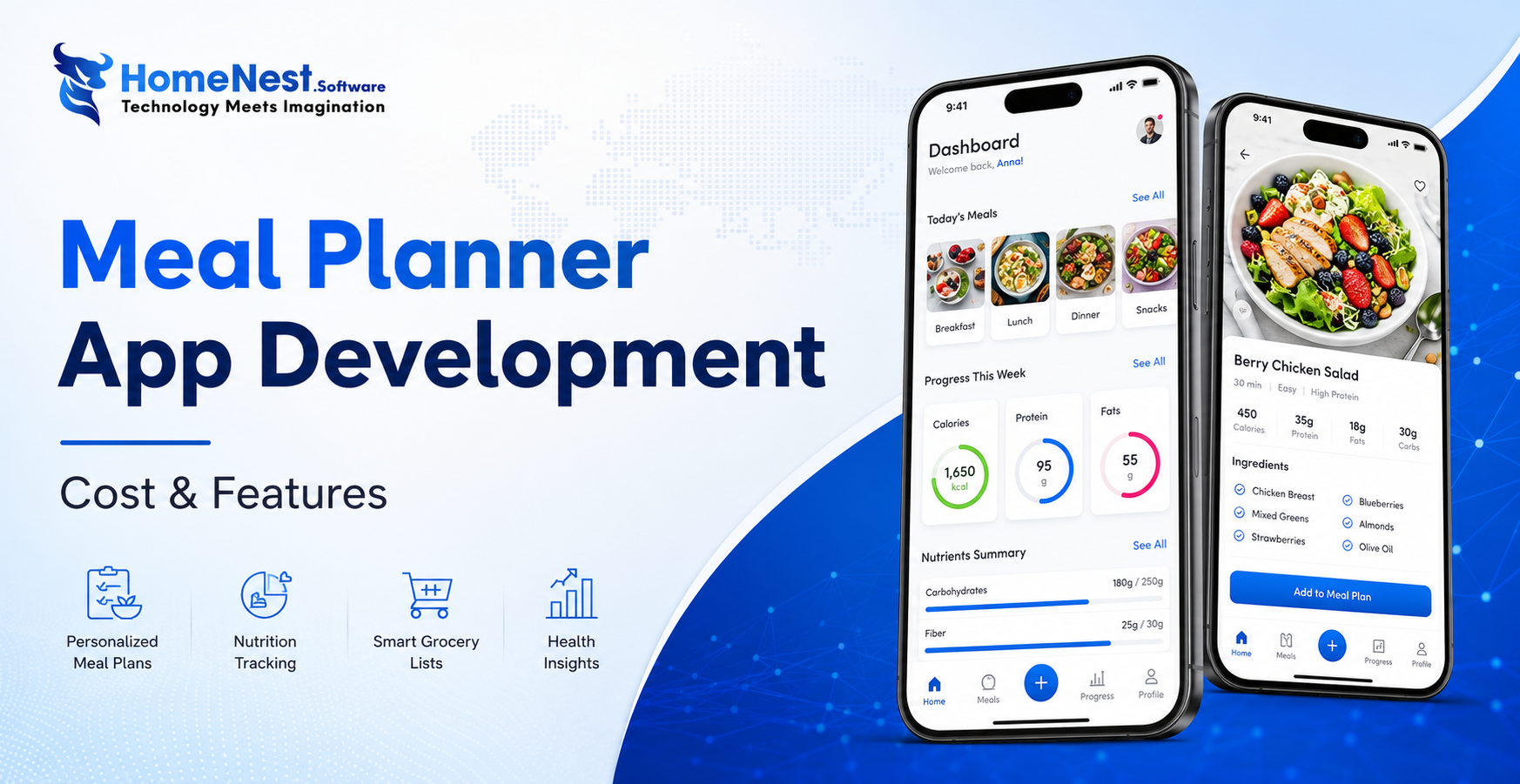
How to Build a Meal Planning App: A Complete Step-by-Step Guide
Building a successful meal planning app goes beyond creating an attractive interface it requires a clear business strategy, personalized user experiences, and scalable technology. By combining essential features like AI-powered meal recommendations, nutrition tracking, grocery list automation, and wearable integration, businesses can deliver lasting value to users while capitalizing on the growing digital health market. Partnering with an experienced mobile app development company ensures your solution is secure, future-ready, and designed to succeed in an increasingly competitive health-tech industry.
How Much Does It Cost to Build a Shopping App Like Temu?
Temu’s meteoric rise to over 900 million global downloads proves the power of combining AI, gamification, and social commerce, but building a similar viral shopping platform requires careful financial and technical planning. Developing an app like Temu typically costs anywhere from $40,000 for a basic Minimum Viable Product (MVP) to over $300,000 for a fully-featured platform. This guide breaks down every cost category, analyzes the core features driving Temu’s success, highlights the best technology stacks, and offers practical strategies to optimize your development budget without compromising on quality.