
Property Management Software Development Guide: Key Features, Costs, and Strategy
Scope of Work

The global property management software market has expanded rapidly as digital transformation continues to reshape the real estate industry. In 2021, the market was valued at $3.04 billion and is projected to grow at a compound annual growth rate (CAGR) of 7.8%, reaching approximately $5.02 billion by 2029. This growth is driven by increasing demand for digital tools that support automated tenant management, online rent collection, and real time data analytics.
The cost of developing property management software can vary widely depending on several factors, including the required features, chosen technology stack, development team structure, and integration with external systems. Whether you are a real estate agency, landlord, or property management company, understanding the potential real estate software development costs is essential for planning an effective development budget.
In this article, we will explore the estimated costs of building property management software, along with practical insights and recommendations for designing a scalable, fully functional solution that meets modern real estate management needs.
Overview of Property Management Software
Property management software is designed to simplify and centralize many of the complex tasks involved in real estate operations. Through an intuitive dashboard, the system helps manage key processes such as tenant management, rent collection, financial reporting, lease tracking, and property maintenance.
By automating routine activities, this type of software improves communication between property managers, tenants, and service providers while also providing real time insights and performance data. As a result, businesses can make faster decisions and operate more efficiently.
Instead of manually handling multiple spreadsheets, contracts, and payment records, property managers can monitor and manage properties, leases, tenants, and financial transactions from a single platform, significantly streamlining daily operations.
Benefits of Property Management Software Development
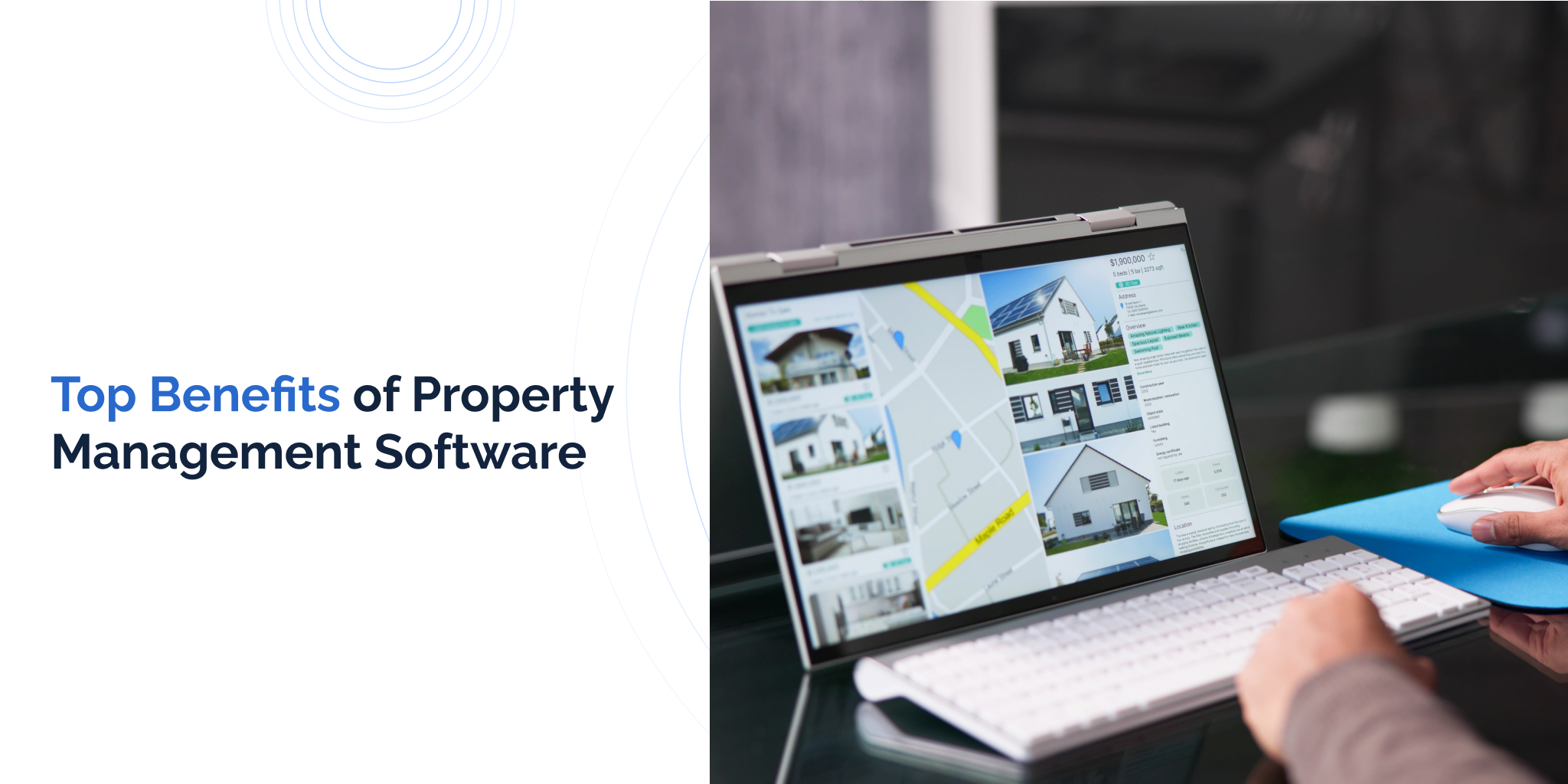
Property management software plays an important role in helping real estate businesses improve operational efficiency, automate repetitive tasks, and enhance tenant satisfaction in an increasingly competitive market. By reducing manual administrative work, these systems allow property managers and landlords to streamline property operations and manage portfolios more effectively.
1. Streamlined Tenant and Lease Management
Managing multiple tenants, leases, and renewal schedules can be complex and time consuming. Property management software centralizes this information in one system, making it easier to track lease agreements, monitor renewal dates, store documents, and manage tenant records efficiently.
2. Efficient Rent Collection and Financial Management
Automated rent reminders, secure online payment systems, and integrated financial reporting help property managers maintain consistent cash flow and reduce late payments. With built in accounting features, businesses can also track income, expenses, invoices, and financial performance more accurately.
3. Faster Maintenance Request Handling
Property management platforms allow tenants to submit maintenance requests directly through the system. Property managers can then assign tasks to maintenance teams, track progress, and resolve issues quickly improving operational efficiency and overall tenant satisfaction.
4. Improved Communication and Notifications
Automated communication tools such as email alerts, SMS notifications, and in app messages help property managers keep tenants informed about maintenance updates, rent reminders, policy changes, and other important announcements.
5. Real Time Reporting and Analytics
Advanced analytics and reporting features provide insights into occupancy rates, rental performance, maintenance costs, and financial trends. These data driven insights support better decision making and more effective property portfolio management.
6. Remote Access and Mobile Convenience
Cloud based property management systems allow landlords, property managers, and tenants to access the platform through web or mobile applications anytime, anywhere. This flexibility enables real time management of properties and improves overall convenience.
Read more: Cost of Hiring a Real Estate App Development Company in Vietnam
Types of Property Management Software
Property management software comes in different forms, each designed to meet the needs of specific segments within the real estate industry. From residential rentals to large commercial properties and hospitality operations, these systems help automate processes, improve efficiency, and simplify property management tasks.
Below are some of the most common types of property management software used today.
1. Residential Property Management Software
Residential property management software is designed for landlords, property managers, and real estate agencies that manage apartments, houses, or residential complexes. These platforms help streamline tasks such as tenant screening, lease management, rent collection, and maintenance scheduling, making it easier to manage residential properties efficiently.
2. Commercial Property Management Software
This type of software is tailored for managing commercial spaces such as office buildings, retail centers, warehouses, and industrial facilities. It supports more complex leasing structures, advanced billing systems, space management, and financial reporting, allowing property managers to optimize commercial property performance.
3. Vacation Rental Management Software
Vacation rental software is built for short term rental properties such as hotels, resorts, and Airbnb style accommodations. It typically includes features for reservation management, automated check ins, dynamic pricing, and channel integrations with platforms like Booking.com, Airbnb, or Expedia.
4. Condominium and HOA Management Software
Condominium and homeowners association (HOA) management software is used to manage shared residential communities. It helps administrators handle community fee collection, maintenance of common areas, event management, voting systems, and communication with residents.
5. Hotel Property Management Software (PMS)
Hotel property management systems are widely used in the hospitality industry to manage operations such as room reservations, guest services, billing, housekeeping coordination, and occupancy tracking. More advanced PMS platforms also support revenue management, analytics, and loyalty programs.
6. Real Estate Investment Management Software
This type of platform is designed for investors and real estate firms that manage large property portfolios. It provides tools for financial tracking, ROI analysis, market research, asset management, and performance forecasting, helping investors make informed decisions.
7. Cloud Based Property Management Software
Cloud based systems allow property managers and landlords to access property data from anywhere through web or mobile platforms. These solutions reduce the need for on premise infrastructure while offering improved security, scalability, and real time property insights.
8. AI Powered Smart Property Management Software
Modern platforms are increasingly integrating AI and IoT technologies to automate processes and improve operational efficiency. These solutions can include AI chatbots for tenant support, predictive maintenance systems, energy monitoring tools, and advanced data analytics.
9. Rental Property Management Software
Rental property management software focuses on helping landlords and property managers manage rental units, leasing workflows, and tenant interactions. Features often include rental listings, automated rent payments, lease tracking, maintenance requests, and performance reporting.
10. Tenant Management Software
Tenant management software focuses specifically on tenant related operations, including onboarding, background checks, rent payment tracking, document management, and service requests. These tools improve communication between landlords and tenants while ensuring smoother property operations.
Steps to Build Property Management Software
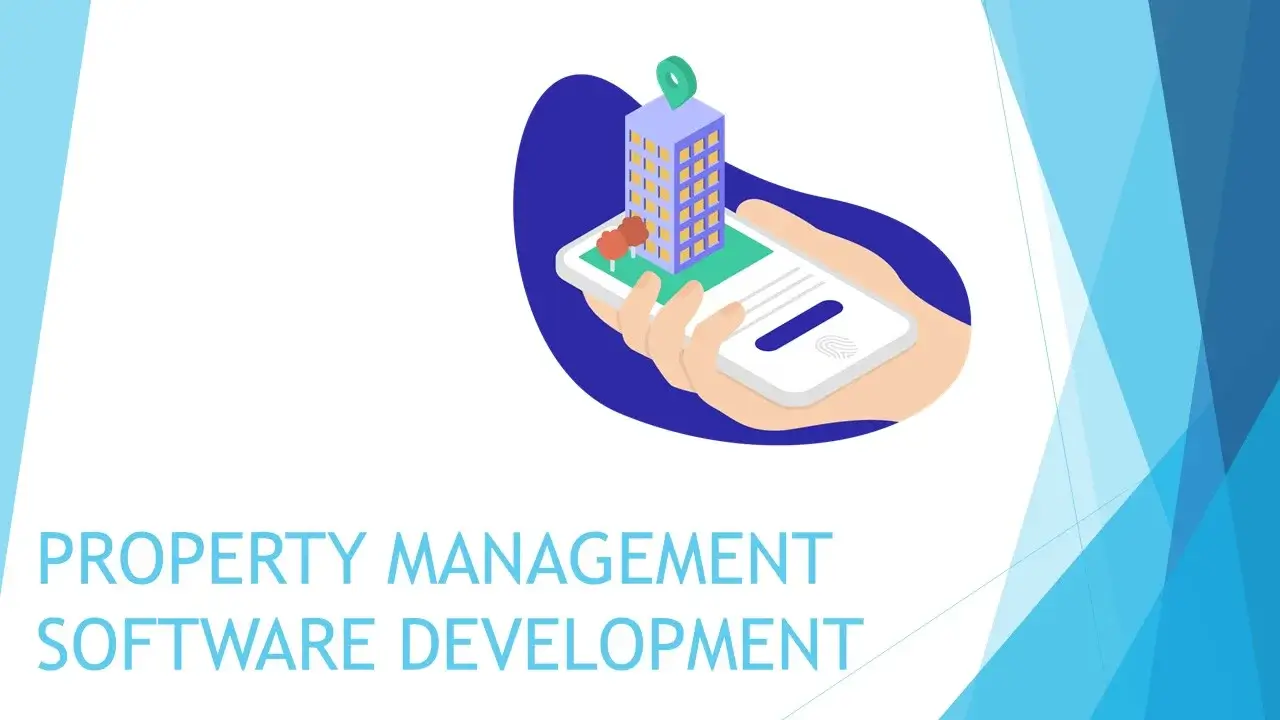
Developing a successful property management software solution requires a clear strategy that combines industry knowledge with strong technical execution. Whether you are a real estate agency, landlord, property manager, or tech entrepreneur, following a structured development process can help ensure your product meets market needs and delivers long term value.
1. Define Business Goals and Target Users
Begin by identifying the primary purpose of the software and the audience it will serve. Determine whether the platform is intended for landlords, tenants, property managers, or all stakeholders. Clearly outline the main problems your solution aims to address, such as rent tracking, lease management, maintenance requests, or financial reporting.
2. Conduct Market Research
Analyze existing property management platforms and evaluate their strengths, weaknesses, and unique features. Studying competitors and market trends will help you identify opportunities to build a product that offers better functionality, user experience, or innovation.
3. Define the Core Features
Once your goals and research are clear, create a list of essential features required for the first version of your platform. Common features include:
- Property listing and portfolio management
- Tenant and lease tracking
- Online rent collection and payment gateway integration
- Maintenance request management
- Financial reporting and analytics
- Mobile accessibility for property managers and tenants
4. Choose the Right Technology Stack
Selecting the appropriate technology stack is critical to ensure scalability, security, and performance. Depending on whether you are building a web platform, mobile app, or both, commonly used technologies include:
- Frontend: React, Angular, Flutter
- Backend: Node.js, Django, Laravel
- Database: MySQL, PostgreSQL, MongoDB
- Cloud infrastructure: AWS, Google Cloud, Microsoft Azure
5. Design an Intuitive UI/UX
User experience plays a major role in the success of any software platform. Design a clean, intuitive interface that is easy to use for both technical and non technical users. Creating wireframes and interactive prototypes before development helps validate the user journey and refine design decisions early.
6. Develop an MVP First
Start by building a Minimum Viable Product (MVP) that includes only the most essential features. Launching an MVP allows you to test the concept quickly, gather feedback from early users, and validate product market fit before investing in full scale development.
7. Perform Comprehensive Testing
Thorough testing ensures the platform performs reliably across different devices and use cases. This stage should include functional testing, usability testing, security checks, and performance testing to deliver a smooth and stable user experience.
8. Launch and Monitor Performance
After development and testing are complete, deploy the software to production. Use analytics and monitoring tools to track user behavior, system performance, and adoption rates. This data will help guide future improvements.
9. Maintain and Continuously Improve
Post launch maintenance is essential for long term success. Regular updates, security patches, feature enhancements, and performance improvements ensure the platform remains reliable, competitive, and aligned with evolving user needs.
Read more: Software Outsourcing Costs: Key Factors and Strategic Insights
How Much Does Property Management Software Cost?
The cost of developing property management software can vary significantly depending on the system’s complexity, required features, technology stack, and development scope. Some platforms focus on simple automation tools, while others include advanced technologies and multi platform capabilities.
Below is a general estimate of property management software development costs based on different levels of functionality:
- Basic Software ($5,000 – $8,000)
Entry level solutions typically include core features such as tenant management, rent tracking, and basic reporting tools. These systems are suitable for small landlords or property managers who need simple automation.
- Mid Level Software ($10,000 – $15,000)
Mid range platforms usually provide additional capabilities such as mobile applications, automated lease management, maintenance request tracking, and detailed financial reporting. These systems are designed for growing property management businesses.
- Enterprise Level Software ($15,000+)
Large scale property management platforms include advanced features such as AI powered analytics, IoT integrations for smart buildings, enhanced security mechanisms, blockchain based transaction systems, and multi platform support for web and mobile environments.
The final development cost ultimately depends on factors such as customization requirements, integrations with third party services, security standards, and the size of the development team involved.
Read more: What is the Cost of Real Estate App Development? Detailed Pricing
Factors Influencing Property Management Software Development Cost
The cost of developing property management software depends on several factors, including the system’s features, technology stack, development complexity, and integration requirements. Understanding these elements can help businesses estimate budgets more accurately and plan their software development strategy effectively.
1. Features and Functionalities
The number and complexity of features significantly impact development costs. A basic system with tenant management and rent tracking will cost much less than a platform with advanced capabilities such as AI powered analytics, automated lease renewals, predictive maintenance, or IoT enabled property monitoring.
2. Platform and Deployment Model
Development costs also vary depending on the target platform. A web only application typically costs less than a solution that includes mobile apps or cross platform support. Additionally, cloud based SaaS platforms require ongoing hosting and maintenance, while on premise systems may involve higher initial development and infrastructure costs.
3. UI/UX Design
A well designed interface improves usability and user engagement, but custom UI/UX design, wireframing, and prototyping require additional development time and expertise. Using standard templates is generally more affordable, while fully customized designs increase costs.
4. Technology Stack
The choice of programming languages, frameworks, and third party tools influences both performance and development cost. Technologies such as React, Node.js, Python, and modern cloud platforms offer strong scalability but may require experienced developers, which can increase overall project costs.
5. Development Team and Location
Development expenses also depend on the team structure and geographic location of developers. Hiring an in house development team in high cost regions can be more expensive than working with offshore or remote development teams from regions with lower labor costs while maintaining strong technical expertise.
6. Integration with Third Party Tools
Integrating external services such as payment gateways, CRM platforms, IoT systems, and AI powered chatbots adds complexity to the system architecture and can increase development costs due to additional implementation and testing requirements.
7. Security and Compliance
Real estate software often handles sensitive financial and personal information. Implementing strong security measures, encryption protocols, and regulatory compliance requirements can add to the development cost but is essential for protecting data and ensuring legal compliance.
8. Ongoing Maintenance and Updates
Beyond the initial development, companies must consider long term maintenance costs, including server hosting, bug fixes, system updates, and new feature development. Continuous improvements are necessary to keep the platform secure, reliable, and competitive.
Future Trends That May Impact Real Estate Software Development Costs
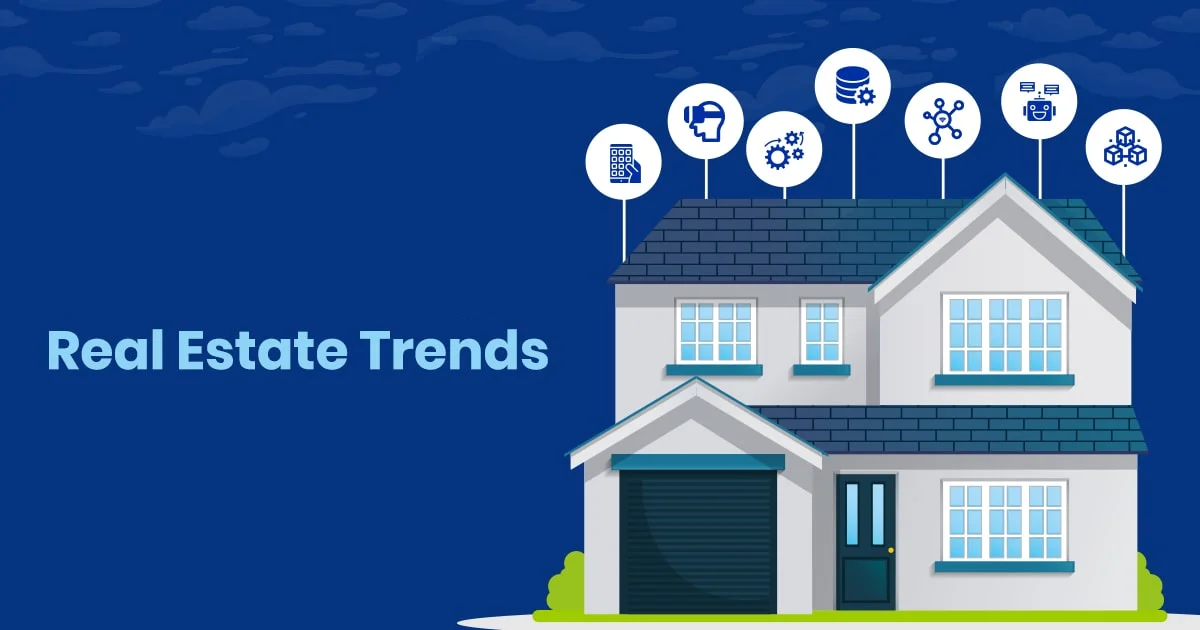
The property management software (PMS) landscape is evolving rapidly as new technologies reshape how real estate businesses operate. Innovations in artificial intelligence, IoT, cloud computing, and blockchain are improving efficiency and tenant experiences, but they can also influence development complexity and overall costs.
Below are some key technology trends that are expected to impact real estate software development costs in the coming years.
1. AI and Machine Learning Integration
Artificial intelligence and machine learning are increasingly used to analyze real estate data and automate decision making. These technologies can help forecast rental prices, occupancy rates, maintenance needs, and tenant behavior. While AI driven insights significantly improve system capabilities, they also require advanced data processing infrastructure and specialized development expertise, which can increase development costs.
2. IoT and Smart Property Management
Internet of Things (IoT) devices such as smart locks, energy monitoring systems, and predictive maintenance sensors are becoming more common in modern buildings. Integrating these devices into property management platforms requires additional hardware integration, device management systems, and real time data processing, which can raise both development and infrastructure costs.
3. Blockchain for Secure Transactions
Blockchain technology is gaining attention for its ability to enable secure, transparent transactions and smart lease agreements. Smart contracts can automate processes like rental payments and contract verification. However, integrating blockchain into property management systems may require specialized development frameworks and additional security measures, affecting implementation costs.
4. Cloud Based and SaaS Platforms
Many real estate companies are shifting toward cloud based and Software as a Service (SaaS) property management platforms. These systems offer improved scalability, remote accessibility, and automatic updates. While cloud adoption can reduce infrastructure management, organizations must still account for ongoing hosting, cybersecurity, and subscription costs.
5. Mobile First and Progressive Web Applications (PWAs)
As mobile usage continues to grow, property management systems are increasingly designed with a mobile first approach. Cross platform mobile apps and Progressive Web Apps (PWAs) improve accessibility for property managers and tenants. However, ensuring seamless performance, real time synchronization, and offline functionality may increase development complexity.
6. Advanced Data Analytics and Reporting
Modern property management platforms rely heavily on data analytics and business intelligence tools to provide insights into occupancy trends, rental performance, and maintenance efficiency. Implementing advanced analytics often requires big data infrastructure, data pipelines, and visualization tools, which can add to overall development and operational costs.
As these technologies continue to evolve, they will play a major role in shaping the future of real estate software development, influencing both the capabilities of property management systems and the investment required to build them.
15 Key Features of Real Estate Management Software
Real estate management software is designed to streamline property operations, automate workflows, and improve overall efficiency for property managers, landlords, and real estate agencies. By centralizing multiple processes into a single platform, these systems simplify property administration and enhance decision making.
Below are some essential features that modern property management software should include.
1. Tenant and Lease Management
This feature allows property managers to store and manage tenant information, track lease agreements, monitor renewal dates, and record move in or move out schedules. It helps ensure accurate tenant records and smoother lease management.
2. Online Rent Collection
Integrated payment systems enable tenants to pay rent online through secure payment gateways. Automated reminders help reduce late payments while minimizing manual administrative work.
3. Maintenance Request Tracking
Tenants can submit maintenance requests directly through the platform, allowing property managers to assign tasks, track progress, and resolve issues efficiently.
4. Accounting and Financial Management
Built in accounting tools help manage expenses, invoices, tax records, and revenue tracking in one system, making financial reporting and cash flow management more efficient.
5. Vacancy and Listing Management
Property managers can manage vacant units, advertise listings, and track inquiries or applications, helping reduce vacancy periods and improve occupancy rates.
6. Document Storage and Management
Secure document management features allow users to store and organize contracts, tenant records, payment receipts, and legal documents, ensuring easy access and improved data security.
7. Communication and Notifications
Automated notifications via email, SMS, or in app alerts keep tenants informed about rent due dates, maintenance updates, and lease renewals.
8. Reporting and Analytics
Advanced reporting tools provide insights into financial performance, occupancy rates, rental trends, and property profitability, enabling better data driven decisions.
9. Mobile Accessibility
Mobile friendly platforms or dedicated mobile apps allow property managers and tenants to access the system anytime and anywhere, improving convenience and responsiveness.
10. Integration with Third Party Tools
Modern systems often integrate with accounting software, CRM platforms, payment gateways, IoT devices, and AI tools, creating a more connected property management ecosystem.
11. AI Powered Chatbots and Support
AI chatbots can assist tenants with common inquiries about rent payments, maintenance requests, or lease details, improving response times and reducing manual workload.
12. IoT and Smart Property Management
Integration with IoT devices enables features such as smart locks, energy monitoring, and security systems, enhancing property safety and operational efficiency.
13. Cloud Based Accessibility
Cloud based platforms provide real time data access, improved security, automatic updates, and multi device synchronization, reducing the need for complex on premise infrastructure.
14. Multi Property Management
For real estate agencies managing multiple properties, this feature enables centralized management of different locations, tenants, and financial operations within one system.
15. Compliance and Legal Management
Compliance tools help property managers ensure adherence to rental regulations, tax requirements, safety standards, and legal agreements, reducing potential legal risks.
Why Choose HomeNest Software for Property Management Software Development?
HomeNest Software provides fully customizable and scalable property management software solutions designed specifically for real estate companies, property managers, and landlords. Our goal is to help businesses streamline operations, improve tenant experiences, and manage property portfolios more efficiently through modern technology.
Our development approach focuses on building secure, cloud based platforms that support everything from tenant management and lease tracking to financial reporting and maintenance workflows. By integrating advanced technologies such as AI driven analytics, smart automation, and seamless third party integrations, we enable real estate organizations to make better decisions using real time data insights.
With a team of experienced engineers and designers, HomeNest Software delivers high performance solutions with intuitive user interfaces, ensuring smooth and efficient property management processes. We also prioritize security, scalability, and system reliability, making our platforms suitable for both growing property businesses and large real estate enterprises.
By partnering with HomeNest Software, companies gain access to a trusted technology partner capable of delivering cost effective, scalable, and future ready real estate software solutions tailored to their unique business needs.
Conclusion
Managing real estate operations can be complex, which is why many organizations are turning to modern property management software to simplify and automate their workflows. The cost of developing such software typically ranges from $15,000 to $50,000 or more, depending on the system’s complexity, feature set, and technology stack.
To optimize development costs and reduce financial risk, businesses can consider strategies such as building a Minimum Viable Product (MVP), leveraging offshore development teams, and designing scalable system architectures.
Working with an experienced real estate software development company ensures that the final solution is secure, scalable, and aligned with industry needs. Investing in custom property management software ultimately helps organizations improve operational efficiency, enhance tenant satisfaction, and support sustainable business growth in an increasingly competitive real estate market.
Contact Information:
- Address: The Sun Avenue, 28 Mai Chi Tho Street, Binh Trung Ward, Ho Chi Minh City
- Hotline: +84 898 994 298 ( WhatsApp )
- Website: homenest.software
FAQ
What is property management software?
Property management software is a digital platform designed to help landlords, property managers, and real estate companies manage properties, tenants, leases, rent payments, maintenance requests, and financial reporting from a centralized system.
How much does it cost to develop property management software?
The cost of building property management software typically ranges from $15,000 to $50,000 or more, depending on factors such as the number of features, technology stack, integrations, platform type (web or mobile), and the size of the development team.
What features should property management software include?
Essential features often include tenant and lease management, online rent collection, maintenance request tracking, financial reporting, vacancy management, document storage, communication tools, and analytics dashboards. Advanced systems may also include AI insights and IoT integrations.
How long does it take to build property management software?
Development timelines usually range from 3 to 9 months, depending on the system’s complexity, the number of features, and whether the product starts with an MVP (Minimum Viable Product) before full scale development.
Should businesses build custom property management software or buy ready made solutions?
Off the shelf solutions can be quicker to implement, but custom property management software offers greater flexibility, scalability, and the ability to tailor features to specific business workflows and long term growth strategies.
What technologies are commonly used to develop property management software?
Modern property management platforms are typically built using technologies such as React, Angular, Node.js, Django, Laravel, PostgreSQL, MongoDB, and cloud platforms like AWS, Azure, or Google Cloud to ensure scalability and performance.
Why work with a property management software development company?
A professional development company can help design a secure, scalable, and high performance platform tailored to your business needs. Experienced developers also ensure proper architecture, system integration, and long term maintainability for your software solution.
Latest Articles
View All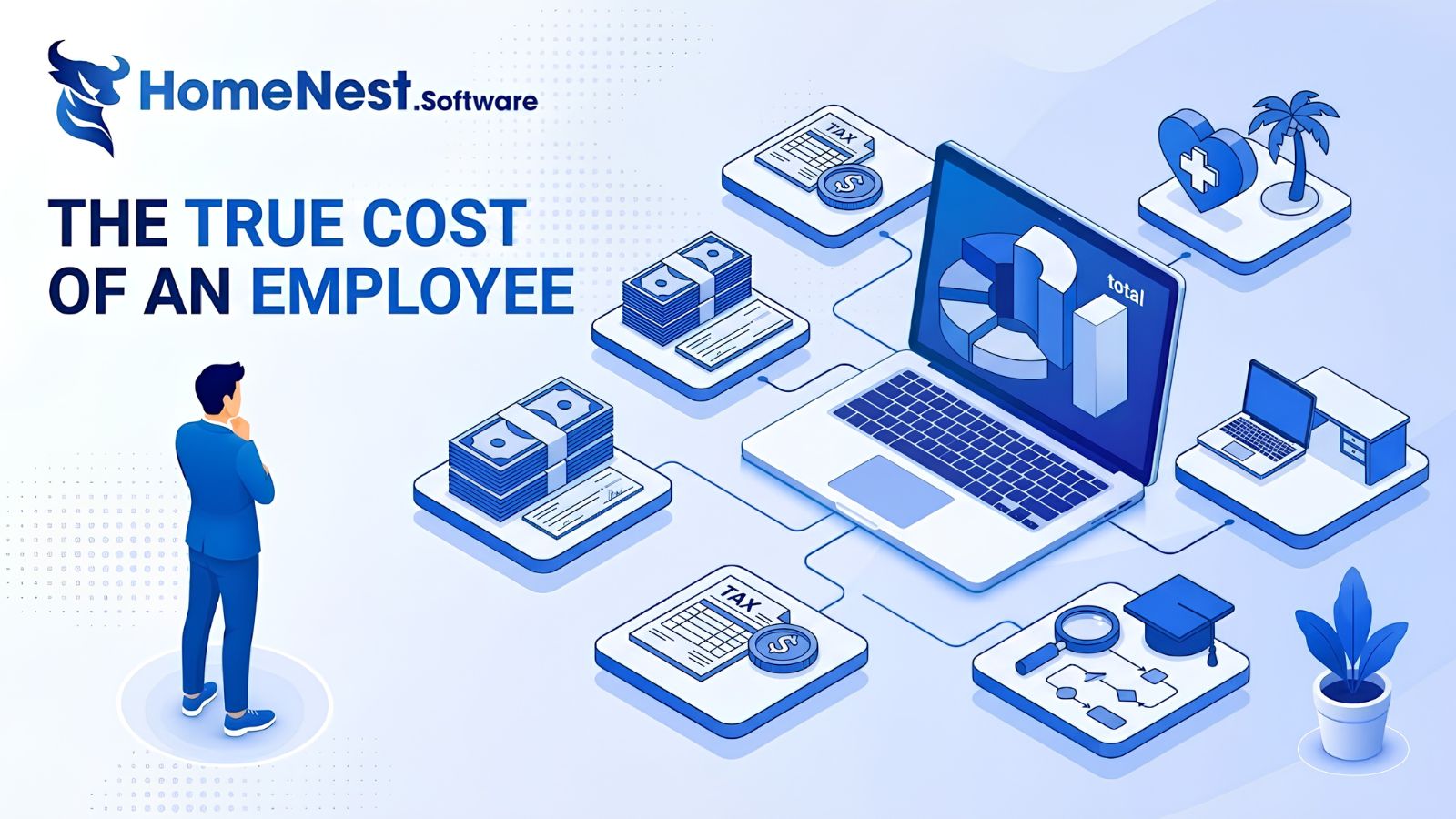
The True Cost of an Employee: A Complete Breakdown for Employers
This article reveals that the true cost of an employee is typically 25% to 40% higher than their base salary due to hidden expenses like taxes, benefits, workspace, and recruiting. To address this, the guide provides a detailed 7-step framework to accurately calculate total employer costs, alongside actionable strategies to optimize budgets and improve retention without reducing pay.
Essential Tips To Develop A Music Streaming App
Discover expert tips to develop a successful music streaming app with HomeNest Software. This guide covers essential features, legal licensing, and scalable technology stacks. Learn how to build a robust, cross-platform application with AI personalization to stand out in the 2026 competitive audio market.

How to Build a Language Learning App Like Cake
Discover how to build a successful language learning app like Cake with this comprehensive guide from HomeNest Software. We explore market research, essential MVP features, advanced AI integrations, tech stack selection, and estimated development costs. Partner with HomeNest Software to create a scalable, gamified, and highly engaging educational platform tailored to your business goals. Start your app development journey with us today.
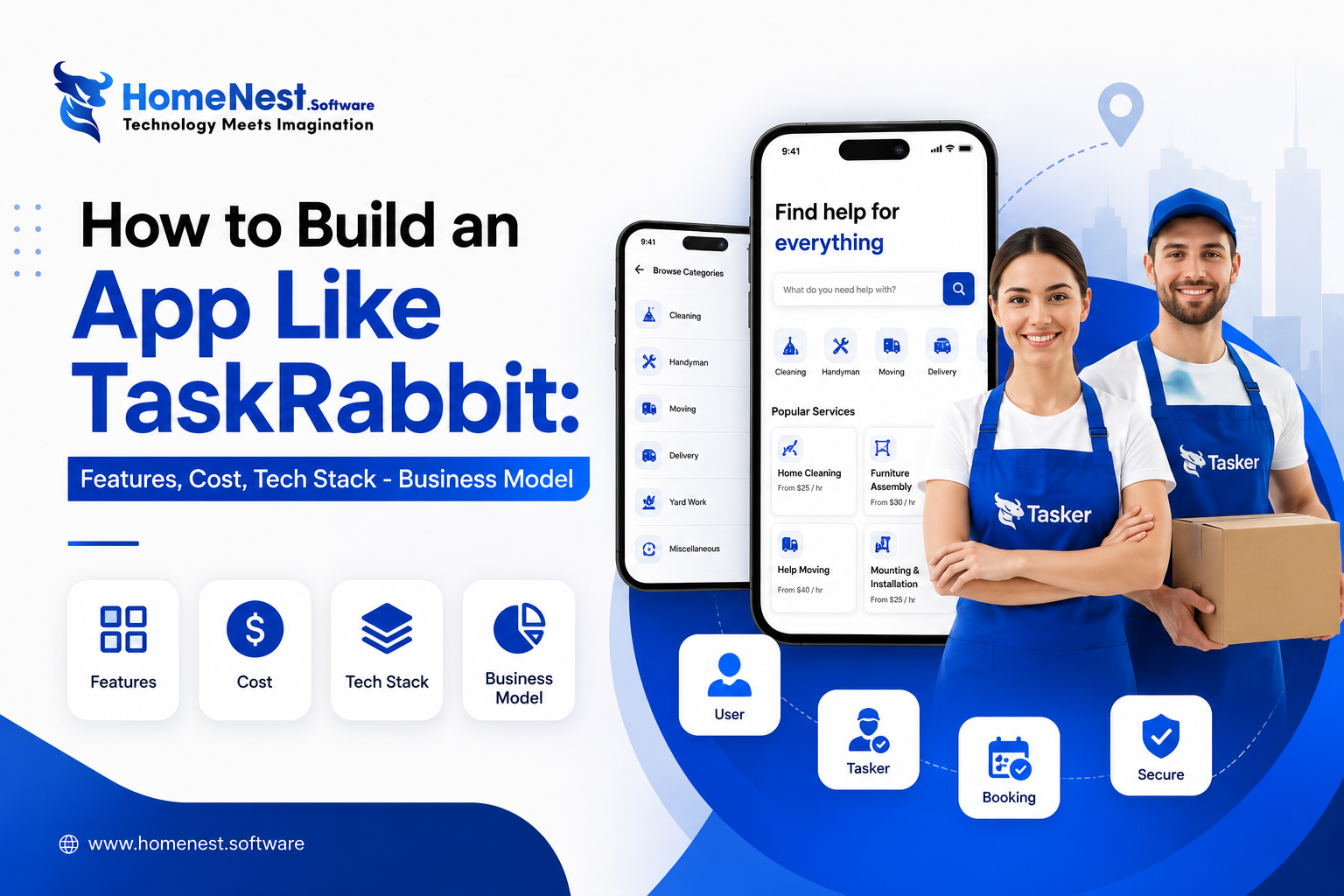
How to Build an App Like TaskRabbit: Features, Cost, Tech Stack – Business Model
Building an app like TaskRabbit is more than replicating existing features—it’s about creating a trusted marketplace that seamlessly connects customers with skilled service providers. By combining an intuitive user experience, secure payment systems, scalable architecture, and the right business model, you can launch a competitive on-demand platform. Partnering with an experienced app development company like HomeNest Software ensures your product is built with the technology, flexibility, and long-term scalability needed to succeed in the rapidly growing gig economy.
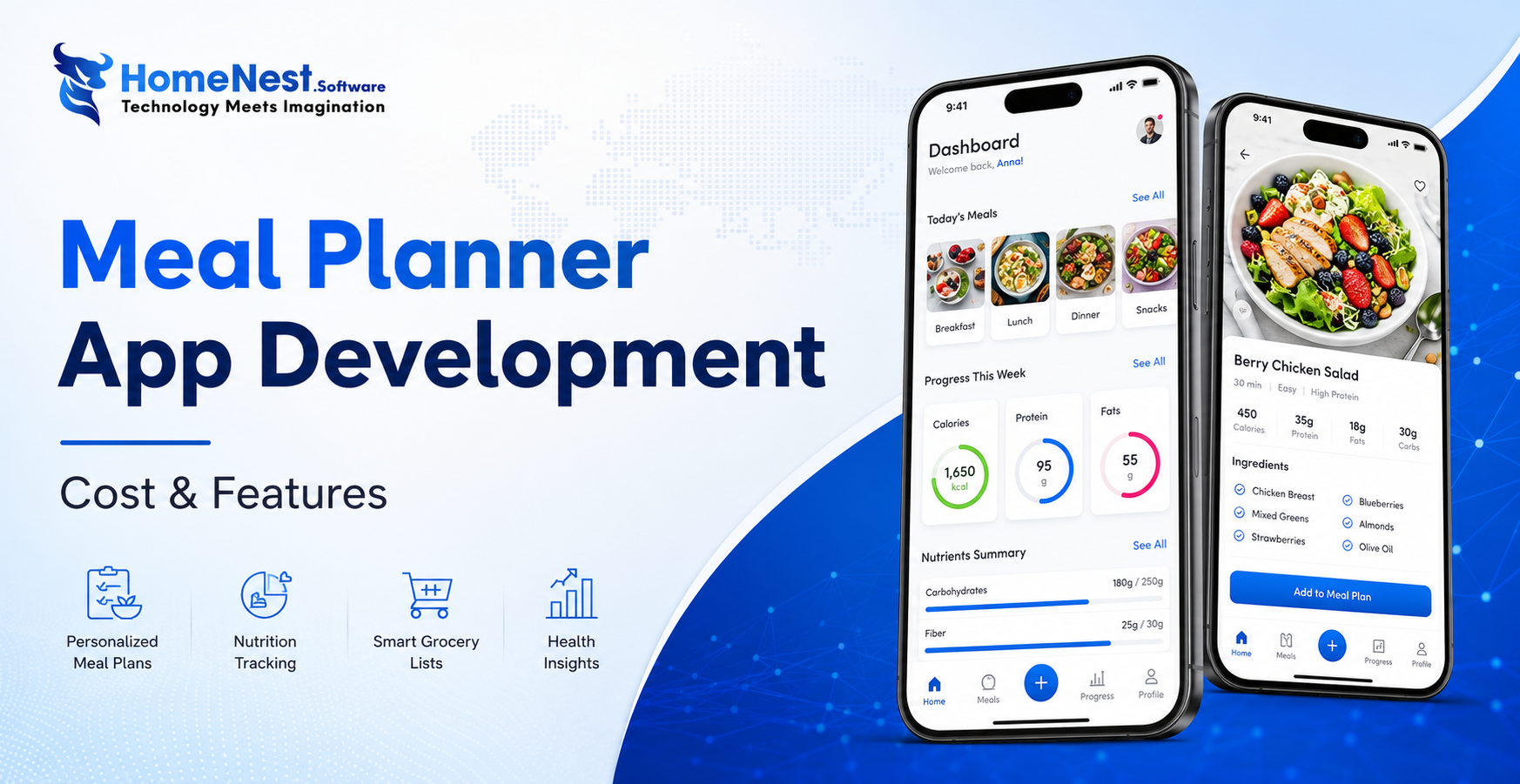
How to Build a Meal Planning App: A Complete Step-by-Step Guide
Building a successful meal planning app goes beyond creating an attractive interface it requires a clear business strategy, personalized user experiences, and scalable technology. By combining essential features like AI-powered meal recommendations, nutrition tracking, grocery list automation, and wearable integration, businesses can deliver lasting value to users while capitalizing on the growing digital health market. Partnering with an experienced mobile app development company ensures your solution is secure, future-ready, and designed to succeed in an increasingly competitive health-tech industry.
How Much Does It Cost to Build a Shopping App Like Temu?
Temu’s meteoric rise to over 900 million global downloads proves the power of combining AI, gamification, and social commerce, but building a similar viral shopping platform requires careful financial and technical planning. Developing an app like Temu typically costs anywhere from $40,000 for a basic Minimum Viable Product (MVP) to over $300,000 for a fully-featured platform. This guide breaks down every cost category, analyzes the core features driving Temu’s success, highlights the best technology stacks, and offers practical strategies to optimize your development budget without compromising on quality.