
What is the Cost of Real Estate App Development? Detailed Pricing
Scope of Work

Do you want to develop a real estate app that is both high quality and cost effective? This article provides an overview of development costs and timelines for different types of apps, from MVPs to complex or AI assisted applications.
Additionally, we highlight the key factors that affect your budget and share smart strategies to help startups launch an MVP efficiently, optimize investment, and gather user feedback to upgrade the app according to market needs.
Real Estate App Development: Cost and Timeline Summary
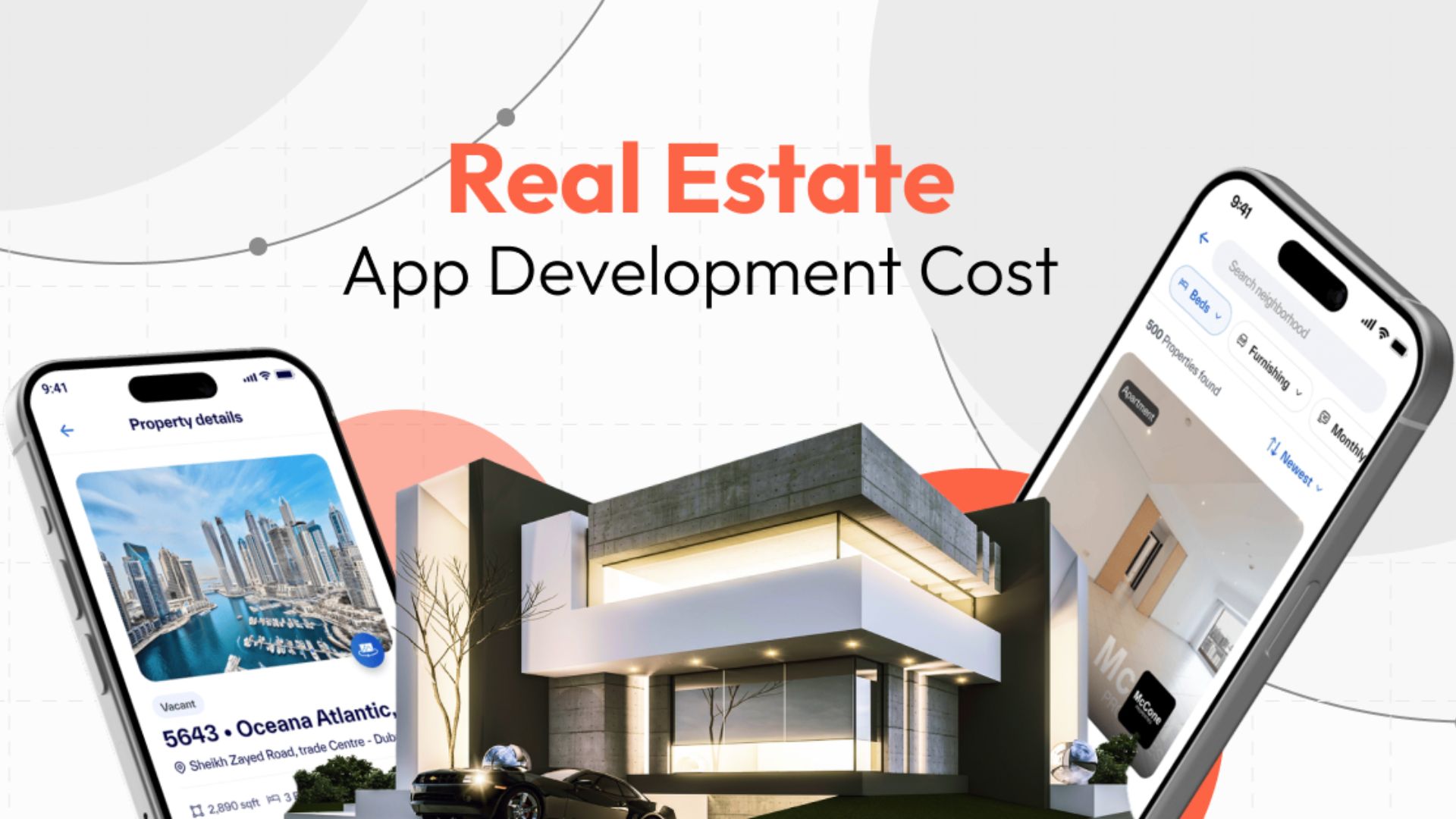
The average cost for developing a real estate application ranges from USD 12,000 to USD 40,000+, depending primarily on the features and complexity. The final budget is determined by the type of application you choose to build (e.g., MVP, simple, complex, or AI assisted).
Here is a breakdown of the estimated costs and timelines:
Estimated Costs by App Complexity
| App Type | Estimated Timeline | Estimated Development Cost |
| MVP (Minimum Viable Product) | 8 weeks to 6 Months | USD 11,000 to USD 15,000+ |
| Simple App | 3 to 6 Months | USD 12,000 to USD 16,000+ |
| Moderate App | 5 to 7 Months | USD 15,000 to USD 20,000+ |
| Complex App | 8 to 10 Months | USD 25,000 to USD 30,000+ |
| AI Assisted App | 10 to 12+ Months | USD 30,000 to USD 40,000+ |
Note: These figures are estimates, and the actual cost/timeline may vary based on your specific project requirements.
Recommendation: Startup founders should begin with an MVP to validate their idea, as the development cost for an MVP is considerably lower than a fully featured application.
Real Estate App Categories and Estimated Development Costs
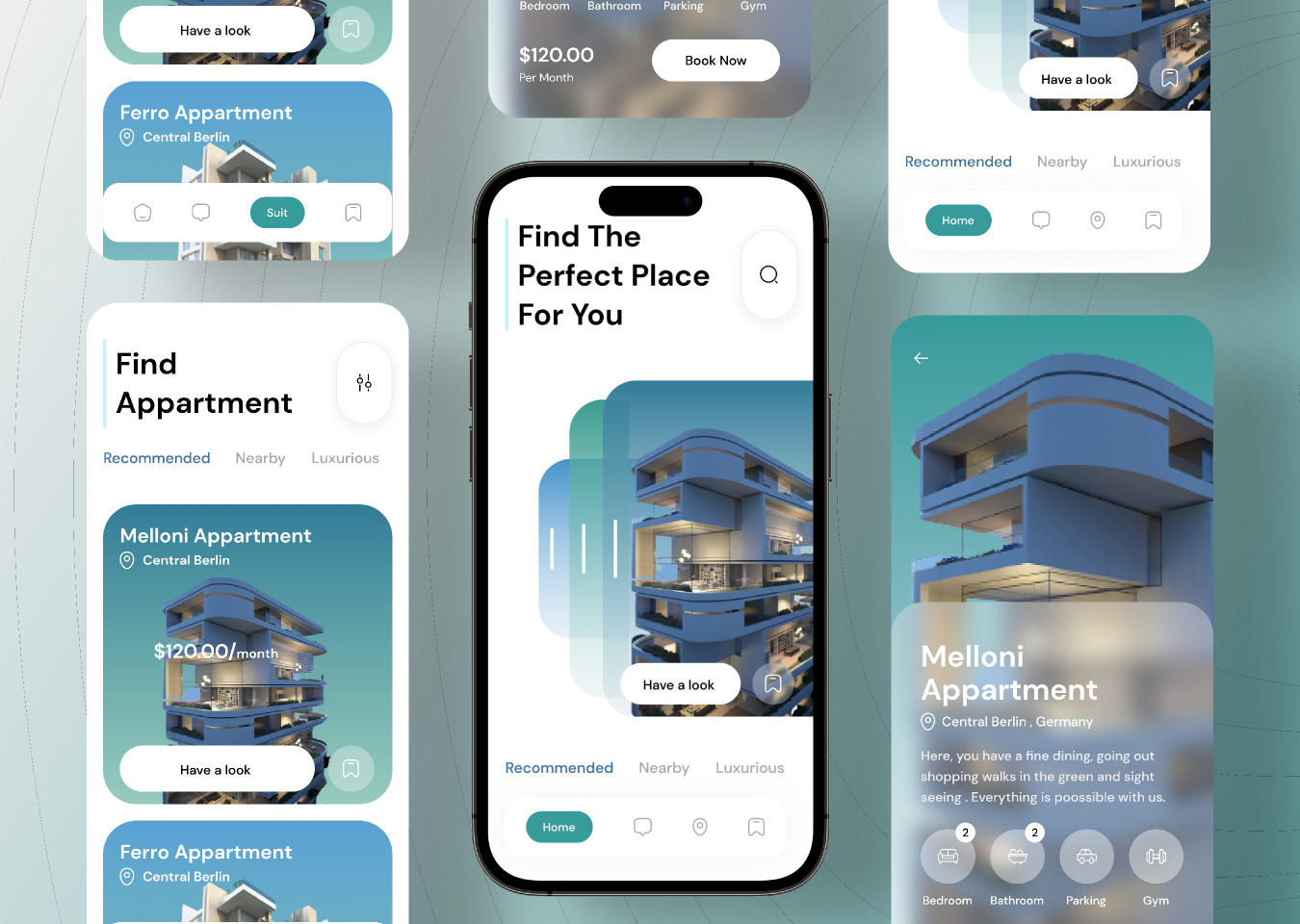
The cost of building a real estate application depends significantly on the chosen business model and required features. As an entrepreneur, it is crucial to understand the different types of applications to plan your development budget accurately.
Here is an overview of the most common real estate app categories, their core functions, and the estimated development costs:
1. Property Search Apps
-
Functionality: Built for users to search for properties available for sale or rent easily. These apps allow users to filter listings based on location, budget, and various criteria.
-
Estimated Cost: USD 10,000 to USD 25,000+
-
Examples: Zillow, Redfin, Realtor.com, Trulia
2. Real Estate Marketplace Apps
-
Functionality: These platforms facilitate property searching and also support the full transaction lifecycle, including buying, selling, and renting properties directly within the app.
-
Estimated Cost: USD 20,000 to USD 35,000+
-
Examples: Rightmove, Zoopla, Idealista, Homely
3. Home Improvement Apps
-
Functionality: Designed for homeowners, tenants, and contractors to plan, manage, and execute renovation and improvement projects. They connect users with service providers, offer budgeting tools, and support visualization.
-
Estimated Cost: USD 15,000 to USD 30,000+
-
Examples: Home Design 3D, Houzz, Magicplan
4. Property Management Apps
-
Functionality: These streamline and automate complex operations for property managers and landlords, such as rent collection, tenant screening, financial reporting, and general administrative tasks.
-
Estimated Cost: USD 20,000 to USD 40,000+
-
Examples: AppFolio, Buildium, Yardi Breeze, Hemlane
5. Real Estate Investment Apps
-
Functionality: Helps users find opportunities and invest in real estate assets, including rental and commercial properties. A key feature is supporting fractional investing, allowing users to invest smaller amounts of money.
-
Estimated Cost: USD 10,000 to USD 30,000+
-
Examples: CrowdStreet, EstateGuru, SmartCrowd
6. Virtual Tour Apps
-
Functionality: These applications provide immersive virtual tours of properties, effectively eliminating the need for mandatory in person viewings.
-
Estimated Cost: USD 25,000 to USD 40,000+
-
Examples: Styldod, My360, iStaging
7. Real Estate Agent Apps
-
Functionality: Tools designed specifically for agents to manage their business, including scheduling appointments, organizing client information, tracking commissions, managing documentation, and showcasing virtual 3D tours.
-
Estimated Cost: USD 15,000 to USD 35,000+
-
Examples: Redfin Agent, Dotloop, ShowingTime
8. Property Mortgage & Financing Apps
-
Functionality: Simplifies access to home loans by connecting users with multiple financial institutions. These apps offer quick loan comparisons, eligibility checks, document upload capabilities, and streamlined loan estimate processes.
-
Estimated Cost: USD 25,000 to USD 35,000+
-
Examples: Zillow Mortgages, Better.com, Bayut
Key Factors Influencing Real Estate App Development Expenditure
The total investment required to develop a real estate application is impacted by numerous variables, including the app’s functionality, choice of platform, technology stack, and the location/expertise of the development team. Choosing an experienced development partner is key to optimizing both cost and time efficiency.
Here are the primary factors that directly affect the cost of designing and building your real estate application, aiding in better financial planning:
1. App Features and Functionality
The complexity of the features you include is a major cost driver. Implementing basic features such as user login, search filters, and standard property listings requires a relatively low effort. However, incorporating sophisticated functionalities dramatically increases development expenses.
| Feature Type | Estimated Cost Range |
| Basic Features (Login, search, simple listings) | USD 9,500 to USD 20,000+ |
| Advanced Features (AI assistance, AR/VR tours, chatbots) | USD 25,000 to USD 40,000+ |
2. Platform Strategy
Your choice of target platforms directly affects the budget. Developing for both iOS and Android simultaneously is inherently more costly than targeting a single platform.
| Platform Approach | Estimated Cost Range |
| Single Platform (iOS OR Android) | USD 12,000 to USD 25,000+ |
| Cross Platform (e.g., using React Native) | USD 18,000 to USD 40,000+ (Often lower resources) |
| Native Apps (Separate codebases for both iOS and Android) | USD 30,000 to USD 40,000+ (Highest effort/resources) |
While cross platform tools like React Native can reduce costs, pursuing native app development for optimal performance on each operating system demands greater resources.
3. User Interface/User Experience (UI/UX) Design
The quality of your app’s design is crucial for user engagement and building trust in high value real estate transactions. Custom, highly interactive designs featuring smooth navigation and complex visual elements aligned with the latest design trends will elevate the cost. Conversely, a simple, template based design is more budget friendly.
-
Simple/Template Based Design: USD 5,000 to USD 10,000+
-
Custom, Interactive Design with Advanced Visuals: USD 10,000 to USD 20,000+
4. App Development Team Location
The geographical location of the development team is the single most significant factor affecting the cost of personnel. Hiring developers in North America or Western Europe typically comes with a very high price tag. Conversely, regions like Asia (such as India and Vietnam) or Eastern Europe offer high quality personnel at a much more competitive rate.
Here is a table showing the average hourly rate (USD/hour) for different development roles:
| Role | United Kingdom | United States | Australia | Singapore | Brazil |
| Full Stack Dev | $50 – $75 | $60 – $95 | $55 – $100 | $55 – $85 | $25 – $55 |
| Frontend Dev | $45 – $65 | $55 – $85 | $70 – $90 | $50 – $65 | $20 – $40 |
| Backend Dev | $50 – $75 | $60 – $90 | $65 – $95 | $55 – $85 | $25 – $45 |
| Mobile App Dev | $55 – $80 | $65 – $95 | $75 – $100 | $60 – $95 | $30 – $50 |
| UI/UX Designer | $45 – $75 | $50 – $85 | $55 – $80 | $50 – $85 | $20 – $50 |
| QA Tester | $40 – $60 | $45 – $70 | $50 – $75 | $45 – $70 | $20 – $30 |
| Project Manager | $50 – $75 | $55 – $85 | $60 – $100 | $55 – $90 | $25 – $65 |
Note: The above hourly rates are as per our research; they may vary depending on the team’s expertise, project type, and other factors.
5. Technology Stack and Integrations
The selection of your core technology stack including frontend, backend, database, and hosting solutions is pivotal for the app’s scalability and overall success. Wrong technological choices can lead to wasted time, effort, and money.
| Tech Component | Example Tech Stack | Estimated Cost Range |
| Frontend | React Native, Flutter, Angular | USD 5,000 to USD 10,000+ |
| Backend | Node.js, Django, Laravel | USD 5,000 to USD 12,000+ |
| Database | MySQL, PostgreSQL, MongoDB | USD 1,000 to USD 5,000+ |
| Cloud Hosting | AWS, Google Cloud, DigitalOcean | USD 2,000 to USD 5,000+ |
Integrating Advanced Technologies like TensorFlow (AI/ML), ARKit/ARCore (AR/VR), or Firebase (Real Time Chat) will further increase the development budget.
6. Third Party APIs and External Tools
The integration of necessary third party services, such as location services (Google Maps API) or payment processing (Stripe, PayPal), adds to the total development cost. Other integrations include basic analytics, social media plugins, and advanced CRM tools (Salesforce).
7. Post Launch Maintenance and Updates
Development cost is not a one time expense. Continuous maintenance is required to ensure smooth performance, security, bug fixes, API updates, and feature additions based on user feedback. Neglecting maintenance can result in a poor user experience and revenue loss.
-
Annual Maintenance Cost: Typically ranges from 15% to 25% of the initial development cost.
Approximate Development Investment for Leading Real Estate Applications
To effectively benchmark your budget, it is beneficial to examine the development costs associated with established and popular real estate apps worldwide. Although the true expenses are contingent upon the final feature set, specific technology stack, and complexity of the design, the following section outlines an estimated cost range for some of the top applications in the market across various geographical regions.
| Country | Popular Apps | Estimated Cost (USD) |
| United Kingdom | Zoopla, Rightmove | $33,778 – $270,227+ |
| United States | Zillow, Houzz | $30,000 – $120,000 |
| Australia | Homely, Rent.com.au | $60,000 – $110,000 |
| Vietnam | Nhà Tốt (Chợ Tốt), Rever | $16,000 – $60,000 |
| Saudi Arabia | Bayut KSA, Haraj | $20,000 – $100,000 |
| UAE (Dubai) | Property Finder, DubaiNow | $40,000 – $300,000 |
| Singapore | PropertyGuru | $75,000 – $150,000 |
| Brazil | QuintoAndar, VivaReal | $70,000 – $130,000 |
Note: The above cost is based on our research and market analysis. However, the actual development cost may vary.
Unforeseen Expenses: The Hidden Costs of Real Estate App Development
When initial budgets are calculated, startups typically prioritize core areas like feature implementation, design, and coding. However, several non development factors, often overlooked, can significantly inflate the total expenditure. Failing to account for these hidden costs can lead to major budget overruns in your mobile real estate app project.

Here are the crucial hidden costs you must factor into your real estate app development budget:
1. Platform Fees and Regulatory Compliance
You must familiarize yourself with the annual developer fees and compliance processes for distributing your app on the main app stores during the planning phase.
-
Developer Accounts: The App Store requires an annual fee of $99, while the Google Play Store charges a one time fee of $25.
-
Commission: Any in app purchases or subscriptions are subject to platform commission fees, which can be as high as 30%.
-
Hidden Cost Impact: Estimated at 10 15% of the overall initial development cost.
-
Recommendation: Review platform guidelines early and choose monetization models that minimize the impact of commission fees.
2. Server Infrastructure and Data Hosting
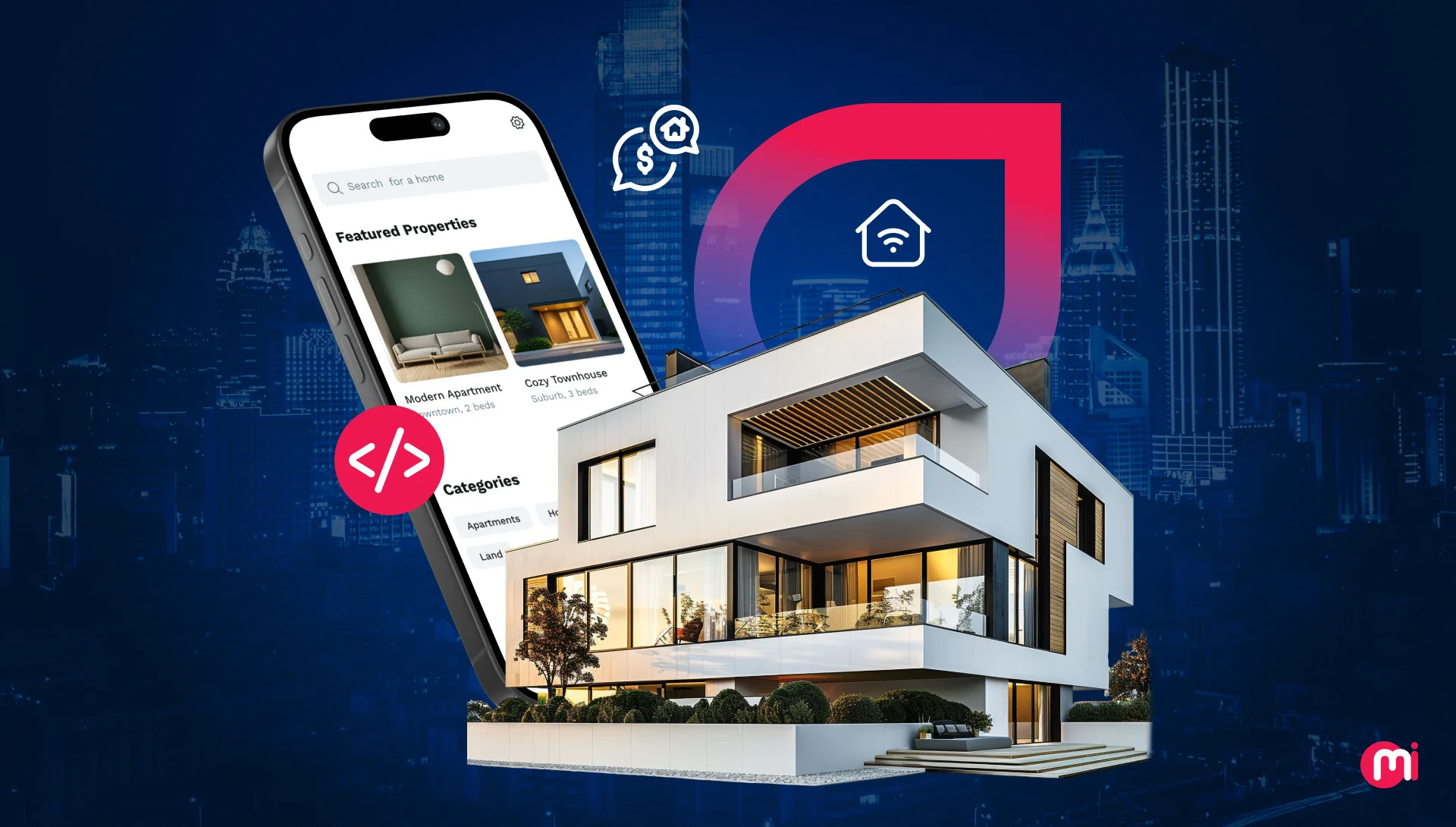
Real estate applications are data intensive, relying heavily on high resolution property images, videos, maps, and geolocation data, all of which require robust server architecture.
-
Media Storage: Cloud storage for heavy multimedia content drives up operational costs.
-
Scalability: Handling sudden spikes in traffic requires costly, scalable server solutions.
-
Hidden Cost Impact: Estimated at 5 10% of the overall initial development cost.
-
Recommendation: Utilize scalable cloud platforms such as AWS, Azure, or Google Cloud and actively optimize media storage to manage these expenses effectively.
3. Ongoing Maintenance and Security Updates
After the app is launched, the work continues. Regular upkeep is essential to address bugs, ensure compatibility with new operating system (OS) versions, and mitigate security vulnerabilities, keeping the app safe and competitive.
-
OS Compatibility: Updates (iOS, Android) require frequent checks and adjustments.
-
Security Patches: Continuous monitoring and patching are necessary to counter evolving security threats.
-
Hidden Cost Impact: Estimated at 15 20% of the initial development cost, annually.
-
Recommendation: Employ agile methodologies and schedule quarterly maintenance releases to control costs, rather than reacting to critical issues randomly.
4. Marketing and User Acquisition (UA)
Successfully developing the app is only half the battle; the major challenge lies in marketing it. Reaching your target audience across various channels necessitates a sound strategy and dedicated budget.
-
Advertising Spend: Paid campaigns on platforms like Google Ads and social media can rapidly deplete funds.
-
Competitive Bidding: High competition in the real estate sector inflates the cost per click (CPC) for advertisements.
-
Hidden Cost Impact: Estimated at 20 30% of the total development cost.
-
Recommendation: Begin with organic growth strategies (SEO, content marketing, social media) and small scale paid campaigns. Only scale up paid advertising after validating user traction.
5. Legal and Regulatory Compliance
Since real estate apps often manage sensitive user data, contracts, and financial transactions, adherence to local and international laws is non negotiable, and non compliance can lead to expensive legal issues.
-
Data Privacy: Compliance with global laws (e.g., GDPR, CCPA) requires dedicated financial investment.
-
Regional Laws: Real estate regulations differ significantly across markets, demanding localized compliance.
-
Documentation: Drafting professional Terms of Service and contracts requires legal expertise.
-
Hidden Cost Impact: Estimated at 5 10% of the real estate app development cost.
-
Recommendation: Partner with development companies experienced in PropTech compliance. Integrate all regulatory requirements into the app’s initial planning phase.
Smart Strategies to Economize on Real Estate App Development
While the previous section highlighted factors that increase expenditure, savvy entrepreneurs can employ several methods to significantly reduce the final cost of developing a mobile real estate application.
Here are actionable strategies for minimizing your development investment:
1. Launch a Minimal Viable Product (MVP) First
Instead of undertaking a costly, full scale development effort from the outset, concentrate resources on building an MVP. This approach involves including only the essential, core features. This strategy allows you to test market viability and gather crucial user feedback at the lowest possible cost before dedicating funds to comprehensive scaling.
2. Choose Cross Platform Frameworks
Building native applications separately for both iOS and Android platforms effectively doubles your development investment. A cost effective alternative is to use cross platform tools like Flutter or React Native. These frameworks enable developers to write a single codebase that deploys across multiple operating systems, dramatically saving both time and financial resources.
3. Integrate Ready Made APIs over Custom Builds
Avoid reinventing the wheel. Integrating existing, pre built APIs for standard functions such as payment processing, mapping, or user authentication is far more economical than designing and coding custom solutions from scratch. Leveraging these readily available APIs reduces development hours and accelerates the time to market.
4. Outsource to High Quality, Cost Competitive Regions
The location of your development talent is paramount to budget control. While engaging teams in Western markets (like the UK, US, or Australia) is expensive, you can access equally skilled and experienced professionals by outsourcing to cost effective regions, such as parts of Eastern Europe, India, or Vietnam.
5. Adopt Agile Development for Phased Feature Prioritization
Implementing an Agile methodology allows you to break the project into small, manageable cycles (sprints). This enables the team to consistently focus on delivering the most impactful and necessary features first, thereby preventing premature spending on elements that users might not need immediately, while maintaining the flexibility to evolve the app.
6. Utilize Scalable, Cloud Based Infrastructure
Traditional server setups often come with high upfront costs and complex maintenance demands. To control expenses as your user base grows, opt for services like AWS, Google Cloud, or similar cloud providers. These services offer a pay as you go model, ensuring that you only spend money proportional to the resources actually consumed by your expanding user base.
Expert Advice: For a successful, budget conscious launch, prioritize core functionality, scale your platform intelligently, and select technology that maximizes long term value and efficiency.
Conclusion
We sincerely hope this article has provided you with a comprehensive roadmap for successfully developing your real estate application.
The journey from concept to reality demands a systematic strategy encompassing Budget, Timeline, and Technology. The complexity of features, the choice of the technology stack, and the structure of the development team are the variables that ultimately determine the success of the project. However, startups can gain control by focusing on an MVP, leveraging the power of cross platform technology, and adopting flexible Agile processes.
At HomeNest Software, we do more than just write code; we partner with startups to build a solid foundation for their PropTech applications. We assist you in making the most informed technological decisions and create long term plans to ensure your product not only launches on time but also maximizes the value of every dollar invested.
With HomeNest Software, you can confidently transform your idea into a groundbreaking real estate application that strikes a perfect balance between Cost, Quality, and Business Effectiveness.
Contact HomeNest Software today for a free consultation and inquire about our all inclusive App Design package offers!
HomeNest Software – A Foundation for Sustainable Growth for Vietnamese Businesses.

Contact Information:
- Address: The Sun Avenue, 28 Mai Chi Tho Street, Binh Trung Ward, Ho Chi Minh City
- Hotline: +84 898 994 298 ( WhatsApp )
- Website: homenest.software
Frequently Asked Questions (FAQ)
1. How much does it cost to develop a real estate app in 2026?
The real estate app development cost ranges from USD 12,000 to USD 40,000+, depending on the app features, complexity, and other factors.
2. How long does it take to develop a real estate app?
On average, the development process for a simple real estate app with basic features takes 3 to 6 months, whereas an AI assisted app takes 10 to 12+ months.
3. Why should a startup begin with an MVP instead of building a complete, full featured App immediately?
Starting with a Minimum Viable Product (MVP) helps you save budget and mitigate risk. Instead of making a large investment in numerous unverified features, an MVP concentrates only on core functionality to test the market. You can gather genuine user feedback to guide subsequent upgrades, avoiding wasting money on features customers might not need.
4. Besides development costs, what other budget items do I need to allocate funds for?
Don’t overlook crucial “hidden costs”: Server maintenance fees, App Store/Google Play developer account fees, Marketing expenses to acquire users, and notably, App Maintenance costs (which typically account for 15 20% of the initial development cost annually) for bug fixes and security updates.
5. How can I reduce development costs while still ensuring high quality?
You can implement three core strategies: (1) Use Cross Platform technology (Flutter/React Native) to reduce coding effort by 30 40%; (2) Integrate ready made APIs (for maps, payments, etc.) instead of building custom solutions from scratch; and (3) Outsource your development team to high skill, cost competitive markets like Vietnam (HomeNest Software).
What is the Cost of Real Estate App Development? Detailed Pricing
Latest Articles
View All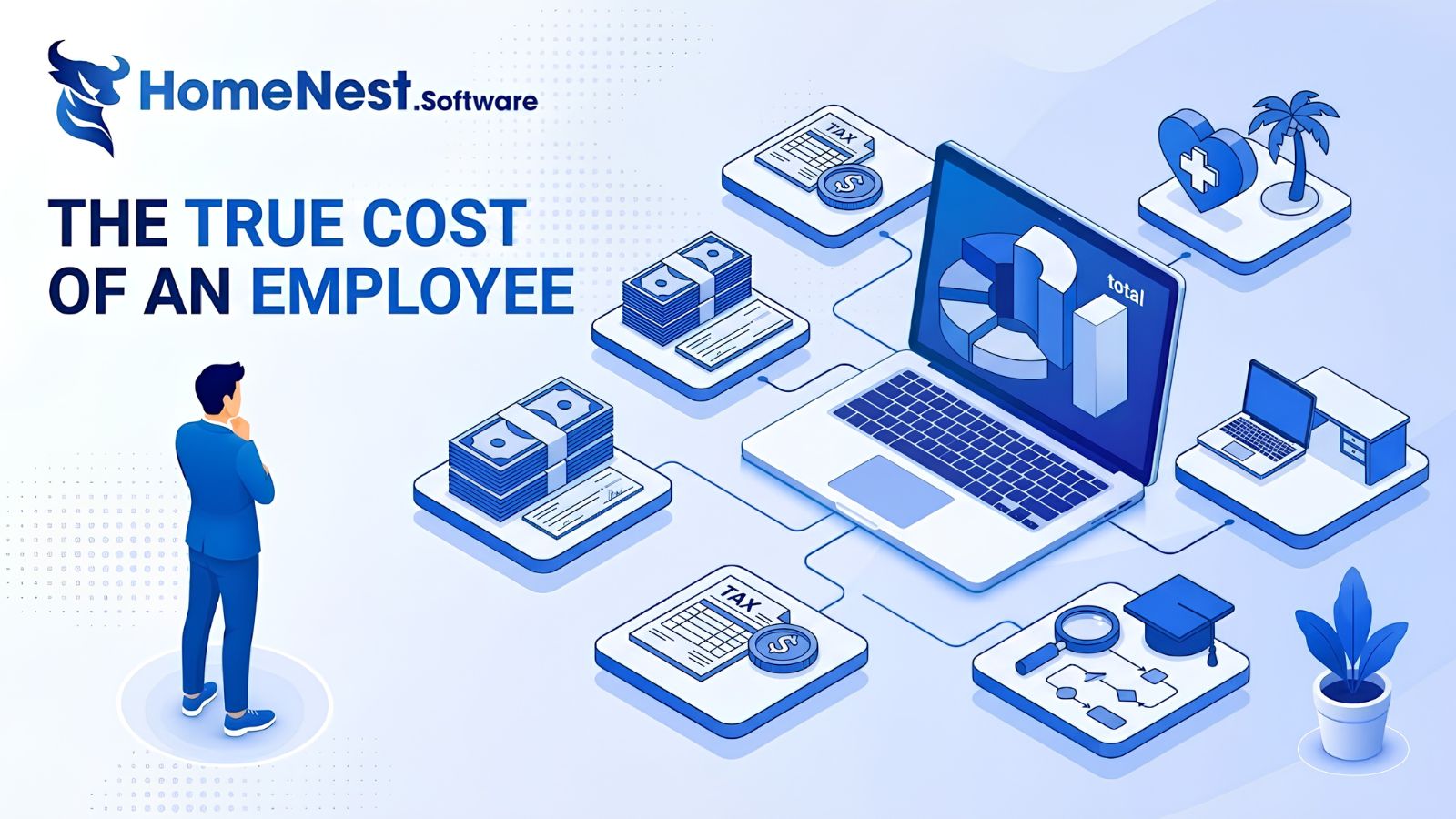
The True Cost of an Employee: A Complete Breakdown for Employers
This article reveals that the true cost of an employee is typically 25% to 40% higher than their base salary due to hidden expenses like taxes, benefits, workspace, and recruiting. To address this, the guide provides a detailed 7-step framework to accurately calculate total employer costs, alongside actionable strategies to optimize budgets and improve retention without reducing pay.
Essential Tips To Develop A Music Streaming App
Discover expert tips to develop a successful music streaming app with HomeNest Software. This guide covers essential features, legal licensing, and scalable technology stacks. Learn how to build a robust, cross-platform application with AI personalization to stand out in the 2026 competitive audio market.
How to Build a Language Learning App Like Cake
Discover how to build a successful language learning app like Cake with this comprehensive guide from HomeNest Software. We explore market research, essential MVP features, advanced AI integrations, tech stack selection, and estimated development costs. Partner with HomeNest Software to create a scalable, gamified, and highly engaging educational platform tailored to your business goals. Start your app development journey with us today.
How to Build an App Like TaskRabbit: Features, Cost, Tech Stack – Business Model
Building an app like TaskRabbit is more than replicating existing features—it’s about creating a trusted marketplace that seamlessly connects customers with skilled service providers. By combining an intuitive user experience, secure payment systems, scalable architecture, and the right business model, you can launch a competitive on-demand platform. Partnering with an experienced app development company like HomeNest Software ensures your product is built with the technology, flexibility, and long-term scalability needed to succeed in the rapidly growing gig economy.
How to Build a Meal Planning App: A Complete Step-by-Step Guide
Building a successful meal planning app goes beyond creating an attractive interface it requires a clear business strategy, personalized user experiences, and scalable technology. By combining essential features like AI-powered meal recommendations, nutrition tracking, grocery list automation, and wearable integration, businesses can deliver lasting value to users while capitalizing on the growing digital health market. Partnering with an experienced mobile app development company ensures your solution is secure, future-ready, and designed to succeed in an increasingly competitive health-tech industry.
How Much Does It Cost to Build a Shopping App Like Temu?
Temu’s meteoric rise to over 900 million global downloads proves the power of combining AI, gamification, and social commerce, but building a similar viral shopping platform requires careful financial and technical planning. Developing an app like Temu typically costs anywhere from $40,000 for a basic Minimum Viable Product (MVP) to over $300,000 for a fully-featured platform. This guide breaks down every cost category, analyzes the core features driving Temu’s success, highlights the best technology stacks, and offers practical strategies to optimize your development budget without compromising on quality.