In today’s rapidly evolving technology landscape, amid the boom in electronics and web development, JavaScript libraries for building user interfaces have become increasingly popular. ReactJS is one of the most widely followed tools due to its flexibility, ease of use, and high performance.
So, what is ReactJS, and why is it so widely favored? Let’s explore it in detail.
What is ReactJS?

ReactJS is an open-source JavaScript library developed by Facebook to help build attractive and smoothly functioning web interfaces with a lightweight code structure. The core goal of ReactJS is to enable websites to run fast, remain stable, and scale easily without having to handle complex blocks of code.
What makes React special is how it manages small parts of the interface. Instead of running the entire application at once, React allows the user interface to be divided into multiple independent, manageable components. This makes it easier for developers to control each part of the UI flexibly. Additionally, React supports rendering data on both the server and the client, providing a faster, smoother user experience.
Key Components of ReactJS
Redux
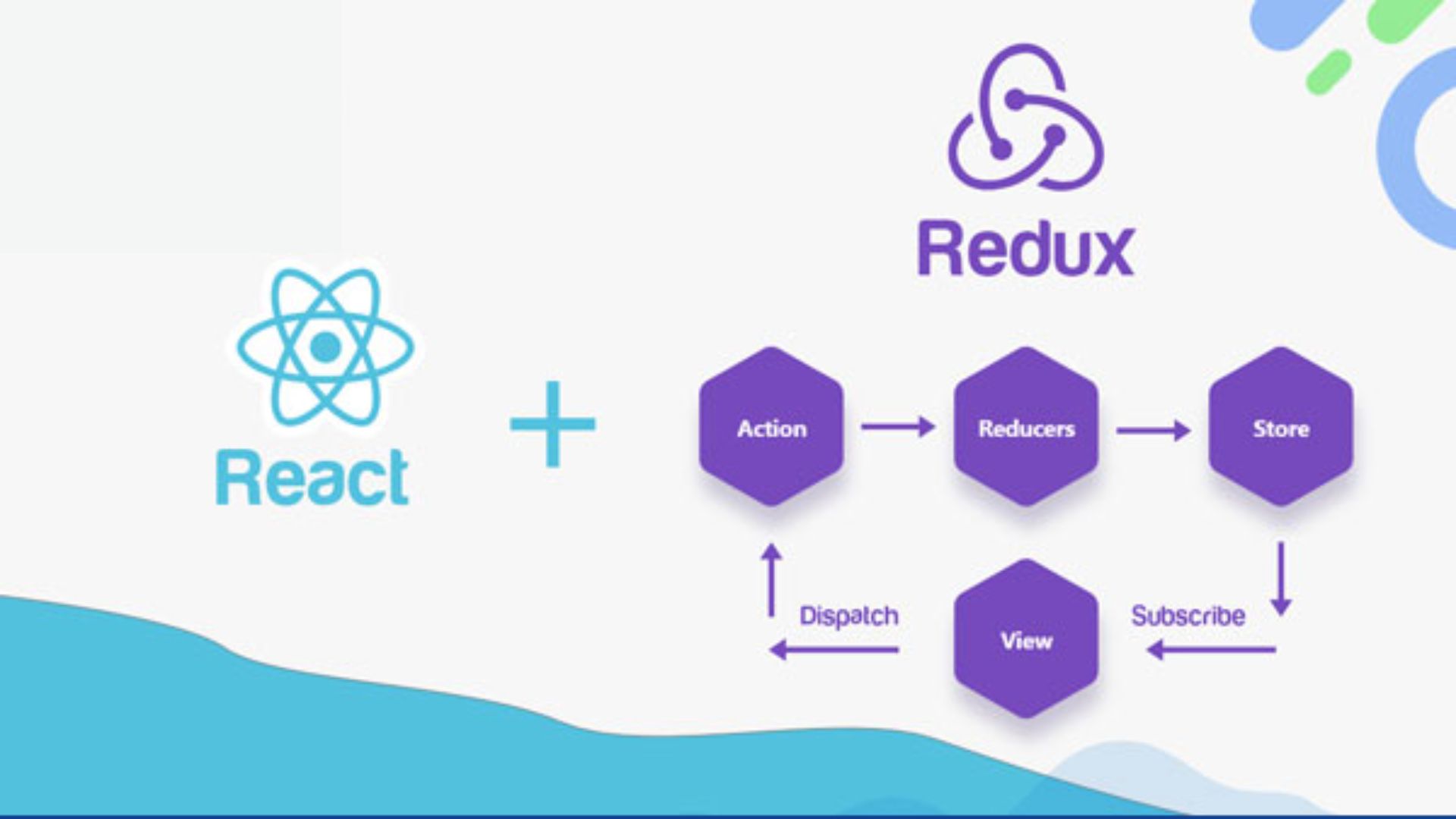
Redux is a data management tool often used with React because React doesn’t handle complex state management on its own. React breaks the interface into small components, and Redux provides a single, predictable data flow across them.
In React, data flows in one direction — from parent to child. This makes UI changes easier to predict and manage, especially in complex applications.
Virtual DOM

The Virtual DOM is a key factor in React’s performance. Instead of directly manipulating the real DOM, React creates a virtual DOM to calculate changes first. Only the differences are updated in the real DOM.
The Virtual DOM acts as both a data model and a “draft” interface, enabling faster UI updates and efficient resource usage, making React smoother and more efficient than many other libraries.
Benefits of Using ReactJS
-
High performance with Virtual DOM: Updates only changed parts, reducing costly operations and speeding up app responsiveness.
-
Easy coding with JSX: Combines HTML with JavaScript for intuitive, flexible, and reusable UI without complex string concatenation.
-
Development tools support: React Developer Tools allow viewing the Virtual DOM, tracking state and props in real-time, and help debug and optimize applications efficiently.
- SEO-Friendly: Thanks to server-side rendering and the Virtual DOM, React delivers fully rendered page content, making it easier for search engines to crawl and index, ideal for websites that need good SEO and a smooth user experience.
Things You Need to Know About ReactJS

1. React is just a UI library
React, developed by Facebook, focuses solely on the user interface and is not a full MVC framework. It handles UI rendering and building interactive components. Without a built-in model or controller, React is often combined with other libraries to complete an application.
2. Limit overusing the state
State determines whether a component re-renders. Overusing it can make testing harder and trigger unnecessary updates. State should only be used when necessary and must accurately reflect the component’s status.
3. Keep components small and clear
Smaller components are easier to reuse and maintain. Breaking components into smaller pieces improves UI structure and performance.
4. Combine with Redux
Since React handles only the view, Redux is commonly used in larger apps to manage centralized state, providing a predictable and stable data flow.
5. Use JSX, ES6, Babel, Webpack, NPM
-
JSX makes UI coding intuitive.
-
Babel compiles JSX and supports ES6.
-
Webpack & NPM handle bundling and library management.
Together, they streamline development and maximize the React ecosystem.
6. Leverage DevTools
React DevTools and Redux DevTools let you inspect state, props, and actions in real-time. They simplify debugging, tracking changes, and restoring component states when needed.
The Future of ReactJS

Facebook and the ReactJS development team continue to upgrade and refine the library to optimize performance, user experience, and app scalability. These improvements help React remain strong and competitive against other frameworks like Vue.js.
Introducing new rendering methods
React plans to expand its rendering types and support unique JSX syntax, allowing developers to write cleaner, more flexible code while reducing technical constraints such as managing keys or complex operations. This will make the development experience more intuitive and efficient.
Improving error handling in components
Previously, error reporting in React was unclear, making it difficult for developers to identify and fix issues. Future versions aim to enhance error detection, allow catching errors directly within components, and provide clear recovery methods. This will make state management and troubleshooting easier and more effective.
For those looking to build modern web interfaces with ReactJS, boost performance, and optimize user experience, contact HomeNest Software – we will partner with you to create innovative solutions in the digital era.
HomeNest Software – A Foundation for Sustainable Growth for Vietnamese Businesses.

Contact Information:
- Address: The Sun Avenue, 28 Mai Chi Tho Street, Binh Trung Ward, Ho Chi Minh City
- Hotline: +84 898 994 298 ( WhatsApp )
- Website: homenest.software
Frequently Asked Questions (FAQ)
1. What is ReactJS?
ReactJS is an open-source JavaScript library developed by Facebook for building flexible, smooth, and scalable web interfaces.
2. What role does Redux play in ReactJS?
Redux manages centralized state, creating a unified, predictable data flow between components, especially in complex applications.
3. What is Virtual DOM, and why is it important?
The Virtual DOM is a virtual copy of the real DOM that lets React calculate changes before updating, improving performance and making the UI smoother.
4. What is JSX?
JSX allows combining HTML within JavaScript, enabling intuitive, readable, and reusable UI code.
5. Is ReactJS SEO-friendly?
Yes, thanks to server-side rendering and the Virtual DOM, React delivers fully rendered pages that are easy for search engines to crawl.
6. How to debug ReactJS?
Use React DevTools and Redux DevTools to monitor state, props, and actions in real-time and restore component states when needed.