
Medicine Delivery App Development Cost And Features
Building a successful medicine delivery app requires more than just budgeting it demands a strategic balance between essential features, regulatory compliance, and scalable architecture. By starting with an MVP, prioritizing high-impact functionalities, and partnering with an experienced development team, businesses can significantly reduce costs while accelerating time-to-market. In a rapidly growing e-pharmacy landscape, investing in a well-structured, user-centric solution positions your product for sustainable growth and long-term competitive advantage.
Scope of Work
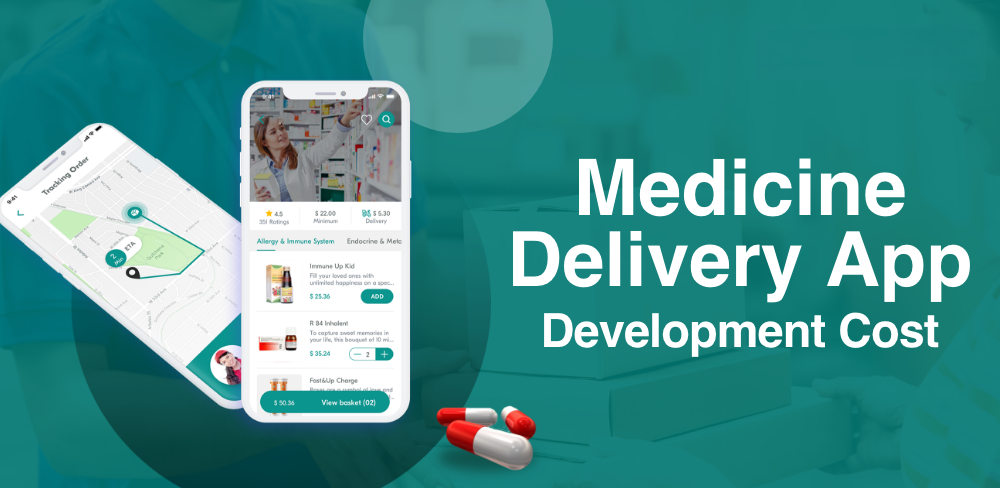
In today’s on demand economy, convenience is a defining factor across industries and healthcare is no exception. Medicine delivery apps have fundamentally transformed how patients access essential medications, offering a faster, more efficient alternative to traditional pharmacy visits.
With the global e pharmacy market projected to surpass $97 billion, and markets like India exceeding $4 billion, the opportunity for investment in this space is both timely and substantial.
However, before entering the market, it’s critical to understand the key cost drivers and feature requirements that influence success. In this article, we break down the factors affecting the cost of medicine delivery app development and highlight the must have capabilities needed to build a competitive, scalable solution in this rapidly expanding industry.
How Much Does Medicine Delivery App Development Cost?
The cost of medicine delivery app development can vary widely depending on the scope, features, and technology stack involved.
- A basic MVP with essential functionalities typically starts at around $5,000
- A feature rich application can range from $8,000+
- A mid level app with a comprehensive feature set usually falls between $10,000 – $15,000+
These estimates generally apply to a single platform (either iOS or Android). If you plan to build for both platforms or incorporate advanced capabilities such as AI driven recommendations, telemedicine integration, or real time analytics the total cost can increase significantly and move toward the higher end of the spectrum.
Ultimately, the final budget depends on factors such as feature complexity, UI/UX design quality, compliance requirements, and the development team’s location and expertise.
Factors Influencing the Cost to Build a Pharmacy App
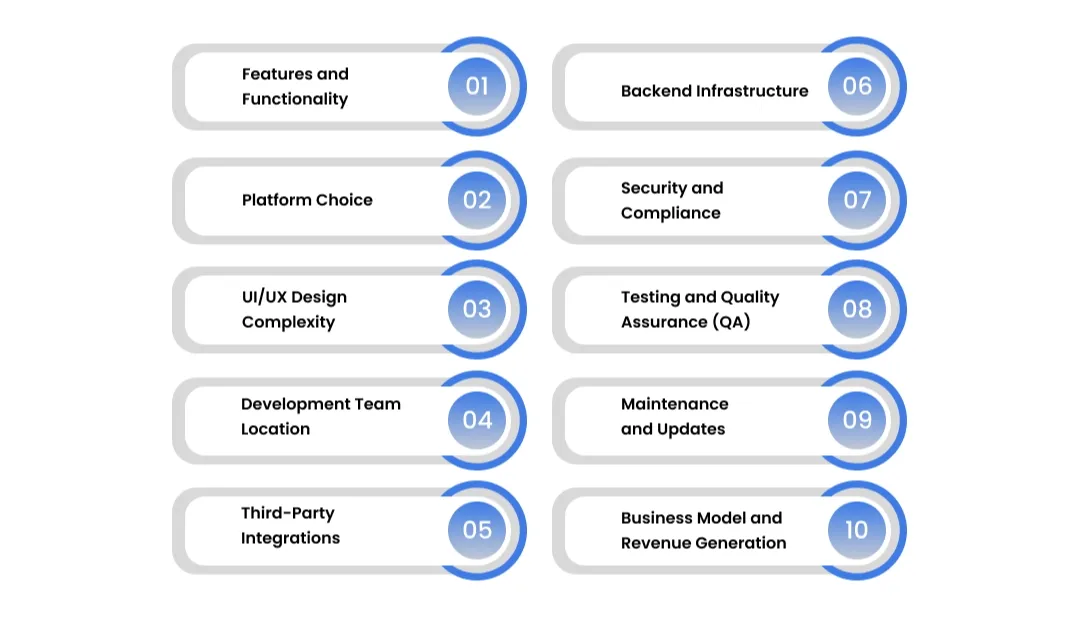
After understanding the general cost range, it’s essential to examine the key factors that directly impact the medicine delivery app development cost. Each of these elements contributes to the overall budget, complexity, and timeline of your project:
Features & Functionality
There is a direct correlation between features and cost. Advanced capabilities such as prescription uploads, AI powered recommendations, or telemedicine integrations increase development complexity and cost. In contrast, a basic app with limited functionality is significantly more affordable to build.
Platform Selection
Developing for a single platform (iOS or Android) is more cost effective than building for both. Cross platform frameworks like React Native or Flutter can reduce costs, but may limit access to certain native functionalities.
UI/UX Design Complexity
Custom, high end UI/UX design requires more time, research, and skilled designers, which increases costs. A clean, intuitive, and moderately customized interface can help balance user experience and budget.
Development Team Location
The location of your development partner plays a major role in pricing. Teams in North America or Western Europe typically charge higher rates, while developers in regions like Asia or Eastern Europe offer more cost efficient options.
Third Party Integrations
Integrating external systems such as payment gateways, GPS tracking, EHR platforms, or telehealth services adds both technical complexity and potential licensing costs.
Backend Infrastructure
A scalable and secure backend architecture (databases, APIs, cloud infrastructure) is critical for handling large user bases and data volumes. However, more sophisticated backend systems will increase development costs.
Security & Regulatory Compliance
Since pharmacy apps handle sensitive health data, compliance with standards like HIPAA and GDPR is mandatory. Implementing encryption, secure authentication, and conducting compliance audits adds to the overall cost.
Testing & Quality Assurance (QA)
Comprehensive testing including functional, usability, performance, and security testing is essential for a reliable product. While it extends the development timeline, it ensures stability and reduces long term risks.
Maintenance & Ongoing Updates
Post launch maintenance, bug fixes, performance optimization, and feature updates are ongoing expenses. Keeping the app secure and up to date is a continuous investment.
Business Model & Monetization Strategy
The chosen revenue model (e.g., commission based, subscription, advertising) may require additional features such as payment systems, subscription management, or ad integrations further influencing development complexity and cost.
A clear understanding of these factors allows businesses to plan budgets more accurately and make strategic decisions when building a scalable, future ready medicine delivery app.
Essential Features to Include in Your Medicine Delivery App
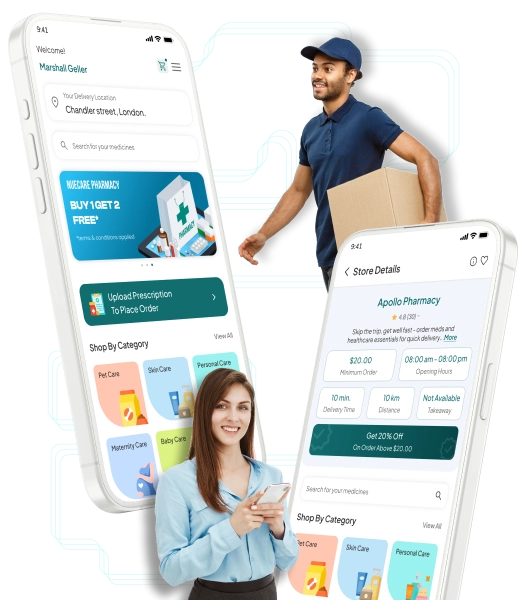
Defining the right feature set is a critical step after estimating your medicine delivery app development cost. A well prioritized feature roadmap not only improves user experience but also helps optimize your budget by focusing on high impact capabilities. When working with professional Mobile App Development Services, these features are typically structured to balance usability, scalability, and compliance.
User Registration & Profile Management
Secure onboarding with account creation allows users to manage personal details, delivery addresses, order history, and prescriptions enabling a personalized and efficient experience.
Smart Search & Advanced Filters
An intuitive search system lets users find medicines by name, category, or symptoms. Advanced filters (price, brand, availability) improve product discovery and overall usability.
Prescription Upload & Verification
Users can securely upload prescriptions within the app, streamlining the ordering process while ensuring compliance with medical guidelines and reducing errors.
Detailed Medicine Information
Each product should include comprehensive details such as dosage, usage instructions, side effects, and manufacturer information helping users make informed decisions.
Shopping Cart Functionality
A standard eCommerce feature that allows users to add multiple items, review selections, and modify orders before checkout.
Secure Payment Integration
Support for multiple payment options including credit/debit cards, UPI, net banking, and digital wallets ensures a seamless and secure transaction process.
Real Time Order Tracking & History
Live tracking from order confirmation to delivery, along with a complete order history, enhances transparency and simplifies repeat purchases.
Flexible Delivery Scheduling
Users can select preferred delivery time slots, including express or standard delivery, catering to both urgent and routine needs.
In App Customer Support (Chat/Call)
Integrated support channels enable users to quickly resolve issues, ask questions, and build trust through responsive assistance.
Pharmacy Locator (Optional)
Displays nearby partner pharmacies for faster pickups or in person consultations, offering additional convenience and flexibility.
Refill Reminders & Alerts
Automated notifications remind users when it’s time to reorder medications improving adherence, especially for chronic conditions.
Wishlist / Favorites
Allows users to save frequently purchased or preferred items, making future reorders faster and more convenient.
By incorporating these features, businesses can build a user centric and competitive solution while maximizing ROI through strategic collaboration with experienced Mobile App Development Services providers.
Tips to Optimize Medicine Delivery App Development Costs
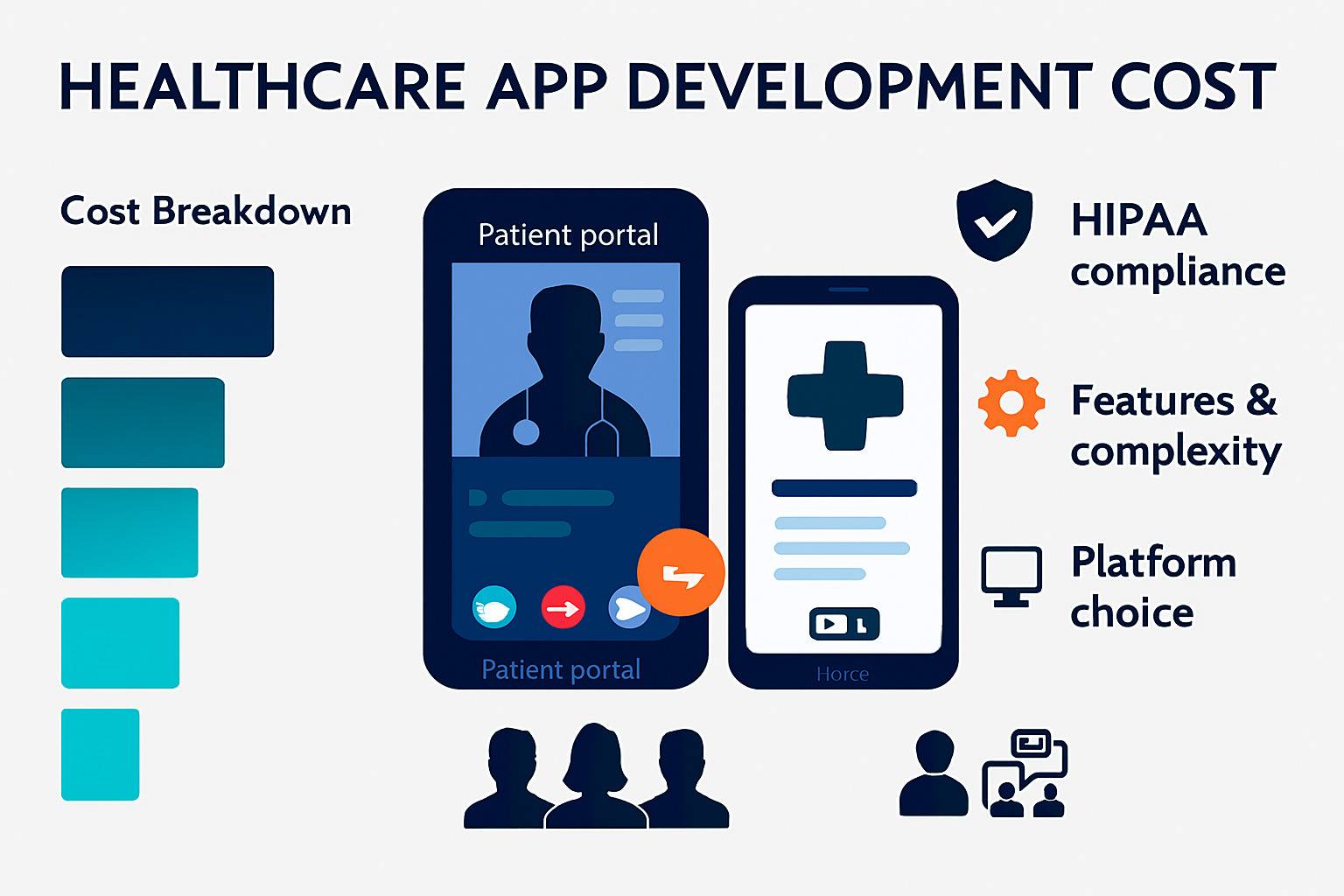
Managing the medicine delivery app development cost effectively is essential for long term business viability. By applying the right strategies often aligned with best practices in Enterprise Software Development you can reduce expenses while maintaining quality, scalability, and compliance.
Start with an MVP (Minimum Viable Product)
Instead of building a fully featured product from day one, begin with a lean MVP that includes only core functionalities. This allows you to validate your idea, gather user feedback, and iterate based on real market demand avoiding unnecessary development costs.
Prioritize Core Features
Focus on essential features such as user registration, prescription upload, medicine search, ordering, secure payments, and delivery tracking. Advanced features like AI recommendations, telemedicine, or in app chat can be added in later phases.
Choose the Right Platform Strategy
Developing for both iOS and Android simultaneously can be expensive. Consider launching on a single platform first or using cross platform frameworks like React Native or Flutter to reduce initial costs and accelerate time to market.
Leverage Cost Effective Development Teams
Outsourcing to experienced teams in cost efficient regions (such as Asia or Eastern Europe) can significantly reduce development expenses without compromising quality especially when working with a specialized medicine delivery app development company.
Apply Lean UI/UX Design Principles
A clean, intuitive design is more cost effective than highly complex, animation heavy interfaces. Lean design ensures a smooth user experience while minimizing design and development overhead.
Use Third Party Integrations
Instead of building everything from scratch, integrate reliable third party APIs for payments (e.g., Stripe, PayPal), GPS tracking, notifications, or telehealth. This reduces development time and lowers overall costs.
Adopt Agile Development Methodology
Agile practices such as iterative sprints and continuous feedback loops help identify issues early, adapt to changes quickly, and prevent costly rework later in the development cycle.
Invest in Quality Assurance (QA) Early
Although testing adds upfront cost, it prevents expensive fixes post launch. Comprehensive QA ensures a stable, secure, and bug free application protecting both your budget and brand reputation.
By combining these strategies, businesses can optimize costs while building scalable, high performance applications that align with modern Enterprise Software Development standards.
Why Choose HomeNest Software for Budget Friendly Medicine Delivery App Development?
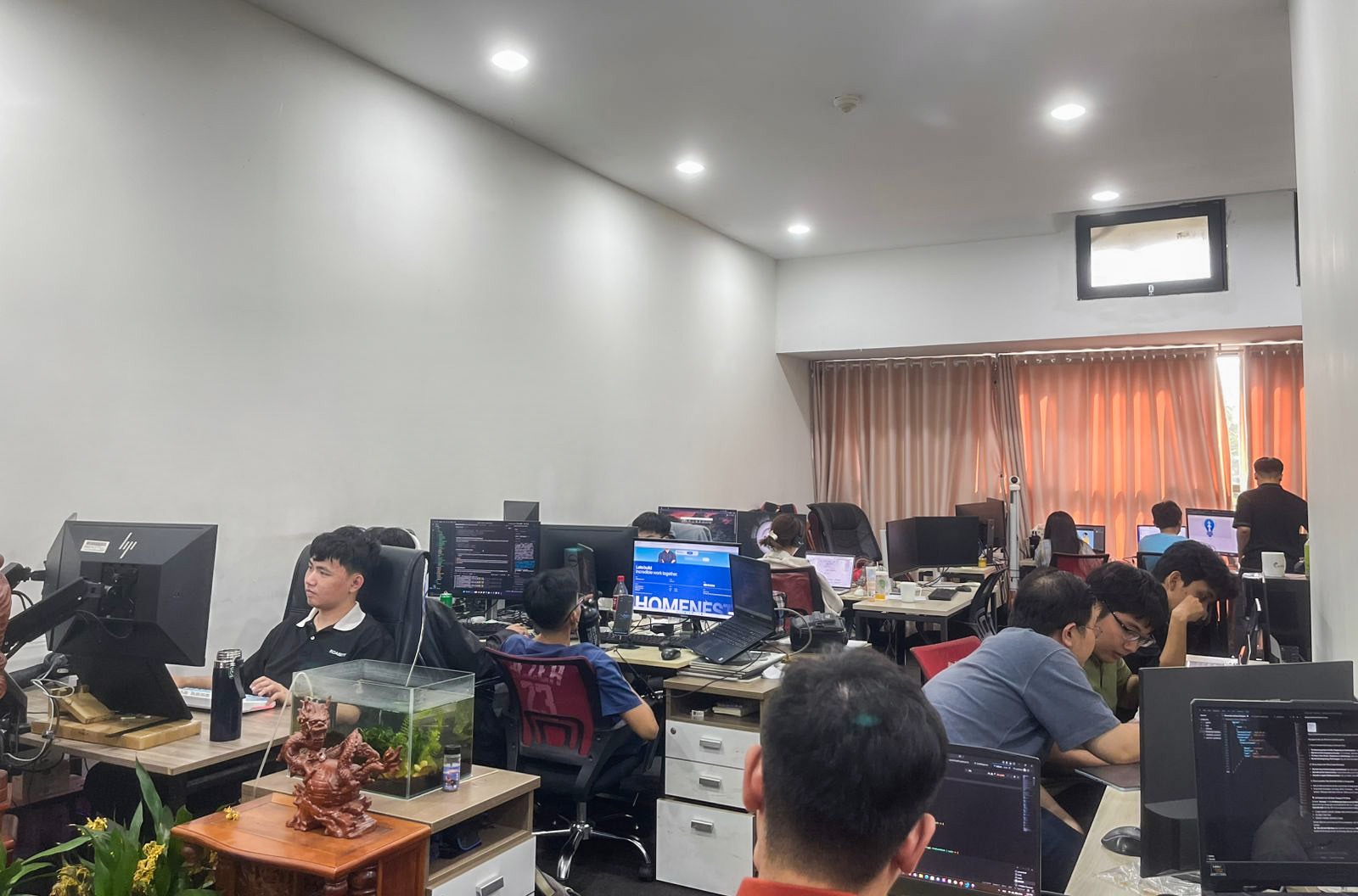
At HomeNest Software, we deliver cost effective medicine delivery app development without compromising on quality or performance. Our approach combines Agile methodology, experienced engineering teams, and efficient resource management to ensure faster delivery and optimized budgets.
We focus on building scalable, user friendly applications that strike the right balance between functionality, performance, and cost. By leveraging reusable components, modern frameworks, and proven development practices, we help reduce time to market while maintaining high standards aligned with Enterprise Software Development.
From concept to deployment, our team ensures a seamless development experience enabling you to launch a reliable, feature rich medicine delivery app that fits your budget and supports long term growth.
Final Words
Investing in a medicine delivery app is increasingly strategic as healthcare continues its shift toward digital first experiences. While development costs can vary based on factors such as features, platform choice (iOS, Android, or cross platform), UI/UX complexity, and team location, the long term value often outweighs the initial investment.
A basic app can be developed within a few months, but more advanced solutions incorporating telemedicine, AI driven features, and robust security frameworks require additional time and budget.
Ultimately, success lies in building a solution that prioritizes user experience, essential functionality, and scalability. A well executed medicine delivery app not only enhances convenience for users but also expands market reach and creates strong growth opportunities in the increasingly competitive e pharmacy landscape.
FAQs
What is a medicine delivery app?
A medicine delivery app is a digital platform that allows users to order prescription and over the counter medicines online, upload prescriptions, make payments, and receive doorstep delivery.
How much does it cost to build a medicine delivery app?
The cost typically ranges from $5,000–$8,000 for an MVP and can exceed $15,000+ for advanced, enterprise grade apps with AI, telemedicine, and multi platform support.
What factors affect medicine delivery app development cost?
Key factors include feature complexity, platform choice, UI/UX design, third party integrations, backend infrastructure, compliance requirements, and the location of the development team.
How long does it take to develop a medicine delivery app?
A basic app can take 4–6 weeks, while mid level apps may require 6–10 weeks, and enterprise solutions can take 10–12+ weeks depending on complexity.
What are the must have features of a medicine delivery app?
Essential features include user registration, prescription upload, medicine search, secure payments, order tracking, delivery scheduling, and refill reminders.
Are medicine delivery apps secure and compliant?
Yes, when properly developed. They must comply with standards such as HIPAA, GDPR, and local regulations, along with implementing encryption, authentication, and audit logs.
Which platform should I choose iOS, Android, or both?
For cost efficiency, many businesses start with one platform or use cross platform frameworks. Expanding to both platforms can be done after validating the product.
How can I reduce development costs?
Start with an MVP, prioritize essential features, use cross platform development, outsource to cost effective regions, and leverage third party integrations.
What revenue models can be used for medicine delivery apps?
Common models include commission per order, subscription plans, partnerships with insurers (PBMs), in app advertising, and data driven SaaS insights.
Why choose HomeNest Software for development?
HomeNest Software offers cost effective, scalable solutions with expertise in healthcare, Agile development, and Enterprise Software Development, ensuring high quality delivery and long term support.
Latest Articles
View All
Criteria For Choosing The Right App Design Agency
UI/UX design is the logical foundation of a system, not merely a visual element. Choosing the wrong partner will directly lead to technical debt, budget overruns, and disruptions in the development process. This article provides a 6-step evaluation framework and a list of operational risks, helping businesses eliminate subjective design advice and accurately assess agency capabilities based on developer handoff standards and practical business performance.

How Does AI in Banking Industry Impact the Future?
Artificial intelligence (AI) has transitioned from a supplementary tool to a core infrastructure of financial data management, optimizing profitability through real-time fraud detection, natural language processing (NLP), and high-speed credit scoring models. “Deploying AI in the financial sector requires more than just algorithmic accuracy, it demands a highly secure cloud architecture and rigorous data governance,” commented Nguyen Tien, co-founder of HomeNest Software. Why read this guide? We skip the theoretical jargon to focus entirely on technical implementation. Whether you’re evaluating a vendor or planning a system overhaul, this article will detail: Operational Efficiency: Automating unstructured data workflows at scale. Risk Architecture: Implementing real-time threat detection and AML compliance. Data ownership: The essential need for 100% ownership of the source code to ensure full algorithm auditability.
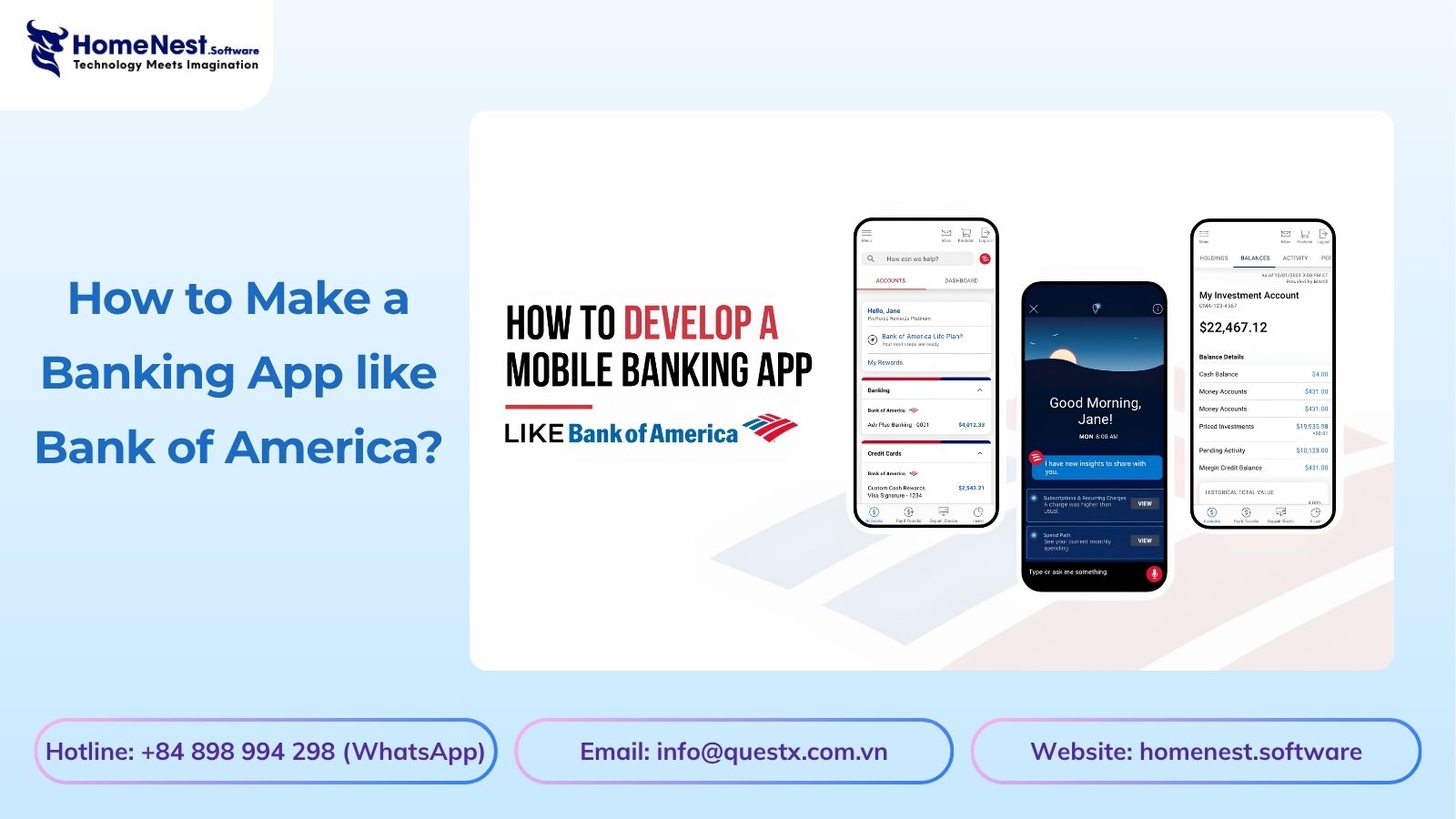
How to Make a Banking App like Bank of America?
Developing a mobile banking application like Bank of America extends far beyond basic UI design; it requires engineering a fault-tolerant backend capable of real-time ledger synchronization, biometric authentication, and high-volume data processing under strict regulatory frameworks. Drawing from HomeNest Software’s deep experience in architecting enterprise-grade fintech solutions, this guide strips away theoretical jargon to focus entirely on operational and technical execution. What you will find in this guide: We break down the precise development roadmap, from mapping out microservices and ensuring PCI-DSS compliance to estimating MVP development costs and securing absolute data sovereignty through 100% source code ownership. If you are preparing to build, scale, or audit a financial platform, this blueprint provides the exact framework you need.
Banking App Development Cost
Building a banking application is rarely a simple process; it’s a complex technical challenge requiring a balance between complying with stringent financial regulations, handling large transaction volumes, and a scalable cloud architecture. Miscalculating these technical requirements from the outset often leads to significant technical debt and budget overruns. Based on HomeNest Software’s practical experience in designing enterprise-grade fintech solutions, this guide bypasses generic estimates to provide a realistic analysis of banking application development costs. What you’ll find in this guide: We analyze the true cost factors, from technology selection and API integration to the hidden costs of regulatory compliance and security infrastructure. Whether you’re launching a minimum viable product or expanding an existing financial platform, this analysis provides the precise operational data you need to plan your budget effectively.
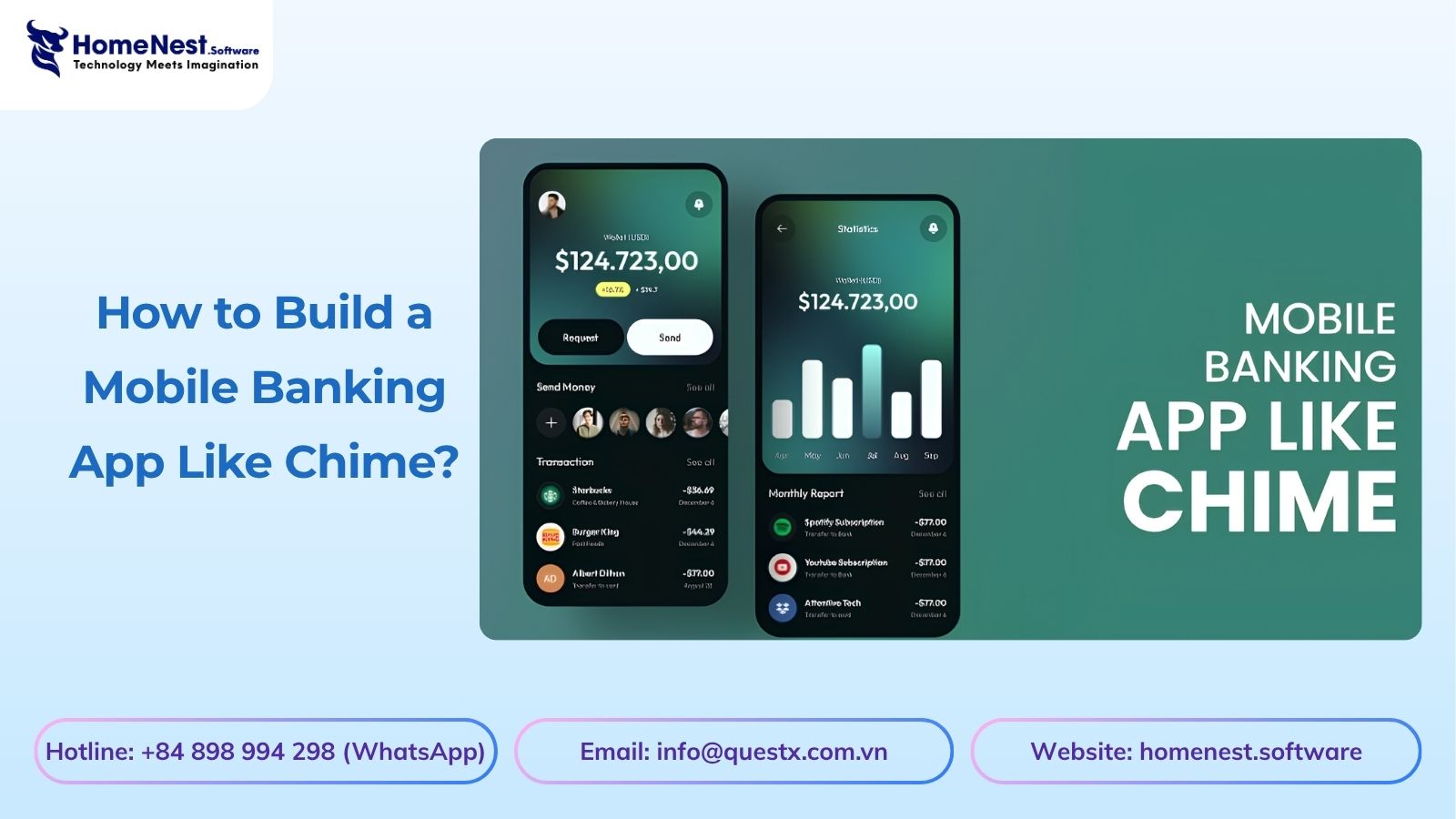
How to Build a Mobile Banking App Like Chime?
Building a mobile banking app like Chime is not just about features, it is about delivering a secure, scalable, and user-centric financial experience. From planning the right architecture to optimizing mobile banking app development cost, every decision directly impacts your product’s success. Leveraging Fintech app development services, starting with MVP app development, and scaling through on-demand app development solutions allows businesses to reduce risk and accelerate time to market. To stay competitive, combining Android app development services and iOS app development solutions ensures wider reach, while continuous updates through maintenance software development services keep your app secure and future-ready.
How to Build a Banking App Like Barclays: A Complete Entrepreneur’s Guide
Building a banking app like Barclays requires more than just development. It demands a strong product vision, secure architecture, and a clear monetization strategy. From optimizing cost and selecting the right tech stack to ensuring compliance and scalability, every decision impacts long-term success. Partnering with an experienced team like HomeNest Software helps accelerate development, reduce risks, and deliver a high-quality fintech product that can compete in today’s fast-evolving digital banking landscape.