
Top 10 Healthcare Software Development Trends in Singapore
Scope of Work
As Singapore continues to accelerate its digital healthcare transformation, keeping up with the latest software development trends has become essential for improving patient care and optimizing healthcare operations. Technologies such as artificial intelligence, telemedicine platforms, and custom healthcare software solutions are rapidly reshaping how medical services are delivered and managed.
In this article, we explore the top 10 healthcare software development trends in Singapore and explain how healthcare organizations can leverage these innovations to remain competitive, efficient, and compliant in an evolving digital health ecosystem.
Healthcare Software Development in Singapore: Market & Opportunities
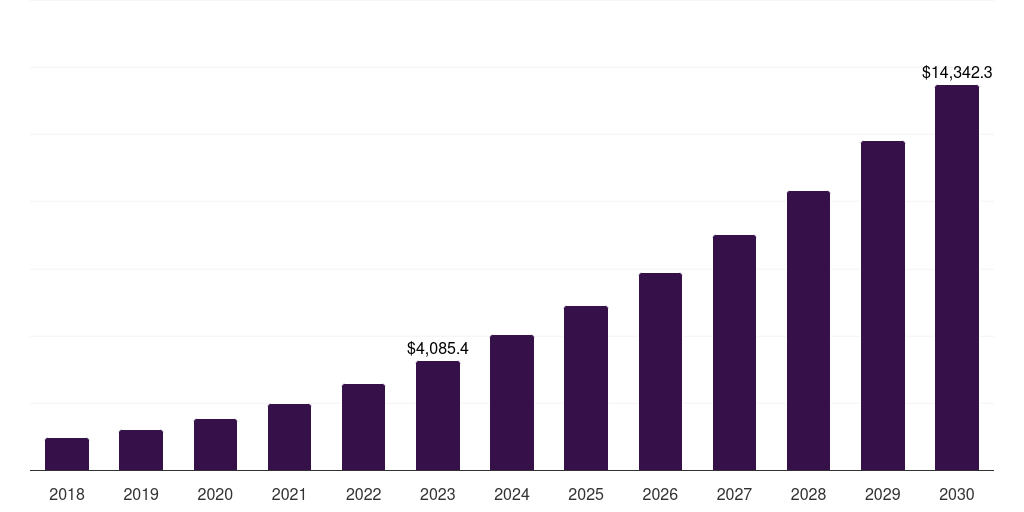
Singapore has emerged as one of Asia’s leading hubs for healthcare innovation and digital technology. The country’s digital health market is expected to reach approximately $893 million in 2025, growing at a compound annual growth rate (CAGR) of about 9.29% to nearly $1.27 billion by 2029. Within this market, the Digital Treatment & Care segment is projected to dominate, reaching around $661 million in 2025, supported by strong adoption and an estimated average revenue per user (ARPU) of $421.
Government initiatives such as Healthier SG and Healthcare 2030 are accelerating digital transformation across hospitals, insurance providers, and HealthTech startups. As a result, organizations are increasingly shifting away from generic, off the shelf solutions toward custom healthcare software that aligns with local compliance frameworks like PDPA as well as international standards such as HIPAA.
Several key opportunities are driving healthcare software development in Singapore, including:
-
AI powered healthcare applications for diagnostics, predictive analytics, and clinical decision support
-
Telemedicine and virtual care platforms that expand access to healthcare services
-
Wearable technology and remote patient monitoring solutions for continuous health tracking
-
Electronic Health Record (EHR) modernization aligned with interoperability standards such as HL7 and FHIR
For software providers, Singapore represents a highly promising growth market, fueled by increasing healthcare investments and a rapidly aging population. By 2050, nearly one third of Singapore’s population is expected to be aged 65 or older, creating greater demand for digital health solutions and efficient care management systems.
This evolving landscape presents strong opportunities for HealthTech development companies such as HomeNest Software to deliver tailored digital healthcare solutions. By combining global expertise in healthcare software engineering with knowledge of local compliance requirements and agile development practices, companies can help healthcare organizations innovate while maintaining regulatory compliance and operational efficiency.
Read more: Top 10 Software Development Companies in Singapore
10 Key Trends Shaping Healthcare Software Development in Singapore
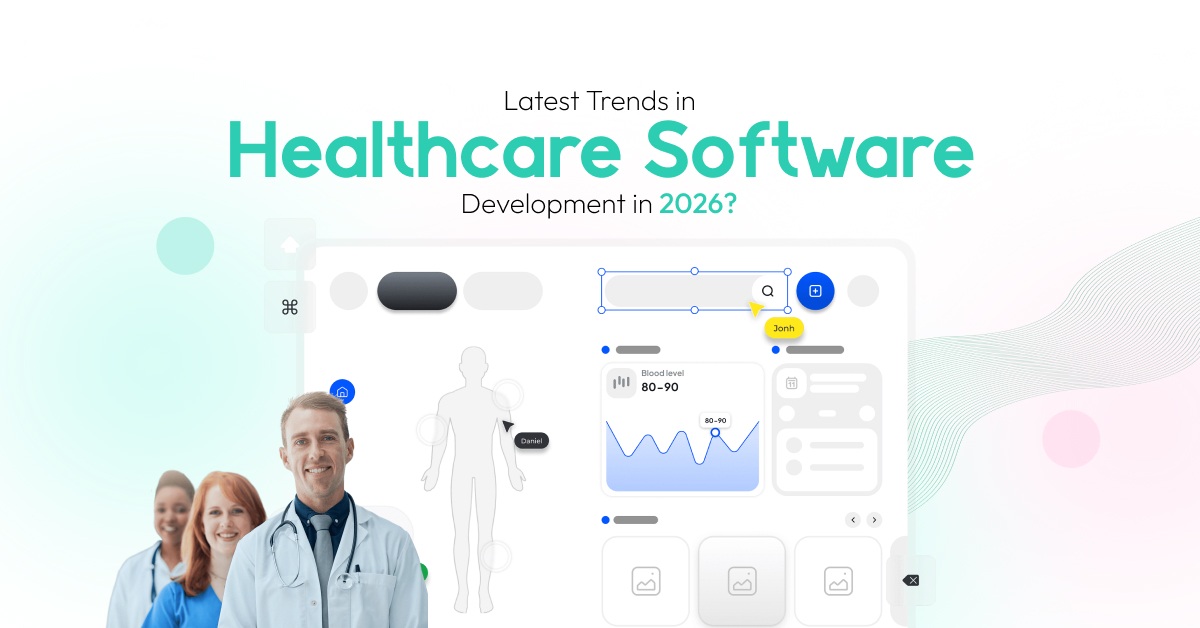
Singapore’s healthcare sector is evolving quickly, driven by rapid digital transformation, growing patient expectations, and strict regulatory frameworks. As hospitals, insurers, and HealthTech startups adopt new technologies, software development is playing a critical role in modernizing healthcare delivery.
Below are 10 major healthcare software development trends in Singapore that are expected to shape the industry in 2025 and beyond.
1. AI Powered Healthcare Applications
Artificial intelligence is transforming healthcare by enabling smarter diagnostics, better clinical decision making, and more efficient operations. Today, AI is already widely used across healthcare organizations, particularly in areas such as medical imaging and predictive analytics.
In Singapore, strong government support and a thriving HealthTech ecosystem have accelerated the adoption of AI driven healthcare solutions across hospitals, clinics, and startups.
Key applications of AI in healthcare include:
-
Predictive analytics: Identifying patients at risk of chronic diseases earlier
-
Medical imaging and diagnostics: Supporting radiologists in detecting abnormalities with higher accuracy
-
Patient engagement tools: AI chatbots and virtual assistants providing 24/7 assistance
-
Workflow automation: Streamlining administrative processes such as claims processing and documentation
-
Personalized treatment planning: Using patient data to recommend tailored therapies
As AI becomes deeply embedded in healthcare systems, maintaining transparency, fairness, and regulatory compliance remains essential especially in markets like Singapore with strict data protection regulations.
2. Telemedicine and Virtual Care
Telemedicine has become a central component of Singapore’s healthcare ecosystem, providing patients with convenient access to medical consultations without visiting a clinic.
Government backed initiatives and growing consumer acceptance have fueled rapid adoption of telehealth services across the country.
Key telemedicine applications include:
-
Remote consultations: Secure video appointments with primary care doctors or specialists
-
Chronic disease management: Continuous monitoring and follow ups for long term conditions
-
Mental health support: Online therapy sessions and counseling services
-
Digital prescriptions: Electronic prescriptions connected directly to pharmacies
-
Wearable device integration: Real time health data used during virtual consultations
To succeed in Singapore’s telemedicine market, platforms must comply with PDPA and Ministry of Health (MOH) regulations, integrate with EHR systems, and offer user friendly digital experiences.
3. Wearables and Remote Patient Monitoring (RPM)
Wearable devices such as smartwatches and medical grade monitoring tools are becoming essential components of digital healthcare. These devices allow healthcare providers to track patient health metrics in real time, enabling proactive and preventive care.
Common use cases include:
-
Continuous monitoring of blood pressure, heart rate, and glucose levels
-
Post surgery monitoring to reduce hospital readmissions
-
Fall detection and safety alerts for elderly patients
-
Lifestyle tracking for preventive health management
-
Integration with telemedicine platforms for real time clinical insights
With Singapore’s aging population and increasing demand for chronic disease management, wearable technology and remote patient monitoring are expected to play a major role in future healthcare systems.
4. Custom Healthcare Software Solutions
Healthcare organizations in Singapore increasingly require custom built software solutions tailored to their workflows, regulatory requirements, and integration needs.
Off the shelf solutions often struggle to meet local compliance standards or integrate with national digital health infrastructure.
Examples of custom healthcare software include:
-
Hospital management systems for scheduling and billing
-
Patient portals for accessing medical records and appointments
-
Clinical decision support systems powered by AI
-
Telemedicine platforms integrated with hospital workflows
-
Customized electronic health record systems aligned with HL7 and FHIR standards
Custom healthcare software helps providers improve operational efficiency while delivering better patient experiences.
5. Cloud Based Healthcare Systems

Cloud computing has become a key driver of healthcare innovation by enabling secure data storage, scalable infrastructure, and faster deployment of digital health services.
Hospitals and clinics in Singapore are increasingly adopting cloud platforms to support modern healthcare applications.
Benefits of cloud based healthcare systems include:
-
Centralized electronic health records accessible across providers
-
Scalable telemedicine platforms
-
AI and big data analytics for predictive healthcare insights
-
Real time collaboration between healthcare professionals
-
Backup and disaster recovery for critical medical data
However, healthcare organizations must ensure that cloud infrastructure complies with PDPA and international healthcare security standards.
6. Mobile Health (mHealth) and Wellness Applications
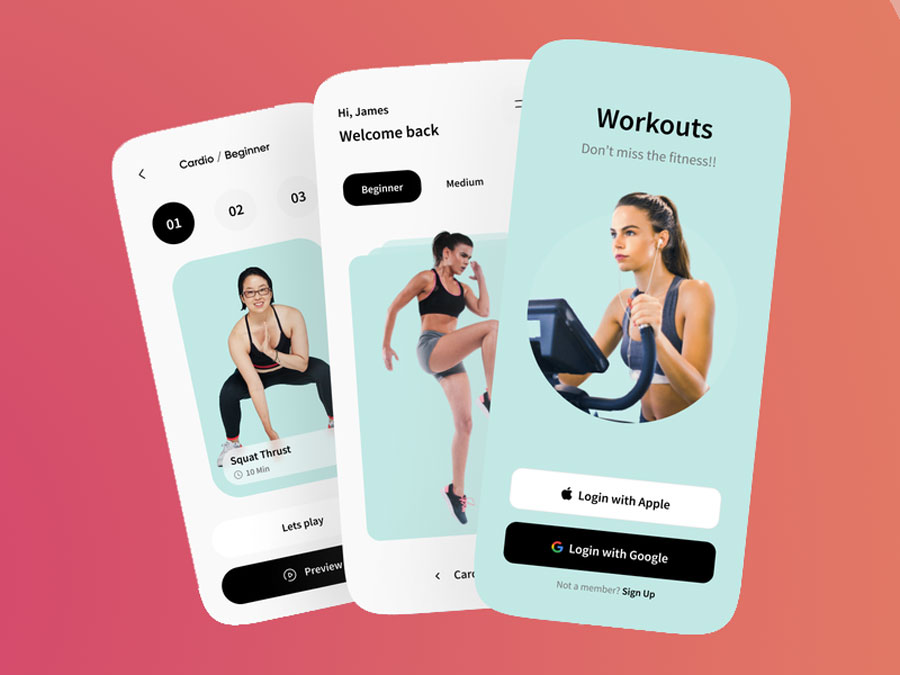
Mobile health applications are transforming how individuals manage their personal health and wellness. These apps allow users to track fitness, monitor chronic conditions, and access health services directly from their smartphones.
Popular mHealth features include:
-
Activity and fitness tracking
-
Chronic disease monitoring tools
-
Mental health support and therapy platforms
-
Nutrition and lifestyle coaching apps
-
Integration with wearable devices and healthcare platforms
For Singapore’s healthcare ecosystem, mHealth apps help bridge the gap between personal health management and professional healthcare services.
7. Interoperability and EHR Modernization
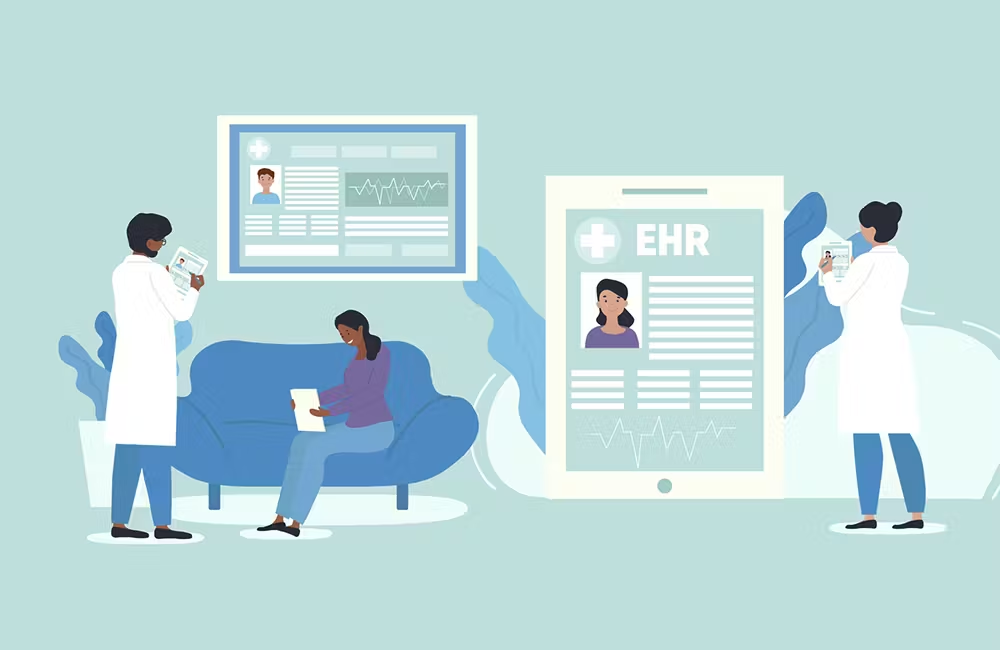
Electronic Health Records (EHRs) are the foundation of modern digital healthcare. However, legacy systems often create data silos that limit information sharing between healthcare providers.
Singapore is actively addressing this challenge through initiatives such as the National Electronic Health Record (NEHR) system and HealthHub SG.
Key benefits of interoperability include:
-
Unified patient records accessible across healthcare providers
-
Standardized data exchange using HL7 and FHIR protocols
-
Better population health management and preventive care
-
Improved clinical decision making through complete patient histories
-
Enhanced patient engagement through integrated digital portals
Improving interoperability helps deliver more efficient, coordinated, and patient centered care.
8. Virtual Reality (VR) and Augmented Reality (AR) in Healthcare

VR and AR technologies are introducing immersive solutions that improve medical training, patient education, and surgical planning.
These technologies allow healthcare professionals to visualize complex medical scenarios in ways that traditional tools cannot.
Applications include:
-
Medical training and simulation for students and surgeons
-
VR based rehabilitation programs for physical therapy
-
AR assisted surgical planning and navigation
-
Mental health therapy for anxiety and PTSD treatment
-
Interactive patient education tools
These technologies are helping Singapore’s healthcare providers enhance clinical outcomes while improving patient engagement.
9. Healthcare Data Security and Regulatory Compliance
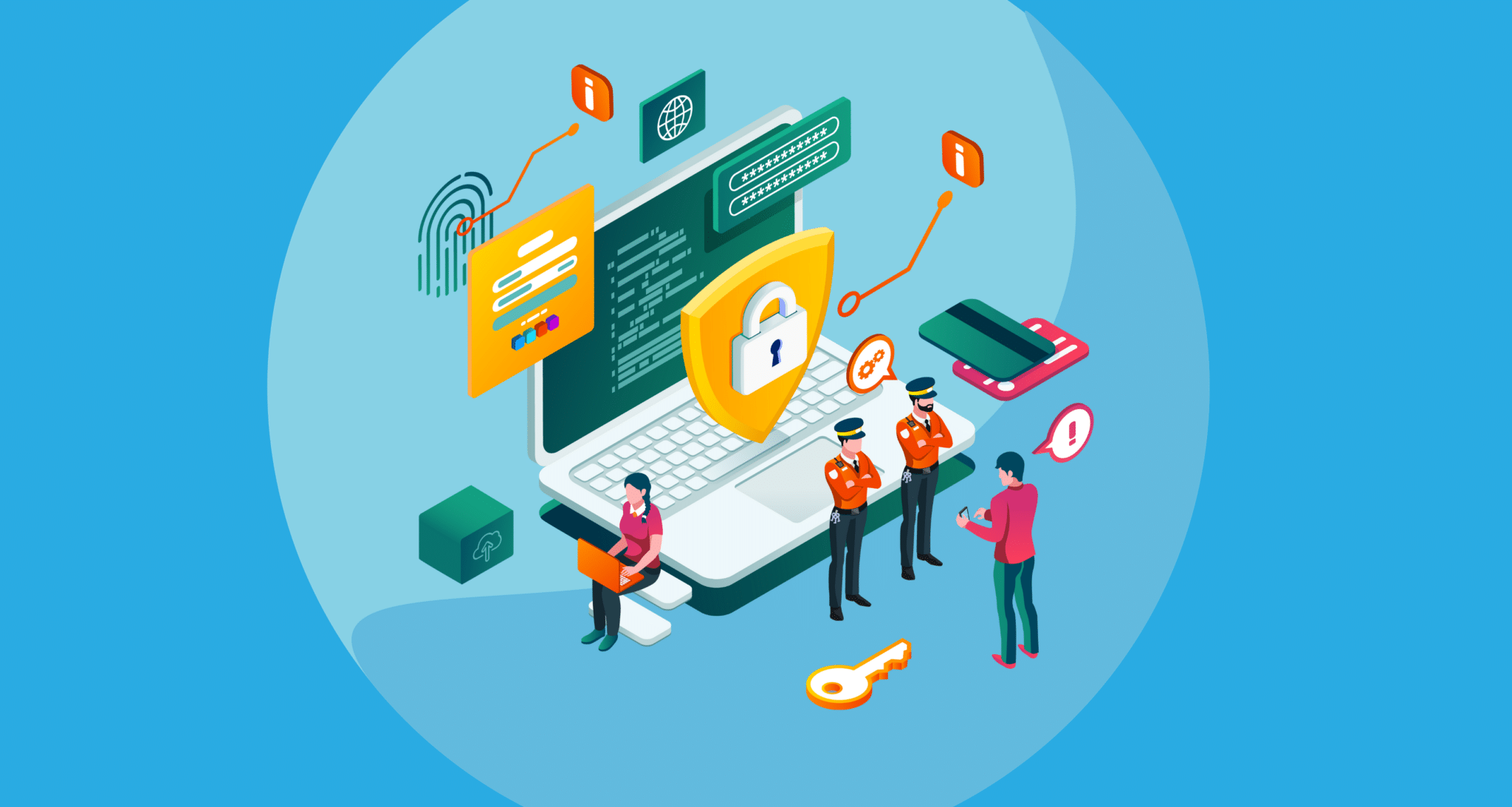
As healthcare systems become increasingly digital, protecting sensitive patient data has become a top priority. Cybersecurity and compliance are now central components of healthcare software development.
Healthcare organizations must implement strong security frameworks to safeguard patient information.
Key security practices include:
-
Encryption of healthcare data during storage and transmission
-
Role based access control systems
-
Real time cybersecurity monitoring and threat detection
-
Audit trails and compliance reporting
-
Adherence to regulations such as PDPA and HIPAA
Strong security measures are essential for maintaining trust and protecting patient privacy in digital healthcare environments.
10. Blockchain for Healthcare Data Integrity
Blockchain technology is emerging as a promising solution for improving data integrity, transparency, and security in healthcare systems.
By using decentralized ledgers, blockchain enables secure and tamper proof management of healthcare data.
Blockchain applications in healthcare include:
-
Secure sharing of patient medical records
-
Transparent management of clinical trial data
-
Pharmaceutical supply chain tracking to prevent counterfeit drugs
-
Automated insurance claims through smart contracts
-
Patient controlled consent management for data access
While still evolving, blockchain technology has the potential to significantly improve trust and interoperability in Singapore’s digital healthcare ecosystem.
Read more: How to Choose the Best Healthcare Software Development Partner
Singapore Healthcare 2030 & the Future of the Health System
Singapore’s Healthcare 2030 strategy outlines a long term vision for building a healthcare system that is more resilient, inclusive, and technology driven. With a rapidly aging population where nearly one in three Singaporeans is expected to be aged 65 or older by 2050 the government is prioritizing preventive healthcare, digital innovation, and sustainable service delivery to meet future healthcare demands.
Healthcare 2030 expands upon national initiatives such as Healthier SG, focusing on early intervention, patient centered care, and stronger integration across both public and private healthcare providers. Digital technologies play a central role in this transformation, with tools such as artificial intelligence, cloud based platforms, wearable health devices, and interoperable electronic health records (EHRs) forming the foundation of a modern healthcare ecosystem.
Key Pillars of Singapore’s Healthcare 2030 Vision
Preventive Health and Wellness
The system aims to shift its focus from reactive treatment to preventive care by promoting early disease detection, healthy lifestyles, and continuous health monitoring.
Digital Transformation
Singapore continues to expand digital health capabilities through telemedicine services, AI powered healthcare applications, and digital first patient services that improve accessibility and efficiency.
Integrated Care Models
Healthcare providers across hospitals, polyclinics, and community care organizations are increasingly collaborating through integrated systems that enable seamless information sharing and coordinated patient care.
Workforce Transformation
Healthcare professionals are being equipped with advanced digital tools and training to improve productivity, enhance clinical decision making, and adapt to evolving healthcare technologies.
Sustainable Healthcare Delivery
Innovation and technology are being leveraged to ensure healthcare services remain both high quality and cost effective while addressing long term healthcare needs.
By 2030, Singapore aims to build a healthcare system that is more personalized, connected, and proactive, where technology supports healthcare professionals and enhances patient outcomes rather than replacing the human aspect of care.
For healthcare software developers and HealthTech companies, this transformation presents significant opportunities to develop digital solutions that align with Singapore’s national healthcare priorities.
Read more: Top 10 Software Development Companies in Singapore
When Should You Invest in Healthcare Software Development?
Investing in healthcare software is no longer optional it has become a strategic necessity. Healthcare providers, insurers, and HealthTech startups must adopt modern digital solutions to remain competitive, maintain regulatory compliance, and deliver better patient experiences. Recognizing the right time to build or upgrade healthcare systems can significantly impact operational efficiency and long term growth.
Here are several key signs that indicate it may be time to invest in healthcare software development:
Outdated Legacy Systems
If your current systems are slow, difficult to integrate, or unable to support modern technologies such as AI, cloud platforms, or mobile applications, modernization becomes essential to maintain performance and scalability.
Regulatory and Compliance Updates
Healthcare regulations continue to evolve. Compliance frameworks such as PDPA and HIPAA require secure data handling and robust privacy protections. Upgrading your software systems helps reduce security risks and ensures adherence to these regulations.
Growing Patient Expectations
Today’s patients expect convenient and personalized healthcare services. Digital solutions like mobile health apps, telemedicine platforms, and patient portals allow organizations to provide accessible, user friendly healthcare experiences.
Operational Inefficiencies
Manual administrative tasks such as claims processing, appointment scheduling, or billing can slow down operations and increase costs. Automating these workflows through healthcare software improves productivity and reduces administrative burden.
Increasing Data Management Demands
The growing use of big data analytics, AI tools, and electronic health records (EHRs) requires systems that can manage, process, and securely share healthcare data in real time.
By investing in custom healthcare software development, organizations can streamline operations, enhance patient care, and maintain compliance with regulatory standards. Adopting digital first solutions early allows healthcare providers to remain agile and better prepared for the future of digital healthcare.
Read more: Top IT Outsourcing Companies in Vietnam
How HomeNest Software Supports Custom Healthcare Software Development
With years of industry experience and a portfolio of more than 500 successful projects delivered to over 100 global clients, HomeNest Software specializes in providing custom healthcare software development solutions tailored to the specific needs of healthcare organizations in Singapore and across international markets.
By combining innovation, regulatory expertise, and operational efficiency, our team collaborates closely with healthcare providers, insurers, and HealthTech startups to build digital solutions that streamline workflows, improve patient outcomes, and safeguard sensitive medical data. Below are several ways HomeNest Software supports healthcare organizations in their digital transformation journey.
Custom Healthcare Software Development
We design and develop software solutions tailored to each organization’s unique operational workflows. These include hospital management systems, telemedicine platforms, patient portals, and other specialized healthcare applications.
AI Integration for Healthcare Innovation
Our development teams implement AI powered technologies that enhance diagnostic capabilities, automate administrative processes, and enable more personalized patient care experiences.
Cloud Based Healthcare Solutions
By leveraging cloud infrastructure, we help healthcare organizations build secure and scalable platforms for electronic health record (EHR) management, telemedicine services, and real time healthcare data access.
Regulatory Compliance and Data Security
All solutions are developed with strict adherence to healthcare regulations such as PDPA and HIPAA, ensuring robust data protection, privacy safeguards, and compliance with international healthcare standards.
Continuous Support and System Maintenance
Beyond development, we provide ongoing technical support, system monitoring, and updates to ensure healthcare platforms remain secure, efficient, and aligned with evolving regulatory and operational requirements.
Partnering with HomeNest Software means working with a team that understands the complexities of healthcare technology. Our mission is to deliver high quality, scalable solutions at competitive development costs helping healthcare organizations innovate while improving efficiency and patient care outcomes.
Read more: Choosing the Right Outsourcing Partner
Conclusion
As Singapore advances toward a fully digital healthcare ecosystem, keeping pace with emerging healthcare software development trends has become essential for organizations seeking to enhance patient care, optimize operations, and meet regulatory requirements. Technologies such as AI powered applications, cloud based healthcare systems, custom software platforms, and blockchain solutions are reshaping how healthcare services are delivered and managed.
By investing in innovative technologies and tailored digital solutions today, healthcare providers and organizations can position themselves for long term success. More importantly, they can better respond to the evolving needs of a connected, patient centered healthcare environment while maintaining efficiency, security, and compliance.

Contact Information:
- Address: The Sun Avenue, 28 Mai Chi Tho Street, Binh Trung Ward, Ho Chi Minh City
- Hotline: +84 898 994 298 ( WhatsApp )
- Website: homenest.software
Frequently Asked Questions (FAQs)
What is healthcare software development?
Healthcare software development refers to the process of designing and building digital solutions specifically for the healthcare industry. These solutions include telemedicine platforms, electronic health record (EHR) systems, mobile health apps, hospital management systems, and AI powered diagnostic tools that improve patient care and healthcare operations.
Why is healthcare software development important in Singapore?
Healthcare software development plays a critical role in Singapore’s digital health ecosystem. It helps healthcare providers improve operational efficiency, enhance patient engagement, ensure regulatory compliance, and support national initiatives such as Healthier SG and Healthcare 2030.
What are the most important healthcare technology trends in Singapore?
Some of the most significant healthcare software development trends in Singapore include:
-
Artificial intelligence in healthcare applications
-
Telemedicine and virtual care platforms
-
Wearable devices and remote patient monitoring
-
Cloud based healthcare infrastructure
-
Mobile health (mHealth) apps
-
EHR interoperability and modernization
-
Healthcare data security and compliance technologies
These innovations are helping healthcare organizations deliver more efficient, data driven, and patient centered care.
How does PDPA affect healthcare software development in Singapore?
Singapore’s Personal Data Protection Act (PDPA) regulates how organizations collect, store, and manage personal data. Healthcare software systems must include strong security measures such as encryption, access control, and secure data management to protect sensitive patient information and maintain compliance with PDPA regulations.
What are the benefits of custom healthcare software development?
Custom healthcare software offers several advantages over generic solutions, including:
-
Tailored workflows for hospitals and clinics
-
Better integration with existing healthcare systems
-
Improved compliance with local regulations
-
Enhanced scalability and flexibility
-
Improved patient engagement and operational efficiency
These benefits help healthcare organizations build solutions that meet their specific operational and clinical needs.
How much does healthcare software development cost?
The cost of healthcare software development depends on several factors, including the complexity of the system, required features, technology stack, compliance requirements, and development timeline. Simple healthcare apps may cost tens of thousands of dollars, while complex enterprise healthcare platforms can require significantly larger investments.
How long does it take to develop healthcare software?
Development timelines vary based on project scope and complexity. A basic healthcare mobile application may take 3–6 months, while a full healthcare platform with integrations, compliance requirements, and advanced features may take 6–12 months or longer.
How can HomeNest Software help with healthcare software development?
HomeNest Software provides end to end healthcare software development services, including business analysis, custom software development, AI integration, cloud solutions, and compliance support. Our team works closely with healthcare providers and HealthTech companies to build secure, scalable, and regulation compliant digital healthcare platforms.
Latest Articles
View All
Criteria For Choosing The Right App Design Agency
UI/UX design is the logical foundation of a system, not merely a visual element. Choosing the wrong partner will directly lead to technical debt, budget overruns, and disruptions in the development process. This article provides a 6-step evaluation framework and a list of operational risks, helping businesses eliminate subjective design advice and accurately assess agency capabilities based on developer handoff standards and practical business performance.
How Does AI in Banking Industry Impact the Future?
Artificial intelligence (AI) has transitioned from a supplementary tool to a core infrastructure of financial data management, optimizing profitability through real-time fraud detection, natural language processing (NLP), and high-speed credit scoring models. “Deploying AI in the financial sector requires more than just algorithmic accuracy, it demands a highly secure cloud architecture and rigorous data governance,” commented Nguyen Tien, co-founder of HomeNest Software. Why read this guide? We skip the theoretical jargon to focus entirely on technical implementation. Whether you’re evaluating a vendor or planning a system overhaul, this article will detail: Operational Efficiency: Automating unstructured data workflows at scale. Risk Architecture: Implementing real-time threat detection and AML compliance. Data ownership: The essential need for 100% ownership of the source code to ensure full algorithm auditability.
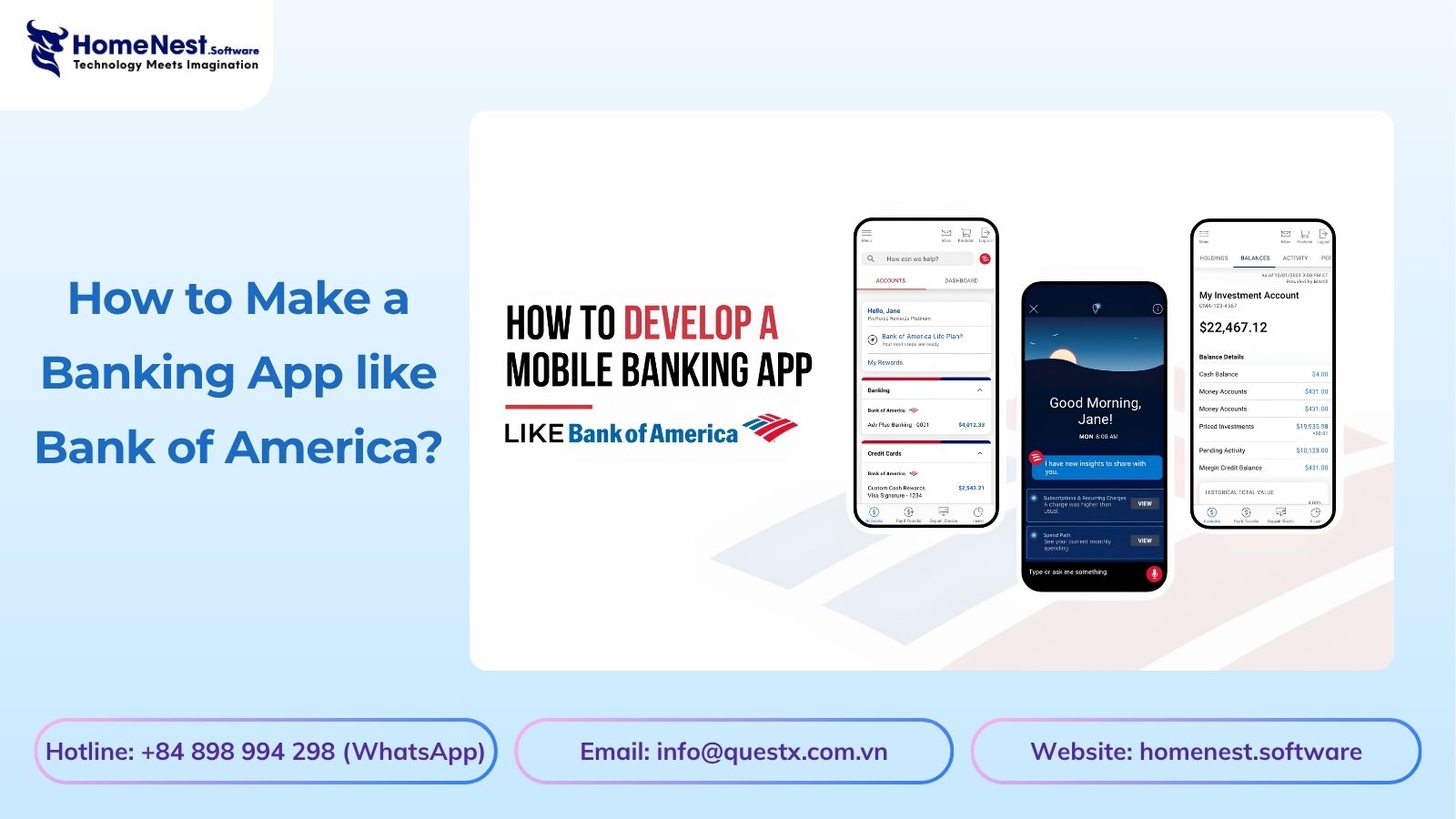
How to Make a Banking App like Bank of America?
Developing a mobile banking application like Bank of America extends far beyond basic UI design; it requires engineering a fault-tolerant backend capable of real-time ledger synchronization, biometric authentication, and high-volume data processing under strict regulatory frameworks. Drawing from HomeNest Software’s deep experience in architecting enterprise-grade fintech solutions, this guide strips away theoretical jargon to focus entirely on operational and technical execution. What you will find in this guide: We break down the precise development roadmap, from mapping out microservices and ensuring PCI-DSS compliance to estimating MVP development costs and securing absolute data sovereignty through 100% source code ownership. If you are preparing to build, scale, or audit a financial platform, this blueprint provides the exact framework you need.
Banking App Development Cost
Building a banking application is rarely a simple process; it’s a complex technical challenge requiring a balance between complying with stringent financial regulations, handling large transaction volumes, and a scalable cloud architecture. Miscalculating these technical requirements from the outset often leads to significant technical debt and budget overruns. Based on HomeNest Software’s practical experience in designing enterprise-grade fintech solutions, this guide bypasses generic estimates to provide a realistic analysis of banking application development costs. What you’ll find in this guide: We analyze the true cost factors, from technology selection and API integration to the hidden costs of regulatory compliance and security infrastructure. Whether you’re launching a minimum viable product or expanding an existing financial platform, this analysis provides the precise operational data you need to plan your budget effectively.
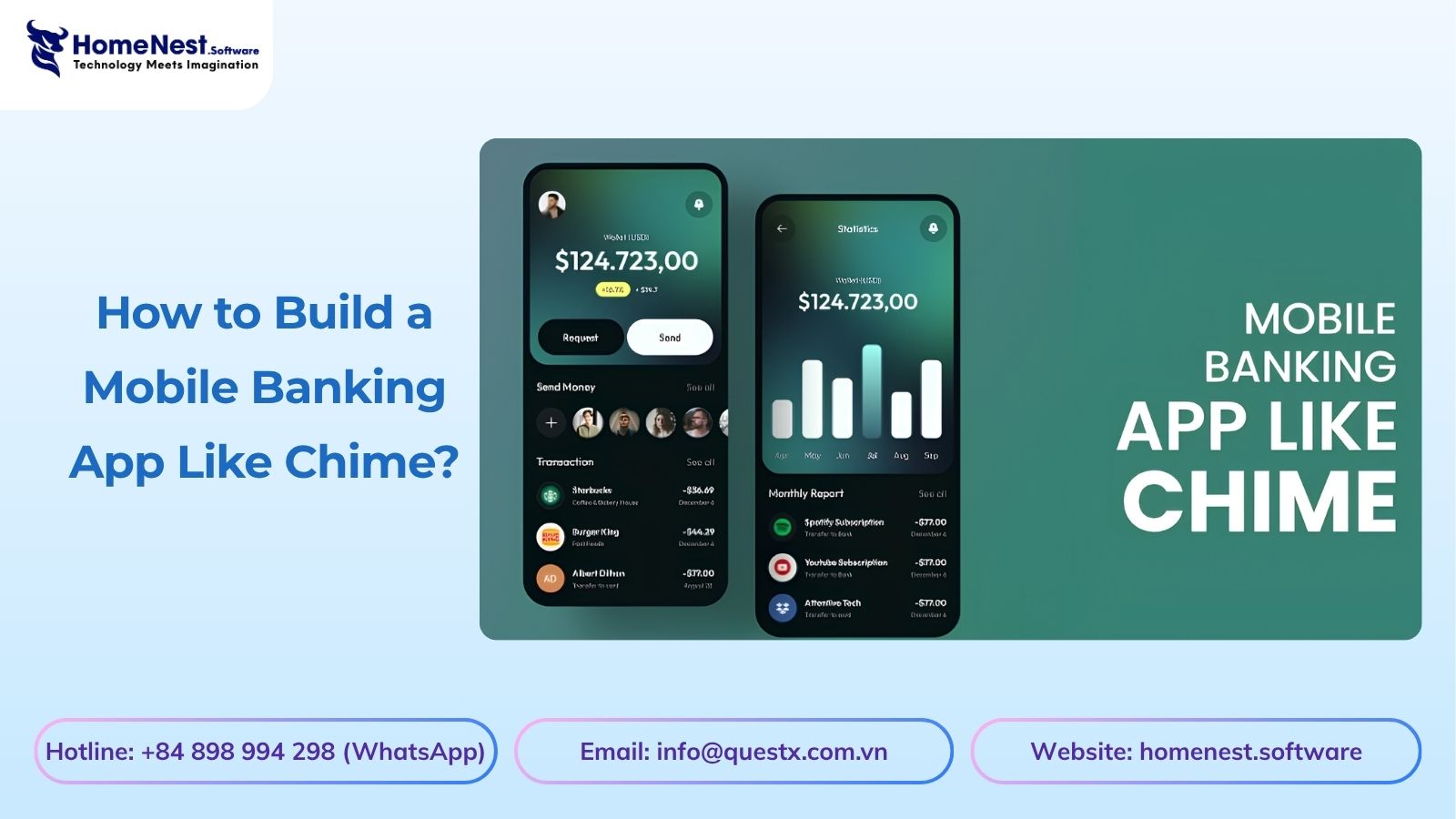
How to Build a Mobile Banking App Like Chime?
Building a mobile banking app like Chime is not just about features, it is about delivering a secure, scalable, and user-centric financial experience. From planning the right architecture to optimizing mobile banking app development cost, every decision directly impacts your product’s success. Leveraging Fintech app development services, starting with MVP app development, and scaling through on-demand app development solutions allows businesses to reduce risk and accelerate time to market. To stay competitive, combining Android app development services and iOS app development solutions ensures wider reach, while continuous updates through maintenance software development services keep your app secure and future-ready.
How to Build a Banking App Like Barclays: A Complete Entrepreneur’s Guide
Building a banking app like Barclays requires more than just development. It demands a strong product vision, secure architecture, and a clear monetization strategy. From optimizing cost and selecting the right tech stack to ensuring compliance and scalability, every decision impacts long-term success. Partnering with an experienced team like HomeNest Software helps accelerate development, reduce risks, and deliver a high-quality fintech product that can compete in today’s fast-evolving digital banking landscape.