
Healthcare EHR Systems: The pathway to efficiency and innovation
EHR systems are the backbone of modern healthcare, enabling accurate, real-time access to clinical data and improving coordination across providers. However, their true value is unlocked when integrated with CRM platforms and AI-driven tools creating a connected ecosystem that supports patient engagement, operational efficiency, and data-driven care. Organizations that adopt a scalable, interoperable approach will be better positioned to deliver high-quality care and adapt to the future of digital healthcare.
Scope of Work
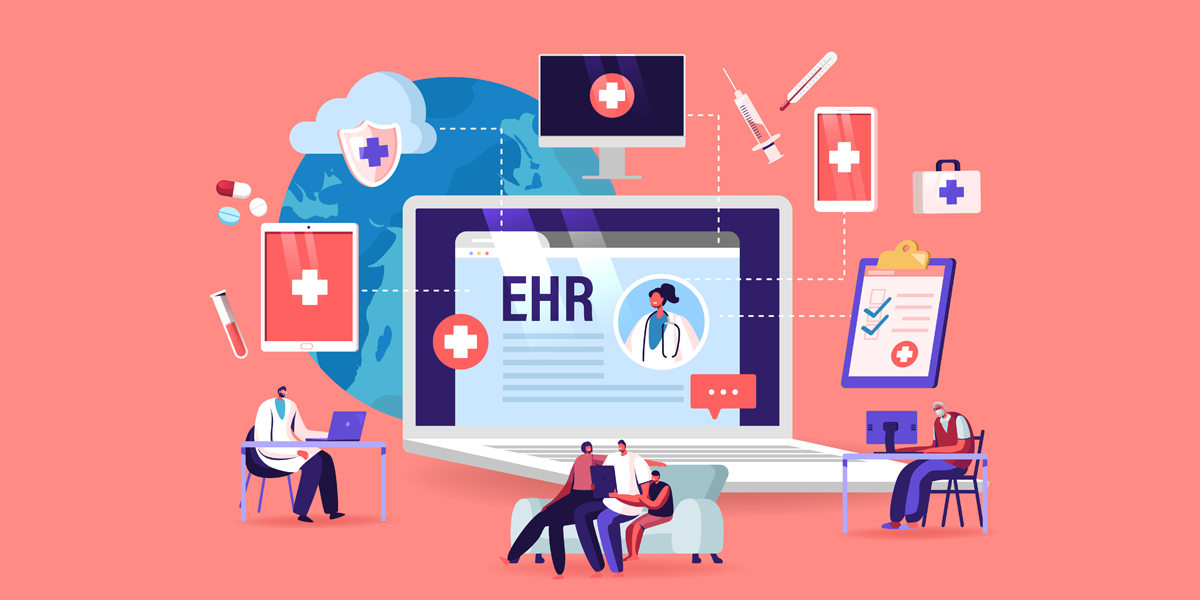
Managing patient records should enhance care not slow it down. Yet in many healthcare environments, legacy systems, fragmented data, and manual workflows still create inefficiencies, increase the risk of errors, and delay decision making. As regulations become more complex and patient expectations continue to rise, healthcare organizations need more advanced, reliable systems to keep pace.
Electronic Health Record (EHR) systems address many of these challenges by establishing a centralized, accurate, and accessible clinical data foundation. They streamline documentation, improve data accuracy, and ensure that critical patient information is readily available to providers.
However, EHRs alone are not a complete solution. Modern healthcare increasingly depends on integrating EHRs with CRM platforms and AI driven tools to extend capabilities beyond clinical records enabling better patient engagement, improved outcomes, cost optimization, and regulatory compliance.
In this guide, we’ll explore how EHR systems work, why they are essential, and how to choose the right solution for your organization. We’ll also examine how complementary platforms like Agentforce Health (formerly Health Cloud) can enhance EHR functionality by addressing gaps in coordination, engagement, and automation.
What Are EHR Systems?
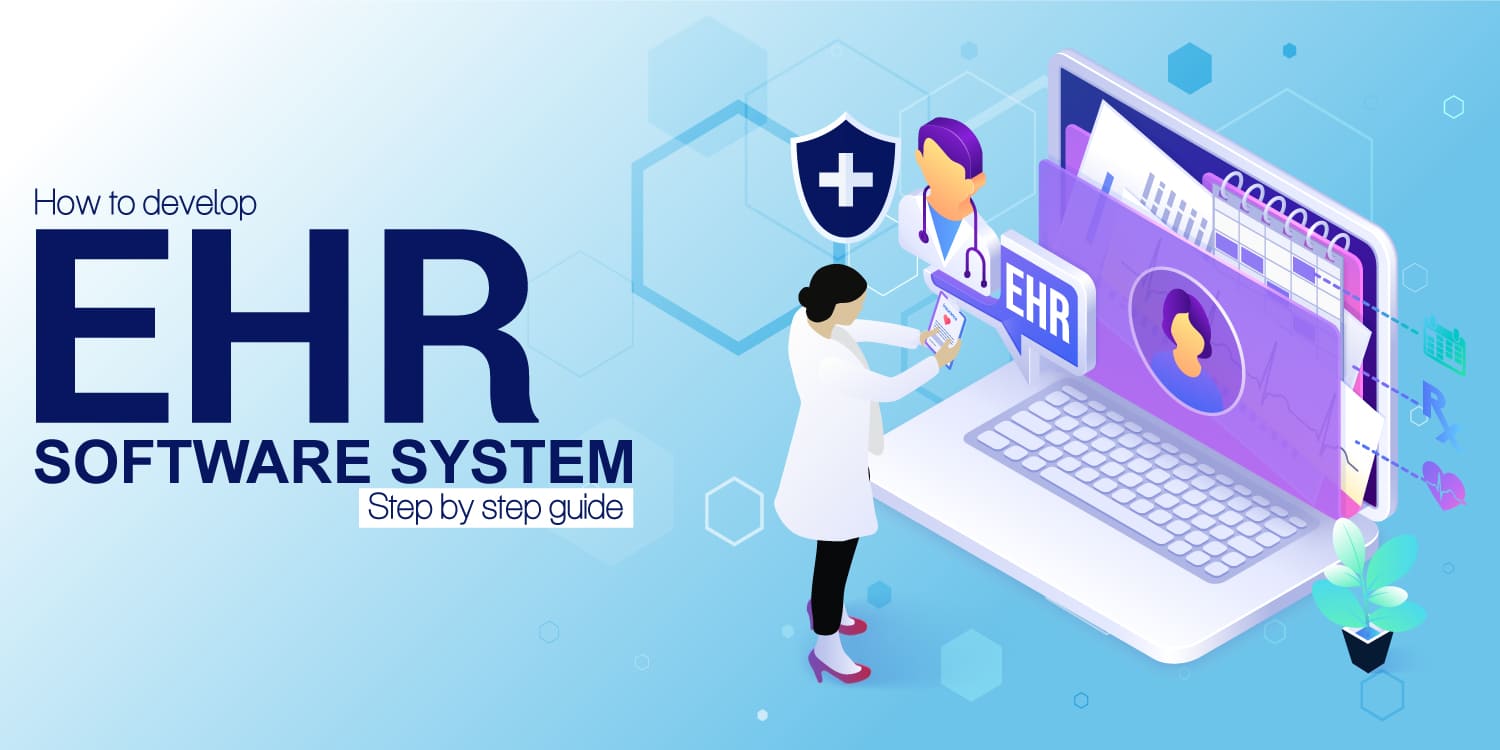
Electronic Health Record (EHR) systems are digital platforms that store and manage a patient’s complete medical history including clinical notes, diagnoses, lab results, imaging, and treatment plans in a centralized and structured format.
Unlike Electronic Medical Records (EMRs), which are typically limited to a single clinic or provider, EHRs are designed for data sharing across multiple healthcare organizations. This means patient information can be securely accessed and updated by different providers such as primary care physicians, specialists, and hospitals ensuring better continuity of care.
For example, while an EMR may only capture a patient’s history within one clinic, an EHR enables that same information to follow the patient across different care settings. This shared access helps reduce duplication, minimize errors, and support more coordinated treatment decisions.
Modern EHR systems also go beyond record keeping. They can integrate with healthcare CRM platforms, enabling organizations to extend clinical data into patient engagement, communication, and care coordination delivering more personalized and connected healthcare experiences.
What EHR Systems Are Designed to Do
EHR systems extend medical record management beyond a single clinic by creating a centralized, comprehensive patient record accessible across providers and care settings. This shared foundation enables:
- Improved care coordination among doctors, specialists, hospitals, and labs
- Real time access to clinical documentation, orders, and treatment history
- Regulatory compliance through audit trails and standardized workflows
- Better clinical decision making with complete, up to date patient data
By ensuring that every member of the care team works from the same information, EHRs reduce delays, minimize errors, and support more accurate and timely care delivery.
What EHR Systems Are Not Designed to Do
While EHRs are essential for clinical data management, they are not built to handle the full patient journey. Specifically, they have limitations in:
- Patient engagement and ongoing communication
- Longitudinal relationship management beyond clinical visits
- Non clinical workflows such as outreach, referrals, and case management
To address these gaps, organizations often integrate CRM platforms, AI tools, and patient engagement systems alongside their EHR.
Key Components of EHR Systems
Although features vary by organization, most EHR systems include the following core capabilities:
- Comprehensive patient records: Clinical notes, medical history, medications, allergies, lab results, diagnoses, and treatment plans
- Care coordination tools: Integration with labs, pharmacies, and external providers
- Order management: Tools for prescribing medications, requesting tests, and managing treatments
- Clinical decision support: Software that analyzes patient data and provides evidence based recommendations
- Security & compliance: Encryption, access control, and protocols to protect sensitive patient data
These components form the backbone of clinical data management but do not fully support engagement or coordination beyond the point of care.
The Role of EHR in Modern Healthcare
EHR systems are foundational to today’s healthcare ecosystem. Their ability to provide real time, portable access to patient data enables:
- Clinical interoperability across providers and organizations
- Telehealth and remote patient monitoring
- Faster, more informed decision making in both routine and emergency care
They also play a critical role in research and public health, allowing organizations to analyze large datasets, identify disease patterns, and support clinical trials or population health initiatives.
However, challenges such as data silos, inconsistent formats, and limited interoperability can still create bottlenecks especially when coordinating care across multiple systems.
Benefits of Using an EHR System
EHR systems deliver significant value across healthcare operations:
Ease of Use & Secure Access
Providers can quickly access and share patient data while maintaining compliance with strict privacy regulations.
Single Source of Truth
A unified, continuously updated record ensures all care teams are aligned reducing duplicate tests and clinical errors.
Improved Patient Outcomes
Access to comprehensive data enables better treatment decisions and supports patient adherence through data driven insights.
Operational Efficiency
Automation of scheduling, documentation, and administrative tasks reduces workload and improves productivity.
Access to Innovation
Modern EHRs integrate with advanced tools such as AI driven analytics and customizable dashboards, helping providers stay at the forefront of healthcare technology.
Limitations of EHR Systems
Despite their strengths, EHRs are not a complete solution on their own. Common limitations include:
Data Silos
Clinical data often remains isolated within the EHR, making it difficult to share with non clinical teams.
Limited Visibility Beyond Visits
EHRs focus on clinical encounters, not the full patient journey before and after care.
Fragmented Coordination
Non clinical stakeholders (e.g., care managers, call centers) often operate outside the EHR, limiting collaboration.
Rigid Workflows
Customization can be slow, making it difficult to adapt to new care models or operational needs.
Limited Patient Engagement
EHRs are primarily reactive systems and lack robust tools for proactive outreach, reminders, and personalized engagement.
EHR systems are the clinical backbone of modern healthcare, enabling accurate data management and coordinated care. However, their full potential is realized only when combined with complementary technologies such as CRM platforms and AI tools that extend functionality across the entire patient journey, from engagement to long term care management.
How to Prepare for EHR Implementation
Implementing an EHR system is not just a technical upgrade it’s a strategic transformation that requires careful planning, coordination, and execution. A successful rollout depends on aligning the EHR with your existing technology stack, ensuring interoperability, and following a structured implementation roadmap.
Step 1: Analyze Workflows & Define Objectives
Start by evaluating your current workflows to identify inefficiencies and bottlenecks.
- Determine where delays or errors occur
- Define clear goals (e.g., improve accuracy, streamline processes, enhance patient communication)
A well defined objective ensures the EHR delivers measurable value.
Step 2: Identify Gaps Beyond the EHR
EHRs do not cover every workflow. It’s important to:
- Identify processes the EHR won’t handle (e.g., outreach, follow ups, referrals)
- Select complementary tools (CRM, engagement platforms) to fill those gaps
This ensures a complete and connected system.
Step 3: Develop a Detailed Implementation Plan
Create a structured roadmap for deployment.
- Define required resources and assign responsibilities
- Establish timelines and milestones
- Build a checklist for each implementation phase
- Set up communication channels to keep stakeholders informed
Step 4: Forecast Costs & Set a Budget
Plan your budget to avoid unexpected expenses. Consider:
- Infrastructure upgrades (hardware, network)
- Data storage and backup solutions
- Customization and licensing costs
- Staffing and external support
- Temporary productivity slowdowns during transition
Step 5: Migrate Data Securely
Data migration is one of the most critical steps.
- Extract, clean, and map existing data
- Validate accuracy and completeness
- Ensure compliance with privacy and security regulations
Given the complexity, expert support is often recommended.
Step 6: Customize the System
Adapt the EHR to fit your organization’s workflows.
- Configure templates, workflows, and user roles
- Set appropriate access permissions
- Continuously refine the system based on user feedback
Step 7: Train Your Team
Proper training is essential for adoption and success.
- Provide tailored training for doctors, nurses, and administrative staff
- Use a mix of self paced and hands on training methods
- Start training before go live to ensure readiness
Step 8: Deploy, Monitor & Optimize
Roll out the system and track performance.
- Provide ongoing user support during deployment
- Measure key metrics (task completion time, patient wait times, satisfaction levels)
- Evaluate ROI based on efficiency gains and cost savings
- Continuously improve based on feedback and system updates
EHR implementation is an ongoing process not a one time event. With the right planning, training, and continuous optimization, healthcare organizations can ensure a smooth transition and unlock the full value of their EHR investment.
EHR Systems and Healthcare CRM: How They Work Better Together
Integrating EHR systems with healthcare CRM platforms creates a unified data ecosystem, eliminating silos and improving interoperability across all healthcare applications. Instead of switching between multiple systems, care teams can access clinical data, scheduling, communications, and patient interactions in one place streamlining workflows and improving decision making.
What Integration Looks Like in Practice
Longitudinal Patient Profiles
By combining EHR and CRM data, healthcare providers gain a complete, 360 degree view of the patient over time.
- Access clinical history, diagnoses, medications, and treatment plans
- Include non clinical data such as communication preferences and engagement history
- Enable more personalized and continuous care
Care Coordination for Complex & High Risk Patients
Integrated systems allow multiple stakeholders to collaborate effectively.
- Share data across specialists, hospitals, labs, and care teams
- Align treatment plans and improve communication
- Support eligibility checks, referrals, and treatment access
This is especially critical for managing complex or high risk cases.
Chronic Care Management Workflows
Managing chronic conditions becomes more efficient when clinical and operational data are connected.
- Track patient progress and health metrics in real time
- Automate outreach and follow ups
- Manage medications and adherence
- Simplify administrative tasks like insurance verification and documentation
Intake, Referral & Handoff Management
EHR–CRM integration streamlines the entire patient lifecycle.
- Replace manual intake forms with automated data capture
- Improve referral tracking and reduce administrative errors
- Enable smoother transitions between providers and care settings
- Increase efficiency and reduce missed or delayed appointments
When EHR and CRM systems work together, healthcare organizations move beyond isolated workflows to a connected, patient centric model of care. This integration improves coordination, enhances patient experiences, and enables more efficient, data driven healthcare delivery across the entire journey.
Future Trends of EHR Systems
As technology continues to evolve, EHR systems are becoming more intelligent, user friendly, and deeply integrated into the broader healthcare ecosystem. The next generation of EHRs will focus on improving both clinician efficiency and patient experience.
Enhanced Patient Access & Self Service
EHR platforms are increasingly expanding patient facing capabilities.
- Advanced patient portals for accessing medical records
- Online appointment scheduling and management
- Secure communication with healthcare providers
- Personalized health insights and self care recommendations
These features empower patients to take a more active role in managing their health.
Stronger Data Security with Emerging Technologies
Security remains a top priority, and new technologies are reshaping how data is protected.
- Blockchain based systems may enable decentralized, tamper proof data storage
- Improved data integrity and transparency across stakeholders
- Reduced risk of unauthorized access and cyberattacks
This approach enhances trust while supporting secure data exchange.
AI Driven Intelligence & Automation
Artificial intelligence is set to play a transformative role in EHR systems.
- Advanced analytics for clinical decision support
- Predictive insights to identify risks and optimize care plans
- Generative AI to summarize patient histories and streamline documentation
- Automation of repetitive administrative tasks
Industry research shows that a majority of healthcare leaders believe AI will significantly improve efficiency, agility, and patient outcomes in the coming years.
Deeper Integration with CRM & Digital Health Platforms
Future EHR systems will not operate in isolation but as part of a connected ecosystem.
- Seamless integration with CRM platforms for patient engagement
- Support for remote care, telehealth, and wearable device data
- Unified data across clinical and non clinical systems
This integration enables a more holistic, patient centric approach to care.
The future of EHR systems lies in intelligence, connectivity, and personalization. By combining AI, secure data exchange, and integrated platforms, EHRs will evolve from record keeping tools into central engines that drive smarter decisions, better patient experiences, and more efficient healthcare delivery.
What’s the Importance of Using an EHR System?
EHR systems have fundamentally transformed healthcare operations enhancing everything from clinical documentation and data accuracy to care coordination and patient engagement. They serve as the core system of record, ensuring that providers have immediate access to reliable, up to date patient information.
However, EHRs deliver the most value when they are part of a broader, integrated ecosystem. On their own, they primarily manage clinical data. To achieve a complete view of the patient across both clinical and non clinical touchpoints healthcare organizations need to integrate EHRs with CRM platforms and AI driven tools.
This combination enables:
- More effective patient management and coordination
- Higher levels of patient engagement and personalization
- Data driven decision making and operational efficiency
- Greater adaptability as healthcare models continue to evolve
Adopting an EHR is not just about digitizing records it’s about building a foundation for connected, future ready healthcare. The next step is to assess your organization’s needs, choose a system that supports both providers and patients, and invest in integrated, AI powered solutions that drive efficiency and long term growth in an increasingly digital healthcare landscape.
FAQs
What is an EHR system?
An Electronic Health Record (EHR) system is a digital platform that stores and manages a patient’s medical history, including diagnoses, medications, lab results, and treatment plans, and allows secure sharing across healthcare providers.
Why are EHR systems important in healthcare?
EHRs improve data accuracy, streamline workflows, enhance care coordination, and provide real time access to patient information leading to better clinical decisions and improved patient outcomes.
How are EHRs different from EMRs?
EMRs are typically used within a single practice, while EHRs are designed for interoperability allowing patient data to be shared across multiple providers and healthcare organizations.
Can EHR systems integrate with other healthcare software?
Yes. Modern EHR systems can integrate with CRM platforms, billing systems, labs, pharmacies, and wearable devices to create a connected healthcare ecosystem.
What are the key benefits of EHR systems?
Key benefits include improved efficiency, reduced errors, better patient outcomes, enhanced data sharing, and streamlined administrative processes.
What are the limitations of EHR systems?
EHRs may have limitations such as data silos, limited patient engagement features, rigid workflows, and challenges with interoperability across different systems.
Are EHR systems secure?
Yes, most EHR systems include strong security measures such as encryption, access controls, and compliance with regulations like HIPAA, GDPR, or PDPA to protect patient data.
How long does it take to implement an EHR system?
Implementation timelines vary but typically range from a few months to over a year, depending on system complexity, organization size, and data migration requirements.
How can healthcare organizations maximize the value of EHR systems?
By integrating EHRs with CRM and AI platforms, optimizing workflows, training staff effectively, and continuously improving processes based on data insights.
What is the future of EHR systems?
EHRs are evolving with AI, automation, improved interoperability, and enhanced patient engagement features becoming more intelligent, connected, and user friendly over time.
Latest Articles
View All
Criteria For Choosing The Right App Design Agency
UI/UX design is the logical foundation of a system, not merely a visual element. Choosing the wrong partner will directly lead to technical debt, budget overruns, and disruptions in the development process. This article provides a 6-step evaluation framework and a list of operational risks, helping businesses eliminate subjective design advice and accurately assess agency capabilities based on developer handoff standards and practical business performance.

How Does AI in Banking Industry Impact the Future?
Artificial intelligence (AI) has transitioned from a supplementary tool to a core infrastructure of financial data management, optimizing profitability through real-time fraud detection, natural language processing (NLP), and high-speed credit scoring models. “Deploying AI in the financial sector requires more than just algorithmic accuracy, it demands a highly secure cloud architecture and rigorous data governance,” commented Nguyen Tien, co-founder of HomeNest Software. Why read this guide? We skip the theoretical jargon to focus entirely on technical implementation. Whether you’re evaluating a vendor or planning a system overhaul, this article will detail: Operational Efficiency: Automating unstructured data workflows at scale. Risk Architecture: Implementing real-time threat detection and AML compliance. Data ownership: The essential need for 100% ownership of the source code to ensure full algorithm auditability.

How to Make a Banking App like Bank of America?
Developing a mobile banking application like Bank of America extends far beyond basic UI design; it requires engineering a fault-tolerant backend capable of real-time ledger synchronization, biometric authentication, and high-volume data processing under strict regulatory frameworks. Drawing from HomeNest Software’s deep experience in architecting enterprise-grade fintech solutions, this guide strips away theoretical jargon to focus entirely on operational and technical execution. What you will find in this guide: We break down the precise development roadmap, from mapping out microservices and ensuring PCI-DSS compliance to estimating MVP development costs and securing absolute data sovereignty through 100% source code ownership. If you are preparing to build, scale, or audit a financial platform, this blueprint provides the exact framework you need.
Banking App Development Cost
Building a banking application is rarely a simple process; it’s a complex technical challenge requiring a balance between complying with stringent financial regulations, handling large transaction volumes, and a scalable cloud architecture. Miscalculating these technical requirements from the outset often leads to significant technical debt and budget overruns. Based on HomeNest Software’s practical experience in designing enterprise-grade fintech solutions, this guide bypasses generic estimates to provide a realistic analysis of banking application development costs. What you’ll find in this guide: We analyze the true cost factors, from technology selection and API integration to the hidden costs of regulatory compliance and security infrastructure. Whether you’re launching a minimum viable product or expanding an existing financial platform, this analysis provides the precise operational data you need to plan your budget effectively.
How to Build a Mobile Banking App Like Chime?
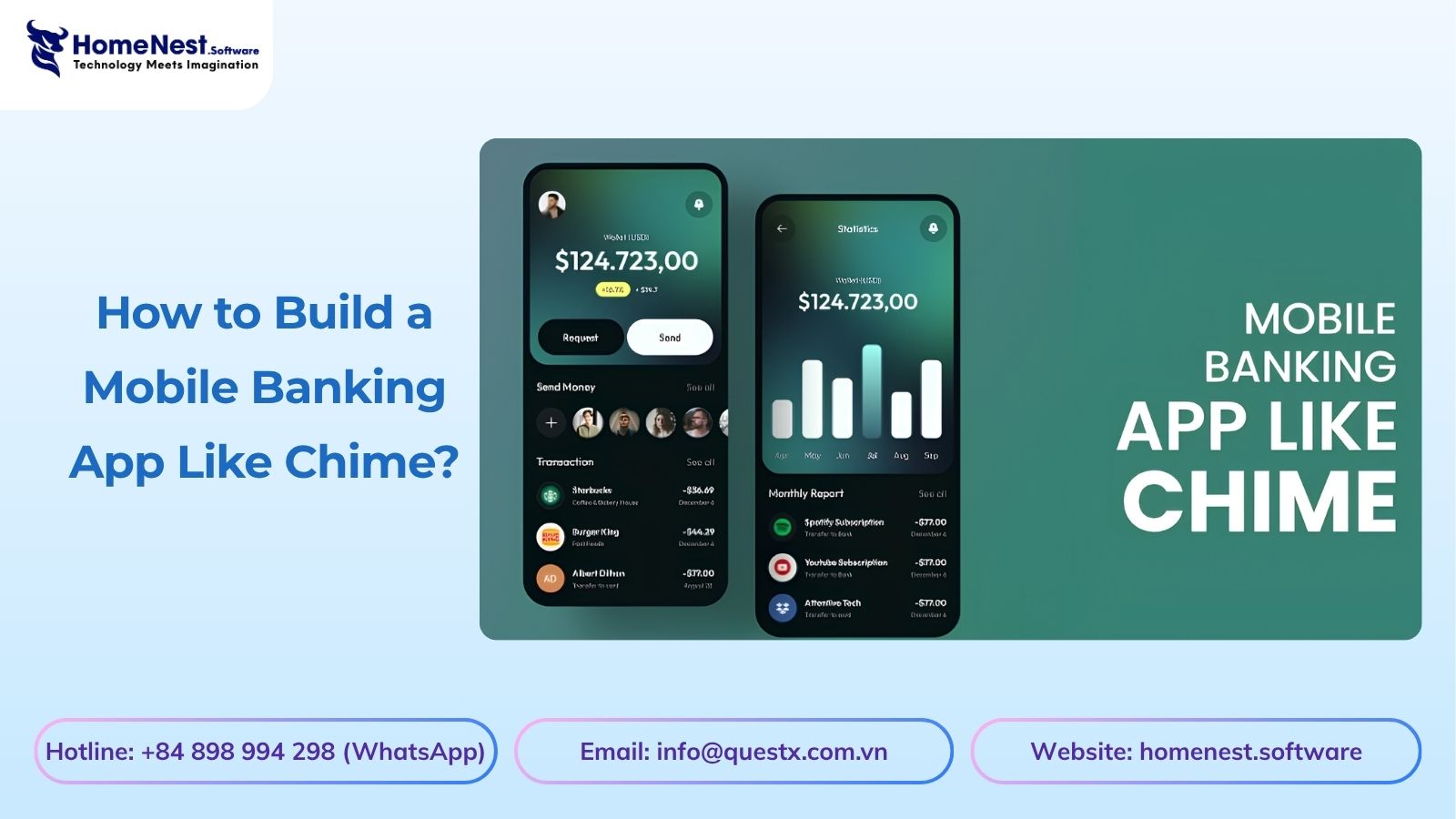
Building a mobile banking app like Chime is not just about features, it is about delivering a secure, scalable, and user-centric financial experience. From planning the right architecture to optimizing mobile banking app development cost, every decision directly impacts your product’s success. Leveraging Fintech app development services, starting with MVP app development, and scaling through on-demand app development solutions allows businesses to reduce risk and accelerate time to market. To stay competitive, combining Android app development services and iOS app development solutions ensures wider reach, while continuous updates through maintenance software development services keep your app secure and future-ready.

How to Build a Banking App Like Barclays: A Complete Entrepreneur’s Guide
Building a banking app like Barclays requires more than just development. It demands a strong product vision, secure architecture, and a clear monetization strategy. From optimizing cost and selecting the right tech stack to ensuring compliance and scalability, every decision impacts long-term success. Partnering with an experienced team like HomeNest Software helps accelerate development, reduce risks, and deliver a high-quality fintech product that can compete in today’s fast-evolving digital banking landscape.