
8 Proven Ways to Reduce Costs with Agile and DevOps
Combining Agile and DevOps is one of the most effective strategies for reducing software development costs while improving speed and quality. Agile enables flexibility, faster delivery, and continuous feedback, while DevOps brings automation, efficiency, and reliability across the entire lifecycle. Together, they help businesses minimize waste, optimize resources, and respond quickly to market changes. By adopting these practices and working with experienced partners like HomeNest Software organizations can achieve scalable growth, lower operational costs, and a strong competitive advantage.
Scope of Work
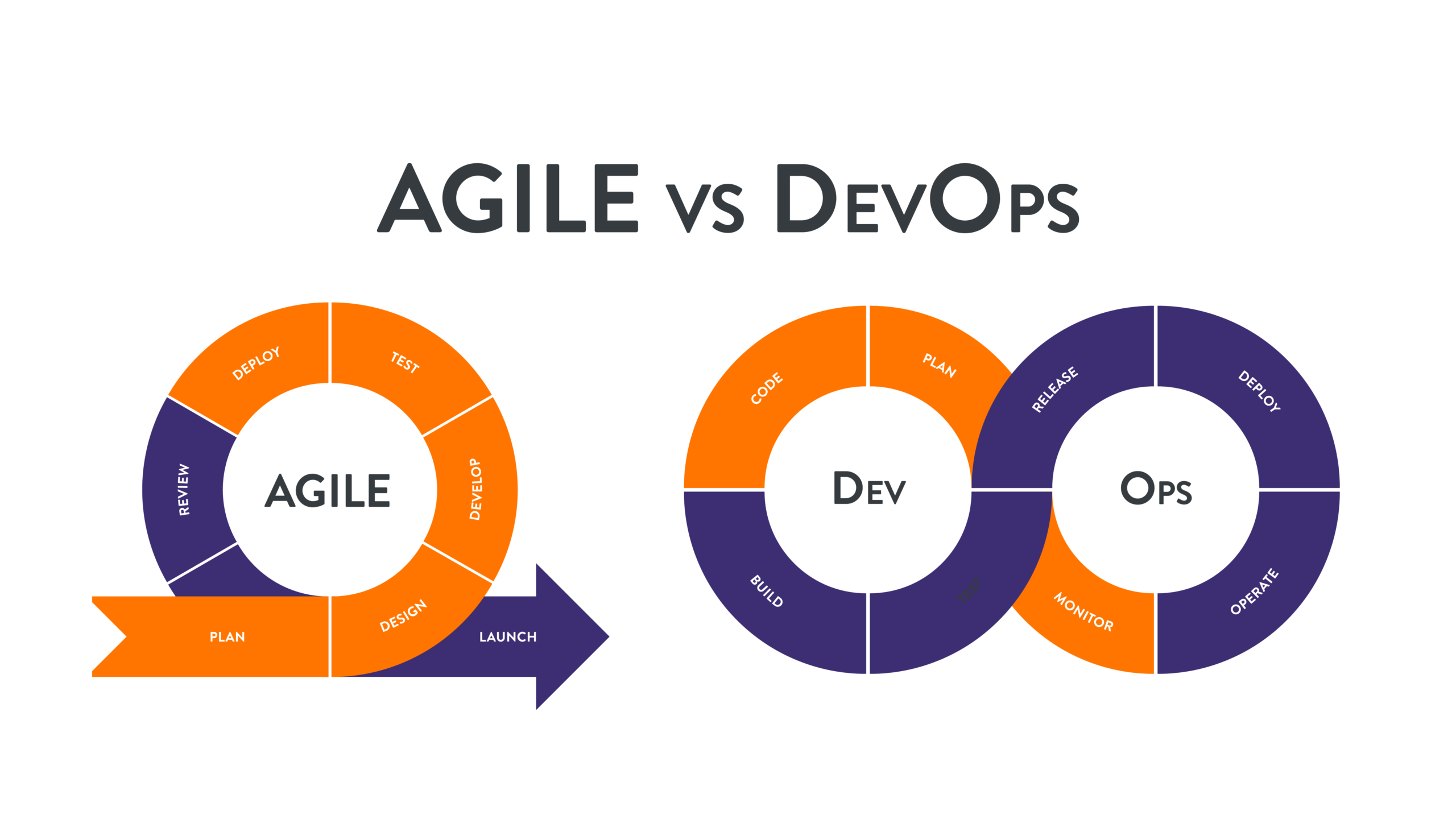
Reducing costs while improving efficiency has become a top priority for modern businesses and Agile and DevOps play a critical role in achieving this balance. Agile development focuses on delivering high quality software through iterative cycles, helping teams minimize waste and optimize resources. Meanwhile, DevOps introduces automation and continuous delivery practices, streamlining deployment and reducing operational overhead across the entire software lifecycle.
When combined, Agile and DevOps create a powerful framework for cost optimization and performance improvement. Partnering with an offshore development company further enhances these benefits by providing access to skilled talent at competitive rates, without compromising quality.
At HomeNest Software, we deliver high quality Agile offshore development services by leveraging modern technologies and proven frameworks. By integrating Agile methodologies with DevOps practices, we help businesses accelerate development, reduce costs, and maintain strict control over timelines and budgets while consistently delivering scalable, high performance applications.
8 Proven Ways to Reduce Costs with Agile and DevOps
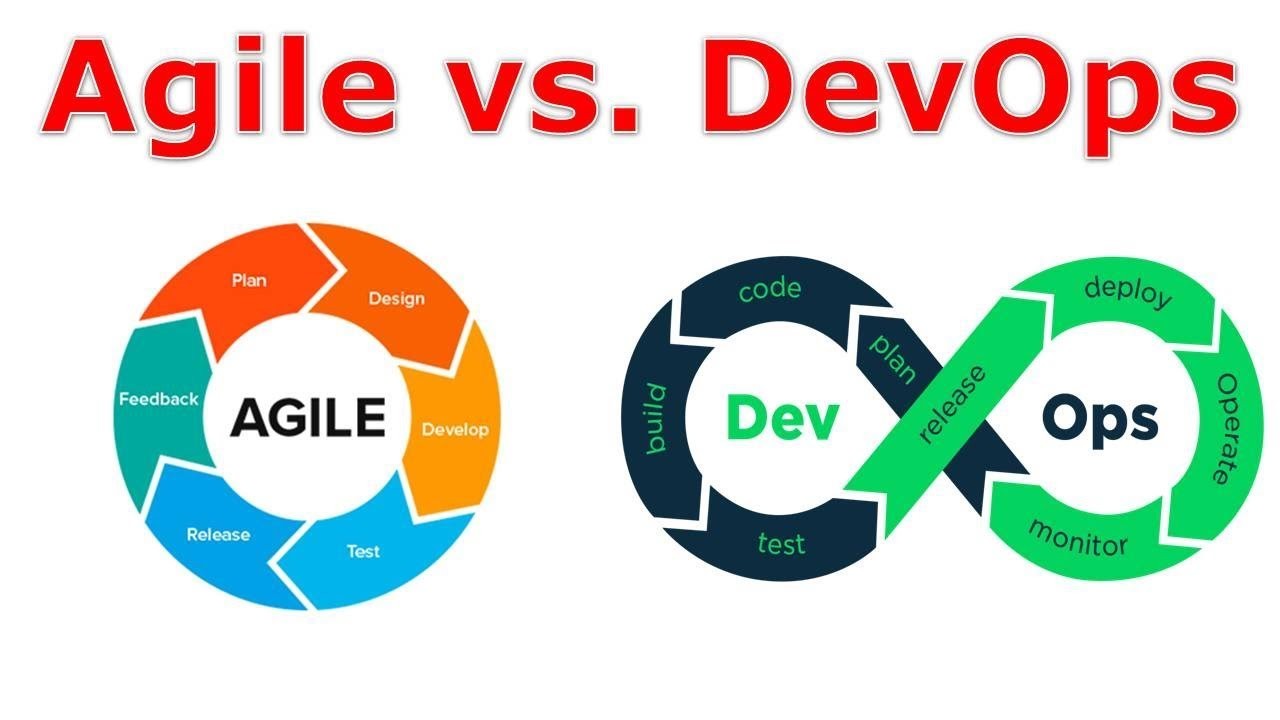
1. Respond Faster to Changing Priorities
Agile enables teams to quickly adapt to shifting customer needs and business priorities. Instead of restarting entire development cycles, teams can adjust incrementally saving both time and cost.
When combined with DevOps practices like continuous monitoring and testing, potential issues are detected early, reducing the risk of expensive rework and production failures.
2. Streamline Communication and Minimize Errors
Agile improves communication by breaking down complex tasks into manageable units and encouraging regular updates across teams. This ensures alignment and reduces misunderstandings.
DevOps further enhances this by automating testing, deployment, and monitoring minimizing manual errors and ensuring smoother collaboration across development and operations teams.
3. Deliver MVPs Faster to Accelerate Time to Market
Agile focuses on delivering Minimum Viable Products (MVPs) quickly by dividing projects into smaller, testable components. This approach allows businesses to launch faster, validate ideas early, and start generating revenue sooner.
DevOps automation supports this by accelerating backend processes such as deployment and testing, helping teams release features more efficiently.
4. Enable Stronger Team Collaboration
Agile promotes cross functional collaboration by organizing teams into smaller, focused groups. This structure enhances productivity, creativity, and speed of execution.
With DevOps, continuous integration and monitoring ensure smoother workflows and reduce the cost of fixing issues later in the development cycle.
5. Use Continuous Feedback for Course Correction
Agile encourages constant feedback from customers and stakeholders, allowing teams to make timely adjustments. This prevents costly mistakes and ensures the product remains aligned with user expectations.
By identifying issues early, teams avoid expensive delays and reduce the risk of building the wrong product.
6. Implement Continuous Testing and Test Driven Development
Continuous testing ensures that bugs and issues are identified early in the development cycle, significantly reducing the cost of fixing them later.
Test driven development (TDD) further strengthens this process by validating code from the start, ensuring higher quality output and minimizing rework and maintenance costs.
7. Leverage Automation to Increase Efficiency
Automation is a core component of DevOps and a major driver of cost savings. By automating repetitive tasks such as builds, testing, and deployments, teams can reduce manual effort and errors.
This allows developers to focus on high value activities, improving productivity while lowering operational costs.
8. Optimize the Development Process
Agile helps teams focus on delivering only what matters most, eliminating unnecessary tasks and reducing waste. This streamlined approach ensures efficient use of resources and better cost control.
By continuously refining workflows and prioritizing value driven features, organizations can maximize ROI while staying within budget and timeline constraints.
By combining Agile’s flexibility with DevOps automation, businesses can significantly reduce development costs while improving speed, quality, and overall efficiency creating a strong competitive advantage in today’s fast moving digital landscape.
Wrapping Up
The 8 Proven Ways to Reduce Costs with Agile and DevOps clearly demonstrate how combining these two approaches can drive significant efficiency and cost savings across the entire software development lifecycle. By streamlining communication, improving decision making, and enabling rapid responses to changing customer needs, businesses can minimize waste while maximizing value.
At HomeNest Software, our experienced team leverages both Agile and DevOps best practices to help clients build high quality, scalable solutions faster and more cost effectively. Reach out to us today to discover how we can help you reduce costs and optimize your development processes.
FAQs
1. How do Agile and DevOps help reduce software development costs?
Agile reduces costs by minimizing rework through iterative development and continuous feedback, while DevOps lowers operational costs through automation, faster deployments, and improved system reliability.
2. What is the difference between Agile and DevOps?
Agile focuses on how software is developed (iterative, collaborative processes), whereas DevOps focuses on how software is delivered and operated (automation, CI/CD, and infrastructure management). Together, they create a more efficient end to end workflow.
3. Can small businesses benefit from Agile and DevOps?
Yes, both small and large businesses can benefit. Agile helps small teams stay flexible and efficient, while DevOps automation reduces manual effort and operational overhead.
4. Does Agile reduce development time?
Yes, Agile accelerates development by breaking projects into smaller increments, allowing teams to deliver features faster and gather feedback early.
5. How does DevOps automation reduce costs?
Automation reduces the need for manual processes, minimizes human error, speeds up deployments, and ensures consistent performance leading to lower operational and maintenance costs.
6. What role does continuous testing play in cost reduction?
Continuous testing identifies bugs early in the development cycle, reducing the cost and complexity of fixing issues later in production.
7. Is Agile suitable for all types of projects?
Agile is ideal for projects with evolving requirements, but for highly regulated or fixed scope projects, a hybrid or traditional approach may be more suitable.
8. What are the key cost saving benefits of combining Agile and DevOps?
The combination delivers faster time to market, reduced rework, improved collaboration, better resource utilization, and lower maintenance costs.
9. How does Agile improve resource utilization?
Agile prioritizes high value tasks and eliminates unnecessary work, ensuring teams focus on delivering maximum business impact with minimal waste.
10. What industries benefit most from Agile and DevOps?
Industries such as fintech, healthcare, eCommerce, SaaS, and logistics benefit greatly due to their need for speed, scalability, and continuous innovation.
11. How can companies start adopting Agile and DevOps?
Start by implementing Agile practices like sprint planning and iterative development, then integrate DevOps tools for CI/CD, automation, and monitoring. Partnering with experienced providers can accelerate adoption.
12. Why choose HomeNest Software for Agile and DevOps services?
HomeNest Software combines deep expertise in Agile and DevOps with modern technologies to help businesses reduce costs, improve efficiency, and deliver high quality software faster.
Latest Articles
View All
GitHub vs GitLab – Architecture and Selection Guide
Managing source code requires stable infrastructure. Automating software releases requires reliable pipelines. Tool sprawl creates operational complexity. Engineering teams face friction when using fragmented DevOps tools. Selecting between GitHub and GitLab shapes long term development efficiency.
The True Cost of an Employee: A Complete Breakdown for Employers
This article reveals that the true cost of an employee is typically 25% to 40% higher than their base salary due to hidden expenses like taxes, benefits, workspace, and recruiting. To address this, the guide provides a detailed 7-step framework to accurately calculate total employer costs, alongside actionable strategies to optimize budgets and improve retention without reducing pay.
Essential Tips To Develop A Music Streaming App
Discover expert tips to develop a successful music streaming app with HomeNest Software. This guide covers essential features, legal licensing, and scalable technology stacks. Learn how to build a robust, cross-platform application with AI personalization to stand out in the 2026 competitive audio market.

How to Build a Language Learning App Like Cake
Discover how to build a successful language learning app like Cake with this comprehensive guide from HomeNest Software. We explore market research, essential MVP features, advanced AI integrations, tech stack selection, and estimated development costs. Partner with HomeNest Software to create a scalable, gamified, and highly engaging educational platform tailored to your business goals. Start your app development journey with us today.
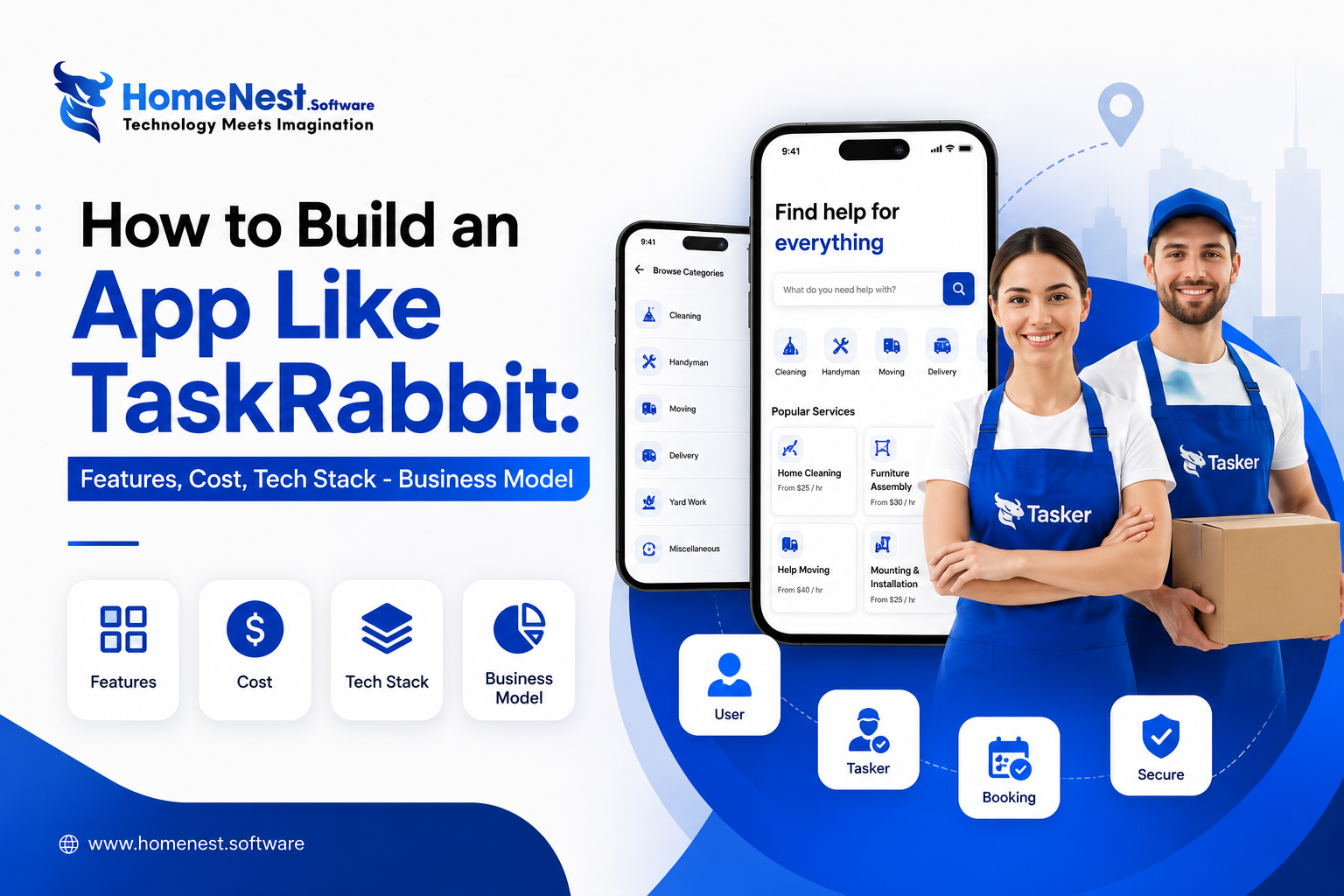
How to Build an App Like TaskRabbit: Features, Cost, Tech Stack – Business Model
Building an app like TaskRabbit is more than replicating existing features—it’s about creating a trusted marketplace that seamlessly connects customers with skilled service providers. By combining an intuitive user experience, secure payment systems, scalable architecture, and the right business model, you can launch a competitive on-demand platform. Partnering with an experienced app development company like HomeNest Software ensures your product is built with the technology, flexibility, and long-term scalability needed to succeed in the rapidly growing gig economy.
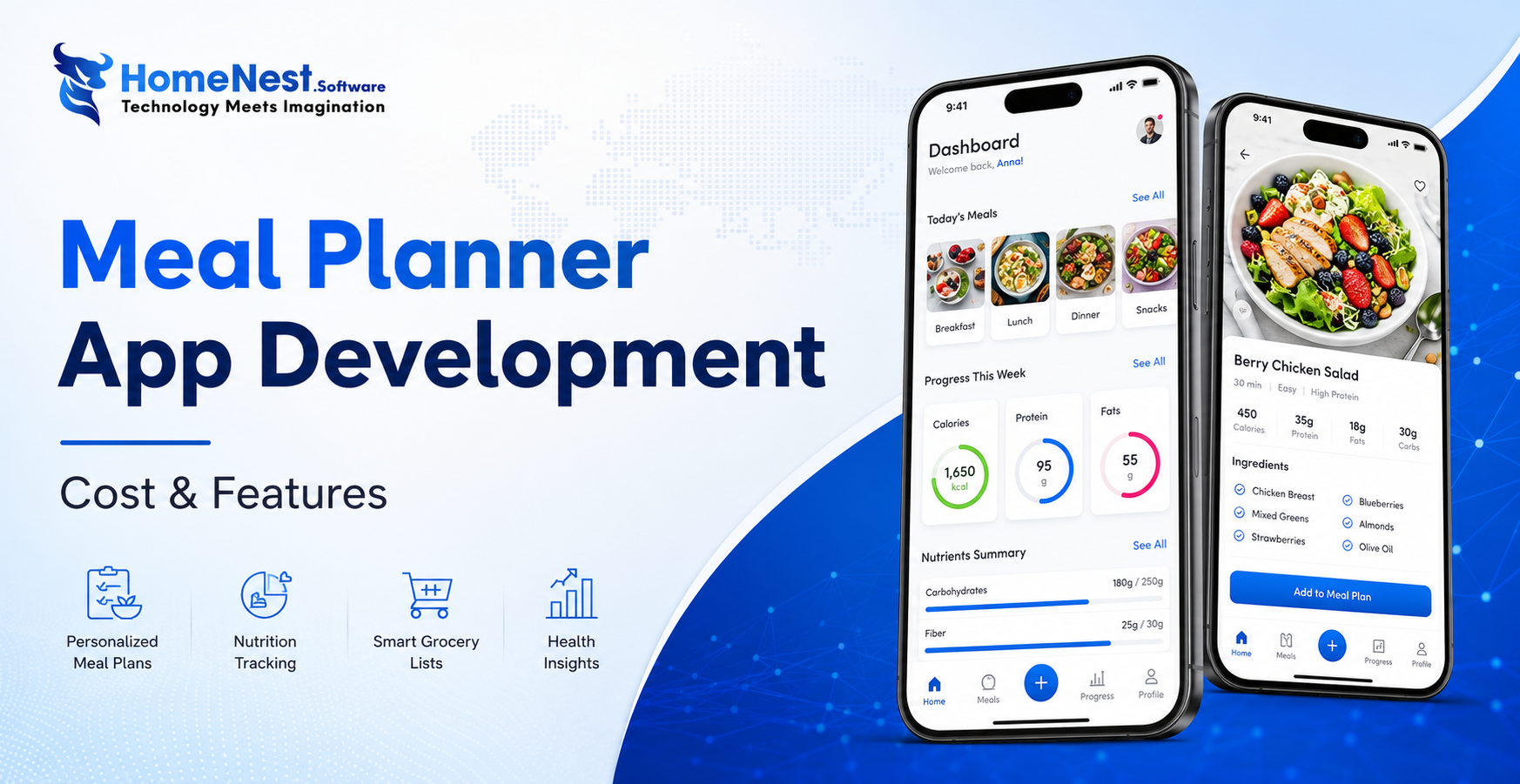
How to Build a Meal Planning App: A Complete Step-by-Step Guide
Building a successful meal planning app goes beyond creating an attractive interface it requires a clear business strategy, personalized user experiences, and scalable technology. By combining essential features like AI-powered meal recommendations, nutrition tracking, grocery list automation, and wearable integration, businesses can deliver lasting value to users while capitalizing on the growing digital health market. Partnering with an experienced mobile app development company ensures your solution is secure, future-ready, and designed to succeed in an increasingly competitive health-tech industry.