
AI Virtual Health Assistant: A Comprehensive Development Guide
Scope of Work
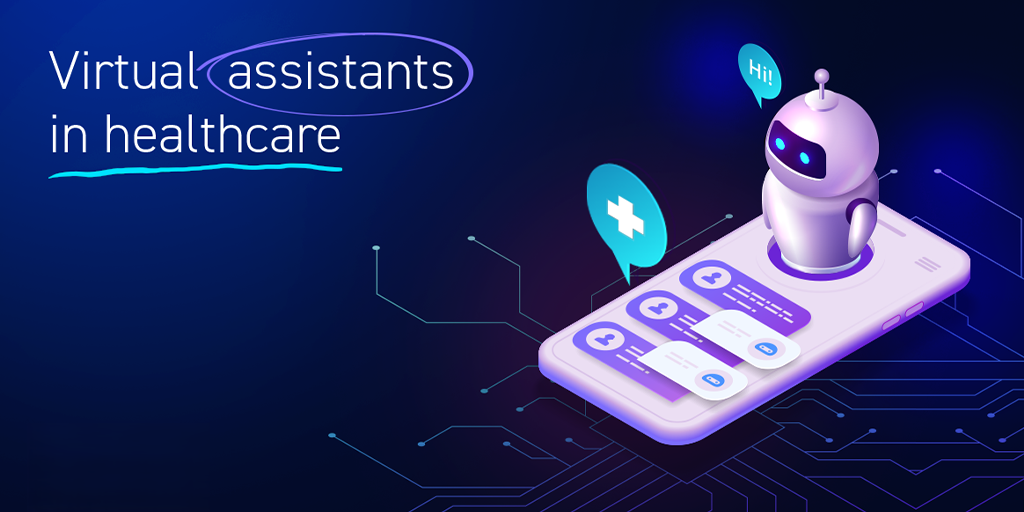
In today’s fast-paced world, health often takes a back seat sometimes until problems become unavoidable. This growing gap in proactive care has accelerated the healthcare industry’s shift toward digital, AI-powered solutions. Among these innovations, AI-driven virtual health assistants are emerging as highly reliable tools, capable of supporting treatment planning, diagnostics, and ongoing patient care through intelligent automation.
Powered by advanced technologies such as Natural Language Processing (NLP) and Machine Learning (ML), AI health assistant applications are seeing rapid adoption across the healthcare ecosystem. These solutions can deliver real-time health insights, send medication reminders, enable virtual consultations, and continuously monitor patient progress with a high degree of accuracy.
However, the true value of an AI virtual health assistant lies not only in what it can do, but in how it is designed and built. In this blog, we explore the complete journey of AI-powered virtual health assistant development, examining key technologies, features, and best practices that shape effective and scalable healthcare solutions.
What Is an AI Health Assistant App?
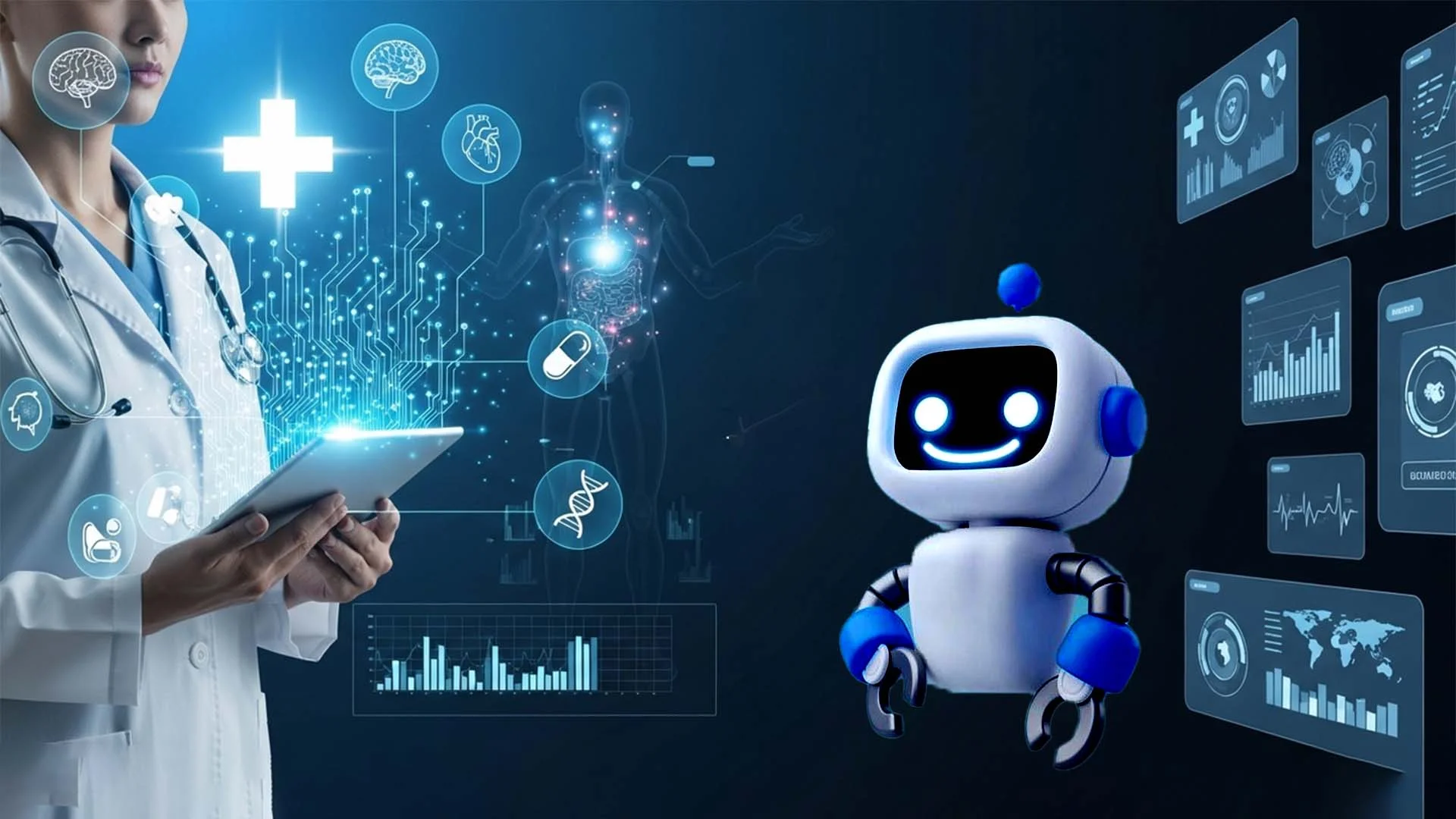
An AI Health Assistant App is an intelligent digital healthcare solution designed to provide users with timely, personalized, and data-driven health support. Built using advanced artificial intelligence technologies, these applications analyze user inputs to deliver health recommendations, potential diagnostic insights, and real-time alerts helping individuals manage their well-being more proactively.
AI health assistant app development leverages technologies such as machine learning and natural language processing to continuously adapt to user behavior and health data, ensuring more accurate and context-aware assistance over time.
Key Capabilities of an AI Health Assistant App
-
Symptom Assessment and Preliminary Diagnosis
AI algorithms analyze reported symptoms against extensive medical databases to suggest potential conditions and guide users toward appropriate next steps. -
Medication Reminders and Adherence Support
The app sends timely notifications to help users take medications as prescribed, improving treatment adherence and health outcomes. -
Virtual Health Consultations
Users can connect with healthcare professionals through AI-powered chatbots or video consultations for medical advice, ongoing monitoring, and follow-up care. -
Personalized Health Insights
Based on user data, the app provides tailored recommendations related to nutrition, physical activity, sleep, and mental well-being. -
Remote Patient Monitoring
For individuals with chronic conditions, AI health assistants can integrate with wearable devices to collect and analyze real-time health metrics, enabling continuous remote monitoring and early intervention.
Key Features of AI Virtual Health Assistants
AI virtual health assistants are redefining modern healthcare by integrating advanced, intelligence-driven capabilities into a single digital platform. Far beyond basic health tracking, these solutions deliver personalized insights, real-time symptom assessment, and continuous remote monitoring empowering users to take a more proactive role in managing their health.
Below are the core features that define next-generation AI virtual health assistants.
AI-Powered Symptom Assessment
One of the most impactful features of AI health assistants is intelligent symptom evaluation. Using machine learning models trained on extensive medical datasets, these systems analyze user-reported symptoms, identify potential conditions, and provide preliminary guidance.
This capability helps users make informed healthcare decisions whether to seek professional medical attention, schedule a consultation, or manage symptoms through self-care—while reducing unnecessary hospital visits.
Personalized Health Tracking and Insights
AI health assistant apps continuously monitor vital signs, sleep patterns, physical activity, and dietary habits using data from wearable devices and user inputs. Real-time analytics transform this data into personalized insights and actionable recommendations.
From encouraging daily movement to suggesting nutrition or lifestyle adjustments, AI-driven guidance helps users build healthier habits and stay engaged with their long-term well-being.
Smart Medication Management
Medication adherence is critical, particularly for patients with chronic conditions. AI health assistants support compliance through intelligent medication management features, including automated reminders, dosage tracking, and alerts for potential drug interactions.
These capabilities reduce missed doses, improve treatment outcomes, and enhance patient safety without adding complexity to daily routines.
Intelligent Appointment Scheduling and Reminders
Managing medical appointments becomes seamless with AI-powered scheduling tools. Virtual health assistants can automatically book appointments, sync with user calendars, send timely reminders, and even reschedule missed visits.
This ensures continuity of care while minimizing administrative burden for both patients and healthcare providers.
AI-Driven Mental Health Support
As mental well-being gains greater importance in holistic healthcare, AI virtual health assistants increasingly incorporate mental health support features. These include guided meditation sessions, mood tracking, stress management tools, and cognitive behavioral therapy (CBT) exercises.
By analyzing behavioral patterns and emotional cues, AI systems can identify early signs of mental health challenges and recommend timely interventions or connect users with mental health professionals.
Read more:
- How Much Does Healthcare App Development Cost?
- Doctor Appointment App Development
- Pharmacy App Development
- A Complete Guide to Medicine Delivery App Development
Steps to Develop an AI Virtual Health Assistant
Healthcare organizations such as clinics and hospitals can successfully develop an AI virtual health assistant by following a structured, phased approach. Below are the essential steps to ensure the solution is effective, secure, and scalable.
1. Define Clear Objectives
Begin by clearly identifying the primary goals of your AI virtual health assistant. These may include symptom tracking, medication reminders, appointment scheduling, or patient engagement support.
A best practice is to start with one or two high-impact use cases, validate their effectiveness, and then scale the solution gradually as adoption grows.
2. Design Patient-Centric Experiences
The success of an AI virtual health assistant depends not only on automation, but on the quality of the patient experience. Design intuitive conversational flows that guide users naturally through interactions, making it easy for them to understand and use the assistant.
Incorporating empathetic language and contextual responses helps build trust and improves patient engagement.
3. Train the AI Virtual Health Assistant
Select the appropriate frontend, backend, and AI technologies to support development. Train the AI model using high-quality datasets aligned with clinical guidelines and healthcare best practices.
Thorough testing is critical especially for handling casual health inquiries as well as urgent or high-risk scenarios to ensure accuracy, reliability, and safety.
4. Integrate the Right Technology Stack
Choosing a robust and future-ready technology stack is essential for building a scalable and secure AI health assistant. Below is an example of a commonly used stack in virtual health assistant development:
| Segment | Technologies / Tools | Purpose |
|---|---|---|
| Frontend | React Native, Flutter | User-facing interfaces |
| Backend | Python, Django | User management and logic |
| Security & Data Storage | AWS, Azure Healthcare | Secure storage of sensitive health data |
| AI & NLP | Dialogflow, Amazon Lex | Natural language understanding |
| Analytics & Monitoring | Mixpanel, MLflow | Usage tracking and model performance |
| Deployment | Docker, Kubernetes | Continuous deployment and scalability |
| Integration Layer | Calendly API, Stripe | Scheduling and payment integration |
5. Implement Strong Security Measures
AI virtual health assistants handle highly sensitive patient data, making security non-negotiable. Implement end-to-end data encryption, role-based access control, and comprehensive audit trails for all interactions.
Compliance with healthcare regulations and data protection standards should be embedded into the system from the outset.
6. Deploy, Monitor, and Scale
Deploy the AI health assistant on a secure, healthcare-compliant cloud infrastructure or a protected on-premises environment. Start with a pilot rollout involving a small group of healthcare professionals or patients.
Continuously monitor usage, accuracy, patient satisfaction, and system performance. Once the solution proves effective, gradually scale it across departments, facilities, and patient populations.
Cost of Developing an AI Virtual Health Assistant
The cost of developing an AI virtual health assistant varies depending on several key factors, including feature scope, application complexity, technology stack, development expertise, geographic location of the development team, and hourly rates. Each of these elements directly influences both the total investment and the development timeline.
Below is an estimated cost breakdown based on application complexity levels:
| App Complexity | Average Cost | Core Features | Estimated Timeline |
|---|---|---|---|
| Basic Level | $8,000 – $10,000 | Basic chatbot functionality, limited NLP capabilities, minimal system integrations | 4–5 weeks |
| Mid-Level | $10,000 – $15,000 | Predictive analytics, regulatory compliance support, basic diagnostic assistance | 5–8 weeks |
| Advanced Level | $15,000+ | IoMT integration, enterprise-grade security, real-time analytics and monitoring | 8–12 weeks |
As the application evolves from a simple conversational assistant to a fully integrated AI-driven healthcare platform, costs increase due to added complexity, data security requirements, and advanced analytics capabilities. Organizations are encouraged to begin with a scalable MVP and progressively enhance features based on clinical needs and user adoption.
Use Cases of AI Virtual Health Assistants
HIPAA-compliant AI virtual health assistants are fundamentally transforming healthcare delivery and management. These intelligent solutions enable patients to check symptoms, schedule appointments, receive medication and vaccination reminders, and access care-related guidance anytime and anywhere. Below are some of the most impactful use cases of AI virtual health assistants in modern healthcare.
Symptom Assessment and Triage
AI-powered symptom checkers help patients gain an initial understanding of potential health issues by analyzing symptom descriptions through interactive questioning. Based on the severity and context, the assistant can recommend self-care options or advise immediate consultation with a healthcare provider.
Example: If a patient reports symptoms such as chest tightness, the assistant recognizes the potential urgency and promptly recommends seeking medical attention.
24/7 Patient Support
Virtual health assistants provide continuous, around-the-clock support without compromising accuracy or responsiveness. Hospitals and healthcare providers use them to answer common patient questions, offer reassurance, and guide users to appropriate resources outside regular clinic hours.
Example: A patient experiencing a mild fever late at night can receive instant guidance and reassurance, reducing anxiety until professional care is available.
Appointment Scheduling and Automated Reminders
AI virtual assistants streamline appointment management by handling scheduling, confirmations, rescheduling, and automated reminders. This significantly reduces administrative workload and minimizes patient no-shows for clinics and hospitals.
Example: A patient scheduled for a dermatology appointment receives a reminder hours in advance via messaging apps and can instantly confirm or reschedule, allowing clinics to optimize appointment availability.
Medication Adherence Support
AI-powered patient assistants help ensure medication adherence through timely reminders, dosage tracking, and prescription refill notifications. This is particularly valuable for patients managing long-term or chronic conditions.
Example: A patient with diabetes receives daily insulin reminders and can log blood glucose readings directly through the assistant for ongoing monitoring.
Mental Health Support and Guidance
AI virtual health assistants increasingly support mental well-being by offering conversational assistance, guided breathing exercises, mood tracking, and stress management techniques. These tools provide immediate, judgment-free support for individuals experiencing anxiety, stress, or emotional challenges.
Example: A student feeling anxious before an exam receives calming exercises and motivational guidance to manage stress effectively.
Chronic Disease Management
AI-enabled healthcare assistants support long-term management of chronic conditions such as hypertension, asthma, or heart disease by continuously tracking symptoms and health metrics.
Example: A patient with high blood pressure logs daily readings and receives instant alerts if measurements exceed safe thresholds, enabling timely intervention.
Benefits of AI Virtual Health Assistants

AI virtual health assistants are transforming the healthcare ecosystem by improving patient outcomes and automating critical clinical and administrative workflows. Powered by advanced algorithms, these intelligent applications support accurate diagnosis, personalized care, and seamless healthcare delivery. Below are the key benefits that highlight the growing impact of AI health assistants in modern medicine.
Improved Diagnosis and Early Detection
One of the most significant advantages of AI health assistants is their ability to enhance diagnostic accuracy and enable early disease detection. By analyzing vast datasets—including medical imaging, electronic health records, and clinical data—AI algorithms can identify subtle patterns that may be difficult for human clinicians to detect. This leads to faster diagnoses and earlier interventions, which can significantly improve patient outcomes.
Personalized Treatment Recommendations
AI health assistants enable the creation of tailored treatment plans by analyzing a patient’s medical history, genetic information, and real-time health data. These personalized recommendations help healthcare providers deliver more precise and effective care while reducing the risks associated with generalized treatment approaches.
Predictive Analytics for Preventive Care
Using predictive analytics, AI-powered health assistants can identify potential health risks before symptoms become severe. By detecting early warning signs of chronic illnesses, cardiovascular conditions, and other diseases, these systems support preventive care strategies that reduce long-term healthcare costs and improve quality of life.
Enhanced Medical Imaging Analysis
AI-driven health assistants significantly improve the speed and accuracy of medical imaging analysis. Advanced computer vision models assist radiologists and pathologists in interpreting complex imaging data, reducing diagnostic errors and accelerating clinical workflows.
Remote Patient Monitoring and Continuous Care
AI health assistants simplify remote patient monitoring by continuously tracking vital signs and health indicators through connected wearable devices. Real-time data enables healthcare professionals to detect abnormalities early, intervene promptly, and provide continuous care especially for patients with chronic conditions.
Read more: How Much Does It Cost to Build an AI Chatbot?
How Can HomeNest Software Help You Build AI-Powered Virtual Health Assistants?
HomeNest Software is a leading AI app development company dedicated to helping healthcare organizations including hospitals, clinics, and individual care providers unlock the full potential of artificial intelligence through custom-built virtual health assistants.
Our team of specialized AI experts brings deep domain knowledge in healthcare and continuously tracks emerging industry trends to design future-ready digital health solutions. Every AI virtual assistant we build is crafted to deliver engaging patient experiences while maximizing operational efficiency and long-term ROI for healthcare businesses.
Whether your goal is to develop an AI assistant for symptom triage, appointment scheduling, medication reminders, or an intelligent conversational companion that proactively engages patients, HomeNest Software can deliver a solution tailored to your exact requirements. We focus on intuitive, human-like conversation flows that make interactions simple, meaningful, and effective.
Conclusion
In this guide, we explored the complete landscape of AI virtual health assistant development from its definition and core features to technology stack, development process, estimated costs, use cases, and business benefits.
By partnering with HomeNest Software, you gain access to experienced healthcare developers who specialize in building scalable, secure, and compliant AI-driven virtual health assistants. These custom solutions not only enhance patient care and operational efficiency but also improve market visibility and deliver measurable returns for healthcare organizations.
If you’re ready to build a next-generation AI virtual health assistant, HomeNest Software is equipped to turn your vision into a high-impact digital healthcare solution.
HomeNest Software – Empowering Long-Term Growth for Modern Businesses.

Contact Information:
- Address: The Sun Avenue, 28 Mai Chi Tho Street, Binh Trung Ward, Ho Chi Minh City
- Hotline: +84 898 994 298 ( WhatsApp )
- Website: homenest.software
HomeNest Services: Website Design – App Design – Software Development.
Frequently Asked Questions (FAQ)
1. What is an AI-powered virtual health assistant?
An AI-powered virtual health assistant is an intelligent digital solution that uses technologies such as AI, machine learning, and natural language processing to support patients and healthcare providers. It can assist with symptom assessment, appointment scheduling, medication reminders, remote monitoring, and patient engagement.
2. Is an AI virtual health assistant compliant with healthcare regulations?
Yes, when developed correctly. AI virtual health assistants can be designed to comply with healthcare regulations such as HIPAA and GDPR. This includes secure data storage, end-to-end encryption, role-based access control, and audit trails for all patient interactions.
3. Can AI virtual health assistants replace doctors or healthcare staff?
No. AI virtual health assistants are designed to support not replace healthcare professionals. They automate routine tasks and provide preliminary guidance, allowing doctors and staff to focus on complex clinical decisions and direct patient care.
4. How long does it take to build an AI virtual health assistant?
Development timelines depend on feature complexity and integration requirements. A basic AI health assistant can be developed within 4–6 weeks, while advanced solutions with wearables, analytics, and enterprise integrations may take 8–12 weeks or longer.
5. What types of healthcare organizations can benefit from AI virtual assistants?
Hospitals, clinics, telemedicine platforms, healthcare startups, mental health providers, and chronic care organizations can all benefit. AI virtual health assistants are especially valuable for organizations managing large patient volumes or offering remote care services.
6. Can AI virtual health assistants integrate with existing systems?
Yes. AI virtual health assistants can be integrated with existing EHR/EMR systems, wearable devices, scheduling platforms, and payment gateways using APIs and middleware—ensuring seamless workflows and data continuity.
7. How secure is patient data in an AI health assistant?
Patient data security is a top priority. When built using industry best practices, AI health assistants use encrypted data transmission, secure cloud infrastructure, access controls, and compliance monitoring to protect sensitive health information.
8. Why choose HomeNest Software for AI virtual health assistant development?
HomeNest Software combines healthcare domain expertise with advanced AI development capabilities. We build scalable, secure, and customized AI virtual health assistants tailored to your clinical workflows and business goals helping you improve patient experience, operational efficiency, and ROI.
Latest Articles
View All
Criteria For Choosing The Right App Design Agency
UI/UX design is the logical foundation of a system, not merely a visual element. Choosing the wrong partner will directly lead to technical debt, budget overruns, and disruptions in the development process. This article provides a 6-step evaluation framework and a list of operational risks, helping businesses eliminate subjective design advice and accurately assess agency capabilities based on developer handoff standards and practical business performance.
How Does AI in Banking Industry Impact the Future?
Artificial intelligence (AI) has transitioned from a supplementary tool to a core infrastructure of financial data management, optimizing profitability through real-time fraud detection, natural language processing (NLP), and high-speed credit scoring models. “Deploying AI in the financial sector requires more than just algorithmic accuracy, it demands a highly secure cloud architecture and rigorous data governance,” commented Nguyen Tien, co-founder of HomeNest Software. Why read this guide? We skip the theoretical jargon to focus entirely on technical implementation. Whether you’re evaluating a vendor or planning a system overhaul, this article will detail: Operational Efficiency: Automating unstructured data workflows at scale. Risk Architecture: Implementing real-time threat detection and AML compliance. Data ownership: The essential need for 100% ownership of the source code to ensure full algorithm auditability.

How to Make a Banking App like Bank of America?
Developing a mobile banking application like Bank of America extends far beyond basic UI design; it requires engineering a fault-tolerant backend capable of real-time ledger synchronization, biometric authentication, and high-volume data processing under strict regulatory frameworks. Drawing from HomeNest Software’s deep experience in architecting enterprise-grade fintech solutions, this guide strips away theoretical jargon to focus entirely on operational and technical execution. What you will find in this guide: We break down the precise development roadmap, from mapping out microservices and ensuring PCI-DSS compliance to estimating MVP development costs and securing absolute data sovereignty through 100% source code ownership. If you are preparing to build, scale, or audit a financial platform, this blueprint provides the exact framework you need.
Banking App Development Cost
Building a banking application is rarely a simple process; it’s a complex technical challenge requiring a balance between complying with stringent financial regulations, handling large transaction volumes, and a scalable cloud architecture. Miscalculating these technical requirements from the outset often leads to significant technical debt and budget overruns. Based on HomeNest Software’s practical experience in designing enterprise-grade fintech solutions, this guide bypasses generic estimates to provide a realistic analysis of banking application development costs. What you’ll find in this guide: We analyze the true cost factors, from technology selection and API integration to the hidden costs of regulatory compliance and security infrastructure. Whether you’re launching a minimum viable product or expanding an existing financial platform, this analysis provides the precise operational data you need to plan your budget effectively.
How to Build a Mobile Banking App Like Chime?
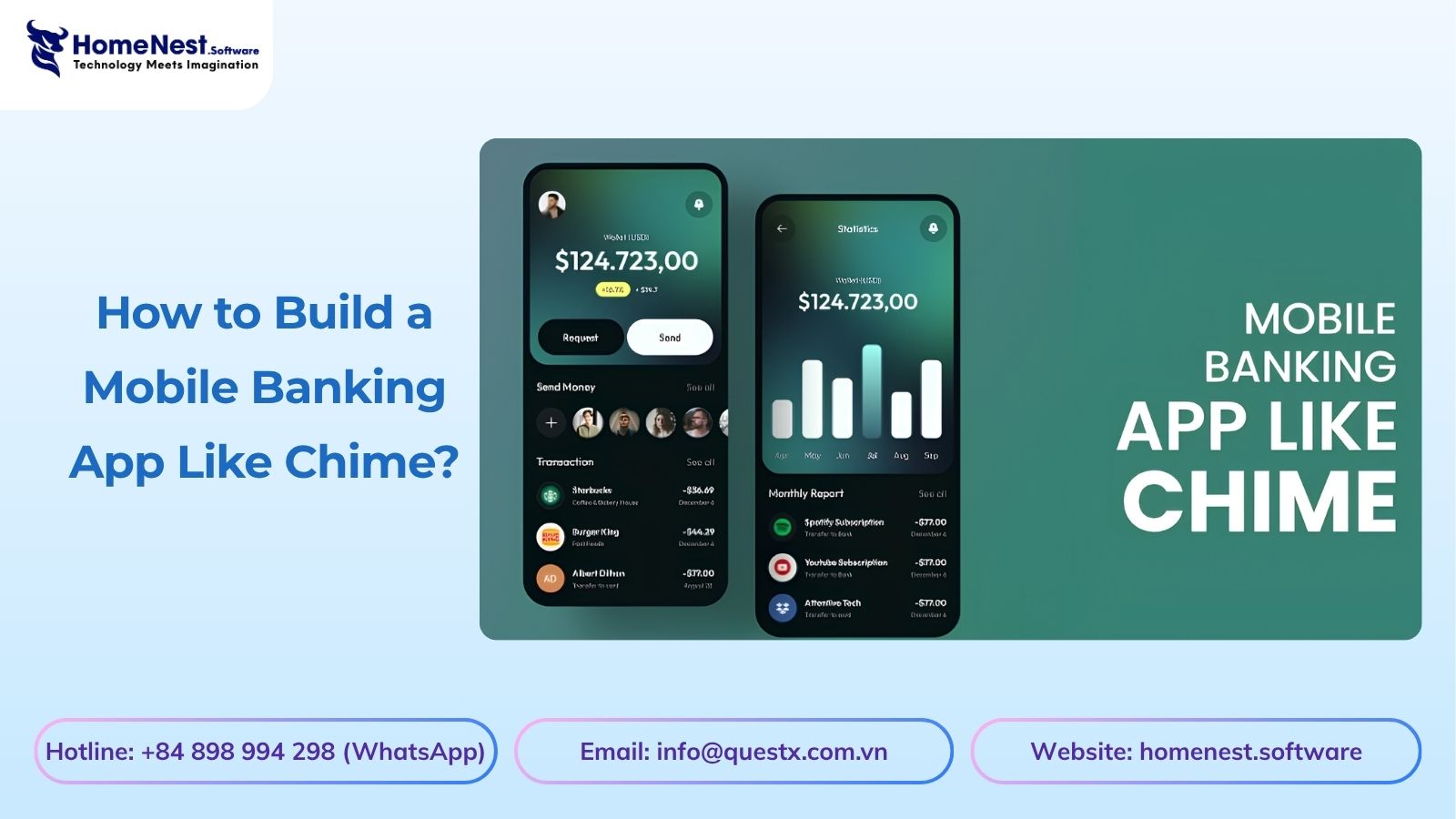
Building a mobile banking app like Chime is not just about features, it is about delivering a secure, scalable, and user-centric financial experience. From planning the right architecture to optimizing mobile banking app development cost, every decision directly impacts your product’s success. Leveraging Fintech app development services, starting with MVP app development, and scaling through on-demand app development solutions allows businesses to reduce risk and accelerate time to market. To stay competitive, combining Android app development services and iOS app development solutions ensures wider reach, while continuous updates through maintenance software development services keep your app secure and future-ready.

How to Build a Banking App Like Barclays: A Complete Entrepreneur’s Guide
Building a banking app like Barclays requires more than just development. It demands a strong product vision, secure architecture, and a clear monetization strategy. From optimizing cost and selecting the right tech stack to ensuring compliance and scalability, every decision impacts long-term success. Partnering with an experienced team like HomeNest Software helps accelerate development, reduce risks, and deliver a high-quality fintech product that can compete in today’s fast-evolving digital banking landscape.