
Doctor Appointment App Development: Features, Process, Cost & Compliance Guide
Scope of Work

Building a doctor appointment booking app is no longer just a digital convenience it has become a fundamental part of modern patient care. As demand for seamless, accessible healthcare scheduling continues to rise, the shift toward digital solutions is accelerating. According to Market Data Forecast, the global medical scheduling software market is projected to grow from $571.7 million in 2025 to $1.593 billion by 2033.
This rapid growth highlights how strongly both patients and healthcare providers are embracing digital appointment management. For healthcare startups, multispecialty clinics, and hospitals, this presents a major opportunity to streamline the patient journey, reduce no shows, optimize doctor availability, and deliver care more efficiently.
Whether you’re planning to build a standalone doctor appointment app or integrate scheduling capabilities into an existing healthcare platform, understanding the development process is essential.
In this guide, we break down everything you need to know including must have features, technology choices, development steps, cost breakdown, timeline expectations, and compliance requirements for building a secure and efficient doctor consultation app. Whether you plan to partner with a healthcare app development company or build in house, this guide will help you plan and execute your project confidently.
Market Statistics for Doctor Appointment Apps Like Zocdoc and Doctor On Demand
The healthcare industry is rapidly shifting toward digital first solutions, making now an ideal time to invest in doctor appointment mobile app development. Here are three key statistics that highlight this growing opportunity:
-
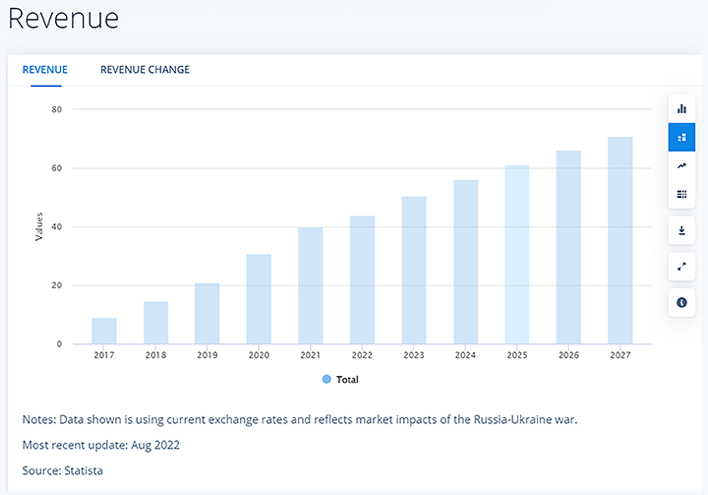
According to Statista, revenue in the online doctor consultations segment is expected to grow at a CAGR of 8.76% (2023–2027), reaching a projected market volume of US$35.41 billion by 2027.
-
Global telemedicine market insights from Statista show the market was valued at $2.4 billion and is projected to expand to over $11 billion by 2025, reflecting the rapid adoption of virtual healthcare solutions.
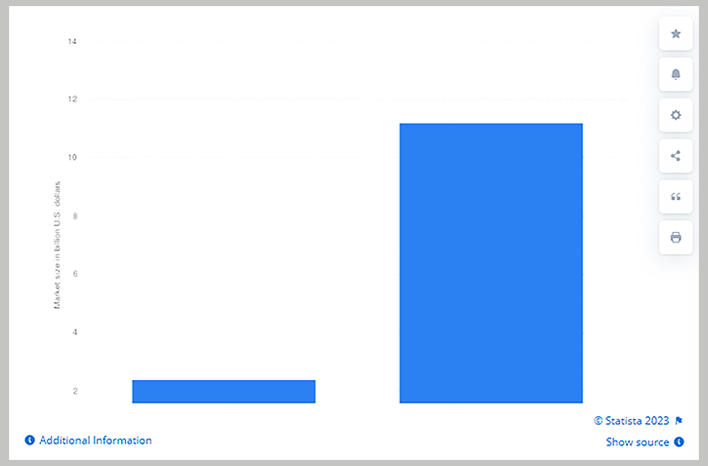
These numbers make it clear: digital appointment scheduling and virtual consultations are becoming mainstream.
Now, let’s explore the key benefits doctor appointment apps offer to both healthcare providers and patients.
Benefits of Creating a Doctor Appointment App
A doctor appointment app offers significant value to doctors, caregivers, and patients. Here’s why healthcare providers increasingly rely on digital scheduling solutions:
Benefits for Doctors
-
Manage appointments anytime, from anywhere
-
Easily coordinate staff schedules
-
Prevent double bookings and reduce no shows
-
Automate administrative tasks and minimize manual errors
Benefits for Patients
-
Book appointments 24/7 without calling clinics
-
Share medical records and store health history conveniently
-
Sync upcoming visits with digital calendars
-
Pay for consultations, tests, or medicines online
Want to Build an Appointment Booking App?
Our development team has extensive experience creating medical scheduling apps with features such as video consultations, real time appointment booking, and digital prescription management.
Now, let’s explore the complete process of developing a doctor appointment app from scratch.
Read more:
- How Much Does Healthcare App Development Cost?
- Pharmacy App Development
- A Complete Guide to Medicine Delivery App Development
8 Steps to Create a Medical Appointment Scheduling App
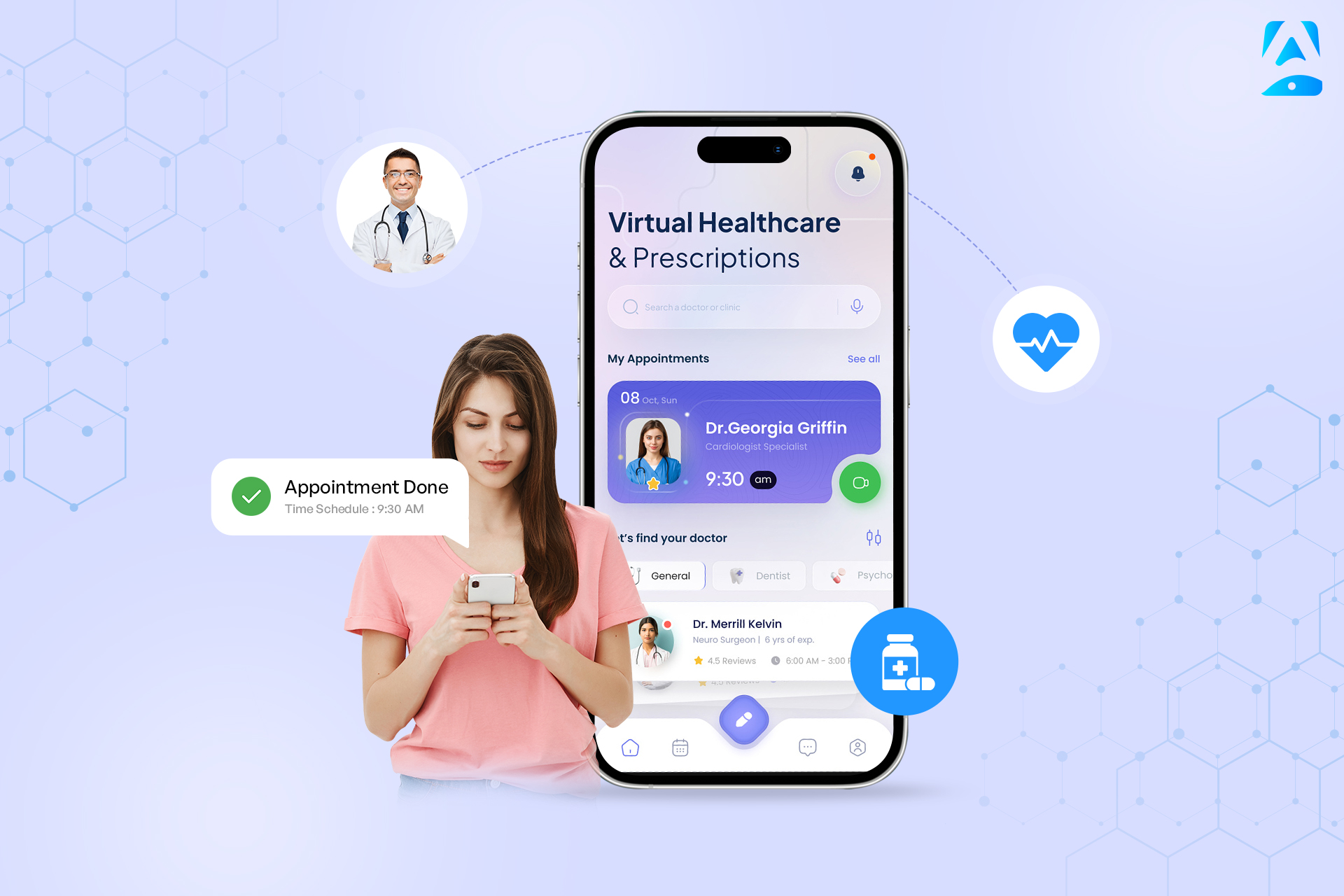
Building a medical appointments scheduler app like Zocdoc or Doctor On Demand requires strategic planning and seamless execution. Below, we break the process into 8 clear steps to guide you from idea to launch.
1. Define Your App’s Core Features and Functionality
Start by identifying the primary features your app should include.
You may choose to target a specific medical niche for example, mental health and expand by adding telemedicine features such as:
-
Video consultations
-
Therapist search
-
Virtual appointments
Research your competitors and analyze what works well in popular doctor appointment apps. Identify gaps and create a unique value proposition to differentiate your product.
2. Create a Database of Doctors and Clinics
A robust doctor and clinic database is essential for allowing users to:
-
Search for providers
-
Filter by specialty, location, rating, or availability
-
Book real time appointments
You can build this database by partnering with clinics and practitioners. Collect key details such as:
-
Contact information
-
Services offered
-
Operating hours
-
Consultation fees
This ensures a smooth booking experience for both patients and providers.
3. Hire an Experienced Doctor Appointment App Development Team
Look for developers with proven healthcare experience and deep understanding of:
-
Patient data privacy
-
Healthcare regulations
-
Medical workflows
Outsourcing to a skilled mobile app development company provides access to:
-
Developers
-
UI/UX designers
-
QA engineers
Make sure to review their portfolio, client testimonials, and development process.
Tip: Always sign an NDA to protect your app idea before sharing details.
4. Choose the Right Technology Stack
Your development team will help you select a tech stack based on budget, timeline, and functionality.
Popular Tech Stack for Doctor Appointment Apps
| Category | Tools & Frameworks |
|---|---|
| Programming Languages | Java, Kotlin, Swift, JavaScript |
| Frameworks | React Native, Flutter |
| Backend | Node.js, PHP, Ruby on Rails |
| Databases | MySQL, PostgreSQL, MongoDB |
| APIs | Google Maps API, Stripe, Firebase, HealthKit, Google Cloud Healthcare |
| UI/Design | Figma, Sketch, Adobe XD |
| Testing/Deployment | Firebase, Jenkins, TestFlight |
A modern, scalable tech stack ensures long term reliability and seamless performance.
5. Build the Prototype and UI/UX Design
Your business analyst team will begin with:
-
Wireframes to outline structure
-
Interactive prototypes to simulate basic user flows
After that, UI/UX designers create visually appealing and intuitive screens, ensuring:
-
Consistent layouts
-
Clean typography
-
Brand aligned visuals
-
Smooth navigation across devices
A polished design improves user engagement and retention.
6. Ensure HIPAA Compliance
HIPAA compliance is mandatory for apps that handle protected health information (PHI).
Your development team must ensure:
-
SSL connections for encrypted data transmission
-
PHI data encryption at rest and in transit
-
Adherence to HITECH, GDPR, and regional healthcare standards
-
Use of HIPAA compliant cloud platforms (AWS, Google Cloud Healthcare, etc.)
Building compliance early prevents costly rework and ensures patient data safety.
7. Integrate a Secure Payment Gateway
Your app should allow patients to pay for consultations easily.
Popular options include:
-
Stripe
-
PayPal
-
Braintree
When choosing a payment gateway, consider:
-
Transaction fees
-
Supported regions
-
Security measures
-
Ease of integration
Secure payment integration ensures trust and smooth financial operations.
8. Test and Launch Your Doctor Appointment App
Your QA team should perform:
-
Functional testing
-
Usability testing
-
Performance testing
-
Security testing
-
Compatibility testing
-
Regression testing
This ensures the app works flawlessly across devices and meets HIPAA and healthcare standards.
Once testing is complete, your team will submit the app to:
-
Google Play Store
-
Apple App Store
…after meeting all publishing guidelines.
Following these steps will help you build a doctor appointment app even without technical expertise.
Next, let’s explore some of the best doctor appointment scheduling apps to help you evaluate essential features and benchmark your product.
Essential Features and Advanced Capabilities for Doctor Appointment Booking Apps
To build a successful doctor appointment app, you must know exactly which core features matter most to patients, doctors, and clinic administrators. These features form the foundation of your platform, ensuring smooth appointment scheduling, real time availability, and a reliable user experience.
Below is a clear breakdown of the essential features you must include first, followed by advanced capabilities that help your app stand out in a competitive healthcare market.
1. Essential Features Your App Must Have
These features solve the core problem: helping patients find the right doctor and book appointments instantly. Start with these to validate your product, attract users, and generate early traction.
1.1 Patient App Features
-
Registration & Profile: Secure login with medical history, allergies, and insurance details
-
Doctor Search & Filters: Search by specialty, location, availability, insurance, or ratings
-
Real Time Booking: Select appointment slots with automated conflict prevention
-
Appointment Management: Reschedule or cancel instantly with calendar syncing
-
Secure Payments: Pay via cards, wallets, or insurance integrations
-
Notifications & Reminders: Reduce no shows with automated alerts
-
Medical Document Upload: Share prescriptions, reports, and history with doctors
1.2 Doctor App Features
-
Calendar & Availability: Manage schedules and view upcoming appointments
-
Patient Profiles: Access medical history and records before the consultation
-
Appointment Confirmation: Approve bookings and add post visit notes
-
Secure Messaging: Communicate with patients for non urgent queries
-
Clinical Notes: Save diagnoses, prescriptions, and treatment plans
1.3 Admin Dashboard Features
-
Analytics & Reporting: Track appointments, no show rates, and patient trends
-
Payment Management: Monitor transactions, refunds, and invoices
-
Doctor & Staff Management: Add practitioners, manage availability, assign roles
-
Communication Tools: Send bulk reminders, notices, or updates
💡 Pro Tip:
Launch with essential features first. Overbuilding delays time to market and increases costs before you validate real user demand.
A successful MVP focuses on registration, doctor search, real time booking, and payments.
2. Advanced Features for Competitive Advantage
Once your core features are validated, advanced capabilities help your platform stand out and scale. These features drive higher engagement, better diagnostics, and stronger patient doctor relationships.
2.1 AI Based Doctor Recommendations
Users describe symptoms, and AI suggests the right specialist improving accuracy and reducing unnecessary referrals.
2.2 Machine Learning Scheduling Optimization
Predictive algorithms reduce no shows and optimize clinic schedules for maximum utilization.
2.3 Wearable Device Integration
Connect with Apple Watch, Fitbit, glucose monitors, and more to provide doctors with real time patient vitals.
2.4 24/7 AI Chatbot Support
Instant responses for FAQs, booking updates, and pre appointment intake reduce support workload.
2.5 Predictive Health Analytics
Identify at risk patients, medication interactions, and health trends to support proactive care.
2.6 Voice Search & Voice Booking
Voice enabled appointment booking improves accessibility, especially for elderly patients.
2.7 In App Video Consultations
HIPAA compliant telemedicine built directly into your app no external links or third party apps.
2.8 Prescription Management System
Doctors send prescriptions digitally, with pharmacy integration and refill reminders.
2.9 Blockchain for Medical Records
Tamper proof, patient controlled records that improve interoperability and reduce errors.
2.10 Multilingual Support & Localization
Expand into new regions with localized languages, currencies, UI, and medical terminology.
Remember:
Advanced features help you win market share but only after you validate core product market fit.
Start lean → validate → scale.
Next, let’s breakdown the development cost of building a doctor appointment app based on features, complexity, and compliance requirements.
How Much Does It Cost to Develop a Doctor Appointment Booking App?
Here is a clear breakdown of the estimated development cost and timeline based on app complexity. This will help you understand what to expect when planning your budget.
| App Complexity | Features Included | Estimated Timeline | Development Cost |
|---|---|---|---|
| Basic MVP | Appointment booking, doctor profiles, online payments | 3–4 months | $10,000–$35,000 |
| Mid Level App | MVP features + telemedicine, patient reviews, health records | 6–9 months | $35,000–$60,000 |
| High End App | Full feature set + AI, insurance integration, multi language support | 9–12+ months | $60,000–$100,000+ |
Note: These costs and timelines are estimates. The actual price depends on your specific features, technology stack, compliance requirements, and overall project scope.
You might be wondering how these numbers are calculated. The cost of developing a doctor appointment app typically follows a simple formula:
Now that you understand the estimated budget, let’s explore the key factors that influence the overall development cost of a doctor appointment scheduling app.
Have a Unique Healthcare App Idea?
Want to validate your idea or discuss your project with an expert?
👉 Book a free consultation today!
Which Factors Impact the Cost of Developing an Online Doctor Appointment App?
Several key factors influence the total budget required to develop a medical appointment scheduling app. Understanding these factors helps you plan accurately and avoid surprises during development.
Below are the major cost drivers you should consider.
Factor 1: Features You Integrate Into Your Appointment Booking App
The number and complexity of features is the biggest cost determinant.
A basic MVP including user registration, doctor search, real time scheduling, and payments costs significantly less than a fully advanced platform with:
-
Telemedicine
-
AI powered recommendations
-
Predictive scheduling
-
Analytics dashboards
Each new feature adds development hours, testing efforts, and server/infrastructure needs.
Example:
-
A simple doctor search feature takes 2–3 weeks
-
Video consultation integration takes 4–6 weeks
-
AI scheduling or analytics requires 6–10+ weeks
💡 Smart strategy:
Start with an MVP → release → gather user feedback → scale features gradually.
This prevents overspending on features users may not need.
Factor 2: Platform Selection iOS, Android, or Cross Platform
The platform you choose greatly affects cost, timeline, and user reach.
| Platform | Cost Estimate | Development Hours | Languages |
|---|---|---|---|
| Android | $20,000 – $40,000 | 500–800 hrs | Kotlin, Java |
| iOS | $30,000 – $50,000 | 500–800 hrs | Swift, Objective C |
| Cross Platform | $25,000 – $60,000 | 600–1000 hrs | Flutter, React Native |
iOS only or Android only is cheaper but limits reach.
Cross platform development offers the best balance of cost, speed, and coverage.
Factor 3: UI/UX Design Requirements
“How much does it cost to design a doctor booking app?”
The cost depends on the number of screens, design complexity, and design team experience.
| Design Complexity | Estimated Cost |
|---|---|
| Simple | $3,000 – $3,500 |
| Medium | $7,000 – $10,000 |
| Complex | $10,000 – $15,000 |
Design typically includes:
-
Wireframing
-
Prototyping
-
Final UI/UX Design
| Role | Design Stage | Timeline | Cost per Hour |
|---|---|---|---|
| Business Analyst | Planning & Wireframes | 1–3 weeks | From $28/hr |
| UI/UX Designer | App Design | 2–3 weeks | From $30/hr |
A polished UI/UX improves user satisfaction, retention, and conversion rates a crucial advantage for healthcare applications.
Factor 4: Location of the Development Team
Development cost varies significantly by region and hiring model.
Hiring Options
| Service Provider | Estimated Cost | Timeline |
|---|---|---|
| App Development Company | $15,000 – $60,000+ | 500–1000 hrs |
| Freelancers | $25,000 – $75,000+ | 600–1200 hrs |
Freelancers often charge more due to limited resources. Development companies provide:
-
Full team (dev, QA, designer, PM)
-
Faster delivery
-
Better quality
-
Technical expertise
Global Developer Rates by Region
| Region | Avg. Hourly Rate (iOS) | Avg. Hourly Rate (Android) | Cross Platform |
|---|---|---|---|
| USA | $60–120/hr | $60–120/hr | $60–130/hr |
| Canada | $90–120/hr | $80–140/hr | $90–120/hr |
| UK | $60–75/hr | $60–75/hr | $55–75/hr |
| Western Europe | $35–55/hr | $35–55/hr | $30–50/hr |
| Latin America | $28–90/hr | $28–90/hr | $40–160/hr |
| India | $20–40/hr | $25–50/hr | $25–50/hr |
| Southeast Asia | $23–55/hr | $30–45/hr | $30–45/hr |
| Vietnam | $18–35/hr | $20–40/hr | $20–35/hr |
Why Choose Vietnam for Doctor Appointment App Development?
Vietnam has become one of the fastest growing and most cost efficient software development hubs in Asia.
Key reasons to choose Vietnam:
-
Highly skilled developers specialized in healthcare, fintech, and AI
-
Lower development rates compared to India, Eastern Europe, and the US
-
Strong English proficiency improving communication & collaboration
-
Growing reputation in IT outsourcing (used by global brands like IBM, Microsoft, and Samsung)
-
Excellent work ethic & time zone advantage for global clients
-
Modern tech stack adoption Flutter, React Native, Node.js, AI/ML
Choosing a development team in Vietnam can reduce costs by 40–60% while maintaining high quality standards.
Want to Hire Skilled App Developers?
Tell us what you need.
We offer flexible engagement models full time or part time developers to match your budget and timeline.
👉 Get a free consultation and detailed cost estimate today!
Common Challenges When Building a Doctor Appointment App
Developing a doctor appointment booking app may appear straightforward at first, but real world complexity emerges quickly. Technical limitations, regulatory compliance, and operational workflows intersect in ways that many teams underestimate leading to delays, unexpected costs, and user dissatisfaction.
Below are the most common challenges development teams face, along with practical solutions.
Challenge 1: Real Time Availability Synchronization
Many clinics still rely on outdated scheduling systems that cannot update appointment availability instantly. This results in:
-
Double bookings
-
Outdated time slots
-
Poor patient experience
-
Higher app abandonment rates
Real time synchronization across multiple clinics and devices is critical and highly technical.
Solutions
-
Integrate with clinic management systems using APIs
-
Implement periodic polling for systems lacking real time APIs
-
Use message queues to process high volume booking requests
-
Cache availability data with frequent auto refresh intervals
Challenge 2: Payment Processing & Insurance Verification
Managing payments in healthcare is complex. A doctor appointment app must handle:
-
Consultation fees
-
Refunds for cancellations
-
Partial payments
-
Insurance eligibility checks
-
Payment disputes
Without a reliable payment flow, clinics lose trust and revenue drops instantly.
Solutions
-
Use PCI compliant payment gateways with healthcare support
-
Apply tokenization to avoid storing sensitive card data
-
Build separate workflows for refunds and appointment changes
-
Integrate insurance verification APIs to confirm coverage upfront
Challenge 3: HIPAA Compliance & Data Security
Doctor consultation apps handle sensitive medical information. Any security breach can lead to:
-
Legal penalties
-
Loss of patient trust
-
Platform shutdown
-
Severe reputation damage
Security must be built from the foundation not patched later.
Solutions
-
Encrypt all data in transit (TLS) and at rest (AES 256)
-
Implement RBAC (role based access control) and audit logs
-
Conduct penetration tests before launch and quarterly
-
Use secure, HIPAA compliant third party APIs
Challenge 4: Managing No Shows & Cancellations
No shows lead to lost revenue for clinics and make doctors hesitant to rely on your platform. Unless preventive mechanisms are built, no shows will remain a major pain point.
Solutions
-
Automated reminders at 24 hours, 2 hours, and 15 minutes
-
Require deposits for first time or high risk patients
-
Provide easy rescheduling options
-
Flag frequent no show users for provider visibility
Challenge 5: Complex Multi System Integrations
Doctor appointment apps often need to connect with:
-
Electronic Health Record (EHR) systems
-
Billing platforms
-
Pharmacy systems
-
Diagnostic labs
Each uses different formats, security rules, and APIs. Poorly executed integrations cause:
-
Duplicate records
-
Broken workflows
-
Physician frustration
-
Patient safety risks
Solutions
-
Follow HL7 FHIR standards for healthcare data exchange
-
Prioritize EHR integration first highest impact
-
Use middleware to simplify complex system connections
-
Run full integration testing before deployment
Challenge 6: Scaling the App Across Multiple Markets
An app that works for a single clinic may collapse when used nationally. Common symptoms include:
-
Slow database queries
-
Timeouts during peak booking hours
-
Crashes during high traffic
-
Poor user retention
Scalability must be embedded in the architecture not added later.
Solutions
-
Use cloud infrastructure from day one (AWS, Azure, GCP)
-
Set up load balancing across API and database layers
-
Implement database replication across regions
-
Monitor usage patterns and optimize capacity proactively
A professional doctor appointment app development company anticipates these challenges and resolves them early, preventing costly mistakes and ensuring a smooth launch.
How HomeNest Software Helps You Estimate the Cost of a Doctor Appointment Booking App
By now, you should have a solid understanding of the typical cost and development timeline for building a doctor appointment mobile app. If you’re ready to move forward or simply want an accurate estimate tailored to your business needs our team is here to help.
At HomeNest Software, our developers have hands on experience building patient portals, telemedicine apps, and full scale healthcare platforms. We’ll review your requirements, recommend the right features and tech stack, and provide a clear proposal outlining:
-
Project scope and feature list
-
Estimated timeline
-
Detailed development cost
-
Recommended MVP and scalability plan
Our consultants guide you through every step so you can make informed decisions backed by industry expertise.
👉 Contact us today to discuss your project and get a precise cost estimate for developing your doctor appointment app.
Contact HomeNest Software today for a free consultation and inquire about our all inclusive App Design package offers!
HomeNest Software – Empowering Long Term Growth for Modern Businesses.

Contact Information:
- Address: The Sun Avenue, 28 Mai Chi Tho Street, Binh Trung Ward, Ho Chi Minh City
- Hotline: +84 898 994 298 ( WhatsApp )
- Website: homenest.software
FAQ
1. How much does it cost to develop a doctor appointment booking app?
The cost typically ranges from $10,000 to $100,000+, depending on features, design complexity, platform (iOS/Android/cross platform), and compliance requirements. MVP versions cost less, while apps with telemedicine, AI, insurance integration, and analytics cost more.
2. How long does it take to build a doctor appointment mobile app?
Development time ranges from 3 to 12+ months:
-
Basic MVP: 3–4 months
-
Mid level app: 6–9 months
-
Advanced app: 9–12+ months
The more advanced your features (video calls, EMR integration, AI), the longer the timeline.
3. What features are essential for a doctor appointment app?
Must have features include:
-
Patient registration & profiles
-
Doctor search & filters
-
Real time appointment booking
-
Calendar & scheduling
-
Secure payment processing
-
Push notifications
-
Medical document uploads
Optional advanced features include telemedicine, AI recommendations, and wearable integration.
4. Do doctor appointment apps need to be HIPAA compliant?
Yes. If your app handles Protected Health Information (PHI), it must comply with HIPAA (U.S.), GDPR (EU), or relevant regional regulations.
This includes:
-
Data encryption
-
Secure authentication
-
Audit logs
-
Access control
-
Secure cloud hosting
Failing compliance can lead to serious legal and financial risks.
5. Should I build my doctor appointment app for iOS, Android, or both?
If your budget is tight, start with one platform typically Android due to market share.
If you want wider reach at lower cost, choose cross platform development (Flutter or React Native), which allows you to launch on both iOS and Android faster and more cost effectively.
6. Why should I outsource development instead of hiring full time developers?
Outsourcing offers:
-
Lower development cost
-
Access to experienced healthcare developers
-
Faster time to market
-
No long term hiring overhead
-
Access to UI/UX, QA, DevOps, and compliance experts
Hiring in house makes sense only if you’re planning long term product expansion with a stable internal tech team.
7. Why choose Vietnam as an app development destination?
Vietnam is becoming a global outsourcing hotspot because:
-
Highly skilled developers with strong problem solving skills
-
Lower hourly rates (40–60% cheaper than U.S./Europe)
-
Strong English communication
-
High quality delivery standards trusted by global brands
-
Expertise in healthcare, telemedicine, and AI solutions
Many international companies now choose Vietnam over India due to quality, stability, and cost efficiency.
8. Does HomeNest Software offer consultation before starting development?
Yes. We provide:
-
App idea validation
-
Feature recommendations
-
Detailed cost & timeline estimate
-
Project roadmap
-
Signed NDA for confidentiality
Your consultation is 100% free.
9. Can HomeNest Software help with post launch support?
Absolutely. We offer:
-
App maintenance
-
Feature upgrades
-
Bug fixes
-
Performance optimization
-
Security monitoring
-
Compliance updates
Long term support ensures your app stays secure, scalable, and competitive.
10. How can I get a cost estimate for my app idea?
Simply contact us, share your requirements, and our experts will prepare a customized cost breakdown based on your needs, preferred platform, and business goals.
Latest Articles
View All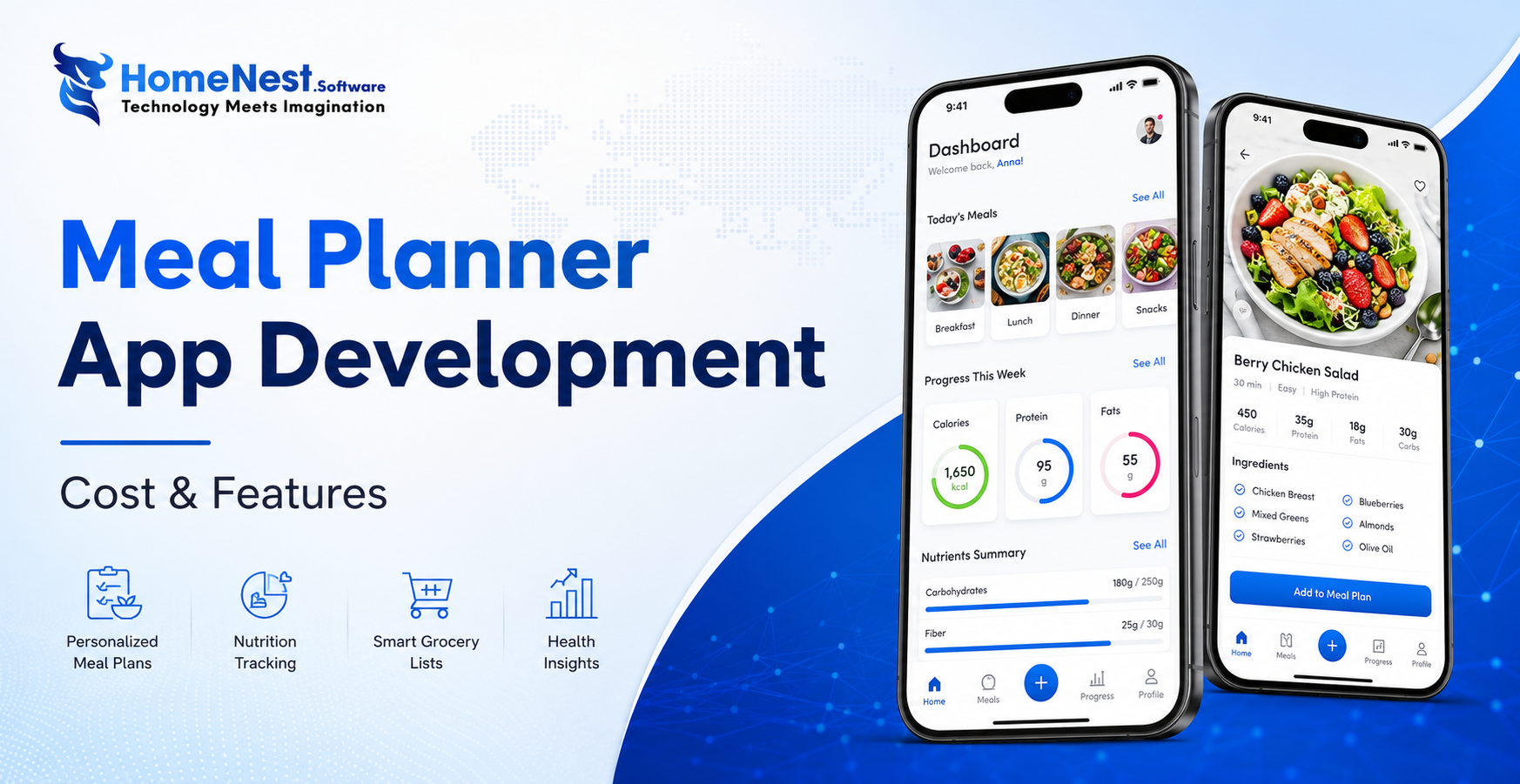
How to Build a Meal Planning App: A Complete Step-by-Step Guide
Building a successful meal planning app goes beyond creating an attractive interface it requires a clear business strategy, personalized user experiences, and scalable technology. By combining essential features like AI-powered meal recommendations, nutrition tracking, grocery list automation, and wearable integration, businesses can deliver lasting value to users while capitalizing on the growing digital health market. Partnering with an experienced mobile app development company ensures your solution is secure, future-ready, and designed to succeed in an increasingly competitive health-tech industry.
How Much Does It Cost to Build a Shopping App Like Temu?
Temu’s meteoric rise to over 900 million global downloads proves the power of combining AI, gamification, and social commerce, but building a similar viral shopping platform requires careful financial and technical planning. Developing an app like Temu typically costs anywhere from $40,000 for a basic Minimum Viable Product (MVP) to over $300,000 for a fully-featured platform. This guide breaks down every cost category, analyzes the core features driving Temu’s success, highlights the best technology stacks, and offers practical strategies to optimize your development budget without compromising on quality.

Criteria For Choosing The Right App Design Agency
UI/UX design is the logical foundation of a system, not merely a visual element. Choosing the wrong partner will directly lead to technical debt, budget overruns, and disruptions in the development process. This article provides a 6-step evaluation framework and a list of operational risks, helping businesses eliminate subjective design advice and accurately assess agency capabilities based on developer handoff standards and practical business performance.
How Does AI in Banking Industry Impact the Future?
Artificial intelligence (AI) has transitioned from a supplementary tool to a core infrastructure of financial data management, optimizing profitability through real-time fraud detection, natural language processing (NLP), and high-speed credit scoring models. “Deploying AI in the financial sector requires more than just algorithmic accuracy, it demands a highly secure cloud architecture and rigorous data governance,” commented Nguyen Tien, co-founder of HomeNest Software. Why read this guide? We skip the theoretical jargon to focus entirely on technical implementation. Whether you’re evaluating a vendor or planning a system overhaul, this article will detail: Operational Efficiency: Automating unstructured data workflows at scale. Risk Architecture: Implementing real-time threat detection and AML compliance. Data ownership: The essential need for 100% ownership of the source code to ensure full algorithm auditability.
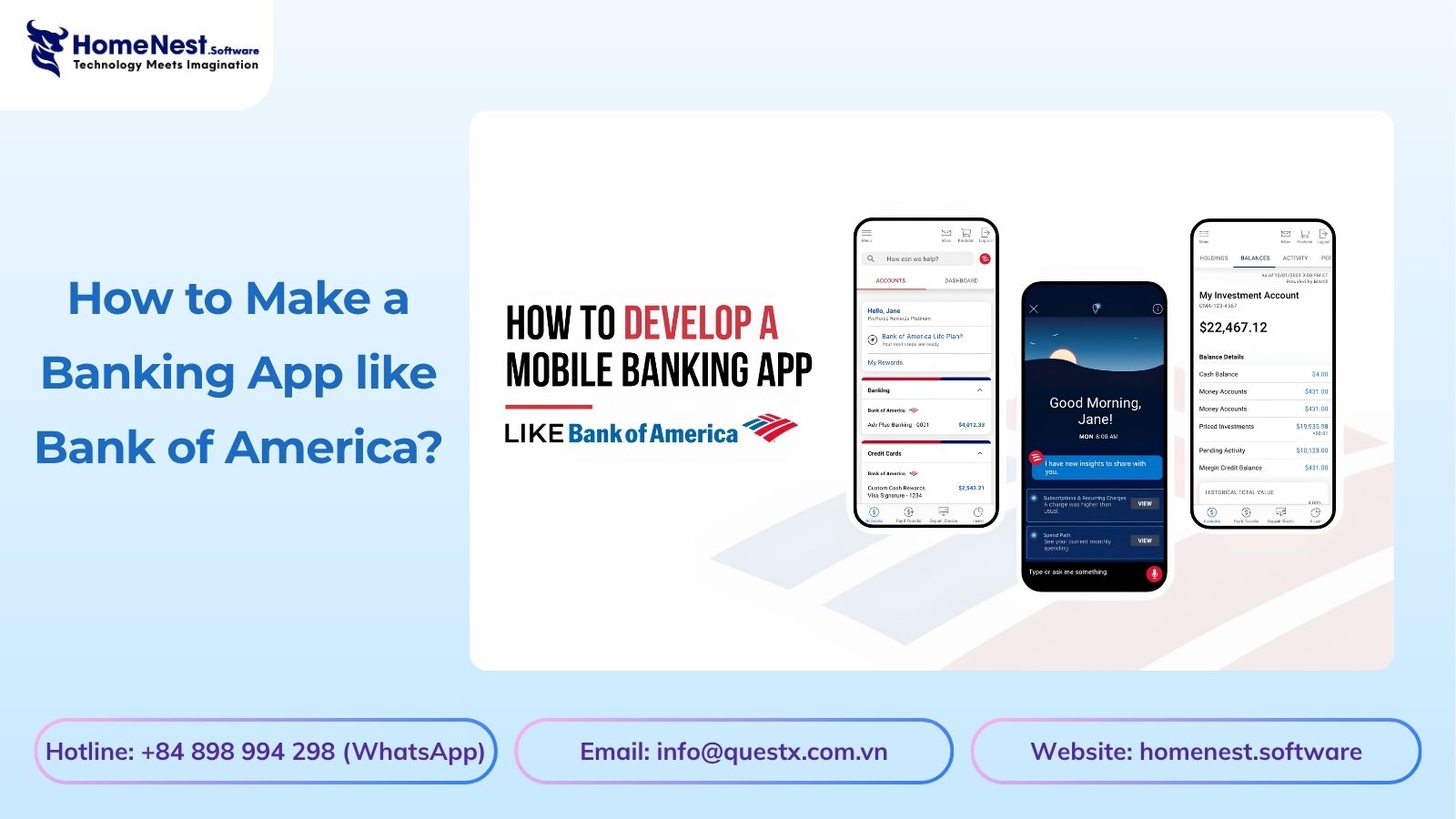
How to Make a Banking App like Bank of America?
Developing a mobile banking application like Bank of America extends far beyond basic UI design; it requires engineering a fault-tolerant backend capable of real-time ledger synchronization, biometric authentication, and high-volume data processing under strict regulatory frameworks. Drawing from HomeNest Software’s deep experience in architecting enterprise-grade fintech solutions, this guide strips away theoretical jargon to focus entirely on operational and technical execution. What you will find in this guide: We break down the precise development roadmap, from mapping out microservices and ensuring PCI-DSS compliance to estimating MVP development costs and securing absolute data sovereignty through 100% source code ownership. If you are preparing to build, scale, or audit a financial platform, this blueprint provides the exact framework you need.
Banking App Development Cost
Building a banking application is rarely a simple process; it’s a complex technical challenge requiring a balance between complying with stringent financial regulations, handling large transaction volumes, and a scalable cloud architecture. Miscalculating these technical requirements from the outset often leads to significant technical debt and budget overruns. Based on HomeNest Software’s practical experience in designing enterprise-grade fintech solutions, this guide bypasses generic estimates to provide a realistic analysis of banking application development costs. What you’ll find in this guide: We analyze the true cost factors, from technology selection and API integration to the hidden costs of regulatory compliance and security infrastructure. Whether you’re launching a minimum viable product or expanding an existing financial platform, this analysis provides the precise operational data you need to plan your budget effectively.