
Conversational AI In Healthcare: Transforming The Future Of Care
Conversational AI in healthcare is not just a technology upgrade it is a strategic shift toward smarter, more patient-centric care delivery. Organizations that implement it effectively balancing automation with clinical oversight, ensuring compliance, and investing in proper integration can achieve significant gains in efficiency, patient satisfaction, and long-term scalability.
Scope of Work
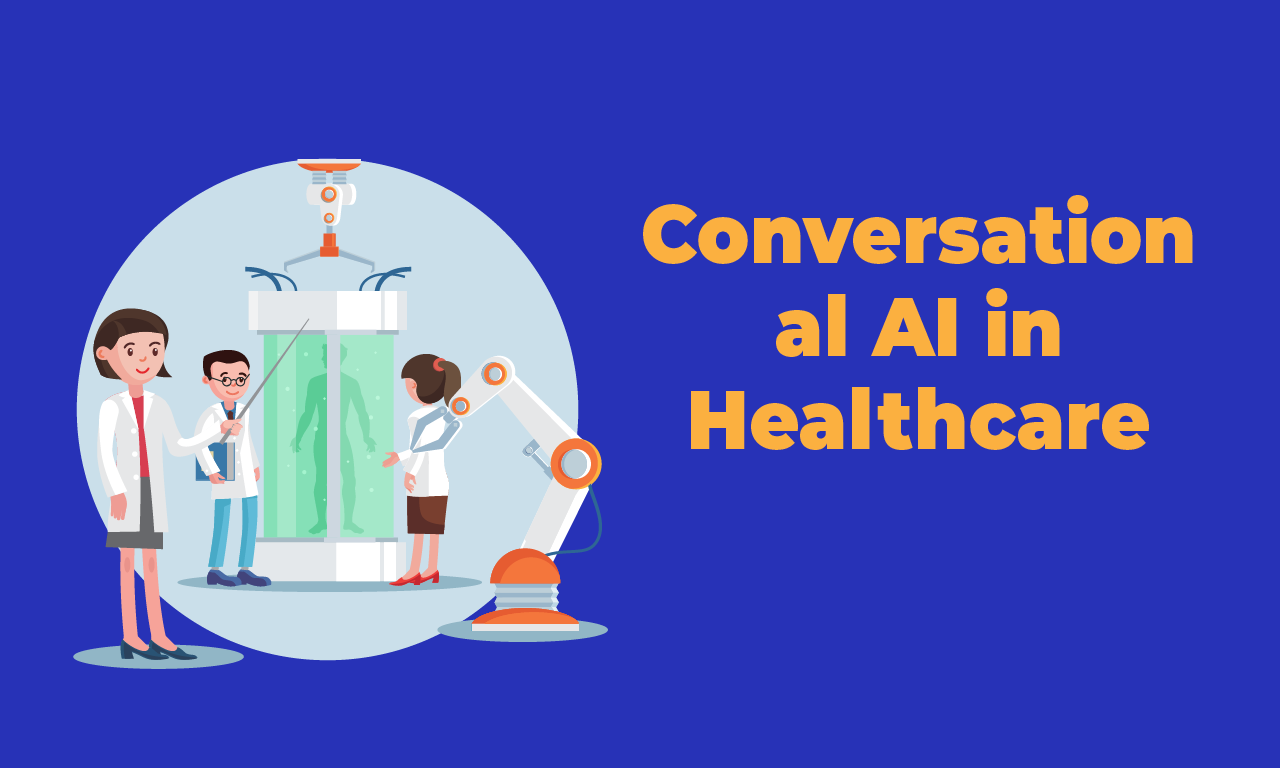
In recent years, healthcare providers have increasingly adopted automated systems to streamline consultations, manage appointment reminders, and deliver test results. These solutions go far beyond basic chatbots they are part of a broader shift toward conversational AI in healthcare.
This article from HomeNest Software provides a comprehensive analysis of its capabilities, key challenges, and real world impact on modern healthcare delivery.
What Is Conversational AI in Healthcare?
Conversational AI in healthcare refers to AI powered systems designed to enable natural, human like interactions between patients and healthcare providers through text or voice. These systems include chatbots, virtual assistants, and automated response platforms tailored for medical use cases.
In modern healthcare environments, conversational AI plays a critical role in streamlining communication and improving access to care. It delivers instant responses, provides accurate medical information, and offers personalized guidance helping reduce the administrative burden on clinical staff while enhancing the overall patient experience.
Beyond standalone use, conversational AI integrates seamlessly with telehealth platforms and patient portals, creating a more connected and intelligent digital ecosystem. The result is a healthcare system that is more responsive, accessible, and operationally efficient.
Conversational AI vs. Traditional Chatbots in Healthcare
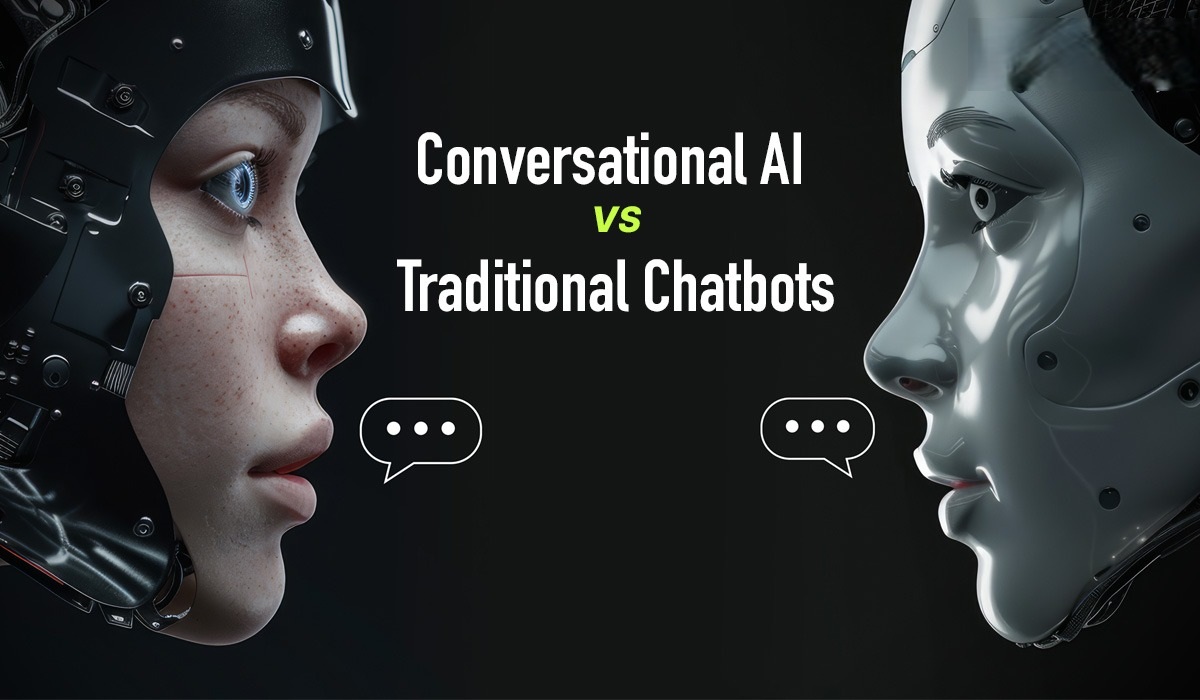
While traditional chatbots have supported basic automation in healthcare, the rise of conversational AI represents a significant shift in capability, intelligence, and patient experience. The difference is not incremental it is architectural.
Communication Capability and Language Understanding
Traditional chatbots operate on rule based logic and keyword matching. They respond accurately only when users follow predefined commands. For example, a request like “Book appointment” works, but a more natural phrase such as “I’d like to see a doctor today” may not be recognized.
Conversational AI, on the other hand, uses natural language processing (NLP) to interpret intent regardless of phrasing. It can understand incomplete, conversational, or ambiguous inputs and respond contextually. A query like “I’ve been coughing all day should I see someone?” can trigger appropriate guidance, such as recommending a specialist or next steps.
Personalization and Patient Experience
Traditional chatbots provide static, one size fits all responses based on fixed scripts, without considering individual patient context.
Conversational AI enables personalized interactions by leveraging patient data, including medical history and inputs from wearable devices. This allows responses to be tailored to each individual, improving both relevance and engagement.
Integration with Healthcare Systems
Conventional chatbots often function in isolation, with limited or no integration into core systems. This results in fragmented patient journeys and restricted functionality.
Conversational AI is designed to integrate deeply with the healthcare ecosystem, including electronic health records (EHRs), billing systems, and telehealth platforms. It can retrieve lab results, verify insurance details, and support end to end care workflows.
Scalability and Continuous Learning
Scaling traditional chatbots requires manual updates and reprogramming, making them difficult to evolve as demand grows or use cases expand.
Conversational AI platforms are built for scalability and continuous learning. They improve over time by analyzing real user interactions, identifying patterns, and refining responses without constant manual intervention. For example, during a surge in flu related inquiries, the system can adapt responses and even signal increased demand to healthcare providers.
Key Differences at a Glance
| Criteria | Traditional Chatbot | Conversational AI in Healthcare |
|---|---|---|
| Data Security & Compliance | Basic security, often lacks full compliance | Built in encryption, aligned with standards like HIPAA and GDPR |
| Language Understanding | Limited, keyword based | Advanced NLP with contextual understanding |
| Personalization | Generic responses | Tailored interactions based on patient data |
| Integration | Standalone, limited connectivity | Fully integrated with EHRs and healthcare systems |
| Scalability | Difficult to scale, manual updates | Highly scalable with continuous learning |
| Deployment Time | Faster due to simplicity | Longer due to system integration requirements |
| Cost Efficiency | Lower upfront cost, limited ROI | Higher initial investment, stronger long term ROI |
| User Engagement | Low, high drop off rates | High engagement through personalized experience |
In essence, traditional chatbots solve simple, rule based tasks, while conversational AI enables intelligent, adaptive, and patient centric interactions making it a foundational technology for the future of digital healthcare.
Overview of the Conversational AI in Healthcare Market
The conversational AI in healthcare market is expanding at a rapid and sustained pace. Valued at approximately $13.53 billion in 2024, it is projected to reach $48.87 billion by 2030, growing at a CAGR of 23.84%. This growth reflects increasing demand for AI driven patient engagement, automation, and personalized digital healthcare experiences.
Regionally, North America remains the dominant market, supported by advanced digital health infrastructure and a favorable regulatory landscape. At the same time, the Asia Pacific (APAC) region is emerging as the fastest growing market, driven by large populations, rising healthcare demand, and accelerated digital adoption. Europe continues to scale AI integration across national healthcare systems, particularly in countries such as the UK, Germany, and France.
The competitive landscape is shaped by major technology players including Microsoft (via Nuance Communications), IBM Watson Health, and Google Health. Alongside them, a new wave of high growth startups such as Babylon Health, Ada Health, Infermedica, K Health, and Hyro is driving innovation.
A notable example is Microsoft’s acquisition of Nuance Communications, which has accelerated the adoption of AI powered clinical documentation tools now used in over 77% of hospitals in the United States.
Key Benefits of Conversational AI in Healthcare
As AI adoption accelerates across the healthcare sector, conversational AI is emerging as a strategic enabler for both patient experience and operational efficiency. It not only improves access to care but also transforms how healthcare organizations deliver and manage services at scale.
Benefits for Patients
Conversational AI is no longer just a support tool it acts as a continuous digital companion throughout the patient journey, enhancing accessibility, personalization, and overall satisfaction.
Improved access to medical information
Patients can access reliable health information anytime, regardless of location or technical ability. Conversational AI systems operate 24/7, providing instant answers on symptoms, medications, and care instructions especially valuable for elderly users and those in remote areas.
Enhanced patient experience
From booking appointments to navigating healthcare services, AI streamlines every step. Unlike traditional call centers with long wait times, conversational AI delivers instant, consistent, and accurate responses, reducing friction and improving overall care navigation.
Personalized healthcare support
By leveraging patient data such as medical history and conditions, conversational AI can provide context aware recommendations. Instead of generic advice, patients receive guidance tailored to their specific health profiles, leading to more relevant and effective care.
Reduced stress and higher satisfaction
Healthcare journeys can be overwhelming, especially when patients feel unheard. Conversational AI offers always available, patient centric interactions, helping reduce anxiety and providing a sense of continuous support and reassurance.
Benefits for Healthcare Providers
For healthcare organizations, conversational AI functions as a powerful operational tool, optimizing workflows and reducing costs while improving service quality.
Streamlined clinical workflows
AI can automate repetitive tasks such as symptom collection, patient triage, and appointment reminders. In practice, organizations like Omega Healthcare have automated 60–70% of administrative processes, significantly improving efficiency and turnaround times.
Reduced operational costs
By handling large volumes of patient interactions simultaneously, conversational AI reduces reliance on call centers and administrative staff. It also minimizes errors and delays, contributing to substantial cost savings at scale.
Smarter data collection and analytics
Conversational AI captures patient interaction data in real time, creating structured, high quality datasets. This enables better integration with healthcare systems and supports more accurate analytics and decision making.
Continuous staff support and training
AI systems can serve as on demand knowledge assistants for healthcare staff, providing instant access to clinical protocols, regulatory updates, and internal guidelines reducing the need for traditional training sessions.
In essence, conversational AI delivers dual value: it enhances patient engagement while enabling healthcare providers to operate more efficiently, making it a foundational technology in modern digital healthcare transformation.
Top 10 Use Cases of Conversational AI in Healthcare
As healthcare continues its digital transformation, conversational AI has moved beyond experimentation into real world, high impact applications. Below are ten key use cases demonstrating how this technology is reshaping patient care and operational efficiency.
Automated Appointment Scheduling
Patients can book, reschedule, or cancel appointments instantly without waiting on call centers. AI systems sync directly with physician calendars, reducing administrative workload and minimizing scheduling errors.
AI Powered Symptom Triage
Conversational AI analyzes patient reported symptoms using NLP, assesses urgency, and recommends next steps. This ensures consistent triage processes, reduces unnecessary hospital visits, and prioritizes critical cases.
Medication and Follow Up Reminders
AI proactively reminds patients to take medication and attend follow up appointments. For chronic conditions, it can track daily health inputs and trigger alerts significantly improving treatment adherence.
Post Discharge Patient Monitoring
After leaving the hospital, patients are monitored through AI driven check ins. The system detects warning signs such as abnormal pain or side effects and alerts healthcare providers when intervention is needed.
Personalized Nutrition and Lifestyle Guidance
Conversational AI delivers real time, personalized recommendations based on patient data, including medical history and wearable device inputs. Guidance evolves dynamically as patient conditions change.
Patient Feedback Collection and Analytics
AI systems automatically gather feedback at different stages of the care journey and convert it into structured insights. Healthcare providers can identify bottlenecks, such as long wait times, and take immediate action.
Health Insurance Support
Patients can query coverage details in plain language and receive personalized responses. AI explains benefits, reimbursement conditions, required documents, and estimated out of pocket costs simplifying complex insurance processes.
Care Coordination for Complex Cases
For patients with multiple conditions, conversational AI acts as a central coordination layer, aligning treatment plans across departments, managing schedules, and flagging conflicts or missed steps in care.
Secure Lab Result Delivery
Instead of waiting at healthcare facilities, patients receive secure, real time notifications of lab results. AI can also translate medical data into easy to understand language and recommend next actions.
Mental Health and Wellness Support
AI powered chatbots provide continuous emotional support using frameworks like CBT (Cognitive Behavioral Therapy). They monitor behavioral patterns, guide coping techniques, and escalate high risk cases to human professionals when necessary.
These use cases illustrate how conversational AI is evolving into a core infrastructure layer in modern healthcare enhancing patient engagement while enabling providers to deliver more efficient, data driven care.
Key Considerations Before Implementing Conversational AI in Healthcare
Before deploying conversational AI, healthcare organizations must evaluate several critical technical, regulatory, and operational factors. A structured approach at this stage reduces risk and ensures long term success.
Data Privacy and Regulatory Compliance
Patient data is classified as highly sensitive (PHI), and conversational AI systems often require access to medical records for tasks like consultations, scheduling, and follow ups.
This makes data protection non negotiable. High profile incidents such as the breach involving Change Healthcare affecting millions of records highlight the financial and reputational risks.
To mitigate these threats, organizations must ensure compliance with frameworks such as HIPAA, GDPR, and Vietnam’s Decree 13/2023. This includes:
- End to end encryption (data at rest and in transit)
- Controlled data storage and access management
- Full support for patient data rights (access, modification, deletion)
Accuracy and Clinical Reliability
Healthcare is a high stakes environment where errors can directly impact patient safety. Unlike other industries, conversational AI cannot operate fully autonomously.
A human in the loop model is essential. AI should assist with initial interactions, while clinicians validate critical decisions.
For example, symptoms like chest pain, shortness of breath, and fatigue may be misclassified by AI as minor conditions. A clinician, however, can recognize potential red flags such as cardiovascular emergencies and escalate care immediately.
Language and Contextual Understanding
In real world settings, patients rarely use precise medical terminology. Instead, they communicate using everyday language, slang, regional dialects, or incomplete descriptions.
Without domain specific NLP training, AI systems risk misinterpreting or missing critical symptoms. This challenge is even more pronounced among elderly patients or those with limited health literacy, who may describe conditions indirectly.
To address this, conversational AI must be trained on localized, real world datasets and continuously refined to handle linguistic and contextual variability.
Upfront Investment and Organizational Readiness
Conversational AI is not a plug and play solution. Successful deployment requires:
- Integration with core systems such as HIS, EHRs, and clinical databases
- Investment in infrastructure, security, and ongoing maintenance
- Training programs for clinical, administrative, and IT teams
The initial investment can be substantial, but it is necessary to ensure scalability, security, and adoption across the organization.
Conclusion
Conversational AI has the potential to transform healthcare by improving efficiency and enabling more accessible, patient centric care. However, success depends on careful planning particularly around compliance, accuracy, and system integration.
Organizations that approach implementation strategically will not only reduce risk but also unlock long term value and competitive advantage in an increasingly digital healthcare landscape.
Frequently Asked Questions (FAQ)
What is conversational AI in healthcare?
Conversational AI in healthcare refers to AI systems that enable natural interactions between patients and providers via text or voice, supporting tasks such as appointment booking, symptom triage, and patient engagement.
How is conversational AI different from traditional chatbots?
Traditional chatbots rely on predefined scripts and keyword matching, while conversational AI uses natural language processing (NLP) to understand context, intent, and deliver more personalized, dynamic responses.
Is conversational AI safe for handling patient data?
Yes if implemented correctly. Systems must comply with regulations like HIPAA and GDPR, using encryption, access control, and secure data storage to protect sensitive patient information.
Can conversational AI replace doctors or healthcare staff?
No. Conversational AI is designed to support, not replace, healthcare professionals. A human in the loop approach ensures that critical medical decisions are always reviewed by qualified clinicians.
What are the main benefits of conversational AI in healthcare?
Key benefits include 24/7 patient support, improved access to care, reduced administrative workload, personalized guidance, and enhanced operational efficiency for healthcare providers.
What are the biggest challenges when implementing conversational AI?
Common challenges include data privacy and compliance, ensuring clinical accuracy, handling language variability, and integrating with existing healthcare systems.
How long does it take to implement conversational AI in healthcare?
Implementation timelines vary depending on complexity, but typically range from 3–6 months for basic systems to 6–12 months for fully integrated enterprise solutions.
What systems does conversational AI need to integrate with?
It usually integrates with Hospital Information Systems (HIS), Electronic Health Records (EHRs), telehealth platforms, and billing systems to enable seamless workflows.
Is conversational AI suitable for small clinics?
Yes. While enterprise hospitals benefit from full scale implementations, smaller clinics can start with focused use cases such as appointment scheduling or patient support, then scale over time.
What is the ROI of conversational AI in healthcare?
ROI comes from reduced operational costs, improved patient engagement, fewer missed appointments, and better resource allocation, often delivering measurable efficiency gains within the first year.
Latest Articles
View All
Criteria For Choosing The Right App Design Agency
UI/UX design is the logical foundation of a system, not merely a visual element. Choosing the wrong partner will directly lead to technical debt, budget overruns, and disruptions in the development process. This article provides a 6-step evaluation framework and a list of operational risks, helping businesses eliminate subjective design advice and accurately assess agency capabilities based on developer handoff standards and practical business performance.
How Does AI in Banking Industry Impact the Future?
Artificial intelligence (AI) has transitioned from a supplementary tool to a core infrastructure of financial data management, optimizing profitability through real-time fraud detection, natural language processing (NLP), and high-speed credit scoring models. “Deploying AI in the financial sector requires more than just algorithmic accuracy, it demands a highly secure cloud architecture and rigorous data governance,” commented Nguyen Tien, co-founder of HomeNest Software. Why read this guide? We skip the theoretical jargon to focus entirely on technical implementation. Whether you’re evaluating a vendor or planning a system overhaul, this article will detail: Operational Efficiency: Automating unstructured data workflows at scale. Risk Architecture: Implementing real-time threat detection and AML compliance. Data ownership: The essential need for 100% ownership of the source code to ensure full algorithm auditability.

How to Make a Banking App like Bank of America?
Developing a mobile banking application like Bank of America extends far beyond basic UI design; it requires engineering a fault-tolerant backend capable of real-time ledger synchronization, biometric authentication, and high-volume data processing under strict regulatory frameworks. Drawing from HomeNest Software’s deep experience in architecting enterprise-grade fintech solutions, this guide strips away theoretical jargon to focus entirely on operational and technical execution. What you will find in this guide: We break down the precise development roadmap, from mapping out microservices and ensuring PCI-DSS compliance to estimating MVP development costs and securing absolute data sovereignty through 100% source code ownership. If you are preparing to build, scale, or audit a financial platform, this blueprint provides the exact framework you need.
Banking App Development Cost
Building a banking application is rarely a simple process; it’s a complex technical challenge requiring a balance between complying with stringent financial regulations, handling large transaction volumes, and a scalable cloud architecture. Miscalculating these technical requirements from the outset often leads to significant technical debt and budget overruns. Based on HomeNest Software’s practical experience in designing enterprise-grade fintech solutions, this guide bypasses generic estimates to provide a realistic analysis of banking application development costs. What you’ll find in this guide: We analyze the true cost factors, from technology selection and API integration to the hidden costs of regulatory compliance and security infrastructure. Whether you’re launching a minimum viable product or expanding an existing financial platform, this analysis provides the precise operational data you need to plan your budget effectively.
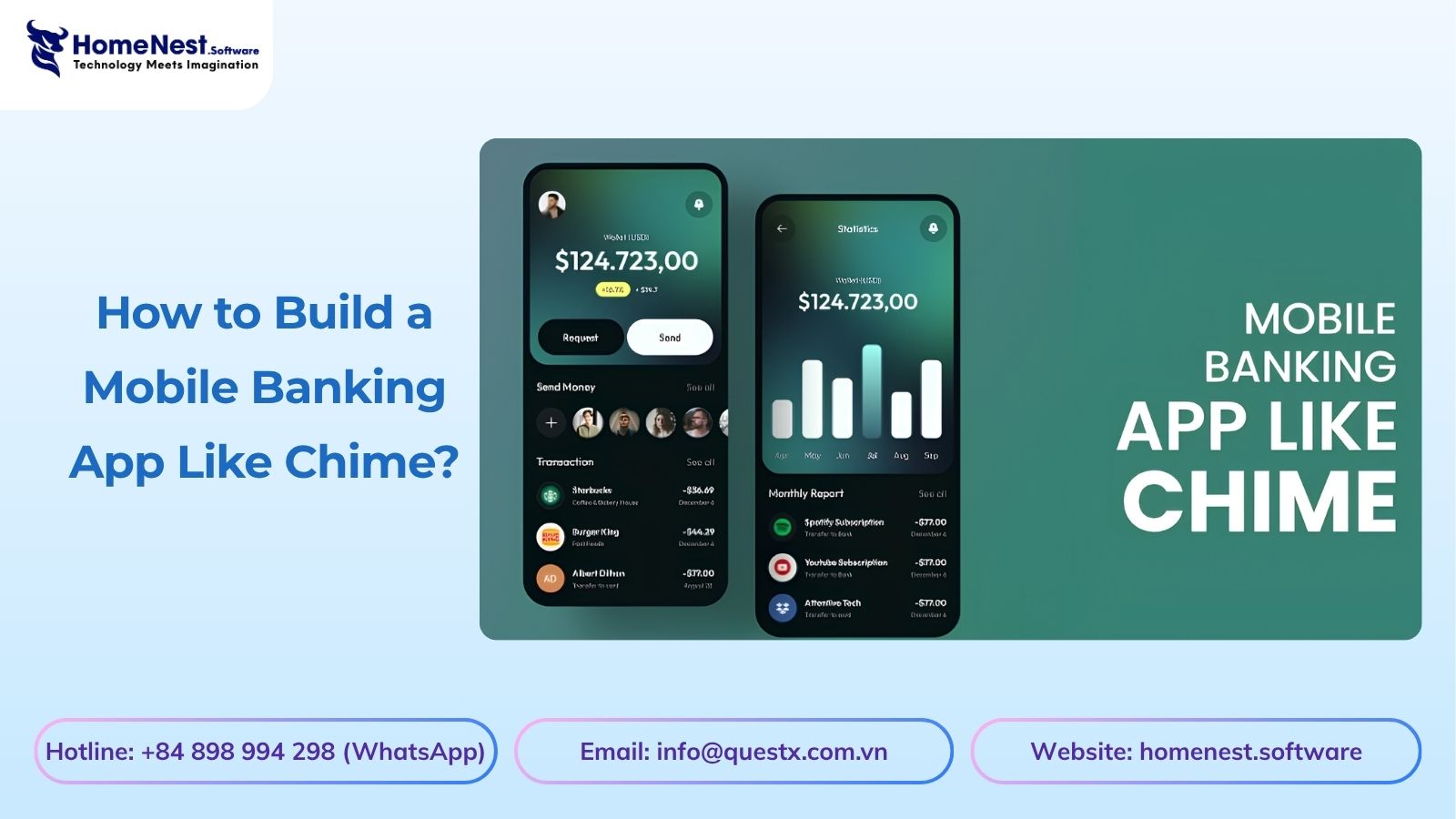
How to Build a Mobile Banking App Like Chime?
Building a mobile banking app like Chime is not just about features, it is about delivering a secure, scalable, and user-centric financial experience. From planning the right architecture to optimizing mobile banking app development cost, every decision directly impacts your product’s success. Leveraging Fintech app development services, starting with MVP app development, and scaling through on-demand app development solutions allows businesses to reduce risk and accelerate time to market. To stay competitive, combining Android app development services and iOS app development solutions ensures wider reach, while continuous updates through maintenance software development services keep your app secure and future-ready.

How to Build a Banking App Like Barclays: A Complete Entrepreneur’s Guide
Building a banking app like Barclays requires more than just development. It demands a strong product vision, secure architecture, and a clear monetization strategy. From optimizing cost and selecting the right tech stack to ensuring compliance and scalability, every decision impacts long-term success. Partnering with an experienced team like HomeNest Software helps accelerate development, reduce risks, and deliver a high-quality fintech product that can compete in today’s fast-evolving digital banking landscape.