
Healthcare App Development: The 7-Step Simplified Guide
Healthcare app development in 2026 requires a strategic, compliance-first approach that balances innovation with real-world usability. Organizations that succeed are those that start with a clearly defined problem, build a focused MVP, and scale based on validated outcomes. By prioritizing security, interoperability, and user-centric design while partnering with the right development team businesses can deliver scalable, high-impact healthcare solutions that improve patient outcomes and drive long-term growth.
Scope of Work
Healthcare organizations today face growing pressure to enhance patient experiences, improve clinical efficiency, and comply with strict data privacy regulations all while managing limited resources and outdated legacy systems. In this context, healthcare app development has shifted from a “nice to have” initiative to a strategic priority for hospitals, clinics, insurers, and digital health startups worldwide.
However, developing a healthcare application is far more complex than building apps in other industries. Many projects fail not due to technical limitations, but because of unclear requirements, underestimated compliance obligations, or overly complex solutions built before validating real user needs.
This guide outlines a structured, low risk approach to healthcare app development, breaking the journey into seven practical steps from defining target users and compliance requirements to MVP development, testing, deployment, and continuous optimization. The goal is to provide clarity, improve decision making, and accelerate time to value, enabling organizations to evaluate use cases, costs, and feasibility before making significant investments.
What Is Healthcare App Development?
Healthcare app development is the process of designing, building, and maintaining digital applications that support healthcare delivery, patient engagement, clinical workflows, and medical data management while adhering to strict regulatory standards such as PDPA, HIPAA, and GDPR.
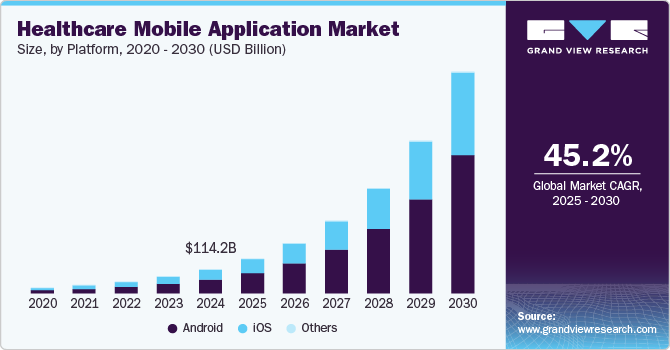
The global healthcare mobile application market has experienced rapid growth, valued at $114.17 billion in 2024 and projected to reach $1,070.58 billion by 2030, with a CAGR of 45.2% between 2025 and 2030. This surge reflects a global shift toward digital health, driven by increased smartphone adoption, the rising prevalence of chronic diseases, and growing demand for accessible, on demand healthcare services.
Unlike conventional mobile or web applications, healthcare apps operate in highly regulated and complex environments. They must securely handle sensitive patient data, integrate seamlessly with clinical systems such as EHR/EMR platforms, laboratory systems, and insurance networks, and support diverse user groups including patients, healthcare providers, administrators, and external partners.
As a result, factors such as data security, interoperability, compliance, accessibility, and system reliability are just as critical as delivering a seamless and intuitive user experience.
Types of Healthcare Apps
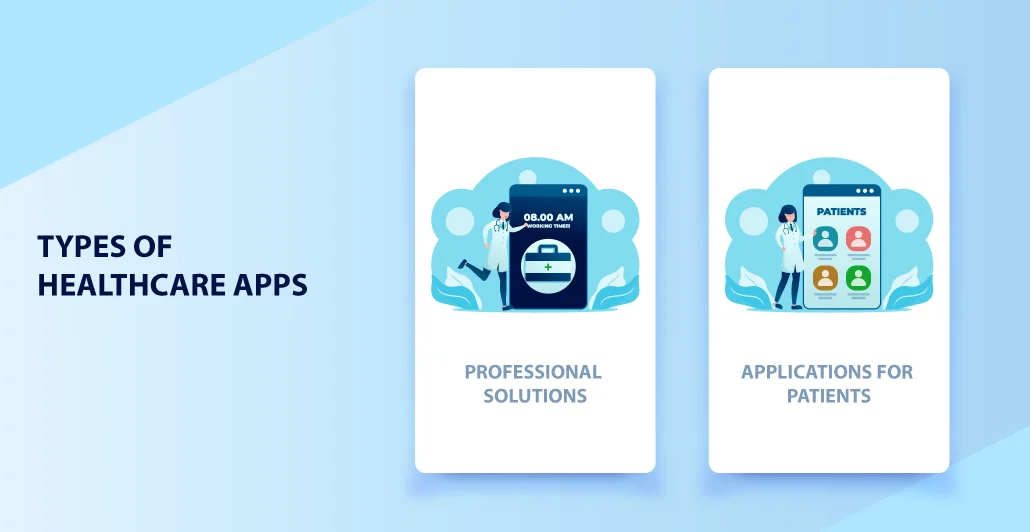
Healthcare app development can be broadly categorized into three main groups based on who uses the application and the problems it aims to solve. Understanding these categories helps organizations define the right scope, avoid unnecessary complexity, and maximize ROI from the outset.
Patient Facing Apps
Patient facing applications are designed to enhance access to care, user engagement, and continuity of treatment. These apps empower patients to interact with healthcare services more conveniently and take a proactive role in managing their health.
Common use cases include:
- Appointment scheduling and automated reminders
- Telemedicine and virtual consultations
- Access to personal health records and test results
- Medication reminders and adherence tracking
- Remote patient monitoring via wearable or IoT devices
- AI powered symptom checkers and virtual health assistants
Key considerations:
Usability and accessibility are critical. Since many users may be elderly or non technical, features such as intuitive navigation, large fonts, multilingual support, and transparent consent flows are essential. Additionally, strong data privacy and security measures are required, as patients directly interact with sensitive health information.
Provider Facing Apps
Provider facing applications support doctors, nurses, and clinical teams in delivering care more efficiently and accurately. These tools are typically workflow driven and tightly integrated with existing clinical systems.
Typical use cases include:
- Clinical documentation and EHR/EMR access
- Care coordination and task management
- Clinical decision support systems and alerts
- Prescription management and order entry
- Secure communication between healthcare teams
Key considerations:
Unlike patient apps, provider tools must prioritize speed, reliability, and seamless integration. Any delay or friction in workflows can directly impact patient care. Therefore, performance, system stability, offline capabilities, and role based access control are crucial.
Operational & Workflow Optimization Apps
Operational applications focus on improving administrative efficiency, cost management, and system wide performance. While less visible to patients, they are essential for scaling healthcare operations and maintaining long term sustainability.
Common use cases include:
- Staff scheduling and workforce management
- Billing, claims processing, and insurance integration
- Reporting, analytics, and compliance tracking
- Inventory and asset management
- Integration platforms connecting EHRs, labs, pharmacies, and insurers
Key considerations:
These systems often handle large data volumes and complex workflows. As a result, they must be designed with strong security, auditability, and interoperability. This is especially important for hospitals, large healthcare networks, and insurance providers that rely on seamless system integration.
Each category of healthcare application serves a distinct purpose, but together they form a connected digital ecosystem. By clearly identifying the target users and core objectives, organizations can build focused solutions that deliver real value while avoiding unnecessary complexity.
10 Benefits for Healthcare Providers and Patients

Healthcare app development creates value across the entire care journey enhancing operational efficiency for providers while improving accessibility, engagement, and outcomes for patients. When designed and implemented effectively, digital health solutions deliver measurable impact on both sides.
Benefits for Healthcare Providers
Well designed healthcare applications enable providers to operate more efficiently, deliver higher quality care, and scale sustainably. Below are five key advantages:
1. Improved Operational Efficiency & Reduced Administrative Work
Healthcare apps automate core processes such as scheduling, documentation, and reporting. This significantly reduces manual workload, allowing clinicians to focus more on patient care instead of administrative tasks.
2. Enhanced Clinical Decision Making with Data & AI
By consolidating data from EHRs, labs, and connected devices into a unified interface, healthcare apps empower providers to make faster and more accurate decisions. AI driven insights further support diagnosis, treatment planning, and risk prediction.
3. Cost Reduction and Better Resource Utilization
Digital solutions help minimize inefficiencies such as missed appointments, redundant testing, and underutilized staff. Telehealth and remote monitoring also reduce unnecessary in person visits, optimizing both time and costs.
4. Stronger Compliance, Security, and Audit Readiness
Modern healthcare applications are built with compliance in mind, supporting regulations such as PDPA, HIPAA, and GDPR. Features like encryption, audit logs, and role based access control help reduce regulatory risks and protect sensitive data.
5. Scalable Growth and Service Expansion
Healthcare platforms enable providers to expand services such as virtual care and chronic disease management without proportionally increasing staff or infrastructure, supporting long term, sustainable growth.
Benefits for Patients
Healthcare apps significantly improve how patients access and experience care, empowering them to take a more active role in managing their health.
1. Easier Access to Care and Reduced Waiting Time
Patients can book appointments, attend virtual consultations, and receive care remotely reducing travel time and long waiting periods, especially for those in remote or underserved areas.
2. Increased Engagement and Health Self Management
Features like medication reminders, symptom tracking, and personalized care plans encourage patients to actively manage their health, improving adherence and long term outcomes.
3. Better Care Continuity and Communication
Secure messaging and shared records allow seamless communication between patients and providers, reducing information gaps and ensuring smoother transitions between different care settings.
4. Personalized and Preventive Care
Using data and AI, healthcare apps can deliver tailored recommendations, identify potential risks early, and support preventive care moving beyond one size fits all treatment approaches.
5. Greater Transparency and Data Control
Patients gain direct access to their medical records, test results, and prescriptions. With built in privacy controls and consent management, they have greater visibility and confidence in how their data is used.
Together, these benefits transform healthcare delivery helping providers operate more efficiently while enabling patients to become active participants in their own health journey. This dual impact makes healthcare app development a strategic investment for improving outcomes, reducing costs, and building a more connected, patient centric ecosystem.
Must Have Features for a Modern Healthcare App
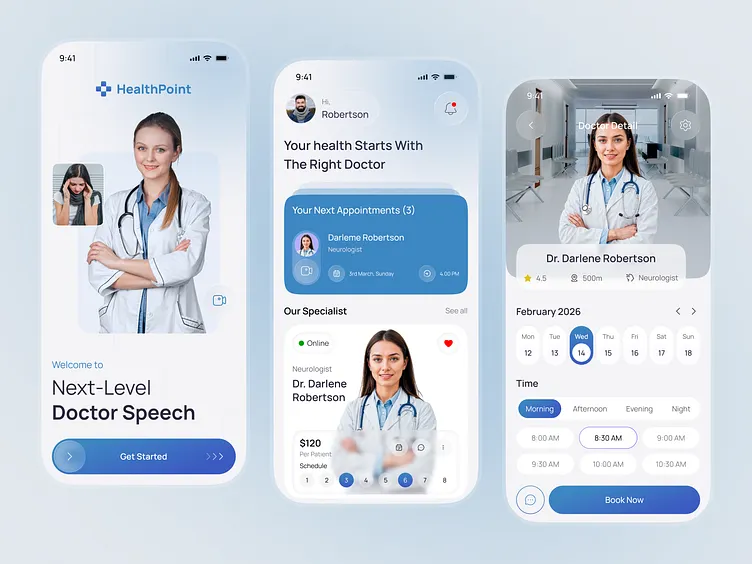
Healthcare app development in 2026 requires a careful balance between usability, security, and regulatory compliance, while still supporting real world clinical and operational workflows. To deliver meaningful value, modern healthcare applications must include the following essential features:
Secure Authentication & Role Based Access
Robust security starts with strong authentication mechanisms. Features such as multi factor authentication (MFA) and role based access control (RBAC) ensure that patients, clinicians, and administrators can only access the data relevant to their roles minimizing risk and protecting sensitive information.
Privacy, Consent & Regulatory Compliance
Compliance is non negotiable in healthcare. Applications must be built to support regulations such as PDPA, HIPAA, and GDPR. This includes end to end data encryption, audit trails, consent management systems, and clearly defined data access controls to ensure transparency and trust.
User Friendly & Accessible Experience
A healthcare app must be intuitive and accessible to users of all ages and technical abilities. Clean navigation, readable interfaces, multilingual support, and adherence to accessibility standards are critical for ensuring high adoption and consistent engagement.
Scheduling, Care Coordination & Communication
Core functionalities such as appointment booking, automated reminders, secure messaging, and telehealth capabilities enable seamless coordination between patients and providers improving efficiency and overall care delivery.
System Integration & Interoperability
Modern healthcare apps must integrate seamlessly with existing systems, including EHR/EMR platforms, laboratories, pharmacies, insurance providers, and connected medical devices. This eliminates data silos and ensures smooth, uninterrupted workflows.
Analytics, Scalability & Reliability
To support long term growth, healthcare applications should include built in analytics for performance monitoring and reporting. Scalable cloud infrastructure and high system reliability are essential to handle increasing user demand and data volume.
By incorporating these core features, healthcare applications can deliver secure, compliant, and scalable solutions that meet the needs of both providers and patients without introducing unnecessary complexity.
Most Common Healthcare App Use Cases

Healthcare applications are designed to address specific clinical, operational, and patient experience challenges. In 2026, several core use cases have become standard across hospitals, clinics, insurers, and digital health platforms often combined into integrated solutions that support the entire care journey.
Telemedicine & Virtual Consultations
Telemedicine apps enable remote consultations through secure video calls, messaging, and file sharing.
- Expands access to healthcare services
- Reduces travel and waiting time
- Supports follow ups, chronic care, and mental health services
This use case has become essential for delivering convenient and scalable care.
Appointment Booking & Care Navigation
Digital scheduling tools simplify how patients access healthcare services.
- Online appointment booking and automated reminders
- Intelligent provider matching and care navigation
- Reduced no shows and administrative workload
These features improve both patient experience and operational efficiency.
Remote Patient Monitoring (RPM)
RPM applications connect with wearable devices and medical sensors to track patient health in real time.
- Monitor vital signs and symptoms remotely
- Support chronic disease management
- Enable post discharge and elderly care monitoring
This approach allows providers to intervene early and deliver more proactive care.
EHR Access & Patient Portals
Patient portals provide individuals with direct access to their health information.
- View medical records, prescriptions, and test results
- Track treatment history and visit summaries
- Improve transparency and patient engagement
This use case strengthens trust and continuity of care.
Clinical Workflow & Care Team Management
Provider focused applications streamline internal healthcare operations.
- Task management and clinical documentation
- Referral tracking and coordination
- Secure communication among care teams
These tools enhance collaboration and reduce the risk of errors in clinical workflows.
Medication Management & Adherence
Medication management apps help patients follow prescribed treatments effectively.
- Automated reminders and refill alerts
- Dosage tracking and adherence monitoring
- Drug interaction warnings
Improving adherence leads to better treatment outcomes and reduced complications.
These six use cases form the foundation of modern healthcare applications. When integrated into a unified platform, they create a connected, efficient, and patient centric digital ecosystem that supports providers, patients, and operations end to end.
The 7 Step Simplified Healthcare App Development Process
Building a healthcare application does not have to be complex or high risk when approached with a structured methodology. The following 7 step process focuses on clarity, compliance, and measurable outcomes helping organizations move from idea to deployment efficiently and confidently.
Step 1 – Define Scope & Success Metrics
The foundation of a successful healthcare app is established before development begins.
- Identify core user groups (patients, clinicians, administrators, partners)
- Define compliance requirements (PDPA, HIPAA, GDPR)
- Determine key integrations (EHR/EMR, labs, insurers, payments, devices)
- Set measurable success metrics (adoption rate, time savings, reduced no shows, cost efficiency)
Clear scoping prevents overbuilding, reduces compliance risks, and avoids costly rework.
Step 2 – Market & Competitor Insights
Before building new features, it’s essential to understand existing solutions and market expectations.
- Analyze competitors and similar healthcare apps
- Identify standard features and UX patterns users expect
- Discover gaps and opportunities for differentiation
- Use insights to prioritize high impact features for MVP
This step ensures your product solves real problems instead of duplicating existing solutions.
Step 3 – UX/UI Design for Healthcare
User experience in healthcare directly impacts adoption, safety, and outcomes.
- Design for simplicity, clarity, and minimal user effort
- Use readable fonts, intuitive navigation, and clear actions
- Follow accessibility standards (WCAG, multilingual support, assistive tools)
- Optimize workflows for clinicians to reduce friction and save time
A well designed UX reduces errors and improves engagement across all user groups.
Step 4 – Architecture & Technology Stack Selection
Choosing the right tech stack is critical for building a secure, scalable, and compliant system.
- Adopt a modular, API first architecture
- Select appropriate frontend (mobile/web frameworks)
- Build scalable backend systems for data processing and integrations
- Use secure cloud infrastructure with monitoring and disaster recovery
- Incorporate security layers (encryption, access control, audit logs)
- Optionally integrate AI modules for analytics and automation
The focus should be on proven, healthcare ready technologies, not just the latest trends.
Step 5 – MVP Development & Iteration
An MVP (Minimum Viable Product) approach helps reduce risk and validate value early.
- Build only core features and essential workflows
- Include necessary compliance and integrations
- Launch quickly to test real world usage
- Gather feedback from patients, clinicians, and staff
- Continuously iterate and improve based on actual data
This approach accelerates time to market while ensuring resources are used effectively.
Step 6 – Testing (Security, Compliance, Performance)
Testing is critical in healthcare, where quality, safety, and trust are non negotiable.
- Conduct security testing (penetration tests, vulnerability scans, encryption validation)
- Perform compliance checks (PDPA, HIPAA, GDPR requirements)
- Validate consent flows, audit logs, and data policies
- Run performance testing (load, stress, failover scenarios)
Thorough testing ensures the system is secure, reliable, and ready for real world use.
Step 7 – Deployment, Training & Continuous Improvement
Successful implementation goes beyond launching the app.
- Plan a smooth deployment (phased rollout or pilot programs)
- Handle data migration and system monitoring
- Train clinicians and staff with documentation and support
- Collect user feedback and monitor performance
- Continuously update features, security, and compliance
Ongoing improvement ensures the application remains effective, scalable, and aligned with evolving healthcare needs.
A structured, step by step approach transforms healthcare app development from a high risk initiative into a controlled, measurable process. By focusing on clear scope, compliance, user experience, and continuous iteration, organizations can build solutions that deliver real value faster, safer, and more efficiently.
Costs of Healthcare App Development in 2026
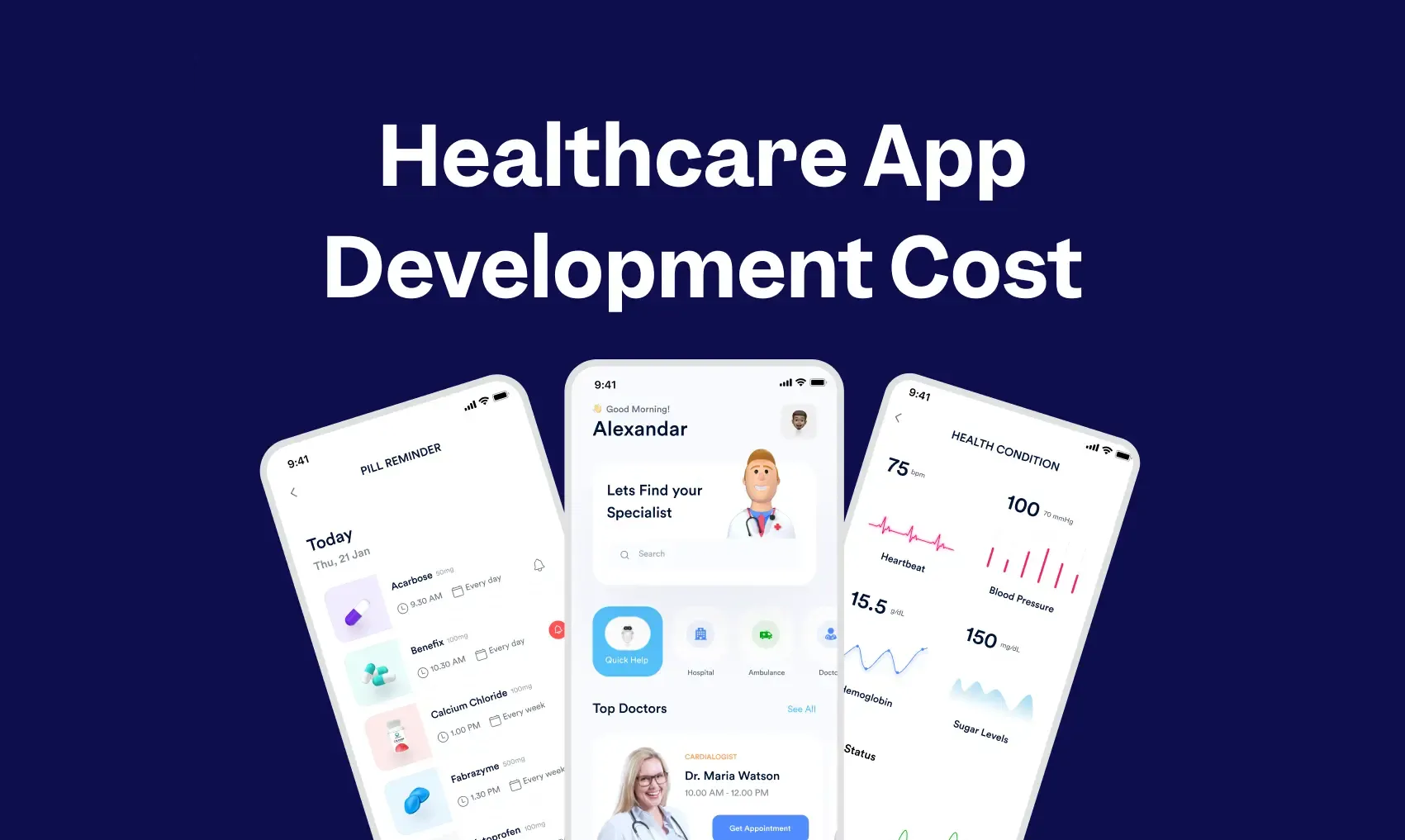
In 2026, healthcare app development costs vary widely based on complexity, features, and compliance requirements. On average, projects range from $30,000 to over $500,000:
- Basic applications: $30,000 – $50,000 (core features, simple workflows)
- Mid level applications: $50,000 – $150,000 (telemedicine, EHR integration, multiple roles)
- Enterprise grade solutions: $150,000+ (AI capabilities, advanced integrations, large scale systems)
Final costs depend on several variables, including feature scope, regulatory requirements, development approach, and platform strategy.
Key Factors That Influence Development Costs
Scope & Feature Complexity
The number of features, workflows, and user roles directly impacts development effort. A focused MVP is significantly more cost efficient than a fully featured platform built upfront.
System Integrations
Integrating with EHR/EMR systems, laboratories, pharmacies, insurers, payment gateways, or medical devices increases complexity, testing requirements, and long term maintenance costs.
Compliance & Security Requirements
Meeting standards such as PDPA, HIPAA, and GDPR requires encryption, audit logs, consent management, and rigorous testing adding essential but unavoidable costs.
AI & Advanced Capabilities (Optional)
Incorporating AI features such as predictive analytics, symptom checkers, or decision support systems increases development costs due to data processing, model integration, and continuous monitoring.
Platform Strategy (Single vs. Multi Platform)
Developing for a single platform (web or mobile) is more cost effective. Supporting multiple platforms (iOS, Android, web) requires additional design, development, and testing efforts.
Estimated Timeline & Budget for Healthcare MVPs
While exact figures vary by region and vendor, typical 2026 ranges include:
Basic Healthcare MVP
- Timeline: 3–4 months
- Budget: $30,000 – $50,000
- Scope: Core features, single platform, limited integrations, baseline compliance
Mid Level Healthcare MVP
- Timeline: 4–6 months
- Budget: $50,000 – $150,000
- Scope: Telemedicine or EHR integration, multiple user roles, enhanced security
Advanced MVP / Pilot Platform
- Timeline: 6–8 months
- Budget: $150,000+
- Scope: Multi platform support, AI features, complex integrations, enterprise level compliance
Cost Optimization Tip
Partnering with an experienced healthcare app development provider especially through an offshore or hybrid delivery model can reduce costs by 40–60% compared to fully in house or onshore development.
These savings come from lower engineering costs, flexible team scaling, and mature development processes while still maintaining high standards for quality, security, and compliance.
Healthcare app development is a strategic investment. By carefully defining scope, prioritizing essential features, and choosing the right development model, organizations can optimize costs while building scalable, compliant, and high impact healthcare solutions.
Strategic Analysis: Challenges, Decisions, and Investment Readiness
Healthcare app development is not just a technical initiative it is a strategic investment that depends on organizational readiness, market conditions, and long term objectives. To succeed, decision makers must evaluate who should invest, what challenges to anticipate, and when the timing is right.
Who Should Build a Healthcare App?
Healthcare applications deliver the greatest value for organizations aiming to scale services, improve efficiency, or adopt digital first care models.
Hospitals & Clinics
Ideal for organizations looking to enhance patient access, reduce administrative workload, enable telemedicine, and modernize care delivery.
Specialty Practices & Health Centers
Benefit from workflow focused solutions that streamline scheduling, care coordination, and chronic disease management.
HealthTech Startups & Wellness Platforms
Well suited for launching digital first products such as fitness apps, mental health platforms, preventive care tools, or AI driven healthcare solutions.
Insurance Providers
Can leverage apps to improve member engagement, optimize claims processing, and implement data driven risk and preventive care strategies.
Remote Care & Home Healthcare Providers
Use applications to support virtual consultations, remote patient monitoring, and continuous care for elderly or chronic patients.
Corporate Wellness Programs
Deploy digital health platforms to promote employee well being, increase engagement, and improve population health outcomes.
Key Challenges in Healthcare App Development (and How to Address Them)
Healthcare application development introduces unique challenges that go beyond standard software projects. Addressing these early is critical to reducing risk and ensuring long term success.
Regulatory Complexity
- Why it matters: Healthcare regulations vary by region and impose strict requirements on data handling and auditing
- How to address it: Define compliance requirements early and embed security, consent management, and audit mechanisms into the system architecture
System Integration & Data Silos
- Why it matters: Legacy systems and fragmented platforms limit data flow and reduce efficiency
- How to address it: Adopt an API first architecture and prioritize standardized healthcare integration protocols (e.g., EHR/EMR interoperability)
User Adoption & Workflow Resistance
- Why it matters: Poor usability leads to low adoption among clinicians and patients, reducing ROI
- How to address it: Invest in intuitive UX, accessibility (especially for elderly users), and continuous user feedback loops
Data Security & Privacy Risks
- Why it matters: Healthcare data is highly sensitive and a frequent target for cyber threats
- How to address it: Implement strong encryption, role based access control, continuous monitoring, and regular security testing
Go/No Go Analysis: When Should You Invest?
Not every organization is ready to invest in healthcare app development at the same time. A structured go/no go evaluation helps align digital initiatives with operational readiness and risk tolerance.
Hospital Groups
- Go signals: Clear operational inefficiencies, leadership support, defined compliance strategy
- No go signals: Lack of ownership, limited change management capacity
- Recommended approach: Start with a focused MVP or pilot before scaling organization wide
Insurance Providers
- Go signals: Strong data infrastructure, digital engagement goals, preventive care initiatives
- No go signals: Heavy reliance on legacy systems with no integration roadmap
- Recommended approach: Begin with member portals or analytics driven digital tools
Startups & Digital Health Ventures
- Go signals: Validated problem, early user traction, awareness of regulatory requirements
- No go signals: Unclear compliance strategy or overdependence on unproven technologies
- Recommended approach: Launch a lean, compliant MVP to test product–market fit
Healthcare app development succeeds when technology decisions are aligned with business strategy, compliance readiness, and user needs. By understanding who should invest, addressing challenges early, and evaluating readiness carefully, organizations can reduce risk and build solutions that deliver long term value in a rapidly evolving digital healthcare landscape.
How to Choose the Right Healthcare App Development Partner

Selecting the right healthcare app development partner is a strategic decision that directly impacts project success, compliance, and long term scalability. The ideal partner goes beyond coding they help you navigate regulatory complexity, reduce risk, and build solutions aligned with real clinical and business needs.
Healthcare Domain & Regulatory Expertise
Your partner should have proven experience in healthcare projects and a deep understanding of regulations such as PDPA, HIPAA, and GDPR. Compliance must be built into the development process from day one, not added later as an afterthought.
Strong Integration Capabilities
Healthcare systems rarely operate in isolation. A reliable partner must be experienced in integrating with:
- EHR/EMR systems
- Laboratory platforms
- Insurance and billing systems
- Payment gateways
- Medical devices and wearables
Seamless integration prevents data silos and ensures smooth clinical workflows.
Security First Development Approach
Given the sensitivity of healthcare data, security must be a top priority. Look for partners that implement:
- End to end encryption
- Role based access control (RBAC)
- Audit logs and monitoring systems
- Regular security testing and validation
They should also clearly explain how security and compliance are maintained throughout the development lifecycle.
User Centric & Accessible Design
Adoption depends heavily on usability. Choose a partner that prioritizes:
- Intuitive user interfaces
- Accessibility standards (especially for elderly users)
- Multilingual and inclusive design
Strong UX/UI capabilities ensure the application is effective for both patients and healthcare professionals.
MVP First & Scalable Delivery Model
A reliable partner should recommend a phased, MVP driven approach. This allows you to:
- Validate assumptions early
- Reduce initial investment risk
- Scale features based on real user feedback
This approach ensures efficient resource utilization and faster time to market.
Transparent Communication & Long Term Support
Healthcare applications require continuous updates, compliance monitoring, and performance optimization. Your partner should provide:
- Clear communication and reporting
- Structured project management
- Ongoing maintenance and support services
Long term collaboration is essential for keeping the system secure, compliant, and up to date.
The right healthcare app development partner acts as a strategic advisor, not just a vendor. By combining technical expertise, regulatory knowledge, and a user focused mindset, they help you make informed decisions, avoid costly mistakes, and build scalable solutions that deliver lasting value in the healthcare ecosystem.
Why Choose HomeNest Software for Healthcare App Development in Singapore

Choosing the right development partner can determine whether your healthcare application simply functions or truly delivers measurable impact and long term value. With deep HealthTech expertise, strong experience in regulated environments, and a commitment to secure, user centric solutions, HomeNest Software is well positioned to bring healthcare app ideas to life in Singapore.
Why HomeNest Software
HomeNest Software is a trusted IT outsourcing and software development partner, backed by a team of 100+ professionals experienced in building secure, scalable, and high performance healthcare applications. By combining technical excellence, domain expertise, and a compliance first mindset, the company supports organizations in Singapore, The US, Australia and globally with end to end healthcare app development services.
What Sets HomeNest Software Apart
Proven Healthcare Portfolio
Extensive experience delivering successful healthcare solutions, including telemedicine platforms, patient management systems, and AI powered health analytics applications.
Strong Regulatory Expertise
Deep understanding of Singapore’s PDPA and Ministry of Health guidelines, along with global standards such as HIPAA and GDPR ensuring compliance is embedded throughout the development lifecycle.
End to End Development Capabilities
Full cycle services covering requirements analysis, UI/UX design, development, system integration, testing, deployment, and ongoing maintenance providing a seamless delivery experience.
Security First Approach
Implementation of advanced security measures, including data encryption, secure authentication, role based access control, and continuous security audits to protect sensitive healthcare data.
User Centric Design Philosophy
Focus on intuitive interfaces, multilingual support, and accessibility standards ensuring applications are easy to use for all user groups, including elderly patients and non technical users.
Agile & Transparent Delivery
Adoption of agile methodologies with clear communication, iterative development cycles, and flexibility to adapt to evolving business and regulatory requirements.
By partnering with HomeNest Software, organizations gain more than just a development vendor they gain a long term strategic partner focused on accelerating time to market, ensuring compliance, and delivering scalable healthcare solutions that remain competitive in the global HealthTech landscape.
Emerging Trends Transforming Healthcare Apps in 2026
Healthcare applications in 2026 are evolving beyond basic digital tools into intelligent, connected, and patient centric platforms. This transformation is driven by advancements in AI, cloud computing, and interoperability reshaping how care is delivered and experienced.
AI Driven Insights & Automation
Artificial intelligence is playing a central role in modern healthcare apps. It is used for:
- Clinical decision support
- Workflow automation
- Predictive analytics and data processing
When implemented responsibly, AI helps providers improve efficiency, reduce errors, and enhance care quality.
Virtual First & Remote Care Models
Telemedicine and remote care are no longer optional they are becoming the default.
- Virtual consultations and hybrid care models
- Remote patient monitoring via connected devices
- Continuous care beyond physical healthcare facilities
This shift enables more accessible and scalable healthcare delivery.
Interoperability & System Connectivity
Modern healthcare apps are built with API first architectures and standardized data protocols.
- Seamless integration with EHR/EMR systems
- Connectivity with labs, insurers, and partner platforms
- Elimination of data silos and fragmented workflows
Interoperability is essential for creating a unified healthcare ecosystem.
Accessibility & Patient Centric Design
User experience is now a critical success factor. Healthcare apps must be:
- Easy to use for all age groups, including elderly users
- Designed with accessibility standards in mind
- Equipped with multilingual support for broader reach
A patient centric approach improves adoption and overall care outcomes.
Privacy First & Cloud Native Architecture
Security and scalability are foundational in healthcare app development.
- Strong focus on data privacy, consent management, and compliance
- Cloud native infrastructure for flexibility and growth
- Built in mechanisms for monitoring, auditing, and data protection
These capabilities ensure long term reliability and regulatory alignment.
Together, these trends are shaping a new generation of healthcare applications smarter, safer, and more scalable that support both providers and patients in an increasingly digital healthcare landscape.
Conclusion
Healthcare app development in 2026 has evolved beyond a purely technical effort it is a strategic investment that directly influences care quality, operational efficiency, and long term sustainability. The most successful solutions are built on clearly defined scope, strong compliance foundations, user centric design, and a phased, risk aware development approach.
By thoroughly understanding use cases, cost structures, potential challenges, and organizational readiness, healthcare providers can make informed go/no go decisions and minimize unnecessary risks. Starting with a focused MVP, validating real world impact, and scaling based on proven outcomes remains the most effective and sustainable path forward in today’s digital healthcare landscape.
FAQs
What is healthcare app development?
Healthcare app development is the process of creating digital applications that support patient care, clinical workflows, and healthcare data management while complying with regulations such as HIPAA, GDPR, or PDPA.
How much does it cost to develop a healthcare app in 2026?
Costs typically range from $30,000 to $500,000+, depending on complexity, features, integrations, and compliance requirements. MVPs are more affordable, while enterprise solutions require higher investment.
How long does it take to build a healthcare app?
A basic MVP can take 3–4 months, mid level apps 4–6 months, and complex or enterprise grade platforms 6–8+ months, depending on scope and integrations.
What are the must have features in a healthcare app?
Essential features include secure authentication, compliance and data privacy controls, appointment scheduling, telemedicine, EHR/EMR integration, and analytics for performance monitoring.
What are the biggest challenges in healthcare app development?
Key challenges include regulatory compliance, system integration with legacy platforms, user adoption, and ensuring strong data security. These must be addressed early in the development process.
Should I start with an MVP for a healthcare app?
Yes. Starting with an MVP helps validate your idea, reduce risk, and gather real user feedback before investing in full scale development.
What technologies are commonly used in healthcare apps?
Common technologies include cloud platforms (AWS, Azure, GCP), AI/ML for analytics, APIs for integration, and mobile frameworks like React Native or Flutter.
How important is compliance in healthcare app development?
Compliance is critical. Healthcare apps must follow strict regulations to protect patient data and avoid legal risks. Security and compliance should be built into the architecture from the beginning.
Can healthcare apps integrate with existing hospital systems?
Yes. Modern healthcare apps are designed to integrate with EHR/EMR systems, labs, pharmacies, insurers, and wearable devices to create a connected ecosystem.
How do I choose the right healthcare app development partner?
Look for a partner with healthcare domain expertise, strong compliance knowledge, proven integration capabilities, a security first approach, and experience delivering scalable solutions.
Latest Articles
View All
Criteria For Choosing The Right App Design Agency
UI/UX design is the logical foundation of a system, not merely a visual element. Choosing the wrong partner will directly lead to technical debt, budget overruns, and disruptions in the development process. This article provides a 6-step evaluation framework and a list of operational risks, helping businesses eliminate subjective design advice and accurately assess agency capabilities based on developer handoff standards and practical business performance.
How Does AI in Banking Industry Impact the Future?
Artificial intelligence (AI) has transitioned from a supplementary tool to a core infrastructure of financial data management, optimizing profitability through real-time fraud detection, natural language processing (NLP), and high-speed credit scoring models. “Deploying AI in the financial sector requires more than just algorithmic accuracy, it demands a highly secure cloud architecture and rigorous data governance,” commented Nguyen Tien, co-founder of HomeNest Software. Why read this guide? We skip the theoretical jargon to focus entirely on technical implementation. Whether you’re evaluating a vendor or planning a system overhaul, this article will detail: Operational Efficiency: Automating unstructured data workflows at scale. Risk Architecture: Implementing real-time threat detection and AML compliance. Data ownership: The essential need for 100% ownership of the source code to ensure full algorithm auditability.
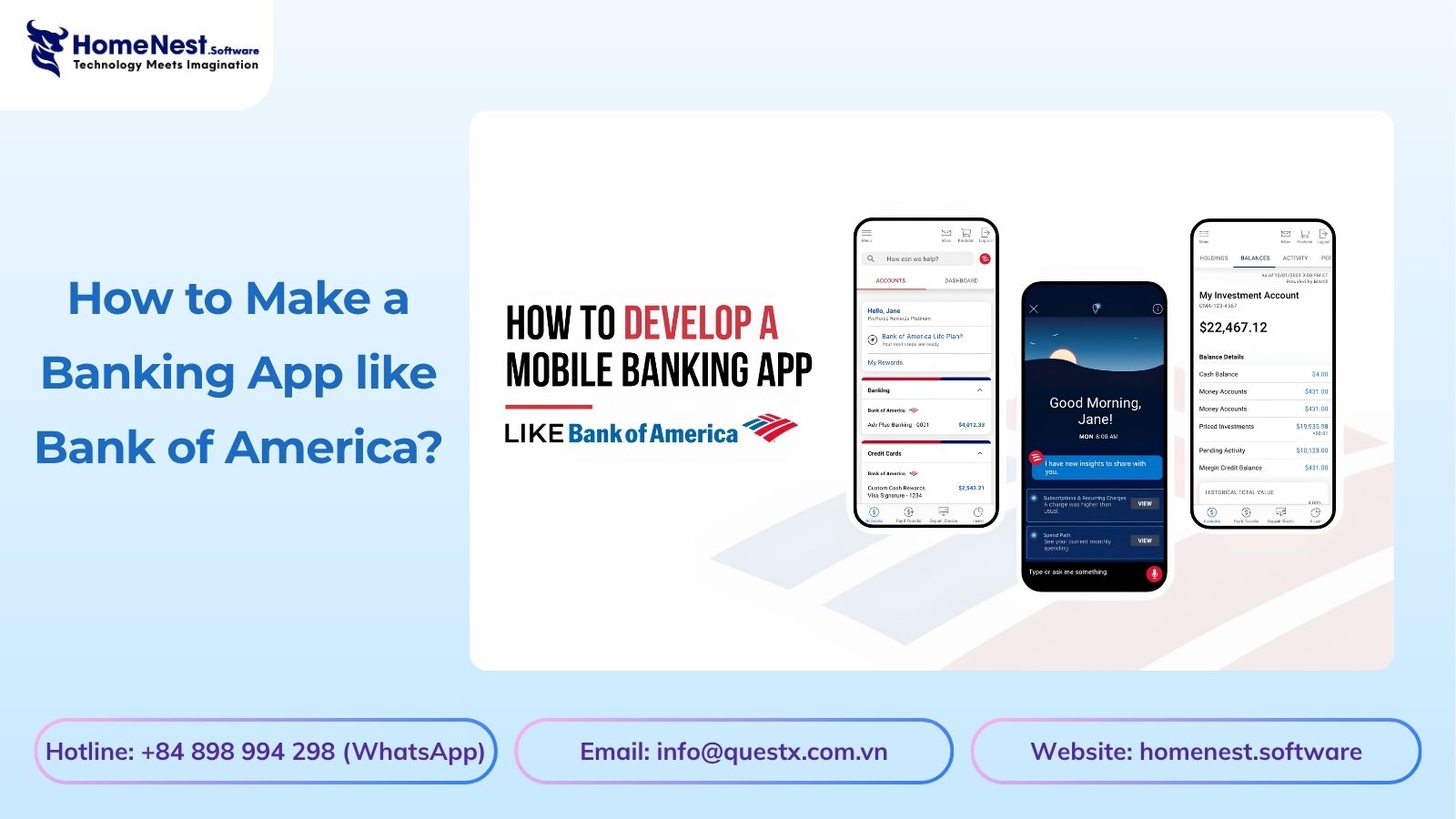
How to Make a Banking App like Bank of America?
Developing a mobile banking application like Bank of America extends far beyond basic UI design; it requires engineering a fault-tolerant backend capable of real-time ledger synchronization, biometric authentication, and high-volume data processing under strict regulatory frameworks. Drawing from HomeNest Software’s deep experience in architecting enterprise-grade fintech solutions, this guide strips away theoretical jargon to focus entirely on operational and technical execution. What you will find in this guide: We break down the precise development roadmap, from mapping out microservices and ensuring PCI-DSS compliance to estimating MVP development costs and securing absolute data sovereignty through 100% source code ownership. If you are preparing to build, scale, or audit a financial platform, this blueprint provides the exact framework you need.
Banking App Development Cost
Building a banking application is rarely a simple process; it’s a complex technical challenge requiring a balance between complying with stringent financial regulations, handling large transaction volumes, and a scalable cloud architecture. Miscalculating these technical requirements from the outset often leads to significant technical debt and budget overruns. Based on HomeNest Software’s practical experience in designing enterprise-grade fintech solutions, this guide bypasses generic estimates to provide a realistic analysis of banking application development costs. What you’ll find in this guide: We analyze the true cost factors, from technology selection and API integration to the hidden costs of regulatory compliance and security infrastructure. Whether you’re launching a minimum viable product or expanding an existing financial platform, this analysis provides the precise operational data you need to plan your budget effectively.
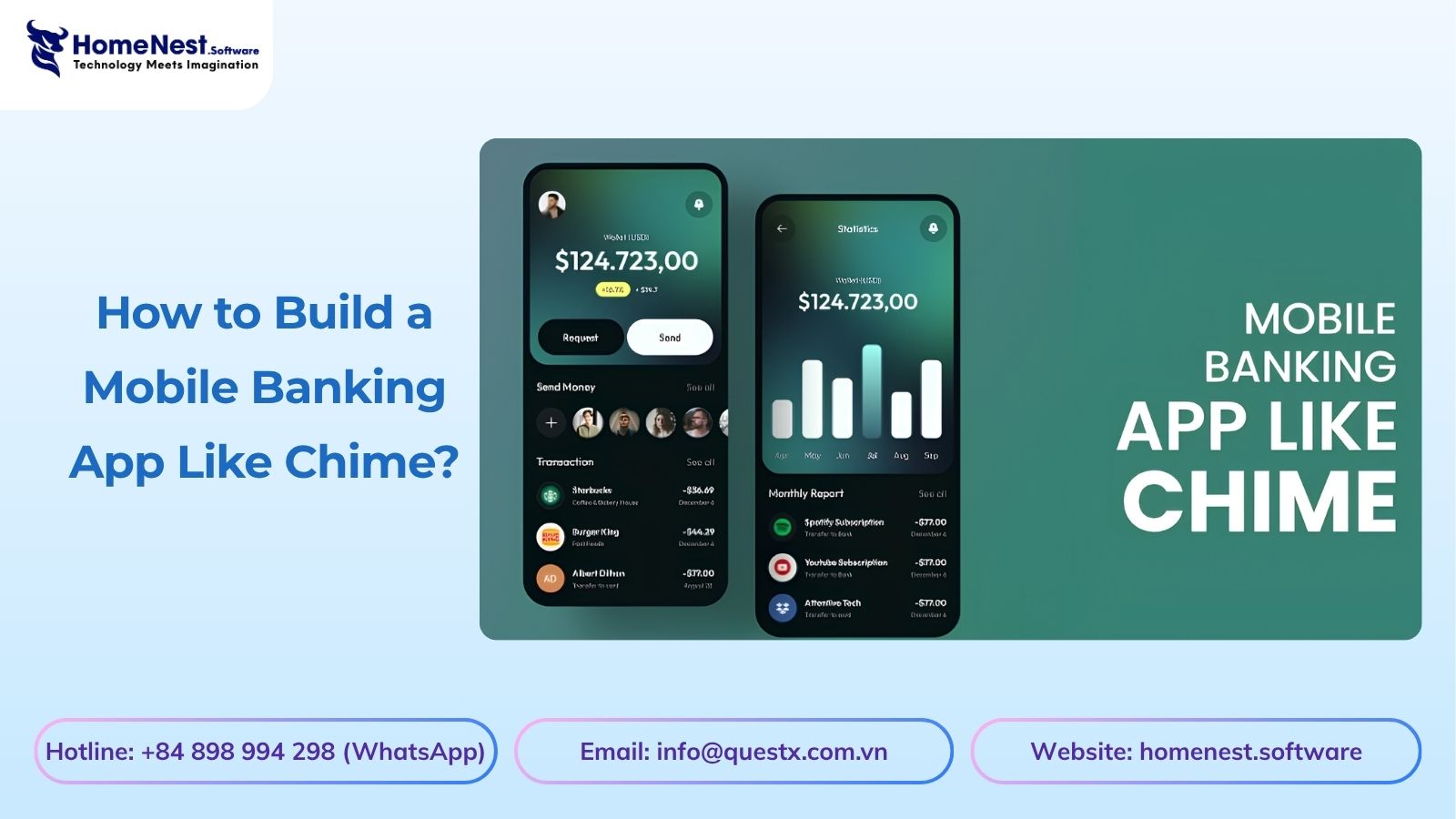
How to Build a Mobile Banking App Like Chime?
Building a mobile banking app like Chime is not just about features, it is about delivering a secure, scalable, and user-centric financial experience. From planning the right architecture to optimizing mobile banking app development cost, every decision directly impacts your product’s success. Leveraging Fintech app development services, starting with MVP app development, and scaling through on-demand app development solutions allows businesses to reduce risk and accelerate time to market. To stay competitive, combining Android app development services and iOS app development solutions ensures wider reach, while continuous updates through maintenance software development services keep your app secure and future-ready.
How to Build a Banking App Like Barclays: A Complete Entrepreneur’s Guide
Building a banking app like Barclays requires more than just development. It demands a strong product vision, secure architecture, and a clear monetization strategy. From optimizing cost and selecting the right tech stack to ensuring compliance and scalability, every decision impacts long-term success. Partnering with an experienced team like HomeNest Software helps accelerate development, reduce risks, and deliver a high-quality fintech product that can compete in today’s fast-evolving digital banking landscape.