
How Much Does It Cost to Build an App Like Cash App
Scope of Work
In recent years, digital payment applications have surged in popularity thanks to their convenience, strong security, and user friendly experiences. Built through modern cash app development, these platforms address the growing demand for fast, reliable, and seamless digital payment solutions. As smartphone adoption continues to rise and users become more comfortable with digital finance, payment apps are increasingly becoming a core component of the global financial ecosystem.
Among today’s leading payment platforms, Cash App stands out for its wide range of features. It enables users to send and receive money, pay bills, and even invest in stocks all within a single application. This article explores the cost of Cash App development, while also examining the key benefits, core features, and latest market statistics related to building modern payment applications.
What Is a Cash App?
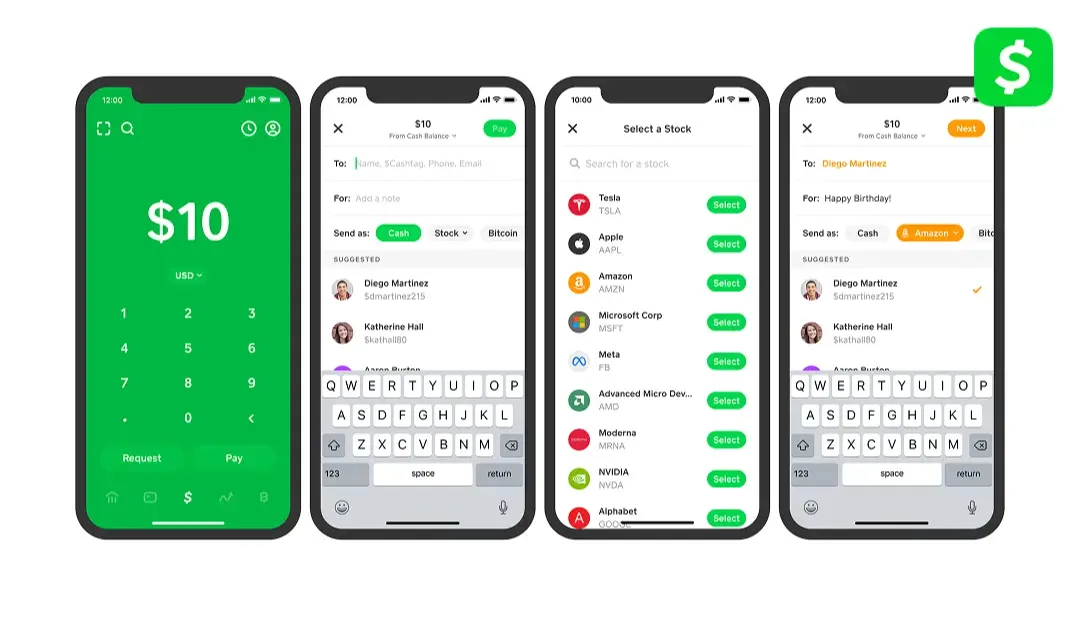
Cash App, launched in 2013, is a popular peer to peer (P2P) mobile payment application developed by Block, Inc.. The app enables users to send, receive, and store money instantly, making it one of the most widely used digital payment platforms in the market today.
Known for its fast money transfers that are completed within minutes, Cash App supports multiple financial use cases, including bill payments and the use of a dedicated Cash Card for everyday transactions. Beyond basic payments, Cash App also allows users to buy, sell, and hold Bitcoin, as well as invest in stocks with zero commission.
Designed with simplicity and ease of use in mind, Cash App is widely adopted for online purchases, peer to peer transfers, and small business transactions making it a strong benchmark for businesses looking to build an app like Cash App or develop a scalable Cash App clone.
Key Features of a Cash App–Like Application
A digital payment platform must deliver speed, security, and ease of use to become a preferred choice for sending and receiving money. In Cash App–like application development, the following features are considered essential for building a competitive and scalable product.
P2P Money Transfers
Peer to peer money transfer is the core functionality of any payment app. Users should be able to send and receive funds in real time with people in their contact list. Adding QR code–based payments further enhances convenience by enabling fast, contactless transactions.
Digital Wallet Integration
An in app wallet allows users to store money securely and complete transactions instantly. With wallet integration, users can pay via QR codes, transfer funds to contacts, or move money between linked bank accounts making everyday payments seamless and efficient.
Cash Card Support
A Cash Card–style feature enables users to spend their in app balance using a physical or virtual debit card. Typically powered by Visa or Mastercard, this feature allows payments for online and offline purchases, expanding the usability of the payment app beyond peer to peer transfers.
Multiple Account Types
Cash App–like platforms can serve both individuals and businesses. Supporting multiple account types such as personal and business profiles allows better user segmentation, tailored features, and higher transaction limits based on usage needs.
Multi Factor Authentication (MFA)
Security is critical in digital payment apps. Multi factor authentication adds an extra protection layer by requiring users to verify their identity using two or more methods, such as OTPs, email verification, or biometric authentication, before accessing accounts or completing transactions.
Linked Bank Accounts & Credit Cards
A robust payment app enables users to securely link multiple bank accounts and credit cards. This flexibility allows users to choose their preferred funding source, manage finances in one place, and perform transactions more efficiently across different financial institutions.
Read more: Fintech App Development Cost Breakdown
Estimated Cost to Build a Cash App–Like Application
The cost to build an app like Cash App depends on several key factors that directly influence the overall development budget. These include feature scope, application complexity, custom UI/UX design, level of personalization, development team expertise, geographic location, and hourly development rates.
Below is an estimated cost breakdown to help businesses understand the average investment required to develop a Cash App–like solution:
| App Complexity | Estimated Cost | Development Timeline |
|---|---|---|
| Basic App | $8,000 – $10,000 | 4–6 weeks |
| Mid Level App | $10,000 – $15,000 | 5–8 weeks |
| Advanced App | $15,000+ | 8–12 weeks |
A basic version typically covers essential P2P payment features, while advanced applications include complex functionalities such as enhanced security layers, multi account support, custom UI/UX, and scalable backend architecture. Choosing the right development strategy ensures cost efficiency while supporting future growth.
Read more: How Much Does It Cost To Build A Mobile App?
Factors Affecting the Cost to Develop an App Like Cash App
As mentioned earlier, the cost of developing an app similar to Cash App depends on multiple variables. These include your target audience, product vision, scalability goals, and technical decisions each of which plays a major role in determining the final Cash App development cost. Below is a detailed breakdown of the key factors that significantly influence overall pricing.
App Features
Feature scope has a direct impact on development cost. A basic payment app usually includes essential functionalities such as user onboarding, peer to peer transfers, and transaction history. However, adding advanced features like cryptocurrency trading, instant deposits, QR code payments, cashback rewards, and in app analytics requires more development effort and increases the overall budget.
Mobile App Design
App design affects both usability and cost. A simple, template based UI with minimal customization is more cost effective and faster to implement. In contrast, advanced UI/UX design with custom branding, animations, micro interactions, and polished visual elements demands more time, design expertise, and resources.
When building a Cash App–like platform, it’s important to focus on intuitive navigation, minimalist layouts, interactive elements, and accessibility to ensure a seamless user experience across all user types.
Platform Selection
Development cost varies depending on whether you build for iOS, Android, or both platforms. Native development for each platform requires separate codebases, increasing development time and cost.
Alternatively, using cross platform frameworks such as React Native or Flutter allows developers to build a single codebase for both iOS and Android. This approach significantly reduces development hours and overall costs while maintaining consistent performance.
Technology Stack Selection
Choosing the right technology stack is critical for performance, scalability, and security and it also directly impacts development cost. Below is a commonly used tech stack for building a Cash App–like solution:
| Layer | Technology Stack |
|---|---|
| Frontend Development | React Native, Flutter (Web), Kotlin (Android), Swift (iOS) |
| Backend Development | Flask, Ruby on Rails |
| Database | PostgreSQL, MongoDB |
| Authentication | OAuth, JWT |
| Payment Gateway | Stripe, Braintree |
| Notifications | Firebase Cloud Messaging (FCM), Pusher |
| Server Hosting | AWS, Heroku |
| CDN | Cloudflare, Amazon CloudFront |
| Monitoring | Datadog, New Relic |
| Security | SSL/TLS, Data Encryption |
| Version Control | GitHub, Bitbucket |
| DevOps | Docker, Kubernetes |
| Analytics | Mixpanel, Google Analytics |
| Testing | Jest, Enzyme, XCTest (iOS), Espresso (Android) |
Selecting a scalable, secure, and future ready tech stack ensures long term stability while keeping maintenance and upgrade costs under control.
Why Partner with HomeNest Software for Fintech App Development?
Partnering with HomeNest Software means working with a fintech development team that delivers regulated, secure, and scalable solutions built to BFSI grade performance standards. We combine deep domain expertise with next generation technology stacks to help fintech products achieve faster time to market and measurable ROI across digital payments, lending, wealthtech, insuretech, and trading platforms.
Domain First Product Discovery
Our engagement begins with strategic discovery to align product scope with regulatory, risk, and revenue goals from day one. Through structured requirement workshops, we map user journeys for consumers, merchants, operations, and compliance teams eliminating gaps in KYC, AML, reconciliation, and settlement flows. This domain first approach reduces rework, accelerates approvals, and focuses MVP delivery on high impact features such as onboarding, payment rails, fraud checks, and payouts.
Compliance & Security by Design
Security and compliance are embedded into the architecture not added later. Our solutions incorporate encryption, role based access control, and adherence to standards such as PCI DSS, RBI guidelines, and data privacy regulations. Continuous vulnerability assessments, anomaly monitoring, fraud detection, and secure key management reduce operational risk and audit friction.
Cloud governance with isolated environments, logging, and incident response workflows ensures traceability and rapid response for regulated fintech businesses.
Modern Fintech Technology Stack
We leverage AI/ML for risk scoring, fraud prevention, and personalization; big data for cohort analysis and churn reduction; and cloud native architectures for elastic scalability during peak demand.
Blockchain is applied selectively to enable auditable workflows, tokenized value, or cross partner settlements when decentralization adds trust or cost efficiency. Secure API based integrations with payment gateways, KYC/AML providers, CRMs, analytics platforms, and core banking systems ensure reliable, high throughput operations.
Proven Delivery & Ongoing Maintenance
Our sprint based delivery model combines rigorous QA with performance, security, and UAT gates ensuring stable releases for both consumer scale and enterprise grade users. Post launch, our managed services cover hotfixes, optimization, and feature evolution, allowing products to adapt to market and regulatory changes without disrupting production environments.
Case backed delivery across multiple fintech verticals demonstrates on time launches, strong usability, and long term system reliability at scale.
Expertise Across Fintech Subdomains
Our capabilities span digital wallets, BNPL, lending, wealthtech, insuretech, and neobanking. We build reusable accelerators for onboarding, risk assessment, pricing engines, and settlement workflows. Regional expertise across GCC and India markets supports localization, compliance alignment, and faster go to market strategies.
Measurable Business Impact & Scalability
Engineering decisions are driven by quantifiable KPIs onboarding speed, approval rates, transaction success, fraud loss reduction, and customer lifetime value growth. Microservices and cloud native design enable horizontal scaling, incremental releases, A/B testing, and feature flagging for controlled experimentation.
Client feedback consistently highlights our quality, value delivery, and ownership mindset ensuring teams stay aligned with product vision and business outcomes.
Closing Thoughts
In this article, we explored the cost of building an app like Cash App, along with its core features, estimated development budget, and the key factors that influence overall pricing. With the fintech market continuing to expand and the demand for peer to peer (P2P) payment solutions growing rapidly, investing in a Cash App–like platform presents a strong opportunity for long term growth.
As a trusted fintech app development company, we’re ready to help you turn your idea into a scalable and future ready P2P payment application. Get in touch with our team to discuss your vision we’ll work with you strategically to build a secure, compliant, and high value product designed to succeed in the evolving digital finance landscape.
HomeNest Software – Empowering Long Term Growth for Modern Businesses.

Contact Information:
- Address: The Sun Avenue, 28 Mai Chi Tho Street, Binh Trung Ward, Ho Chi Minh City
- Hotline: +84 898 994 298 ( WhatsApp )
- Website: homenest.software
HomeNest Services: Website Design – App Design – Software Development.
Frequently Asked Questions (FAQs)
How much does it cost to build an app like Cash App?
The cost to build an app like Cash App typically ranges from $8,000 to $15,000+, depending on feature complexity, platform choice (iOS, Android, or both), UI/UX customization, security requirements, and development team expertise.
How long does it take to develop a Cash App–like application?
Development usually takes 4 to 12 weeks. A basic MVP can be launched faster, while advanced versions with enhanced security, compliance, and scalability require more time.
What core features are required in a Cash App–like platform?
Essential features include P2P money transfers, digital wallet integration, bank and card linking, multi factor authentication, transaction history, notifications, and a secure backend architecture.
Is it legal to launch a P2P payment app?
Yes, but P2P payment apps must comply with financial regulations such as KYC/AML, data privacy laws, and payment security standards. Working with an experienced fintech development company helps ensure regulatory compliance from the start.
Can I build a Cash App–like solution for both iOS and Android?
Yes. You can choose native development for each platform or use cross platform frameworks like React Native or Flutter to reduce development time and cost while supporting both iOS and Android.
Can HomeNest Software build a custom Cash App–like solution?
Absolutely. HomeNest Software specializes in building secure, scalable, and compliant fintech applications tailored to business goals from MVPs to enterprise grade P2P payment platforms.
How can a Cash App–like app generate revenue?
Common monetization models include transaction fees, instant deposit fees, subscription plans, affiliate partnerships, and cross selling financial services such as BNPL or digital banking products.
Latest Articles
View All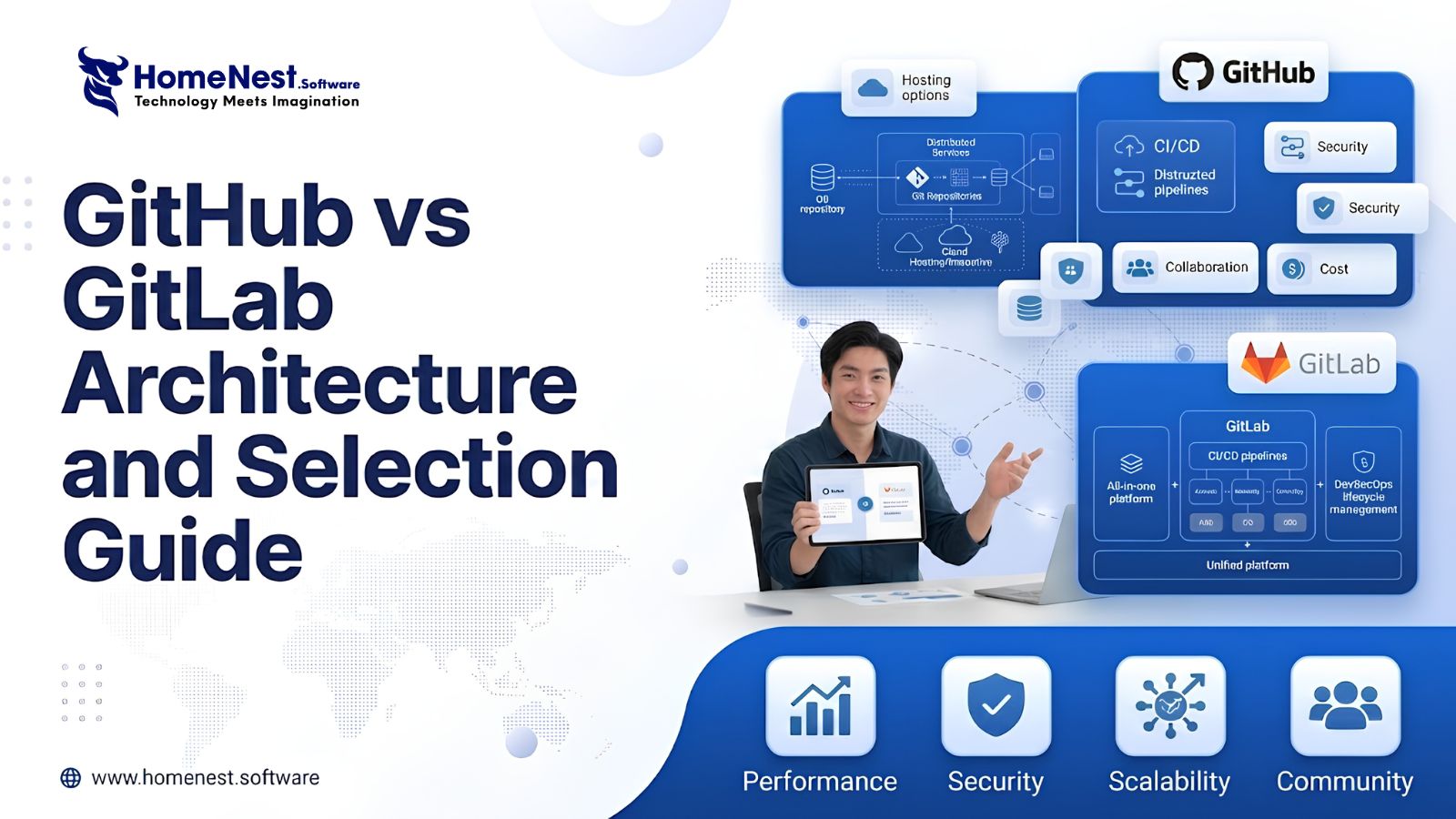
GitHub vs GitLab – Architecture and Selection Guide
Managing source code requires stable infrastructure. Automating software releases requires reliable pipelines. Tool sprawl creates operational complexity. Engineering teams face friction when using fragmented DevOps tools. Selecting between GitHub and GitLab shapes long term development efficiency.
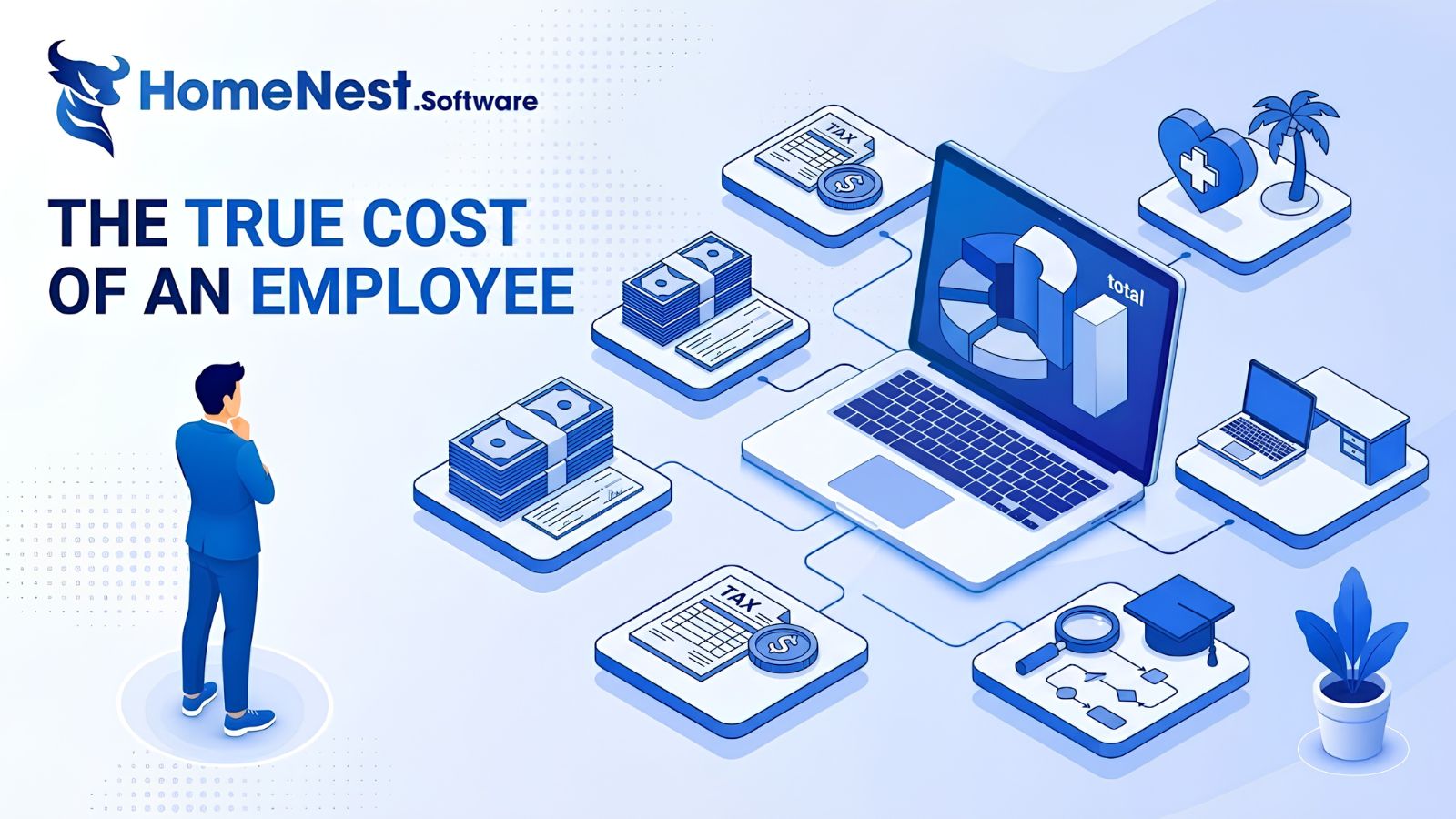
The True Cost of an Employee: A Complete Breakdown for Employers
This article reveals that the true cost of an employee is typically 25% to 40% higher than their base salary due to hidden expenses like taxes, benefits, workspace, and recruiting. To address this, the guide provides a detailed 7-step framework to accurately calculate total employer costs, alongside actionable strategies to optimize budgets and improve retention without reducing pay.
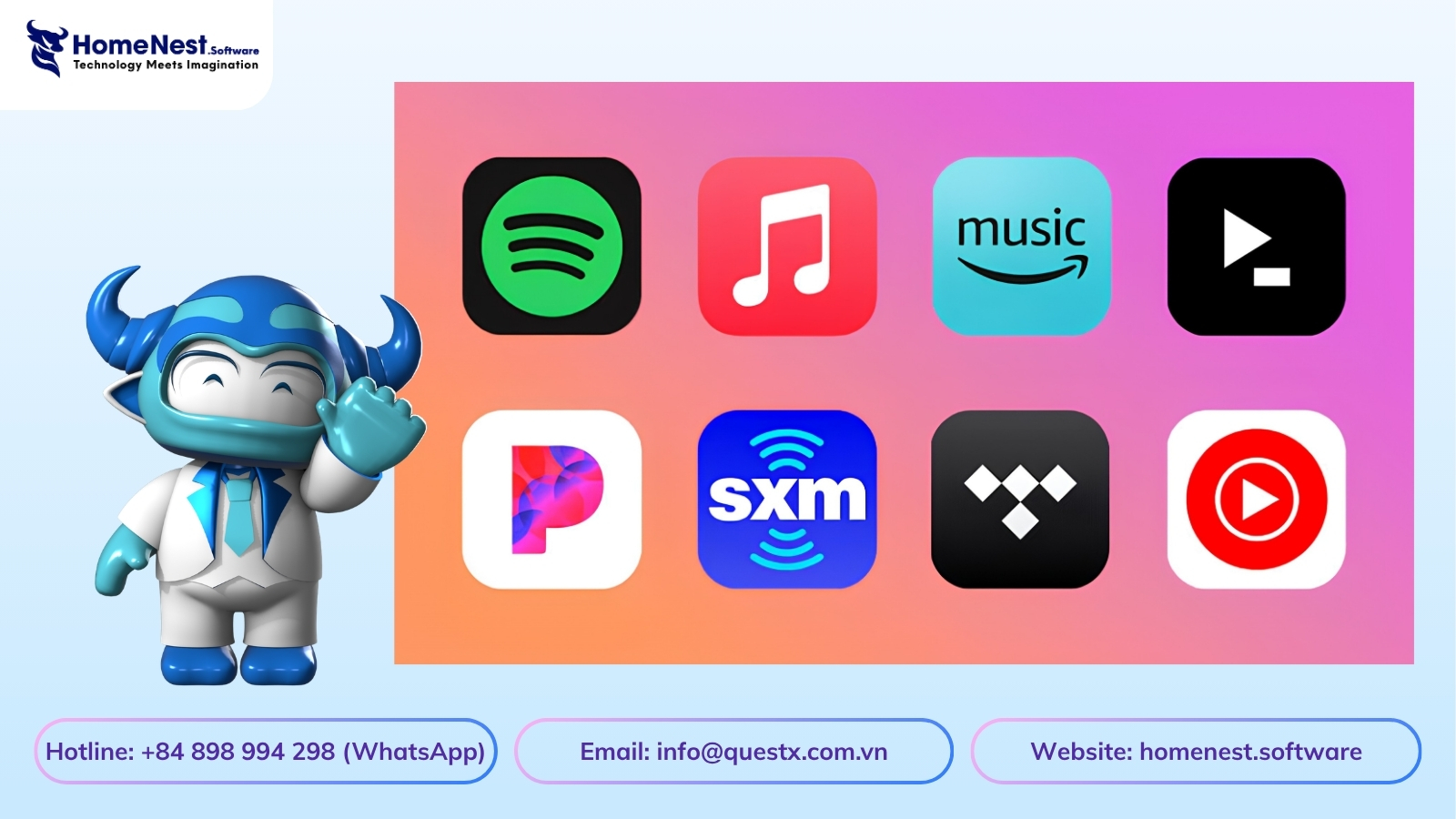
Essential Tips To Develop A Music Streaming App
Discover expert tips to develop a successful music streaming app with HomeNest Software. This guide covers essential features, legal licensing, and scalable technology stacks. Learn how to build a robust, cross-platform application with AI personalization to stand out in the 2026 competitive audio market.
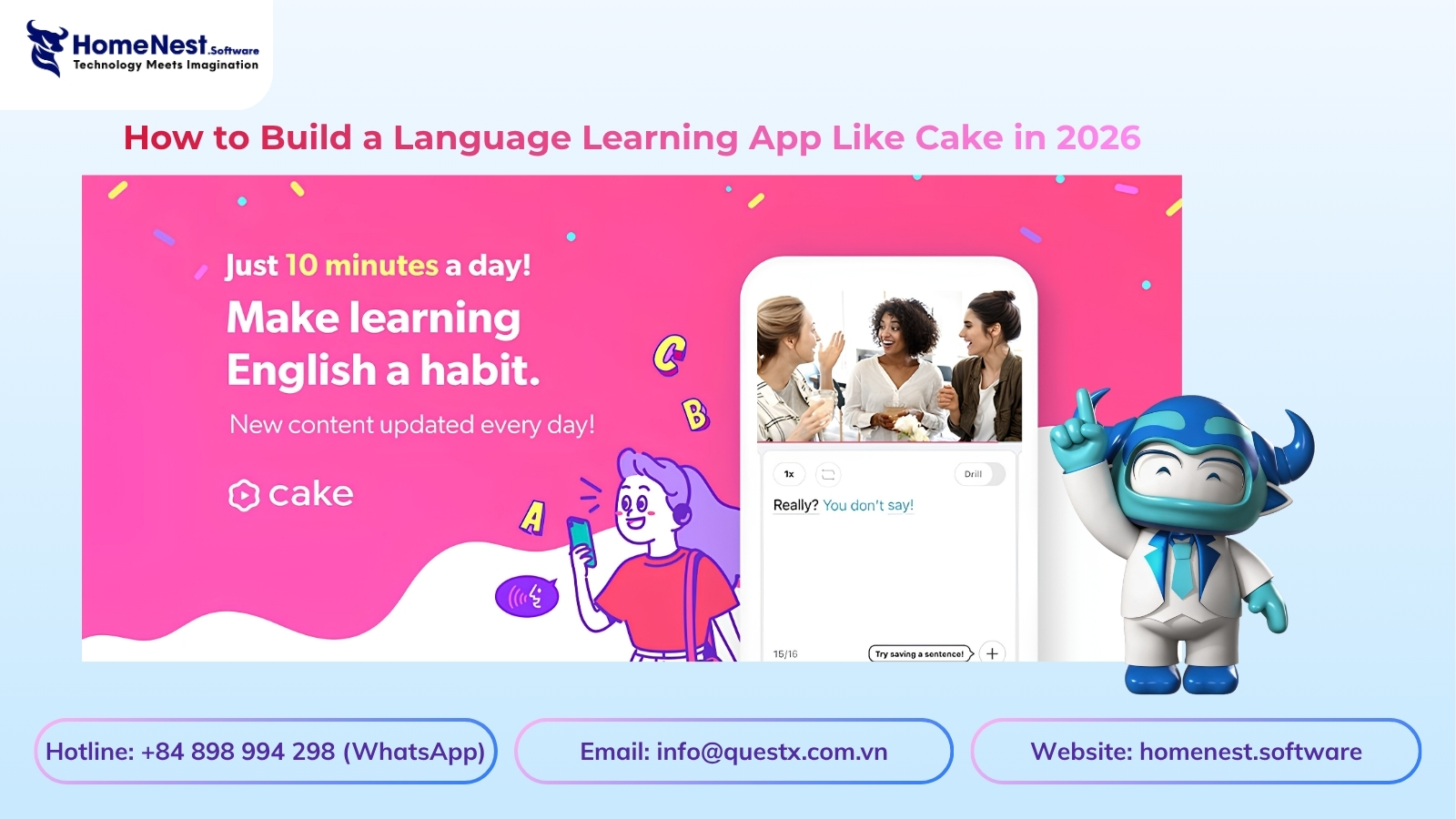
How to Build a Language Learning App Like Cake
Discover how to build a successful language learning app like Cake with this comprehensive guide from HomeNest Software. We explore market research, essential MVP features, advanced AI integrations, tech stack selection, and estimated development costs. Partner with HomeNest Software to create a scalable, gamified, and highly engaging educational platform tailored to your business goals. Start your app development journey with us today.
How to Build an App Like TaskRabbit: Features, Cost, Tech Stack – Business Model
Building an app like TaskRabbit is more than replicating existing features—it’s about creating a trusted marketplace that seamlessly connects customers with skilled service providers. By combining an intuitive user experience, secure payment systems, scalable architecture, and the right business model, you can launch a competitive on-demand platform. Partnering with an experienced app development company like HomeNest Software ensures your product is built with the technology, flexibility, and long-term scalability needed to succeed in the rapidly growing gig economy.
How to Build a Meal Planning App: A Complete Step-by-Step Guide
Building a successful meal planning app goes beyond creating an attractive interface it requires a clear business strategy, personalized user experiences, and scalable technology. By combining essential features like AI-powered meal recommendations, nutrition tracking, grocery list automation, and wearable integration, businesses can deliver lasting value to users while capitalizing on the growing digital health market. Partnering with an experienced mobile app development company ensures your solution is secure, future-ready, and designed to succeed in an increasingly competitive health-tech industry.